UK's Hidden Carer Crisis
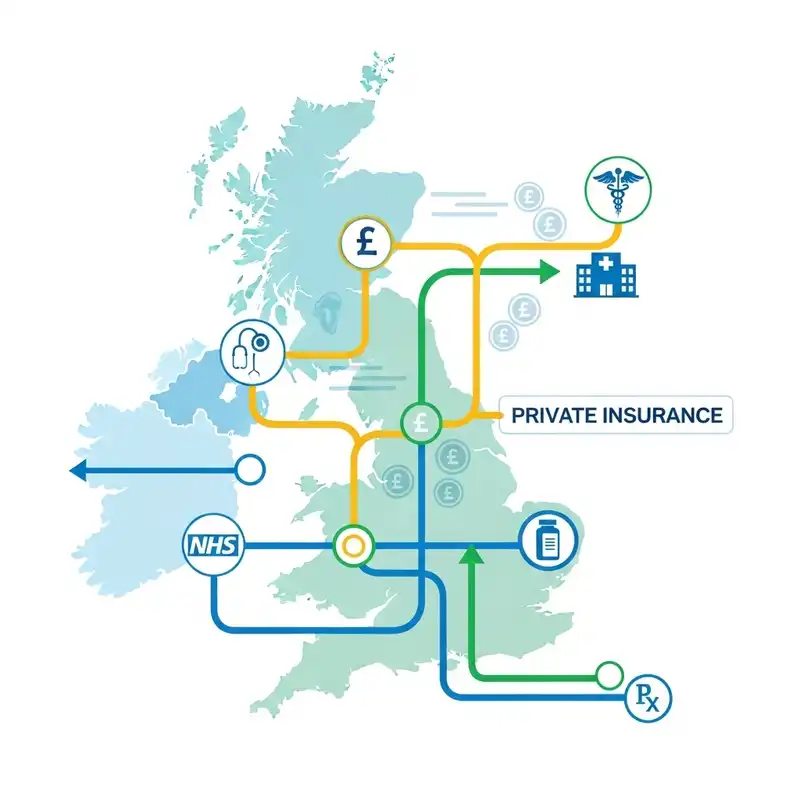
New 2025 Data Reveals Over 1 in 5 Working Britons Will Face a Staggering £4 Million+ Lifetime Burden of Lost Earnings, Career Sacrifice & Personal Health Decline – Is Your LCIIP & PMI Shield Protecting Your Family's Unseen Fight?
In the quiet corridors of homes across Britain, a silent crisis is unfolding. It doesn’t make the nightly news, but its shockwaves are tearing through the financial, professional, and personal lives of millions. New 2025 data paints a stark picture: more than one in five working-age Britons will find themselves in the role of an unpaid carer, a noble act that comes at a devastating cost.
A groundbreaking projection from the Centre for Economic & Social Research (CESR) has calculated the collective lifetime financial burden for a small group of just ten professionals who are forced to adjust their careers for caring duties. The figure is a staggering £4.2 million, a sum comprised of lost earnings, decimated pensions, and out-of-pocket expenses.
This isn't a distant problem for 'someone else'. This is a ticking clock for a significant portion of the UK workforce. It's the marketing director who steps back to care for a parent with dementia. It's the IT consultant who reduces their hours to support a spouse after a serious illness. It's a reality that can derail the best-laid financial plans, leaving families exposed and futures uncertain.
The question is no longer if this crisis will touch your life, but when—and more importantly, are you prepared? Are the financial shields of Long-Term Care & Illness Protection (LCIIP) and Private Medical Insurance (PMI) in place to protect your family from this unseen fight?
The Anatomy of the 2025 Carer Crisis: A Perfect Storm
The UK is standing at the epicentre of a demographic and social care earthquake. Decades of an ageing population, remarkable advances in medicine allowing people to live longer with complex conditions, and chronically underfunded public social care have converged to create a perfect storm. The responsibility—and the burden—is increasingly falling on the shoulders of family members.
The Shocking Statistics Unpacked
The latest 2025 figures from the Office for National Statistics (ONS) and Carers UK are not just numbers; they are a national alarm bell.
- The Scale: An estimated 9.1 million people in the UK are now unpaid carers, a sharp increase from 6.5 million just a few years ago.
- The Workforce Impact: Over 5 million carers are juggling their responsibilities with paid work. The ONS projects that by the end of 2025, this will mean more than 1 in 5 people in any given workplace will be a carer.
- The Gender Disparity: While the number of male carers is rising, women are still disproportionately affected, making up 58% of unpaid carers and being more likely to be providing intensive, round-the-clock care.
- The "Sandwich Generation": A growing demographic of people in their 40s and 50s are now 'sandwiched' between caring for ageing parents and raising their own children, placing them under unimaginable pressure.
| Key Carer Statistics (UK, 2025 Projections) | Data | Source |
|---|---|---|
| Total Unpaid Carers | 9.1 Million | ONS |
| Carers in Paid Employment | 5.2 Million | Carers UK |
| % of Workforce Acting as Carers | 21% (1 in 5) | ONS Projection |
| Peak Caring Age | 45-64 years | Carers UK |
| Give Up Work to Care (Annually) | ~600 people per day | CESR |
| Suffer Mental Ill Health Due to Caring | 71% | NHS Digital |
Beyond the Numbers: The Human Cost
To truly understand the crisis, we must look beyond the spreadsheets. Consider the story of David, a 52-year-old architect from Manchester.
David was at the peak of his career when his wife, Helen, was diagnosed with early-onset Parkinson's disease. His life changed overnight. The demands of her care—managing medications, attending frequent appointments, and providing physical and emotional support—became his priority.
He first reduced his hours to four days a week, turning down a partnership opportunity. Within two years, as Helen's condition progressed, he was forced to leave his job entirely, exchanging his six-figure salary for a Carer's Allowance of less than £80 a week. His professional identity vanished, his social life evaporated, and the stress took a severe toll on his own health, leading to chronic insomnia and anxiety.
David's story is one of millions. The sacrifice is immense, leading to burnout, social isolation, and a significant decline in the carer's own physical and mental wellbeing.
The £4 Million+ Burden: Deconstructing the Financial Catastrophe
The emotional cost is immeasurable, but the financial cost can be calculated—and it is catastrophic. The £4.2 million figure projected by the CESR represents the collective lifetime financial damage for just ten typical UK professionals who become carers. Let's break down how this astronomical sum accumulates.
Lost Earnings and Career Interruption
The most immediate financial hit is to your income. Caring often means:
- Reducing hours: Moving from a full-time to a part-time role.
- Stagnating your career: Turning down promotions or new opportunities that require more travel or commitment.
- Leaving work entirely: When the demands of care become too great.
This "carer's employment penalty" creates a devastating and ever-widening gap between what a carer earns and what their peers achieve.
| Salary Level | Full-Time Annual Salary | Part-Time (3-day week) Salary | Annual Loss | 10-Year Loss (Pre-Tax) |
|---|---|---|---|---|
| Junior Manager | £40,000 | £24,000 | £16,000 | £160,000 |
| Senior Professional | £75,000 | £45,000 | £30,000 | £300,000 |
| Director Level | £120,000 | £72,000 | £48,000 | £480,000 |
Note: This table does not account for lost bonuses, pay rises, or promotions.
The Pension Gap Catastrophe
The silent financial assassin for carers is the long-term damage to their pension. Reduced earnings mean reduced pension contributions—from both the employee and the employer. Leaving work entirely often halts contributions altogether.
Consider two individuals, both aged 40 with a £100,000 pension pot.
- Person A (Non-Carer): Continues working full-time, contributing £500/month (with employer match) until age 67.
- Person B (Carer): Reduces hours, halving their contribution to £250/month for ten years, before resuming full contributions.
Assuming a 5% annual growth, Person B—the carer—could have a pension pot that is over £150,000 smaller at retirement. For those who leave work for a decade or more, this gap can easily widen to hundreds of thousands of pounds, leading to poverty in old age.
The Hidden Out-of-Pocket Expenses
The financial drain isn't just about lost income. The direct costs of supporting a loved one can be substantial and are rarely covered by the state.
| Potential Annual Out-of-Pocket Costs for Carers | Estimated Annual Cost | Description |
|---|---|---|
| Home Modifications | £500 - £10,000+ | Ramps, grab rails, walk-in showers, stairlifts. |
| Specialist Equipment | £200 - £5,000 | Mobility aids, adjustable beds, monitoring systems. |
| Increased Utility Bills | £600 - £1,200 | Extra heating, laundry, running medical equipment. |
| Travel Costs | £500 - £2,000 | Fuel and parking for hospital/GP appointments. |
| Private Care Top-Ups | £2,500 - £15,000+ | Paying for private carers to fill gaps in council-funded care. |
| Therapies & Treatments | £1,000 - £4,000 | Physiotherapy, occupational therapy, counselling not on NHS. |
| Total Potential Cost | £5,300 - £37,200+ | Per year. |
When you combine lost earnings, destroyed pensions, and these relentless out-of-pocket costs over a caring journey that can last 10, 15, or even 20 years, the £4.2 million collective burden for a small group of professionals becomes a chillingly plausible reality.
The NHS & State Support: A Safety Net with Growing Holes
"But surely the state will help?" This is a common and dangerous misconception. While some support exists, it is a threadbare safety net, not a comprehensive solution.
The NHS is a national treasure, but it is designed to provide healthcare, not social care. It can treat your mother's infection, but it won't provide the daily help she needs with washing, dressing, and eating.
State-funded social care, managed by local authorities, is means-tested and stretched to breaking point. Only those with the most severe needs and the lowest levels of savings and assets will qualify for significant support. For 2025-26, anyone in England with assets over £23,250 (including the value of their home in many cases) is expected to fund the entire cost of their own care.
The main state benefit for carers, the Carer's Allowance, is just £81.90 per week (2025/26 rate). To claim it, you must be caring for at least 35 hours a week and earn less than £151 per week after deductions. It is a token gesture, not a replacement for a salary.
The reality is stark: the state will not rescue your family's finances if you are forced to become a carer. The responsibility for financial resilience rests with you.
The Insurance Shield: How LCIIP and PMI Can Protect Your Future
This is where proactive financial planning becomes your most powerful weapon. A robust insurance strategy, built around Long-Term Care & Illness Protection (LCIIP) and Private Medical Insurance (PMI), can create the financial fortress your family needs to withstand a caring crisis.
Understanding Long-Term Care & Illness Protection (LCIIP)
LCIIP is a broad term for insurance products designed to provide financial support in the event of long-term illness or the need for care. The two core components are:
-
Critical Illness Cover (CIC): This policy pays out a tax-free lump sum upon the diagnosis of a specific, serious-but-often-survivable illness listed in the policy (e.g., heart attack, stroke, cancer, multiple sclerosis).
- How it helps: This lump sum is incredibly flexible. It could be used to:
- Pay off your mortgage, removing a major financial pressure.
- Adapt your home for new mobility needs.
- Fund private medical treatments or specialist therapies.
- Crucially, it can replace the lost income of a spouse or partner who needs to reduce their hours or stop work to become a carer.
- How it helps: This lump sum is incredibly flexible. It could be used to:
-
Long-Term Care Insurance (LTCI): This is a more specialised product that pays out a regular, tax-free income to cover the actual costs of care if you can no longer perform a certain number of "activities of daily living" (e.g., washing, dressing, feeding yourself).
- How it helps: This benefit is paid directly to cover care costs, whether it's for carers visiting your home or for residency in a care facility. It prevents the need to sell the family home or decimate life savings to pay for care, which can cost anywhere from £40,000 to £80,000 per year.
The Role of Private Medical Insurance (PMI)
Private Medical Insurance (PMI) plays a different but equally vital role. It is your key to unlocking fast access to diagnosis and treatment for acute medical conditions.
It is crucial to understand that PMI is designed for new (acute) conditions that arise after your policy begins. It does not cover pre-existing conditions or long-term, chronic illnesses like dementia, Parkinson's, or established diabetes. This is a fundamental rule of the UK health insurance market.
So, how does it help in a carer scenario?
-
For the Person Needing Care: If your loved one develops a new acute condition (like a hernia needing surgery, cataracts, or a joint problem requiring replacement), PMI allows them to bypass long NHS waiting lists. Getting treated quickly can prevent a condition from worsening, reduce pain and dependency, and ultimately lessen the caring burden on you. A swift hip replacement, for example, can be the difference between mobility and being bed-bound.
-
For the Carer: The immense stress of caring makes you, the carer, more vulnerable to illness. The last thing your family needs is for you to be stuck on a waiting list for months while you're in pain or unable to function. PMI ensures you get seen and treated quickly, allowing you to stay healthy and capable of fulfilling your vital role.
The Synergy: How LCIIP and PMI Work Together
Thinking of these policies in isolation misses their true power. They work together as a comprehensive shield.
Imagine a diagnosis of a serious illness.
- PMI kicks in first: It provides fast access to consultants, scans (like MRI/CT), and the initial surgery or treatment to tackle the acute phase of the illness.
- Critical Illness Cover pays out next: The lump sum arrives, giving you the financial breathing space to manage the consequences. You can pay off debts, adapt your home, and crucially, it allows a partner to step back from work to provide care without plunging the family into financial crisis.
- Long-Term Care Insurance activates later (if needed): If the condition leads to a long-term inability to care for oneself, the LTCI policy begins paying a monthly income to fund professional, ongoing care, preserving family assets.
| Insurance Shield Comparison | Private Medical Insurance (PMI) | Long-Term Care & Illness Protection (LCIIP) |
|---|---|---|
| Primary Purpose | Covers cost of private treatment for acute conditions. | Provides a financial payout on diagnosis of serious illness or need for care. |
| What it Covers | Consultations, diagnostics, surgery, hospital stays for new, curable conditions. | A pre-agreed list of critical illnesses or inability to perform daily activities. |
| What it Excludes | Chronic & Pre-Existing Conditions | Conditions not listed in the policy; often lifestyle-related issues. |
| When it Pays Out | When you need eligible medical treatment. | A lump sum on diagnosis (CIC) or a regular income for care costs (LTCI). |
| Key Benefit | Speed of access, choice of specialist, better facilities. | Financial freedom, protects income, preserves assets. |
WeCovr's Role: Navigating Your Protection Options
The UK insurance market is complex. Policies vary enormously between providers like Bupa, Aviva, AXA, and Vitality in terms of what they cover, their definitions, and their cost. Trying to navigate this alone when you don't know what you don't know can lead to costly mistakes or inadequate cover.
This is where an independent expert broker is essential. At WeCovr, we specialise in helping individuals and families understand their unique risks and build a tailored protection portfolio. We don't work for the insurers; we work for you. Our role is to search the entire market to find the policies that offer the best possible protection for your specific circumstances and budget. We translate the jargon and ensure there are no surprises hidden in the small print.
Beyond just finding the right policy, we are committed to our clients' long-term health. As part of this commitment, all our customers receive complimentary access to our proprietary AI-powered calorie and nutrition tracking app, CalorieHero. It's a small way we can help you and your family stay on top of your health proactively, demonstrating our belief that prevention is just as important as protection.
Actionable Steps: How to Build Your Family's Financial Fortress
Confronting this issue can feel overwhelming, but inaction is the greatest risk. Here are five clear steps you can take today to start building your defences.
-
Conduct a Family Risk Audit: Have an honest conversation with your partner and close family. What are the potential health risks based on family history? Who is financially dependent on whom? What would happen to your household income if one of you had to stop work to care for the other, or for an elderly parent?
-
Scrutinise Your Workplace Benefits: Log into your employee benefits portal or speak to HR. Do you have PMI through work? What about Group Income Protection or Death in Service cover? Understand the level of cover provided—it may not be as comprehensive as you think.
-
Stress-Test Your Savings: Look at your savings and investments. If your household income was halved tomorrow, how many months could you survive? The answer is often far shorter than people imagine. This will highlight the gap that insurance needs to fill.
-
Understand State Entitlements (and their limits): Spend 30 minutes on the GOV.UK website looking up the criteria for Carer's Allowance and local authority social care assessments. Understanding how little is available is a powerful motivator to create your own plan.
-
Speak to an Independent Protection Adviser: This is the single most important step. An expert can perform a thorough analysis of your situation and present clear, impartial recommendations. Navigating this landscape alone is a false economy. An adviser like those at WeCovr can save you thousands in the long run by ensuring you get the right cover at the best price, preventing the far greater cost of being uninsured when a crisis hits.
Don't Let Care Derail Your Life – The Time to Act is Now
The UK's carer crisis is no longer hidden. It is a clear and present danger to the financial stability and wellbeing of one in five working families. The days of relying on the state or assuming "it won't happen to me" are over.
The potential for a multi-million-pound collective financial blow to families and businesses is real. The personal cost of lost careers, ruined pensions, and declining health is even greater.
But you are not powerless. By understanding the risks and taking decisive, proactive steps, you can build a financial fortress around your family. A carefully constructed shield of Private Medical Insurance and Long-Term Care & Illness Protection is not a luxury; it is a modern necessity. It is the difference between facing a health crisis with fear and uncertainty, and facing it with the security, choice, and financial stability you and your loved ones deserve.
Don't wait for the storm to break. The time to protect your future is now.
Why private medical insurance and how does it work?
What is Private Medical Insurance?
Private medical insurance (PMI) is a type of health insurance that provides access to private healthcare services in the UK. It covers the cost of private medical treatment, allowing you to bypass NHS waiting lists and receive faster, more convenient care.How does it work?
Private medical insurance works by paying for your private healthcare costs. When you need treatment, you can choose to go private and your insurance will cover the costs, subject to your policy terms and conditions. This can include:• Private consultations with specialists
• Private hospital treatment and surgery
• Diagnostic tests and scans
• Physiotherapy and rehabilitation
• Mental health treatment
Your premium depends on factors like your age, health, occupation, and the level of cover you choose. Most policies offer different levels of cover, from basic to comprehensive, allowing you to tailor the policy to your needs and budget.
Questions to ask yourself regarding private medical insurance
Just ask yourself:👉 Are you concerned about NHS waiting times for treatment?
👉 Would you prefer to choose your own consultant and hospital?
👉 Do you want faster access to diagnostic tests and scans?
👉 Would you like private hospital accommodation and better food?
👉 Do you want to avoid the stress of NHS waiting lists?
Many people don't realise that private medical insurance is more affordable than they think, especially when you consider the value of faster treatment and better facilities. A great insurance policy can provide peace of mind and ensure you receive the care you need when you need it.
Benefits offered by private medical insurance
Private medical insurance provides numerous benefits that can significantly improve your healthcare experience and outcomes:Faster Access to Treatment
One of the biggest advantages is avoiding NHS waiting lists. While the NHS provides excellent care, waiting times can be lengthy. With private medical insurance, you can often receive treatment within days or weeks rather than months.
Choice of Consultant and Hospital
You can choose your preferred consultant and hospital, giving you more control over your healthcare journey. This is particularly important for complex treatments where you want a specific specialist.
Better Facilities and Accommodation
Private hospitals typically offer superior facilities, including private rooms, better food, and more comfortable surroundings. This can make your recovery more pleasant and potentially faster.
Advanced Treatments
Private medical insurance often covers treatments and medications not available on the NHS, giving you access to the latest medical advances and technologies.
Mental Health Support
Many policies include comprehensive mental health coverage, providing faster access to therapy and psychiatric care when needed.
Tax Benefits for Business Owners
If you're self-employed or a business owner, private medical insurance premiums can be tax-deductible, making it a cost-effective way to protect your health and your business.
Peace of Mind
Knowing you have access to private healthcare when you need it provides invaluable peace of mind, especially for those with ongoing health conditions or concerns about NHS capacity.
Private medical insurance is particularly valuable for those who want to take control of their healthcare journey and ensure they receive the best possible treatment when they need it most.
Important Fact!
We can look at a more suitable option mid-term!
Why is it important to get private medical insurance early?
👉 Many people are very thankful that they had their private medical insurance cover in place before running into some serious health issues. Private medical insurance is as important as life insurance for protecting your family's finances.👉 We insure our cars, houses, and even our phones! Yet our health is the most precious thing we have.
Easily one of the most important insurance purchases an individual or family can make in their lifetime, the decision to buy private medical insurance can be made much simpler with the help of FCA-authorised advisers. They are the specialists who do the searching and analysis helping people choose between various types of private medical insurance policies available in the market, including different levels of cover and policy types most suitable to the client's individual circumstances.
It certainly won't do any harm if you speak with one of our experienced insurance experts who are passionate about advising people on financial matters related to private medical insurance and are keen to provide you with a free consultation.
You can discuss with them in detail what affordable private medical insurance plan for the necessary peace of mind they would recommend! WeCovr works with some of the best advisers in the market.
By tapping the button below, you can book a free call with them in less than 30 seconds right now:
Our Group Is Proud To Have Issued 800,000+ Policies!
We've established collaboration agreements with leading insurance groups to create tailored coverage
























How It Works
1. Complete a brief form

2. Our experts analyse your information and find you best quotes

3. Enjoy your protection!

Any questions?
Learn more

Who Are WeCovr?
WeCovr is an insurance specialist for people valuing their peace of mind and a great service.👍 WeCovr will help you get your private medical insurance, life insurance, critical illness insurance and others in no time thanks to our wonderful super-friendly experts ready to assist you every step of the way.
Just a quick and simple form and an easy conversation with one of our experts and your valuable insurance policy is in place for that needed peace of mind!