UK's Untreated Mental Health Epidemic
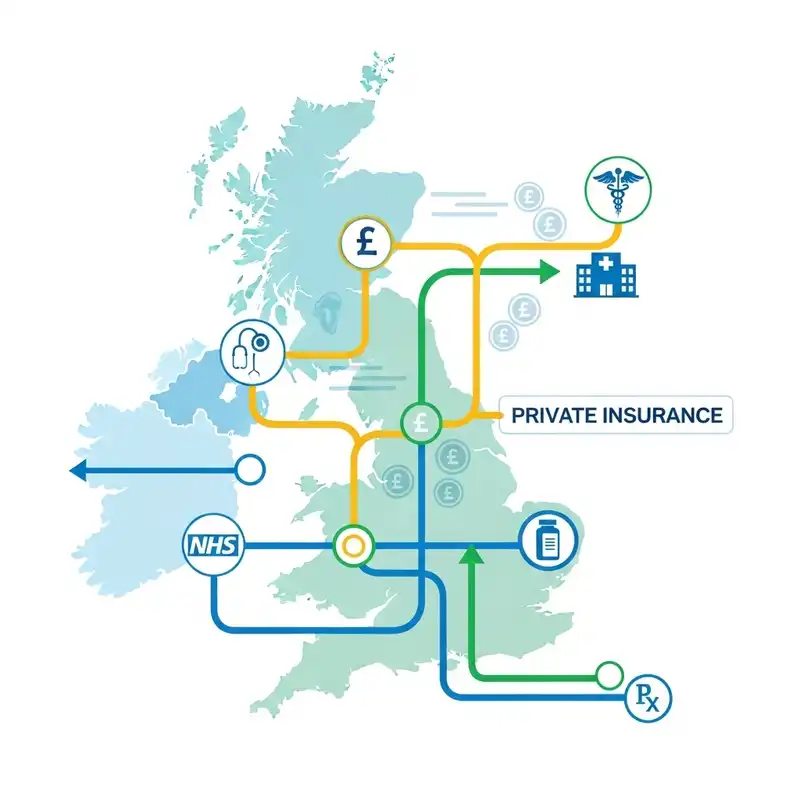
New Data Reveals Over 12 Million Britons Face Untreated Mental Health Crises By 2025, Fueling a Staggering £5 Million+ Lifetime Burden of Lost Productivity, Eroding Relationships & Personal Well-being – Is Your PMI Pathway to Rapid Specialist Support Your Essential Shield?
The United Kingdom is standing on the precipice of a profound public health crisis, one that unfolds not in hospital wards with visible symptoms, but in the quiet turmoil of our minds. New projections for 2025 paint a stark picture: over 12 million adults and children are expected to be grappling with a mental health condition, with a significant majority facing it without adequate or timely treatment.
This isn't just a matter of personal struggle. The economic and social fallout is staggering. For an individual experiencing a significant, untreated mental health episode, the cumulative lifetime cost—factoring in lost earnings, reduced productivity, and the need for long-term support—can exceed an astonishing £5 million. When scaled across the population, this epidemic of untreated distress erodes our national productivity, places an unbearable strain on the NHS, and quietly corrodes the foundations of our families and communities.
While the NHS remains the cornerstone of our nation's health, its mental health services are stretched to breaking point, with waiting lists becoming a painful barrier to recovery. In this challenging landscape, a growing number of Britons are turning to Private Medical Insurance (PMI) not as a luxury, but as an essential tool. It offers a vital pathway to bypass the queues, access specialist support rapidly, and reclaim control over one's mental well-being.
This definitive guide will explore the true scale of the UK's mental health crisis, dissect the devastating costs, and provide a clear-eyed comparison of the NHS and private pathways. We will uncover how PMI can act as your shield, what it covers, what it crucially doesn't, and how you can make an informed choice to protect yourself and your loved ones.
The Unseen Tsunami: Unpacking the 2025 Mental Health Statistics
The numbers are more than just data points; they represent millions of individual stories of struggle, resilience, and the urgent need for support. The latest 2025 projections from sources like the Office for National Statistics (ONS) and the Centre for Mental Health reveal a crisis deepening in both scale and complexity.
- A Nation in Distress: An estimated 12.4 million people in the UK will be living with a common mental health condition such as anxiety or depression by the end of 2025. This equates to nearly one in five people, a significant increase from pre-pandemic levels.
- The Youth Crisis: Young people are disproportionately affected. Projections show that nearly 2 million children and young adults under 25 will require mental health support, with Child and Adolescent Mental Health Services (CAMHS) facing unprecedented demand.
- Workplace Fallout: Mental health is now the leading cause of sickness absence in the UK. In 2024, an estimated 19.8 million working days were lost to stress, depression, or anxiety, costing the economy billions in lost output.
- The Treatment Gap: Perhaps the most alarming statistic is the "treatment gap." It's estimated that for every three people who need mental health support, only one is currently able to access it through the NHS in a timely manner.
This statistical snapshot reveals a system under immense pressure and a population in significant need. The traditional safety nets are straining, forcing us to confront uncomfortable truths about access to care.
UK Mental Health Snapshot: 2025 Projections
| Metric | Projected Figure (2025) | Source / Note |
|---|---|---|
| Adults with Common Mental Disorder | 12.4 million | ONS / Centre for Mental Health |
| Children Needing MH Support | 1.9 million | NHS Digital / The Children's Society |
| Working Days Lost (Annually) | ~20 million days | Health & Safety Executive (HSE) |
| Average NHS IAPT Wait Time (Step 2) | 16 weeks | NHS England |
| Average NHS CAMHS Wait for Treatment | 26 weeks | YoungMinds |
| Estimated Treatment Gap | ~67% | Mental Health Foundation |
The Ripple Effect: The True, Devastating Cost of Inaction
The £5 million lifetime burden figure is not hyperbole; it's a conservative calculation of the cascading consequences of an untreated mental health condition. This cost isn't borne by the individual alone—it ripples outwards, affecting employers, the NHS, and families.
1. The Economic Meltdown: Productivity and Prosperity
The impact on the UK workforce is profound. It's a dual-pronged assault on productivity:
- Absenteeism: The most visible cost. As noted, millions of days are lost each year when individuals are too unwell to work. This directly impacts a company's output and operational capacity.
- Presenteeism: The hidden, and often larger, cost. This occurs when an employee comes to work while unwell. Their productivity is significantly reduced, they are more prone to making errors, and their condition can worsen due to the stress of performing. Studies suggest presenteeism costs the UK economy twice as much as absenteeism.
Consider the journey of an individual: A young professional develops severe anxiety. They begin taking sick days (absenteeism). When they are at work, they struggle to concentrate and meet deadlines (presenteeism). Without treatment, their performance declines, leading to a missed promotion or even job loss. This pattern, repeated over a lifetime, results in drastically reduced earnings, pension contributions, and economic participation.
2. The Personal Toll: Eroding Well-being and Relationships
Beyond the spreadsheets and economic models lies the human cost. Untreated mental illness is a thief of joy, stability, and connection.
- Strained Relationships: Conditions like depression and anxiety can make socialising feel impossible. Irritability, withdrawal, and emotional volatility can put immense strain on marriages, friendships, and parent-child relationships.
- Physical Health Decline: The mind and body are intrinsically linked. Chronic stress and anxiety are proven risk factors for a host of physical ailments, including cardiovascular disease, weakened immune function, digestive issues, and chronic pain.
- Loss of Confidence and Purpose: A prolonged struggle with mental health can dismantle a person's self-esteem, making it difficult to pursue goals, enjoy hobbies, or feel a sense of purpose in life.
3. The Unbearable Weight on the NHS
The NHS is the pride of the nation, but it was not designed to handle a mental health crisis of this magnitude. The strain is evident in the waiting lists. A referral from a GP, which should be the first step towards recovery, often becomes the first step into a long and anxious wait. This delay is not just an inconvenience; it can be catastrophic. During these weeks and months, conditions can deteriorate, crises can escalate, and the complexity of treatment required can increase significantly.
The NHS Pathway: A Well-Intentioned System Under Siege
For most people in the UK, the journey to getting mental health support begins at their local GP surgery. Understanding this pathway is key to appreciating the challenges that drive people to seek alternatives.
- The GP Consultation: Your GP is the gatekeeper. They will assess your symptoms and are the first port of call. They may offer initial advice, prescribe medication like antidepressants, or refer you for talking therapies.
- Referral to IAPT: For mild to moderate conditions like anxiety and depression, you'll likely be referred to the Improving Access to Psychological Therapies (IAPT) service. This service primarily offers Cognitive Behavioural Therapy (CBT).
- The Wait: This is where the first major bottleneck occurs. The national target is for 75% of people to start treatment within 6 weeks of referral, but 2025 data shows many areas falling far short, with average waits stretching to 16 weeks or more.
- Limited Treatment: Once you reach the front of the queue, you are typically offered a limited number of sessions (e.g., 6-8 sessions of CBT). There is often little choice over the type of therapy or the specific therapist.
- Secondary Care: For more severe or complex conditions, a GP might refer you to a Community Mental Health Team (CMHT). This is where you can access psychiatrists, clinical psychologists, and more intensive support. Waiting lists here are even longer, often spanning many months, sometimes over a year.
NHS Mental Health Waiting Times: A Stark Reality (2025 Averages)
| Service | Average Wait from Referral to Assessment | Average Wait from Assessment to Treatment |
|---|---|---|
| IAPT (Talking Therapies) | 4-6 weeks | 10-12 weeks |
| CAMHS (Child/Adolescent) | 8-10 weeks | 16-18 weeks |
| CMHT (Adult Secondary Care) | 6-8 weeks | 20-30 weeks+ |
| Eating Disorder Services | 3-4 weeks (Urgent) | 8-12 weeks (Routine) |
This system, while founded on the noble principle of free care for all, is struggling with a simple problem of supply and demand. The demand for mental health care has exploded, while the supply of trained professionals and resources has not kept pace.
The PMI Alternative: Your Fast-Track to Specialist Care
This is where Private Medical Insurance (PMI) enters the picture, not as a replacement for the NHS, but as a powerful supplement that gives you back control. A comprehensive PMI policy with mental health cover fundamentally changes the equation by addressing the NHS's primary challenge: time.
The core benefit of using PMI for mental health is speed. Instead of joining a queue that is months long, you can typically see a specialist within days or weeks.
How the Private Pathway Works:
- The Trigger: You feel you need support. You might visit your own GP for a referral, or increasingly, use a digital GP service included with your PMI policy for an instant virtual consultation.
- The Referral: With your open referral letter, you contact your insurer.
- The Choice: Your insurer will provide you with a list of approved specialists (psychiatrists, psychologists, counsellors) in your area. You get to choose who you see and where.
- The Appointment: An appointment is booked, often within a week. The specialist conducts a thorough assessment and recommends a course of treatment.
- The Treatment: Your insurer authorises the treatment plan, which could include a set number of sessions of psychotherapy, CBT, counselling, or even admission to a private hospital for day-patient or in-patient care if clinically necessary.
The difference is night and day. It's the difference between languishing on a waiting list while your condition worsens, and actively engaging in your recovery with a specialist of your choice, in a comfortable setting, almost immediately.
NHS vs. PMI for Mental Health: A Head-to-Head Comparison
| Feature | NHS Pathway | Private Medical Insurance (PMI) Pathway |
|---|---|---|
| Speed of Access | Weeks to months, sometimes over a year. | Days to a few weeks. |
| Choice of Specialist | Very limited or no choice. | You can choose from a list of approved specialists. |
| Choice of Therapy | Primarily CBT via IAPT. Limited options. | Broad range: CBT, psychotherapy, EMDR, counselling etc. |
| Location / Environment | NHS clinics or community centres. | Private hospitals and consulting rooms. |
| Session Limits | Often fixed and limited (e.g., 6-8 sessions). | Governed by your policy's outpatient limit (can be more generous). |
| Digital Access | Varies by trust; can be basic. | Often includes advanced digital GP & mental health apps. |
| Cost | Free at the point of use. | Monthly premium + any excess on a claim. |
Decoding Your Policy: What Mental Health Cover Actually Includes (And What It Doesn't)
Understanding the scope of your cover is absolutely paramount. PMI is an incredible tool, but it has specific rules and limitations that you must be aware of. Misunderstanding these can lead to frustration and disappointment.
What Is Typically Covered?
PMI is designed to cover acute conditions. An acute condition is a disease, illness, or injury that is likely to respond quickly to treatment and lead to a full recovery. In the context of mental health, this includes:
- Initial Consultations: First appointments with a psychiatrist or psychologist for diagnosis and treatment planning.
- Out-patient Therapies: A set number of talking therapy sessions, such as Cognitive Behavioural Therapy (CBT), counselling, or psychotherapy. This is the most commonly used benefit.
- In-patient/Day-patient Care: More intensive treatment in a private hospital for severe, acute episodes of conditions like depression, anxiety, or stress that require a structured environment to stabilise.
- Digital Mental Health Platforms: Most modern policies from providers like Aviva, Bupa, and Vitality now include access to apps and services that offer mindfulness resources, guided therapy programmes, or direct access to therapists via text or video.
The Critical Exclusions: Pre-existing and Chronic Conditions
This is the most important part of this article to understand. Standard UK private medical insurance does not cover pre-existing or chronic conditions.
- Pre-existing Conditions: This refers to any illness or symptom for which you have sought medical advice, diagnosis, or treatment before the start date of your policy. If you have been treated for anxiety in the past, a new PMI policy will not cover you for anxiety, typically for the first two years (this is called a moratorium). If you remain symptom-free for two consecutive years after your policy starts, the exclusion may be lifted.
- Chronic Conditions: A chronic condition is one that requires long-term, ongoing management and has no known cure. It can be managed, but not resolved. In mental health, this includes conditions like bipolar disorder, schizophrenia, dementia, personality disorders, and severe, treatment-resistant depression. PMI is designed for short-term intervention to resolve an acute problem, not for the lifelong management of a chronic illness. The NHS remains the correct and only pathway for managing these long-term conditions.
Navigating this fine print can be complex. At WeCovr, we see it as our primary role to help you understand these crucial distinctions. Our experts can analyse the policy wordings from all major UK insurers to ensure you are fully aware of the mental health benefits you are purchasing and, just as importantly, the limitations that apply to you.
Choosing the Right PMI Plan for Mental Health Support
Not all PMI policies are created equal, especially when it comes to mental health. When comparing plans, you need to look beyond the headline price and dig into the details.
Key Factors to Consider:
-
The Level of Cover:
- Basic: May offer no mental health cover at all, or only in-patient care.
- Mid-Range: Often includes a limited out-patient benefit for therapies, perhaps a financial cap of £500 - £1,500 or a set number of sessions.
- Comprehensive: This is where you find the best cover. It typically offers a generous out-patient limit (or even full cover), extensive in-patient options, and access to a wider range of therapies.
-
Out-patient Limits: This is the most crucial element. A policy might offer a limit of £1,000 for out-patient treatment. With therapy sessions costing £80-£150 each, this would cover around 6-12 sessions. A "full cover" option removes this cap, which is invaluable for more complex issues.
-
Psychiatric Cover: Check if the policy covers the full pathway from initial psychiatric assessment through to therapy. Some policies separate these benefits.
-
Digital Health Services: Don't underestimate these. A good digital GP can provide a quick referral, and a mental health app can provide crucial support before, during, and after formal therapy.
-
Underwriting Type:
- Moratorium (Most Common): Automatically excludes conditions you've had in the last 5 years for the first 2 years of the policy. It's simpler and requires no medical forms upfront.
- Full Medical Underwriting (FMU): You declare your full medical history. The insurer may place permanent exclusions on specific conditions but could potentially cover others. For someone with a history of mild, historic mental health issues, FMU can sometimes offer more clarity.
Comparing Mental Health Benefits Across Policy Tiers (Illustrative)
| Feature | Basic Plan | Mid-Range Plan | Comprehensive Plan |
|---|---|---|---|
| In-patient Cover | Limited/Optional | Included | Full Cover |
| Out-patient Therapies | None | £1,000 cap or 8 sessions | Full Cover |
| Psychiatric Assessment | None | Covered under out-patient cap | Covered in full |
| Digital GP / MH App | Basic or None | Included | Advanced & Integrated |
| Typical Monthly Premium | £30-£50 | £60-£90 | £100-£150+ |
The WeCovr Advantage: Your Partner in Securing Mental Wellness
Navigating the crowded PMI market to find the right mental health cover can feel overwhelming. This is where using an independent, expert broker like WeCovr makes all the difference. We work for you, not the insurance companies.
Our role is to be your trusted advisor, providing clarity and confidence in your decision.
- Whole-of-Market Expertise: We aren't tied to a single provider. We compare policies, benefits, and prices from all the UK's leading insurers, including Bupa, AXA Health, Aviva, and Vitality, to find the perfect fit for your needs.
- Jargon-Free Advice: We translate the complex policy documents into plain English. We'll explain the difference between in-patient and out-patient limits, the implications of your underwriting choice, and precisely what is and isn't covered.
- Personalised Recommendations: We take the time to understand your personal circumstances, priorities, and budget to recommend a policy that provides robust protection where you need it most.
- Added Value: We believe in holistic health. That's why, as part of our commitment to our clients' total well-being, WeCovr customers gain complimentary access to CalorieHero, our exclusive AI-powered nutrition and calorie tracking app. We recognise the powerful link between what you eat, how you feel physically, and your mental resilience, and we provide tools to support you in every aspect of your health journey.
Proactive Steps Beyond Insurance: Building Your Mental Resilience
While PMI is a powerful tool for reactive care, building proactive mental resilience is the best long-term strategy. Insurance is the safety net; lifestyle is the foundation.
- Nourish Your Body and Mind: A balanced diet rich in whole foods, omega-3s, and vitamins can have a significant impact on mood and cognitive function. Tools like CalorieHero can help you understand and improve your nutritional intake.
- Move Your Body: Regular physical activity is one of the most potent antidepressants available. Even a brisk 30-minute walk each day can reduce symptoms of anxiety and depression.
- Prioritise Sleep: Aim for 7-9 hours of quality sleep per night. Poor sleep is a major contributor to poor mental health. Establish a regular sleep schedule and a relaxing bedtime routine.
- Practice Mindfulness: Techniques like meditation, deep breathing exercises, or yoga can help manage stress and ground you in the present moment. Many insurer-provided apps offer guided sessions.
- Cultivate Connection: Make time for friends, family, and community. Strong social bonds are a powerful buffer against mental distress.
- Seek Help Early: The single most important step. Whether through your GP or a private route, acknowledging you need help and taking that first step is a sign of immense strength.
Is PMI Your Essential Shield in the Face of the Mental Health Crisis?
The statistics for 2025 are not just a warning; they are a call to action. With over 12 million people facing a mental health struggle and an NHS working tirelessly but unable to meet the sheer volume of need, waiting for a crisis to hit is a gamble many can't afford to take. The personal and financial costs are simply too high.
Private Medical Insurance offers a tangible, effective solution. It provides a pathway to bypass crippling waiting lists and access high-quality, specialist care when you need it most. For acute mental health conditions that arise after you take out a policy, it gives you the power of choice and the gift of speed—two things that are priceless on the road to recovery.
It is not a magic bullet. The strict but necessary exclusions for pre-existing and chronic conditions mean it isn't the right solution for everyone. But for millions of people, a comprehensive PMI policy is an essential part of a modern financial and well-being plan. It is a shield that can protect your health, your career, and your family from the devastating impact of an untreated mental health crisis.
Don't leave your mental well-being to chance. Explore your options, understand the landscape, and take proactive steps to build your resilience. Contact us at WeCovr today for a free, no-obligation chat with one of our experts. Let us help you find the right protection for your most valuable asset: your health.
Why private medical insurance and how does it work?
What is Private Medical Insurance?
Private medical insurance (PMI) is a type of health insurance that provides access to private healthcare services in the UK. It covers the cost of private medical treatment, allowing you to bypass NHS waiting lists and receive faster, more convenient care.How does it work?
Private medical insurance works by paying for your private healthcare costs. When you need treatment, you can choose to go private and your insurance will cover the costs, subject to your policy terms and conditions. This can include:• Private consultations with specialists
• Private hospital treatment and surgery
• Diagnostic tests and scans
• Physiotherapy and rehabilitation
• Mental health treatment
Your premium depends on factors like your age, health, occupation, and the level of cover you choose. Most policies offer different levels of cover, from basic to comprehensive, allowing you to tailor the policy to your needs and budget.
Questions to ask yourself regarding private medical insurance
Just ask yourself:👉 Are you concerned about NHS waiting times for treatment?
👉 Would you prefer to choose your own consultant and hospital?
👉 Do you want faster access to diagnostic tests and scans?
👉 Would you like private hospital accommodation and better food?
👉 Do you want to avoid the stress of NHS waiting lists?
Many people don't realise that private medical insurance is more affordable than they think, especially when you consider the value of faster treatment and better facilities. A great insurance policy can provide peace of mind and ensure you receive the care you need when you need it.
Benefits offered by private medical insurance
Private medical insurance provides numerous benefits that can significantly improve your healthcare experience and outcomes:Faster Access to Treatment
One of the biggest advantages is avoiding NHS waiting lists. While the NHS provides excellent care, waiting times can be lengthy. With private medical insurance, you can often receive treatment within days or weeks rather than months.
Choice of Consultant and Hospital
You can choose your preferred consultant and hospital, giving you more control over your healthcare journey. This is particularly important for complex treatments where you want a specific specialist.
Better Facilities and Accommodation
Private hospitals typically offer superior facilities, including private rooms, better food, and more comfortable surroundings. This can make your recovery more pleasant and potentially faster.
Advanced Treatments
Private medical insurance often covers treatments and medications not available on the NHS, giving you access to the latest medical advances and technologies.
Mental Health Support
Many policies include comprehensive mental health coverage, providing faster access to therapy and psychiatric care when needed.
Tax Benefits for Business Owners
If you're self-employed or a business owner, private medical insurance premiums can be tax-deductible, making it a cost-effective way to protect your health and your business.
Peace of Mind
Knowing you have access to private healthcare when you need it provides invaluable peace of mind, especially for those with ongoing health conditions or concerns about NHS capacity.
Private medical insurance is particularly valuable for those who want to take control of their healthcare journey and ensure they receive the best possible treatment when they need it most.
Important Fact!
We can look at a more suitable option mid-term!
Why is it important to get private medical insurance early?
👉 Many people are very thankful that they had their private medical insurance cover in place before running into some serious health issues. Private medical insurance is as important as life insurance for protecting your family's finances.👉 We insure our cars, houses, and even our phones! Yet our health is the most precious thing we have.
Easily one of the most important insurance purchases an individual or family can make in their lifetime, the decision to buy private medical insurance can be made much simpler with the help of FCA-authorised advisers. They are the specialists who do the searching and analysis helping people choose between various types of private medical insurance policies available in the market, including different levels of cover and policy types most suitable to the client's individual circumstances.
It certainly won't do any harm if you speak with one of our experienced insurance experts who are passionate about advising people on financial matters related to private medical insurance and are keen to provide you with a free consultation.
You can discuss with them in detail what affordable private medical insurance plan for the necessary peace of mind they would recommend! WeCovr works with some of the best advisers in the market.
By tapping the button below, you can book a free call with them in less than 30 seconds right now:
Our Group Is Proud To Have Issued 800,000+ Policies!
We've established collaboration agreements with leading insurance groups to create tailored coverage
























How It Works
1. Complete a brief form

2. Our experts analyse your information and find you best quotes

3. Enjoy your protection!

Any questions?
Learn more

Who Are WeCovr?
WeCovr is an insurance specialist for people valuing their peace of mind and a great service.👍 WeCovr will help you get your private medical insurance, life insurance, critical illness insurance and others in no time thanks to our wonderful super-friendly experts ready to assist you every step of the way.
Just a quick and simple form and an easy conversation with one of our experts and your valuable insurance policy is in place for that needed peace of mind!