Your Health Seamless Well-being
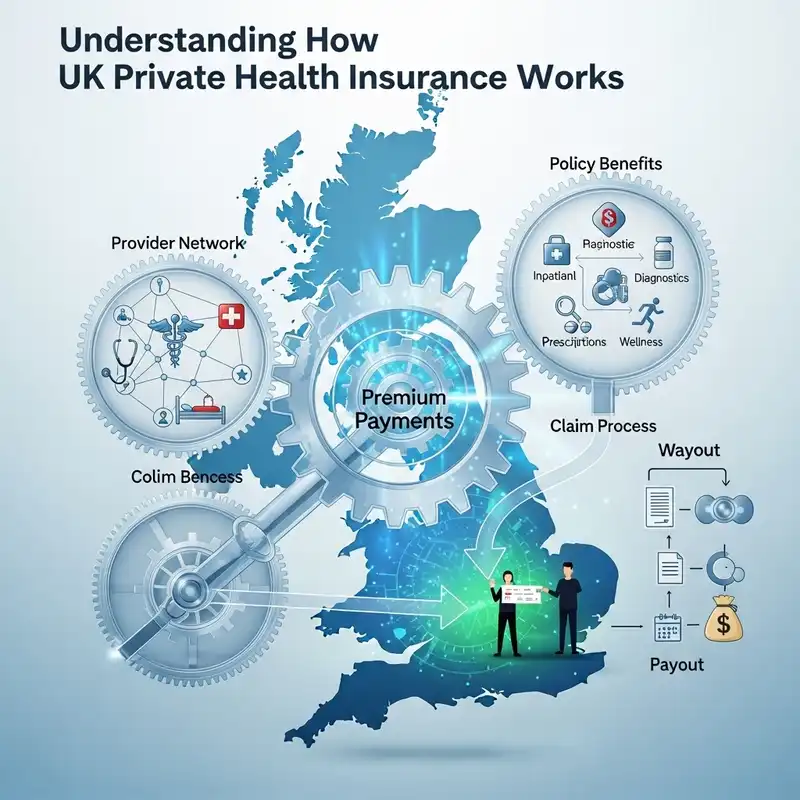
Your Health Seamless Well-being: Navigating the UK Private Medical Insurance Landscape
In today's fast-paced world, the concept of "well-being" extends far beyond the mere absence of illness. It encompasses a holistic state of physical, mental, and financial health, allowing you to live your life to its fullest potential, free from undue worry or debilitating setbacks. Achieving this seamless well-being isn't just a desire; for many, it's becoming an essential strategy for a resilient future.
For residents of the United Kingdom, navigating the healthcare landscape can feel complex. While the National Health Service (NHS) remains a cornerstone of our society, offering universal access to care, the increasing pressures on its resources mean that many are seeking complementary solutions to ensure timely and personalised attention. This is where private medical insurance (PMI) steps in, transforming from a perceived luxury into a pragmatic choice for those who value prompt access, choice, and peace of mind.
This comprehensive guide is designed to empower you with the knowledge needed to understand how private medical insurance can integrate seamlessly into your well-being strategy. We'll explore the nuances of the UK healthcare system, demystify PMI, highlight its tangible benefits, and provide practical advice on how to secure the right coverage for your unique needs.
Understanding the Pillars of Seamless Well-being
Seamless well-being is built upon several interconnected pillars, each contributing to a robust and resilient approach to life. Private medical insurance plays a crucial role in strengthening several of these foundations.
Proactive Health Management
True well-being isn't just about reacting to illness; it's about actively maintaining good health and preventing issues before they arise. This involves regular check-ups, adopting healthy lifestyle choices, and having swift access to diagnostic tools when concerns emerge. For instance, early detection of potential health problems often leads to more effective and less intrusive treatments. PMI can facilitate this by offering faster access to diagnostic tests like MRI scans, blood tests, or specialist consultations, cutting down on the anxious waiting periods that can accompany NHS referrals.
Access to Quality Healthcare
When health issues do arise, prompt and high-quality medical care is paramount. This means access to experienced specialists, modern facilities, and a choice in how and where your treatment is delivered. While the NHS provides excellent care, its demand often outstrips supply, leading to lengthy waiting lists for non-emergency procedures and sometimes limited choice over your consultant or hospital. Private medical insurance can bridge this gap, offering an alternative pathway to care that prioritates your timeline and preferences.
Financial Security in Health Crises
A significant illness or injury can have devastating financial consequences, even with the NHS providing free care at the point of use. Consider the hidden costs: loss of earnings due to extended recovery, travel expenses for appointments, or the need for specialised equipment not covered by the NHS. PMI protects you from the potentially exorbitant costs of private treatment, ensuring that financial worries don't compound your health concerns. It allows you to focus solely on recovery, knowing your medical bills are handled.
Mental and Emotional Support
Well-being is incomplete without addressing mental and emotional health. The pressures of modern life, coupled with health concerns, can take a significant toll. Many private medical insurance policies now recognise this critical need, offering benefits that include access to mental health services such as counselling, psychotherapy, and psychiatric care. This integrated approach ensures that both your physical and psychological needs are met, providing a holistic safety net.
The UK Healthcare Landscape: NHS vs. Private
To truly appreciate the value of private medical insurance, it's essential to understand the dynamics of healthcare provision in the UK.
The National Health Service (NHS): Strengths and Limitations
The NHS, founded on the principle of free healthcare for all at the point of use, is a source of immense national pride and a fundamental safety net for millions.
Strengths:
- Universal Access: Healthcare is available to everyone, regardless of their ability to pay.
- Emergency Care: World-class emergency and critical care services.
- Comprehensive Coverage: Covers a vast array of medical conditions and treatments, from GP visits to complex surgeries.
- Research & Innovation: A leader in medical research and public health initiatives.
Limitations:
- Waiting Lists: Perhaps the most significant challenge. For non-urgent procedures, diagnostic tests, and specialist consultations, waiting times can stretch from weeks to many months, or even years in some areas. This can lead to increased anxiety, delayed treatment, and a worsening of conditions.
- Limited Choice: Patients typically have less choice over their consultant, hospital, or appointment times. Referrals are often based on availability rather than specific preference.
- Pressure on Resources: Under continuous financial and staffing pressures, which can impact appointment availability and the patient experience.
- Focus on Acute Care: While striving for holistic care, the sheer volume of demand often means a primary focus on acute conditions, potentially limiting proactive or preventative services.
The Role of Private Healthcare
Private healthcare in the UK operates alongside the NHS, offering an alternative route for those who seek different priorities in their medical care.
Key Characteristics:
- Fee-for-Service: Patients pay directly for services, either out-of-pocket or through private medical insurance.
- Private Hospitals & Clinics: A network of private facilities, often with modern amenities and a focus on patient comfort.
- Consultant-Led Care: Patients typically have direct access to and choice over a specific consultant specialist.
The Hybrid Approach
For many, the optimal approach involves leveraging the strengths of both systems. The NHS remains vital for emergencies and chronic condition management (which, as we'll discuss, are generally outside the scope of acute private medical insurance). However, for acute, non-emergency conditions where speed, choice, and comfort are priorities, private medical insurance offers a powerful alternative, allowing individuals to bypass NHS waiting lists and access care on their own terms. This hybrid model provides a comprehensive safety net, ensuring you're covered no matter the circumstance.
Why Private Health Insurance is Not a Luxury, But a Prudent Choice
While often perceived as an extravagance, private health insurance (PMI) is increasingly becoming a practical and prudent investment in one's future health and financial stability.
Faster Access to Diagnostics and Treatment
One of the most compelling reasons to consider PMI is the significantly reduced waiting times. When faced with a worrying symptom, the anxiety of waiting for an NHS appointment or diagnostic scan can be immense. With private insurance, you can often secure a specialist consultation within days and undergo necessary diagnostic tests, such as MRI, CT, or X-rays, very quickly. This rapid access to diagnosis means faster treatment, which can be critical for recovery outcomes and overall peace of mind. For example, if you develop a new pain in your knee, private insurance could allow you to see an orthopaedic specialist and get an MRI scan within a week, rather than waiting months for an NHS referral, enabling quicker intervention and recovery.
Wider Choice of Specialists and Hospitals
PMI typically grants you a greater degree of choice. You can often select your preferred consultant from a pre-approved list, allowing you to choose based on their expertise, reputation, or even specific sub-specialism. This can be particularly reassuring when dealing with complex or sensitive health issues. You also gain access to a network of private hospitals and clinics, which often boast private rooms, ensuite bathrooms, and more flexible visiting hours, enhancing comfort and privacy during your treatment and recovery.
Greater Comfort and Privacy
Private healthcare facilities are designed with the patient's comfort in mind. Private rooms are standard, offering a quiet and personal space for recovery, away from the often busy and open wards of NHS hospitals. This enhanced privacy and comfort can significantly aid the recovery process, reducing stress and allowing for more restful recuperation. The staff-to-patient ratios in private facilities can also be more favourable, leading to more individualised attention.
Access to Innovative Treatments
Some private medical insurance policies may offer access to a broader range of innovative treatments, drugs, or therapies that might not yet be widely available on the NHS, or for which there are strict eligibility criteria. While this varies greatly between policies and insurers, it can be a crucial factor for those seeking the most advanced options available for their specific condition. It's important to clarify what "innovative treatments" a policy covers, as these can be specific.
Peace of Mind
Perhaps the most intangible yet invaluable benefit of PMI is the peace of mind it provides. Knowing that you have a plan in place for unforeseen health challenges, that you won't have to endure long waits, and that your financial well-being is protected, can alleviate significant stress. This allows you to focus on living a healthy life, secure in the knowledge that expert care is readily accessible should you need it.
Demystifying Private Medical Insurance (PMI)
Private Medical Insurance, often referred to as PMI, is a contract between you and an insurer where you pay regular premiums, and in return, the insurer covers the costs of private medical treatment for certain acute conditions. Understanding the intricacies of what it covers, and crucially, what it doesn't, is vital.
What PMI Typically Covers
PMI is primarily designed to cover the costs of treatment for acute conditions. An acute condition is generally defined as a disease, illness or injury that is likely to respond quickly to treatment and restore you to the state of health you were in immediately before you became ill.
Here’s a breakdown of common cover areas:
- Inpatient Treatment: This is often the core of any PMI policy and covers costs when you need to stay overnight in a hospital. This includes:
- Accommodation in a private room.
- Consultant fees (for surgeons, anaesthetists, physicians).
- Operating theatre charges.
- Drugs and dressings administered during your stay.
- Diagnostic tests (e.g., MRI, CT, X-rays) performed while an inpatient.
- Day-Patient Treatment: This covers treatment and investigations where you occupy a hospital bed or facility for the day but don't stay overnight.
- Outpatient Treatment: This covers medical services where you don't need a hospital bed. This is usually an optional add-on or a capped benefit and includes:
- Specialist consultations (first and follow-up).
- Diagnostic tests (e.g., scans, blood tests, endoscopies) performed as an outpatient.
- Therapies: Many policies offer coverage for therapies like:
- Physiotherapy
- Osteopathy
- Chiropractic treatment
- Acupuncture (often on referral from a specialist and within specific limits).
- Mental Health Support: Increasingly, policies include cover for mental health treatment, which can range from talking therapies (counselling, CBT) to psychiatric consultations and even inpatient mental health care. The level of cover varies significantly between policies.
- Cancer Care: Comprehensive cancer care is a major benefit for many, typically covering diagnostics, surgery, chemotherapy, radiotherapy, and targeted therapies. This is often a significant reason individuals purchase PMI.
- Rehabilitation: Coverage for post-operative or post-treatment rehabilitation, such as physiotherapy or hydrotherapy, to aid recovery.
What PMI Doesn't Typically Cover (Crucial Exclusions)
This is a critically important section, as misinterpretations here lead to significant disappointment. Private medical insurance does NOT cover everything.
- Pre-existing Conditions: This is perhaps the most significant exclusion. A pre-existing condition is generally defined as any disease, illness, or injury for which you have received advice, treatment, or had symptoms before taking out the policy, regardless of whether you had a diagnosis. Insurers will nearly always exclude conditions that were pre-existing. This is because insurance is designed to cover unforeseen future events, not conditions you already have.
- Example: If you had knee pain and saw a doctor about it last year, and then take out a policy today, any future treatment for that specific knee pain or related issues would likely be excluded.
- The way this is handled depends on the 'underwriting' method chosen (see 'Underwriting Options' below).
- Chronic Conditions: This is another fundamental exclusion. A chronic condition is defined as an illness, disease, or injury that has one or more of the following characteristics:
- It needs long-term ongoing care or management.
- It is likely to recur or continue indefinitely.
- It has no known cure.
- It comes back or is likely to come back.
- Example: Conditions like diabetes, asthma, epilepsy, arthritis (that is long-term and incurable), and high blood pressure are generally considered chronic.
- PMI covers acute conditions. While it might cover acute flare-ups or diagnostic investigations for a chronic condition to determine a new phase of treatment, it will NOT cover the ongoing management, medication, or long-term care associated with chronic conditions. These remain the responsibility of the NHS.
- Why this exclusion? Chronic conditions require continuous, lifelong management, which would make private health insurance premiums astronomically high and unsustainable if fully covered.
- Emergency Care: For genuine medical emergencies (e.g., heart attack, severe accident), you should always go to an NHS Accident & Emergency department. PMI is not designed to cover emergency treatment.
- General Practitioner (GP) Services: Most PMI policies do not cover routine GP consultations or prescriptions for ongoing conditions. You will continue to use your NHS GP for this. However, many policies now offer a digital GP service for convenience.
- Routine Maternity Care: While some policies may cover complications arising during pregnancy or childbirth, routine antenatal and postnatal care, and planned childbirth, are typically not covered.
- Cosmetic Surgery: Procedures primarily for aesthetic improvement are excluded. However, reconstructive surgery following an injury or illness that was covered by the policy may be included.
- Overseas Treatment: Unless explicitly chosen as an add-on, standard UK PMI policies only cover treatment within the UK.
- Organ Transplants: Generally excluded, as these are complex, long-term procedures primarily handled by the NHS.
- HIV/AIDS: Typically excluded from standard policies.
- Self-inflicted injuries or injuries from dangerous sports/activities: Depending on the policy terms.
- Alcohol or drug abuse treatment: Generally excluded, though mental health support linked to addiction might be covered if not directly for substance abuse treatment.
It is absolutely critical to read the policy terms and conditions thoroughly, paying close attention to the definition of acute and chronic conditions, and all exclusions, before committing to any policy.
Types of Policies
- Individual Policy: Designed for one person.
- Family Policy: Covers multiple family members, often with discounts for adding children.
- Corporate/Group Policy: Offered by employers to their staff, often with more comprehensive benefits and sometimes without full medical underwriting.
Key Policy Features
- Excess: An amount you agree to pay towards the cost of your treatment each policy year (or per condition). Opting for a higher excess generally reduces your annual premium.
- No-Claims Discount (NCD): Similar to car insurance, if you don't make a claim, your premium may be reduced for the following year. Making a claim can reduce your NCD.
- Hospital Lists: Insurers often have different "hospital lists" (e.g., regional, national, London weighting). The more extensive the list, the higher the premium. Choosing a more restricted list can save you money.
- Benefit Limits: Policies often have annual financial limits for certain benefits, such as outpatient consultations, therapy sessions, or mental health support.
- Underwriting Method: This determines how pre-existing conditions are handled.
Navigating the Application Process: What to Consider
Applying for private medical insurance requires careful consideration of your needs, budget, and health history.
Your Health History: The Importance of Full Disclosure
When applying for PMI, you'll be asked a series of questions about your past and present health. It is paramount to be completely honest and disclose everything accurately. Failing to disclose relevant medical information can lead to your policy being voided, claims being rejected, and potentially severe financial implications when you most need support.
Insurers use this information to assess your risk and determine what, if any, conditions will be excluded from your cover. This leads us to the different underwriting options.
Underwriting Options
This is a crucial aspect that determines how your pre-existing conditions are handled.
-
Full Medical Underwriting (FMU):
- How it works: You complete a detailed medical questionnaire at the application stage. * Outcome: The insurer will then explicitly state any conditions that are permanently excluded from your policy from the outset. This provides clarity and certainty regarding your cover.
- Benefit: If a condition is not listed as an exclusion, you know it's covered (assuming it's an acute condition and not chronic).
- Drawback: Can be a longer application process.
-
Moratorium Underwriting:
- How it works: You typically don't need to provide detailed medical history upfront. Instead, the insurer applies a "moratorium period" (usually 24 months) during which any pre-existing conditions (as defined by the insurer) you had in a set period before the policy started (e.g., the last 5 years) are excluded.
- Outcome: If, during the moratorium period, you go for a set time (e.g., 2 years) without symptoms, treatment, or advice for a particular pre-existing condition, it may then become covered. However, if you experience symptoms or seek treatment for that condition during the moratorium, the exclusion clock often resets for that specific condition.
- Benefit: Quicker and simpler application process initially.
- Drawback: Less certainty about what's covered in the early years. If you make a claim, the insurer will investigate your medical history to determine if it was pre-existing. This can lead to unexpected exclusions.
-
Continued Personal Medical Exclusions (CPME):
- How it works: This option is usually available if you are switching from an existing PMI policy (especially from a group scheme) to an individual one. The new insurer agrees to carry over the same exclusions that were on your previous policy.
- Benefit: Ensures continuity of cover and avoids new exclusions for conditions that developed while you were covered by your previous policy.
Choosing the right underwriting method depends on your health history and your preference for certainty versus a simpler initial application. If you have a clear medical history, moratorium can be straightforward. If you have specific past issues and want clarity, full medical underwriting might be preferable.
Budget and Affordability
Premiums vary widely based on your age, postcode, chosen benefits, excess, and health history. It's crucial to set a realistic budget. Consider if a higher excess or a more restricted hospital list could make a comprehensive policy more affordable without compromising essential cover. Remember, premiums typically increase with age.
Benefit Levels
PMI policies are rarely one-size-fits-all. They often come with different tiers or modules:
- Core Cover: This is the basic level, usually focusing on inpatient and day-patient treatment.
- Optional Modules/Add-ons: You can often add benefits like:
- Comprehensive outpatient cover (unlimited or high limits for consultations and diagnostics)
- Mental health cover
- Physiotherapy and complementary therapies
- Cancer cover enhancements
- Digital GP services
- Travel cover
Carefully consider which modules align with your needs and priorities.
Geographic Coverage
Most standard UK PMI policies only cover treatment within the United Kingdom. If you travel frequently or reside abroad for significant periods, you might need to consider an international health insurance policy or a specific travel insurance policy with medical benefits.
Making the Most of Your Policy: Beyond Treatment
Modern PMI policies offer much more than just cover for acute conditions. Many insurers are now embedding a range of well-being benefits designed to support proactive health and provide convenient access to care.
Digital GP Services
A growing number of PMI policies include access to a digital GP service. This allows you to have virtual consultations with a qualified doctor via video call or phone, often 24/7. This can be incredibly convenient for:
- Discussing non-urgent symptoms.
- Obtaining private prescriptions (which you would pay for).
- Getting referrals to private specialists, bypassing potential NHS GP waiting times for a private referral. This service does not replace your NHS GP for ongoing or complex care, but it offers a valuable alternative for quick consultations and advice.
Mental Health Support Lines
Recognising the escalating importance of mental well-being, many policies now offer dedicated mental health helplines. These services provide:
- Confidential advice and support for emotional challenges.
- Guidance on accessing mental health services.
- Initial assessments that can lead to a referral for counselling or therapy, if covered by your policy. This direct access can be a lifeline for those struggling with anxiety, depression, or stress, enabling them to seek help sooner.
Physiotherapy and Complementary Therapies
Beyond standard hospital treatment, many policies include allowances for a range of therapies crucial for recovery and rehabilitation. This can include:
- Physiotherapy: Essential for recovery from injuries, operations, or musculoskeletal conditions.
- Osteopathy and Chiropractic Treatment: For conditions related to the musculoskeletal system.
- Acupuncture or Podiatry: Some policies may offer limited cover for these complementary therapies, often with a referral from a specialist. Having these benefits means you can access skilled practitioners promptly, aiding a faster and more complete recovery.
Well-being Programmes and Apps
Insurers are increasingly investing in preventative health and well-being initiatives. Many policies come with access to:
- Health and Fitness Apps: Offering personalised workout plans, nutrition advice, and mindfulness exercises.
- Health Assessments: Vouchers or discounts for comprehensive health checks.
- Reward Programmes: Incentives for healthy living, such as discounts on gym memberships, healthy food, or wearable fitness trackers.
- Online Resources: Articles, videos, and tools on managing stress, improving sleep, and maintaining a healthy lifestyle. These value-added benefits underscore a shift towards holistic well-being, encouraging policyholders to take a proactive approach to their health.
The Role of a Modern Broker: Your Trusted Guide
Navigating the multitude of private medical insurance options can be overwhelming. Each insurer has different policy structures, benefit limits, exclusions, and underwriting rules. This is where a modern, independent health insurance broker, like WeCovr, becomes an invaluable partner.
Why Use a Broker?
- Impartial Advice: An independent broker works for you, not for a specific insurer. Their primary goal is to understand your unique needs and recommend the most suitable policy from the entire market. They are not tied to sales targets for any single provider.
- Market Comparison: There are numerous reputable health insurance providers in the UK, each with their strengths and weaknesses. A broker has a comprehensive understanding of the market, allowing them to compare policies, benefits, and prices from all major insurers efficiently. This saves you hours of research.
- Expertise on Complexities: Brokers are experts in the intricacies of health insurance. They can explain complex terms like "underwriting options," "excess," "hospital lists," and crucially, clarify what is and isn't covered, particularly regarding pre-existing and chronic conditions, ensuring you have no nasty surprises.
- Time and Cost Savings: By leveraging their expertise and market access, a broker can quickly narrow down options, present tailored quotes, and handle much of the application paperwork. For individuals, using a broker typically comes at no direct cost to you, as they receive a commission from the insurer if you take out a policy. This means you get expert advice and support without paying a fee.
- Ongoing Support: A good broker doesn't just help you buy a policy; they often provide ongoing support. This can include assisting with claims queries, reviewing your policy at renewal, or helping you make adjustments as your needs change.
At WeCovr, we pride ourselves on being a modern UK health insurance broker that simplifies this complex landscape. We leverage technology to efficiently compare policies from all major insurers, ensuring you get the best coverage that aligns with your lifestyle and budget. Our experienced advisors provide clear, jargon-free explanations and personalised recommendations, guiding you every step of the way. We aim to make the process of securing private medical insurance as seamless as the well-being it helps to provide, and importantly, our service comes at absolutely no cost to you.
Real-Life Scenarios: How PMI Makes a Difference
Let's look at a few hypothetical, but very common, scenarios where private medical insurance can prove invaluable.
Scenario 1: The Active Professional with a Sports Injury
- Meet Sarah: A 42-year-old marketing manager who loves playing netball. During a game, she twists her knee badly.
- NHS Route: Sarah visits her NHS GP, who refers her to an orthopaedic specialist. The waiting list for the initial consultation is 8-12 weeks. If an MRI is needed, that could be another 4-6 weeks, followed by another wait for surgical consultation if required. Sarah faces several months of limited mobility, pain, and time off work.
- PMI Route: Sarah contacts her private medical insurer. They advise her to get a referral from her NHS GP (or use her policy's digital GP service). Within a week, she sees a private orthopaedic consultant. An MRI is arranged for two days later, confirming a torn meniscus. Within another week, she has the surgery privately. Her recovery is swift, and she's back to work (albeit with rehab) within a month.
- Impact: PMI significantly reduced Sarah's pain and anxiety, minimised her time off work, and accelerated her return to her active lifestyle.
Scenario 2: The Worried Parent with a Child's Lingering Symptom
- Meet David: Father to a 7-year-old, Emily, who has been experiencing persistent stomach pains for several weeks. Her NHS GP has run some basic tests, but the cause remains unclear, and Emily is still uncomfortable. The next step on the NHS is a referral to a paediatric gastroenterologist, with a waiting list of several months.
- PMI Route: David's family PMI policy allows him to bypass the lengthy wait. He gets a referral from his GP to a private paediatric gastroenterologist. Within a few days, Emily has an appointment. The specialist conducts a thorough examination and orders specific diagnostic tests that same week. A diagnosis is quickly made, and a treatment plan is initiated, alleviating Emily's discomfort and David's concern.
- Impact: PMI provided rapid access to specialist paediatric care, alleviating a child's suffering and a parent's intense worry, preventing the condition from potentially worsening due to delayed diagnosis.
Scenario 3: Managing a New Episode of Mental Health Challenges
- Meet Tom: A 35-year-old self-employed graphic designer, who has recently started experiencing debilitating anxiety attacks, impacting his ability to work and socialise. He's hesitant to speak to his NHS GP due to embarrassment and fear of long waits for mental health services.
- PMI Route: Tom remembers his PMI policy includes mental health support. He uses the dedicated mental health helpline provided by his insurer. They connect him with a private psychotherapist within a week for initial assessment. Through the policy, he accesses a series of cognitive behavioural therapy (CBT) sessions. This rapid and confidential support helps Tom develop coping mechanisms and regain control, allowing him to return to his work and social life much faster than if he'd waited for NHS services.
- Impact: PMI facilitated prompt, confidential, and effective mental health intervention, preventing Tom's anxiety from spiralling and supporting his overall well-being and ability to work.
These examples illustrate that PMI isn't just for life-threatening emergencies (which the NHS handles well); it's for the everyday, acute health issues that, if left untreated or delayed, can significantly impact quality of life, work, and family.
Common Misconceptions About Health Insurance
Despite its growing relevance, private medical insurance is still subject to several common misunderstandings.
"It's Only for the Wealthy."
While private healthcare involves a cost, PMI makes it accessible to a much broader demographic. With various policy levels, excesses, and benefit options, there's a policy for many different budgets. The focus is on value and peace of mind, not just luxury. Many everyday professionals and families find it an affordable investment in their well-being.
"The NHS Covers Everything Anyway."
The NHS provides an incredible service, but as discussed, it operates under immense pressure. While it covers all acute conditions, the waiting times for non-emergency procedures, diagnostics, and specialist consultations can be extensive. PMI offers a parallel system that provides faster access and greater choice, complementing the NHS rather than replacing it. Crucially, as highlighted, PMI does not cover chronic conditions or routine GP care, which remain firmly within the NHS domain.
"It's Too Complicated to Understand."
The various policy terms, underwriting options, and exclusions can seem daunting. However, with the right guidance from an expert broker, the process becomes much clearer. Brokers like WeCovr specialise in demystifying PMI, explaining your options in plain English, and tailoring recommendations to your specific needs.
"I'm Young and Healthy, I Don't Need It."
While it's wonderful to be young and healthy, illness and injury can strike anyone, at any age. Taking out PMI when you are younger and healthier typically means:
- Lower Premiums: Premiums are usually lower when you're younger, making it more affordable.
- Fewer Pre-existing Conditions: You're less likely to have significant pre-existing conditions that would be excluded. This means you gain cover for a broader range of potential future issues.
- Peace of Mind for the Unexpected: Accidents or sudden illnesses don't discriminate by age. Having cover in place ensures you're prepared for the unforeseen. It's often a case of "buy it when you don't need it, so it's there when you do."
Future of Health and Well-being: Prevention and Personalisation
The landscape of health and well-being is constantly evolving, driven by technological advancements and a greater understanding of preventative care. Private medical insurance is adapting to these changes, moving towards more personalised and proactive models.
Wearable Technology Integration
Wearable devices (smartwatches, fitness trackers) are generating vast amounts of personal health data. Insurers are exploring how this data can be leveraged – with user consent – to offer more personalised premiums, provide tailored health advice, and reward healthy behaviours. This integration can lead to a more data-driven approach to preventative health.
Preventative Health Programmes
The focus is increasingly shifting from treatment to prevention. Many insurers are already offering more robust well-being programmes, including:
- Genetic Testing Advice: Guidance on understanding genetic predispositions to certain conditions.
- Nutrition and Lifestyle Coaching: Access to experts who can help you optimise your diet and daily habits.
- Mental Resilience Training: Workshops and resources to build mental fortitude and manage stress. These initiatives aim to keep you healthy, reducing the likelihood of needing expensive acute care in the first place.
Personalised Medicine
Advances in genomics and targeted therapies mean that medical treatments are becoming increasingly personalised. While complex, PMI is exploring how it can support access to these highly individualised treatments where they are clinically appropriate and effective. This could involve covering advanced diagnostics that pinpoint the most effective treatment for an individual's unique biological makeup.
The future of seamless well-being will likely involve an even closer integration of technology, prevention, and personalised care, with PMI playing a key role in facilitating access to these innovations.
Conclusion: Your Seamless Path to Well-being
Achieving seamless well-being in the UK requires a thoughtful approach to healthcare. While the NHS provides an invaluable foundation, private medical insurance offers a powerful complement, addressing key areas of concern such as waiting times, choice of specialists, and financial protection. It empowers you to take control of your health journey, ensuring that when acute medical needs arise, you receive prompt, high-quality, and personalised care.
Understanding the nuances of PMI – what it covers, what it excludes (particularly pre-existing and chronic conditions), and the various policy options – is essential for making an informed decision. Far from being a luxury, it's a strategic investment that can provide immense peace of mind, allowing you to focus on living your life to the fullest, knowing you have a robust safety net in place.
Embrace a proactive approach to your health and well-being. Explore how private medical insurance can fit into your life and provide that crucial layer of support. For impartial, expert advice and to compare the best policies from all major UK insurers at no cost to you, consider reaching out to a trusted broker like WeCovr. We are here to guide you towards a future where your health journey is truly seamless.
Why private medical insurance and how does it work?
What is Private Medical Insurance?
Private medical insurance (PMI) is a type of health insurance that provides access to private healthcare services in the UK. It covers the cost of private medical treatment, allowing you to bypass NHS waiting lists and receive faster, more convenient care.How does it work?
Private medical insurance works by paying for your private healthcare costs. When you need treatment, you can choose to go private and your insurance will cover the costs, subject to your policy terms and conditions. This can include:• Private consultations with specialists
• Private hospital treatment and surgery
• Diagnostic tests and scans
• Physiotherapy and rehabilitation
• Mental health treatment
Your premium depends on factors like your age, health, occupation, and the level of cover you choose. Most policies offer different levels of cover, from basic to comprehensive, allowing you to tailor the policy to your needs and budget.
Questions to ask yourself regarding private medical insurance
Just ask yourself:👉 Are you concerned about NHS waiting times for treatment?
👉 Would you prefer to choose your own consultant and hospital?
👉 Do you want faster access to diagnostic tests and scans?
👉 Would you like private hospital accommodation and better food?
👉 Do you want to avoid the stress of NHS waiting lists?
Many people don't realise that private medical insurance is more affordable than they think, especially when you consider the value of faster treatment and better facilities. A great insurance policy can provide peace of mind and ensure you receive the care you need when you need it.
Benefits offered by private medical insurance
Private medical insurance provides numerous benefits that can significantly improve your healthcare experience and outcomes:Faster Access to Treatment
One of the biggest advantages is avoiding NHS waiting lists. While the NHS provides excellent care, waiting times can be lengthy. With private medical insurance, you can often receive treatment within days or weeks rather than months.
Choice of Consultant and Hospital
You can choose your preferred consultant and hospital, giving you more control over your healthcare journey. This is particularly important for complex treatments where you want a specific specialist.
Better Facilities and Accommodation
Private hospitals typically offer superior facilities, including private rooms, better food, and more comfortable surroundings. This can make your recovery more pleasant and potentially faster.
Advanced Treatments
Private medical insurance often covers treatments and medications not available on the NHS, giving you access to the latest medical advances and technologies.
Mental Health Support
Many policies include comprehensive mental health coverage, providing faster access to therapy and psychiatric care when needed.
Tax Benefits for Business Owners
If you're self-employed or a business owner, private medical insurance premiums can be tax-deductible, making it a cost-effective way to protect your health and your business.
Peace of Mind
Knowing you have access to private healthcare when you need it provides invaluable peace of mind, especially for those with ongoing health conditions or concerns about NHS capacity.
Private medical insurance is particularly valuable for those who want to take control of their healthcare journey and ensure they receive the best possible treatment when they need it most.
Important Fact!
We can look at a more suitable option mid-term!
Why is it important to get private medical insurance early?
👉 Many people are very thankful that they had their private medical insurance cover in place before running into some serious health issues. Private medical insurance is as important as life insurance for protecting your family's finances.👉 We insure our cars, houses, and even our phones! Yet our health is the most precious thing we have.
Easily one of the most important insurance purchases an individual or family can make in their lifetime, the decision to buy private medical insurance can be made much simpler with the help of FCA-authorised advisers. They are the specialists who do the searching and analysis helping people choose between various types of private medical insurance policies available in the market, including different levels of cover and policy types most suitable to the client's individual circumstances.
It certainly won't do any harm if you speak with one of our experienced insurance experts who are passionate about advising people on financial matters related to private medical insurance and are keen to provide you with a free consultation.
You can discuss with them in detail what affordable private medical insurance plan for the necessary peace of mind they would recommend! WeCovr works with some of the best advisers in the market.
By tapping the button below, you can book a free call with them in less than 30 seconds right now:
Our Group Is Proud To Have Issued 800,000+ Policies!
We've established collaboration agreements with leading insurance groups to create tailored coverage
























How It Works
1. Complete a brief form

2. Our experts analyse your information and find you best quotes

3. Enjoy your protection!

Any questions?
Learn more

Who Are WeCovr?
WeCovr is an insurance specialist for people valuing their peace of mind and a great service.👍 WeCovr will help you get your private medical insurance, life insurance, critical illness insurance and others in no time thanks to our wonderful super-friendly experts ready to assist you every step of the way.
Just a quick and simple form and an easy conversation with one of our experts and your valuable insurance policy is in place for that needed peace of mind!