Your Healths VIP Pass
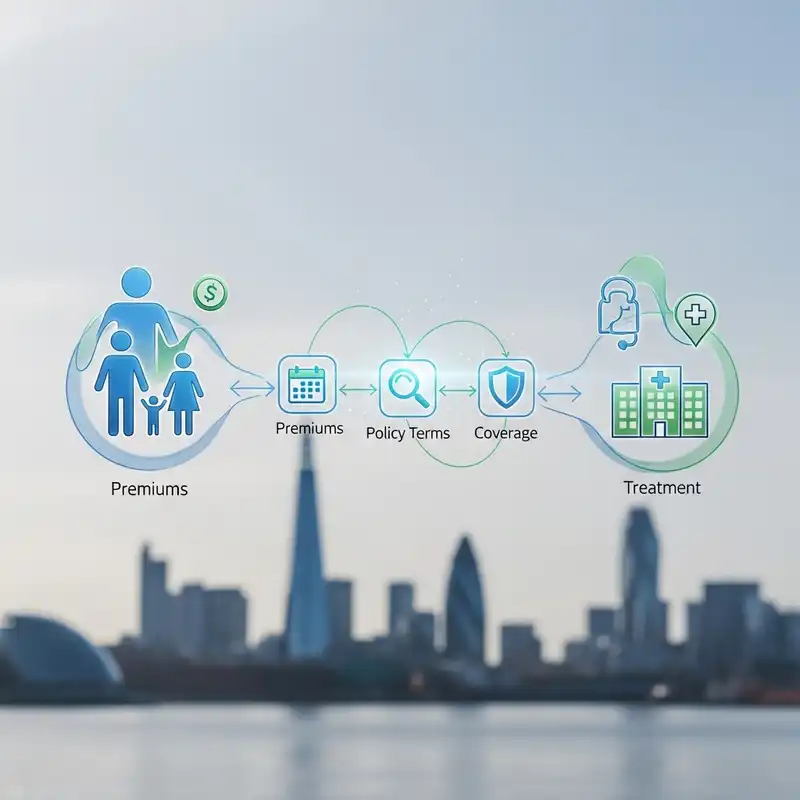
Your Health's VIP Pass: Navigating Private Medical Insurance in the UK
In the bustling landscape of modern Britain, our health remains our most invaluable asset. It underpins our ability to work, enjoy family life, and pursue our passions. While the National Health Service (NHS) stands as a proud cornerstone of our society, offering universal healthcare access, the realities of increasing demand, evolving medical needs, and finite resources mean that waiting lists and limited choices can sometimes be a challenging part of the patient journey.
For many, this has led to a growing interest in Private Medical Insurance (PMI) – often perceived as a "VIP Pass" to healthcare. It's not about replacing the NHS, but rather complementing it, offering a pathway to swift diagnosis, tailored treatment, and a higher degree of personal comfort and choice when you need it most.
This comprehensive guide is designed to demystify Private Medical Insurance, providing you with the expert insights needed to understand its intricacies, weigh its benefits, and make an informed decision about whether it’s the right investment for your well-being. We’ll delve into the nuances of policies, the common misconceptions, and precisely how PMI can offer peace of mind when health concerns arise.
What Exactly Is Your Health's VIP Pass? Understanding Private Medical Insurance (PMI)
At its heart, Private Medical Insurance (PMI), also known as Private Health Insurance (PHI), is an agreement between you and an insurance provider. In exchange for a regular premium, the insurer agrees to cover the costs of private medical treatment for acute conditions that develop after your policy starts.
Think of it as a safety net that activates when you face unexpected health challenges that aren't emergencies. Instead of waiting for an NHS appointment or procedure, PMI allows you to access private hospitals, specialist consultants, and a wider range of diagnostic tests and treatments.
Key Characteristics of PMI:
- Complements, Not Replaces, the NHS: PMI is designed to work alongside the NHS, not supersede it. The NHS remains your go-to for emergencies, accident & emergency (A&E) services, and pre-existing or chronic conditions (which PMI typically excludes).
- Covers Acute Conditions: PMI primarily covers acute conditions – illnesses, diseases, or injuries that are likely to respond quickly to treatment, leading to a full recovery, or that require a short course of treatment.
- Financial Protection: It protects you from the potentially significant costs of private healthcare, which can quickly accumulate from consultations and diagnostic tests to surgeries and post-operative care.
- Choice and Control: It offers greater control over where and when you receive treatment, and often, who treats you.
PMI isn't a one-size-fits-all solution. Policies can vary significantly in their scope, benefits, and costs, making it essential to understand the different options available to find a "VIP Pass" that truly fits your personal health journey and financial circumstances.
Why Consider a VIP Pass for Your Health? The Compelling Benefits of PMI
The decision to invest in Private Medical Insurance is often driven by a desire for greater control, faster access, and enhanced comfort during times of medical need. Here are the compelling benefits that lead many individuals and families to secure their health's VIP Pass:
1. Faster Access to Consultants & Treatment
This is perhaps the most frequently cited reason for opting for PMI. While the NHS provides excellent care, the sheer volume of patients can lead to extended waiting lists for specialist consultations, diagnostic tests (like MRI or CT scans), and elective procedures.
- Bypass Waiting Lists: With PMI, you can often bypass these queues, getting referred to a specialist within days or weeks, rather than months. This prompt access can significantly reduce anxiety, allow for earlier diagnosis, and commence treatment sooner, potentially leading to better outcomes.
- Reduced Waiting Times for Diagnostics: Getting an MRI, CT scan, or other crucial diagnostic tests quickly can be vital for an accurate and timely diagnosis, setting you on the path to recovery without undue delay.
2. Choice of Consultant & Hospital
PMI empowers you with choice, a luxury often unavailable within the NHS system where you are typically assigned to a consultant and a hospital based on availability.
- Select Your Specialist: You can often choose your preferred consultant, perhaps one recommended by your GP or one with specific expertise in your condition. This can provide immense reassurance, knowing you're in the hands of someone you trust.
- Pick Your Hospital: Policies typically allow you to select from a network of private hospitals or private wings within NHS hospitals. This means you can choose a facility that's conveniently located, has specific amenities, or enjoys a strong reputation.
3. Comfort & Privacy
Private healthcare facilities are designed with patient comfort in mind, offering a more serene and private environment for recovery.
- Private Rooms: Most private hospitals offer single, en-suite rooms, providing privacy and quiet during your recovery. This contrasts with multi-bed wards often found in NHS hospitals.
- Enhanced Amenities: Patients often benefit from a range of amenities, including flexible visiting hours, higher quality meals, and a more personalised level of nursing care.
- Reduced Stress: A more comfortable and private environment can significantly contribute to a more relaxed and effective recovery period.
4. Access to Newer Treatments & Technologies
While the NHS endeavours to provide the best care, resource constraints can sometimes delay the adoption of the very latest drugs or advanced technologies.
- Broader Range of Options: PMI policies can sometimes cover treatments or drugs that are not yet widely available on the NHS, or for which there are strict eligibility criteria.
- Advanced Diagnostics: Access to cutting-edge diagnostic equipment can lead to more precise and earlier diagnoses.
5. Convenience and Flexibility
PMI often offers a more convenient and flexible healthcare experience.
- Flexible Appointment Times: Private consultants often offer a wider range of appointment times, making it easier to fit medical appointments around your work or family commitments.
- Proximity: The ability to choose a hospital closer to home or work can reduce travel time and stress.
6. Peace of Mind
Perhaps the most intangible yet profound benefit of PMI is the peace of mind it offers. Knowing that if you fall ill, you have immediate access to high-quality care, choice, and comfort can alleviate significant stress and anxiety for you and your family. It's an investment in your future well-being and security.
7. Supporting the NHS (Indirectly)
A common misconception is that PMI somehow drains resources from the NHS. In fact, the opposite is often true. Every individual who opts for private treatment for an acute condition effectively frees up an NHS bed, appointment slot, or operating theatre. This contributes to reducing overall pressure on the public health system, allowing the NHS to focus its resources on emergencies, chronic conditions, and those who cannot afford private care. It's a symbiotic relationship, where both systems play a vital role in the nation's health.
Decoding the Small Print: Essential Terms and Concepts in UK PMI
Understanding the language of Private Medical Insurance is crucial to choosing the right "VIP Pass" and knowing what to expect when you need to use it. Here’s a breakdown of the key terms and concepts you'll encounter:
1. Underwriting: How Your Medical History is Assessed
This is one of the most critical aspects of a PMI policy, as it determines how your pre-existing medical conditions will be treated.
-
a) Moratorium Underwriting (Mori):
- This is the most common and often the simplest type of underwriting.
- You don't need to provide full medical details upfront.
- However, your insurer will not cover any medical condition that you've had symptoms of, received treatment for, or sought advice on during a specific period before your policy started (typically the last 5 years).
- Crucially, if you go 2 consecutive years without symptoms, treatment, or advice for that condition after your policy starts, it might then become covered. However, if symptoms return within that 2-year period, the clock resets.
- This is a popular choice for its simplicity, but it does mean potential uncertainty about what's covered initially.
-
b) Full Medical Underwriting (FMU):
- With FMU, you provide a comprehensive medical history to the insurer before the policy starts. This often involves a detailed questionnaire and, in some cases, your insurer might contact your GP for more information (with your consent).
- The insurer will then explicitly state which conditions are covered and which are excluded (either permanently or for a specific period) from the outset.
- This offers much greater clarity on what is and isn't covered from day one. While it might take longer to set up, it removes uncertainty down the line.
-
c) Continued Personal Medical Exclusions (CPME):
- If you're moving from one personal PMI policy to another, CPME allows your new insurer to honour the exclusions from your previous policy, rather than re-underwriting you. This can be beneficial if you have conditions that were previously covered and wouldn't be under a new moratorium or FMU policy.
-
d) Medical History Disregarded (MHD):
- This is typically only available on corporate or group schemes (often for groups of 10 or more employees).
- With MHD, the insurer disregards any past medical conditions. This means that pre-existing conditions can be covered, provided they are acute and not chronic. It's the most comprehensive form of underwriting but is usually only accessible through employer-sponsored plans.
Crucial Note on Pre-Existing and Chronic Conditions: Regardless of the underwriting method (unless it's MHD on a large group scheme), Private Medical Insurance policies in the UK are generally designed to cover new, acute conditions that arise after your policy starts.
- Pre-existing conditions: These are conditions for which you have already experienced symptoms, sought advice, or received treatment before taking out the policy. They are almost universally excluded on individual and small group policies, especially under Moratorium and FMU underwriting.
- Chronic conditions: These are long-term illnesses or injuries that cannot be cured, require ongoing management, or are likely to recur. Examples include diabetes, asthma, epilepsy, or long-term degenerative conditions. PMI policies do not cover the ongoing management or treatment of chronic conditions, even if they developed after the policy started. They might cover an acute flare-up of a chronic condition, but not the chronic condition itself. This is a fundamental principle of PMI.
2. In-Patient vs. Out-Patient Care
Understanding these terms is key to knowing what level of cover you have.
- In-Patient Treatment: This refers to treatment where you are admitted to a hospital bed overnight or for a day-case procedure (even if you don't stay overnight). This is the core of any PMI policy and is usually fully covered. It includes surgery, hospital accommodation, nursing care, and consultant fees for the duration of your stay.
- Out-Patient Treatment: This covers consultations with specialists, diagnostic tests (e.g., X-rays, MRI scans, blood tests), and therapies (e.g., physiotherapy, osteopathy) that do not require an overnight hospital stay. Out-patient cover is often an optional add-on or comes with specific limits (e.g., a fixed monetary amount per year) as it can be more frequently used.
3. Excess
An excess is the initial amount of money you agree to pay towards the cost of any claim you make in a policy year.
- How it Works: If you have a £250 excess and a claim costs £2,000, you pay the first £250, and the insurer pays the remaining £1,750.
- Impact on Premiums: Choosing a higher excess will generally reduce your monthly or annual premium, as you are taking on more of the initial financial risk. Conversely, a lower excess (or no excess) will mean higher premiums.
4. Co-Payment (or Co-Insurance)
Less common in UK personal policies, but sometimes found on corporate plans or specific individual options.
- How it Works: You pay a percentage of the claim cost, rather than a fixed amount (excess). For example, a 10% co-payment on a £2,000 claim means you pay £200, and the insurer pays £1,800.
- Impact on Premiums: Similar to excess, accepting a co-payment reduces your premium.
5. Benefit Limits
PMI policies will always have limits on what they will pay for different types of treatment.
- Monetary Limits: An annual cap on the total amount the insurer will pay for a specific benefit (e.g., £1,000 for out-patient physiotherapy per year).
- Time Limits: A limit on the duration of treatment covered (e.g., 10 sessions of psychotherapy, or a maximum of 90 days in-patient psychiatric care).
- Per Condition Limits: Some policies may have a limit per specific condition treated.
- Overall Annual Limits: While many comprehensive policies offer unlimited in-patient cover, some might have an overall annual monetary limit.
6. Hospital Networks/Lists
Insurers typically have agreements with specific hospitals and hospital groups.
- Restricted List: Some policies offer a lower premium by limiting your choice to a smaller, more cost-effective network of hospitals (e.g., local private hospitals, but excluding prime London facilities).
- Extensive List: More expensive policies provide access to a broader range of hospitals, including top-tier facilities.
- Open Referral: Some policies allow your GP to refer you to any suitable consultant, regardless of their hospital affiliation, with the insurer then approving the costs.
7. Referral Pathways (GP Gatekeeper)
Almost all PMI policies require a GP referral before you can see a specialist privately.
- Initial Consultation: You typically need to see your NHS GP first, explain your symptoms, and if they deem a specialist consultation necessary, they will write you a private referral letter.
- Pre-authorisation: You then contact your insurer with this referral, who will pre-authorise the consultation and any subsequent tests or treatment, ensuring they are covered by your policy.
8. No-Claims Discount (NCD)
Similar to car insurance, many PMI policies offer a No-Claims Discount.
- How it Works: If you don't make a claim in a policy year, your premium for the following year will be reduced. The discount typically builds up over several years to a maximum level.
- Impact of Claims: Making a claim will usually reduce your NCD, leading to a higher premium the following year. However, small claims (e.g., a single out-patient consultation) might not always impact your NCD, depending on the insurer and policy terms.
Understanding these terms is the bedrock of making an informed decision about your health's VIP Pass. It allows you to compare policies effectively and ensures there are no surprises when you need to make a claim.
The Boundaries of Your VIP Pass: What PMI Typically Doesn't Cover
While Private Medical Insurance offers significant benefits, it's crucial to understand its limitations. A "VIP Pass" for health has specific entry requirements and boundaries. Misunderstanding these exclusions is a common source of disappointment and can lead to unexpected costs.
Here's a definitive list of what UK PMI policies typically do not cover:
1. Pre-Existing Conditions
This is the most critical exclusion. As previously explained under underwriting, any medical condition for which you've experienced symptoms, sought medical advice, or received treatment before your policy began is generally excluded.
- Moratorium Underwriting: Conditions from the past 5 years will be excluded until you have a consecutive 2-year period free of symptoms, treatment, or advice after your policy starts.
- Full Medical Underwriting: These conditions will be explicitly listed as exclusions on your policy schedule from day one.
Important: This is a fundamental principle of PMI. It's designed to cover new, acute conditions, not existing ones you already knew about.
2. Chronic Conditions
Another absolute cornerstone of PMI exclusions. Chronic conditions are long-term illnesses or injuries that cannot be cured, require ongoing management, or are likely to recur.
- Examples: Diabetes (Type 1 & 2), asthma, epilepsy, multiple sclerosis, arthritis (ongoing management), high blood pressure, long-term mental health conditions (though acute mental health might be covered, chronic management is not), degenerative conditions like Parkinson's or Alzheimer's.
- Why Excluded: PMI is for acute, treatable conditions. Covering chronic conditions would lead to unsustainable premiums due to the lifelong and continuous nature of their management.
- What Might Be Covered: An acute flare-up of a chronic condition might be covered if it requires specific short-term intervention and is expected to resolve. However, the ongoing monitoring, medication, or routine specialist appointments related to the chronic condition itself will not be covered.
3. Emergency Treatment (Accident & Emergency - A&E)
PMI is not for emergencies. For any life-threatening condition, serious injury, or sudden medical crisis, the NHS A&E department is always your first point of call. Private hospitals typically do not have A&E facilities equipped to handle complex emergencies. PMI policies do not cover the costs of emergency services, including ambulance fees or A&E visits.
4. Routine Maternity Care
Standard pregnancy, childbirth, and postnatal care are not covered by PMI. While some policies might offer limited complications cover (e.g., for an emergency C-section arising from a new, acute complication), routine care remains the domain of the NHS.
5. Cosmetic Surgery
Procedures undertaken purely for aesthetic improvement, without a medical necessity, are not covered. This includes breast augmentation, facelifts, liposuction, etc. However, reconstructive surgery following an accident or illness (e.g., breast reconstruction after mastectomy) might be covered if medically necessary.
6. Fertility Treatment
Assisted conception treatments such as IVF, ICSI, or fertility investigations are generally excluded from standard PMI policies.
7. Drug & Alcohol Abuse
Treatment for conditions arising directly from or related to drug or alcohol addiction is typically excluded.
8. Self-Inflicted Injuries & Deliberate Exposure to Danger
Injuries sustained as a result of self-harm or deliberate participation in hazardous activities (e.g., extreme sports without specific add-on cover) are usually excluded.
9. Overseas Treatment
Unless you have a specific international health insurance policy or a travel insurance rider, your UK PMI policy will not cover treatment received outside the United Kingdom.
10. Preventative Care & General Check-ups
Routine health screenings, general health check-ups, vaccinations (e.g., flu jabs), and general practitioner (GP) fees are generally not covered by PMI, as these are typically considered preventative or routine primary care. Some higher-tier policies might offer a small allowance for health screenings or online GP services, but this is an exception rather than the norm.
11. Experimental or Unproven Treatments
PMI policies will only cover treatments that are medically proven, established, and recognised. Experimental therapies, unproven alternative medicines, or treatments that are not standard practice are typically excluded.
12. Elective, Non-Medical Procedures
This includes things like dental work (unless specific dental add-on), optical care (unless specific optical add-on), hearing aids, and conditions that do not require active medical intervention.
Understanding these exclusions is paramount. Always read your policy documents carefully and ask your insurer or broker for clarification on anything you're unsure about. Being fully aware of what your "VIP Pass" entitles you to – and where its boundaries lie – ensures no unexpected surprises when you need to use it most.
Tailoring Your VIP Pass: Factors to Consider When Choosing a Policy
Choosing the right Private Medical Insurance policy is a highly personal decision. With a multitude of providers and policy options, it's essential to consider your individual needs, budget, and priorities. Here are the key factors to evaluate when tailoring your health's VIP Pass:
1. Your Health Needs: Current and Anticipated
- Current Health: While pre-existing conditions are generally excluded, your current health can influence your underwriting options (FMU vs. Moratorium) and overall premium.
- Family Medical History: Are there any conditions that run in your family that you might be predisposed to? While you can't get cover for something you already have, understanding potential future risks can help you decide on the breadth of cover.
- Lifestyle: Do you engage in high-risk sports? Your insurer might ask about this or exclude injuries from such activities unless you have specific cover.
2. Your Budget: How Much Can You Afford?
PMI premiums vary significantly based on the level of cover and individual circumstances. It's crucial to set a realistic budget. Remember that premiums typically increase with age, so what's affordable today might become more expensive in the future. Balance the desired benefits with affordability.
3. Level of Cover: Basic, Mid-Range, or Comprehensive
Policies are typically structured in tiers:
- Basic/Core Cover: Usually covers in-patient treatment (hospital accommodation, theatre fees, specialist fees for surgery). Often, out-patient diagnostics are included, but out-patient consultations and therapies might be limited or excluded. This is the most affordable option.
- Mid-Range Cover: Expands on basic cover, often including more comprehensive out-patient limits for consultations and diagnostics, and potentially some therapies like physiotherapy.
- Comprehensive Cover: Offers the broadest range of benefits, often including extensive out-patient limits, mental health cover, alternative therapies, optical/dental add-ons, and sometimes even a small allowance for private GP consultations. This is the most expensive but offers the most extensive "VIP Pass" experience.
4. Hospital List: Local Access and Choice
- Restricted Hospital Lists: Many policies offer a lower premium if you agree to use a specific, smaller network of hospitals. This might be suitable if you're happy with local options and don't need access to central London hospitals, for instance.
- Extensive/National Lists: These policies offer access to a wider range of private facilities across the UK, including premium London hospitals, but come with a higher price tag.
- Choice is Key: Ensure the hospitals on your chosen list are conveniently located for you and offer the services you might foresee needing.
5. Out-Patient Limits: How Much Do You Anticipate Using?
Consider how often you might need specialist consultations or diagnostic tests without needing to be admitted to hospital.
- Unlimited/High Limits: Ideal if you anticipate needing frequent specialist advice or extensive diagnostics.
- Limited/No Cover: A way to reduce premiums if you only want cover for in-patient procedures. Remember, diagnostics can be very expensive without cover.
6. Additional Benefits (Optional Extras)
Many insurers offer optional add-ons to enhance your cover:
- Mental Health Cover: Crucially important for many, this covers in-patient or out-patient psychiatric care, counselling, and psychotherapy.
- Therapies: Coverage for physiotherapy, osteopathy, chiropractic treatment, and sometimes acupuncture.
- Optical & Dental Cover: Usually for routine check-ups, glasses/lenses, and basic dental work. This is often an allowance rather than comprehensive cover.
- Online GP Services: Access to virtual GP consultations, which can be very convenient.
- Health and Well-being Programmes: Discounts on gym memberships, health assessments, or online wellness tools.
- Travel Cover: Limited emergency medical cover when travelling abroad.
7. Underwriting Method: Moratorium vs. Full Medical Underwriting (FMU)
- Moratorium: Simpler to set up, but uncertainty about pre-existing conditions until 2 symptom-free years have passed.
- FMU: More detailed initial application, but clear on what's covered/excluded from day one. Offers peace of mind regarding exclusions.
Choose the method that aligns with your preference for speed of setup versus clarity.
8. Excess Level
As discussed, a higher excess reduces your premium. Consider how much you're willing and able to pay out-of-pocket for each claim.
9. No Claims Discount (NCD)
Understand how the NCD works with your chosen insurer. Some offer better protection for your NCD than others (e.g., not penalising small out-patient claims).
10. Insurer Reputation & Customer Service
Look for insurers with a strong reputation for paying claims fairly and offering excellent customer service. Online reviews and independent ratings can be helpful.
11. Individual vs. Family vs. Corporate Policies
- Individual Policy: Tailored specifically for you.
- Family Policy: Often more cost-effective than buying separate individual policies for each family member. Children are usually cheaper to add. Premiums are generally based on the age of the oldest family member.
- Corporate/Group Policy: If your employer offers PMI, this is often the most advantageous option.
- Medical History Disregarded (MHD): Larger group schemes often offer MHD underwriting, meaning pre-existing conditions can be covered (a significant advantage).
- Lower Premiums: Group rates are typically more competitive than individual rates.
- Broader Cover: Employer schemes often provide a higher level of cover.
When choosing your "VIP Pass", remember that WeCovr is here to help. We work with all major UK health insurance providers, allowing us to compare a wide range of policies and present you with options that best fit your specific needs and budget. Our expertise ensures you navigate the complexities of the market effortlessly, and our service is completely free of charge to you. We're committed to helping you find the best coverage available.
The Application Journey: Securing Your Health's VIP Pass
Once you've considered the various factors and decided that Private Medical Insurance is the right step for you, the application process is relatively straightforward, especially with expert guidance.
1. Gathering Information
Before applying, have the following information ready:
- Personal Details: Full name, date of birth, address, contact information for all applicants.
- Medical History: Be prepared to honestly and accurately declare your past and present medical conditions, including dates of diagnosis, treatments received, and any ongoing symptoms or medication. This is crucial for underwriting.
- GP Details: Your General Practitioner's name and contact information, as the insurer may need to contact them (with your consent) if you opt for Full Medical Underwriting.
- Desired Cover Level: Have a clear idea of the type of policy you're looking for (e.g., in-patient only, comprehensive, specific add-ons).
- Budget: Know your maximum monthly/annual premium.
2. Getting Quotes: The Value of a Broker
While you can approach individual insurers directly, working with an independent broker like WeCovr offers significant advantages:
- Market-Wide Comparison: We have access to policies from all the leading UK health insurance providers. This means we can compare prices, benefits, and exclusions across the entire market, saving you countless hours of research.
- Unbiased Advice: As independent brokers, we are not tied to any single insurer. Our advice is impartial and focused solely on finding the best solution for your needs. We explain the pros and cons of different policies clearly.
- Expert Knowledge: We understand the nuances of underwriting, policy terms, and exclusions (especially concerning pre-existing and chronic conditions). We can help you navigate complex medical declarations and ensure you understand exactly what you're buying.
- Cost-Free Service: Our service to you is completely free. We are paid by the insurer if you take out a policy with them, and this does not affect the premium you pay. You get expert advice and choice at no extra cost.
With WeCovr, securing your health's VIP Pass becomes a streamlined process. We guide you through the options, answer all your questions, and help you complete the application form accurately.
3. Medical Declaration: Honesty is Key
Whether you choose Moratorium or Full Medical Underwriting (FMU), you will be asked questions about your medical history.
- For Moratorium: You won't fill out a detailed medical questionnaire, but you must understand that any condition you've had in the last 5 years will be excluded initially.
- For FMU: You'll complete a detailed medical questionnaire. Be completely honest and accurate. Failing to disclose relevant medical information can lead to claims being denied or your policy being cancelled. It's better to declare everything upfront, even if you're unsure, and let the insurer make the assessment.
4. Underwriting Process
Once your application and medical declaration (for FMU) are submitted, the insurer will underwrite your policy.
- For Moratorium: This is typically a quicker process as no detailed medical review is required upfront.
- For FMU: The underwriter will review your medical information. They may:
- Accept your application with no exclusions.
- Apply specific exclusions for certain conditions (e.g., permanently exclude a resolved condition that could recur).
- Apply a moratorium for a specific period for a certain condition.
- Request further information from your GP (with your explicit consent) or ask you to undergo a medical examination.
- Decline your application (rare, but can happen if your health history presents too high a risk).
5. Policy Documentation
Once your application is approved, you will receive your policy documents. These are crucial and should be read carefully. They will detail:
- Your chosen level of cover.
- Any specific exclusions (especially important if you opted for FMU).
- Your excess level.
- The terms and conditions of your policy.
- How to make a claim.
Congratulations! You've secured your health's VIP Pass. The next step is understanding how to use it when the need arises.
Utilising Your VIP Pass: Making a Claim
One of the primary reasons for having Private Medical Insurance is the ability to make a claim when you need treatment. The process is designed to be as smooth as possible, but understanding the steps involved is key to a hassle-free experience.
1. The Referral Process: Your GP is the Gatekeeper
For almost all claims, the first step is to visit your NHS General Practitioner (GP).
- Initial Consultation: Explain your symptoms to your GP, just as you would if seeking NHS care.
- Private Referral: If your GP believes you need to see a specialist, explain that you have private medical insurance. They will then write you a private referral letter. This letter is crucial as it outlines your symptoms, medical history, and the type of specialist they recommend. Most insurers require a GP referral before they will authorise private treatment.
2. Contacting Your Insurer: Pre-authorisation is Key
Once you have your GP's referral letter, your next step is to contact your private medical insurer.
- Don't Self-Refer or Pay First: It's vital not to book appointments or pay for treatment before contacting your insurer, as they may not cover the costs if you don't follow their pre-authorisation process.
- Provide Details: You'll need to provide your policy number, details of your symptoms, and the specialist your GP has referred you to.
- Authorisation: The insurer will review your referral against your policy terms and conditions. They will check:
- If the condition is covered by your policy (i.e., not a pre-existing or chronic condition).
- If the proposed treatment is medically necessary and covered.
- If the chosen consultant/hospital is within your policy's network or limits.
- Authorisation Code: If approved, the insurer will provide an authorisation code and confirm the extent of cover for the initial consultation and any recommended diagnostic tests (e.g., scans, blood tests). They may also recommend a specific consultant or hospital from their approved list.
3. Choosing a Consultant & Hospital
With your insurer's authorisation, you can now proceed to book your appointment.
- Consultant Choice: You can often choose a consultant from your insurer's approved list, or sometimes your GP might recommend someone specific. Ensure your chosen consultant is recognised by your insurer and that their fees are within your policy limits.
- Hospital Choice: Select a private hospital or private wing within an NHS hospital that is on your policy's approved list and conveniently located.
4. Treatment & Billing
- Consultation & Diagnostics: Attend your consultation. The consultant may recommend further diagnostic tests. You will need to get these pre-authorised by your insurer if they weren't covered by the initial authorisation.
- Treatment Plan: If treatment (e.g., surgery, ongoing therapy) is recommended, the consultant will outline a treatment plan. You must submit this plan to your insurer for full pre-authorisation before proceeding. This allows the insurer to confirm cover for theatre fees, hospital stays, consultant fees, and any other associated costs.
- Direct Settlement: In most cases, once treatment is pre-authorised, the hospital and consultant will bill your insurer directly. This means less paperwork for you.
- Paying Your Excess: If your policy has an excess, you will typically pay this directly to the hospital or consultant at the time of your treatment, or sometimes the insurer will deduct it from their payment and then bill you.
5. Post-Treatment & Follow-up
- Follow-up Appointments: If further follow-up appointments are needed, these will also need to be pre-authorised by your insurer, especially if they extend beyond the initial authorisation period.
- Discharge: Once your treatment is complete, and you are discharged, your insurer will settle the remaining approved costs with the providers.
6. Appeals Process
If a claim is denied, or you disagree with an insurer's decision, you have the right to appeal. Most insurers have a formal complaints procedure. If you are still unsatisfied, you can escalate your complaint to the Financial Ombudsman Service (FOS). A good broker can also assist in navigating this process.
Making a claim with your health's VIP Pass is usually a smooth experience when you follow the correct procedures and communicate openly with your insurer and healthcare providers.
The Cost of Your VIP Pass: Understanding Premiums
The cost of Private Medical Insurance varies considerably, as it’s tailored to individual circumstances and chosen benefits. Understanding the factors that influence your premium helps you manage costs and make informed decisions.
1. Age
This is the most significant factor influencing your premium. As you age, the likelihood of developing medical conditions increases, leading to higher premiums. Premiums typically rise annually, especially after age 40 or 50.
2. Location
Healthcare costs can vary significantly across the UK. For example, accessing private hospitals in central London is generally more expensive than in other regions, which will be reflected in your premium if your policy allows access to those facilities.
3. Medical History (for FMU)
If you opt for Full Medical Underwriting, your past medical history can influence your premium. While pre-existing conditions are usually excluded, a history of certain non-excluded conditions might result in a loading (an increase) on your premium if the insurer perceives a higher risk.
4. Level of Cover
As discussed, the more comprehensive your policy, the higher the premium. Choosing basic in-patient cover will be significantly cheaper than a policy with extensive out-patient limits, mental health cover, and therapies.
5. Excess Level
Choosing a higher excess (the amount you pay towards a claim) will reduce your annual premium. It's a trade-off: lower monthly payments in exchange for a larger potential out-of-pocket payment should you need to make a claim.
6. No Claims Discount (NCD)
Most insurers offer an NCD, similar to car insurance. If you don't make a claim, your premium will decrease each year, up to a maximum discount. Making a claim will reduce your NCD, leading to a higher premium the following year.
7. Lifestyle Factors
Some insurers may consider lifestyle factors like smoking status. Smokers might face higher premiums due to increased health risks.
8. Inflation & Medical Cost Escalation
Healthcare costs generally rise faster than general inflation due to advancements in medical technology, new drugs, and increased demand. This means your premiums are likely to increase year-on-year, even if your age or claims history doesn't change.
Tips for Reducing Premiums:
- Increase Your Excess: This is often the most impactful way to lower your premium.
- Restrict Your Hospital List: Opt for a policy with a more limited or regional hospital network if you don't need access to premium city hospitals.
- Consider the "Six-Week Option": Some policies offer a significant discount if you agree to use the NHS for treatment if the NHS waiting list for your condition is six weeks or less. If the wait is longer, your private policy kicks in. This provides a balance between cost savings and access to private care.
- Limit Out-Patient Cover: If you're confident you'll only need cover for significant in-patient procedures, opting for limited or no out-patient cover can reduce costs. However, remember that diagnostic tests and specialist consultations can be costly without cover.
- Annual Payment: Paying your premium annually in one lump sum is often cheaper than monthly instalments due to administrative charges.
- Review Regularly: Premiums are subject to annual increases. Regularly review your policy and get new quotes to ensure you're still getting good value. A broker like WeCovr can do this for you, comparing the market each year to ensure your "VIP Pass" remains competitively priced.
Individual, Family, or Corporate? Which VIP Pass is Right for You?
Private Medical Insurance isn't just for individuals; it can be structured to cover families or entire workforces. Each option has distinct advantages and considerations.
1. Individual Policies
- Who it's for: Single adults, couples without children, or individuals whose employers don't offer health insurance.
- Pros:
- Highly Tailored: You can customise the policy exactly to your personal needs and budget.
- Direct Control: You manage the policy, renewals, and claims directly with the insurer or your broker.
- Cons:
- Can be more expensive per person: Compared to group rates.
- Underwriting: Usually Moratorium or Full Medical Underwriting, meaning pre-existing conditions are excluded.
2. Family Policies
- Who it's for: Couples with children.
- Pros:
- Cost-Effective: Often significantly cheaper than purchasing separate individual policies for each family member.
- Simpler Administration: One policy, one premium, one renewal date for the entire family.
- Inclusive Child Cover: Children are generally cheaper to add to a policy, and some insurers offer free cover for babies until their first renewal if added shortly after birth.
- Cons:
- Age of Oldest Member: The overall premium is often weighted by the age of the oldest family member on the policy.
- Shared Benefits: Some benefit limits (e.g., out-patient limits) might be shared across the family rather than being per person.
- Underwriting: Typically Moratorium or FMU for each family member, meaning pre-existing conditions are excluded.
3. Corporate/Group Policies
- Who it's for: Employees of a company or members of a larger organisation. Offered by employers as an employee benefit.
- Pros:
- Medical History Disregarded (MHD): This is a huge advantage. For larger groups (often 10+ employees, though some insurers offer it for smaller groups), pre-existing conditions can be covered from day one (provided they are acute and not chronic). This is rarely available on individual or small family policies.
- Lower Premiums: Group purchasing power often means significantly lower premiums per person compared to individual policies, even for comprehensive cover.
- Broader Cover: Corporate schemes often offer a more generous level of cover, including extensive out-patient limits, mental health, and other benefits.
- Simpler Underwriting: Often, only a simple declaration is needed for smaller groups, or MHD for larger ones.
- Enhanced Employee Well-being & Retention: For employers, offering PMI can boost morale, reduce absenteeism, and attract/retain talent.
- Cons:
- Tied to Employment: If you leave your job, you'll lose the group cover. You may be offered a "continuation option" to transfer to an individual policy, but this will typically be underwritten (FMU or Moratorium) and be significantly more expensive.
- Less Personalisation: While there might be options for employees to "flex up" their cover, the core policy is set by the employer.
- Taxable Benefit: Employer-paid PMI is generally considered a "benefit in kind" (BIK) and is taxable. Employees will usually pay tax on the value of the premium through their payroll.
For many, a corporate PMI scheme offers the best value and most comprehensive cover due to the benefits of group underwriting and pricing. If you're an employee, it's always worth enquiring if your employer offers private medical insurance. If you're an employer, considering a group scheme for your staff can be a powerful incentive and a worthwhile investment in your team's health and productivity.
Dispelling the Myths: Common Misconceptions About PMI
Private Medical Insurance is often shrouded in misconceptions, leading to misunderstandings about its purpose, accessibility, and limitations. Let's debunk some common myths about your health's VIP Pass.
Myth 1: "PMI is only for the rich."
Reality: While PMI is an investment, it's becoming increasingly accessible to a wider range of people. With various levels of cover, excess options, and restricted hospital lists, policies can be tailored to fit many budgets. Many mid-income families find it a worthwhile investment for the peace of mind and faster access to care it provides. Corporate schemes also make it accessible to employees across different income brackets.
Myth 2: "PMI replaces the NHS."
Reality: This is fundamentally untrue. PMI complements the NHS. The NHS remains the cornerstone of healthcare in the UK, especially for emergencies, chronic conditions, and long-term care. PMI steps in for acute, treatable conditions, offering choice and speed within the private sector, thereby easing pressure on the NHS. You will still use the NHS for your GP, A&E, and conditions not covered by your private policy.
Myth 3: "PMI covers everything."
Reality: As highlighted in this guide, PMI has clear boundaries. It does not cover:
- Pre-existing conditions (conditions you had before taking out the policy).
- Chronic conditions (long-term, incurable illnesses like diabetes or asthma).
- Emergency treatment.
- Routine maternity care.
- Cosmetic surgery.
- Fertility treatment.
- General check-ups or preventative care.
Understanding these exclusions is paramount to avoid disappointment.
Myth 4: "It's too complicated to understand or claim."
Reality: While the terms can seem daunting initially, a good broker simplifies the process. The application journey is straightforward, especially with Full Medical Underwriting which gives clarity from the start. Claiming is also relatively simple once you understand the pre-authorisation process – typically, you see your GP for a referral, contact your insurer, and then proceed with treatment, with the insurer often billing the providers directly.
Myth 5: "Making a claim means my premium will skyrocket."
Reality: While making a claim will usually reduce your No Claims Discount (NCD), leading to a higher premium the following year, it doesn't necessarily mean an exorbitant increase. The impact depends on the size and type of claim, your insurer's NCD structure, and your overall claims history. Premiums also naturally increase with age and general medical inflation, so some increase is expected regardless of claims. A broker can help you navigate this and explore options at renewal.
Myth 6: "I won't be able to switch insurers if I have a condition."
Reality: You can switch insurers. If you have an ongoing condition that was covered by your previous policy, some insurers offer "Continued Personal Medical Exclusions" (CPME) which means they will honour the underwriting from your previous policy, allowing continuity of cover. If not, a new policy would be subject to new underwriting (Moratorium or FMU), meaning any conditions developed under your previous policy might become new pre-existing exclusions. This is why getting expert advice when switching is crucial.
By dispelling these myths, we hope to provide a clearer, more accurate picture of Private Medical Insurance, allowing you to make a decision based on facts rather than common misconceptions.
The Future of Your Health's VIP Pass: Trends in UK PMI
The landscape of healthcare is ever-evolving, and Private Medical Insurance is adapting to meet new challenges and opportunities. Understanding these trends can provide insight into how your health's VIP Pass might evolve in the coming years.
1. Increased Focus on Preventative Care & Well-being
Historically, PMI has been about acute treatment. However, there's a growing recognition that prevention is better than cure. Insurers are increasingly integrating benefits aimed at keeping you healthy and preventing illness in the first place.
- Wellness Programmes: Discounts on gym memberships, fitness trackers, healthy eating apps, and online wellness coaching.
- Health Screenings: Some policies are starting to include limited allowances for routine health check-ups or specific screenings.
- Mental Well-being Support: Greater emphasis on proactive mental health support, beyond just treating acute conditions.
2. Digitalisation & Telehealth
The pandemic accelerated the adoption of digital health services, and this trend is set to continue.
- Virtual GP Services: Online or phone consultations with GPs are now a standard offering with many policies, providing quick access to medical advice and referrals.
- Digital Diagnostics & Monitoring: Remote monitoring devices and digital platforms for tracking health data could become more prevalent.
- Online Claims Management: Easier, faster ways to submit claims and manage policies through dedicated apps or online portals.
3. Personalised Medicine
Advances in genomics and data analytics are paving the way for more personalised healthcare. While still nascent in PMI, the future could see policies that offer more tailored treatment pathways based on an individual's genetic profile or specific health risks.
4. Addressing Mental Health
There's a growing understanding and destigmatisation of mental health issues. PMI is responding by offering more comprehensive mental health cover, moving beyond just acute psychiatric inpatient care to include out-patient talking therapies, counselling, and sometimes even chronic mental health management support (though the core exclusion of chronic conditions generally remains).
5. Impact of NHS Pressures
The ongoing challenges faced by the NHS (waiting lists, staffing issues, funding constraints) will likely continue to drive demand for PMI. As the NHS focuses on critical and emergency care, PMI will become an increasingly vital option for those seeking faster access to elective procedures and specialist consultations. This increased demand could lead to innovation in PMI offerings but may also contribute to rising premiums.
6. Greater Transparency and Simplicity
Regulators and consumer demand are pushing for greater transparency in policy terms, exclusions, and pricing. Insurers are working towards making policies easier to understand and compare, reducing complexity for the end-user.
The future of your health's VIP Pass looks set to be more proactive, digital, and integrated, continually adapting to the evolving needs of individuals and the broader healthcare landscape.
Your Trusted Guide: Partnering with WeCovr for Your Health's VIP Pass
Navigating the intricate world of Private Medical Insurance in the UK can feel like a daunting task. With numerous providers, countless policy options, and complex terminology, finding the right "VIP Pass" for your health requires careful consideration and expert insight. This is precisely where WeCovr comes in.
We are a modern UK health insurance broker, dedicated to simplifying the process for you. Our mission is to empower you to make informed decisions about your health coverage, ensuring you secure a policy that genuinely meets your needs and budget.
How WeCovr Helps You Secure Your Health's VIP Pass:
- Market-Wide Access: We don't just work with one or two insurers. We have established relationships with all major UK health insurance providers. This means we can search the entire market on your behalf, comparing policies from leading names to niche providers, to find the most suitable and competitively priced options available.
- Unbiased, Expert Advice: As independent brokers, our advice is always impartial. We are not incentivised to push a particular insurer's products. Instead, our focus is solely on understanding your unique circumstances, health needs, and financial considerations, then presenting you with solutions that genuinely align with your priorities. We explain the pros and cons of different policies clearly, including the crucial details about underwriting and exclusions.
- Simplifying Complexity: We cut through the jargon. We'll help you understand key terms like moratorium vs. full medical underwriting, in-patient vs. out-patient cover, and the implications of excesses and benefit limits. We'll ensure you fully grasp what your policy covers and, crucially, what it doesn't – particularly regarding pre-existing and chronic conditions.
- Cost-Effective Solutions: Our service to you is completely free of charge. We are compensated by the insurer if you choose to take out a policy through us, but this payment does not affect the premium you pay. This means you benefit from our expertise, market access, and guidance at no additional cost, ensuring you get the best value for your investment.
- Ongoing Support: Our relationship doesn't end once you've purchased your policy. We're here to assist with renewals, answer questions about claims processes, and help you review your policy as your needs evolve, ensuring your "VIP Pass" remains fit for purpose year after year.
Securing your health's VIP Pass is a significant decision. It's an investment in your peace of mind, your comfort, and your future well-being. Don't navigate this complex landscape alone. Let WeCovr be your trusted guide. We are committed to finding you the best coverage from all major insurers, and we do so at no cost to you.
Reach out to us today to start your journey towards a more secure and accessible healthcare future.
Conclusion: Investing in Your Well-being
In a world where health is increasingly recognised as our most precious commodity, Private Medical Insurance stands as a powerful tool for safeguarding your well-being. It’s far more than just a financial product; it’s an investment in peace of mind, offering you and your family a "VIP Pass" to healthcare that prioritises speed, choice, and comfort.
While the NHS remains a foundational pillar of British society, PMI serves as a valuable complement, providing an alternative pathway for acute conditions that can alleviate the anxieties of waiting lists and offer access to a more personalised experience.
We've explored the myriad benefits, from faster access to specialists and choice of hospitals to the enhanced comfort of private facilities. We've delved into the crucial terminology, demystified underwriting processes, and, critically, provided an unambiguous understanding of what PMI does not cover, particularly regarding pre-existing and chronic conditions. Understanding these boundaries is essential for informed decision-making.
Choosing the right policy requires careful consideration of your individual needs, budget, and desired level of cover. But with the right guidance, this complex decision becomes manageable. Working with an independent broker like WeCovr ensures you receive unbiased, expert advice and access to the entire market, all at no cost to you.
Ultimately, your health is not just about treating illness; it's about living a full and vibrant life. Private Medical Insurance offers a pathway to ensure that when health challenges arise, you have the means to address them swiftly, effectively, and with the utmost care. It’s an investment in your future, empowering you to prioritise your well-being and live life with greater confidence.
Why private medical insurance and how does it work?
What is Private Medical Insurance?
Private medical insurance (PMI) is a type of health insurance that provides access to private healthcare services in the UK. It covers the cost of private medical treatment, allowing you to bypass NHS waiting lists and receive faster, more convenient care.How does it work?
Private medical insurance works by paying for your private healthcare costs. When you need treatment, you can choose to go private and your insurance will cover the costs, subject to your policy terms and conditions. This can include:• Private consultations with specialists
• Private hospital treatment and surgery
• Diagnostic tests and scans
• Physiotherapy and rehabilitation
• Mental health treatment
Your premium depends on factors like your age, health, occupation, and the level of cover you choose. Most policies offer different levels of cover, from basic to comprehensive, allowing you to tailor the policy to your needs and budget.
Questions to ask yourself regarding private medical insurance
Just ask yourself:👉 Are you concerned about NHS waiting times for treatment?
👉 Would you prefer to choose your own consultant and hospital?
👉 Do you want faster access to diagnostic tests and scans?
👉 Would you like private hospital accommodation and better food?
👉 Do you want to avoid the stress of NHS waiting lists?
Many people don't realise that private medical insurance is more affordable than they think, especially when you consider the value of faster treatment and better facilities. A great insurance policy can provide peace of mind and ensure you receive the care you need when you need it.
Benefits offered by private medical insurance
Private medical insurance provides numerous benefits that can significantly improve your healthcare experience and outcomes:Faster Access to Treatment
One of the biggest advantages is avoiding NHS waiting lists. While the NHS provides excellent care, waiting times can be lengthy. With private medical insurance, you can often receive treatment within days or weeks rather than months.
Choice of Consultant and Hospital
You can choose your preferred consultant and hospital, giving you more control over your healthcare journey. This is particularly important for complex treatments where you want a specific specialist.
Better Facilities and Accommodation
Private hospitals typically offer superior facilities, including private rooms, better food, and more comfortable surroundings. This can make your recovery more pleasant and potentially faster.
Advanced Treatments
Private medical insurance often covers treatments and medications not available on the NHS, giving you access to the latest medical advances and technologies.
Mental Health Support
Many policies include comprehensive mental health coverage, providing faster access to therapy and psychiatric care when needed.
Tax Benefits for Business Owners
If you're self-employed or a business owner, private medical insurance premiums can be tax-deductible, making it a cost-effective way to protect your health and your business.
Peace of Mind
Knowing you have access to private healthcare when you need it provides invaluable peace of mind, especially for those with ongoing health conditions or concerns about NHS capacity.
Private medical insurance is particularly valuable for those who want to take control of their healthcare journey and ensure they receive the best possible treatment when they need it most.
Important Fact!
We can look at a more suitable option mid-term!
Why is it important to get private medical insurance early?
👉 Many people are very thankful that they had their private medical insurance cover in place before running into some serious health issues. Private medical insurance is as important as life insurance for protecting your family's finances.👉 We insure our cars, houses, and even our phones! Yet our health is the most precious thing we have.
Easily one of the most important insurance purchases an individual or family can make in their lifetime, the decision to buy private medical insurance can be made much simpler with the help of FCA-authorised advisers. They are the specialists who do the searching and analysis helping people choose between various types of private medical insurance policies available in the market, including different levels of cover and policy types most suitable to the client's individual circumstances.
It certainly won't do any harm if you speak with one of our experienced insurance experts who are passionate about advising people on financial matters related to private medical insurance and are keen to provide you with a free consultation.
You can discuss with them in detail what affordable private medical insurance plan for the necessary peace of mind they would recommend! WeCovr works with some of the best advisers in the market.
By tapping the button below, you can book a free call with them in less than 30 seconds right now:
Our Group Is Proud To Have Issued 800,000+ Policies!
We've established collaboration agreements with leading insurance groups to create tailored coverage
























How It Works
1. Complete a brief form

2. Our experts analyse your information and find you best quotes

3. Enjoy your protection!

Any questions?
Learn more

Who Are WeCovr?
WeCovr is an insurance specialist for people valuing their peace of mind and a great service.👍 WeCovr will help you get your private medical insurance, life insurance, critical illness insurance and others in no time thanks to our wonderful super-friendly experts ready to assist you every step of the way.
Just a quick and simple form and an easy conversation with one of our experts and your valuable insurance policy is in place for that needed peace of mind!