TL;DR
As an FCA-authorised expert broker that has helped arrange over 900,000 policies, WeCovr offers this guide to fracture treatment and how private medical insurance can provide rapid access to the best orthopaedic care in the UK. We will explore the journey from injury to recovery, comparing NHS and private routes.
Key takeaways
- Expert, Free Advice: We are authorised and regulated by the Financial Conduct Authority (FCA). Our service is free to you; we are paid a commission by the insurer if you decide to proceed.
- Market Comparison: We don't work for one insurer. We compare policies from the UK's leading providers to find the one that best suits your needs and budget.
- Jargon-Busting: We explain terms like "moratorium underwriting," "excess," and "outpatient limits" in plain English.
- Added Value: When you buy a policy through WeCovr, you not only get our expert support but also access to benefits like our CalorieHero app and potential discounts on other types of insurance, such as life or income protection cover. Our consistently high customer satisfaction ratings reflect our commitment to finding the right solution for every client.
- This comprehensive guide will walk you through everything you need to know about fractures and the orthopaedic treatment options available, both on the NHS and privately.
As an FCA-authorised expert broker that has helped arrange over 900,000 policies, WeCovr offers this guide to fracture treatment and how private medical insurance can provide rapid access to the best orthopaedic care in the UK. We will explore the journey from injury to recovery, comparing NHS and private routes.
WeCovr explains broken bone treatment and private orthopaedic options
A sudden slip, a fall during a weekend football match, or an unfortunate road accident can change everything in an instant. The sharp pain and sickening realisation that you’ve broken a bone is a distressing experience for anyone. In the UK, while the NHS provides excellent emergency care for fractures, the subsequent journey involving specialist consultations, surgery, and rehabilitation can sometimes involve lengthy waits.
This is where private medical insurance (PMI) can make a profound difference. It offers a parallel path to faster diagnosis, treatment from a consultant of your choice, and a more comfortable and speedy recovery. This comprehensive guide will walk you through everything you need to know about fractures and the orthopaedic treatment options available, both on the NHS and privately.
What Exactly is a Fracture?
In simple terms, a fracture is the medical term for a broken bone. Whether it’s a tiny crack or a bone broken into multiple pieces, it's all classified as a fracture. The severity can range from a minor inconvenience to a life-changing injury requiring complex surgery.
Understanding the type of fracture is the first step for any doctor in deciding the best course of treatment.
| Type of Fracture | Description | Common Cause |
|---|---|---|
| Closed (Simple) | The bone is broken, but the skin remains intact. | Falls, sports injuries. |
| Open (Compound) | The broken bone pierces the skin, creating an open wound. Higher risk of infection. | Severe trauma, such as a car accident. |
| Hairline (Stress) | A small crack or severe bruise within a bone. | Repetitive force, common in athletes. |
| Greenstick | The bone bends and cracks, but doesn't break completely through. Common in children. | Falls, where a child's softer bones bend. |
| Comminuted | The bone shatters into three or more pieces. | High-impact trauma. |
| Avulsion | A small piece of bone attached to a tendon or ligament gets pulled away. | Sudden, forceful muscle contractions. |
| Impacted | The broken ends of the bone are jammed together by the force of the injury. | Falling onto an outstretched arm. |
Common Causes and Risk Factors for Fractures in the UK
Fractures are unfortunately common. According to NHS England, hospitals deal with millions of injuries each year through their A&E departments, with a significant portion being fractures.
Key Causes:
- Falls: This is the most common cause of fractures, especially among older adults. The National Institute for Health and Care Excellence (NICE) reports that over 70,000 hip fractures occur annually in the UK, primarily due to falls in people over 65.
- Sports Injuries: Contact sports like rugby and football, as well as activities like skiing and cycling, carry a higher risk of fractures.
- Trauma: Road traffic accidents or falls from a height can cause severe, complex fractures.
- Osteoporosis: This condition weakens bones, making them fragile and more likely to break from even a minor bump or fall.
Risk Factors:
- Age: Bone density naturally decreases as we age.
- Diet: A lifelong lack of calcium and Vitamin D can contribute to weaker bones.
- Lifestyle: Smoking and excessive alcohol consumption can interfere with bone formation and healing.
- Medical Conditions: Besides osteoporosis, conditions like rheumatoid arthritis or certain endocrine disorders can increase fracture risk.
Recognising a Fracture: Symptoms and Immediate First Aid
It’s not always obvious if a bone is broken, especially with smaller fractures. However, there are several key signs to look out for.
Common Symptoms:
- Intense Pain: The pain is often sharp, and worsens with movement or pressure.
- Swelling and Bruising: The area around the injury will likely swell and discolour.
- Deformity: The limb or joint may look out of place or bent at an unusual angle.
- Inability to Bear Weight: You may be unable to put any weight on the injured limb.
- Grating Sensation: A grinding or crunching noise (known as crepitus) may be felt or heard on movement.
What to Do Immediately (First Aid):
- Stop any bleeding: Apply pressure to the wound with a clean bandage or cloth.
- Immobilise the injured area: Don't try to realign the bone. Keep the limb in the position you found it. You can use a makeshift splint with a rolled-up newspaper or piece of wood alongside the limb, secured with bandages.
- Apply a cold pack: Wrap a bag of frozen peas or ice in a tea towel and apply it to the area to reduce pain and swelling.
- Treat for shock: If the person is faint or breathing in short, rapid breaths, have them lie down with their head slightly lower than their body and their legs elevated if possible.
- Call for help: For a severe fracture (e.g., open fracture, suspected neck/back/hip fracture, or heavy bleeding), call 999 immediately. For less severe injuries, you should go to your nearest A&E or minor injuries unit.
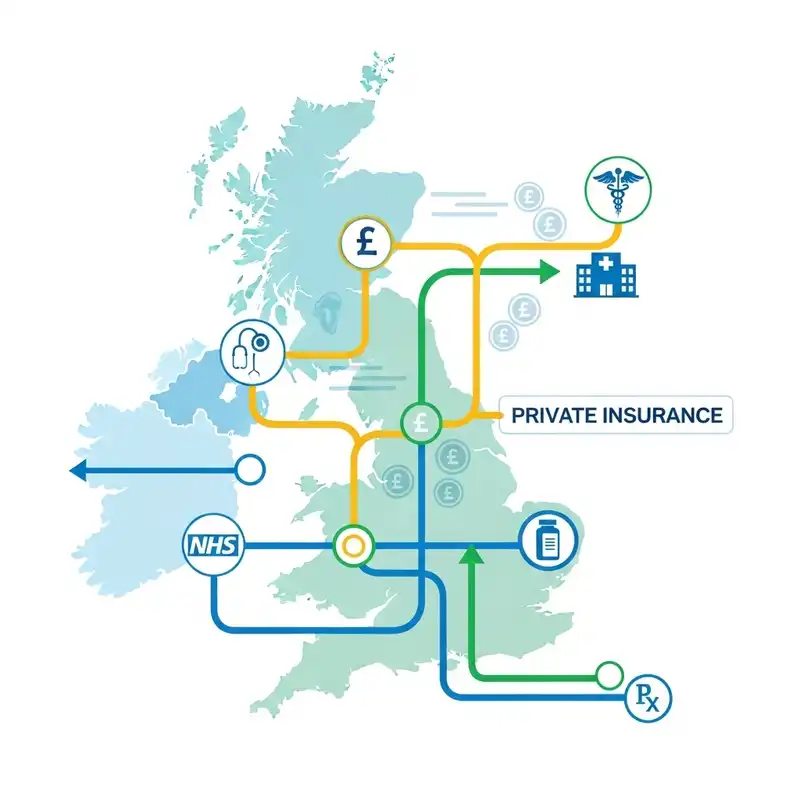
The Patient Journey: NHS vs. Private Fracture Treatment
This is where the value of private medical insurance in the UK becomes crystal clear. While emergency care is always delivered by the NHS, the path to full recovery can look very different.
A fracture is a classic example of an acute condition—a disease, illness, or injury that is likely to respond quickly to treatment and lead to a full recovery. This is precisely what PMI is designed for.
Crucial Point: Standard UK private health cover does not cover pre-existing or chronic conditions. The management of a chronic condition like osteoporosis would not be covered. However, an acute fracture that occurs after your policy starts is exactly the type of event PMI is designed to help with, even if osteoporosis was a contributing factor.
Here’s a comparison of the typical journey:
| Feature | NHS Pathway | Private Pathway (with PMI) |
|---|---|---|
| Initial Assessment | A&E visit for stabilisation and initial X-ray. This is the same for both pathways. | Initial care is received at an NHS A&E. |
| Specialist Referral | Placed on a waiting list to see an NHS orthopaedic consultant. This can take weeks or months. | Your GP provides an open referral, and you can see a private consultant within days. |
| Diagnostics (MRI/CT) | May face further waits for advanced scans if required. | Scans are often performed within a few days at a private clinic or hospital. |
| Choice of Consultant | You will be seen by the consultant on duty or with the shortest waiting list. | You can choose your consultant based on their specialism and reputation. |
| Surgery (if needed) | Placed on an NHS surgical waiting list. The latest NHS data shows long waits for trauma and orthopaedic surgery. | Surgery is scheduled promptly at a time and private hospital convenient for you. |
| Hospital Stay | Recovery is typically in a shared ward with set visiting hours. | Recovery is in a private, en-suite room with more flexible visiting and better amenities. |
| Rehabilitation | Access to NHS physiotherapy can be limited, with group sessions or long waits between appointments. | A comprehensive physiotherapy plan is included, with frequent one-to-one sessions to speed up recovery. |
As you can see, the primary benefit of using PMI for a fracture is speed and choice. By bypassing NHS waiting lists, you can receive treatment faster, potentially preventing long-term complications and getting you back to your life and work sooner. A specialist PMI broker like WeCovr can help you find a policy with the right level of outpatient cover and hospital access for your needs.
Diagnosing a Fracture: The Technology Behind the Scenes
Confirming a fracture and its exact nature requires medical imaging. An orthopaedic team will use one or more of the following:
- X-ray: The most common and widely available tool. It provides clear images of bones and is excellent for identifying most fractures.
- CT (Computed Tomography) Scan: This uses a series of X-rays from different angles to create detailed, cross-sectional images. It’s invaluable for complex fractures, such as those in the spine or pelvis, as it helps surgeons plan complex operations.
- MRI (Magnetic Resonance Imaging) Scan: MRI uses powerful magnets and radio waves to create detailed images of both bones and soft tissues (ligaments, tendons, muscles). It's particularly useful for identifying stress fractures or assessing damage to surrounding tissues.
- Bone Scan: A small amount of radioactive material is injected into a vein. It travels to the bones and is detected by a special camera. "Hot spots" on the scan can indicate areas of rapid bone repair, helping to pinpoint subtle fractures not visible on a standard X-ray.
Modern Fracture Treatment: From Casts to Complex Surgery
The goal of any fracture treatment is to put the broken pieces back into their correct position and hold them there while the body heals.
Non-Surgical Treatment
For many stable fractures where the bone fragments are well-aligned, surgery isn't necessary.
- Cast: A plaster or fibreglass cast is the most traditional method. It immobilises the joint above and below the fracture, allowing the bone to heal undisturbed.
- Splint or Functional Brace: For some fractures, a removable splint or brace allows for limited, controlled movement of nearby joints, which can aid recovery.
- Traction: This is used less commonly today but can be a temporary measure to align bones before surgery, especially for femur fractures. It involves using weights, pulleys, and ropes to gently pull on the fractured limb.
Surgical Treatment (Orthopaedics)
When bones are displaced, unstable, or involve a joint, surgery by an orthopaedic surgeon is often the best option. An orthopaedic surgeon is a medical doctor who specialises in injuries and diseases of the body's musculoskeletal system.
- Open Reduction and Internal Fixation (ORIF): This is a very common procedure. The surgeon makes an incision to realign the bone fragments ("open reduction") and then holds them in place with special hardware like metal plates, screws, pins, or rods ("internal fixation").
- External Fixation: In cases of severe open fractures with significant soft tissue damage, the surgeon places pins or screws into the bone on either side of the break. These are connected to a metal bar or frame outside the skin, which stabilises the bone while the skin and muscle heal.
- Joint Replacement (Arthroplasty): For severe fractures of the hip or shoulder in older adults, it is often better to replace the entire joint with a prosthesis. This allows for quicker mobilisation and a more predictable outcome than trying to fix severely damaged bone.
The Cost of Private Fracture Treatment Without Insurance
The speed and comfort of private care come at a price. Without private medical insurance, the costs can be substantial, highlighting the value a good policy provides.
| Procedure / Service | Average Private Cost in UK (2025 Estimate) |
|---|---|
| Initial Orthopaedic Consultation | £250 – £400 |
| MRI Scan (one part) | £400 – £800 |
| CT Scan (one part) | £500 – £900 |
| X-ray | £100 – £250 |
| Wrist Fracture Surgery (ORIF) | £4,000 – £7,000 |
| Ankle Fracture Surgery (ORIF) | £5,000 – £8,500 |
| Total Hip Replacement (Post-Fracture) | £13,000 – £18,000 |
| Physiotherapy Session | £50 – £100 per session |
Disclaimer: These are estimated costs and can vary significantly based on the hospital, consultant, and complexity of the case.
A comprehensive PMI policy can cover these costs (minus your chosen excess), protecting you from an unexpected and hefty bill.
The Road to Recovery: Nutrition, Wellness, and Rehabilitation
Healing a broken bone is a marathon, not a sprint. The final stage of your journey is just as important as the initial treatment.
Physiotherapy is Key
Physiotherapy is essential for restoring strength, flexibility, and full function to the injured limb.
- NHS Physio: Often involves group sessions and potentially long gaps between appointments.
- Private Physio (via PMI): You typically get a generous number of one-on-one sessions, starting soon after your cast is removed or you are cleared for weight-bearing post-surgery. This personalised attention can significantly accelerate your recovery.
Nutrition for Bone Healing
Your body needs the right building blocks to mend bone. Focus on a diet rich in:
- Calcium: Found in dairy products (milk, cheese, yoghurt), leafy green vegetables (kale, broccoli), and fortified foods.
- Vitamin D: Essential for calcium absorption. We get most of our Vitamin D from sunlight, but it's also in oily fish, red meat, and fortified breakfast cereals. A supplement is often recommended during UK winters.
- Protein: Makes up about half of your bone structure. Lean meats, fish, beans, and lentils are great sources.
To help you on your recovery journey, WeCovr provides all our health and life insurance clients with complimentary access to CalorieHero, our AI-powered calorie and nutrition tracking app. It's an excellent tool for ensuring you're getting the right nutrients to support your bone health.
Lifestyle and Wellness Tips
- Don't smoke: Smoking slows down the healing process by reducing blood supply to the bones.
- Limit alcohol: Excessive alcohol intake can interfere with bone healing.
- Get enough sleep: Your body does most of its repair work while you sleep. Aim for 7-9 hours per night.
How WeCovr Helps You Find the Best PMI Provider
Navigating the private medical insurance UK market can be daunting. Policies are complex, with different hospital lists, outpatient limits, and underwriting terms. This is where an independent, expert broker like WeCovr comes in.
- Expert, Free Advice: We are authorised and regulated by the Financial Conduct Authority (FCA). Our service is free to you; we are paid a commission by the insurer if you decide to proceed.
- Market Comparison: We don't work for one insurer. We compare policies from the UK's leading providers to find the one that best suits your needs and budget.
- Jargon-Busting: We explain terms like "moratorium underwriting," "excess," and "outpatient limits" in plain English.
- Added Value: When you buy a policy through WeCovr, you not only get our expert support but also access to benefits like our CalorieHero app and potential discounts on other types of insurance, such as life or income protection cover. Our consistently high customer satisfaction ratings reflect our commitment to finding the right solution for every client.
A fracture is an unexpected, disruptive event. Having the right private health cover in place provides peace of mind that you can access the best care quickly, minimising the impact on your life, work, and family.
Does private medical insurance cover broken bones?
Can I get private health cover if I already have osteoporosis?
What is the main benefit of using PMI for a fracture instead of relying solely on the NHS?
How does WeCovr help me find the best PMI provider for my needs?
Ready to secure peace of mind and fast access to the best medical care?
Get your free, no-obligation private medical insurance quote from WeCovr today!
Sources
- NHS England: Waiting times and referral-to-treatment statistics.
- Office for National Statistics (ONS): Health, mortality, and workforce data.
- NICE: Clinical guidance and technology appraisals.
- Care Quality Commission (CQC): Provider quality and inspection reports.
- UK Health Security Agency (UKHSA): Public health surveillance reports.
- Association of British Insurers (ABI): Health and protection market publications.
Disclaimer: This is general guidance only and does not constitute formal tax or financial advice. Tax treatment depends on individual circumstances, policy terms, and HMRC interpretation, which cannot be guaranteed in advance. Whenever applicable, businesses and individuals should always consult a qualified accountant or tax adviser before arranging such policies.
Start with your Protection Score, then decide whether private health cover is the right fit
Check where health access sits in your overall protection picture before deciding whether to compare private health cover.
Spot whether NHS access risk is the real issue
See if PMI is the gap to fix first
Get health insurance help only if it makes sense for you
Get your score
Start with your protection score
Check your current position first, then get health insurance help if you need it.
Check your current resilience
Score your income, health access and family protection position in a few minutes.
See where private cover helps
Understand whether faster diagnosis and treatment is a priority gap.
Continue to tailored PMI help
If health access is the issue, continue to tailored PMI help.
What you get
A quick view of your current protection position
A clearer idea of where the biggest gaps may be
A direct route to tailored help if you want it