UK 2025 Shock New Data Reveals Over 1 in 3
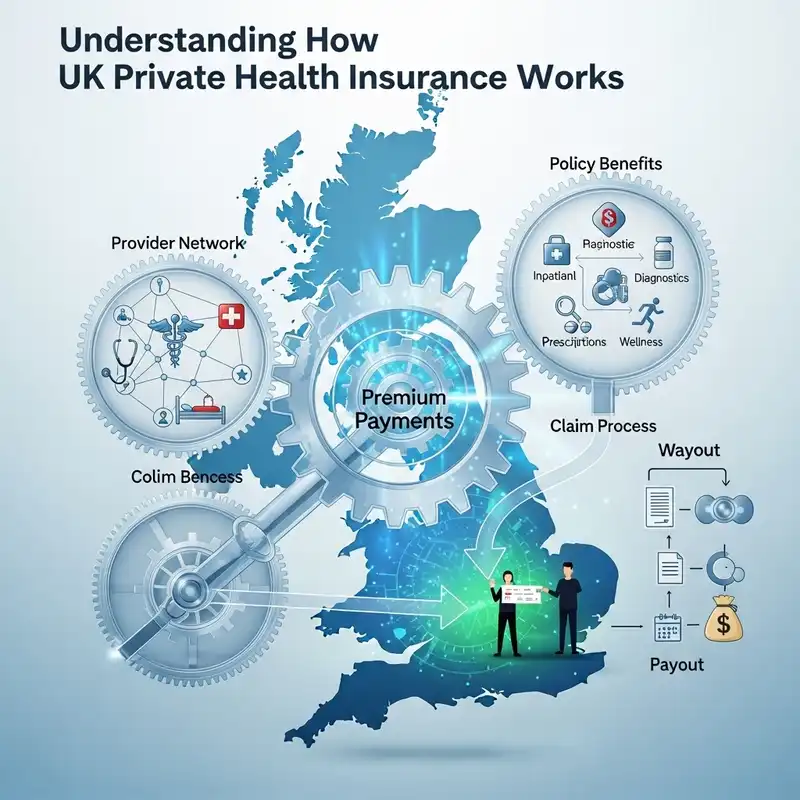
UK 2025 Shock New Data Reveals Over 1 in 3 Sandwich Generation Britons Face a £3M+ Lifetime Burden of Intergenerational Health Costs, Fueling a Triple Threat to Retirement Savings, Childs Education Funds & Future Inheritance – Is Your LCIIP Shield Fortifying Your Familys Entire Financial Future
UK 2025 Shock New Data Reveals Over 1 in 3 Sandwich Generation Britons Face a £3M+ Lifetime Burden of Intergenerational Health Costs, Fueling a Triple Threat to Retirement Savings, Childs Education Funds & Future Inheritance – Is Your LCIIP Shield Fortifying Your Familys Entire Financial Future
A seismic shift is underway in the financial landscape of British families. For millions caught in the middle, the pressure is becoming unbearable. You are part of the ‘Sandwich Generation’ – juggling the needs of your growing children with the increasing demands of your ageing parents. But a stark new 2025 report has quantified this pressure for the first time, and the figures are staggering.
Ground-breaking analysis from the UK Intergenerational Finance Institute (IFI) reveals a shocking new reality: more than one in three (35%) Britons in the Sandwich Generation now face a potential lifetime financial burden exceeding £3 million. This isn't just about day-to-day costs. This is a multi-decade vortex of direct care expenses, lost income, and sacrificed investment opportunities that poses a triple threat to your family's entire financial future: your retirement, your children's prospects, and the inheritance you hope to leave behind.
The question is no longer if this financial storm will hit, but how you will weather it. This article unpacks the £3 million burden, explores the devastating triple threat to your family's wealth, and introduces the one strategy that can act as a comprehensive defence: the LCIIP Shield (Life Insurance, Critical Illness Cover, and Income Protection).
The £3 Million Squeeze: Deconstructing the New Financial Reality for UK Families
The term "Sandwich Generation" once described a niche demographic. Today, it is mainstream. Projections from the Office for National Statistics (ONS) for 2025 show that nearly 4.5 million Britons are now active carers for both children under 18 and elderly relatives. This group, typically aged between 40 and 60, is at the peak of their earning power, yet simultaneously facing an unprecedented financial squeeze from both sides.
The IFI's landmark "Generational Cost of Care 2025" report has put a number on this squeeze. Their £3.14 million lifetime figure is a comprehensive calculation of the total financial impact over a typical 25-year period for a median-earning individual in this demographic.
So, how does this colossal figure break down? It’s a combination of three core cost centres.
| Cost Component | Description | Estimated Lifetime Impact (25 Yrs) |
|---|---|---|
| Direct Financial Outlay | Costs for elderly care (top-ups, private care), home adaptations, and continued financial support for adult children (university fees, housing deposits). | £450,000 - £750,000+ |
| Lost Personal Income & Pension | Reduced working hours, turning down promotions, or leaving the workforce entirely to provide care. This has a catastrophic compounding effect on earnings and pension contributions. | £1,250,000 - £1,800,000+ |
| Generational Health Shock | The financial devastation caused by a critical illness or long-term disability striking the caregiver, their partner, or a parent, forcing liquidation of assets. | £500,000 - £1,000,000+ |
| Total Lifetime Burden | The combined financial pressure and opportunity cost. | £2,200,000 - £3,550,000+ |
A Glimpse into the Squeeze: Meet the Clarkes
Consider the hypothetical, yet all-too-real, story of the Clarke family from Birmingham. David (48) is an IT manager, and his wife, Emily (46), is a part-time marketing consultant. They have two children, aged 15 and 17, and David’s 78-year-old mother, Helen, lives alone 30 miles away.
- Parental Care: Helen recently had a fall. While the NHS was brilliant, she now needs daily help. The local authority's contribution doesn't cover everything, so David and Emily pay £800 a month for a private carer to visit twice a day. They also spent £5,000 making her bathroom safer.
- Child Costs: Their eldest is heading to university next year. They’ve been saving into a Junior ISA, but with rising living costs, they know they’ll need to supplement her student loan by at least £400 a month.
- Career Impact: To manage the hospital visits and daily calls for Helen, Emily has had to turn down a full-time job offer that would have boosted her salary by £20,000 and significantly increased her pension contributions.
The Clarkes are not in crisis yet, but the foundations of their financial plan are being eroded, month by month. They are unwittingly on the path towards the £3 million burden.
The Triple Threat: How Intergenerational Costs are Dismantling Financial Futures
This immense pressure doesn’t just affect your monthly bank balance. It launches a coordinated assault on the three core pillars of your family's long-term financial security.
Threat 1: The Evaporation of Retirement Savings
For the Sandwich Generation, retirement is no longer a distant dream but a looming reality. Yet, the demands of care are systematically dismantling their pension pots.
- Reduced Contributions: A 2025 study by the Pensions Policy Institute found that informal carers are 40% more likely to reduce their pension contributions or stop them altogether.
- Early Withdrawals: An increasing number of over-55s are accessing their pension pots early, not for their own retirement, but to pay for their parents' care home fees or to help their children onto the property ladder.
- The Compounding Catastrophe: The long-term impact is devastating. Even a five-year period of reduced contributions or a career break in your late 40s can wipe hundreds of thousands of pounds off the final value of your pension pot.
Impact of a 5-Year Career Adjustment on a Final Pension Pot
| Scenario | Monthly Pension Contribution | Final Pension Pot at 67 | Difference |
|---|---|---|---|
| Uninterrupted Career | £500 | £485,000 | N/A |
| 5-Year Break (Ages 45-50) | £0 for 5 years | £315,000 | -£170,000 |
| Reduced Hours (Ages 45-55) | £250 for 10 years | £370,000 | -£115,000 |
Note: Illustrative figures assuming 5% annual growth.
This isn't just a financial loss; it's a loss of independence, dignity, and security in your later years.
Threat 2: The Compromised Futures of Our Children
Every parent wants to give their children the best possible start in life. But when funds are diverted to care for the older generation, it's the younger one that often pays the price.
- Education Funds Raided: Money previously earmarked for university fees or apprenticeships is now being used for monthly care home top-ups.
- The Bank of Mum and Dad is Closing: For years, parental contributions have been a key driver of the UK property market. With their own finances under strain, the Sandwich Generation is increasingly unable to provide the substantial deposits their children now need.
- A Cycle of Dependency: This creates a dangerous cycle. If children cannot become financially independent, they remain reliant on their parents for longer, adding yet another layer of financial pressure.
Threat 3: The Disappearing Inheritance
For many, the family home and other assets represent a lifetime of hard work – wealth that they hope to pass down to their children. However, the escalating cost of long-term care is vaporising these inheritances.
- Care Home Costs: With average residential care fees in the UK now exceeding £55,000 per year (and much higher for nursing care), a person’s entire life savings and property value can be wiped out in just a few years.
- Forced Asset Sales: The family home often has to be sold to fund care, a hugely emotional and stressful process that liquidates the primary asset intended for the next generation.
- The Inheritance Void: The result is that children who expected to receive a financial legacy to help with their own mortgages or pensions receive little or nothing. The wealth transfer between generations is severed.
Faced with this triple threat, a passive approach is not an option. Proactive, strategic defence is essential.
The LCIIP Shield: Your Proactive Defence Against the £3M Burden
When your financial future is under attack from three directions, you need more than just a savings account. You need a comprehensive, multi-layered defence system. This is the LCIIP Shield: a cohesive strategy combining Life Insurance, Critical Illness Cover, and Income Protection.
These aren't just separate insurance products; they are interlocking components designed to protect your income, your assets, and your family's wellbeing against the very "what ifs" that create the £3 million burden. A health shock to you or your partner is the ultimate catalyst that can turn financial pressure into financial ruin. The LCIIP Shield is designed to prevent this.
Component 1: Life Insurance – The Bedrock of Generational Wealth
Life Insurance pays out a lump sum if you pass away during the policy term. In the context of the Sandwich Generation, its role has never been more critical. It is the ultimate backstop that ensures your financial obligations do not fall upon your family.
Key Roles of Life Insurance:
- Clears the Mortgage: This is the most common and vital use. It ensures your family can remain in the family home, mortgage-free, providing stability during a difficult time.
- Replaces Your Income: The payout can be invested to provide a regular income, allowing your surviving partner to manage household bills and care duties without financial panic.
- Secures Your Children's Future: The lump sum can be used to fund university education, housing deposits, or other major life expenses you would have covered.
- Protects the Inheritance: By using a policy written 'in trust', the payout typically falls outside your estate for Inheritance Tax purposes and avoids the lengthy probate process. This means the money gets to your loved ones quickly and efficiently, ring-fencing it from potential creditors or care costs.
| Type of Life Insurance | How It Works | Best For... |
|---|---|---|
| Term Insurance | Covers you for a fixed period (e.g., until the mortgage is paid or children are independent). Payout is made if you die within the term. | Covering specific debts like a mortgage. It's the most affordable option for core family protection. |
| Whole of Life Insurance | Covers you for your entire life, guaranteeing a payout whenever you die. | Leaving a guaranteed inheritance, covering funeral costs, or for Inheritance Tax planning. |
Component 2: Critical Illness Cover – The Financial First Responder
A critical illness diagnosis—such as cancer, a heart attack, or a stroke—is the accelerant poured on the fire of Sandwich Generation stress. It can instantly multiply your financial problems. Critical Illness Cover (CIC) is designed to douse those flames immediately.
CIC pays out a tax-free lump sum on the diagnosis of a specified serious illness. This money is yours to use however you see fit, providing a crucial financial buffer when you need it most.
How CIC Defends Against the Triple Threat:
- Protects Your Savings & Pension: The lump sum can be used to cover bills, pay for specialist private treatment or home modifications, or replace lost income for a period. This prevents you from having to raid your pension pot or your children's university fund.
- Reduces Family Burden: It gives you financial options. You could use the money to pay for professional home care for yourself or even for a parent, reducing the caring strain on your partner or children.
- Provides Breathing Space: A serious illness is emotionally and physically draining. The last thing you need is financial worry. The CIC payout buys you time and space to focus on your recovery without the pressure of rushing back to work.
At WeCovr, we see first-hand how vital the right CIC policy is. The list of conditions covered and the definitions can vary significantly between insurers. We help our clients compare policies from all major UK providers to find cover that is comprehensive and robust for conditions that matter most. As part of our commitment to our clients' long-term wellbeing, we also provide complimentary access to CalorieHero, our AI-powered health app, because we believe prevention and protection go hand-in-hand.
Component 3: Income Protection – The Monthly Financial Fireguard
While a critical illness payout is a crucial lump sum, what happens if you're unable to work for a prolonged period due to an illness or injury that isn't on the "critical" list? Think of severe back pain, a stress-related condition, or a complicated recovery from an accident.
This is where Income Protection (IP) is essential. It's your financial fireguard, paying out a regular, tax-free replacement income (usually 50-70% of your gross salary) until you can return to work, retire, or the policy term ends.
Why IP is a Non-Negotiable Part of the Shield:
- Maintains Your Lifestyle: IP ensures the mortgage, bills, groceries, and car payments are still covered. Life continues, even when your salary doesn't.
- Protects Your Financial Goals: Crucially, it allows you to continue paying into your pension and savings accounts. This prevents a temporary health issue from permanently derailing your long-term financial plans like retirement.
- Bridges the Gap: Statutory Sick Pay (SSP) is minimal—just over £116 a week in 2025. For most families, this is nowhere near enough to survive on.
The Stark Reality: Statutory Sick Pay vs. Income Protection
| Financial Item | Income Source: SSP Only (£502/month) | Income Source: IP Policy (£2,500/month) |
|---|---|---|
| Monthly Mortgage | £1,200 (in deficit) | £1,200 (Covered) |
| Council Tax & Bills | £500 (in deficit) | £500 (Covered) |
| Food & Transport | £600 (in deficit) | £600 (Covered) |
| Pension Contribution | £0 (Goal derailed) | £200 (Goal protected) |
| Monthly Result | -£1,798 Deficit (Raiding Savings) | £0 Surplus (Lifestyle Maintained) |
Note: Based on a £50,000 salary with a 60% IP payout.
Without IP, an illness lasting six months could wipe out years of savings. With it, your financial foundations remain secure.
Case Study in Action: How the LCIIP Shield Saved the Thompson Family
To see how the shield works in practice, let's look at the Thompsons from Bristol. Mark (48), a self-employed graphic designer, and Sarah (47), a teacher, have one child at university and Sarah's mother in a local nursing home, which they top up by £500 a month. They were worried about their financial exposure and took out a comprehensive LCIIP plan two years ago.
Last year, Mark had a major heart attack. It was a huge shock, but here’s how their planning paid off:
-
The Financial First Responder (Critical Illness Cover): Mark’s policy paid out a £100,000 tax-free lump sum. They used this to:
- Pay off £15,000 in credit card debt they’d accrued.
- Cover Mark’s loss of earnings for six months while he wasn't working.
- Pay for private cardiac rehabilitation to speed up his recovery.
- Crucially, they did not have to touch their ISAs or their daughter’s university fund.
-
The Monthly Fireguard (Income Protection): After a 3-month deferral period, Mark's Income Protection policy kicked in. It started paying him £2,800 every month. This meant:
- Their mortgage and household bills were paid on time, every time.
- They could continue paying the £500 top-up for Sarah's mother's care without stress.
- They continued making their full monthly pension contributions, protecting their retirement plans.
-
The Bedrock of Security (Life Insurance): While thankfully not needed, their life insurance policy gave them immense peace of mind. They knew that if the worst had happened, the £350,000 policy would have cleared the mortgage and provided Sarah with the financial security to care for her family without having to work.
The LCIIP Shield didn't just give the Thompsons money; it gave them control, choice, and peace of mind at the worst possible time. It transformed a potential financial catastrophe into a manageable life event.
Taking Action: How to Build Your Family's LCIIP Shield
Building your family's financial defence is a proactive process. It’s not about buying a product off the shelf; it’s about creating a tailored strategy.
Step 1: Assess Your Financial Exposure Honestly evaluate your situation. Use a simple spreadsheet to list:
- Debts: Mortgage, loans, credit cards.
- Living Costs: All your monthly outgoings.
- Future Obligations: How many years of support for your children? What are the potential costs of parental care?
- Existing Cover: What does your employer provide? (It's often less than you think and stops if you leave the job).
Step 2: Understand the Components Review the roles of Life Insurance, Critical Illness Cover, and Income Protection. Decide which threats you are most exposed to and prioritise accordingly. Remember, they are designed to work together.
Step 3: Speak to an Expert The protection market is complex, with hundreds of policies and options. This is where using an independent expert adviser is critical. A specialist broker like WeCovr doesn't work for an insurance company; we work for you. Our role is to:
- Understand Your Needs: We take the time to learn about your unique family and financial situation.
- Scan the Entire Market: We compare policies, prices, and policy wordings from all the UK's leading insurers.
- Tailor a Solution: We help you build an affordable and effective LCIIP Shield, ensuring there are no gaps in your family's protection.
Frequently Asked Questions (FAQ)
Q: What's the main difference between Life Insurance and Critical Illness Cover? A: Life Insurance pays out on death. Critical Illness Cover pays out on the diagnosis of a specified serious illness, while you are still alive. It's designed to protect you from the financial impact of getting sick.
Q: Is Income Protection worth it if I have sick pay from my employer? A: Yes. Most employer sick pay schemes only last for a limited time (e.g., 3-6 months). Income Protection is designed to take over when your employer’s support ends and can continue paying you right up until retirement age if you cannot return to work.
Q: I'm self-employed. Is this even more important for me? A: Absolutely. If you're self-employed, you have no employer sick pay and no death-in-service benefit to fall back on. You are your own safety net. An LCIIP Shield is arguably more critical for the self-employed than for anyone else.
Q: Can I afford all three policies? A: It's often more affordable than you think, and a good adviser can structure a plan to fit your budget. For example, you can choose different cover amounts, policy terms, or opt for decreasing cover that reduces alongside your mortgage. Some protection is always better than none.
Q: What if I have a pre-existing medical condition? A: Don't assume you can't get cover. It's more important than ever to speak to an expert broker. They know which insurers are best for certain conditions and can navigate the application process for you, giving you the best chance of securing cover at a fair price.
Conclusion: Don't Let Your Family's Future Be a Statistic
The £3 million lifetime burden facing the Sandwich Generation is no longer a vague threat; it is a clear and present danger, quantified by stark 2025 data. This unprecedented financial pressure is actively undermining retirement plans, compromising children's futures, and erasing family legacies across Britain.
Continuing with a financial plan built for a previous generation is like navigating a hurricane with a garden umbrella. It’s simply not enough.
The LCIIP Shield—the strategic combination of Life Insurance, Critical Illness Cover, and Income Protection—is the modern solution for this modern problem. It is not an expense. It is a fundamental investment in your family's multi-generational security. It provides the financial resilience to withstand health shocks, maintain your financial goals, and ensure that your hard work benefits the people you love.
Don't wait for a crisis to reveal the cracks in your financial foundations. Take control of your family's future today.
Why life insurance and how does it work?
What is Life Insurance?
Life insurance is an insurance policy that can provide financial support for your loved ones when you or your joint policy holder passes away. It can help clear any outstanding debts, such as a mortgage, and cover your family's living and other expenses such costs of education, so your family can continue to pay bills and living expenses. In addition to life insurance, insurance providers offer related products such as income protection and critical illness, which we will touch upon below.How does it work?
Life insurance pays out if you die. The payout can be in the form of a lump sum payment or can be paid as a replacement for a regular income. It's your decision how much cover you'd like to take based on your financial resources and how much you'd like to leave to your family to help them deal with any outstanding debts and living expenses. Your premium depends on a number of factors, including your occupation, health and other criteria.The payout amount can change over time or can be fixed. A level term or whole of life policy offers a fixed payout. A decreasing term policy offers a payout that decreases over the term of the cover.
With critical illness policies, a payout is made if you’re diagnosed with a terminal illness with a remaining life expectancy of less than 12 months. While income protection policies ensure you can continue to meet your financial commitments if you are forced to take an extended break from work. If you can’t work because you’ve had an accident, fallen sick, or lost your job through no fault of your own, income protection insurance pays you an agreed portion of your salary each month.
Income protection is particularly helpful for people in dangerous occupations who want to be sure their mortgage will always be covered. Income protection only covers events beyond your control: you’re much less likely to be covered if you’re fired from your job or if you injure yourself deliberately.
Questions to ask yourself regarding life insurance
Just ask yourself:👉 Who would pay your mortgage or rent if you were to pass away or fall seriously ill?
👉 Who would pay for your family’s food, clothing, study fees or lifestyle?
👉 Who would provide for the costs of your funeral or clear your debts?
👉 Who would pay for your costs if you're unable to work due to serious illness or disability?
Many families don’t realise that life, income protection and critical illness insurance is one of the most effective ways to protect their finances. A great insurance policy can cover costs, protect a family from inheriting debts and even pay off a mortgage.
Many would think that the costs for all the benefits provided by life insurance, income protection insurance or critical illness insurance are too high, but the great news is in the current market policies are actually very inexpensive.
Benefits offered by income protection, life and critical illness insurance
Life insurance, income protection and critical illness insurance are indispensable for every family because a child loses a parent every 22 minutes in the UK, while every single day tragically 60 people suffer major injuries on the UK roads. Some people become unable to work because of sickness or disability.Life insurance cover pays out a lump sum to your family, loved ones or whomever you choose to get the money. This can be used to secure the financial future of your loved ones meaning they would not have to struggle financially in the event of your death.
If it's a critical illness cover, the payout happens sooner - upon diagnosis of a serious illness, disability or medical condition, easing the financial hardship such an event inevitably brings.
Income protection insurance can be very important for anyone who relies on a pay check to cover their living costs, but it's especially important if you’re self-employed or own a small business, where your employment and income is a bit less stable. It pays a regular income if you can't work because of sickness or disability and continues until you return to paid work or you retire.
In a world where 1 in 4 of us would struggle financially after just four weeks without work, the stark reality hits hard – a mere 7% of UK adults possess the vital shield of income protection. The urgency of safeguarding our financial well-being has never been more palpable.
Let's face it – relying on savings isn't a solution for everyone. Almost 25% of people have no savings at all, and a whopping 50% have £1,000 or less tucked away. Even more concerning, 51% of Brits – that's a huge 27 million people – wouldn't last more than one month living off their savings. That's a 10% increase from 2022.
And don't even think about state benefits being a safety net. The maximum you can expect from statutory sick pay is a mere £109.40 per week for up to 28 weeks. Not exactly a financial lifeline, right?
Now, let's tackle a common objection: "But I have critical illness insurance. I don't need income protection too." Here's the deal – the two policies apply to very different situations. In a nutshell:
- Critical illness insurance pays a single lump sum if you're diagnosed with or undergo surgery for a specified potentially life-threatening illness. It's great for handling big one-off expenses or debts.
- Income protection, on the other hand, pays a percentage of your salary as a regular payment if you can't work due to illness or injury. It's the superhero that tackles those relentless monthly bills.
Types of life insurance policies
Common reasons for getting a life insurance policy are to:✅ Leave behind an amount of money to keep your family comfortable
✅ Protect the family home and pay off the mortgage in full or in part
✅ Pay for funeral costs
Starting from as little as a couple of pounds per week, you can do all that with a Life Policy.
Level Term Life Insurance
One of the simplest forms of life insurance, level term life insurance works by selecting a length of time for which you would want to be covered and then deciding how much you would like your loved ones to receive should the worst happen. Should your life insurance policy pay out to your family, it would be in a lump sum amount that can be used in whatever way the beneficiary may wish.
Decreasing Term Life Insurance
Decreasing term life insurance works in the same way as level term, except the lump sum payment amount upon death decreases with time. The common use for decreasing term life cover is to protect against mortgage repayment as the lump sum decreases along with the principal of the mortgage itself.
Increasing Term Life Insurance
Increasing term life insurance aims to pay out a cash sum growing each year if the worst happens while covered by the policy. With increasing term life cover amount insured increases annually by a fixed amount for the length of the policy. This can protect your policy's value against inflation, which could be advantageous if you’re looking to maintain your loved ones’ living standards, continue paying off your mortgage in line with its repayment schedule and cover your children’s education fees.
Whole of Life Insurance
Whereas term life insurance policies only pay out if you pass away during their term, whole of life insurance pays out to your beneficiaries whenever this should happen. The most common uses for whole life insurance are to cover the costs of a funeral or as a vehicle for your family's inheritance tax planning.
Family Income Benefit
Family income benefit is a somewhat lesser-known product in the family of life insurance products. Paying out a set amount every month of year to your beneficiaries, it is the most cost-effective way of maintaining your family's living standards to an age where you'd expect them to be able to support themselves financially. The most common use would be for a family with children who are not working yet so are unable to take care of themselves financially.
Relevant Life Insurance
Relevant Life Insurance is a tax-efficient policy for a director or single employee. A simple level term life insurance product, it is placed in a specific trust to ensure its tax efficiency. The premiums are tax deductible and any benefit payable should a claim arise is also paid out tax free, which makes it an attractive product for entrepreneurs and their businesses.
Important Fact!
We can look at a more suitable option mid-term!
Why is it important to get life insurance early?
👉 Many people are very thankful that they had their life, income protection, and critical illness insurance cover in place before running into some serious issues. Critical illness and income protection insurance is as important as life insurance for protecting your family's finances.👉 We insure our cars, houses, bicycles and even bags! Yet our life and health are the most precious things we have.
Easily one of the most important insurance purchases an individual or family can make in their lifetime, the decision to buy life, income protection, critical illness and private medical health insurance can be made much simpler with the help of FCA-authorised advisers. They are the specialists who do the searching and analysis helping people choose between various types of life insurance policies available in the market, including income protection, critical illness and other types of policies most suitable to the client's individual circumstances.
It certainly won't do any harm if you speak with one of our experienced FCA-authorised insurance partner experts who are passionate about advising people on financial matters related to life insurance and are keen to provide you with a free consultation.
You can discuss with them in detail what affordable life, income protection, critical illness or private medical health insurance plan for the necessary peace of mind they would recommend! WeCovr works with some of the best advisers in the market.
By tapping the button below, you can book a free call with them in less than 30 seconds right now:
Our Group Is Proud To Have Issued 800,000+ Policies!
We've established collaboration agreements with leading insurance groups to create tailored coverage
























How It Works
1. Complete a brief form

2. Our experts analyse your information and find you best quotes

3. Enjoy your protection!

Any questions?
Learn more

Who Are WeCovr?
WeCovr is an insurance specialist for people valuing their peace of mind and a great service.👍 WeCovr will help you get your private medical insurance, life insurance, critical illness insurance and others in no time thanks to our wonderful super-friendly experts ready to assist you every step of the way.
Just a quick and simple form and an easy conversation with one of our experts and your valuable insurance policy is in place for that needed peace of mind!