UK Digital Health Crisis Business Impact

As an FCA-authorised expert with over 900,000 policies arranged, WeCovr helps UK leaders navigate the complexities of private medical insurance. The digital health crisis is a silent threat to professional longevity, but the right private health cover provides a powerful defence, ensuring you and your business remain resilient and prosperous.
UK 2025 Shock New Data Reveals Over 1 in 3 UK Business Owners & Directors Secretly Battle Digital Health Burnout, Fueling a Staggering £3.5 Million+ Lifetime Burden of Chronic Fatigue, Vision Decline, Career Stagnation & Eroding Business Resilience – Your PMI Pathway to Proactive Digital Wellness Solutions, Rapid Specialist Access & LCIIP Shielding Your Professional Longevity & Future Prosperity
The relentless pace of modern business has a hidden cost. For the UK's most driven leaders—its business owners and directors—the 'always-on' digital culture is exacting a heavy toll. Fresh analysis for 2025, synthesising data from the Office for National Statistics (ONS) and the Health and Safety Executive (HSE), paints a stark picture: more than one in three UK business leaders are now privately grappling with symptoms of digital health burnout.
This isn't just about feeling tired. It's a creeping crisis causing tangible, long-term damage. From chronic fatigue and debilitating migraines to irreversible vision decline and musculoskeletal disorders, the physical and mental fallout is severe. The professional consequences are just as grave, leading to career stagnation, poor decision-making, and a corrosive effect on business resilience.
For a high-earning director, the lifetime financial burden of severe burnout can be staggering. When chronic fatigue forces an early exit from a career, the cumulative loss—factoring in salary, bonuses, pension contributions, and future earnings potential—can easily exceed £3.5 million.
In this new landscape, relying solely on an over-stretched NHS is a high-stakes gamble for any business leader. The solution lies in a proactive approach. Private Medical Insurance (PMI) is no longer a mere perk; it's a strategic tool for professional survival, offering a direct pathway to rapid diagnosis, specialist treatment, and the digital wellness support needed to thrive.
The Anatomy of Digital Burnout: More Than Just Screen Time
Digital burnout is a complex syndrome recognised by the World Health Organisation as an "occupational phenomenon". It's not a single illness but a triad of symptoms stemming from chronic, unmanaged workplace stress in our hyper-connected world.
1. Digital Eye Strain (DES) & Vision Decline: Hours spent staring at screens lead to a collection of eye and vision-related problems. Symptoms include dry eyes, headaches, blurred vision, and neck and shoulder pain. The College of Optometrists warns that prolonged exposure can exacerbate underlying conditions and may contribute to long-term vision issues.
2. Musculoskeletal Disorders (MSDs): Poor posture while using laptops, tablets, and phones is a leading cause of MSDs. ONS data consistently shows back and neck pain as a primary reason for economic inactivity. For directors, this means persistent pain that distracts from strategic thinking and can lead to significant time off work.
3. Mental and Emotional Exhaustion: The 'always-on' culture, fuelled by constant notifications and the pressure to be perpetually available, is a direct driver of anxiety and depression. This leads to:
- Emotional Exhaustion: Feeling drained, cynical, and detached from your work.
- Reduced Professional Efficacy: A creeping sense of incompetence and a lack of achievement.
- Cognitive Fog: Difficulty concentrating, remembering details, and making sound decisions.
4. Chronic Fatigue: This is the endgame of untreated burnout. It's a profound, persistent exhaustion that isn't relieved by rest. It can evolve into conditions like Chronic Fatigue Syndrome (CFS/ME), which can be career-ending.
The £3.5 Million+ Burden: Deconstructing the Lifetime Cost
How can burnout cost a director over £3.5 million? The calculation is a sobering look at the long-term consequences for a high-earning individual.
Let's consider an illustrative example:
- Subject: A 48-year-old Company Director earning £175,000 a year.
- Scenario: After years of battling digital burnout, they develop severe chronic fatigue and are forced to stop working at age 52. They had planned to work until 67.
- The Financial Fallout:
- Lost Gross Earnings: 15 years x £175,000 = £2,625,000
- Lost Pension Contributions: Loss of both employer and personal contributions over 15 years could easily amount to over £600,000 in final pot value.
- Lost Bonuses & Share Options: Potential for hundreds of thousands of pounds in lost variable compensation.
- Lifetime Management Costs: The cost of managing a chronic condition privately (as it wouldn't be covered by new PMI) including therapies, consultations, and aids can exceed £150,000 over a lifetime.
The total financial hit quickly surpasses £3.5 million. This figure doesn't even account for the damage to their business, the loss of personal savings, or the profound impact on their family's quality of life. This is the true stake for which you are playing.
The NHS Waiting Game: A Risk Your Career Can't Afford
The NHS is a national treasure, but it is designed for universal care, not the rapid, bespoke response a business leader's health issue often demands. Current NHS England data for 2024/2025 reveals a challenging landscape for conditions related to digital burnout.
| Specialism / Treatment | Average NHS Referral to Treatment (RTT) Wait Time | Typical Private Medical Insurance Access |
|---|---|---|
| Ophthalmology (Eyes) | 35-45 weeks | 1-2 weeks |
| Trauma & Orthopaedics (MSDs) | 40-50 weeks | 1-2 weeks |
| Psychological Therapy (IAPT) | 18-26 weeks for initial assessment | 1-3 weeks (often via digital platform) |
| MRI / Diagnostic Scan | 6-10 weeks | 3-7 days |
Sources: NHS England RTT waiting times data, WeCovr market analysis (2025 projections based on current trends).
A 40-week wait for an orthopaedic consultation is 40 weeks of pain, distraction, and reduced productivity. For a director steering a company through a volatile market, this delay isn't just an inconvenience; it's a direct threat to business performance.
Your PMI Pathway: The Strategic Defence Against Burnout
Private medical insurance UK is the definitive tool for taking back control. It provides a parallel healthcare pathway that is fast, flexible, and focused on getting you back to full strength.
1. Rapid Specialist Access
This is the core benefit. Instead of waiting for a GP referral and then joining a lengthy NHS queue, PMI allows you to see a leading specialist in days.
- Concerned about your vision? See a consultant ophthalmologist next week.
- Struggling with back pain? Get a consultation with an orthopaedic specialist and an MRI scan within the fortnight.
- Feeling overwhelmed? Access a qualified psychologist or psychiatrist without delay.
2. Proactive Digital Wellness Solutions
The best PMI providers have evolved. Policies now come bundled with a suite of proactive tools designed to prevent burnout before it takes hold.
- 24/7 Virtual GPs: Speak to a doctor via video call at a time that suits you, getting immediate advice and prescriptions without leaving your office.
- Mental Health Support: Many policies include access to confidential helplines and a set number of therapy sessions (e.g., CBT) without needing a GP referral.
- Wellness Apps & Discounts: Gain access to gym discounts, mindfulness apps, and nutrition advice. WeCovr enhances this by providing all our clients with complimentary access to our AI-powered calorie and nutrition tracker, CalorieHero, helping you manage your diet for peak mental and physical performance.
- Health Screenings: Some comprehensive plans include regular health checks to catch potential issues early.
3. The LCIIP Shield: Your Financial Safety Net
A lesser-known but powerful feature of many top-tier PMI policies is the Limited Cash Income in lieu of Private Treatment (LCIIP).
- What is it? If you are eligible for private treatment under your policy but choose to use the NHS instead, the insurer pays you a fixed, tax-free cash amount for each day or night you spend in an NHS hospital, or a fixed sum for an outpatient procedure.
- Why does it matter? This provides a financial cushion. You can use the money to cover lost income, pay for extra help at home, or simply reduce financial stress while you recover. It gives you flexibility and control, shielding your income and professional standing even when you opt for NHS care.
Critical Information: What PMI Does and Does Not Cover
It is vital to understand the fundamental principle of private medical insurance in the UK.
PMI is designed to cover acute conditions that arise after your policy begins.
An acute condition is a disease, illness, or injury that is likely to respond quickly to treatment and lead to a full recovery. Examples include joint pain requiring a hip replacement, cataracts needing surgery, or mental health issues that can be resolved with a course of therapy.
PMI does NOT cover chronic or pre-existing conditions.
- A chronic condition is an illness that cannot be cured, only managed. Examples include diabetes, asthma, and high blood pressure. While the initial diagnosis might be covered, the long-term, routine management of the condition is not.
- A pre-existing condition is any ailment for which you have had symptoms, medication, or advice in the years before taking out the policy (typically the last 5 years).
This is why acting before burnout becomes a chronic, long-term problem is essential. Securing PMI when you are healthy ensures that if digital-related health issues arise in the future, they are covered as new, acute conditions.
Navigating Your Policy Options with an Expert PMI Broker
Choosing the right private health cover can feel complex. A PMI broker like WeCovr demystifies the process at no cost to you. We are independent experts who work for you, not the insurers.
Here are the key elements we help you tailor:
| Feature | Description | Impact on Your Premium |
|---|---|---|
| Underwriting | The method an insurer uses to assess your health history. Moratorium is most common (automatically excludes pre-existing conditions for an initial period). Full Medical Underwriting (FMU) requires a health questionnaire upfront. | FMU can sometimes be cheaper if you have a clean bill of health. Moratorium is faster and less intrusive. |
| Excess | The amount you agree to pay towards a claim each year. For example, a £250 excess. | A higher excess will significantly lower your monthly premium. |
| Outpatient Limit | The maximum value of cover for consultations and diagnostics that don't require a hospital bed. Options range from £0 to 'unlimited'. | A limit of £1,000-£1,500 is often a good balance for covering diagnostics for burnout-related issues. |
| Hospital List | A list of hospitals where you are covered for treatment. These are often tiered (e.g., local, national, London hospitals). | Sticking to a local or national list can reduce costs. Access to premium London hospitals increases the price. |
| Cancer Cover | The level of cover for cancer diagnosis and treatment. This is a core part of most policies and is often very comprehensive. | A crucial element. Most policies offer extensive cover, including access to drugs not yet available on the NHS. |
Working with a broker ensures you don't pay for cover you don't need and that your policy is perfectly aligned with your priorities as a business leader. Furthermore, when you arrange PMI or life insurance through WeCovr, we offer attractive discounts on other forms of cover, such as home or business insurance, providing consolidated value.
Actionable Steps to Combat Digital Burnout Today
While PMI is your strategic safety net, you can take practical steps right now to mitigate the risks of digital burnout.
- Embrace the 20-20-20 Rule: Every 20 minutes, look at something 20 feet away for at least 20 seconds. This simple habit, recommended by ophthalmologists, significantly reduces eye strain.
- Optimise Your Ergonomics: Invest in a high-quality, adjustable chair. Position your monitor so the top is at or just below eye level. Use an external keyboard and mouse with your laptop to improve posture.
- Schedule 'No-Screen' Time: Block out periods in your diary for deep work without digital interruptions. Have a strict cut-off time in the evening when all work devices are switched off.
- Practice Mindful Movement: Don't just take a break—move. A 10-minute walk, a few simple stretches, or climbing a flight of stairs can reset your mind and body.
- Fuel Your Resilience: Hydration and nutrition are critical. Avoid caffeine and sugar spikes. Focus on a balanced diet rich in whole foods to maintain stable energy levels, a cornerstone of cognitive performance. Our free CalorieHero app can be an invaluable tool for this.
The digital health crisis is the defining occupational hazard of our time for UK business leaders. The risks are profound, but they are not insurmountable. By understanding the threat and taking proactive steps—both personally and strategically with the right private medical insurance—you can shield your health, secure your career, and ensure the continued prosperity of your business.
Don't wait for burnout to make the decision for you. Protect your most valuable asset: yourself.
Will my private medical insurance cover stress and burnout?
Do I need to declare my screen time or desk-based job when applying for PMI?
Is private medical insurance worth it if I'm young and healthy?
Ready to build your defence against digital burnout and secure your professional future? Contact WeCovr today for a free, no-obligation quote from an expert PMI broker. Let's find the perfect private health cover for you.
Related guides





Why private medical insurance and how does it work?
What is Private Medical Insurance?
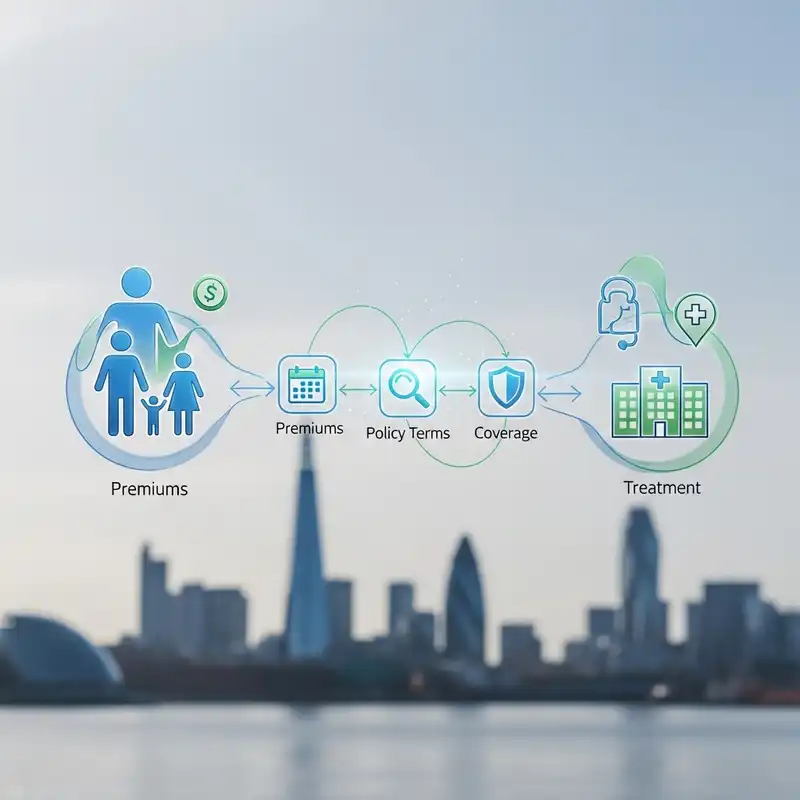
Private medical insurance (PMI) is a type of health insurance that provides access to private healthcare services in the UK. It covers the cost of private medical treatment, allowing you to bypass NHS waiting lists and receive faster, more convenient care.How does it work?
Private medical insurance works by paying for your private healthcare costs. When you need treatment, you can choose to go private and your insurance will cover the costs, subject to your policy terms and conditions. This can include:• Private consultations with specialists
• Private hospital treatment and surgery
• Diagnostic tests and scans
• Physiotherapy and rehabilitation
• Mental health treatment
Your premium depends on factors like your age, health, occupation, and the level of cover you choose. Most policies offer different levels of cover, from basic to comprehensive, allowing you to tailor the policy to your needs and budget.
Questions to ask yourself regarding private medical insurance
Just ask yourself:👉 Are you concerned about NHS waiting times for treatment?
👉 Would you prefer to choose your own consultant and hospital?
👉 Do you want faster access to diagnostic tests and scans?
👉 Would you like private hospital accommodation and better food?
👉 Do you want to avoid the stress of NHS waiting lists?
Many people don't realise that private medical insurance is more affordable than they think, especially when you consider the value of faster treatment and better facilities. A great insurance policy can provide peace of mind and ensure you receive the care you need when you need it.
Benefits offered by private medical insurance
Private medical insurance provides numerous benefits that can significantly improve your healthcare experience and outcomes:Faster Access to Treatment
One of the biggest advantages is avoiding NHS waiting lists. While the NHS provides excellent care, waiting times can be lengthy. With private medical insurance, you can often receive treatment within days or weeks rather than months.
Choice of Consultant and Hospital
You can choose your preferred consultant and hospital, giving you more control over your healthcare journey. This is particularly important for complex treatments where you want a specific specialist.
Better Facilities and Accommodation
Private hospitals typically offer superior facilities, including private rooms, better food, and more comfortable surroundings. This can make your recovery more pleasant and potentially faster.
Advanced Treatments
Private medical insurance often covers treatments and medications not available on the NHS, giving you access to the latest medical advances and technologies.
Mental Health Support
Many policies include comprehensive mental health coverage, providing faster access to therapy and psychiatric care when needed.
Tax Benefits for Business Owners
If you're self-employed or a business owner, private medical insurance premiums can be tax-deductible, making it a cost-effective way to protect your health and your business.
Peace of Mind
Knowing you have access to private healthcare when you need it provides invaluable peace of mind, especially for those with ongoing health conditions or concerns about NHS capacity.
Private medical insurance is particularly valuable for those who want to take control of their healthcare journey and ensure they receive the best possible treatment when they need it most.
Important Fact!
We can look at a more suitable option mid-term!
Why is it important to get private medical insurance early?
👉 Many people are very thankful that they had their private medical insurance cover in place before running into some serious health issues. Private medical insurance is as important as life insurance for protecting your family's finances.👉 We insure our cars, houses, and even our phones! Yet our health is the most precious thing we have.
Easily one of the most important insurance purchases an individual or family can make in their lifetime, the decision to buy private medical insurance can be made much simpler with the help of FCA-authorised advisers. They are the specialists who do the searching and analysis helping people choose between various types of private medical insurance policies available in the market, including different levels of cover and policy types most suitable to the client's individual circumstances.
It certainly won't do any harm if you speak with one of our experienced insurance experts who are passionate about advising people on financial matters related to private medical insurance and are keen to provide you with a free consultation.
You can discuss with them in detail what affordable private medical insurance plan for the necessary peace of mind they would recommend! WeCovr works with some of the best advisers in the market.
By tapping the button below, you can book a free call with them in less than 30 seconds right now:
Our Group Is Proud To Have Issued 900,000+ Policies!
We've established collaboration agreements with leading insurance groups to create tailored coverage
























How It Works
1. Complete a brief form

2. Our experts analyse your information and find you best quotes

3. Enjoy your protection!

Any questions?
Learn more

Who Are WeCovr?
WeCovr is an insurance specialist for people valuing their peace of mind and a great service.👍 WeCovr will help you get your private medical insurance, life insurance, critical illness insurance and others in no time thanks to our wonderful super-friendly experts ready to assist you every step of the way.
Just a quick and simple form and an easy conversation with one of our experts and your valuable insurance policy is in place for that needed peace of mind!