UK EV Insurance Costs & Coverage
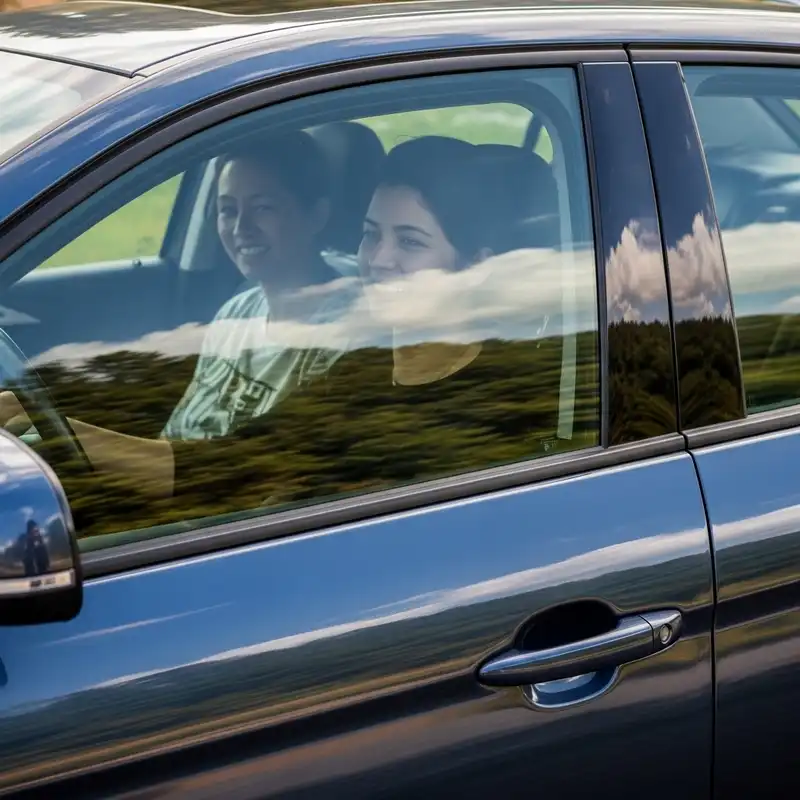
Navigating Electric Vehicle Insurance in the UK What Every EV Owner Needs to Know About Costs, Coverage & Cutting Premiums
As the UK's roads rapidly transition to electric power, understanding the unique landscape of EV motor insurance is more crucial than ever. WeCovr, an FCA-authorised expert broker that has helped arrange over 800,000 policies, is here to guide you through the costs, coverage, and complexities of insuring your electric vehicle.
This definitive guide provides everything a UK driver, business owner, or fleet manager needs to know to secure the right cover at the right price in 2025 and beyond.
Why is Electric Vehicle Insurance Often More Expensive?
Many new EV owners are surprised to find their insurance premiums are higher than for an equivalent petrol or diesel car. This isn't a penalty for going green; it's a reflection of the specific risks and costs insurers have identified with this new generation of vehicles.
According to the Association of British Insurers (ABI), the average repair cost for an EV is around 25% higher than for a petrol equivalent, and repairs take approximately 14% longer. These factors are primary drivers of higher premiums.
Here are the core reasons behind the "EV premium":
-
Higher Purchase Price: Electric vehicles generally have a higher list price than their combustion-engine counterparts. Since a key factor in any motor insurance premium is the vehicle's value (the cost to replace it if written off), this higher price tag directly translates to a higher base premium.
-
Specialist Repair Costs: EVs are not standard vehicles. They require technicians with specialist high-voltage training and dedicated diagnostic equipment. Garages must invest heavily to become EV-certified. This smaller pool of qualified repairers leads to higher labour costs and longer waiting times, which insurers factor into their pricing.
-
The Battery Conundrum: The lithium-ion battery is the single most expensive component of an EV, often accounting for 30-40% of the vehicle's total value. Even a minor collision that damages the battery casing can lead to the entire pack being written off. With replacement costs running from £10,000 to over £20,000, insurers price in this significant financial risk.
-
Performance and Acceleration: Many EVs, even standard family models, offer instant torque and rapid acceleration that can outperform traditional sports cars. Insurers view this high performance as a potential risk factor, particularly for drivers unaccustomed to it, leading to a higher probability of accidents.
-
Limited Data: Insurers rely on decades of historical claims data to price policies for petrol and diesel cars accurately. With EVs being a relatively new presence on UK roads, this long-term data is still being built. In the face of uncertainty, underwriters tend to price more cautiously, which can mean higher premiums until more data becomes available.
Understanding UK Motor Insurance: Your Legal Obligations
Before diving deeper into EV specifics, it's vital to understand the legal requirements for motor insurance in the UK. Under the Road Traffic Act 1988, it is a legal offence to drive or keep a vehicle on a public road without at least a basic level of insurance.
There are three main levels of cover available:
| Cover Level | What It Covers | Who It's For |
|---|---|---|
| Third-Party Only (TPO) | Covers liability for injury to others (including your passengers) and damage to third-party property (e.g., their car, a wall). It does not cover any damage to your own vehicle. | This is the absolute legal minimum. It is rarely the cheapest option anymore, as statistics show higher-risk drivers often choose it. |
| Third-Party, Fire & Theft (TPFT) | Provides all the protection of TPO, but adds cover if your own car is stolen or damaged by fire. | A middle-ground option, but comprehensive cover is often available for a similar or even lower price. |
| Comprehensive | Includes everything from TPFT, but crucially, it also covers accidental damage to your own vehicle, regardless of who was at fault. It may also include windscreen cover and personal accident benefits. | This is the highest level of protection and is highly recommended for all EV owners due to the high value and repair costs of the vehicles. |
For businesses, the legal duty goes further. Under the Health and Safety at Work etc. Act 1974, employers have a duty of care to ensure the safety of employees who drive for work, whether in company-owned vehicles or their own. This makes having robust business or fleet insurance, not just the legal minimum, an operational necessity.
Decoding Your Premium: Key Factors That Influence EV Insurance Costs
An insurer's quote is the result of a complex calculation weighing dozens of risk factors. Understanding these can empower you to make smarter choices that lower your premium.
Vehicle-Specific Factors
- Insurance Group: All cars in the UK are assigned an insurance group from 1 (cheapest to insure) to 50 (most expensive). This is determined by a panel that assesses factors like the car's value, performance, security, and the cost and availability of parts. High-performance EVs like the Porsche Taycan or Tesla Model S Plaid will be in group 50, while a smaller city EV like a Fiat 500e will be in a much lower group.
- Vehicle Value: As discussed, the higher the "list price" or current market value, the more the insurer stands to lose in a total-loss claim.
- Repairability: Insurers favour vehicles that are easy and cheap to repair. The specialist nature of EV repairs, especially concerning batteries, currently puts them at a disadvantage here.
- Security: Factory-fitted Thatcham-approved alarms, immobilisers, and tracking systems can help reduce your premium, as they lower the risk of theft.
Driver-Specific Factors
- Age and Experience: Young drivers (under 25) and inexperienced drivers (who have held a licence for less than a year) face the highest premiums due to statistically higher accident rates.
- Postcode: Where you live and keep your car overnight significantly impacts your premium. Insurers use postcode data to assess local risks of theft, vandalism, and traffic accidents. Parking in a locked garage is seen as much lower risk than parking on the street.
- Driving History: A long, clean driving record with no claims or convictions is your most valuable asset. A No-Claims Bonus (NCB) or No-Claims Discount (NCD) can provide discounts of up to 70% or more on your base premium.
- Occupation: Your job title can influence your premium. Insurers have data suggesting certain professions are associated with lower-risk driving behaviour.
- Annual Mileage: The more you drive, the higher your statistical chance of being in an accident. Providing an accurate but not overestimated annual mileage can lead to savings.
Must-Have EV Insurance Features: What to Look For in Your Policy
A standard car insurance policy may not fully protect your EV. When comparing quotes, you must look for specific features designed for electric vehicles. Failing to do so could leave you with a significant financial shortfall after a claim.
Key EV-Specific Coverages:
-
Battery Cover: This is the most critical element. Your policy should explicitly state that the battery is covered against accidental damage, fire, and theft as standard. Some policies may have limitations, so read the wording carefully. Cover for battery degradation (loss of range over time) is almost always excluded.
-
Charging Cable & Accessories Cover: A replacement Type 2 charging cable can cost anywhere from £150 to over £500. Ensure your policy covers it for accidental damage and, crucially, for theft – both from your vehicle and while connected to a public charge point.
-
Wall Box Cover: Your home charging unit can cost £1,000 or more to install. Some motor policies offer cover for accidental damage to the wall box, while others expect it to be covered by your home insurance. Clarifying this is essential to avoid gaps in your protection.
-
Out-of-Charge Recovery: Running out of battery is the EV equivalent of running out of fuel. However, you can't just bring a can of electricity to the roadside. Ensure your breakdown cover (whether included with your insurance or bought separately) provides recovery to the nearest suitable charging station if you get stranded with a flat battery.
-
Guaranteed EV Courtesy Car: If your EV is off the road for repairs, many standard policies will only offer a small petrol car (like a Ford Fiesta) as a replacement. If you rely on an EV for access to low-emission zones or simply prefer electric driving, look for a policy that guarantees a like-for-like electric courtesy car.
As an expert motor insurance broker, WeCovr can help you navigate the small print and compare policies to ensure you have these essential EV features included, providing peace of mind at no extra cost to you.
Top 10 Ways to Cut Your UK EV Insurance Premiums
While EVs can be more expensive to insure, there are many proactive steps you can take to bring the cost down.
-
Shop Around with an Expert Broker: Don't automatically accept the renewal quote from your current provider. Use an independent, FCA-authorised broker like WeCovr. We have access to specialist insurers and deals that aren't always available on mainstream comparison websites, ensuring you get a comprehensive view of the market. Furthermore, if you purchase motor or life insurance through us, you may be eligible for discounts on other types of cover.
-
Increase Your Voluntary Excess: The excess is the amount you agree to pay towards any claim. It's made up of a compulsory excess set by the insurer and a voluntary excess you choose. Increasing your voluntary amount (e.g., from £250 to £500) shows the insurer you are willing to share more of the risk, which will almost always lower your premium. Just be sure you can afford to pay it if you need to make a claim.
-
Build and Protect Your No-Claims Bonus (NCB): Your NCB is your most powerful tool for cheap insurance. Each year you drive without making a fault claim adds another year to your bonus. After five or more years, this can slash your premium by over 60%. Consider paying a small extra fee to protect your NCB, allowing you to make one or two claims within a set period without losing your discount.
-
Pay Annually: Paying for your insurance in monthly instalments is effectively taking out a high-interest loan. Insurers can charge APRs of 20% or more for the privilege. If you can afford to, paying for the full year upfront will save you a significant amount of money.
-
Boost Your Security: Where you park your EV overnight is a major rating factor. A locked garage is the gold standard. A private driveway is second best. If you must park on the street, try to choose a well-lit area. For high-value EVs, installing a Thatcham-approved tracker can also lead to substantial discounts.
-
Choose Your EV Wisely: Before you buy, check the insurance group of the model you're considering. A less powerful EV in a lower insurance group (like a Renault Zoe or MG4) will be significantly cheaper to insure than a performance model (like a Kia EV6 GT or Tesla Model 3 Performance).
-
Consider Telematics (Black Box) Insurance: This is particularly effective for young or new drivers. A telematics device is installed in your car (or you use a smartphone app) to monitor your driving style – including speed, acceleration, braking, and time of day. Good, safe driving is rewarded with lower premiums at renewal.
-
Be Realistic About Your Mileage: Don't over-insure yourself. Think carefully about your daily commute, weekend trips, and holidays to calculate an accurate annual mileage. Lowering your declared mileage from 12,000 to 8,000 miles, for example, can reduce your premium. But be honest – if you significantly exceed your stated mileage, it could invalidate a claim.
-
Add a Named Driver: Adding an older, more experienced driver with a clean driving record (such as a parent or partner) to your policy can sometimes reduce the average risk profile and lower the premium. This is especially true for younger drivers.
-
Take an Advanced Driving Course: Completing a course with a recognised body like IAM RoadSmart or the Royal Society for the Prevention of Accidents (RoSPA) demonstrates your commitment to safety. Many insurers offer discounts to drivers who hold these advanced qualifications.
The EV Insurance Claim Process: A Step-by-Step Guide
Having an accident is stressful enough without the added complications of an EV-specific claim. Knowing the process can help.
-
At the Scene: Stop the vehicle, switch off the ignition, and put on your hazard lights. Check for injuries to yourself and others. Call 999 if anyone is hurt or the road is blocked. Do not admit fault. Exchange details with the other party: names, addresses, phone numbers, and insurance details. Take photos of the scene, the vehicle positions, and the damage to all vehicles involved.
-
Contact Your Insurer: Report the claim to your insurer as soon as possible, even if you don't plan to claim for your own damage. They will need all the details you collected at the scene.
-
Arranging Repairs: This is where EV claims differ. Your insurer will direct you to one of their approved repairers who is certified to work on electric vehicles. You must use an approved garage; attempting repairs at a non-specialist garage could invalidate your car's warranty and your insurance policy.
-
Damage Assessment: The repairer will conduct a detailed assessment, paying close attention to the battery pack and high-voltage systems. If the battery casing is compromised, even with no visible external damage, the manufacturer's guidelines may require a full battery replacement, which could lead to the vehicle being declared a write-off.
-
Courtesy Car: Your insurer will arrange for your courtesy car. Check your policy documents to see what you are entitled to – a standard small car or a guaranteed EV replacement.
-
Claim Finalised: Once repairs are complete, you will pay your excess directly to the garage, and the insurer will settle the rest of the bill. If your car is written off, the insurer will pay you its market value at the time of the accident, minus your excess. A fault claim will unfortunately lead to the loss of some or all of your No-Claims Bonus (unless protected) and higher premiums at your next renewal.
Electric Vans and Fleet Insurance: A Guide for UK Businesses
The transition to electric is happening just as fast in the commercial vehicle sector. For businesses and fleet managers, insuring electric vans and cars brings a unique set of challenges and opportunities.
Key Considerations for Electric Fleets:
- Fleet Insurance: If you run more than two or three vehicles, a consolidated fleet insurance policy is usually more efficient and cost-effective than insuring each vehicle individually. It offers one policy, one renewal date, and flexible "any driver" cover (subject to terms).
- Driver Training: The instant torque of electric vans can catch inexperienced drivers out, especially when the vehicle is laden. A programme of driver training is a key part of your health and safety obligations and can help reduce accidents and lower insurance costs.
- Charging Infrastructure Liability: Having charging points at your depot introduces new risks. Your business liability insurance needs to cover potential incidents like trips over cables, electrical faults, or damage to the chargers themselves.
- Telematics as a Management Tool: For an EV fleet, telematics is invaluable. It goes beyond monitoring driver behaviour. It can be used to optimise routes, manage vehicle charging schedules to minimise downtime, and monitor battery health across the fleet, providing data that can be used to negotiate better insurance premiums.
Managing the complexities of a mixed or fully electric fleet requires specialist knowledge. WeCovr provides expert advice and access to the UK's leading fleet insurance providers, helping businesses manage risk and control costs as they transition to an electric future.
Do I need special insurance for an electric car?
Does my home insurance cover my EV wall box charger?
Why can't I always get an EV as a courtesy car?
Will a claim for a stolen charging cable affect my no-claims bonus?
Ready to find the right motor insurance for your electric vehicle?
Don't navigate the complex EV insurance market alone. Let the experts at WeCovr do the hard work for you. We compare policies from a wide range of UK insurers to find you comprehensive cover with the essential EV features you need, all at a competitive price.
[Get Your Free, No-Obligation EV Insurance Quote from WeCovr Today]
Any questions?
Learn more

Who Are WeCovr?
WeCovr is an insurance specialist for people valuing their peace of mind and a great service.👍 WeCovr will help you get your private medical insurance, life insurance, critical illness insurance and others in no time thanks to our wonderful super-friendly experts ready to assist you every step of the way.
Just a quick and simple form and an easy conversation with one of our experts and your valuable insurance policy is in place for that needed peace of mind!