UK Health Delay Crisis 1 in 4 Face Complications

By 2025, over 1 in 4 Britons are projected to suffer avoidable health deterioration and life-altering complications due to extended NHS waiting times. Learn how private medical insurance provides rapid access to diagnosis and treatment, safeguarding your well-being and financial future.
The United Kingdom stands at a healthcare crossroads. Our cherished National Health Service (NHS), a beacon of public healthcare for over 75 years, is facing its most significant challenge to date. Record-breaking waiting lists, exacerbated by years of pressure and the lingering effects of the pandemic, have created a landscape where timely medical care is no longer a guarantee.
A sobering analysis from leading health think tanks projects a stark reality: by 2025, more than a quarter of the UK population could experience a tangible decline in their health, not from untreatable diseases, but from the direct consequence of waiting too long for diagnosis and treatment. This isn't just about inconvenience; it's about "avoidable harm"—a clinical term for situations where a patient's condition worsens, becomes more complex, or leads to life-altering complications that could have been prevented with prompt intervention.
For millions, this translates into a daily reality of chronic pain, mounting anxiety, and the inability to work or live a full life. A nagging knee problem that could be solved with a simple arthroscopy can, after an 18-month wait, deteriorate into debilitating arthritis requiring a full joint replacement. A suspicious symptom that waits months for a diagnostic scan can allow a treatable condition to advance to a more dangerous stage.
In this challenging environment, a growing number of individuals and families are exploring a parallel path to protect their health: private medical insurance (PMI). This article serves as your definitive guide to understanding the current health delay crisis, the real-world impact it has on people's lives, and how PMI can act as a crucial safety net, providing swift access to the care you need, when you need it most.
The Scale of the NHS Waiting List Crisis: A 2025 Snapshot
To grasp the solution, we must first understand the sheer scale of the problem. The numbers are not just statistics on a page; they represent millions of individual stories of pain, worry, and lives put on hold.
As of early 2025, the official NHS waiting list in England, which counts the number of treatments people are waiting for, not the number of people, continues to hover near an all-time high of 7.6 million. However, this figure is just the tip of the iceberg. Health policy experts, including those at The King's Fund and the Health Foundation, estimate the "hidden waiting list" – people who need care but have not yet been formally referred by their GP – could add several million more to the total.
The core issue isn't just the length of the queue, but the duration of the wait. The NHS constitution states that patients have a right to start consultant-led treatment within 18 weeks of referral. In reality, this target has become a distant memory for many specialities.
NHS Waiting Times: The Sobering Reality (Q1 2025 Data)
| Procedure/Speciality | Average NHS Wait from Referral to Treatment | Typical Private Sector Wait Time |
|---|---|---|
| Orthopaedics (e.g., Hip/Knee Replacement) | 40-52 weeks | 4-6 weeks |
| Cardiology (Non-urgent Consultation) | 22 weeks | 1-2 weeks |
| Diagnostic Scans (MRI/CT) | 8-12 weeks | 3-7 days |
| Gynaecology (e.g., Hysterectomy) | 38 weeks | 4-6 weeks |
| Cataract Surgery | 24-36 weeks | 3-5 weeks |
| Cancer (62-day target from urgent referral) | Target missed for ~35% of patients | Diagnosis & treatment plan within 2 weeks |
These are national averages. The picture can be even more bleak depending on your postcode, with a significant "postcode lottery" determining access to care. Some NHS Trusts have average waits exceeding a year for routine procedures, leaving patients in a state of prolonged uncertainty and discomfort.
This isn't a critique of the heroic efforts of NHS staff, who work tirelessly under immense pressure. It is a reflection of a system straining under the weight of sustained demand, resource limitations, and a growing backlog that will take years, if not a decade, to clear.
The Human Cost of Waiting: Beyond the Numbers
Waiting isn't a passive activity. While you wait, your body and mind are under constant strain. The consequences of these delays ripple through every aspect of a person's life, creating a cascade of negative outcomes.
1. Physical Health Deterioration
The most direct impact is on your physical health. A delayed diagnosis or treatment allows a condition to progress, often with severe consequences:
- Orthopaedic Issues: A patient waiting for a hip replacement may experience muscle wastage, reduced mobility, and an increased risk of falls. Their reliance on strong painkillers can lead to side effects and dependency. The opposite hip and their back may also suffer due to changes in gait and posture.
- Cancer Care: For cancer, time is everything. The "62-day pathway" from urgent GP referral to first treatment is a critical benchmark. Yet, as of 2025, this target is consistently missed for over a third of patients. Delays can allow tumours to grow or spread (metastasise), potentially changing a patient's prognosis from curable to manageable, or worse.
- Heart Conditions: Waiting months for an echocardiogram or a consultation with a cardiologist can be terrifying. For patients with conditions like atrial fibrillation or valve disease, prolonged waits increase the risk of serious events like stroke or heart failure.
2. The Mental and Emotional Toll
Living with an undiagnosed symptom or chronic pain while facing an indefinite wait is a significant psychological burden. Studies have shown a direct link between long medical waiting times and an increase in mental health conditions.
- Anxiety and Stress: The uncertainty of not knowing what is wrong or when it will be treated creates a state of constant anxiety.
- Depression: Chronic pain is a known contributor to depression. The feeling of helplessness and the loss of ability to enjoy daily activities can lead to a downward spiral in mental well-being.
- Strained Relationships: Being in constant pain or distress can impact relationships with family, friends, and colleagues.
3. The Financial Fallout
The health crisis is also a financial crisis for many individuals. The inability to work is a common and devastating consequence of long waits.
- Loss of Income: Many conditions that require surgery, such as orthopaedic problems, prevent individuals from performing their jobs, particularly in manual or physically active roles. Statutory Sick Pay (SSP) is minimal, and many self-employed individuals have no safety net at all.
- Career Stagnation: A prolonged absence can lead to missed opportunities for promotion or even job loss.
- Increased Expenses: While waiting, patients often spend money on private physiotherapy, osteopathy, or pain management simply to cope with their symptoms, adding another layer of financial pressure.
Real-World Example: Consider Sarah, a 45-year-old freelance graphic designer suffering from severe endometriosis. Her GP refers her to a gynaecologist, but the NHS waiting list for an initial consultation is 9 months, with a further 12-month wait for potential laparoscopic surgery. For nearly two years, she faces debilitating pain that prevents her from working consistently, jeopardising her business and income. This is the avoidable harm the statistics speak of.
What is Private Medical Insurance (PMI) and How Does It Work?
Private Medical Insurance, often called private health insurance, is a policy you take out to cover the costs of private healthcare. It's designed to work alongside the NHS, not replace it. Think of it as a way to bypass the queue for non-emergency, eligible treatment.
The fundamental purpose of PMI is to provide fast access to diagnosis and treatment for acute conditions that arise after your policy has started.
The Most Important Rule: Pre-Existing and Chronic Conditions
This is the single most critical point to understand about standard UK private medical insurance.
PMI does NOT cover pre-existing conditions or chronic conditions.
Let's define these terms with absolute clarity:
- Acute Condition: A disease, illness, or injury that is likely to respond quickly to treatment and lead to a full recovery. Examples include a hernia, cataracts, joint pain requiring replacement, or most cancers. PMI is designed for these.
- Chronic Condition: A disease, illness, or injury that has one or more of the following characteristics: it is ongoing, has no known cure, requires long-term monitoring, or comes back. Examples include diabetes, asthma, high blood pressure, arthritis, and Crohn's disease. The NHS remains your port of call for managing these long-term conditions.
- Pre-existing Condition: Any condition for which you have experienced symptoms, sought advice, or received treatment before the start date of your policy. These are typically excluded from cover.
Understanding this distinction is key to having the right expectations. PMI is not a solution for a health problem you already have. It is a safety net for new, acute problems that may occur in the future.
The PMI Journey: From GP Referral to Private Treatment
The process is straightforward and designed for efficiency:
- See Your NHS GP: Your journey almost always starts with your NHS GP. If you have a symptom, you consult them as usual. The NHS remains your primary point of care.
- Get an Open Referral: If your GP believes you need to see a specialist, they will write you a referral letter. For PMI purposes, an "open referral" (which doesn't name a specific NHS consultant) is best.
- Contact Your Insurer: You call your PMI provider's claims line, explain the situation, and provide your referral details.
- Claim Authorisation: The insurer checks that your condition is covered by your policy. Once approved, they will give you an authorisation number and a list of approved specialists and hospitals you can choose from.
- Book Your Appointment: You take control. You call the private hospital or consultant's secretary, provide your authorisation number, and book an appointment at a time that suits you – often within days.
- Receive Treatment: You attend your consultations, have your diagnostic tests, and receive your treatment in a private facility.
- Bills are Settled: The hospital and specialists send their invoices directly to your insurance company. You only pay for any excess on your policy or any costs for uncovered items.
This streamlined process is the core value of PMI – it removes the long, uncertain wait from the healthcare equation.
The Key Benefits of PMI in the Current Climate
In an era of unprecedented NHS delays, the advantages of having a private medical insurance policy have never been more apparent.
1. Rapid Access to Diagnosis and Specialists
The "diagnostic bottleneck" is one of the biggest hurdles in the NHS. Waiting for a crucial scan like an MRI, CT, or ultrasound can take months, a period filled with anxiety. With PMI, once your GP refers you, you can often have these scans within a week, allowing for a swift diagnosis and the creation of a treatment plan. You also get to see a leading consultant specialist quickly, often within a fortnight.
2. Prompt Treatment and Bypassing Queues
This is the headline benefit. Instead of waiting a year or more for a hip replacement, you could have the surgery within six to eight weeks. For conditions where time is critical, this speed can make the difference between a full recovery and a long-term complication.
A Tale of Two Patients: NHS vs. Private Timeline for Knee Replacement
| Stage | Patient A (NHS Pathway) | Patient B (PMI Pathway) |
|---|---|---|
| GP Visit | Day 1 | Day 1 |
| Specialist Consultation | Month 6-9 | Week 2 |
| MRI Scan | Month 10 | Week 3 |
| Surgery Date | Month 15-18 | Week 6-8 |
| Total Wait Time | ~1.5 Years | ~2 Months |
3. Unparalleled Choice and Control
PMI puts you back in the driver's seat of your own healthcare journey.
- Choice of Consultant: Your insurer will provide a list of recognised specialists, allowing you to research and choose the doctor you feel most comfortable with.
- Choice of Hospital: You can select from a nationwide network of high-quality private hospitals, choosing one that is convenient or has a reputation for excellence in your required field.
- Choice of Timing: You can schedule appointments and surgery around your work and family commitments, including options for evenings and weekends that are rarely available on the NHS.
4. Enhanced Comfort and Privacy
While the clinical outcome is paramount, the environment in which you recover plays a significant role in your well-being. Private hospitals typically offer:
- A private, en-suite room
- More flexible visiting hours
- A la carte menus and better food choices
- Free TV, Wi-Fi, and other amenities
This comfortable and peaceful environment can significantly improve your recovery experience.
5. Access to Specialist Drugs and Treatments
Occasionally, a new drug or innovative treatment may be proven effective but not yet approved for widespread use on the NHS by the National Institute for Health and Care Excellence (NICE), often due to cost-benefit analyses. Many comprehensive PMI policies include cover for these treatments, giving you access to the very latest medical advancements.
As an expert insurance brokerage, WeCovr helps thousands of clients navigate this landscape, ensuring they understand these benefits and find a policy that provides the peace of mind they need.
Demystifying PMI Policies: What's Covered (and What's Not)?
No two PMI policies are identical. They are built from a core of standard cover with a menu of optional extras. It is vital to read the fine print and understand exactly what your policy includes.
Core Cover: The Standard Inclusions
Nearly all policies will cover the costs associated with in-patient and day-patient care.
- Hospital Charges: Accommodation, nursing care, operating theatre costs.
- Specialist Fees: Fees for the surgeons, anaesthetists, and physicians involved in your care.
- Diagnostic Tests: Scans (MRI, CT), X-rays, and pathology tests related to your in-patient or day-patient treatment.
- Comprehensive Cancer Cover: This is a cornerstone of most modern policies. It usually covers the diagnosis, surgery, chemotherapy, and radiotherapy for new, acute cancers that develop after you join.
Optional Add-Ons: Tailoring Your Cover
You can enhance your core policy with optional extras for a higher premium:
- Out-patient Cover: This is a crucial add-on. It covers the costs of specialist consultations and diagnostic tests before you are admitted to hospital. Without it, you would have to pay for these yourself. Policies offer various levels, from a set financial limit (e.g., £1,000 per year) to full cover.
- Therapies: This adds cover for services like physiotherapy, osteopathy, and chiropractic care.
- Mental Health Cover: Standard policies often have limited mental health support. This add-on provides more extensive cover for psychiatric consultations and therapy.
- Dental and Optical Cover: This can help with routine check-ups, glasses, or major dental work.
The All-Important Exclusions: What PMI Will Not Cover
Understanding exclusions is as important as understanding what's covered.
Typical PMI Policy Exclusions
| Category | Explanation |
|---|---|
| Pre-existing Conditions | Any health issue you had before taking out the policy. This is the golden rule. |
| Chronic Conditions | Long-term conditions needing ongoing management (e.g., Diabetes, Asthma). |
| Emergencies | A&E visits, heart attacks, strokes. You should always call 999 and use the NHS. |
| Normal Pregnancy | Routine maternity care and childbirth are not covered. Complications may be. |
| Cosmetic Surgery | Procedures for purely aesthetic reasons are excluded. |
| Self-inflicted Injuries | Injuries resulting from substance abuse or dangerous hobbies are often excluded. |
How to Choose the Right PMI Policy for You
Navigating the market can be daunting, with numerous providers like Aviva, Bupa, AXA Health, and Vitality all offering different plans. Here’s how to break it down.
1. Decide on Your Underwriting Type
This is how the insurer assesses your medical history and decides on exclusions.
- Moratorium (Mori) Underwriting: This is the most common type. You don't declare your full medical history upfront. Instead, the policy automatically excludes any condition you've had symptoms, treatment, or advice for in the last 5 years. However, if you then go for a continuous 2-year period after your policy starts without any symptoms, treatment, or advice for that condition, it may become eligible for cover. It's simple but can lead to uncertainty at the point of claim.
- Full Medical Underwriting (FMU): You complete a detailed health questionnaire when you apply. The insurer assesses your history and tells you upfront exactly what is excluded, usually permanently. This provides clarity from day one and can often result in a slightly lower premium.
2. Customise Your Plan to Manage Premiums
You have several levers to pull to make your policy more affordable:
- The Excess: This is the amount you agree to pay towards a claim. It could be £100, £250, £500, or more. A higher excess means a lower monthly premium.
- The 6-Week Wait Option: This is a popular cost-saving feature. If the NHS can provide the in-patient treatment you need within 6 weeks of when it's required, you agree to use the NHS. If the wait is longer, your private policy kicks in. This significantly reduces your premium as it aligns your policy with the worst of the NHS delays.
- Hospital List: Insurers have tiered hospital lists. A comprehensive national list including prime London hospitals is the most expensive. Choosing a more restricted list of local private hospitals or a network that excludes the priciest options can save you money.
- Out-patient Limits: Opting for a lower financial limit on your out-patient cover (or no cover at all) will reduce your premium.
At WeCovr, we specialise in simplifying these choices. Our expert advisors conduct a whole-of-market comparison to find the perfect blend of cover and cost for your unique circumstances. We believe in empowering our clients not just with insurance, but with proactive health tools. That's why all our customers receive complimentary access to CalorieHero, our proprietary AI-powered calorie and nutrition tracking app, helping you build healthy habits for the long term.
The Cost of Private Health Insurance in 2025
The cost of PMI is highly personal and depends on several factors:
- Age: Premiums increase as you get older.
- Location: Living in London or the South East is generally more expensive due to higher hospital costs.
- Smoker Status: Smokers pay more.
- Level of Cover: A basic budget plan will be far cheaper than a fully comprehensive one.
To give you a realistic idea, here are some sample monthly premiums for a non-smoker outside London.
Sample Monthly PMI Premiums (2025)
| Age | Budget Plan (e.g., £500 excess, 6-week wait, limited out-patient) | Mid-Range Plan (e.g., £250 excess, £1000 out-patient) | Comprehensive Plan (e.g., £100 excess, full out-patient, therapies) |
|---|---|---|---|
| 30-year-old | £35 - £50 | £60 - £80 | £90 - £120 |
| 45-year-old | £55 - £70 | £85 - £110 | £130 - £170 |
| 60-year-old | £90 - £120 | £150 - £200 | £220 - £300+ |
When considering these costs, it's crucial to frame them against the potential financial loss of being unable to work. If a £70 monthly premium prevents you from losing thousands in income and preserves your physical and mental health, many see it as a sound investment in their future.
Is Private Medical Insurance Worth It? A Final Verdict
In the face of a systemic health delay crisis, the question of whether PMI is "worth it" has taken on new urgency. It is not a magic bullet, nor is it a replacement for the magnificent work the NHS does every day, particularly in emergency and chronic care.
However, as a complementary service, its value is undeniable. Private medical insurance is a tool of risk management. You are insuring yourself against the very real and growing risk of long waits and the "avoidable harm" they cause.
It is worth considering if you:
- Worry about the impact of long NHS waiting lists on your health.
- Cannot afford to be out of work for an extended period due to illness or injury.
- Are self-employed or run a small business where your health is critical to your livelihood.
- Value the peace of mind, choice, and comfort that the private sector can provide.
- Want to take proactive control over your future healthcare needs.
The NHS will always be there to catch you in an emergency. But for the planned, the diagnosable, and the treatable conditions that can put your life on hold, private medical insurance offers a path to getting back on your feet quickly. In 2025, it has evolved from a 'perk' for the few into a sensible and vital piece of financial and well-being planning for many.
If you're ready to explore your options, the expert team at WeCovr is here to help. We provide free, impartial advice, comparing leading insurers to find a policy that safeguards your health, your finances, and your future.
Related guides





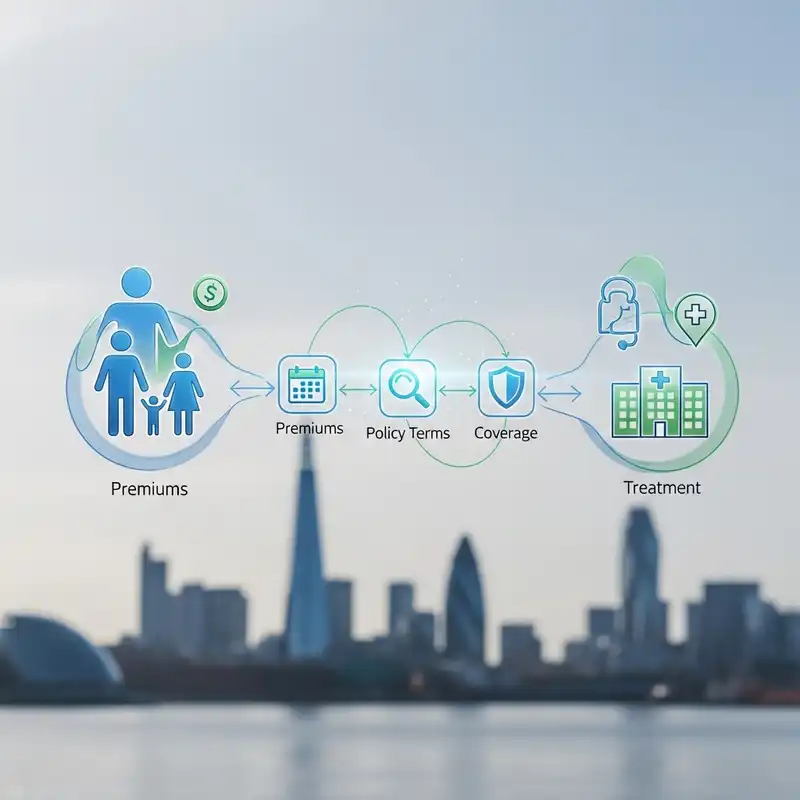
Why private medical insurance and how does it work?
What is Private Medical Insurance?
Private medical insurance (PMI) is a type of health insurance that provides access to private healthcare services in the UK. It covers the cost of private medical treatment, allowing you to bypass NHS waiting lists and receive faster, more convenient care.How does it work?
Private medical insurance works by paying for your private healthcare costs. When you need treatment, you can choose to go private and your insurance will cover the costs, subject to your policy terms and conditions. This can include:• Private consultations with specialists
• Private hospital treatment and surgery
• Diagnostic tests and scans
• Physiotherapy and rehabilitation
• Mental health treatment
Your premium depends on factors like your age, health, occupation, and the level of cover you choose. Most policies offer different levels of cover, from basic to comprehensive, allowing you to tailor the policy to your needs and budget.
Questions to ask yourself regarding private medical insurance
Just ask yourself:👉 Are you concerned about NHS waiting times for treatment?
👉 Would you prefer to choose your own consultant and hospital?
👉 Do you want faster access to diagnostic tests and scans?
👉 Would you like private hospital accommodation and better food?
👉 Do you want to avoid the stress of NHS waiting lists?
Many people don't realise that private medical insurance is more affordable than they think, especially when you consider the value of faster treatment and better facilities. A great insurance policy can provide peace of mind and ensure you receive the care you need when you need it.
Benefits offered by private medical insurance
Private medical insurance provides numerous benefits that can significantly improve your healthcare experience and outcomes:Faster Access to Treatment
One of the biggest advantages is avoiding NHS waiting lists. While the NHS provides excellent care, waiting times can be lengthy. With private medical insurance, you can often receive treatment within days or weeks rather than months.
Choice of Consultant and Hospital
You can choose your preferred consultant and hospital, giving you more control over your healthcare journey. This is particularly important for complex treatments where you want a specific specialist.
Better Facilities and Accommodation
Private hospitals typically offer superior facilities, including private rooms, better food, and more comfortable surroundings. This can make your recovery more pleasant and potentially faster.
Advanced Treatments
Private medical insurance often covers treatments and medications not available on the NHS, giving you access to the latest medical advances and technologies.
Mental Health Support
Many policies include comprehensive mental health coverage, providing faster access to therapy and psychiatric care when needed.
Tax Benefits for Business Owners
If you're self-employed or a business owner, private medical insurance premiums can be tax-deductible, making it a cost-effective way to protect your health and your business.
Peace of Mind
Knowing you have access to private healthcare when you need it provides invaluable peace of mind, especially for those with ongoing health conditions or concerns about NHS capacity.
Private medical insurance is particularly valuable for those who want to take control of their healthcare journey and ensure they receive the best possible treatment when they need it most.
Important Fact!
We can look at a more suitable option mid-term!
Why is it important to get private medical insurance early?
👉 Many people are very thankful that they had their private medical insurance cover in place before running into some serious health issues. Private medical insurance is as important as life insurance for protecting your family's finances.👉 We insure our cars, houses, and even our phones! Yet our health is the most precious thing we have.
Easily one of the most important insurance purchases an individual or family can make in their lifetime, the decision to buy private medical insurance can be made much simpler with the help of FCA-authorised advisers. They are the specialists who do the searching and analysis helping people choose between various types of private medical insurance policies available in the market, including different levels of cover and policy types most suitable to the client's individual circumstances.
It certainly won't do any harm if you speak with one of our experienced insurance experts who are passionate about advising people on financial matters related to private medical insurance and are keen to provide you with a free consultation.
You can discuss with them in detail what affordable private medical insurance plan for the necessary peace of mind they would recommend! WeCovr works with some of the best advisers in the market.
By tapping the button below, you can book a free call with them in less than 30 seconds right now:
Our Group Is Proud To Have Issued 900,000+ Policies!
We've established collaboration agreements with leading insurance groups to create tailored coverage
























How It Works
1. Complete a brief form

2. Our experts analyse your information and find you best quotes

3. Enjoy your protection!

Any questions?
Learn more

Who Are WeCovr?
WeCovr is an insurance specialist for people valuing their peace of mind and a great service.👍 WeCovr will help you get your private medical insurance, life insurance, critical illness insurance and others in no time thanks to our wonderful super-friendly experts ready to assist you every step of the way.
Just a quick and simple form and an easy conversation with one of our experts and your valuable insurance policy is in place for that needed peace of mind!