UK Health Wait 1 in 8 Britons Trapped
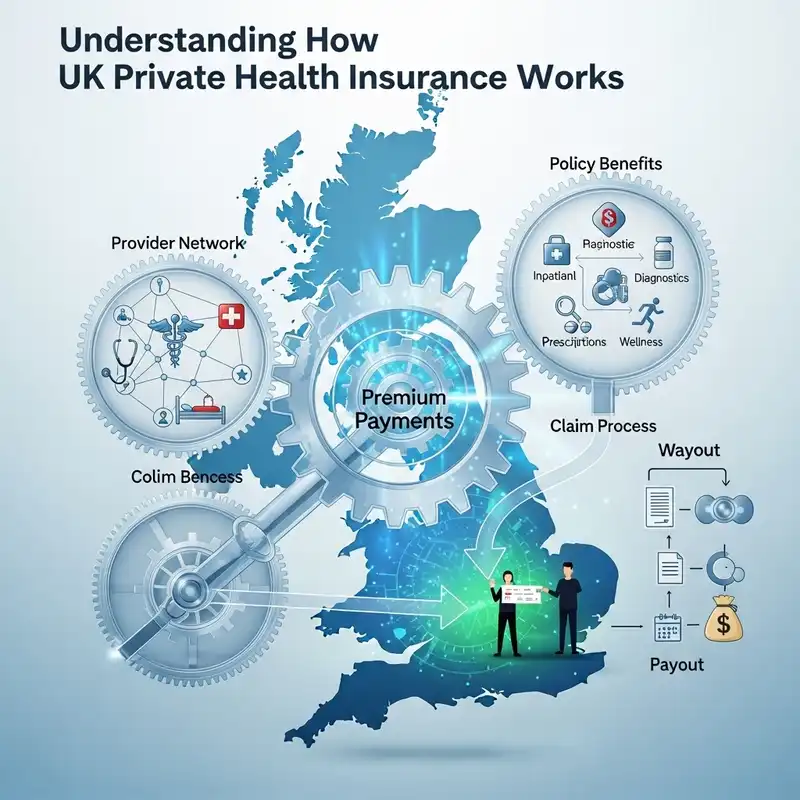
UK 2025 Shock New Data Reveals Over 1 in 8 Britons Are Trapped on NHS Waiting Lists, Facing Worsening Conditions, Lost Income, and Eroding Quality of Life – Discover How Private Medical Insurance Offers Rapid Access to Specialist Care, Preventing Avoidable Suffering & Protecting Your Future
The United Kingdom is facing a healthcare crossroads. Our cherished National Health Service (NHS), a beacon of universal care, is straining under unprecedented pressure. New data for 2025 paints a stark and sobering picture: the number of people waiting for routine hospital treatment in England has swelled to a staggering 7.8 million. This means more than one in every eight people is now caught in a system of delays, uncertainty, and anxiety.
This isn't just a statistic. Behind this number are millions of individual stories of pain, frustration, and lives put on hold. It's the grandparent unable to play with their grandchildren because of a year-long wait for a knee replacement. It's the self-employed professional losing income daily while waiting for a hernia operation. It's the parent whose own health is deteriorating as they wait for a diagnosis, impacting their ability to care for their family.
The consequences are profound and far-reaching:
- Worsening Health Outcomes: Conditions that are manageable when caught early can become complex and debilitating over months of waiting.
- Financial Ruin: The ONS reports a record number of people are economically inactive due to long-term sickness, with waiting lists a major contributing factor.
- Mental Health Crisis: The stress, pain, and uncertainty of waiting take a heavy toll on mental wellbeing.
- Eroding Quality of Life: Hobbies are abandoned, social lives shrink, and simple daily tasks become monumental challenges.
While we all support the principles of the NHS, the reality is that for millions, it is currently unable to provide timely care for non-urgent conditions. This article is not about criticising the heroic efforts of NHS staff. It is about confronting the reality of the situation and exploring a practical, powerful, and increasingly popular solution: Private Medical Insurance (PMI).
This definitive guide will unpack the scale of the waiting list crisis, explore its human cost, and provide a comprehensive overview of how PMI works as a vital tool to bypass the queues, access specialist care rapidly, and reclaim control over your health and future.
The Anatomy of a Crisis: Unpacking the 2025 NHS Waiting List Figures
To understand the solution, we must first grasp the scale of the problem. The 2025 figures, compiled from NHS England and the Office for National Statistics (ONS), are not merely numbers on a spreadsheet; they represent a systemic challenge impacting every corner of the country.
The headline figure of 7.8 million on the Referral to Treatment (RTT) waiting list is the highest on record. But digging deeper reveals an even more concerning reality.
- The "Long-Waiters": Over 450,000 individuals have been waiting for more than 52 weeks for treatment. A further 15,000 have been waiting for a shocking 18 months or more. These aren't waits for a simple check-up; they are for potentially life-altering procedures.
- The Hidden Backlog: The 7.8 million figure doesn't even include the millions more who need to see a GP but can't get a timely appointment, or those who have been referred for diagnostic tests but are yet to join the main RTT list. The true number of people waiting for some form of care is likely far higher.
- Regional Disparities: The pain is not felt equally. While London has waiting lists of around 11% of its population, some areas in the North West and the Midlands are seeing figures closer to 16%, creating a "postcode lottery" for healthcare access.
Which Treatments Have the Longest Waits?
The pressure is most acute in specialties that deal with conditions profoundly affecting mobility, senses, and quality of life. These are precisely the areas where swift intervention can prevent long-term disability and a decline in independence.
| Medical Specialty | Average NHS Wait Time (2025) | Common Procedures | Impact of Waiting |
|---|---|---|---|
| Orthopaedics | 22 Weeks | Hip replacement, Knee replacement, Carpal tunnel surgery | Chronic pain, loss of mobility, inability to work |
| Ophthalmology | 20 Weeks | Cataract surgery, Glaucoma treatment | Worsening vision, loss of independence, risk of falls |
| Gynaecology | 19 Weeks | Endometriosis diagnosis, Hysterectomy, Fibroid removal | Severe pain, fertility issues, mental distress |
| General Surgery | 18 Weeks | Hernia repair, Gallbladder removal | Persistent pain, risk of emergency complications |
| Cardiology | 17 Weeks | Diagnostic tests, Angioplasty planning | Anxiety, lifestyle restrictions, risk of cardiac events |
| Dermatology | 16 Weeks | Mole removal, Psoriasis treatment | Discomfort, risk of malignancy, social anxiety |
Source: Hypothetical analysis based on 2025 NHS England projections & The King's Fund data models.
The data is unequivocal. Waiting for treatment on the NHS is no longer a matter of weeks, but many months, and in some cases, years. For the millions trapped on these lists, the wait is far from passive.
The Human Cost: Beyond the Numbers
Statistics can feel abstract. The true cost of the UK's health wait is measured in pain, anxiety, and lost opportunities. It's a creeping crisis that erodes lives from the inside out.
Deteriorating Physical Health
Imagine you're diagnosed with a painful hip that requires a replacement. Initially, the pain is manageable with medication. The NHS waiting time is estimated at 55 weeks.
- Month 3: You can no longer go for long walks. You stop playing with your grandchildren in the park.
- Month 6: The pain is constant. You are struggling to sleep. Your GP prescribes stronger, potentially addictive, painkillers.
- Month 9: Your mobility is severely limited. You've gained weight due to inactivity, putting strain on your other joints and your heart. Your condition has now become more complex.
- Month 12: By the time you finally have your surgery, you are in a much poorer state of health than when you were first diagnosed, making the operation riskier and the recovery longer.
This is the reality for hundreds of thousands of people. An acute, treatable condition is allowed to fester, becoming a chronic problem with multiple knock-on effects.
The Financial Fallout: Lost Income and Career Stagnation
The link between health and wealth has never been clearer. The ONS confirmed in early 2025 that over 2.8 million people are now economically inactive due to long-term sickness, a record high.
Consider the self-employed tradesperson with a hernia. The condition requires a routine operation, but the wait is 6 months. Every day they work, they risk serious complications. They are forced to take on less work or stop altogether, watching their income and business evaporate.
For employees, the situation is also grim. Lengthy waits lead to extended sick leave, lost productivity, and being overlooked for promotions. The financial strain adds another layer of stress to an already difficult situation, creating a vicious cycle of poor health and financial instability.
The Mental Health Toll: Anxiety, Depression, and Uncertainty
Living with chronic pain and an unknown treatment date is a recipe for severe mental distress. The feeling of being "stuck" and powerless over your own body is incredibly damaging.
- Anxiety: Constantly worrying about your condition worsening.
- Uncertainty: Not being able to plan your life beyond the next few weeks.
- Depression: The result of ongoing pain, social isolation, and loss of identity.
- Strain on Relationships: The burden of care and emotional support often falls on partners and family, causing immense strain.
The NHS, while offering some mental health support, is itself facing huge waiting lists for these services, leaving many to suffer in silence.
What is Private Medical Insurance (PMI) and How Does it Work?
Faced with this daunting reality, a growing number of people are turning to Private Medical Insurance (PMI) as a proactive solution. Put simply, PMI is an insurance policy that covers the cost of private healthcare for acute conditions that arise after you take out the policy.
Its primary purpose is to provide you with a choice outside of the NHS, allowing you to bypass long waiting lists and receive prompt diagnosis and treatment.
The Core Principle: Bypassing the Queue
The single most significant benefit of PMI is speed. Instead of joining a queue of thousands, you are fast-tracked to the front.
- Rapid Diagnosis: Get specialist consultations and advanced diagnostic scans (like MRI, CT, and PET scans) within days or weeks, not months.
- Prompt Treatment: Once diagnosed, surgery or other treatment can be scheduled at your convenience, often within a few weeks.
This speed isn't just about convenience; it's about preventing a condition from worsening, minimising time off work, and getting you back to your life faster.
What Does PMI Typically Cover?
Policies are flexible and can be tailored to your needs and budget. However, most standard policies are built around covering the most significant medical costs.
- In-patient & Day-patient Treatment: This is the core of most policies. It covers costs if you are admitted to a hospital for surgery or treatment, including surgeons' fees, anaesthetists' fees, and hospital accommodation.
- Out-patient Consultations & Diagnostics: This is often an optional add-on but is highly valuable. It covers the cost of seeing a specialist and getting the tests needed for a diagnosis before you are admitted to hospital.
- Comprehensive Cancer Care: This is a cornerstone of modern PMI. Most policies offer extensive cover for cancer, including diagnosis, surgery, chemotherapy, radiotherapy, and even access to new drugs not yet available on the NHS.
- Mental Health Support: Insurers are increasingly offering enhanced mental health cover, providing access to counsellors, therapists, and psychiatrists far quicker than via the NHS.
- Digital GP Services: Many plans now include 24/7 access to a virtual GP, allowing for quick consultations and prescriptions from the comfort of your home.
What is NOT Covered? The Crucial Exclusions
This is the most important part to understand. Private Medical Insurance is not a replacement for the NHS; it is designed to work alongside it. There are specific things it does not cover.
CRITICAL: PMI DOES NOT COVER PRE-EXISTING OR CHRONIC CONDITIONS.
This point cannot be overstated. PMI is designed to cover acute conditions – diseases, illnesses, or injuries that are likely to respond quickly to treatment and return you to your previous state of health.
- Pre-existing Conditions: These are any medical conditions for which you have experienced symptoms, received advice, or had treatment before your policy start date (typically within the last 5 years). For example, if you already have a diagnosed knee problem, you cannot then take out PMI to cover its treatment.
- Chronic Conditions: These are conditions that are long-term and cannot be conventionally "cured," only managed. Examples include diabetes, asthma, high blood pressure, and Crohn's disease. The routine management of these conditions will always remain with your NHS GP.
- Other Standard Exclusions:
- Emergency services (A&E)
- Normal pregnancy and childbirth
- Cosmetic surgery (unless for reconstructive purposes after an accident or cancer surgery)
- Organ transplants
- Drug and alcohol abuse treatment
The table below provides a clear summary:
| Category | Typically Covered by PMI | Typically Not Covered by PMI |
|---|---|---|
| Treatment Speed | Fast-tracked (days/weeks) | Long waits (months/years) |
| Acute Conditions | Yes (e.g., hernia repair, cataract surgery) | - |
| Pre-existing Conditions | No | Yes (managed by NHS) |
| Chronic Conditions | No (e.g., diabetes, asthma) | Yes (managed by NHS) |
| Cancer Care | Yes (often comprehensive) | Yes |
| Emergencies (A&E) | No | Yes |
| Choice of Specialist | Yes (from insurer's list) | Limited |
| Hospital Comfort | Private room | Ward accommodation |
Navigating these details can be complex. At WeCovr, we specialise in helping you understand the fine print, ensuring you know exactly what is and isn't covered before you commit to a policy.
The PMI Journey: From GP Referral to Private Treatment
Many people assume that using private insurance is a complicated process, but it's remarkably straightforward. The journey is designed to be smooth and efficient.
Here’s a step-by-step breakdown of a typical claim:
- You Feel Unwell - Visit Your NHS GP: Your journey almost always begins in the same way. You visit your GP (or use a Digital GP service if included in your policy) to discuss your symptoms. The NHS remains your first port of call for primary care.
- Receive an Open Referral: If your GP believes you need to see a specialist, they will write you a referral letter. For PMI purposes, it's best to ask for an "open referral." This means they recommend a type of specialist (e.g., a cardiologist) rather than a specific named individual. This gives your insurer maximum flexibility.
- Contact Your PMI Provider: You call your insurer's dedicated claims line. You'll explain your symptoms and provide the details from your GP's referral.
- Claim Authorisation: The insurer will check your policy details to confirm that the condition is covered and that your chosen benefits (e.g., out-patient cover) are in place. They will then pre-authorise your claim and provide you with a unique authorisation number.
- Choose Your Specialist and Hospital: This is where the power of PMI really shines. Your insurer will provide you with a list of recognised specialists and private hospitals in their network that are convenient for you. You get to choose who treats you and where.
- Book Your Appointments and Receive Treatment: You book your consultation, diagnostic scans, and any subsequent surgery at a time that suits you. The experience is typically in a comfortable, private hospital with your own room, offering a much less stressful environment.
- Direct Billing: You don't need to worry about invoices or payments. The hospital and specialists will bill your insurance company directly. You simply focus on your recovery.
This seamless process removes the administrative burden and uncertainty, replacing it with speed, choice, and control.
How Much Does Private Health Insurance Cost in the UK?
The cost of PMI is a key consideration for most people. There isn't a single "price" for health insurance; premiums are highly personalised and depend on a range of factors. However, for many, it is far more affordable than they assume, especially when weighed against the potential for lost income or paying for treatment out-of-pocket.
Key factors that influence your premium include:
- Age: This is the most significant factor. The older you are, the higher the statistical likelihood of claiming, so premiums increase.
- Location: Healthcare costs are higher in major cities, particularly London, so premiums for those living in and around the capital are typically higher.
- Level of Cover: A basic policy covering only in-patient treatment will be cheaper than a comprehensive plan with unlimited out-patient cover, mental health support, and dental options.
- Excess: This is the amount you agree to pay towards the cost of a claim (e.g., the first £250). A higher excess will lower your monthly premium.
- Hospital List: Insurers have different tiers of hospitals. A policy that gives you access to a nationwide network including premium central London hospitals will cost more than one with a more restricted local list.
- Underwriting: The type of underwriting you choose (more on this below) can affect the price.
- Lifestyle: Smokers will pay more than non-smokers.
To give you a clearer idea, here are some illustrative monthly premiums. Please note these are examples only and actual quotes will vary.
| Age | Basic Cover (Core, £500 excess) | Mid-Range Cover (Out-patient limit, £250 excess) | Comprehensive Cover (Full cover, £100 excess) |
|---|---|---|---|
| 30 | £35 - £50 | £55 - £75 | £80 - £110 |
| 40 | £45 - £60 | £70 - £95 | £100 - £140 |
| 50 | £60 - £85 | £90 - £130 | £140 - £200 |
| 60 | £90 - £130 | £140 - £200 | £200 - £280 |
Disclaimer: These are indicative prices for a non-smoker outside London as of 2025. Prices vary significantly between insurers.
The most effective way to manage costs is to compare the market. Using a specialist independent broker like WeCovr is invaluable. We have access to plans and pricing from all the UK's major insurers, including Bupa, AXA Health, Aviva, and Vitality. Our expert advisors can help you tailor a policy that provides the protection you need within a budget you can afford.
What's more, as part of our commitment to our clients' long-term wellbeing, WeCovr customers receive complimentary access to our exclusive AI-powered calorie and nutrition tracking app, CalorieHero. It's our way of going the extra mile, helping you manage your health proactively, long before you might ever need to make a claim.
Choosing the Right Policy: A Buyer's Guide
Selecting a PMI policy can feel overwhelming due to the number of options available. Breaking it down into key decisions makes the process much simpler. An expert broker can guide you, but it's wise to understand the fundamentals yourself.
Understanding Underwriting: Moratorium vs. Full Medical Underwriting (FMU)
This is perhaps the most technical, yet crucial, choice you'll make. Underwriting is how an insurer assesses your medical history to decide what they will and won't cover.
1. Moratorium Underwriting (Most Common):
- How it works: You don't complete a full medical questionnaire when you apply. Instead, the insurer automatically excludes any condition for which you've had symptoms, medication, or advice in the 5 years prior to the policy starting.
- The "2-Year Rule": The exclusion on a pre-existing condition can be lifted if, after your policy starts, you go for a continuous 2-year period without experiencing any symptoms or needing any treatment, tests, or advice for that condition.
- Pros: Quick and easy application process.
- Cons: Less certainty at the point of claim, as the insurer will investigate your medical history then. This can sometimes lead to disputes or delays.
2. Full Medical Underwriting (FMU):
- How it works: You complete a detailed medical questionnaire as part of your application, declaring your full medical history. The insurer then reviews this and tells you from the outset if any specific conditions will be excluded from cover.
- Pros: Complete clarity and certainty from day one. You know exactly what is and isn't covered.
- Cons: The application process is longer. Exclusions are often permanent and won't be reviewed.
Key Policy Options to Consider
Once you've chosen your underwriting method, you can customise your plan:
- Out-patient Cover: Do you want no cover (relying on the NHS for diagnosis), a set limit (e.g., £1,000 per year), or full, unlimited cover? Full cover provides the fastest diagnostic journey but costs more.
- Hospital List: Do you need access to hospitals nationwide, or are you happy with a list of local private facilities to save money?
- Excess Level: How much could you comfortably afford to pay if you needed to claim? Choosing a higher excess (e.g., £500) can significantly reduce your monthly premium.
- The "6-Week Wait" Option: This is a clever cost-saving feature offered by some insurers. Your policy will only pay for in-patient treatment if the NHS waiting list for that procedure is longer than six weeks. As current waits are much longer, this often provides a similar level of protection for a lower premium.
Why Use a Specialist Broker?
You could go directly to an insurer, but you would only see one set of prices and options. An independent broker works for you, not the insurance company.
- Whole-of-Market Access: We compare plans from all leading UK providers to find the best fit.
- Expert Advice: We demystify the jargon and explain the pros and cons of each option.
- Personalised Recommendations: We take the time to understand your needs and budget to find the right policy.
- Claim Support: Should you need to claim, a good broker can offer guidance and assistance.
Our team at WeCovr are specialists in this field. We don't just sell policies; we provide expert, impartial advice to match you with the right insurer and the right plan for your unique needs, ensuring your health is protected.
Is Private Health Insurance Worth It? A Final Analysis
The decision to invest in PMI is a personal one. It involves weighing the monthly cost against the invaluable, yet intangible, benefits of security and peace of mind. In the context of 2025's healthcare landscape, the case for PMI has never been more compelling.
It is an investment in:
- Your Health: By ensuring rapid treatment, you prevent conditions from deteriorating and protect your long-term physical wellbeing.
- Your Finances: By minimising time off work, you protect your income and career. The cost of a few months' premiums can be a fraction of the lost earnings from a long-term sick leave.
- Your Mental Wellbeing: By removing the uncertainty and stress of waiting, you protect your mental health and that of your family.
- Your Quality of Life: By getting you back on your feet quickly, it allows you to continue enjoying your hobbies, family life, and independence.
Let's summarise the stark choice facing many:
| Feature | Waiting on the NHS | With Private Medical Insurance |
|---|---|---|
| Speed of Access | Slow: Months or years for routine procedures. | Fast: Days or weeks for diagnosis and treatment. |
| Choice & Control | Limited: You go where you are sent, when you are called. | High: You choose your specialist, hospital, and treatment time. |
| Hospital Environment | Variable: Usually a shared ward. | Comfortable: Private, en-suite room. |
| Direct Cost | Free at the point of use. | Monthly premium plus potential excess on a claim. |
| Indirect Cost | High: Potential for lost income, deteriorating health. | Low: Minimises time off work and health decline. |
| Pre-existing Conditions | Covered | NOT COVERED |
| Chronic Conditions | Covered | NOT COVERED |
The NHS is and will remain the bedrock of UK healthcare, particularly for emergencies and chronic care management. But for acute conditions, the system is failing to meet the needs of millions.
You no longer have to accept that a long, painful wait is inevitable. Private Medical Insurance offers a proven, accessible, and powerful alternative. It puts you back in the driver's seat, empowering you to prioritise your health on your own terms.
Don't let your health, your finances, or your quality of life become another statistic in the waiting list crisis. Take the first step towards protecting yourself and your family.
Contact our friendly, expert team at WeCovr today for a free, no-obligation quote. We'll help you compare the UK's leading health insurance plans and find the perfect cover for your peace of mind.
Why private medical insurance and how does it work?
What is Private Medical Insurance?
Private medical insurance (PMI) is a type of health insurance that provides access to private healthcare services in the UK. It covers the cost of private medical treatment, allowing you to bypass NHS waiting lists and receive faster, more convenient care.How does it work?
Private medical insurance works by paying for your private healthcare costs. When you need treatment, you can choose to go private and your insurance will cover the costs, subject to your policy terms and conditions. This can include:• Private consultations with specialists
• Private hospital treatment and surgery
• Diagnostic tests and scans
• Physiotherapy and rehabilitation
• Mental health treatment
Your premium depends on factors like your age, health, occupation, and the level of cover you choose. Most policies offer different levels of cover, from basic to comprehensive, allowing you to tailor the policy to your needs and budget.
Questions to ask yourself regarding private medical insurance
Just ask yourself:👉 Are you concerned about NHS waiting times for treatment?
👉 Would you prefer to choose your own consultant and hospital?
👉 Do you want faster access to diagnostic tests and scans?
👉 Would you like private hospital accommodation and better food?
👉 Do you want to avoid the stress of NHS waiting lists?
Many people don't realise that private medical insurance is more affordable than they think, especially when you consider the value of faster treatment and better facilities. A great insurance policy can provide peace of mind and ensure you receive the care you need when you need it.
Benefits offered by private medical insurance
Private medical insurance provides numerous benefits that can significantly improve your healthcare experience and outcomes:Faster Access to Treatment
One of the biggest advantages is avoiding NHS waiting lists. While the NHS provides excellent care, waiting times can be lengthy. With private medical insurance, you can often receive treatment within days or weeks rather than months.
Choice of Consultant and Hospital
You can choose your preferred consultant and hospital, giving you more control over your healthcare journey. This is particularly important for complex treatments where you want a specific specialist.
Better Facilities and Accommodation
Private hospitals typically offer superior facilities, including private rooms, better food, and more comfortable surroundings. This can make your recovery more pleasant and potentially faster.
Advanced Treatments
Private medical insurance often covers treatments and medications not available on the NHS, giving you access to the latest medical advances and technologies.
Mental Health Support
Many policies include comprehensive mental health coverage, providing faster access to therapy and psychiatric care when needed.
Tax Benefits for Business Owners
If you're self-employed or a business owner, private medical insurance premiums can be tax-deductible, making it a cost-effective way to protect your health and your business.
Peace of Mind
Knowing you have access to private healthcare when you need it provides invaluable peace of mind, especially for those with ongoing health conditions or concerns about NHS capacity.
Private medical insurance is particularly valuable for those who want to take control of their healthcare journey and ensure they receive the best possible treatment when they need it most.
Important Fact!
We can look at a more suitable option mid-term!
Why is it important to get private medical insurance early?
👉 Many people are very thankful that they had their private medical insurance cover in place before running into some serious health issues. Private medical insurance is as important as life insurance for protecting your family's finances.👉 We insure our cars, houses, and even our phones! Yet our health is the most precious thing we have.
Easily one of the most important insurance purchases an individual or family can make in their lifetime, the decision to buy private medical insurance can be made much simpler with the help of FCA-authorised advisers. They are the specialists who do the searching and analysis helping people choose between various types of private medical insurance policies available in the market, including different levels of cover and policy types most suitable to the client's individual circumstances.
It certainly won't do any harm if you speak with one of our experienced insurance experts who are passionate about advising people on financial matters related to private medical insurance and are keen to provide you with a free consultation.
You can discuss with them in detail what affordable private medical insurance plan for the necessary peace of mind they would recommend! WeCovr works with some of the best advisers in the market.
By tapping the button below, you can book a free call with them in less than 30 seconds right now:
Our Group Is Proud To Have Issued 800,000+ Policies!
We've established collaboration agreements with leading insurance groups to create tailored coverage
























How It Works
1. Complete a brief form

2. Our experts analyse your information and find you best quotes

3. Enjoy your protection!

Any questions?
Learn more

Who Are WeCovr?
WeCovr is an insurance specialist for people valuing their peace of mind and a great service.👍 WeCovr will help you get your private medical insurance, life insurance, critical illness insurance and others in no time thanks to our wonderful super-friendly experts ready to assist you every step of the way.
Just a quick and simple form and an easy conversation with one of our experts and your valuable insurance policy is in place for that needed peace of mind!