UK Healthy Life Shock

UK 2025 Shock Data Reveals Britons Losing A Decade Of Healthy Life Due To Preventable Illness & NHS Delays – Your PMI Pathway To Preserving Vitality & Future Longevity
A startling new analysis, projecting health trends to 2025, paints a sobering picture of the nation's wellbeing. While we are living longer than ever before, we are not necessarily living healthier. The latest data reveals a stark and growing chasm between our total lifespan and our "healthspan" – the years we live in good health, free from debilitating illness. For the average Briton, this gap is now projected to be over a decade.
This isn't a future problem; it's a clear and present crisis. Two powerful forces are converging to rob us of our vitality: a rising tide of preventable lifestyle-related diseases and an NHS grappling with unprecedented waiting lists. The consequence is a decade of life potentially spent managing illness, in pain, or waiting for care, rather than enjoying work, family, and retirement.
But this future is not set in stone. Understanding these threats is the first step towards mitigating them. This definitive guide will unpack the 2025 health data, explore the challenges we face, and reveal how Private Medical Insurance (PMI) is evolving from a luxury "nice-to-have" into an essential tool for preserving your health, vitality, and future longevity.
The Alarming Truth: A Decade of Healthy Life Lost
For years, the Office for National Statistics (ONS) has tracked two key metrics: Life Expectancy (LE) and Healthy Life Expectancy (HLE). The latest projections for 2025 reveal a deeply concerning trend. While overall life expectancy continues to modestly increase, our healthy life expectancy is stagnating, and in some regions, even declining.
The result is what health experts are calling the "decade deficit." It represents years lived with a disability or illness that limits daily activities.
| Metric (UK Average - 2025 Projections) | At Birth (Male) | At Birth (Female) |
|---|---|---|
| Life Expectancy (LE) | 80.1 years | 83.5 years |
| Healthy Life Expectancy (HLE) | 62.4 years | 62.7 years |
| Years in "Poor" Health | 17.7 years | 20.8 years |
Source: Projections based on ONS and Public Health England data trends.
This isn't just about aches and pains in old age. This deficit is starting earlier and is driven by conditions that significantly impact our prime working years and early retirement. The dream of a long, active retirement is being replaced by the reality of managing chronic conditions and navigating a healthcare system under immense pressure.
The Twin Threats to Your Vitality
The "decade deficit" is not happening by chance. It is the direct result of two powerful, intertwined challenges facing the UK.
Threat 1: The Rising Tide of Preventable Illness
A significant portion of the UK's health burden stems not from unavoidable ailments, but from "diseases of lifestyle." These are conditions heavily influenced by our daily habits, including diet, physical activity, alcohol consumption, and smoking.
- Obesity & Type 2 Diabetes: The UK is facing an obesity epidemic. According to NHS Digital, over 64% of adults in England are overweight or obese. This is a primary driver for the explosion in Type 2 diabetes, a condition that now affects almost 5 million people in the UK, with projections suggesting this could rise to 5.5 million by 2030.
- Cardiovascular Disease: Conditions like heart attacks and strokes remain a leading cause of death and disability. While smoking rates have fallen, high blood pressure, high cholesterol, and physical inactivity continue to fuel the problem. The British Heart Foundation estimates that around 7.6 million people are living with heart and circulatory diseases in the UK.
- Musculoskeletal (MSK) Conditions: Problems like chronic back pain, osteoarthritis, and joint issues affect an estimated 20 million people. These conditions are a leading cause of work absence and have a profound impact on mobility and quality of life. Delays in treatment can lead to permanent loss of function.
These illnesses don't just shorten life; they drastically reduce the quality of the years we have left, creating a daily burden of medication, appointments, and physical limitations.
Threat 2: The Great NHS Wait – A System Under Unprecedented Strain
The National Health Service is one of our most cherished institutions, but it is facing its greatest challenge since its inception. The strain is most visible in its waiting lists for consultant-led elective care.
As of mid-2025, the official waiting list in England is on track to surpass 8.5 million treatment pathways. This staggering figure doesn't even include the "hidden backlog" of people who need care but haven't yet been referred by their GP.
The wait is not just an inconvenience; it's a direct threat to health outcomes:
- Delayed Diagnosis: A suspicious lump, persistent pain, or worrying symptom could wait months for a diagnostic scan (like an MRI or CT), allowing a condition to progress.
- Worsening Conditions: A worn-out hip or knee that could be fixed with a replacement is left to deteriorate, causing chronic pain, loss of mobility, and mental distress.
- Economic Impact: Millions are unable to work or are less productive due to being on a waiting list, impacting their finances and the wider economy.
| Procedure | Typical NHS Wait Time (Referral to Treatment) 2025 | Typical Private Medical Insurance Timeline |
|---|---|---|
| Hip/Knee Replacement | 45-60 weeks+ | 4-6 weeks |
| Cataract Surgery | 30-40 weeks+ | 3-5 weeks |
| Hernia Repair | 35-50 weeks+ | 3-6 weeks |
| MRI/CT Scan | 6-12 weeks+ | 3-7 days |
Source: Analysis of NHS England Referral to Treatment (RTT) data and private hospital network timelines.
This systemic delay creates a cruel lottery where your ability to get timely, effective treatment depends heavily on your postcode and the specific service you need.
What is Private Medical Insurance (PMI) and How Can It Protect Your Health?
Faced with these twin threats, a growing number of Britons are seeking an alternative pathway to secure their health. This is where Private Medical Insurance (PMI) comes in.
In simple terms, PMI is a type of insurance policy designed to cover the costs of private healthcare for acute conditions that develop after your policy begins.
Think of it as a health partnership that runs alongside the NHS. The NHS remains your first port of call for accidents and emergencies and for managing long-term, chronic illnesses. PMI, however, gives you a fast-track route to diagnosis and treatment for new, curable conditions, allowing you to bypass the NHS queues and get back on your feet quickly.
The Crucial Caveat: Understanding What PMI Does Not Cover
This is the single most important concept to understand about private health insurance in the UK. Failure to grasp this leads to disappointment and mismatched expectations. PMI is powerful, but it is not a solution for every medical issue.
PMI is designed for acute conditions, not chronic or pre-existing ones.
- Pre-Existing Conditions: Standard PMI policies will not cover any medical condition for which you have experienced symptoms, received medication, or sought advice or treatment before the start of your policy. For example, if you have been treated for knee arthritis before taking out a policy, that specific knee will not be covered for arthritis treatment.
- Chronic Conditions: PMI will not cover the routine management of long-term, incurable conditions. These are illnesses that require ongoing monitoring and management but cannot be fully cured. The NHS remains the provider for this type of care.
| What PMI Typically COVERS (Acute Conditions) | What PMI Typically DOES NOT COVER |
|---|---|
| New joint pain needing investigation/surgery | Management of chronic asthma or diabetes |
| Diagnosis and treatment of cancer after policy start | Treatment for pre-existing high blood pressure |
| Cataract or gallbladder removal | Routine pregnancy and childbirth |
| Hernia or varicose vein surgery | Cosmetic surgery (unless for reconstruction) |
| Mental health treatment (depending on the plan) | Emergency (A&E) treatment |
| Diagnostic tests like MRI, CT, and PET scans | Drug and alcohol rehabilitation |
Understanding this distinction is key. PMI is your plan for the unexpected health problems of tomorrow, not a way to get private treatment for the known health issues of today.
The PMI Advantage: Reclaiming Control Over Your Health Journey
When a new, acute medical issue arises, having a PMI policy transforms your experience and outcomes. It shifts you from being a passive waiter in a long queue to an active participant in your own recovery.
Benefit 1: Bypass Excruciating Waiting Lists
This is the most immediate and tangible benefit. Instead of facing a wait of many months or even years on the NHS, you can typically be seen by a specialist and scheduled for treatment within weeks.
Real-Life Scenario: Meet David, a 60-year-old self-employed electrician suffering from a painful hernia. On the NHS, he's told the wait for surgery is around 52 weeks. For a year, he'll be in discomfort, unable to lift heavy equipment, and his business will suffer. With PMI, he sees a consultant in ten days and has the surgery in a private hospital three weeks later. He's back to work within two months, his health and his livelihood secured.
Benefit 2: Swift and Decisive Diagnosis
For many conditions, especially cancer, early and accurate diagnosis is the single most important factor for a positive outcome. PMI provides rapid access to the specialists and advanced diagnostic tools needed to get answers fast.
Rather than waiting weeks for a GP referral and then more weeks for a hospital scan, a PMI policyholder can often use a digital GP service to get an open referral, see a specialist within days, and have an MRI, CT, or PET scan scheduled for the same week. This speed doesn't just reduce anxiety; it can be life-saving.
Benefit 3: The Power of Choice
The NHS, for all its strengths, largely operates on a "you get what you're given" basis. PMI puts control back in your hands.
- Choice of Consultant: You can research and choose to be treated by a leading specialist in their field.
- Choice of Hospital: You can select from a nationwide network of high-quality private hospitals, often with amenities like a private en-suite room, better food, and more flexible visiting hours.
- Choice of Time: You can schedule appointments and procedures at times that are convenient for you, minimising disruption to your work and family life.
Benefit 4: Access to Cutting-Edge Treatments & Drugs
Sometimes, a new drug, treatment, or surgical technique may be approved for use in the UK but is not yet available on the NHS due to cost or commissioning decisions. Many comprehensive PMI policies include cover for these cutting-edge options, giving you access to the very latest medical advancements.
Benefit 5: Proactive Wellness and Mental Health Support
Modern PMI has evolved beyond just treating sickness. The best policies now include a wealth of benefits designed to keep you healthy in the first place, directly tackling the threat of preventable illness. These often include:
- 24/7 Virtual GP Services: Speak to a GP via phone or video call, often within hours.
- Mental Health Support: Access to therapy sessions (CBT, counselling) without a long wait.
- Wellness Programmes: Discounts on gym memberships, fitness trackers, and health screenings.
- Second Medical Opinions: The ability to have your diagnosis and treatment plan reviewed by another expert.
A Practical Look: What Does PMI Actually Cost in 2025?
The cost of a PMI policy is not one-size-fits-all. It's tailored to your individual circumstances and the level of cover you choose. Understanding the key drivers of cost is essential.
| Factor | Impact on Premium | Explanation |
|---|---|---|
| Age | High | The single biggest factor. The risk of needing medical care increases with age, so premiums rise accordingly. |
| Location | Medium | The cost of private treatment varies geographically. Central London is the most expensive, so premiums are higher. |
| Level of Cover | High | A basic, in-patient-only plan is cheapest. A comprehensive plan with out-patient and therapy cover is most expensive. |
| Excess | High | This is the amount you agree to pay towards any claim. A higher excess (£500-£1,000) will significantly lower your premium. |
| Hospital List | Medium | Policies with a limited local hospital network are cheaper than those with nationwide access including premium London hospitals. |
| Underwriting | Varies | Moratorium underwriting is simpler, but Full Medical Underwriting can sometimes be cheaper if you are in very good health. |
To give you an idea, here are some illustrative monthly premiums for a mid-range policy with a £250 excess in 2025.
| Profile | Estimated Monthly Premium |
|---|---|
| Healthy, non-smoking 30-year-old | £45 - £60 |
| Healthy, non-smoking 45-year-old couple | £120 - £160 |
| Healthy, non-smoking 60-year-old | £110 - £150 |
Disclaimer: These are illustrative estimates only. Your actual quote will depend on your specific circumstances and chosen insurer.
Navigating the Maze: How to Choose the Right PMI Policy
The UK PMI market is competitive and complex, with dozens of policies from insurers like Bupa, Aviva, AXA Health, and Vitality. Choosing the right one can feel daunting. This is where using an independent, expert broker becomes invaluable.
At WeCovr, our expertise lies in demystifying this process. We compare policies from all major UK insurers, breaking down the jargon and explaining the subtle differences that can have a big impact at the point of claim. We help you find a plan that aligns perfectly with your needs and budget, ensuring there are no nasty surprises.
Understanding Your Cover Options
Policies are generally structured in three tiers:
- Basic/In-patient Cover: The most affordable option. It covers the major costs associated with a hospital stay, such as surgery, accommodation, and nursing care. It typically does not cover the initial diagnostic consultations or tests.
- Mid-Range Cover: The most popular choice. It includes everything in a basic plan, plus cover for out-patient diagnostics and consultations. This means the policy covers you from the moment you see a specialist right through to your treatment and recovery.
- Comprehensive Cover: The premium option. It includes full in- and out-patient cover, plus additional benefits like extensive mental health support, dental and optical cover, and therapies like physiotherapy and osteopathy.
The Underwriting Question: Moratorium vs. Full Medical Underwriting (FMU)
This is a key decision that affects what is covered.
- Moratorium (MORI) Underwriting: This is the most common type. It's simpler and requires no medical questionnaire. The policy automatically excludes any condition you've had in the last 5 years. However, if you remain symptom-free and treatment-free for that condition for a continuous 2-year period after your policy starts, it may become eligible for cover.
- Full Medical Underwriting (FMU): This involves completing a detailed health questionnaire. The insurer then assesses your medical history and tells you upfront exactly what is and isn't covered by the policy. It takes longer, but provides absolute clarity from day one.
Beyond Insurance: A Holistic Approach to Longevity
PMI is a powerful tool for reactive care, but true longevity is built on proactive health management. It's about combining the safety net of excellent insurance with the daily habits that prevent illness in the first place.
This philosophy is at the heart of our approach. We believe in empowering our clients not just with the right insurance, but with tools to improve their health. That's why, to support our clients' proactive health goals, we provide complimentary access to our exclusive AI-powered calorie and nutrition tracker, CalorieHero. It's our way of going beyond the policy documents to help you build the healthy habits that underpin true vitality.
Is Private Medical Insurance Worth It for You? A Final Verdict
Faced with the "decade deficit" of lost healthy years, the question is no longer "can I afford PMI?" but "can I afford not to have a plan for my health?"
For the self-employed whose livelihood depends on their physical wellbeing, for families who want to ensure their loved ones get the best care quickly, and for anyone approaching retirement who wants to safeguard their active years, PMI is becoming an essential part of modern financial and life planning.
It provides peace of mind, control, and—most importantly—time. Time saved from a waiting list, time that allows for faster recovery, and more time to live a full, healthy, and vibrant life. The NHS will always be there for emergencies and chronic care, but for the acute illnesses that can strike at any time, PMI provides a vital and effective pathway to preserving your health.
Your Next Steps to a Healthier Future
Taking control of your health journey starts now.
- Assess Your Priorities: Think about your personal health, your family history, and what matters most to you. Is it speed of access? Choice of hospital? Mental health support?
- Review Your Budget: Determine what you can comfortably afford each month. Remember that a higher excess can make a comprehensive policy much more affordable.
- Speak to an Independent Expert: Don't navigate the market alone. Contacting a specialist broker like WeCovr is the most efficient and effective way to get a clear picture of your options. We provide impartial, expert advice and can generate personalised quotes from across the market in minutes, ensuring you find the best possible cover for your investment.
The 2025 health data is a wake-up call. Don't let a decade of your healthy life be lost to chance. Take the first step today to build your pathway to vitality and secure your future longevity.
Related guides

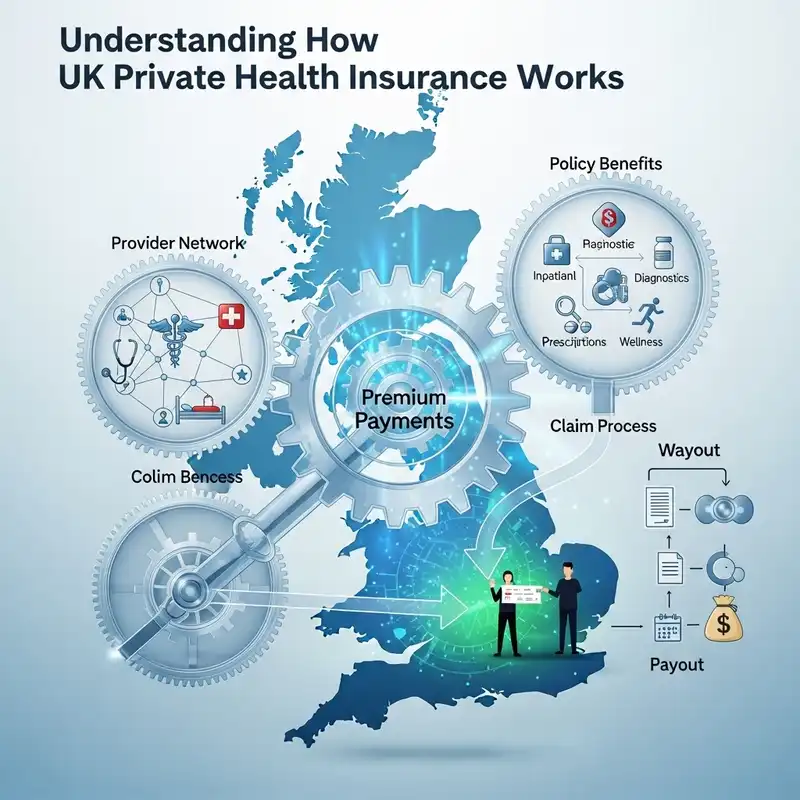




Why private medical insurance and how does it work?
What is Private Medical Insurance?
Private medical insurance (PMI) is a type of health insurance that provides access to private healthcare services in the UK. It covers the cost of private medical treatment, allowing you to bypass NHS waiting lists and receive faster, more convenient care.How does it work?
Private medical insurance works by paying for your private healthcare costs. When you need treatment, you can choose to go private and your insurance will cover the costs, subject to your policy terms and conditions. This can include:• Private consultations with specialists
• Private hospital treatment and surgery
• Diagnostic tests and scans
• Physiotherapy and rehabilitation
• Mental health treatment
Your premium depends on factors like your age, health, occupation, and the level of cover you choose. Most policies offer different levels of cover, from basic to comprehensive, allowing you to tailor the policy to your needs and budget.
Questions to ask yourself regarding private medical insurance
Just ask yourself:👉 Are you concerned about NHS waiting times for treatment?
👉 Would you prefer to choose your own consultant and hospital?
👉 Do you want faster access to diagnostic tests and scans?
👉 Would you like private hospital accommodation and better food?
👉 Do you want to avoid the stress of NHS waiting lists?
Many people don't realise that private medical insurance is more affordable than they think, especially when you consider the value of faster treatment and better facilities. A great insurance policy can provide peace of mind and ensure you receive the care you need when you need it.
Benefits offered by private medical insurance
Private medical insurance provides numerous benefits that can significantly improve your healthcare experience and outcomes:Faster Access to Treatment
One of the biggest advantages is avoiding NHS waiting lists. While the NHS provides excellent care, waiting times can be lengthy. With private medical insurance, you can often receive treatment within days or weeks rather than months.
Choice of Consultant and Hospital
You can choose your preferred consultant and hospital, giving you more control over your healthcare journey. This is particularly important for complex treatments where you want a specific specialist.
Better Facilities and Accommodation
Private hospitals typically offer superior facilities, including private rooms, better food, and more comfortable surroundings. This can make your recovery more pleasant and potentially faster.
Advanced Treatments
Private medical insurance often covers treatments and medications not available on the NHS, giving you access to the latest medical advances and technologies.
Mental Health Support
Many policies include comprehensive mental health coverage, providing faster access to therapy and psychiatric care when needed.
Tax Benefits for Business Owners
If you're self-employed or a business owner, private medical insurance premiums can be tax-deductible, making it a cost-effective way to protect your health and your business.
Peace of Mind
Knowing you have access to private healthcare when you need it provides invaluable peace of mind, especially for those with ongoing health conditions or concerns about NHS capacity.
Private medical insurance is particularly valuable for those who want to take control of their healthcare journey and ensure they receive the best possible treatment when they need it most.
Important Fact!
We can look at a more suitable option mid-term!
Why is it important to get private medical insurance early?
👉 Many people are very thankful that they had their private medical insurance cover in place before running into some serious health issues. Private medical insurance is as important as life insurance for protecting your family's finances.👉 We insure our cars, houses, and even our phones! Yet our health is the most precious thing we have.
Easily one of the most important insurance purchases an individual or family can make in their lifetime, the decision to buy private medical insurance can be made much simpler with the help of FCA-authorised advisers. They are the specialists who do the searching and analysis helping people choose between various types of private medical insurance policies available in the market, including different levels of cover and policy types most suitable to the client's individual circumstances.
It certainly won't do any harm if you speak with one of our experienced insurance experts who are passionate about advising people on financial matters related to private medical insurance and are keen to provide you with a free consultation.
You can discuss with them in detail what affordable private medical insurance plan for the necessary peace of mind they would recommend! WeCovr works with some of the best advisers in the market.
By tapping the button below, you can book a free call with them in less than 30 seconds right now:
Our Group Is Proud To Have Issued 800,000+ Policies!
We've established collaboration agreements with leading insurance groups to create tailored coverage
























How It Works
1. Complete a brief form

2. Our experts analyse your information and find you best quotes

3. Enjoy your protection!

Any questions?
Learn more

Who Are WeCovr?
WeCovr is an insurance specialist for people valuing their peace of mind and a great service.👍 WeCovr will help you get your private medical insurance, life insurance, critical illness insurance and others in no time thanks to our wonderful super-friendly experts ready to assist you every step of the way.
Just a quick and simple form and an easy conversation with one of our experts and your valuable insurance policy is in place for that needed peace of mind!