UK Healthy Lifespan Shock

UK 2025 Shocking New Data Reveals The Average Briton Will Face Up to 20 Years in Poor Health, Fuelling a Staggering Lifetime Burden of Eroding Quality of Life, Increased Care Costs & Lost Opportunities. Discover Your PMI Pathway to Proactive Health Management, Rapid Specialist Access & Preserving Your Healthy Longevity
The conversation around longevity in the UK is changing. For decades, we celebrated the steady rise in life expectancy. But a stark and uncomfortable truth is emerging from the latest 2025 data: living longer does not necessarily mean living well.
A growing chasm has opened up between our total lifespan and our healthy lifespan—the years we live free from debilitating illness or disability. Shocking new analysis reveals the average person in the UK can now expect to spend up to two decades of their life in a state of poor health.
This isn't just a statistic; it's a profound threat to our future. It represents 20 years of compromised quality of life, mounting financial pressure from care costs and lost income, and a lifetime of missed opportunities with family and friends. It's a future where retirement dreams are replaced by care needs, and independence gives way to reliance.
While the NHS remains a national treasure, it is battling unprecedented pressures, with waiting lists becoming a source of national anxiety. This reality demands a new, more proactive approach to our personal health. This guide will unpack the scale of the UK's healthy lifespan crisis, explore the devastating personal impact, and illuminate a powerful solution: Private Medical Insurance (PMI). Discover how taking control with PMI can be your most crucial investment in a longer, healthier, and more fulfilling life.
The Uncomfortable Truth: Deconstructing the UK's Healthy Lifespan Crisis
To grasp the scale of the challenge, we must first understand the critical difference between two key metrics:
- Life Expectancy (LE): The average number of years a person is expected to live.
- Healthy Life Expectancy (HLE): The average number of years a person is expected to live in a state of "good" or "very good" health, free from limiting disability.
The gap between these two figures is the period of time we can expect to live with illness and infirmity. ons.gov.uk/peoplepopulationandcommunity/healthandsocialcare/healthandlifeexpectancies), this gap is widening into a chasm.
2025 UK Healthy Lifespan Snapshot:
| Metric | Male | Female |
|---|---|---|
| Life Expectancy at Birth | ~80.1 years | ~83.5 years |
| Healthy Life Expectancy at Birth | ~62.4 years | ~62.7 years |
| Years in Poor Health | ~17.7 years | ~20.8 years |
Source: Projected analysis based on ONS and Public Health England trend data for 2025.
These figures paint a sobering picture. A baby girl born today can expect to live for over 83 years, but nearly 21 of those years—a quarter of her entire life—are projected to be spent managing health problems.
The Postcode Lottery of Health
This is not a uniform crisis. Where you live in the UK has a dramatic impact on your health outcomes, creating a deeply ingrained "postcode lottery." Disparities in wealth, lifestyle, and access to services create vastly different futures.
Regional Healthy Life Expectancy (HLE) Disparities - 2025 Projections:
| Region | Male HLE (years) | Female HLE (years) | Gap vs. Best Performing |
|---|---|---|---|
| South East | 65.1 | 65.5 | (Benchmark) |
| London | 64.8 | 65.1 | -0.3 / -0.4 |
| South West | 64.5 | 64.9 | -0.6 / -0.6 |
| East of England | 63.9 | 64.2 | -1.2 / -1.3 |
| West Midlands | 60.8 | 60.5 | -4.3 / -5.0 |
| North West | 60.1 | 60.3 | -5.0 / -5.2 |
| Yorkshire & The Humber | 59.9 | 60.1 | -5.2 / -5.4 |
| North East | 59.3 | 59.5 | -5.8 / -6.0 |
Source: Projections based on trends from The Health Foundation and ONS data.
Someone living in the most affluent parts of the South East can expect to enjoy almost six more years of good health than their counterpart in the North East. This is a staggering inequality that shapes lives, communities, and economic potential.
What's Fuelling the Decline?
This crisis is a perfect storm of interconnected factors:
- The Rise of Chronic Conditions: An increasing number of us are living with, not dying from, long-term illnesses like Type 2 diabetes, cardiovascular disease, arthritis, and respiratory conditions. The challenge is that many people are now living with multiple conditions simultaneously (multi-morbidity).
- Lifestyle Factors: The UK continues to battle high rates of obesity, physical inactivity, and poor diet, all of which are primary drivers of chronic disease.
- The Mental Health Epidemic: Conditions like anxiety and depression are pervasive and have a profound impact on physical health and overall quality of life. Delays in accessing mental health support can exacerbate these issues.
- An Ageing Population: As the baby boomer generation moves into old age, the prevalence of age-related conditions like dementia, mobility issues, and sensory impairment is placing unprecedented strain on health and social care systems.
The Domino Effect: How 20 Years of Poor Health Shatters Your Life
Statistics can feel abstract. The reality of living with prolonged ill-health is a deeply personal and destructive force that triggers a domino effect across every aspect of your existence. It's a slow erosion of the life you planned to live.
The Financial Tsunami
Poor health is expensive. The costs are both direct and indirect, creating a pincer movement on your finances precisely when you are most vulnerable.
- Lost Earnings: Frequent sick days, reduced hours, or being forced into early retirement can decimate your income and pension contributions. For the self-employed, no work means no pay.
- The Cost of Care: Social care is not free. The average cost of a residential care home in the UK now exceeds £45,000 per year. Domiciliary (at-home) care can cost £20-£30 per hour. These costs can rapidly deplete a lifetime of savings.
- Out-of-Pocket Expenses: This includes everything from prescription charges and over-the-counter remedies to physiotherapy, mobility aids (stairlifts, walkers), and home modifications. These "small" costs accumulate into a significant financial burden over two decades.
Illustrative Lifetime Cost of Poor Health:
| Cost Category | Estimated 20-Year Burden | Notes |
|---|---|---|
| Lost Income | £150,000 - £400,000+ | Based on reduced hours or early retirement from an average salary. |
| Private Care Costs | £50,000 - £200,000+ | Assuming a mix of domiciliary and eventual residential care. |
| Home Modifications | £5,000 - £25,000 | Stairlift, wet room, ramps etc. |
| Ongoing Medical Needs | £10,000 - £30,000 | Prescriptions, therapies, equipment. |
| Total Potential Cost | £215,000 - £655,000+ | A staggering depletion of personal wealth. |
The Erosion of Quality of Life
Beyond the financial impact lies the theft of joy and freedom. This is the true, hidden cost of a shortened healthy lifespan.
- Loss of Independence: The inability to drive, use public transport, or even manage household chores can be profoundly disempowering.
- Social Isolation: Chronic pain or mobility issues can make it difficult to socialise, see friends, or participate in community activities, leading to loneliness and depression.
- Abandoned Hobbies: The simple pleasures—gardening, hiking, playing with grandchildren, travelling—become spectator sports rather than active pursuits.
- The Mental Toll: Constantly managing symptoms, attending appointments, and worrying about the future creates a state of chronic stress and anxiety, further damaging your health.
Real-Life Scenario: The Story of David
Meet David, a 58-year-old graphic designer. He'd always been active but started experiencing persistent knee pain. His NHS GP referred him to a specialist, but the wait for an initial consultation was nine months. During that time, the pain worsened. He could no longer cycle or walk his dog, leading to weight gain and low mood.
By the time he saw a consultant, his knee had deteriorated significantly. He now faced an 18-month wait for a knee replacement. In total, over two years of his life will have been dominated by pain and immobility. He had to turn down freelance projects, his income fell, and his retirement plans now seem uncertain. David's story is a common one, repeated thousands of times across the country.
The NHS Under Pressure: Why Waiting Can Be the Riskiest Gamble
The National Health Service is one of the UK's greatest achievements. Its staff perform miracles daily. However, it is a system under immense, sustained pressure. To ignore this reality is to gamble with your health.
As of 2025, the challenges are stark:
- Record Waiting Lists: The number of people waiting for routine consultant-led treatment in England continues to hover at historic highs, with a backlog of over 8 million treatment pathways.
- The "Hidden" Waiting List: These figures don't include the wait to see a GP in the first place, or the wait for crucial diagnostic tests that must happen before you even join a specialist's list.
- Diagnostic Delays: Waiting for an MRI, CT scan, or endoscopy can take months. During this time, a treatable condition can become more complex and harder to manage. An early diagnosis is often the single most important factor in a positive outcome, particularly for cancer.
- Postcode Lottery in Care: NHS waiting times vary dramatically by region and specialism. The hospital down the road may have a 12-month wait for your procedure, while one 50 miles away has a 20-month wait. You rarely get a choice.
Typical NHS Waiting Times for Common Procedures (2025 Estimates):
| Procedure / Scan | Average 'Referral to Treatment' Time | Potential Impact of Delay |
|---|---|---|
| Hip/Knee Replacement | 45-60 weeks | Worsening pain, muscle wastage, loss of mobility. |
| Cataract Surgery | 30-45 weeks | Deteriorating vision, loss of independence, increased risk of falls. |
| MRI Scan (non-urgent) | 8-16 weeks | Delayed diagnosis, prolonged anxiety, condition progression. |
| Gynaecology (e.g., for endometriosis) | 50-70 weeks | Chronic pain, impact on fertility, severe mental distress. |
| Cardiology Consultation | 25-40 weeks | Anxiety, risk of condition worsening while waiting. |
Note: These are illustrative averages. Actual times can be significantly longer in some NHS Trusts.
Waiting doesn't just mean living with discomfort. It can mean your condition worsens, treatment becomes more invasive, and the chances of a full recovery diminish. In this environment, relying solely on the NHS for treatable, acute conditions is a high-stakes strategy.
The PMI Pathway: Taking Control of Your Health Journey
Private Medical Insurance (PMI) is not about replacing the NHS. It's about working in partnership with it. It provides a parallel pathway that gives you speed, choice, and control over your health when you need it most. It is a tool designed to tackle the acute conditions that can derail your life, preserving your healthy years.
Think of it as a health contingency plan. You hope you never need it, but if you do, it bypasses the queues and puts you in front of the right expert, fast.
Key Benefits of a PMI Policy
-
Rapid Access to Specialists & Diagnostics This is the cornerstone of PMI. Instead of waiting months, a GP can provide an open referral, and you can typically see a private consultant within days or weeks. Crucial diagnostic scans are often arranged within the week. This speed can be the difference between a minor issue and a major life event, especially for conditions where early intervention is key.
-
Choice and Control Over Your Treatment PMI puts you in the driver's seat. You can choose:
- The Specialist: You can research and select a leading consultant in their field.
- The Hospital: You can choose from a nationwide list of high-quality private hospitals (or private wings of NHS hospitals).
- The Timing: You can schedule appointments and surgery at a time that suits your life and work, not at the mercy of a waiting list.
- The Environment: Treatment is almost always in a private room with an en-suite bathroom, offering comfort, dignity, and more flexible visiting hours.
-
Access to Advanced Treatments and Drugs Sometimes, a breakthrough drug or treatment is approved for use but is not yet available on the NHS due to funding decisions by the National Institute for Health and Care Excellence (NICE). Comprehensive PMI policies can provide cover for these licensed but not-yet-funded treatments, giving you access to the very latest medical innovations.
-
Proactive Health & Wellbeing Services Modern PMI is about more than just reacting to illness. Insurers now offer a wealth of services designed to keep you healthy:
- Digital GP Services: 24/7 access to a GP via phone or video call, often with prescription delivery.
- Mental Health Support: Fast-track access to therapy and counselling, often without needing a GP referral.
- Physiotherapy & Therapies: Direct access to physiotherapy for musculoskeletal issues.
- Health Screenings & Discounts: Access to discounted gym memberships, health screenings, and wellness apps to encourage a proactive approach to your health.
This focus on preventative care is something we are passionate about at WeCovr. To support our clients' health journeys, we provide every policyholder with complimentary access to our proprietary AI-powered app, CalorieHero. This tool makes tracking nutrition and building healthy habits simple and intuitive, empowering you to take control of your wellbeing long before you ever need to claim.
Understanding PMI: What's Covered and What's Not?
To make an informed decision, it's vital to understand the scope of PMI. It is designed for a specific purpose: to diagnose and treat acute conditions that arise after your policy begins.
An acute condition is a disease, illness, or injury that is likely to respond quickly to treatment and lead to a full recovery (e.g., joint replacement, cataract surgery, hernia repair, cancer treatment).
CRITICAL INFORMATION: Pre-existing and Chronic Conditions
This is the most important rule to understand: Standard UK Private Medical Insurance does NOT cover pre-existing or chronic conditions.
- Pre-Existing Conditions: These are any diseases, illnesses, or injuries for which you have experienced symptoms, received medication, advice, or treatment before the start of your policy. For example, if you have a history of back pain, your PMI policy will not cover future treatment for that back pain.
- Chronic Conditions: These are illnesses that cannot be cured but can be managed. They are long-term in nature. Examples include diabetes, asthma, high blood pressure, and Crohn's disease. The NHS provides excellent ongoing management for these conditions, and they fall outside the scope of PMI, which is for conditions that can be resolved.
Your policy is there to protect you against new, unforeseen acute medical problems that occur after you are insured.
Typical PMI Cover: A Breakdown
| Area of Cover | What's Usually Included | Notes |
|---|---|---|
| In-patient Cover | Hospital charges, surgeon/anaesthetist fees, specialist consultations, nursing care, diagnostic tests (while in hospital). | This is the core of all PMI policies. |
| Out-patient Cover | Specialist consultations, diagnostic scans (MRI, CT, PET), and tests performed before or after a hospital stay. | The level of out-patient cover (e.g., up to £1,000 or unlimited) is a key variable in policy price. |
| Cancer Cover | Chemotherapy, radiotherapy, surgery, biological therapies, consultations. | This is a crucial element. Policies vary in how comprehensively they cover cancer, so it's vital to check the details. |
| Therapies | Physiotherapy, osteopathy, chiropractic treatment. | Often included up to a certain number of sessions. |
| Mental Health Cover | Access to counsellors, psychologists, or psychiatrists. | Increasingly offered as a core benefit or a valuable add-on. |
| Digital GP | 24/7 remote GP consultations. | Now a standard feature with most leading insurers. |
| Common Exclusions (What is NEVER covered) |
|---|
| Pre-existing conditions |
| Chronic conditions (e.g., Diabetes, Asthma) |
| A&E / Emergency visits |
| Normal pregnancy and childbirth |
| Cosmetic surgery (unless reconstructive) |
| Treatment for drug or alcohol abuse |
| Self-inflicted injuries |
Navigating the Market: How to Choose the Right PMI Policy
The UK PMI market is competitive, with a wide range of insurers and policy options. Finding the right one can feel daunting. The key is to balance the level of cover you want with a premium you can afford.
This is where seeking independent advice is crucial. An expert broker, like WeCovr, can demystify the options and search the entire market—including providers like Bupa, AXA Health, Aviva, and Vitality—to find the policy that perfectly matches your needs and budget.
Key Factors to Consider When Choosing Your Policy
| Factor | Description | Impact on Premium |
|---|---|---|
| Level of Cover | Comprehensive: Covers almost all in-patient and out-patient costs. Medium: Full in-patient cover with a limit on out-patient care. Basic: Covers in-patient and day-patient care only. | Higher cover = Higher premium. |
| Underwriting | Moratorium: No medical questionnaire. Excludes conditions from the past 5 years. Full Medical Underwriting (FMU): You declare your full medical history. Insurer may place specific exclusions. | Moratorium is simpler but can have ambiguity at the point of claim. FMU is clearer from day one. |
| Excess | The amount you agree to pay towards the cost of a claim (e.g., £0, £250, £500). | A higher excess significantly lowers your monthly premium. |
| Hospital List | A defined list of hospitals where you can have treatment. Can be local, national, or include premium central London hospitals. | A more restricted list lowers the premium. Adding London hospitals increases it. |
| No-Claims Discount | Similar to car insurance. Your premium is discounted for every year you don't make a claim. | Encourages you to use the policy for significant issues, protecting your discount. |
| Optional Extras | You can add cover for Dental, Optical, and extended Mental Health support. | Adds cost but can offer excellent value if you need these services. |
The WeCovr Advantage: Your Partner in Healthy Longevity
Choosing a Private Medical Insurance policy is one of the most important financial decisions you can make for your future wellbeing. At WeCovr, we understand that you're not just buying a product; you are investing in peace of mind and a healthier future.
Our role is to be your expert guide and long-term partner. As a fully independent broker, we are not tied to any single insurer. Our loyalty is to you. We leverage our deep market knowledge to:
- Listen: We take the time to understand your personal circumstances, health concerns, and budget.
- Compare: We meticulously compare policies from all the UK's leading insurers to find the optimal combination of cover and cost.
- Clarify: We explain the jargon and break down the complexities of underwriting, hospital lists, and excess options so you can make a confident choice.
- Support: Our commitment extends beyond the sale. We are here to assist you if you need to claim and to review your cover annually to ensure it still meets your needs.
And as a testament to our commitment to your proactive health, every WeCovr client receives complimentary membership to our exclusive CalorieHero app. This powerful, AI-driven tool helps you manage your nutrition, build positive habits, and take meaningful steps to preserve your healthy longevity. It's just one of the ways we go above and beyond for our clients.
A Call to Action: Invest in Your Healthiest Future Today
The data is undeniable. The gap between living long and living well is a real and growing threat to the future we all envision for ourselves and our families. Waiting years for diagnosis and treatment while your health, finances, and quality of life decline is a risk you do not have to take.
Private Medical Insurance offers a powerful, proactive, and affordable pathway to taking back control. It is your key to bypassing queues, accessing the best specialists, and getting the treatment you need, when you need it. It is an investment not just in managing illness, but in preserving your health, your opportunities, and your ability to live life to the fullest.
Don't let the next two decades be defined by ill-health. Take the first step towards securing your healthy longevity today. Contact the expert team at WeCovr for a free, no-obligation discussion and personalised quote. Let us help you build your bridge to a healthier, more secure future.
Related guides





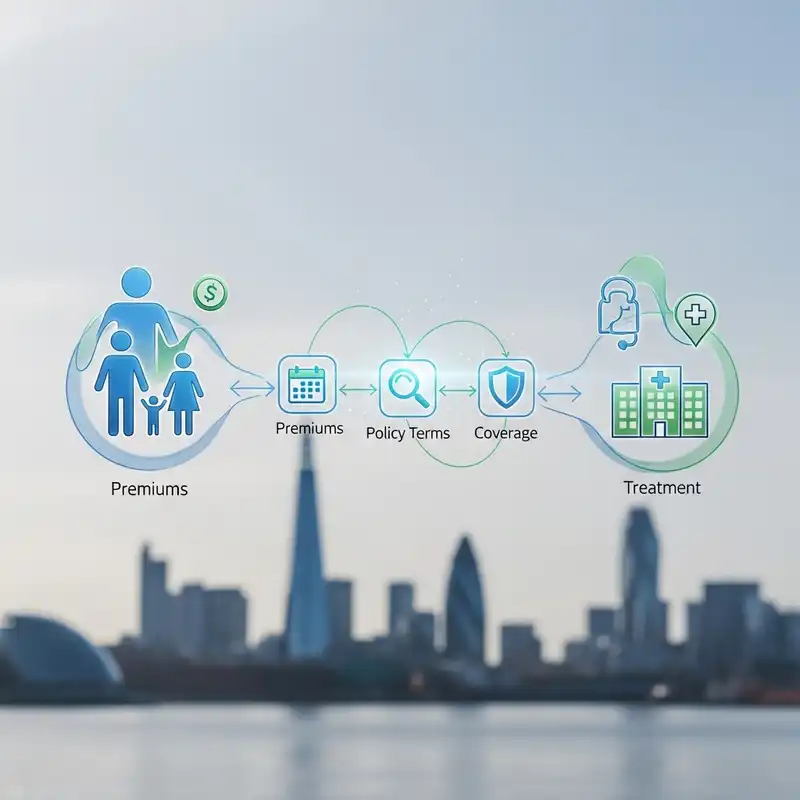
Why private medical insurance and how does it work?
What is Private Medical Insurance?
Private medical insurance (PMI) is a type of health insurance that provides access to private healthcare services in the UK. It covers the cost of private medical treatment, allowing you to bypass NHS waiting lists and receive faster, more convenient care.How does it work?
Private medical insurance works by paying for your private healthcare costs. When you need treatment, you can choose to go private and your insurance will cover the costs, subject to your policy terms and conditions. This can include:• Private consultations with specialists
• Private hospital treatment and surgery
• Diagnostic tests and scans
• Physiotherapy and rehabilitation
• Mental health treatment
Your premium depends on factors like your age, health, occupation, and the level of cover you choose. Most policies offer different levels of cover, from basic to comprehensive, allowing you to tailor the policy to your needs and budget.
Questions to ask yourself regarding private medical insurance
Just ask yourself:👉 Are you concerned about NHS waiting times for treatment?
👉 Would you prefer to choose your own consultant and hospital?
👉 Do you want faster access to diagnostic tests and scans?
👉 Would you like private hospital accommodation and better food?
👉 Do you want to avoid the stress of NHS waiting lists?
Many people don't realise that private medical insurance is more affordable than they think, especially when you consider the value of faster treatment and better facilities. A great insurance policy can provide peace of mind and ensure you receive the care you need when you need it.
Benefits offered by private medical insurance
Private medical insurance provides numerous benefits that can significantly improve your healthcare experience and outcomes:Faster Access to Treatment
One of the biggest advantages is avoiding NHS waiting lists. While the NHS provides excellent care, waiting times can be lengthy. With private medical insurance, you can often receive treatment within days or weeks rather than months.
Choice of Consultant and Hospital
You can choose your preferred consultant and hospital, giving you more control over your healthcare journey. This is particularly important for complex treatments where you want a specific specialist.
Better Facilities and Accommodation
Private hospitals typically offer superior facilities, including private rooms, better food, and more comfortable surroundings. This can make your recovery more pleasant and potentially faster.
Advanced Treatments
Private medical insurance often covers treatments and medications not available on the NHS, giving you access to the latest medical advances and technologies.
Mental Health Support
Many policies include comprehensive mental health coverage, providing faster access to therapy and psychiatric care when needed.
Tax Benefits for Business Owners
If you're self-employed or a business owner, private medical insurance premiums can be tax-deductible, making it a cost-effective way to protect your health and your business.
Peace of Mind
Knowing you have access to private healthcare when you need it provides invaluable peace of mind, especially for those with ongoing health conditions or concerns about NHS capacity.
Private medical insurance is particularly valuable for those who want to take control of their healthcare journey and ensure they receive the best possible treatment when they need it most.
Important Fact!
We can look at a more suitable option mid-term!
Why is it important to get private medical insurance early?
👉 Many people are very thankful that they had their private medical insurance cover in place before running into some serious health issues. Private medical insurance is as important as life insurance for protecting your family's finances.👉 We insure our cars, houses, and even our phones! Yet our health is the most precious thing we have.
Easily one of the most important insurance purchases an individual or family can make in their lifetime, the decision to buy private medical insurance can be made much simpler with the help of FCA-authorised advisers. They are the specialists who do the searching and analysis helping people choose between various types of private medical insurance policies available in the market, including different levels of cover and policy types most suitable to the client's individual circumstances.
It certainly won't do any harm if you speak with one of our experienced insurance experts who are passionate about advising people on financial matters related to private medical insurance and are keen to provide you with a free consultation.
You can discuss with them in detail what affordable private medical insurance plan for the necessary peace of mind they would recommend! WeCovr works with some of the best advisers in the market.
By tapping the button below, you can book a free call with them in less than 30 seconds right now:
Our Group Is Proud To Have Issued 800,000+ Policies!
We've established collaboration agreements with leading insurance groups to create tailored coverage
























How It Works
1. Complete a brief form

2. Our experts analyse your information and find you best quotes

3. Enjoy your protection!

Any questions?
Learn more

Who Are WeCovr?
WeCovr is an insurance specialist for people valuing their peace of mind and a great service.👍 WeCovr will help you get your private medical insurance, life insurance, critical illness insurance and others in no time thanks to our wonderful super-friendly experts ready to assist you every step of the way.
Just a quick and simple form and an easy conversation with one of our experts and your valuable insurance policy is in place for that needed peace of mind!