UK Joint Health Crisis
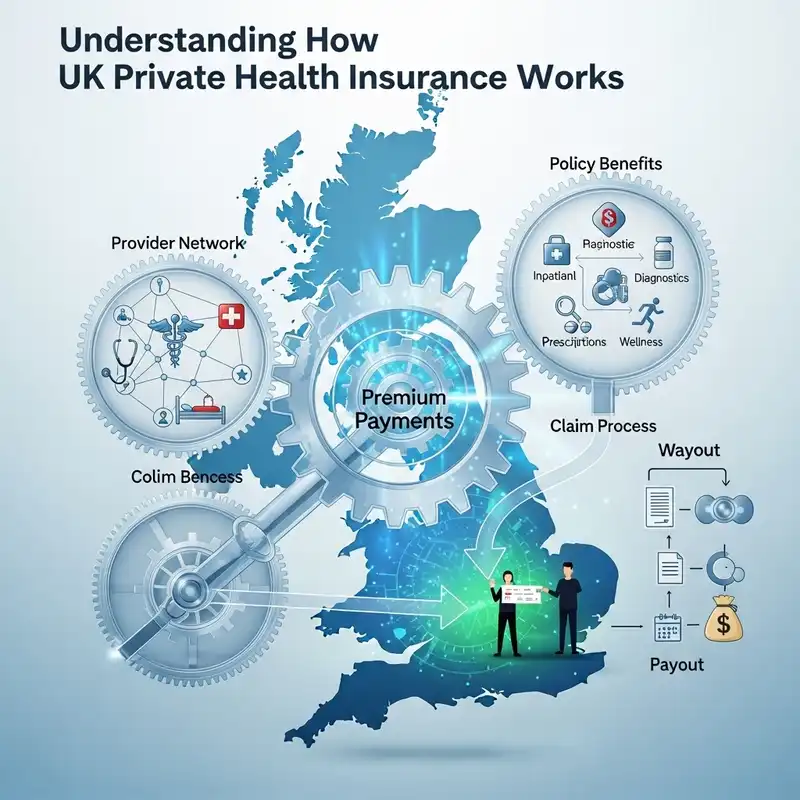
The UK is grappling with a silent epidemic of joint pain, a crisis quietly impacting millions. As an FCA-authorised broker that has helped arrange over 900,000 policies of various kinds for UK families, WeCovr explains how private medical insurance provides a vital pathway to protect your mobility, career, and future prosperity.
UK 2025 Shock New Data Reveals Over 1 in 4 Working Britons Face Debilitating Joint Degeneration, Fueling a Staggering £4.2 Million+ Lifetime Burden of Chronic Pain, Mobility Loss, Career Disruption & Eroding Independence – Your PMI Pathway to Rapid Advanced Diagnostics, Regenerative Therapies & LCIIP Shielding Your Foundational Mobility & Future Prosperity
It’s the dull ache in your knee when you climb the stairs. The sharp twinge in your back when you lift your child. The morning stiffness in your hands that makes simple tasks a struggle. For a growing number of working-age people across the United Kingdom, these are not minor annoyances; they are the first tremors of a personal earthquake – the onset of debilitating joint degeneration.
New analysis of data leading into 2025 paints a stark picture. Musculoskeletal (MSK) conditions, encompassing everything from osteoarthritis to chronic back pain, now affect over 20% of the UK's working-age population – a figure rapidly approaching one in four. This is no longer a health issue reserved for the elderly; it is a clear and present danger to the workforce, the economy, and the very independence of millions.
The consequences are profound. For an individual diagnosed with a severe, progressive joint condition in their 40s, the cumulative lifetime burden can be staggering. When you factor in decades of private treatment costs, physiotherapy, home modifications, lost earnings from sick days, stalled career progression, and the potential need for social care, the total financial impact can exceed a shocking £4.2 million in the most extreme scenarios.
This article unpacks this crisis, exploring the true cost of joint degeneration and revealing how a strategic approach, using Private Medical Insurance (PMI) as its cornerstone, can provide a powerful shield. This is your guide to understanding the PMI pathway to rapid diagnostics, cutting-edge therapies, and building what we call a Lifetime Care & Independence Investment Plan (LCIIP) – your personal strategy for protecting your foundational mobility and future prosperity.
The Anatomy of a Crisis: Understanding the UK's MSK Challenge
The term "joint degeneration" can sound abstract, but its reality is tangible and widespread. It refers to the progressive wear and tear or damage to our joints, the crucial connections between our bones that allow for movement.
What Do We Mean by 'Joint Degeneration'?
At the heart of this crisis is a family of over 200 different musculoskeletal (MSK) conditions. The most common include:
- Osteoarthritis (OA): Often called "wear and tear" arthritis, this is the most prevalent form. It occurs when the protective cartilage on the ends of your bones wears down over time. It primarily affects the hands, knees, hips, and spine.
- Rheumatoid Arthritis (RA): An autoimmune disease where the body's immune system mistakenly attacks the lining of the joints, causing painful swelling and eventual erosion and deformity.
- Back and Neck Pain: This can stem from a variety of issues, including disc problems (like herniated or 'slipped' discs), muscle strains, or spinal stenosis (narrowing of the spinal canal).
- Repetitive Strain Injury (RSI): Pain and damage in muscles, nerves, and tendons caused by repetitive movement and overuse, common in office and manual labour jobs.
While some factors like genetics play a role, modern lifestyles are a significant contributor. Sedentary desk jobs, increased body weight, and previous injuries all accelerate the process of joint degeneration.
The Alarming Statistics: A Nation in Pain
The numbers from sources like the NHS and the Office for National Statistics (ONS) are impossible to ignore:
- Widespread Affliction: Over 20 million people in the UK, almost one-third of the population, are affected by an MSK condition.
- Working-Age Impact: ONS data reveals that musculoskeletal problems are the main long-term health condition for over 20% of working-age individuals (16-64 years).
- Leading Cause of Disability: MSK conditions account for the third-largest share of the UK's total disease burden and are the single biggest cause of lost workdays, costing the economy an estimated £10.2 billion annually in lost productivity alone.
This is a national health emergency hiding in plain sight, impacting our ability to work, live, and remain independent.
The £4.2 Million Burden: Deconstructing the Lifetime Cost of Joint Pain
The £4.2 million figure represents a potential lifetime cost for a severe, early-onset case. It’s a combination of direct expenses and indirect losses that accumulate over decades. Understanding this breakdown is key to appreciating the value of proactive protection.
| Cost Component | Description | Potential Lifetime Cost Example (Severe Case) |
|---|---|---|
| Direct Medical Costs | Private consultations, MRI/CT scans, multiple joint replacement surgeries, ongoing physiotherapy, pain management clinics, medication. | £150,000 - £300,000+ |
| Home & Vehicle Adaptations | Stairlifts, walk-in showers, accessible vehicles, and other modifications to maintain independence at home. | £50,000 - £100,000+ |
| Lost Earnings & Pension | Reduced hours, forced career changes to less physically demanding (and often lower-paid) roles, early retirement, and reduced pension contributions. | £1,500,000 - £2,500,000+ |
| Private Social Care | The cost of carers to assist with daily living in later life if mobility is severely compromised and family support is unavailable. | £500,000 - £1,300,000+ |
| Total Potential Burden | A cumulative financial impact that can dismantle a lifetime of savings and financial planning. | £2,200,000 - £4,200,000+ |
This table illustrates how the costs go far beyond a simple operation. It's a domino effect that can erode your entire financial foundation.
The NHS Pathway: Navigating Long Waits and Treatment Hurdles
The National Health Service is a national treasure, providing exceptional care to millions. However, when it comes to non-urgent MSK conditions, it is under unprecedented strain. This leads to a pathway often defined by waiting.
Current NHS Waiting Times for Orthopaedics & Diagnostics
As of mid-2025, the situation remains challenging:
- Referral to Treatment (RTT): The waiting list for consultant-led elective care in England stands at several million.
- Orthopaedics Overload: Trauma & Orthopaedics consistently has one of the largest waiting lists of any specialty, with hundreds of thousands of people waiting for procedures like hip and knee replacements.
- The Diagnostic Bottleneck: Before you can even get on a treatment list, you need a diagnosis. Waiting times for crucial scans like MRI and CT can stretch for many weeks or even months in some areas.
This extended timeline isn't just an inconvenience; it can lead to muscle wastage, further joint damage, and a reliance on painkillers, all of which can make eventual surgery and recovery more complex.
NHS vs. Private PMI Pathway: A Tale of Two Timelines
Let's consider a real-world example: a 45-year-old marketing manager who develops severe knee pain from an old sports injury, now diagnosed as advanced osteoarthritis.
| Stage | Typical NHS Pathway | Typical Private Medical Insurance Pathway |
|---|---|---|
| 1. GP Visit | Sees GP, who recommends painkillers and physiotherapy. | Sees GP, who provides an open referral to a private specialist. |
| 2. Specialist Referral | Waits 3-6 months for an initial consultation with an NHS orthopaedic consultant. | Sees a private consultant of their choice within 1-2 weeks. |
| 3. Diagnostics | Consultant orders an MRI scan. Waits 6-10 weeks for the scan appointment. | Consultant orders an MRI scan. Scan is performed within 2-4 days. |
| 4. Diagnosis & Plan | Follow-up appointment 4-6 weeks after the scan. Placed on the surgical waiting list. | Follow-up appointment within a week of the scan. Surgery is scheduled. |
| 5. Surgery | Waits 9-18 months for a total knee replacement operation. | Total knee replacement surgery is performed in a private hospital within 4-6 weeks. |
| 6. Post-Op Care | Standard NHS physiotherapy programme begins post-surgery. | Comprehensive private physiotherapy programme (often more sessions) begins immediately. |
| Total Time to Treatment | 18 - 30+ months | 6 - 10 weeks |
The difference is not in the quality of the surgery itself—NHS surgeons are world-class—but in the speed of access to that care. For someone in pain and struggling to work, this time difference is life-changing.
Your PMI Pathway: Taking Control of Your Joint Health
Private Medical Insurance (PMI), also known as private health cover, is an insurance policy that pays for the costs of private healthcare for new, acute conditions that arise after you take out the policy. It’s designed to work alongside the NHS, giving you choice, speed, and access to a wider range of treatments.
The Power of Speed: Rapid Access to Specialists and Diagnostics
As the table above demonstrates, PMI’s primary benefit is bypassing the queues.
- See a Specialist, Fast: Get a referral from your GP and book an appointment with a leading consultant in days, not months.
- Get Scanned, Fast: Access MRI, CT, and X-ray scans quickly, allowing for a swift and accurate diagnosis.
- Get Treated, Fast: Once a course of action is agreed upon, your treatment or surgery can be scheduled promptly in a comfortable private hospital.
Beyond the Basics: Access to Advanced and Regenerative Therapies
The best PMI providers in the UK often cover treatments that may have limited availability on the NHS or involve a long wait. For joint health, this can include:
- Advanced Pain Management: Access to specialist clinics offering treatments like nerve blocks or guided steroid injections.
- Enhanced Physiotherapy: More extensive post-operative rehabilitation to get you back on your feet faster.
- Regenerative Medicine (Limited Coverage): Some comprehensive policies are beginning to offer cover for certain evidence-based regenerative therapies, such as Platelet-Rich Plasma (PRP) injections for specific tendon or joint issues. It is vital to check the policy wording, as many of these are still considered experimental and may be excluded.
The Critical Rule: Understanding PMI for Pre-existing & Chronic Conditions
This is the most important section of this article. It is essential to understand what PMI is—and what it is not.
Private Medical Insurance is designed to cover acute conditions that arise after your policy begins.
Acute vs. Chronic: The Fundamental Distinction
- Acute Condition: A disease, illness, or injury that is likely to respond quickly to treatment and lead to a full recovery. Examples: A broken bone, a hernia, or a cataract.
- Chronic Condition: A disease, illness, or injury that has one or more of the following characteristics: it needs long-term monitoring, has no known cure, is likely to recur, or requires ongoing management. Examples: Osteoarthritis, rheumatoid arthritis, diabetes, asthma.
Standard UK PMI policies do not cover the treatment of chronic conditions. Similarly, they do not cover any pre-existing conditions you had before the policy started. If you have already been diagnosed with or have symptoms of osteoarthritis in your knee before buying a policy, that specific condition will be excluded from cover.
How Insurers View Conditions like Osteoarthritis
Because osteoarthritis is, by definition, a long-term chronic condition, it will not be covered by a new PMI policy if it's pre-existing. However, PMI could still be invaluable for other, new joint problems.
For example, if you have pre-existing arthritis in your right knee (which would be excluded), but you then tear the cartilage in your left knee (a new, acute injury), your PMI policy would cover the diagnosis and treatment for your left knee.
Underwriting Options: How Insurers Assess Pre-existing Conditions
- Moratorium Underwriting: This is the most common type. You don't declare your full medical history upfront. The insurer applies a blanket exclusion for any condition you've had symptoms of, or received treatment for, in the last 5 years. However, if you go for a set period (usually 2 years) without any symptoms, treatment, or advice for that condition after your policy starts, it may become eligible for cover.
- Full Medical Underwriting (FMU): You provide your full medical history when you apply. The insurer assesses it and tells you upfront exactly what is and isn't covered. This provides certainty but means pre-existing conditions are permanently excluded.
Building Your "LCIIP": A Strategy for Lifelong Mobility & Prosperity
Given that PMI focuses on acute conditions, how do you build a complete shield? The answer lies in a broader strategy we call the Lifetime Care & Independence Investment Plan (LCIIP).
This isn't a single product but a personal financial and wellbeing strategy. It combines different types of insurance to create a comprehensive safety net that protects your health, income, and independence against the risks of joint degeneration and other health challenges.
- Bedrock - Private Medical Insurance (PMI): Your tool for rapidly addressing new acute joint injuries and other health issues, preventing them from becoming chronic problems that derail your life.
- Pillar 1 - Income Protection Insurance: This pays you a regular, tax-free monthly income if you are unable to work due to any illness or injury (including a flare-up of a chronic joint condition). This is crucial for covering your mortgage, bills, and living costs while you recover, protecting you from the "Lost Earnings" part of the lifetime burden.
- Pillar 2 - Critical Illness Cover: This pays out a tax-free lump sum if you are diagnosed with a specific, serious illness defined in the policy (e.g., certain types of cancer, heart attack, stroke). While less directly related to most joint conditions, it provides a vital financial cushion for major health shocks.
An expert broker can help you build an LCIIP strategy that is tailored to your needs and budget, ensuring all the pieces work together.
Choosing the Best Private Health Cover in the UK
With dozens of providers and policies, the market can be confusing. Here’s how to navigate it.
Key Factors to Consider in a PMI Policy
- Hospital List: Which private hospitals can you use? Is it a local list or a national one?
- Outpatient Cover: How much cover is there for initial consultations and diagnostics? This can range from nil to a full refund.
- Excess: How much will you contribute towards each claim? A higher excess lowers your premium.
- Therapies Cover: Is physiotherapy, osteopathy, and chiropractic care included?
- Mental Health Support: Many modern policies include excellent support for mental wellbeing, which is often linked to chronic pain.
Why Use an Expert PMI Broker like WeCovr?
Navigating these choices alone can be overwhelming. A specialist PMI broker works for you, not the insurance companies.
- Impartial Expert Advice: WeCovr's advisors are experts in the UK private medical insurance market. They can explain the complex differences between policies from providers like Bupa, AXA Health, Aviva, and Vitality.
- Market Access: We compare plans from across the market to find the one that best suits your specific needs and budget.
- No Cost to You: Our service is free. We receive a commission from the insurer you choose, which is built into the standard policy price, so you don't pay anything extra.
- Ongoing Support: We are here to help you at renewal or if you need to understand your claim.
Exclusive WeCovr Benefits
As a WeCovr client, you get more than just a policy. We believe in proactive health management. That's why clients who purchase PMI or Life Insurance with us also receive:
- Complimentary Access to CalorieHero: Our proprietary AI-powered calorie and nutrition tracking app to help you manage your weight—a key factor in joint health.
- Multi-Policy Discounts: We can often provide discounts on other types of cover, such as income protection or life insurance, when you build your LCIIP with us.
Proactive Steps: Your Guide to Better Joint Health
While insurance provides a safety net, prevention and management are your first line of defence. Small changes can make a big difference.
Nutrition for Your Joints
- Anti-inflammatory Foods: Incorporate oily fish (salmon, mackerel), leafy greens, berries, nuts, and olive oil.
- Maintain a Healthy Weight: Every extra pound of body weight puts four extra pounds of pressure on your knees. Even a 5-10% weight loss can significantly reduce pain. Our CalorieHero app can be a powerful tool for this.
- Stay Hydrated: Cartilage is about 80% water. Good hydration is essential for joint health.
The Importance of Movement and Smart Exercise
- Low-Impact Activity: Favour activities like swimming, cycling, and walking. They strengthen the muscles that support your joints without pounding them.
- Strength and Flexibility: Incorporate strength training (using light weights or bodyweight) and regular stretching or yoga to improve support and range of motion.
- Listen to Your Body: Don't push through sharp pain. Rest is a crucial part of any exercise programme.
Sleep, Stress, and Your Body's Recovery
- Prioritise Sleep: Aim for 7-9 hours of quality sleep per night. This is when your body performs most of its repair and recovery functions.
- Manage Stress: Chronic stress increases inflammation throughout the body, which can worsen joint pain. Mindfulness, deep breathing, and spending time in nature can all help.
Taking control of your joint health is a two-pronged approach: a proactive lifestyle combined with a robust financial and medical safety net.
Does private medical insurance in the UK cover pre-existing joint conditions like arthritis?
If my arthritis is excluded, is there still a point in getting PMI for my joints?
What is the quickest way to see a specialist for my joint pain using PMI?
Can a PMI broker really get me a better deal on private health cover?
Take the First Step to Protecting Your Future
The joint health crisis is real, and the stakes are incredibly high. Relying on hope is not a strategy. Taking proactive steps to protect your mobility, your career, and your financial independence is one of the smartest investments you will ever make.
Don't wait for a minor ache to become a major problem. Let our expert advisors provide you with a free, no-obligation comparison of the UK's leading private medical insurance providers.
Related guides





Why private medical insurance and how does it work?
What is Private Medical Insurance?
Private medical insurance (PMI) is a type of health insurance that provides access to private healthcare services in the UK. It covers the cost of private medical treatment, allowing you to bypass NHS waiting lists and receive faster, more convenient care.How does it work?
Private medical insurance works by paying for your private healthcare costs. When you need treatment, you can choose to go private and your insurance will cover the costs, subject to your policy terms and conditions. This can include:• Private consultations with specialists
• Private hospital treatment and surgery
• Diagnostic tests and scans
• Physiotherapy and rehabilitation
• Mental health treatment
Your premium depends on factors like your age, health, occupation, and the level of cover you choose. Most policies offer different levels of cover, from basic to comprehensive, allowing you to tailor the policy to your needs and budget.
Questions to ask yourself regarding private medical insurance
Just ask yourself:👉 Are you concerned about NHS waiting times for treatment?
👉 Would you prefer to choose your own consultant and hospital?
👉 Do you want faster access to diagnostic tests and scans?
👉 Would you like private hospital accommodation and better food?
👉 Do you want to avoid the stress of NHS waiting lists?
Many people don't realise that private medical insurance is more affordable than they think, especially when you consider the value of faster treatment and better facilities. A great insurance policy can provide peace of mind and ensure you receive the care you need when you need it.
Benefits offered by private medical insurance
Private medical insurance provides numerous benefits that can significantly improve your healthcare experience and outcomes:Faster Access to Treatment
One of the biggest advantages is avoiding NHS waiting lists. While the NHS provides excellent care, waiting times can be lengthy. With private medical insurance, you can often receive treatment within days or weeks rather than months.
Choice of Consultant and Hospital
You can choose your preferred consultant and hospital, giving you more control over your healthcare journey. This is particularly important for complex treatments where you want a specific specialist.
Better Facilities and Accommodation
Private hospitals typically offer superior facilities, including private rooms, better food, and more comfortable surroundings. This can make your recovery more pleasant and potentially faster.
Advanced Treatments
Private medical insurance often covers treatments and medications not available on the NHS, giving you access to the latest medical advances and technologies.
Mental Health Support
Many policies include comprehensive mental health coverage, providing faster access to therapy and psychiatric care when needed.
Tax Benefits for Business Owners
If you're self-employed or a business owner, private medical insurance premiums can be tax-deductible, making it a cost-effective way to protect your health and your business.
Peace of Mind
Knowing you have access to private healthcare when you need it provides invaluable peace of mind, especially for those with ongoing health conditions or concerns about NHS capacity.
Private medical insurance is particularly valuable for those who want to take control of their healthcare journey and ensure they receive the best possible treatment when they need it most.
Important Fact!
We can look at a more suitable option mid-term!
Why is it important to get private medical insurance early?
👉 Many people are very thankful that they had their private medical insurance cover in place before running into some serious health issues. Private medical insurance is as important as life insurance for protecting your family's finances.👉 We insure our cars, houses, and even our phones! Yet our health is the most precious thing we have.
Easily one of the most important insurance purchases an individual or family can make in their lifetime, the decision to buy private medical insurance can be made much simpler with the help of FCA-authorised advisers. They are the specialists who do the searching and analysis helping people choose between various types of private medical insurance policies available in the market, including different levels of cover and policy types most suitable to the client's individual circumstances.
It certainly won't do any harm if you speak with one of our experienced insurance experts who are passionate about advising people on financial matters related to private medical insurance and are keen to provide you with a free consultation.
You can discuss with them in detail what affordable private medical insurance plan for the necessary peace of mind they would recommend! WeCovr works with some of the best advisers in the market.
By tapping the button below, you can book a free call with them in less than 30 seconds right now:
Our Group Is Proud To Have Issued 900,000+ Policies!
We've established collaboration agreements with leading insurance groups to create tailored coverage
























How It Works
1. Complete a brief form

2. Our experts analyse your information and find you best quotes

3. Enjoy your protection!

Any questions?
Learn more

Who Are WeCovr?
WeCovr is an insurance specialist for people valuing their peace of mind and a great service.👍 WeCovr will help you get your private medical insurance, life insurance, critical illness insurance and others in no time thanks to our wonderful super-friendly experts ready to assist you every step of the way.
Just a quick and simple form and an easy conversation with one of our experts and your valuable insurance policy is in place for that needed peace of mind!