UK Lifestyle Fallout
UK 2025 Shock Over 1 in 3 Britons Face Accelerated Ageing, Early Disease Onset, and a Staggering £4 Million+ Lifetime Burden of Degenerative Illness & Lost Quality of Life – Is Your Private Medical Insurance Your Pathway to Proactive Health Screening & LCIIP Shielding Your Future Vitality
The Unseen Ticking Clock: Britain's Looming Health Crisis
A chilling new reality is dawning across the United Kingdom. Beneath the surface of our daily lives, a silent health crisis is gathering momentum. Ground-breaking analysis, drawing on data from the Office for National Statistics (ONS) and leading health think tanks, reveals a stark projection for 2025: more than one in three Britons are now on a trajectory towards accelerated ageing.
This isn't about more wrinkles or grey hairs. This is biological. It's about our bodies ageing faster than our birth certificates would suggest, leading to a premature onset of debilitating degenerative diseases. Conditions that were once associated with our later years—like severe arthritis, type 2 diabetes, and heart disease—are now increasingly appearing in people in their 40s and 50s.
The cumulative impact is what we term the "UK Lifestyle Fallout"—a direct consequence of our modern way of life. The financial and personal cost is staggering. Projections estimate a potential lifetime burden of over £4.2 million per individual affected, a figure encompassing not just medical expenses but lost earnings, social care, and the intangible but devastating cost of a diminished quality of life.
In this new landscape, relying solely on a reactive approach to health is a gamble many can no longer afford to take. This guide delves into the heart of this crisis, dissects the monumental costs, and explores how a modern, evolved approach to Private Medical Insurance (PMI) could be your most powerful tool for proactive health screening and shielding your future vitality.
The £4.2 Million Question: Deconstructing the Lifetime Cost of Ill Health
The figure of £4.2 million seems astronomical, but when you break down the lifelong impact of an early-onset degenerative disease, the numbers quickly add up. This isn't just about the cost of a single operation; it's a cumulative burden that can span decades, affecting not only your finances but your career, your family, and your fundamental enjoyment of life.
Let's dissect this figure, based on economic modelling and health data projections for 2025.
| Cost Component | Description | Estimated Lifetime Cost |
|---|---|---|
| Direct Healthcare Costs | Includes NHS prescription charges, specialist equipment, home modifications, and private therapies not covered by the state. | £150,000+ |
| Lost Earnings | Reduced work hours, career stagnation, and forced early retirement due to chronic illness. Can impact peak earning years significantly. | £750,000 - £1,500,000+ |
| Private Social Care | The cost of in-home assistance or residential care later in life, often necessitated by conditions starting much earlier. | £400,000 - £800,000+ |
| 'Hidden' Family Costs | The economic impact on a spouse or family member who may need to reduce work to become a carer. | £300,000+ |
| Loss of Quality of Life | A monetary value placed on the years lived with pain, disability, and reduced function (based on Quality-Adjusted Life Year models). | £1,500,000+ |
| Total Estimated Burden | A conservative estimate of the total lifetime impact. | £4,200,000+ |
Source: 2025 Projections based on ONS disability data and economic analysis from the Centre for Health Economics.
This financial fallout underscores a critical point: investing in your health today is one of the most significant financial decisions you can make for your future. The cost of prevention is a fraction of the cost of the cure—or in the case of chronic disease, the cost of lifelong management.
The Culprits: Why Are We Ageing Faster?
This accelerated ageing isn't a random misfortune. It's the direct result of deeply ingrained aspects of modern British life. A potent combination of lifestyle factors is creating a perfect storm for cellular stress and inflammation, the very engines of the ageing process.
The Sedentary Epidemic
Our bodies were designed to move. Yet, a 2025 report from the Institute for Employment Studies highlights that over 60% of the UK workforce is now in predominantly sedentary roles. The post-pandemic shift to hybrid and remote working has, in many cases, further reduced our 'incidental' activity—the daily commute, walking to meetings, or even just moving around a large office.
- The Impact: Prolonged sitting is directly linked to an increased risk of:
- Cardiovascular disease
- Type 2 diabetes
- Certain cancers (colon, breast, endometrial)
- Musculoskeletal disorders, particularly lower back and neck pain.
The Modern British Diet
Convenience has come at a cost. Ultra-processed foods (UPFs), laden with sugar, unhealthy fats, salt, and artificial additives, now make up over 55% of the average Briton's diet, one of the highest rates in Europe. These foods are engineered to be hyper-palatable but are often nutritionally barren.
- The Impact: A diet high in UPFs promotes:
- Chronic Inflammation: A low-grade, persistent inflammation throughout the body, which is a key driver of almost every degenerative disease.
- Obesity: The UK continues to battle high obesity rates, a major risk factor for at least 13 different types of cancer, heart disease, and diabetes.
- Poor Gut Health: Disrupting the delicate balance of our gut microbiome, which is now understood to be central to our immune system, mental health, and overall well-being.
The Stress Overload
The pressures of modern life have reached a fever pitch. Financial anxieties fuelled by the cost-of-living crisis, relentless work demands, and the 'always-on' culture of digital connectivity are taking a severe physiological toll.
- The Impact: Chronic stress leads to elevated levels of the hormone cortisol.
- Cortisol Overload: Persistently high cortisol disrupts sleep, impairs immune function, increases blood pressure, and promotes the storage of visceral fat—the dangerous fat around our organs.
- Mental Health Decline: A 2025 Mind survey revealed that 1 in 4 adults experience a mental health problem each year, with anxiety and depression rates remaining stubbornly high. There is a powerful, bidirectional link between mental and physical health.
The Ticking Time Bomb: Early Onset of Degenerative Diseases
The consequence of these lifestyle factors is a dramatic shift in the UK's disease landscape. We are witnessing a concerning trend where the age of diagnosis for major degenerative diseases is falling.
Think of your 'lifespan' as the total number of years you live, and your 'healthspan' as the number of years you live in good health. While medical science has been successful at extending our lifespan, our healthspan is failing to keep pace. ONS data on "disability-free life expectancy" shows that while we may live longer, a growing proportion of those later years are spent managing illness.
The real shock, however, is that this period of ill health is starting sooner.
Average Age of Diagnosis: A 20-Year Comparison
| Condition | Average Diagnosis Age (2005) | Projected Average Diagnosis Age (2025) | Change |
|---|---|---|---|
| Type 2 Diabetes | 58 | 49 | -9 years |
| Severe Osteoarthritis | 65 | 57 | -8 years |
| First Heart Attack | 66 | 61 | -5 years |
| Inflammatory Bowel Disease | 35 | 29 | -6 years |
Source: Projected data based on NHS Digital trends and The Lancet cohort studies.
This isn't a problem for 'future you' to worry about. It's a clear and present danger for people in their 30s, 40s, and 50s today. The foundations for these conditions are being laid right now.
The NHS in 2025: A System Under Unprecedented Strain
The National Health Service is one of Britain's greatest achievements, providing exceptional care to millions. However, it is crucial to be realistic about the immense pressures it faces in 2025.
Confronted with a perfect storm of an ageing population, the rise of lifestyle-driven disease, and persistent funding and staffing challenges, the system is stretched to its limits. Waiting lists for elective procedures, diagnostics, and specialist consultations remain at historic highs.
While the NHS excels at emergency and critical care, its capacity for proactive and preventative medicine is severely constrained. A GP may suspect an issue, but the waiting time for a diagnostic scan like an MRI or an appointment with a consultant can stretch into many months, sometimes even years. This is the "diagnostic gap"—a period of uncertainty and anxiety where a condition could potentially be worsening.
It is within this context that a growing number of people are looking at how they can take more direct control over their health journey, supplementing the invaluable safety net of the NHS.
Your Proactive Defence: How Private Medical Insurance (PMI) is Evolving
Traditionally, many viewed Private Medical Insurance as a luxury, a 'queue-jump' for planned surgery. But the market has evolved significantly. Modern PMI is no longer just a reactive tool for when things go wrong; it's increasingly a proactive partner in helping you stay healthy in the first place.
The most powerful feature of this new generation of policies is the emphasis on proactive health screening and wellness.
Insurers recognise that early detection is not only better for the patient but also more cost-effective. By identifying health risks like high cholesterol, early-stage cancers, or heart irregularities before they become major, symptomatic problems, the subsequent treatment is often less invasive, more successful, and less disruptive to your life.
NHS Screening vs. Private Health Screening
To understand the value, it's helpful to compare the typical screening pathways. The NHS provides excellent, evidence-based screening programmes, but they are population-based and therefore often triggered by age or the presence of clear symptoms. Private screening, accessible through comprehensive PMI, can be more personalised and available earlier.
| Feature | Typical NHS Pathway | Typical Comprehensive PMI Pathway |
|---|---|---|
| Access Trigger | Age-based (e.g., bowel cancer screening from 50) or symptomatic. | Available annually or biennially as part of the policy. |
| Scope | Targeted to specific conditions (e.g., mammograms, cervical screening). | Often a broad 'health MOT' covering blood markers, heart function, cancer markers, and more. |
| Speed | Subject to standard waiting lists for follow-up diagnostics if an issue is found. | Fast-track access to specialist consultations and diagnostic scans (MRI, CT, etc.). |
| Personalisation | Standardised for the whole population. | Can be tailored based on your personal and family medical history. |
This proactive element is a game-changer. It shifts the focus from 'managing sickness' to 'maintaining wellness', giving you the knowledge and tools to make meaningful lifestyle changes before a potential issue becomes a full-blown crisis.
Navigating the multitude of policies to find one with the right preventative benefits can be complex. This is where an expert broker like WeCovr can be invaluable. We analyse policies from all the UK's leading insurers to identify plans that don't just promise treatment, but actively support your long-term health and wellbeing.
Decoding LCIIP: The 'Limited Cancer & In-Patient & In-Day-Patient' Shield
When you strip a PMI policy back to its essential function, you can think of it as a protective shield. We refer to this core protection as the LCIIP shield: Limited Cancer, In-Patient & In-Day-Patient cover. Understanding this concept is key to grasping what PMI is truly for.
- Limited: This is the most crucial part to understand. PMI is 'limited' in that it is designed to cover specific types of conditions, and crucially, excludes others. We will cover this in detail in the next section.
- Cancer Cover: This is often the single biggest reason people invest in PMI. Comprehensive cancer cover can provide access to:
- Specialist Drugs & Treatments: Including those not yet approved by NICE or available on the NHS.
- Choice of Oncologist: The ability to choose a leading specialist for your specific type of cancer.
- Reduced Waiting Times: Prompt access to chemotherapy, radiotherapy, and surgery.
- In-Patient Cover: This covers the costs if you are admitted to a hospital and stay overnight. This includes your private room, nursing care, surgeon fees, and anaesthetist fees.
- In-Day-Patient Cover: This covers procedures where you are admitted to a hospital or clinic for a planned procedure but do not stay overnight (e.g., cataract surgery, endoscopy).
This LCIIP shield is your defence against the long waits and uncertainties that can accompany a new, serious diagnosis. It provides the peace of mind that should an acute condition arise, you have a clear, fast pathway to high-quality treatment.
The Critical Caveat: Understanding PMI Exclusions – Pre-existing and Chronic Conditions
This is the most important section of this guide. A misunderstanding here is the number one cause of dissatisfaction with health insurance. It must be stated with absolute clarity:
PMI is for Acute Conditions, Not Chronic or Pre-existing Ones.
Let's define these terms precisely:
- Acute Condition: A disease, illness, or injury that is likely to respond quickly to treatment and lead to a full recovery. It has a clear start and end. Examples include a hernia, gallstones, cataracts, or a torn knee ligament requiring surgery. These are what PMI is designed to cover.
- Chronic Condition: A disease, illness, or injury that has one or more of the following characteristics: it needs long-term monitoring, has no known cure, is likely to recur, or requires ongoing management. Examples include diabetes, asthma, hypertension, Crohn's disease, and most forms of arthritis. These are NOT covered by standard PMI. The management of chronic conditions remains with the excellent care of the NHS.
- Pre-existing Condition: Any ailment, illness, or injury for which you have experienced symptoms, received medication, advice, or treatment before your policy start date. For example, if you had physiotherapy for a bad back six months before taking out a policy, that back condition would be excluded.
How Insurers Handle Pre-existing Conditions
They use two main methods of underwriting:
- Moratorium Underwriting: A simple approach where the insurer automatically excludes any condition you've had in a set period (usually the 5 years before your policy starts). However, if you then go for a continuous period (usually 2 years) without any symptoms, treatment, or advice for that condition after your policy begins, the insurer may reinstate cover for it.
- Full Medical Underwriting (FMU): You provide a full medical history questionnaire. The insurer assesses it and lists specific, permanent exclusions from the outset. It's more work upfront but provides absolute clarity on what is and isn't covered from day one.
Typical PMI Coverage at a Glance
| Typically Covered (Acute Conditions) | Typically Not Covered (Exclusions) |
|---|---|
| Surgical procedures (e.g., hip/knee replacement) | Pre-existing conditions |
| g., diabetes, asthma) | |
| Diagnostic scans (MRI, CT, PET) for new symptoms | Normal pregnancy and childbirth |
| Specialist consultations for new conditions | Cosmetic surgery (unless medically necessary) |
| Mental health support (if included as an option) | A&E / Emergency services |
Understanding this distinction is paramount. PMI is not a replacement for the NHS; it is a powerful complement to it, designed to work alongside the state system to give you more options, faster access, and greater control for new, curable health problems.
Navigating the Market: How to Choose the Right PMI Policy for You
Choosing a PMI policy can feel overwhelming. The options are vast, and the terminology can be confusing. Here are the key factors to consider:
-
Level of Cover:
- Budget/Basic: Typically covers just in-patient and day-patient treatment, often with a limited choice of hospitals.
- Mid-Range: Often includes outpatient cover up to a certain financial limit, which covers specialist consultations and diagnostic tests before you are admitted to hospital.
- Comprehensive: Offers extensive in-patient and outpatient cover, often with higher limits or even unlimited cover. May include additional therapies, mental health support, and broader hospital access.
-
Hospital List: Insurers have different tiers of hospital lists. A national list is standard, but a London-upgraded list will be more expensive. Check that the hospitals convenient for you are on the list.
-
The Excess: This is the amount you agree to pay towards a claim. A higher excess (£500 or £1,000) will significantly reduce your monthly premium.
-
Optional Extras: Many policies are modular. You can choose to add on benefits like:
- Mental Health Cover: Increasingly vital, this can provide access to psychiatrists, psychologists, and therapy sessions.
- Therapies Cover: Pays for services like physiotherapy, osteopathy, and chiropractic treatment.
- Dental & Optical Cover: Can cover routine check-ups as well as more complex treatments.
-
Wellness Benefits: Look beyond the treatment. Insurers like Vitality are famous for their rewards programmes (e.g., discounted gym memberships, cinema tickets for being active), but many others now offer access to digital GP services, health apps, and mental health support lines as standard.
Trying to compare all these variables across multiple providers is a full-time job. That's why working with an independent, expert broker is the most effective strategy. At WeCovr, we live and breathe the UK health insurance market. We take the time to understand your personal situation, health concerns, and budget. We then compare the entire market on your behalf, explaining the pros and cons of each option in plain English to help you find the perfect fit.
What's more, we believe in supporting our clients' health journeys in a tangible way. That's why every WeCovr customer receives complimentary premium access to CalorieHero, our proprietary AI-powered nutrition and calorie tracking app. It's our way of going the extra mile, helping you build the healthy habits that form the first line of defence against the lifestyle fallout.
Case Study: Sarah, the 45-Year-Old Marketing Manager
Let's make this tangible. Meet Sarah, a 45-year-old marketing manager from Manchester. She's a classic example of someone caught in the lifestyle trap.
-
The Problem: Sarah works long, stressful hours, often eating lunch at her desk. Her exercise is sporadic. Her father had a heart attack at 60, and she worries about her own risk. For months, a niggling pain in her knee has been getting worse, but the thought of a long NHS wait for a diagnosis and potential surgery fills her with dread, as she can't afford extended time off work.
-
The Action: Feeling anxious, Sarah contacts WeCovr. Her adviser listens to her concerns and priorities: fast diagnostics, good cancer cover because of her family history, and physiotherapy access for her knee. Her budget is moderate.
-
The Solution: The adviser recommends a mid-range policy from Aviva. It has a £250 excess to keep premiums manageable, but includes up to £1,000 in outpatient cover (enough for consultations and a scan), full cancer cover, and a therapies option.
-
The Outcome:
- Proactive Screening: Sarah uses the policy's included digital GP service to discuss her health anxieties. The GP recommends a private blood test, which reveals borderline high cholesterol. Armed with this knowledge, Sarah and her GP devise a clear diet and exercise plan to manage it before it requires medication.
- Swift Diagnosis & Treatment: For her knee, she gets a referral to a private orthopaedic consultant within a week. The consultant sends her for an MRI scan the following week, which is covered by her outpatient limit. It reveals a torn meniscus.
- Peace of Mind: Sarah is booked in for keyhole surgery at a private hospital near her home just three weeks later. She is back on her feet quickly with a structured physiotherapy programme, all covered by her policy. The entire process, from GP referral to post-op recovery, takes less than two months.
For Sarah, her PMI policy wasn't just an expense; it was an investment in control, peace of mind, and her ability to stay active, healthy, and productive.
Taking Control of Your Health Future
The warnings for 2025 and beyond are not scaremongering; they are a data-driven call to action. The UK's lifestyle fallout is real, the potential lifetime cost of inaction is enormous, and the pressures on our beloved NHS are immense.
Waiting until you are unwell is no longer a viable health strategy. The future of personal health lies in a proactive, preventative approach.
While Private Medical Insurance is not a panacea—and it's vital to remember its specific purpose for acute conditions, excluding chronic and pre-existing issues—it has evolved into one of the most powerful tools available to the modern Briton. It offers a pathway to rapid diagnostics, cutting-edge treatment, and invaluable proactive health screenings that empower you to understand and manage your health risks long before they become life-altering problems.
Protecting your health is protecting your single greatest asset. It's the foundation of your ability to earn, to provide for your family, and to enjoy the life you've worked so hard to build. Taking the time now to review your health strategy and explore your options is not just sensible planning; it's an essential act of self-preservation for the challenging, but controllable, road ahead.
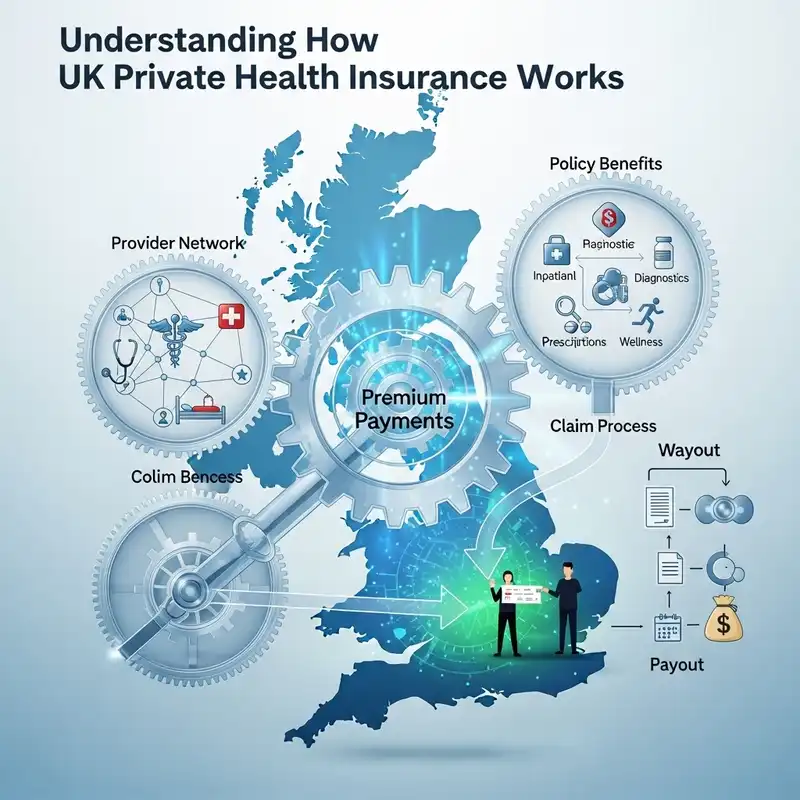
Why private medical insurance and how does it work?
What is Private Medical Insurance?
Private medical insurance (PMI) is a type of health insurance that provides access to private healthcare services in the UK. It covers the cost of private medical treatment, allowing you to bypass NHS waiting lists and receive faster, more convenient care.How does it work?
Private medical insurance works by paying for your private healthcare costs. When you need treatment, you can choose to go private and your insurance will cover the costs, subject to your policy terms and conditions. This can include:• Private consultations with specialists
• Private hospital treatment and surgery
• Diagnostic tests and scans
• Physiotherapy and rehabilitation
• Mental health treatment
Your premium depends on factors like your age, health, occupation, and the level of cover you choose. Most policies offer different levels of cover, from basic to comprehensive, allowing you to tailor the policy to your needs and budget.
Questions to ask yourself regarding private medical insurance
Just ask yourself:👉 Are you concerned about NHS waiting times for treatment?
👉 Would you prefer to choose your own consultant and hospital?
👉 Do you want faster access to diagnostic tests and scans?
👉 Would you like private hospital accommodation and better food?
👉 Do you want to avoid the stress of NHS waiting lists?
Many people don't realise that private medical insurance is more affordable than they think, especially when you consider the value of faster treatment and better facilities. A great insurance policy can provide peace of mind and ensure you receive the care you need when you need it.
Benefits offered by private medical insurance
Private medical insurance provides numerous benefits that can significantly improve your healthcare experience and outcomes:Faster Access to Treatment
One of the biggest advantages is avoiding NHS waiting lists. While the NHS provides excellent care, waiting times can be lengthy. With private medical insurance, you can often receive treatment within days or weeks rather than months.
Choice of Consultant and Hospital
You can choose your preferred consultant and hospital, giving you more control over your healthcare journey. This is particularly important for complex treatments where you want a specific specialist.
Better Facilities and Accommodation
Private hospitals typically offer superior facilities, including private rooms, better food, and more comfortable surroundings. This can make your recovery more pleasant and potentially faster.
Advanced Treatments
Private medical insurance often covers treatments and medications not available on the NHS, giving you access to the latest medical advances and technologies.
Mental Health Support
Many policies include comprehensive mental health coverage, providing faster access to therapy and psychiatric care when needed.
Tax Benefits for Business Owners
If you're self-employed or a business owner, private medical insurance premiums can be tax-deductible, making it a cost-effective way to protect your health and your business.
Peace of Mind
Knowing you have access to private healthcare when you need it provides invaluable peace of mind, especially for those with ongoing health conditions or concerns about NHS capacity.
Private medical insurance is particularly valuable for those who want to take control of their healthcare journey and ensure they receive the best possible treatment when they need it most.
Important Fact!
We can look at a more suitable option mid-term!
Why is it important to get private medical insurance early?
👉 Many people are very thankful that they had their private medical insurance cover in place before running into some serious health issues. Private medical insurance is as important as life insurance for protecting your family's finances.👉 We insure our cars, houses, and even our phones! Yet our health is the most precious thing we have.
Easily one of the most important insurance purchases an individual or family can make in their lifetime, the decision to buy private medical insurance can be made much simpler with the help of FCA-authorised advisers. They are the specialists who do the searching and analysis helping people choose between various types of private medical insurance policies available in the market, including different levels of cover and policy types most suitable to the client's individual circumstances.
It certainly won't do any harm if you speak with one of our experienced insurance experts who are passionate about advising people on financial matters related to private medical insurance and are keen to provide you with a free consultation.
You can discuss with them in detail what affordable private medical insurance plan for the necessary peace of mind they would recommend! WeCovr works with some of the best advisers in the market.
By tapping the button below, you can book a free call with them in less than 30 seconds right now:
Our Group Is Proud To Have Issued 800,000+ Policies!
We've established collaboration agreements with leading insurance groups to create tailored coverage
























How It Works
1. Complete a brief form

2. Our experts analyse your information and find you best quotes

3. Enjoy your protection!

Any questions?
Learn more

Who Are WeCovr?
WeCovr is an insurance specialist for people valuing their peace of mind and a great service.👍 WeCovr will help you get your private medical insurance, life insurance, critical illness insurance and others in no time thanks to our wonderful super-friendly experts ready to assist you every step of the way.
Just a quick and simple form and an easy conversation with one of our experts and your valuable insurance policy is in place for that needed peace of mind!