UK Longevity Insurance Comparison

Your Definitive Guide to UK Private Health Insurance: Comparing Coverage for Longevity and Healthspan Optimisation
UK Private Health Insurance for Longevity & Healthspan Optimisation Insurer Coverage Compared
In an era where advancements in medicine and lifestyle insights are extending the human lifespan, the focus is shifting from merely living longer to living better for longer. This pivotal concept, known as "healthspan optimisation," is rapidly gaining traction across the United Kingdom. It’s no longer enough to avoid premature death; we aspire to maintain vitality, cognitive function, and physical independence well into our later years.
But how does one bridge the gap between this aspiration and the practical realities of healthcare access in the UK? While our cherished National Health Service (NHS) remains a cornerstone of acute and emergency care, its capacity and structure are increasingly strained when it comes to proactive health management, rapid diagnostics, and comprehensive preventative strategies crucial for true healthspan optimisation. This is where the strategic role of private health insurance, also known as Private Medical Insurance (PMI), becomes undeniably significant.
This comprehensive guide delves into how private health insurance can be a powerful tool in your personal longevity strategy. We will dissect the offerings of major UK insurers, comparing their coverage models, benefits, and the specific ways in which they contribute to not just treating illness, but actively enhancing your healthspan and quality of life for the long term. We'll explore everything from early detection and advanced diagnostics to comprehensive mental health support and proactive wellness programmes, helping you navigate the landscape and make an informed decision for your future health.
Understanding Longevity and Healthspan: More Than Just Years
Before we dive into the intricacies of insurance, it's vital to clarify the terms "longevity" and "healthspan" and why they are distinct yet interconnected.
Longevity refers to the sheer length of an individual's life. It's about increasing the number of years we live. Thanks to improvements in public health, nutrition, and medical interventions, the average life expectancy in the UK has significantly increased over the past century.
Healthspan, on the other hand, is the period of life during which an individual is generally healthy and free from serious disease, disability, and cognitive decline. It's about the quality of those years. The ultimate goal is to align longevity with healthspan – living longer and living healthier throughout that extended period. This means postponing the onset of chronic diseases, maintaining physical and mental capabilities, and ensuring a high quality of life until the very end.
The shift in focus from mere longevity to healthspan optimisation represents a profound paradigm change in healthcare. It moves us from a reactive model (treating illness once it occurs) to a proactive, preventative, and holistic approach that seeks to maintain peak function and well-being.
The NHS and Healthspan: A Foundation, Not a Finish Line
The NHS is a remarkable institution, providing universal healthcare free at the point of use. For acute emergencies, critical care, and many serious illnesses, it remains unparalleled. However, its design and operational realities often mean it struggles to fully support a proactive, healthspan-focused approach.
NHS Strengths in Relation to Overall Health:
- Emergency Care: World-class for immediate life-threatening situations.
- Acute Illness Treatment: Highly effective for treating specific diseases once diagnosed.
- Preventative Programmes (Population Level): Routine vaccinations, national screening programmes (e.g., cervical, breast, bowel cancer screening).
NHS Limitations for Individual Healthspan Optimisation:
- Waiting Lists: Significant delays for specialist consultations, diagnostic tests, and elective procedures can impede early detection and timely intervention. According to NHS England data, waiting lists for routine treatments can extend to many months, impacting quality of life and potentially delaying crucial diagnoses.
- Resource Constraints: Limited budgets and staffing pressures mean that resources are often prioritised for those with the most immediate and severe needs, rather than proactive wellness or early-stage, non-critical interventions.
- Reactive Model: The NHS is largely designed to respond to illness. While some preventative initiatives exist, the emphasis is often on treating symptoms or established conditions rather than comprehensive, individualised health optimisation.
- Limited Choice and Access: Patients typically cannot choose their consultant or hospital, and access to certain cutting-edge treatments or diagnostic technologies may be constrained by availability or NHS guidelines.
- Mental Health Services: While improving, NHS mental health services often face long waiting times for therapy and specialist intervention, which can significantly impact overall healthspan.
This is not a criticism of the NHS, but an acknowledgement of its immense scale and the challenges it faces. For individuals prioritising healthspan, supplementing NHS care with private health insurance offers a compelling solution, bridging these gaps and providing a more tailored, efficient pathway to proactive health management.
How Private Health Insurance Supports Longevity & Healthspan
Private health insurance complements the NHS by providing access to healthcare that is typically faster, offers more choice, and in many cases, is more comprehensive, particularly in areas vital for healthspan optimisation.
1. Faster Access to Diagnostics and Consultations
One of the most critical elements of healthspan optimisation is early detection. Catching potential health issues at their earliest stages, often before severe symptoms manifest, allows for more effective and less invasive treatment.
- Rapid Referrals: With private health insurance, a GP referral (either NHS or private) can quickly lead to an appointment with a private specialist. This dramatically cuts down on the waiting times often experienced within the NHS.
- Advanced Diagnostic Tests: Access to MRI, CT, PET scans, sophisticated blood tests, and other advanced diagnostics is typically much faster privately. For example, a suspected neurological issue might receive an MRI scan within days rather than weeks or months. This speed can be life-changing for conditions where early diagnosis significantly impacts prognosis, such as cancer.
- Second Opinions: Private insurance often covers the cost of obtaining a second medical opinion, giving you peace of mind and ensuring the most appropriate treatment path is chosen. This is invaluable when making significant health decisions.
2. Comprehensive Mental Health Support
Mental well-being is intrinsically linked to physical health and overall healthspan. Chronic stress, anxiety, depression, and other mental health conditions can have profound negative impacts on physical health, contributing to inflammation, cardiovascular issues, and weakened immune function.
- Immediate Access to Therapies: Private health insurance often provides rapid access to a wide range of mental health professionals, including psychiatrists, psychologists, and therapists, without the long waiting lists often associated with NHS services like Cognitive Behavioural Therapy (CBT).
- Choice of Specialist: You can often choose your preferred therapist or psychiatrist, allowing for a better therapeutic match.
- In-patient and Out-patient Care: Many policies offer comprehensive cover for both in-patient and out-patient mental health treatment, including talking therapies, day-patient programmes, and psychiatric consultations. This depth of coverage is crucial for managing complex mental health conditions that can significantly erode healthspan.
3. Extensive Rehabilitation and Physiotherapy
Maintaining physical mobility, strength, and function is paramount for a long and healthy life. Injuries, surgeries, or chronic conditions can severely impact this, but timely and effective rehabilitation can mitigate these effects.
- Prompt Physiotherapy: Following an injury, surgery, or even for chronic pain management, private insurance typically covers prompt access to physiotherapy, osteopathy, and chiropractic treatment. Early intervention here can prevent conditions from worsening and accelerate recovery, ensuring you return to full function sooner.
- Specialist Rehabilitation: For more complex needs, access to specialised rehabilitation centres or hydrotherapy can be covered, offering tailored programmes to restore mobility and independence. This is particularly vital for maintaining an active lifestyle, which is a cornerstone of healthspan.
4. Proactive Health Management and Wellness Benefits
While core private medical insurance is designed to cover acute, curable conditions, a growing number of insurers are incorporating benefits that lean into proactive health management, directly supporting healthspan.
- Health Assessments/Screening: Some higher-tier plans or specific insurers offer annual health checks, including comprehensive blood tests, physical examinations, and lifestyle assessments. These can identify risk factors before they become full-blown conditions.
- Digital GP Services: Most insurers now offer 24/7 access to a digital GP service, allowing for quick consultations, prescriptions, and referrals from the comfort of your home. This can help address minor issues before they escalate and provides convenient access to medical advice.
- Wellness Programmes and Rewards: Innovators like Vitality have built their entire model around incentivising healthy behaviours. This includes discounts on gym memberships, healthy food, wearables, and travel, all linked to engaging in physical activity, undergoing health checks, and maintaining a healthy lifestyle. These programmes actively encourage habits that directly contribute to healthspan.
- Nutritional and Dietetic Support: Some plans may offer access to registered dietitians or nutritionists, providing personalised advice to optimise diet for long-term health and disease prevention.
5. Advanced Cancer Care
Cancer treatment is a major concern for many, and the speed and choice available privately can be life-changing.
- Faster Access to Treatment: Private insurance ensures rapid access to diagnostic tests and treatment initiation following a cancer diagnosis.
- Choice of Oncologist and Hospital: You can often choose your specialist and hospital, including those renowned for specific types of cancer.
- Access to Newer Therapies: Policies may cover advanced cancer treatments, including some biological therapies, precision medicines, or experimental drugs that may not yet be routinely available on the NHS, provided they are approved and meet policy terms.
- Support Services: Comprehensive cancer care often includes cover for reconstructive surgery, prosthetic limbs, and psychological support during and after treatment, all of which contribute to recovery and quality of life.
Key Considerations When Choosing a Policy for Longevity
Selecting the right private health insurance policy for healthspan optimisation requires a nuanced understanding of its components. It's not just about headline figures; it's about the details of coverage, the exclusions, and the flexibility of the plan.
1. Underwriting Types
This is fundamental to how your medical history impacts your coverage.
- Moratorium Underwriting (Morrie): This is the most common type for individuals. When you apply, you don't need to provide your full medical history upfront. Instead, the insurer excludes any medical conditions you've had symptoms, advice, or treatment for in the last five years. However, if you remain symptom-free and don't require treatment for that condition for a continuous period (usually two years) after your policy starts, the condition may then become covered. This method is generally simpler to set up but can lead to uncertainty about what’s covered.
- Full Medical Underwriting (FMU): With FMU, you provide a comprehensive medical history when you apply. The insurer then assesses this information and decides on any specific exclusions or additional terms before the policy starts. While this requires more effort upfront, it provides absolute clarity on what is and isn't covered from day one. For individuals with some history of conditions but who want certainty, this can be preferable.
- Continued Personal Medical Exclusions (CPME): This applies if you're switching from an existing PMI policy. It means your new insurer will honour the terms and exclusions of your old policy, ensuring continuity of coverage without re-underwriting your history from scratch. This can be beneficial for those who have developed conditions since their initial policy started.
It is crucial to remember that regardless of the underwriting type, private health insurance policies in the UK are generally designed to cover new medical conditions that arise after your policy starts. They do not cover:
- Pre-existing conditions: Any condition for which you have received advice, treatment, or had symptoms before the policy began (unless specifically agreed under FMU or after the moratorium period).
- Chronic conditions: Long-term conditions that require ongoing management and cannot be cured (e.g., diabetes, asthma, arthritis, high blood pressure, depression). While insurers may cover acute flare-ups or initial diagnostic periods for chronic conditions, they do not cover the ongoing management, routine medication, or monitoring of a chronic condition once it's diagnosed as such. For example, if you develop Type 2 diabetes after your policy starts, the initial diagnosis and assessment might be covered, but the ongoing insulin, monitoring, and regular check-ups would not be. This is a critical distinction that many people misunderstand.
2. Policy Structure and Benefit Levels
PMI policies are typically structured in layers, allowing you to tailor coverage.
- In-patient (Core Cover): This is the foundation of almost all policies. It covers costs when you are admitted to a hospital bed overnight. This includes surgery, hospital accommodation, nursing care, and consultant fees. Most policies also include day-patient treatment (where you don't stay overnight but occupy a bed for a procedure). This is essential for major interventions impacting longevity.
- Out-patient (Optional Extra): This covers consultations with specialists and diagnostic tests (MRI, CT scans, X-rays, blood tests) when you are not admitted to hospital. For healthspan, this is arguably the most important component, as it facilitates early diagnosis and quick access to specialist advice. Options range from no out-patient cover (just in-patient) to full unlimited out-patient cover.
- Therapies (Optional Extra): This covers treatments like physiotherapy, osteopathy, chiropractic treatment, and sometimes acupuncture or podiatry. Essential for maintaining mobility and recovering from injuries, directly impacting physical healthspan. Often limited by number of sessions or monetary value.
- Mental Health (Optional Extra/Integrated): Dedicated mental health benefits, covering everything from talking therapies to psychiatric consultations and in-patient mental health treatment. Crucial for overall well-being.
- Other Optional Benefits: These can include dental and optical cover (usually routine check-ups and basic treatments), travel cover, complementary therapies, and often cancer care enhancements.
3. Excess and Co-payments
These financial contributions affect your out-of-pocket costs.
- Excess: A fixed amount you pay towards the cost of your treatment before the insurer steps in. Choosing a higher excess can reduce your annual premium.
- Co-payment/Co-insurance: You pay a percentage of the treatment costs. For example, a 20% co-payment means the insurer pays 80% and you pay 20%. This can apply to specific benefits or to all claims.
4. Hospital Lists
Insurers have networks of private hospitals they work with. These lists vary by policy and can impact your choice of facility. Some policies offer access to a broader range of hospitals (including those in Central London), which typically comes at a higher premium. For healthspan optimisation, access to leading hospitals with state-of-the-art equipment can be a significant advantage.
Comparing UK Insurers: What to Look For and Who Offers What
The UK private health insurance market is dominated by a few large players, alongside some specialist and smaller providers. While their core offerings are similar, their approach to health and wellness, their benefit structures, and their focus areas can differ significantly.
Here, we will compare some of the leading insurers, highlighting their strengths particularly in the context of longevity and healthspan optimisation. It's important to note that specific benefits and limits can vary widely depending on the chosen policy level, optional extras, and individual underwriting.
Major UK Private Health Insurers:
- Bupa: The largest and most recognised UK health insurer, known for its extensive network and comprehensive cover.
- AXA Health: Another major player with a strong focus on digital health and well-being programmes.
- Vitality: Unique in its market approach, heavily focused on incentivising healthy living and preventative care.
- Aviva: A well-established insurer offering flexible plans and broad coverage.
- WPA: Known for its more personalised approach and transparent fee-assured schemes.
- National Friendly: A mutual organisation offering straightforward, often more basic plans.
- Freedom Health Insurance: A smaller provider focusing on bespoke and international options.
Table 1: Core Coverage Comparison (General)
This table provides a general overview. Always check specific policy documents for exact limits and exclusions.
| Feature / Insurer | Bupa | AXA Health | Vitality | Aviva | WPA |
|---|---|---|---|---|---|
| In-patient Cover | Comprehensive (unlimited on most plans) | Comprehensive (unlimited on most plans) | Comprehensive (unlimited on most plans) | Comprehensive (unlimited on most plans) | Comprehensive (unlimited on most plans) |
| Out-patient Consultations | Ranges from limited to unlimited, depending on plan tier | Ranges from limited to unlimited, depending on plan tier | Varies by plan, often linked to Vitality Status | Ranges from limited to unlimited, depending on plan tier | Ranges from limited to unlimited, depending on plan tier |
| Diagnostic Tests (out-patient) | Typically covered with out-patient option | Typically covered with out-patient option | Typically covered with out-patient option | Typically covered with out-patient option | Typically covered with out-patient option |
| Therapies (Physio, Osteo, Chiro) | Varies by plan, often limited sessions/value | Varies by plan, often limited sessions/value | Varies by plan, often limited sessions/value | Varies by plan, often limited sessions/value | Varies by plan, often limited sessions/value |
| Mental Health (Out-patient) | Good coverage, separate limits apply | Strong focus, good coverage options | Integrated, varying limits by plan | Good options for various therapies | Good options for various therapies |
| Cancer Care | Comprehensive cover for treatment, drugs, and often support services | Comprehensive with good access to innovative treatments | Comprehensive, often with enhanced benefits for higher Vitality Status | Comprehensive, flexible options for advanced drugs | Comprehensive, including some innovative treatments |
| Digital GP Service | Yes (e.g., Digital GP) | Yes (e.g., AXA Health Doctor) | Yes (e.g., Vitality GP) | Yes (e.g., Aviva Digital GP) | Yes (e.g., Anytime HealthLine) |
| Hospital Network | Extensive, tiered options | Extensive, tiered options | Extensive, tiered options | Extensive, tiered options | Extensive, typically 'fee-assured' network |
Table 2: Longevity & Healthspan Specific Benefits Comparison
This table focuses on benefits that directly contribute to proactive health management and healthspan optimisation. Note that these benefits are often optional extras or part of higher-tier plans.
| Longevity Benefit | Bupa | AXA Health | Vitality | Aviva | WPA |
|---|---|---|---|---|---|
| Health Assessments/Screening | Offered as optional add-ons or part of corporate schemes. | Offered as optional add-ons or part of corporate schemes. | Core to their offering, incentivised based on Vitality Status. | Some plans may offer routine health checks. | Limited, typically focused on acute conditions. |
| Wellness Programmes/Rewards | Bupa Boost (discounts on health services, fitness trackers). | Strong focus on 'Healthier Solutions' app, discounts, and rewards. | Market leader – significant discounts/cashbacks for healthy behaviours (gyms, healthy food, travel). | Some partnerships with health apps/fitness trackers. | Limited, focused on insurance benefits. |
| Advanced Diagnostics (Non-symptomatic) | Generally for symptomatic conditions. Some corporate plans may include enhanced screening. | Generally for symptomatic conditions. | May be included or incentivised if linked to a health risk identified through assessments. | Generally for symptomatic conditions. | Generally for symptomatic conditions. |
| Nutritional/Dietetic Support | As part of treatment for covered conditions, or limited sessions. | As part of treatment for covered conditions, or limited sessions. | May be covered or incentivised for specific health goals. | As part of treatment for covered conditions. | As part of treatment for covered conditions. |
| Preventative Lifestyle Support | Limited; emphasis on treatment. | Growing emphasis on preventative tools via digital app. | Core to their model – active incentives for fitness, healthy eating, mental well-being. | Some partnerships and guidance. | Limited. |
| Mental Health Depth | Very strong; good range of therapies and psychiatric care options. | Very strong; easy access and broad range of support. | Strong, often linked to achieving mental health goals. | Good range of options for talking therapies and specialist care. | Good options for talking therapies and specialist care. |
| Digital Health Tools | Bupa Blua Health app (virtual GP, physio, mental health). | AXA Health app (digital GP, health risk assessments, wellbeing programmes). | Vitality Member App (integrates all benefits, tracks activity). | Aviva Digital GP, some integrated health apps. | Anytime HealthLine, access to virtual GP. |
Detailed Breakdown by Insurer (Focus on Healthspan Relevance)
1. Vitality: Vitality stands out as the insurer most explicitly aligned with the healthspan optimisation philosophy. Their unique "shared value" model means you're rewarded for making healthy choices.
- Strengths for Healthspan:
- Proactive Health Incentives: Through their Vitality Status system, members earn points for exercising, having health checks, getting enough sleep, and not smoking. These points unlock rewards like discounted gym memberships (e.g., heavily discounted Nuffield Health or Virgin Active), cash back on healthy food, discounted flights, and even reduced premiums. This actively encourages behaviours that directly extend healthspan.
- Comprehensive Wellness Programme: More than just insurance, it's a lifestyle programme. They encourage regular health screenings, flu jabs, and offer mental health support and nutritional guidance as part of their ecosystem.
- Advanced Cancer Cover: Often includes access to advanced drugs and therapies.
- Considerations: The full benefits are realised by active engagement with their wellness programme. If you don't use the rewards or participate, other insurers might offer a more cost-effective option for pure medical cover.
2. Bupa: As the market leader, Bupa offers a robust and comprehensive approach, making it a strong choice for those seeking breadth and quality.
- Strengths for Healthspan:
- Extensive Network: Access to a vast network of private hospitals and specialists, ensuring choice and convenience.
- Comprehensive Cancer Care: Widely regarded for their excellent cancer coverage, including access to a wide range of treatments and drugs.
- Strong Mental Health Coverage: Good access to a range of therapists and psychiatric care, vital for overall healthspan.
- Bupa Blua Health: Their digital health app offers virtual GP consultations, physiotherapy, and mental health support, providing quick and convenient access to care.
- Considerations: Can be one of the more premium-priced options, reflecting their comprehensive nature and broad network.
3. AXA Health: AXA Health combines comprehensive cover with a strong emphasis on digital tools and preventative services, making it a competitive choice for the healthspan-minded.
- Strengths for Healthspan:
- Digital Health Focus: Their AXA Health app provides access to digital GP services, health risk assessments, and a range of wellbeing resources.
- AXA Health Doctor: Offering virtual consultations, private prescriptions, and referrals, ensuring swift access to medical advice.
- Mental Health Support: Good options for mental health services, including a mental health helpline and various talking therapies.
- Rehabilitation Focus: Often provides good coverage for physiotherapy and rehabilitation following injuries or surgery.
- Considerations: Some of the most valuable healthspan benefits might be tied to specific plan levels or additional modules.
4. Aviva: Aviva offers a flexible approach, allowing customers to tailor their policies to suit their needs, often providing good value for comprehensive cover.
- Strengths for Healthspan:
- Flexible Options: Allows customisation of cover levels, including options for out-patient, therapies, and cancer care, allowing you to build a plan that prioritises healthspan elements.
- Aviva Digital GP: Provides 24/7 access to a GP by video or phone, facilitating quick advice and referrals.
- Good All-rounder: Offers solid coverage across inpatient, outpatient, and mental health, providing a strong foundation for health management.
- Considerations: While comprehensive, their wellness incentives are not as integrated or extensive as Vitality's.
5. WPA: WPA often appeals to those who value a more personalised service and transparent fee-assured arrangements.
- Strengths for Healthspan:
- Personalised Service: Often lauded for its excellent customer service and personal touch.
- Fee-Assured Arrangements: Helps to ensure that your treatment costs are covered in full, reducing unexpected bills.
- Flexible Benefit Options: Allows for tailoring of cover to specific needs, including a good range of options for therapies and mental health support.
- Considerations: May not have the same extensive digital health ecosystems or explicit wellness incentive programmes as some larger insurers.
The Nuance of "Preventative" Coverage in PMI
It’s crucial to distinguish between what private medical insurance typically covers under "prevention" and what it doesn't.
-
What PMI Does Cover for Prevention/Early Detection (Generally):
- Diagnostics Following Symptoms: If you experience new symptoms and your GP refers you for diagnostic tests (e.g., a scan for persistent headaches, blood tests for fatigue), these will typically be covered under your out-patient benefits. This is crucial for early detection.
- Follow-up Appointments: Consultations with specialists after a diagnosis or for monitoring a condition (once it's acute and covered).
- Wellness Programmes (Where Offered): Specific benefits like gym discounts, health assessments, or rewards for healthy living (as seen with Vitality) are designed to prevent illness by promoting healthy habits.
-
What PMI Generally Doesn't Cover for Prevention:
- Routine Health Checks Without Symptoms: Policies typically do not cover general "well-person" check-ups or screening tests (e.g., annual blood tests, general scans) if there are no symptoms or medical indication. These are considered general health maintenance.
- Cosmetic Procedures: Any surgery or treatment purely for cosmetic purposes.
- Fertility Treatment: Most policies exclude fertility investigations or treatments.
- Normal Pregnancy and Childbirth: While some policies may cover complications of pregnancy, routine maternity care is usually excluded.
- Travel Vaccinations: Routine immunisations for travel are typically not covered.
- Weight Loss Programmes: Unless medically necessary for a covered condition and part of an approved treatment plan.
The line between "prevention" and "treatment" can be fine. Insurers primarily cover acute, curable conditions. While they facilitate early diagnosis (which is preventative in its outcome), they do not generally fund wide-ranging, non-symptom-driven preventative screening programmes, unless explicitly offered as a specific wellness benefit.
Navigating the Fine Print: Exclusions and Limitations
Understanding policy exclusions is as important as understanding what is covered. Misconceptions here can lead to significant financial surprises and dashed expectations.
1. Pre-existing Conditions
This cannot be stressed enough: Private health insurance does not cover pre-existing conditions. A pre-existing condition is generally defined as any illness, injury, or symptom that you have had, or for which you have received advice or treatment, before your policy began.
- Example: If you had knee pain and saw a physiotherapist three months before taking out your policy, any future treatment for that specific knee pain (or related issues) would likely be excluded.
- Why it matters for Healthspan: If you're managing a long-term condition (e.g., mild hypertension, chronic back pain) and expect private insurance to cover its ongoing management, you will be disappointed. PMI is for new conditions that arise after your policy starts.
2. Chronic Conditions
Another critical exclusion. Private health insurance does not cover chronic conditions for their ongoing management. A chronic condition is a long-term, persistent condition that generally cannot be cured and requires ongoing management (e.g., diabetes, asthma, Crohn's disease, multiple sclerosis, some forms of arthritis, diagnosed long-term depression).
- Initial Diagnosis: If you develop symptoms after your policy starts and they lead to the diagnosis of a chronic condition, the diagnostic process (tests, initial consultations) and acute flare-ups of the condition may be covered.
- Ongoing Management: However, once the condition is diagnosed as chronic, the ongoing costs of managing it (e.g., repeat prescriptions, regular monitoring appointments, long-term therapies) will cease to be covered. You would then revert to the NHS for this ongoing care.
- Why it matters for Healthspan: While private insurance offers rapid diagnosis and acute treatment, it does not replace the NHS for the long-term management of incurable conditions. This distinction is vital for long-term health planning.
3. Other Common Exclusions
- Normal Pregnancy and Childbirth: Most policies exclude routine maternity care. Some might cover complications of pregnancy.
- Infertility Treatment: Generally excluded.
- Cosmetic Treatment: Any treatment for appearance, not medical necessity.
- Organ Transplants: Usually not covered by standard policies, though pre-transplant investigations or post-transplant complications related to a covered condition might be.
- HIV/AIDS: Typically excluded.
- Self-inflicted Injuries/Drug Abuse: Treatment for conditions arising from these are usually excluded.
- Experimental Treatment: Treatments that are not widely recognised or proven.
Always read your policy wording carefully, or better yet, seek professional advice to ensure you fully understand what is and isn't covered.
Real-Life Examples: PMI in Action for Healthspan
Let's illustrate how private health insurance can tangibly contribute to healthspan optimisation with a few hypothetical scenarios.
Scenario 1: Early Detection and Swift Intervention (The Power of Diagnostics)
- Individual: Sarah, 48, active and generally healthy, but has a family history of colon cancer. She starts experiencing very mild, intermittent digestive discomfort that she initially dismisses.
- NHS Path: Sarah's GP might suggest initial dietary changes or a general blood test, with a potential referral for further investigation (e.g., colonoscopy) that could involve a waiting list of several weeks or even months due to non-urgent symptoms.
- PMI Path: With private health insurance (including out-patient cover), Sarah consults her GP via her insurer's digital GP service. The GP, concerned by the family history, refers her directly to a private gastroenterologist. She sees the specialist within days and has a colonoscopy scheduled for the following week. The colonoscopy reveals a small, early-stage polyp that is pre-cancerous. It's removed immediately during the procedure.
- Healthspan Impact: The rapid access to specialist consultation and diagnostic testing meant the pre-cancerous lesion was identified and removed years before it might have developed into full-blown cancer, avoiding invasive treatment and preserving her long-term health. Her healthspan remains uninterrupted.
Scenario 2: Maintaining Physical Function Through Swift Rehabilitation
- Individual: David, 62, keen golfer, slips on ice and sustains a significant knee injury. He's concerned about losing mobility and his ability to continue his active lifestyle.
- NHS Path: David would be seen at A&E for initial assessment. Following this, he'd likely face a waiting list for an orthopaedic consultation, followed by potential waits for an MRI and then physiotherapy, which could be limited in sessions.
- PMI Path: After initial A&E assessment, David activates his private health insurance. He sees a top orthopaedic surgeon privately within days. An MRI scan is arranged for the next day, confirming a significant ligament tear. He opts for immediate surgery, performed within two weeks. Post-surgery, his policy covers extensive physiotherapy sessions at a specialist clinic, allowing him to regain strength and mobility much faster.
- Healthspan Impact: By cutting out waiting times for diagnosis, surgery, and especially intensive rehabilitation, David minimied muscle atrophy and stiffness, allowing him to return to full fitness and continue his hobbies, preserving his physical healthspan and quality of life.
Scenario 3: Proactive Mental Health Support Preventing Crisis
- Individual: Emily, 35, high-pressure job, starts to feel overwhelmed, anxious, and suffers from insomnia. She knows her mental well-being is deteriorating.
- NHS Path: Emily might see her GP, who could suggest self-help resources or refer her to NHS talking therapies, which often have waiting lists of several weeks or even months, especially for non-urgent cases.
- PMI Path: Emily uses her insurer's mental health helpline, which provides immediate access to a mental health professional who assesses her situation. They recommend a course of Cognitive Behavioural Therapy (CBT) with a private therapist, which her policy covers. She starts sessions within a week.
- Healthspan Impact: Timely access to professional support prevents Emily's anxiety from escalating into a severe depressive episode or burnout. By addressing the issues early, she maintains her productivity, relationships, and overall well-being, avoiding a significant interruption to her healthspan. Her mental resilience is strengthened for the future.
These examples illustrate that private health insurance is not just for life-threatening illnesses but is a powerful tool for proactive health management, allowing for timely interventions that preserve and enhance healthspan.
The Indispensable Role of a Specialist Broker
Navigating the complex landscape of UK private health insurance, especially when your priority is longevity and healthspan optimisation, can be a daunting task. With multiple insurers, countless policy variations, and intricate terms and conditions, choosing the right plan is far from straightforward. This is where a specialist health insurance broker becomes an invaluable asset.
Why a Broker is Essential for Your Healthspan Goals:
- Impartial Expertise: We work with all major UK insurers, providing unbiased advice. We don't push one insurer over another. Our sole aim is to find the best policy that aligns with your specific health goals and budget.
- Tailored Comparisons: Instead of spending hours sifting through policy documents from Bupa, AXA Health, Vitality, Aviva, WPA, and others, we do the heavy lifting for you. We understand the nuances of each provider's offering, particularly how they cater to longevity and healthspan. We can highlight which insurers excel in areas like preventative wellness, advanced diagnostics, or comprehensive mental health, based on your priorities.
- Understanding the Fine Print: As detailed earlier, understanding underwriting, exclusions (especially for pre-existing and chronic conditions), and benefit limits is critical. We can explain these complexities in plain British English, ensuring you fully grasp what you're buying. We ensure you never mistakenly believe pre-existing or chronic conditions will be covered.
- Cost-Effectiveness: We can often secure better deals or identify discounts you might miss if going direct. Because brokers are paid a commission by the insurer (which doesn't impact your premium), using our service comes at no additional cost to you. In fact, we often save clients money.
- Time-Saving: The process of researching, comparing, and applying for private health insurance is time-consuming. We streamline this process, presenting you with tailored options and handling the paperwork, allowing you to focus on your health.
- Ongoing Support: Our relationship doesn't end once you've purchased a policy. We're here for questions, claims assistance, and policy reviews at renewal, ensuring your cover continues to meet your evolving healthspan needs.
Choosing the right private health insurance is a strategic investment in your future health. Just as you wouldn't embark on a complex financial investment without expert advice, securing your healthspan merits the same level of professional guidance.
At WeCovr, we pride ourselves on being modern, independent UK health insurance brokers. We understand that your health is your most valuable asset, and our mission is to help you protect it. We simplify the complex, offering clear, concise advice and helping you navigate the market to find a policy that genuinely supports your longevity and healthspan aspirations.
Making an Informed Decision for Your Healthspan
Investing in private health insurance is a significant decision, and one that should be made thoughtfully, especially when your focus is on long-term health and vitality.
Here’s a checklist to guide your decision-making process:
-
Define Your Healthspan Priorities:
- Is early diagnosis paramount?
- Do you value comprehensive mental health support?
- Are proactive wellness programmes a key motivator?
- Do you need extensive rehabilitation options?
- What level of choice over specialists and hospitals is important to you?
-
Assess Your Current Health and Medical History:
- Be honest about any past conditions. Remember, pre-existing and chronic conditions are typically not covered.
- Consider which underwriting type (Moratorium or Full Medical Underwriting) provides the clarity you prefer.
-
Determine Your Budget:
- Private health insurance is a recurring expense. Balance comprehensive cover with affordability.
- Consider how much excess you are comfortable paying, as this can reduce premiums.
-
Understand Policy Components:
- Ensure your chosen plan includes adequate out-patient cover for consultations and diagnostics, as this is crucial for early detection.
- Look at the limits on therapies, mental health, and any specific benefits related to health assessments or wellness programmes.
-
Research Insurers (or let us do it for you!):
- Look beyond the major names and consider how each insurer’s ethos and offerings align with your healthspan goals.
- Pay attention to their digital tools and wellness initiatives if these are important to you.
-
Read the Policy Wording Carefully:
- The devil is in the detail. Understand all exclusions and limitations.
- If anything is unclear, ask for clarification.
-
Seek Expert Advice:
- This is arguably the most important step. A specialist broker like WeCovr can demystify the process, compare options tailored to your needs, and provide impartial advice at no cost to you. We'll help you see beyond the marketing, ensuring you choose a policy that truly serves your healthspan objectives.
Conclusion: Investing in a Healthier, Longer Life
The pursuit of longevity and healthspan optimisation is no longer the sole domain of scientific research; it is becoming a practical, achievable goal for individuals in the UK. While the NHS provides a vital safety net for acute illness, private health insurance emerges as a powerful, complementary tool, enabling a proactive approach to maintaining vitality and well-being for decades to come.
From ensuring rapid access to critical diagnostics and specialist care to providing comprehensive mental health support and incentivising healthy lifestyles, the right private medical insurance policy can significantly enhance your ability to live a longer, healthier, and more fulfilling life. It's an investment not just in treating illness when it strikes, but in actively preserving your physical and mental capabilities, ensuring your "healthy years" closely match your "lived years."
By understanding the diverse offerings of leading UK insurers and carefully considering your own priorities, you can make an informed decision that truly empowers your journey towards optimal healthspan. Don't leave your most valuable asset – your health – to chance. Take control, explore your options, and secure a brighter, healthier future.
Related guides





Why private medical insurance and how does it work?
What is Private Medical Insurance?
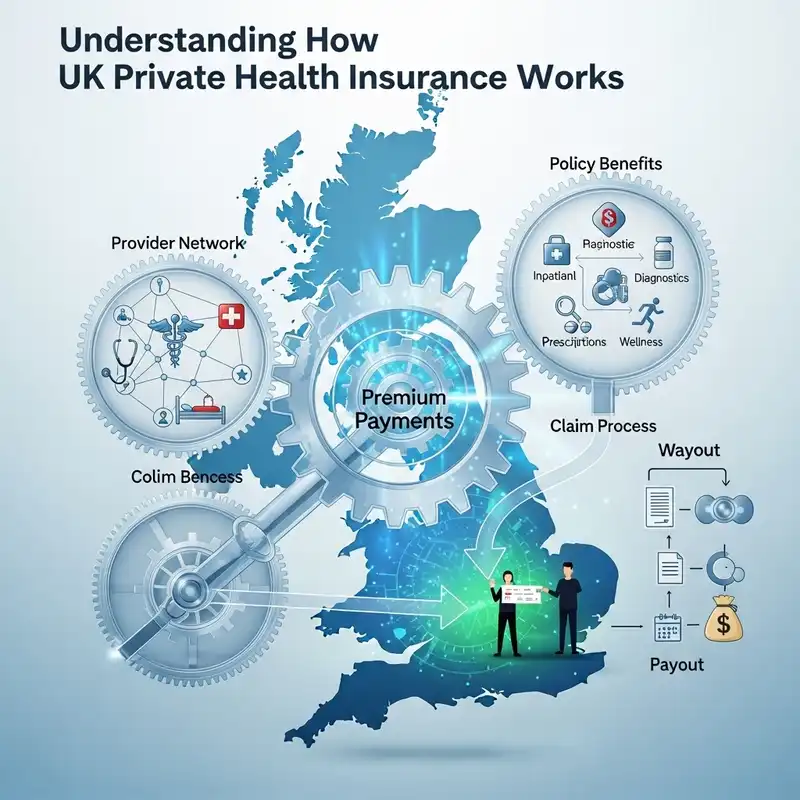
Private medical insurance (PMI) is a type of health insurance that provides access to private healthcare services in the UK. It covers the cost of private medical treatment, allowing you to bypass NHS waiting lists and receive faster, more convenient care.How does it work?
Private medical insurance works by paying for your private healthcare costs. When you need treatment, you can choose to go private and your insurance will cover the costs, subject to your policy terms and conditions. This can include:• Private consultations with specialists
• Private hospital treatment and surgery
• Diagnostic tests and scans
• Physiotherapy and rehabilitation
• Mental health treatment
Your premium depends on factors like your age, health, occupation, and the level of cover you choose. Most policies offer different levels of cover, from basic to comprehensive, allowing you to tailor the policy to your needs and budget.
Questions to ask yourself regarding private medical insurance
Just ask yourself:👉 Are you concerned about NHS waiting times for treatment?
👉 Would you prefer to choose your own consultant and hospital?
👉 Do you want faster access to diagnostic tests and scans?
👉 Would you like private hospital accommodation and better food?
👉 Do you want to avoid the stress of NHS waiting lists?
Many people don't realise that private medical insurance is more affordable than they think, especially when you consider the value of faster treatment and better facilities. A great insurance policy can provide peace of mind and ensure you receive the care you need when you need it.
Benefits offered by private medical insurance
Private medical insurance provides numerous benefits that can significantly improve your healthcare experience and outcomes:Faster Access to Treatment
One of the biggest advantages is avoiding NHS waiting lists. While the NHS provides excellent care, waiting times can be lengthy. With private medical insurance, you can often receive treatment within days or weeks rather than months.
Choice of Consultant and Hospital
You can choose your preferred consultant and hospital, giving you more control over your healthcare journey. This is particularly important for complex treatments where you want a specific specialist.
Better Facilities and Accommodation
Private hospitals typically offer superior facilities, including private rooms, better food, and more comfortable surroundings. This can make your recovery more pleasant and potentially faster.
Advanced Treatments
Private medical insurance often covers treatments and medications not available on the NHS, giving you access to the latest medical advances and technologies.
Mental Health Support
Many policies include comprehensive mental health coverage, providing faster access to therapy and psychiatric care when needed.
Tax Benefits for Business Owners
If you're self-employed or a business owner, private medical insurance premiums can be tax-deductible, making it a cost-effective way to protect your health and your business.
Peace of Mind
Knowing you have access to private healthcare when you need it provides invaluable peace of mind, especially for those with ongoing health conditions or concerns about NHS capacity.
Private medical insurance is particularly valuable for those who want to take control of their healthcare journey and ensure they receive the best possible treatment when they need it most.
Important Fact!
We can look at a more suitable option mid-term!
Why is it important to get private medical insurance early?
👉 Many people are very thankful that they had their private medical insurance cover in place before running into some serious health issues. Private medical insurance is as important as life insurance for protecting your family's finances.👉 We insure our cars, houses, and even our phones! Yet our health is the most precious thing we have.
Easily one of the most important insurance purchases an individual or family can make in their lifetime, the decision to buy private medical insurance can be made much simpler with the help of FCA-authorised advisers. They are the specialists who do the searching and analysis helping people choose between various types of private medical insurance policies available in the market, including different levels of cover and policy types most suitable to the client's individual circumstances.
It certainly won't do any harm if you speak with one of our experienced insurance experts who are passionate about advising people on financial matters related to private medical insurance and are keen to provide you with a free consultation.
You can discuss with them in detail what affordable private medical insurance plan for the necessary peace of mind they would recommend! WeCovr works with some of the best advisers in the market.
By tapping the button below, you can book a free call with them in less than 30 seconds right now:
Our Group Is Proud To Have Issued 900,000+ Policies!
We've established collaboration agreements with leading insurance groups to create tailored coverage
























How It Works
1. Complete a brief form

2. Our experts analyse your information and find you best quotes

3. Enjoy your protection!

Any questions?
Learn more

Who Are WeCovr?
WeCovr is an insurance specialist for people valuing their peace of mind and a great service.👍 WeCovr will help you get your private medical insurance, life insurance, critical illness insurance and others in no time thanks to our wonderful super-friendly experts ready to assist you every step of the way.
Just a quick and simple form and an easy conversation with one of our experts and your valuable insurance policy is in place for that needed peace of mind!