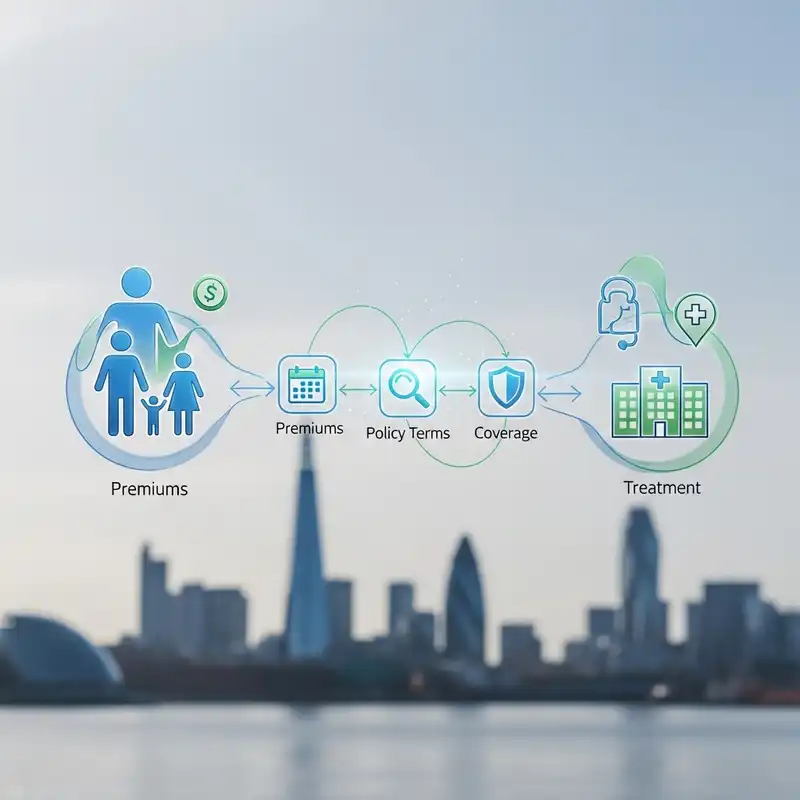
TL;DR
By 2025, Over 1 in 3 Britons Battling Mental Health Challenges Will Face NHS Waiting Lists Exceeding Six Months, Fueling a Staggering £1.5 Million+ Lifetime Burden of Lost Income, Eroding Well-being & Severe Physical Health Risks – Is Your Private Medical Insurance Your Pathway to Rapid Expert Support & Undeniable Future Resilience The United Kingdom is standing on the precipice of a profound mental health crisis. The statistics are not just numbers on a page; they represent millions of individual stories of struggle, frustration, and delayed hope. Projections for 2025 paint a stark picture: more than one in three people seeking mental health support through the NHS will be forced to endure waits of over six months for critical care.
Key takeaways
- Growing Demand: Factors like the post-pandemic mental health echo, the cost-of-living crisis, and increased social awareness have led to an unprecedented surge in people seeking help.
- The Six-Month Chasm: A wait of six months or more for therapies like Cognitive Behavioural Therapy (CBT) or counselling is becoming commonplace. For a person in distress, 180 days can feel like a lifetime. During this period, conditions that may have been manageable can escalate into acute crises, requiring more intensive, costly, and disruptive interventions.
- The "Hidden" Waitlist: Many individuals don't even make it onto official waiting lists. They may be deemed "not unwell enough" for secondary care, leaving them in a distressing limbo with little to no support.
- Lost Earnings: Time taken off work due to illness. This can range from a few weeks to long-term sick leave, significantly impacting income.
- Reduced Productivity ("Presenteeism"): Many people continue to work while unwell, but their capacity, creativity, and efficiency are severely diminished.
By 2025, Over 1 in 3 Britons Battling Mental Health Challenges Will Face NHS Waiting Lists Exceeding Six Months, Fueling a Staggering £1.5 Million+ Lifetime Burden of Lost Income, Eroding Well-being & Severe Physical Health Risks – Is Your Private Medical Insurance Your Pathway to Rapid Expert Support & Undeniable Future Resilience
The United Kingdom is standing on the precipice of a profound mental health crisis. The statistics are not just numbers on a page; they represent millions of individual stories of struggle, frustration, and delayed hope. Projections for 2025 paint a stark picture: more than one in three people seeking mental health support through the NHS will be forced to endure waits of over six months for critical care.
This delay isn't just a matter of inconvenience. It's a catalyst for a devastating chain reaction. For an individual, it can mean a lifetime of lost income potentially exceeding £1.5 million, a severe erosion of personal well-being, and a frighteningly increased risk of developing serious physical health conditions. For the nation, it represents a staggering blow to productivity, social cohesion, and the very fabric of our healthcare system.
In this climate of uncertainty and unprecedented strain, a crucial question emerges for millions: Is there another way? Can you safeguard your mental and financial future when the safety net is stretched to its limit? This guide explores how Private Medical Insurance (PMI) is rapidly becoming a vital tool for many, offering a pathway to the swift, expert support that is not just beneficial, but essential for future resilience.
The Alarming Reality: Deconstructing the UK's 2025 Mental Health Forecast
To truly grasp the urgency of the situation, we must look beyond the headlines and understand the multifaceted nature of the crisis. The challenges are interconnected, creating a perfect storm that affects individuals, families, and the economy.
The Scale of the Waiting Game
The sheer volume of people needing help is overwhelming the system. According to the Royal College of Psychiatrists, the number of people in contact with NHS mental health services is at an all-time high, with millions on the waiting list for specialist care.
- Growing Demand: Factors like the post-pandemic mental health echo, the cost-of-living crisis, and increased social awareness have led to an unprecedented surge in people seeking help.
- The Six-Month Chasm: A wait of six months or more for therapies like Cognitive Behavioural Therapy (CBT) or counselling is becoming commonplace. For a person in distress, 180 days can feel like a lifetime. During this period, conditions that may have been manageable can escalate into acute crises, requiring more intensive, costly, and disruptive interventions.
- The "Hidden" Waitlist: Many individuals don't even make it onto official waiting lists. They may be deemed "not unwell enough" for secondary care, leaving them in a distressing limbo with little to no support.
The impact of these delays is profound. A treatable bout of anxiety can spiral into a debilitating disorder, leading to job loss, social isolation, and family breakdown. Early intervention is universally accepted as the cornerstone of effective mental healthcare; prolonged waits directly undermine this principle.
The £1.5 Million Financial Timebomb
The economic consequences of untreated mental illness are staggering, and they fall hardest on the individual. The figure of over £1.5 million in lost lifetime income is not hyperbole; it's a calculated reality based on several factors.
The Centre for Mental Health has extensively researched the economic cost, which is composed of:
- Lost Earnings: Time taken off work due to illness. This can range from a few weeks to long-term sick leave, significantly impacting income.
- Reduced Productivity ("Presenteeism"): Many people continue to work while unwell, but their capacity, creativity, and efficiency are severely diminished.
- Stalled Career Progression: Mental illness can rob individuals of the confidence and energy needed to seek promotions, take on new responsibilities, or change careers. Over a 40-year working life, this has a massive cumulative effect.
- Increased Likelihood of Unemployment: Individuals with long-term, untreated mental health conditions are significantly more likely to fall out of the workforce altogether.
Let's illustrate this with a simplified table showing the potential financial impact on an individual earning the UK average salary.
| Financial Impact Area | Estimated Cost Over a Working Lifetime |
|---|---|
| Direct Lost Earnings | £150,000 - £300,000+ |
| Impact of Stalled Promotions | £400,000 - £750,000+ |
| Reduced "Presenteeism" Productivity | £250,000 - £500,000+ |
| Total Potential Lifetime Burden | Up to £1.5 Million+ |
This financial burden creates a vicious cycle. Financial stress is a major trigger for mental health problems, and mental health problems decimate financial stability.
The Domino Effect on Physical Health
The mind and body are not separate entities. Neglecting mental health has direct, scientifically-proven consequences for physical health. The constant stress and physiological changes associated with conditions like depression and anxiety can lead to:
- Cardiovascular Disease: Chronic stress increases blood pressure and heart rate, raising the risk of heart attacks and strokes.
- Weakened Immune System: The body's ability to fight off infections is compromised, leading to more frequent illnesses.
- Type 2 Diabetes: Stress hormones can affect blood sugar levels, and poor mental health can lead to lifestyle choices that increase diabetes risk.
- Chronic Pain Conditions: Conditions like fibromyalgia and chronic fatigue syndrome are strongly linked to mental health status.
- Gastrointestinal Issues: The "gut-brain axis" means that stress and anxiety can directly cause or exacerbate problems like Irritable Bowel Syndrome (IBS).
Untreated mental illness doesn't just affect your mind; it puts your entire body in a state of emergency, accelerating the ageing process and dramatically increasing your risk of life-limiting physical conditions.
The NHS Under Strain: Why Are Waiting Lists So Long?
It's crucial to state that the current crisis is not a failure of the dedicated and hardworking staff within the NHS. They are performing heroically under immense pressure. The NHS remains a pillar of our society, but it is battling a confluence of systemic challenges.
- Unprecedented Demand: As mentioned, the number of people seeking help has skyrocketed. The system was not designed or funded to cope with this level of need.
- Historic Funding Gaps: While funding has increased in cash terms, it has often failed to keep pace with inflation and the sheer growth in demand, leading to a real-terms shortfall for mental health services.
- Critical Workforce Shortages: There is a severe shortage of psychiatrists, clinical psychologists, mental health nurses, and therapists across the UK. Burnout is rampant, and recruitment is a constant battle, creating bottlenecks at every stage of the treatment pathway.
- The "Postcode Lottery": The quality and availability of mental health services can vary dramatically depending on where you live. Your access to care is often determined by your postcode, not your clinical need.
This leads to a frustrating and often convoluted journey for those seeking help.
Typical NHS Mental Health Pathway & Potential Delays
| Stage | Action | Common Delay |
|---|---|---|
| 1. GP Appointment | Initial consultation and assessment. | 1-3 weeks |
| 2. Referral | GP refers to IAPT (Talking Therapies) or CMHT. | 2-4 weeks |
| 3. Triage/Initial Assessment | Service assesses urgency and suitability. | 4-8 weeks |
| 4. Waiting List | Placed on a waiting list for specific therapy (e.g., CBT). | 18-30+ weeks |
| 5. Treatment Begins | First therapy session. | Total Wait: 6-9+ months |
For a person in crisis, this timeline is untenable. It is this gap—the chasm between needing help and receiving it—that Private Medical Insurance aims to fill.
What is Private Medical Insurance (PMI) and How Can It Help?
Private Medical Insurance is a health insurance policy that you pay a monthly or annual premium for. In return, it gives you access to diagnosis and treatment in private hospitals and facilities for eligible conditions.
The single most significant benefit of PMI in the context of mental health is speed of access. It allows you to bypass the long NHS waiting lists and get the expert help you need, when you need it.
Core Mental Health Benefits of a PMI Policy
While policies vary between insurers, most comprehensive plans offer a robust suite of mental health support features.
- Rapid Specialist Consultations: Instead of waiting months, you can typically see a private consultant psychiatrist or psychologist within days or weeks of a GP referral. This fast-tracks diagnosis and the creation of a treatment plan.
- Prompt Access to Talking Therapies: This is the cornerstone of most mental health treatment. A good PMI policy will provide cover for a specified number of sessions of therapies like CBT, counselling, or psychotherapy, often starting within a week of diagnosis.
- In-Patient and Day-Patient Care: For more severe, acute mental health episodes that require intensive support, PMI can cover the costs of treatment as an in-patient (staying overnight in a private psychiatric hospital) or a day-patient (attending the hospital for therapy during the day).
- Digital and Virtual Support: The modern PMI market has embraced technology. Many insurers now include:
- 24/7 Mental Health Helplines: Confidential access to trained counsellors over the phone at any time of day or night.
- Virtual GP Services: Apps that allow you to have a video consultation with a GP, often within hours, who can then make a private referral.
- Self-Help Apps and Tools: Access to a library of resources, mindfulness apps, and guided mental wellness programmes.
Let's compare the journey for someone with a new, acute onset of anxiety.
Comparing NHS vs. PMI Pathways for Acute Anxiety
| Stage | Typical NHS Pathway | Typical PMI Pathway |
|---|---|---|
| Initial Contact | Wait 1-3 weeks for GP appointment. | Use Virtual GP app; appointment same day. |
| Referral | GP refers to IAPT services. | GP provides an open private referral. |
| First Specialist Contact | Wait 4-8 weeks for initial assessment. | Call insurer; appointment with psychologist booked within 7 days. |
| Treatment Start | Wait 18-30+ weeks for CBT to begin. | CBT sessions begin the following week. |
| Total Time to Treatment | 6-9 Months | 1-2 Weeks |
The difference is not merely one of convenience; it is the difference between early intervention and crisis management.
The Crucial Caveat: Understanding Pre-Existing and Chronic Conditions
This is the single most important concept to understand when considering Private Medical Insurance for mental health. It is a non-negotiable rule across the UK insurance industry.
Standard Private Medical Insurance is designed to cover acute conditions that arise after you have taken out your policy.
It does NOT cover:
- Chronic Conditions: These are illnesses that are long-lasting, require ongoing management, and often have no definitive cure. In mental health, this includes conditions like bipolar disorder, schizophrenia, personality disorders, or long-term, recurring depression that requires continuous management.
- Pre-existing Conditions: This refers to any ailment, illness, or injury for which you have experienced symptoms, sought advice, or received treatment before the start date of your PMI policy.
Let's be unequivocally clear with examples:
- Scenario 1 (Potentially Covered): You are 40 years old with no history of mental illness. You take out a PMI policy. Six months later, due to intense work pressure, you develop severe anxiety and panic attacks for the first time. You see a GP who diagnoses an acute anxiety disorder. Your PMI policy would likely cover the consultation with a private psychologist and a course of CBT to help you recover. This is an acute condition that began after your policy started.
- Scenario 2 (Not Covered): You have been diagnosed with depression for the last 10 years and have been on and off medication and therapy through the NHS. You decide to take out a PMI policy hoping it will pay for ongoing private therapy. This will not be covered. Your depression is a pre-existing and chronic condition.
Insurers use a process called "underwriting" to assess risk and determine what they will and won't cover. The two main types are:
- Moratorium Underwriting: This is the most common type. The policy automatically excludes any condition you've had in the 5 years prior to joining. However, if you remain treatment-free, symptom-free, and advice-free for that condition for a continuous 2-year period after your policy starts, the insurer may reinstate cover for it.
- Full Medical Underwriting (FMU): You complete a detailed health questionnaire, declaring your entire medical history. The insurer then reviews it and gives you a definitive list of what is excluded from your cover from day one. It's more administration upfront but provides complete clarity.
Understanding this principle is vital to avoid disappointment and ensure you have realistic expectations of what a PMI policy can do for you. It's a safety net for the future, not a solution for the past.
Navigating the Market: What to Look for in a PMI Policy for Mental Health
Not all PMI policies are created equal, especially when it comes to mental health cover. When comparing your options, you need to look carefully at the details. This is where the expertise of an independent broker like WeCovr becomes invaluable. We analyse the entire market to find the policy that truly matches your needs and budget.
Here are the key features to scrutinise:
- Out-patient Limits: This is perhaps the most critical element for mental health. It dictates your access to talking therapies. The limit can be financial (e.g., £500, £1,000, or £1,500 per year) or based on the number of sessions (e.g., 8, 10, or unlimited sessions). A higher limit offers more comprehensive support.
- Psychiatric Cover Level: Check if mental health cover is included as standard or if it's an optional add-on that costs more. Review the financial limits for in-patient and day-patient treatment. Some basic policies may exclude this entirely.
- Digital & Virtual Services: In 2025, this is a non-negotiable. A good policy should include a 24/7 mental health helpline and a virtual GP service as standard. These tools provide incredible day-to-day value and immediate support.
- Choice of Specialist/Hospital: Policies can range from "guided" options, where the insurer provides a curated list of specialists, to full comprehensive choice. Understand what level of flexibility you are paying for.
- The Excess: This is the amount you agree to pay towards any claim you make (e.g., the first £250). A higher excess will lower your monthly premium, but you need to ensure it's an amount you can comfortably afford.
Hypothetical Insurer Comparison
| Feature | Insurer A (Basic) | Insurer B (Mid-Range) | Insurer C (Comprehensive) |
|---|---|---|---|
| Out-patient Cover | £500 financial limit | £1,000 financial limit | Unlimited sessions (fair use) |
| Psychiatric Care | Excluded | Add-on option | Included as standard |
| Virtual GP | Add-on option | Included as standard | Included as standard |
| Mental Health Line | Not included | Included as standard | Included as standard |
| Premium | £ | ££ | £££ |
Navigating these trade-offs can be complex. Working with an expert broker like WeCovr ensures you don't just pick the cheapest policy, but the one with the right value and protection for your specific concerns about mental health resilience.
The Added Value: Beyond the Core Policy
The best modern health insurance solutions are proactive, not just reactive. They aim to keep you well, not just treat you when you're ill. This is reflected in the wide range of value-added benefits that often come with a policy.
- Wellness Programmes: Many insurers offer rewards and discounts for healthy living. This can include reduced-price gym memberships, fitness tracker deals, and health screenings. By encouraging physical well-being, they indirectly support your mental health.
- Employee Assistance Programmes (EAPs): If you get PMI through your employer, it often includes an EAP. These are confidential services that provide support for a huge range of life issues, from financial worries and legal questions to relationship counselling and stress management.
- Specialist Broker Support: This is where we at WeCovr go the extra mile. We believe that true well-being is holistic. That’s why, in addition to finding you the best insurance policy from across the market, we provide all our customers with complimentary access to our proprietary AI-powered calorie tracking app, CalorieHero. We know that nutrition and physical health are intrinsically linked to mental resilience. CalorieHero is our commitment to supporting your entire well-being journey, long after your policy is in place.
Case Study: Sarah's Story – From Overwhelm to Recovery
To see how this works in practice, let's consider a realistic example.
The Situation: Sarah is a 38-year-old project manager in a demanding role. She has a PMI policy through her employer. After a particularly challenging quarter, she begins experiencing overwhelming anxiety, difficulty sleeping, and her first-ever panic attack during a team meeting. She has no prior history of mental health issues.
The NHS Route: Sarah's GP is sympathetic but explains that the waiting list for CBT through the local IAPT service is currently seven months. She is offered a leaflet and a link to a self-help website. She leaves feeling disheartened and worried about how she'll cope at work.
The PMI Route: Sarah remembers her company PMI policy. She calls the 24/7 mental health helpline provided by her insurer. The trained counsellor on the phone talks her through some immediate coping strategies for her anxiety. With Sarah's permission, they arrange a virtual GP appointment for the next day. The virtual GP assesses her, confirms it's an acute onset of Generalised Anxiety Disorder, and provides an open referral.
Sarah calls her insurer's claims line with the referral. Within 48 hours, they have arranged an initial virtual assessment with a private clinical psychologist. The psychologist recommends a course of 10 CBT sessions, which her policy covers in full. Sarah starts her first therapy session the following week.
The Outcome: The rapid intervention gives Sarah the tools to understand and manage her anxiety. She learns coping mechanisms that she can use at work and at home. She only needs to take two days off work instead of potentially weeks or months of sick leave. The swift support prevents her condition from escalating, protects her income, and allows her to regain control of her life quickly. Her story is a testament to the power of PMI for an acute condition that arose while she was covered.
Is Private Medical Insurance Right for You? A Final Checklist
Deciding whether to invest in PMI is a significant personal choice. It's about weighing the cost against the invaluable peace of mind and protection it can offer. Ask yourself these key questions:
- Am I concerned about the projected NHS waiting times for new, acute mental health conditions?
- Do I want the option for faster access to specialists like psychologists and psychiatrists if I need them in the future?
- Do I value having prompt access to treatments like CBT or counselling without a long wait?
- Do I fully understand and accept that a standard PMI policy will NOT cover any pre-existing or chronic mental health conditions?
- Can I comfortably afford the monthly premium within my budget?
- Would I use and value the additional benefits, such as a virtual GP, 24/7 support lines, and wellness apps?
If you found yourself answering 'yes' to most of these questions, then exploring your Private Medical Insurance options is a logical and prudent step towards building your future resilience. In an era of unprecedented pressure on our public health services, taking proactive steps to protect your mental, physical, and financial well-being has never been more critical.
The future may be uncertain, but your access to care doesn't have to be. Contact an expert independent broker like WeCovr today. Our team can provide a free, no-obligation comparison of the UK's leading insurers, demystify the jargon, and help you find a policy that provides not just cover, but confidence.