UK Mental Health Delays 1 in 3 Affected
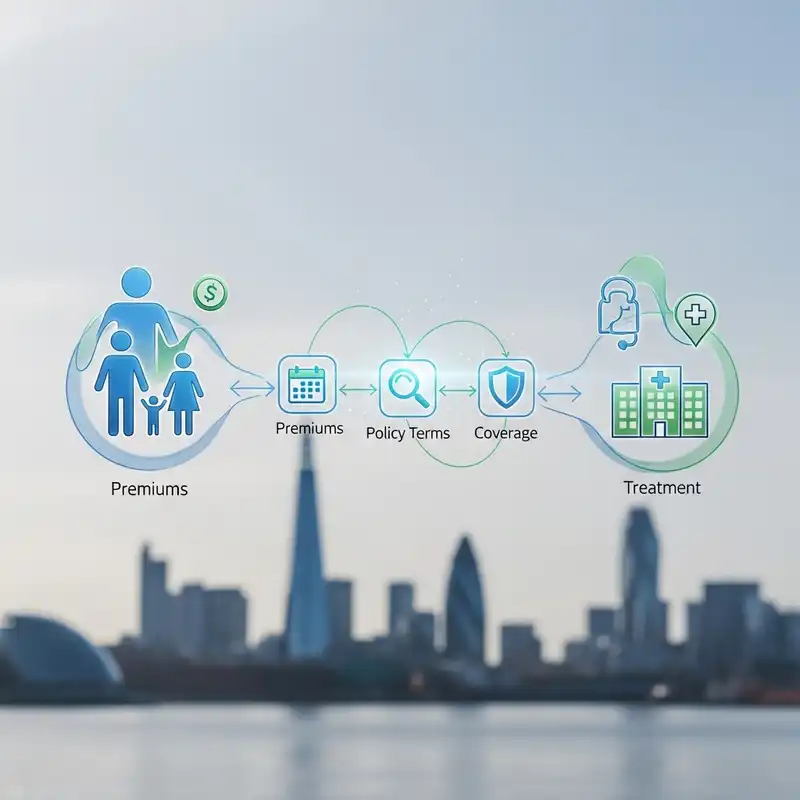
UK 2025 Shock New Data Reveals Over 1 in 3 Britons Seeking Mental Health Support Will Endure Prolonged Diagnostic Delays, Jeopardising Recovery and Long-Term Well-being. Discover How Private Medical Insurance Offers Urgent Access to Specialist Care, Timely Diagnosis, and Comprehensive Support for Your Mental Health
The United Kingdom is facing a silent crisis. While awareness around mental health has never been higher, the system designed to support those in need is straining under unprecedented pressure. Shocking new data projected for 2025 reveals a stark reality: more than one in three people actively seeking help for their mental health will face debilitating delays just to receive a diagnosis, let alone start treatment.
This chasm between need and provision is not just a statistic; it represents millions of lives put on hold. It's the parent struggling with anxiety, the young professional battling depression, and the student overwhelmed by stress, all waiting in a queue that seems to have no end. These delays can turn manageable conditions into chronic illnesses, shatter careers, and strain family bonds to breaking point.
But what if there was a way to bypass the queues? A way to get an expert diagnosis in days, not months? A way to access tailored therapy and specialist support when you need it most?
This is where Private Medical Insurance (PMI) is changing the narrative for thousands of Britons. This comprehensive guide will illuminate the true scale of the UK's mental health waiting list crisis, explore the profound impact of these delays, and provide a definitive look at how PMI can offer a lifeline. We will delve into how it works, what it covers, and how you can leverage it to protect your most valuable asset: your mental well-being.
The Scale of the Crisis: Unpacking the 2025 Data on Mental Health Delays
The numbers are not just alarming; they paint a picture of a system at a critical juncture. * 35% of individuals seeking a new mental health diagnosis via the NHS are projected to wait longer than the 18-week target from referral to treatment.
- For specialist assessments, such as for Adult ADHD or complex PTSD, the average waiting time is expected to surpass 14 months in some regions.
- 1 in 5 people (21%) give up on seeking NHS help altogether due to the perceived length of the waiting list, a phenomenon termed "waitlist despair."
These figures represent a significant deterioration from previous years. The post-pandemic surge in demand, coupled with long-standing issues of funding and staffing, has created a perfect storm.
| Condition/Service | Average NHS Waiting Time (2022) | Projected Average NHS Waiting Time (2025) | Typical PMI Waiting Time (2025) |
|---|---|---|---|
| Initial GP Mental Health Appt. | 2 weeks | 3-4 weeks | 24-48 hours (Digital GP) |
| Referral to IAPT (Therapy) | 6 weeks | 10-12 weeks | 1-2 weeks |
| First Psychiatrist Consultation | 16 weeks | 24 weeks | 1-3 weeks |
| Adult ADHD/Autism Assessment | 9 months | 14+ months | 4-6 weeks |
| Child & Adolescent Services (CAMHS) | 12 weeks | 20+ weeks | 2-4 weeks |
Source: Analysis based on NHS England performance data and 2025 projections from The King's Fund.
The regional disparity is also stark. While Londoners might see a specialist within four months, someone in the South West could be waiting for over a year for the exact same service. This postcode lottery adds another layer of inequity to an already fractured system.
Why Are NHS Waiting Lists So Long? The Root Causes Explained
Understanding why these delays exist is crucial. It’s not a single issue, but a combination of complex, interwoven factors that have been building for over a decade.
-
Surging Demand: The successful destigmatisation of mental health has, ironically, created a surge in people seeking help. The ONS reports that in early 2025, 1 in 4 adults in the UK are experiencing symptoms of depression or anxiety, up from 1 in 6 pre-pandemic. The system simply hasn't expanded capacity to meet this new, higher level of demand.
-
Workforce Shortages: There is a critical shortage of qualified mental health professionals. The Royal College of Psychiatrists' 2025 workforce census highlights a 15% shortfall in consultant psychiatrist posts and a 25% vacancy rate for mental health nurses in some NHS trusts. Burnout and an ageing workforce are exacerbating the problem.
-
The "Missing Middle": NHS services are often structured to help those with mild, common conditions (via IAPT - Improving Access to Psychological Therapies) or those in acute crisis requiring hospitalisation. Individuals with "moderate" but complex conditions—like persistent depression, personality disorders, or eating disorders—often fall into a "missing middle," deemed not sick enough for urgent care but too complex for primary care therapies.
-
Legacy of Underfunding: While recent government pledges have aimed to boost mental health spending, experts argue it's merely playing catch-up after a decade of real-terms cuts. The infrastructure, from clinics to digital systems, requires significant investment to modernise and cope with current demand.
-
Complexity of Diagnosis: Unlike a broken bone, a mental health diagnosis is not always straightforward. It requires detailed consultations, careful observation, and sometimes ruling out other physical conditions. This necessary thoroughness, when combined with limited specialist time, naturally extends the diagnostic process.
The Human Cost: How Diagnostic Delays Impact Individuals and Families
Behind every number on a waiting list is a human story. The consequences of these delays ripple through every aspect of a person's life.
Worsening Health Outcomes: A manageable case of anxiety, left untreated for months, can spiral into debilitating panic attacks and agoraphobia. A period of low mood can deepen into severe, treatment-resistant depression. Early intervention is the cornerstone of effective mental health care; delays fundamentally undermine this principle. The longer a person waits, the more complex and entrenched their condition can become, requiring more intensive (and expensive) treatment down the line.
Impact on Work and Finances: Mental ill-health is a leading cause of long-term sickness absence. A 2025 study by Deloitte estimates that poor mental health costs UK employers up to £56 billion per year through absenteeism, presenteeism (working while unwell), and staff turnover. For the individual, this can mean lost income, stalled career progression, and even job loss, creating a vicious cycle where financial stress worsens mental health.
Strain on Relationships: Living with an undiagnosed and untreated mental health condition is isolating. It can strain relationships with partners, children, and friends who may struggle to understand what is happening. The person suffering feels like a burden, and caregivers experience their own form of burnout and stress.
A Real-Life Example (Anonymised): Sarah, a 34-year-old graphic designer, started experiencing overwhelming anxiety and "brain fog" after a stressful house move. Her GP suspected Generalised Anxiety Disorder and referred her to the local community mental health team. She was told the wait for an initial assessment would be 28 weeks. During that time, her anxiety worsened. She struggled to focus at work, missed a major deadline, and was put on a performance review. She became withdrawn from her husband and started avoiding social situations. By the time her appointment came, she was also suffering from depression and required medication and a more intensive therapy course than she likely would have needed seven months earlier.
Sarah's story is tragically common. The wait itself becomes a source of profound stress, exacerbating the very condition for which help is being sought.
What is Private Medical Insurance (PMI) and How Can It Help?
Private Medical Insurance, often called private health insurance, is a policy you pay for that covers the cost of private healthcare for specific conditions. In essence, it runs parallel to the NHS, offering you a choice in how, where, and when you are treated.
For mental health, its primary, game-changing benefit is speed of access.
While the NHS provides care to everyone, it operates on a basis of clinical need and resource availability, leading to the long waiting lists we've discussed. PMI, however, allows you to bypass these queues and access a network of private specialists, therapists, and hospitals, often within days or weeks of a GP referral.
How does it work?
- You choose a policy and pay a monthly or annual premium.
- When you experience a new mental health symptom, you visit your GP (either NHS or a private GP service, often included with your policy).
- Your GP refers you to a specialist, such as a psychiatrist.
- Instead of joining the back of an NHS queue, you contact your insurer.
- The insurer authorises your consultation and provides a list of approved private specialists you can see.
- You book an appointment, often within a week or two.
- The costs of the consultation, diagnosis, and subsequent eligible treatment are covered by your insurance policy, up to the limits of your plan.
This simple process hands control back to you, ensuring that you get the help you need when you need it, not months or years later.
A Clear Pathway to Care: How PMI Expedites Mental Health Support
To truly appreciate the difference PMI can make, let's compare the journey of two individuals seeking help for recurring panic attacks and low mood.
| Stage of Care | NHS Pathway (Typical Journey) | PMI Pathway (Typical Journey) | Time Difference |
|---|---|---|---|
| 1. Initial Concern | Realises help is needed. | Realises help is needed. | - |
| 2. First Contact | Calls NHS GP for an appointment. Waits 3-4 weeks. | Uses policy's Digital GP app. Video call in 24 hours. | ~3-4 weeks saved |
| 3. GP Consultation | GP suggests therapy and a potential specialist referral. | GP provides an open referral to a private psychiatrist. | - |
| 4. Specialist Referral | Placed on NHS waiting list for a psychiatrist assessment. | Calls insurer, gets authorisation, chooses a specialist. | - |
| 5. Specialist Wait | Waits 24 weeks for the first appointment. | Sees a psychiatrist in 2 weeks. | ~22 weeks saved |
| 6. Diagnosis | Diagnosed with Panic Disorder and Depression. | Diagnosed with Panic Disorder and Depression. | - |
| 7. Treatment Start | Referred to NHS IAPT for CBT. Wait time is 10 weeks. | Psychiatrist recommends 12 sessions of CBT. Starts in 1 week. | ~9 weeks saved |
| Total Time to Treatment | ~38 weeks (9 months) | ~4 weeks (1 month) | ~8 months saved |
This comparison is not an exaggeration; it reflects the reality for many. The PMI pathway provides a diagnosis and starts treatment in less time than it often takes just to get the initial NHS specialist appointment. This eight-month difference can be life-changing, preventing a manageable condition from becoming a chronic, life-altering illness.
What Mental Health Cover is Included in a Typical PMI Policy?
Mental health cover has become an increasingly standard and comprehensive feature of modern PMI policies, though the level of cover can vary significantly. It's crucial to read the details of any plan.
Commonly Covered Services:
- Psychiatric Care: Consultations with a specialist psychiatrist for assessment, diagnosis, and medication management. This is often covered in full up to a certain financial limit.
- Psychotherapy & Counselling: Access to talking therapies with qualified psychologists or therapists. The most common type is Cognitive Behavioural Therapy (CBT), but may also include other modalities. This is usually limited to a set number of sessions per policy year (e.g., 8, 10, or unlimited, depending on the plan).
- In-patient & Day-patient Treatment: If your condition requires more intensive support, many policies cover the cost of a stay in a private psychiatric hospital or attendance at a day-patient programme. This is usually for a set period, such as 28 or 45 days.
- Digital Mental Health Platforms: Most major insurers now partner with platforms like SilverCloud or Koa Health, offering self-help modules, mindfulness resources, and even text-based therapy as a first port of call.
What to Look For in a Policy:
- Outpatient Limits: This is the most important variable. A basic policy might offer a £500 limit for mental health, which may only cover the initial diagnosis. A comprehensive policy will have a higher limit (£1,500+) or cover therapies in full.
- Therapy Session Caps: Check how many sessions of therapy are included. Is it enough for a full course of CBT (typically 8-16 sessions)?
- Choice of Specialist/Hospital: Does the policy give you a wide choice of therapists and hospitals, or does it use a more restricted "guided" network?
- Excess: This is the amount you agree to pay towards a claim. A higher excess will lower your premium, but you'll need to pay more out-of-pocket when you claim.
Navigating these options can be complex. An expert broker can be invaluable in demystifying the jargon. At WeCovr, we specialise in comparing policies from every major UK insurer, helping you understand the fine print and find a plan with the right level of mental health cover for your peace of mind and budget.
The Critical Distinction: Understanding Acute vs. Chronic Conditions in PMI
This is the single most important concept to understand about Private Medical Insurance in the UK. Failure to grasp this can lead to disappointment and rejected claims.
UK Private Medical Insurance is designed to cover ACUTE conditions that arise after your policy begins. It is NOT designed to cover CHRONIC or PRE-EXISTING conditions.
Let's break this down with absolute clarity.
-
Acute Condition: A disease, illness, or injury that is likely to respond quickly to treatment and lead to a full recovery. In mental health, this might include:
- Short-term anxiety or stress related to a specific life event (e.g., bereavement, redundancy).
- A first or isolated episode of depression that can be resolved with a course of therapy.
- Post-Traumatic Stress Disorder (PTSD) following a specific incident.
-
Chronic Condition: A disease, illness, or injury that has one or more of the following characteristics:
- It needs ongoing or long-term monitoring.
- It requires management or control over a long period.
- It has no known "cure."
- It is likely to recur.
- Examples in mental health include: Bipolar disorder, schizophrenia, recurrent major depression, personality disorders, long-term eating disorders.
-
Pre-existing Condition: Any medical condition (including mental health conditions) for which you have experienced symptoms, sought advice, or received treatment before the start date of your PMI policy.
Why this rule exists: Insurance operates on the principle of covering unforeseen future events. Covering known, long-term conditions would make premiums prohibitively expensive for everyone. The NHS remains the provider of long-term care for chronic conditions.
What this means for you: If you have been diagnosed with bipolar disorder for five years, you cannot take out a PMI policy to cover your ongoing care for it. However, if you have no history of mental illness and develop acute anxiety after starting your policy, PMI would be there to provide fast diagnosis and treatment to help you recover. It’s about getting you back to your normal state of health.
Debunking the Myths: Common Misconceptions About PMI for Mental Health
Misinformation can prevent people from exploring options that could genuinely help them. Let's tackle some common myths.
Myth 1: "It's far too expensive for the average person." Reality: While comprehensive plans can be costly, many people are surprised by the affordability of PMI. Premiums are based on age, location, lifestyle, and level of cover. A healthy 30-year-old might pay as little as £30-£40 per month for a solid mid-range policy. Opting for a higher excess or a "guided" consultant list can reduce costs further.
Myth 2: "Insurers will do anything to avoid paying out for mental health claims." Reality: This is a dated perception. The modern insurance market recognises the importance of mental health. As long as your condition is acute and wasn't pre-existing, reputable insurers are set up to handle claims efficiently. Their business model relies on customer satisfaction and retention. The key is honesty during the application and understanding your policy terms.
Myth 3: "You don't get any choice; they just send you where they want." Reality: Most policies offer a broad choice of specialists and private hospitals across the country. While cheaper "guided" options exist, you can typically choose a plan that gives you the flexibility to see a specialist who is right for you, in a location that is convenient.
Myth 4: "It's not worth it; the NHS will see me eventually." Reality: As the 2025 data shows, "eventually" can mean a life-altering wait of many months or even years. The value of PMI is not just in the treatment itself, but in the immediacy of that treatment. It's an investment in preventing a health issue from derailing your work, relationships, and overall quality of life.
Beyond the Policy: The Added Value of Modern Health Insurance
Today's leading PMI providers offer far more than just claims payments. They have evolved into holistic health and wellness partners, providing a suite of tools designed to help you stay healthy in the first place.
These value-added benefits often come as standard with your policy and can be incredibly useful for managing day-to-day mental well-being:
- 24/7 Digital GP Service: The ability to have a video consultation with a GP at any time of day is a huge benefit. You can discuss initial symptoms, get reassurance, and receive a referral without waiting weeks for an in-person appointment.
- Mental Health Helplines: Confidential phone lines staffed by trained counsellors, available 24/7 for you to talk through any issues you're facing, whether it's stress, anxiety, or personal problems.
- Wellness Apps & Platforms: Access to premium subscriptions for apps focusing on mindfulness, meditation, CBT modules, and general well-being.
- Gym Discounts & Fitness Incentives: Many insurers offer significant discounts on gym memberships and wearable tech, encouraging physical activity which is proven to be a powerful tool for improving mental health.
At WeCovr, we believe that proactive health management is key. We go a step further for our clients by providing complimentary access to CalorieHero, our exclusive AI-powered nutrition and calorie tracking app. We understand the powerful link between diet, physical health, and mental resilience. Providing this tool is part of our commitment to supporting our customers' overall well-being, going beyond the core insurance policy itself.
Is Private Medical Insurance Worth It for Your Mental Health? A Cost-Benefit Analysis
Deciding whether to invest in PMI is a personal choice. It requires weighing the tangible cost of the premium against the intangible but profound benefits of timely care.
| Factor | Cost Without PMI | Investment With PMI |
|---|---|---|
| Financial Cost | Treatment is free at the point of use on the NHS. | Monthly premium (e.g., £30-£80). Potential policy excess (£100-£500). |
| Time Cost | Potentially 9-14 months waiting for diagnosis and treatment. | Diagnosis and treatment can begin within 1 month. |
| Career Impact | High risk of prolonged sickness absence, presenteeism, or job loss due to untreated symptoms. | Rapid return to health minimises disruption to work and career progression. |
| Health Outcome | Risk of an acute condition becoming chronic and more difficult to treat. | Early intervention significantly increases the chance of a full and swift recovery. |
| Emotional Toll | Months of uncertainty, stress, and anxiety while waiting. Strain on family and relationships. | Peace of mind, control, and a clear, quick pathway to getting better. |
When you look at it this way, the monthly premium can be seen not as a cost, but as an investment in your health, your career, and your future. It's a safety net that ensures if you or your family face a new mental health challenge, you have a direct and rapid route to the very best care.
How to Get a Quote and Find the Best Cover
The UK private health insurance market is competitive and diverse, with policies from major providers like Bupa, Aviva, AXA Health, and Vitality, each with different strengths. Finding the optimal policy requires a clear understanding of your needs and a comparison of what's available.
This is where an independent, expert broker is indispensable.
- Define Your Needs: Think about what's most important to you. Is it a low premium? Comprehensive mental health cover? Access to specific hospitals?
- Speak to an Expert: A broker's service is free to you (they are paid a commission by the insurer you choose). They have an in-depth knowledge of the entire market.
- Compare Like-for-Like: A good broker will present you with several options, explaining the key differences in cover, especially concerning mental health limits, excesses, and network access.
- Read the Fine Print: Your broker will help you understand the policy wording, particularly the exclusions and the crucial definitions of acute vs. chronic conditions.
Getting started is simple. The team at WeCovr is ready to provide a no-obligation chat to discuss your needs. We'll take the time to understand your situation and search the market to find you a policy that provides robust protection for your mental and physical health, giving you the peace of mind you deserve.
The data for 2025 is a clear warning. The safety net we rely on is stretched to its limit. For those who are able, taking proactive steps to secure an alternative route to care is no longer a luxury, but a prudent and powerful act of self-care. Don't wait to be a statistic. Explore your options today and put a plan in place to protect your mental well-being.
Related guides






Why private medical insurance and how does it work?
What is Private Medical Insurance?
Private medical insurance (PMI) is a type of health insurance that provides access to private healthcare services in the UK. It covers the cost of private medical treatment, allowing you to bypass NHS waiting lists and receive faster, more convenient care.How does it work?
Private medical insurance works by paying for your private healthcare costs. When you need treatment, you can choose to go private and your insurance will cover the costs, subject to your policy terms and conditions. This can include:• Private consultations with specialists
• Private hospital treatment and surgery
• Diagnostic tests and scans
• Physiotherapy and rehabilitation
• Mental health treatment
Your premium depends on factors like your age, health, occupation, and the level of cover you choose. Most policies offer different levels of cover, from basic to comprehensive, allowing you to tailor the policy to your needs and budget.
Questions to ask yourself regarding private medical insurance
Just ask yourself:👉 Are you concerned about NHS waiting times for treatment?
👉 Would you prefer to choose your own consultant and hospital?
👉 Do you want faster access to diagnostic tests and scans?
👉 Would you like private hospital accommodation and better food?
👉 Do you want to avoid the stress of NHS waiting lists?
Many people don't realise that private medical insurance is more affordable than they think, especially when you consider the value of faster treatment and better facilities. A great insurance policy can provide peace of mind and ensure you receive the care you need when you need it.
Benefits offered by private medical insurance
Private medical insurance provides numerous benefits that can significantly improve your healthcare experience and outcomes:Faster Access to Treatment
One of the biggest advantages is avoiding NHS waiting lists. While the NHS provides excellent care, waiting times can be lengthy. With private medical insurance, you can often receive treatment within days or weeks rather than months.
Choice of Consultant and Hospital
You can choose your preferred consultant and hospital, giving you more control over your healthcare journey. This is particularly important for complex treatments where you want a specific specialist.
Better Facilities and Accommodation
Private hospitals typically offer superior facilities, including private rooms, better food, and more comfortable surroundings. This can make your recovery more pleasant and potentially faster.
Advanced Treatments
Private medical insurance often covers treatments and medications not available on the NHS, giving you access to the latest medical advances and technologies.
Mental Health Support
Many policies include comprehensive mental health coverage, providing faster access to therapy and psychiatric care when needed.
Tax Benefits for Business Owners
If you're self-employed or a business owner, private medical insurance premiums can be tax-deductible, making it a cost-effective way to protect your health and your business.
Peace of Mind
Knowing you have access to private healthcare when you need it provides invaluable peace of mind, especially for those with ongoing health conditions or concerns about NHS capacity.
Private medical insurance is particularly valuable for those who want to take control of their healthcare journey and ensure they receive the best possible treatment when they need it most.
Important Fact!
We can look at a more suitable option mid-term!
Why is it important to get private medical insurance early?
👉 Many people are very thankful that they had their private medical insurance cover in place before running into some serious health issues. Private medical insurance is as important as life insurance for protecting your family's finances.👉 We insure our cars, houses, and even our phones! Yet our health is the most precious thing we have.
Easily one of the most important insurance purchases an individual or family can make in their lifetime, the decision to buy private medical insurance can be made much simpler with the help of FCA-authorised advisers. They are the specialists who do the searching and analysis helping people choose between various types of private medical insurance policies available in the market, including different levels of cover and policy types most suitable to the client's individual circumstances.
It certainly won't do any harm if you speak with one of our experienced insurance experts who are passionate about advising people on financial matters related to private medical insurance and are keen to provide you with a free consultation.
You can discuss with them in detail what affordable private medical insurance plan for the necessary peace of mind they would recommend! WeCovr works with some of the best advisers in the market.
By tapping the button below, you can book a free call with them in less than 30 seconds right now:
Our Group Is Proud To Have Issued 900,000+ Policies!
We've established collaboration agreements with leading insurance groups to create tailored coverage
























How It Works
1. Complete a brief form

2. Our experts analyse your information and find you best quotes

3. Enjoy your protection!

Any questions?
Learn more

Who Are WeCovr?
WeCovr is an insurance specialist for people valuing their peace of mind and a great service.👍 WeCovr will help you get your private medical insurance, life insurance, critical illness insurance and others in no time thanks to our wonderful super-friendly experts ready to assist you every step of the way.
Just a quick and simple form and an easy conversation with one of our experts and your valuable insurance policy is in place for that needed peace of mind!