UK Mental Health Wait
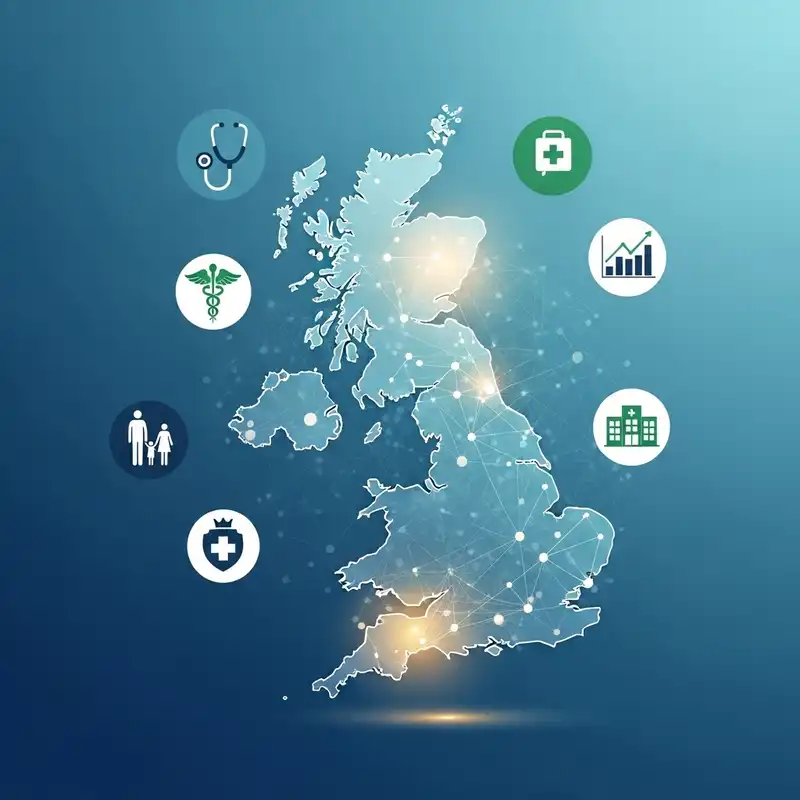
Over 500,000 UK Youth Trapped on Mental Health Waiting Lists. Fast-Track Access to Specialist Support with Private Health Insurance
The numbers are staggering and paint a deeply concerning picture of the state of youth mental health in the United Kingdom. As of early 2025, official figures reveal that more than half a million children and young people are stuck on NHS waiting lists for mental health support. For parents, watching a child struggle while waiting months, or even years, for help is an agonising experience.
This crisis, exacerbated by the long shadow of the pandemic and chronic underfunding, has left the NHS's Child and Adolescent Mental Health Services (CAMHS) overwhelmed. While the dedication of NHS staff is unquestionable, the system itself is buckling under unprecedented demand. The result? A generation of young people are facing prolonged distress, with conditions like anxiety, depression, and eating disorders worsening while they wait.
But what if there was a way to bypass these queues? What if you could secure a specialist appointment for your child in days or weeks, not months or years? This is where Private Medical Insurance (PMI) emerges as a powerful and increasingly vital solution for families across the UK. It offers a direct, fast-track route to the professional support your child needs, when they need it most.
This comprehensive guide will explore the harsh realities of NHS mental health waits for young people, explain how private health insurance works as an alternative, and detail what is—and crucially, what is not—covered.
The Alarming Scale of the UK's Youth Mental Health Crisis
To understand the value of private healthcare, we must first grasp the depth of the public health crisis. The statistics are not just numbers on a page; they represent individual children and families in distress.
According to a landmark 2024 report by the Children’s Commissioner for England, the situation has reached a breaking point. The number of young people seeking help has surged, yet the services available have not kept pace.
Key Statistics Highlighting the Crisis (2024-2025):
- Record Referrals: In 2023-24, there were over 1.2 million referrals to CAMHS, a figure that has more than doubled in just three years.
- The Waiting List: Over 500,000 children and young people are currently on an active waiting list for a CAMHS appointment. Of these, tens of thousands have been waiting for more than a year.
- Rising Acuity: Young people are presenting with more severe and complex conditions. Hospital admissions for eating disorders among under-18s, for instance, have risen by over 80% since 2019.
- A Growing Problem: It is estimated that one in five children and young people in England now have a probable mental health condition, up from one in nine in 2017.
What is Driving This Surge?
Several factors have converged to create this perfect storm:
- Post-Pandemic Impact: The disruption to education, social isolation, and family anxieties caused by COVID-19 have had a profound and lasting effect on young people's wellbeing.
- Social Media Pressures: The constant exposure to curated ideals, cyberbullying, and online pressures contributes significantly to anxiety, depression, and poor body image.
- Economic Strain: Financial pressures on families can create a stressful home environment, impacting children's mental stability.
- Systemic Issues: Decades of under-investment in NHS mental health services, coupled with significant staff shortages, mean the system lacks the capacity to meet this tidal wave of demand.
The consequences of these delays are severe. A child's mental health can deteriorate significantly while waiting for an assessment. This can lead to poorer educational outcomes, strained family relationships, and, in the most tragic cases, an increased risk of self-harm and suicide.
| The Reality of NHS Waiting Times | Typical Duration |
|---|---|
| Initial GP Referral to CAMHS Assessment | 3 - 6 months |
| Assessment to First Therapy Session | An additional 6 - 18 months |
| Access to Specialist Psychiatry | Often over 12 months |
| Total Wait for Treatment | Frequently 1-2 years |
Note: These are averages and can be significantly longer in certain regions due to the "postcode lottery" of service provision.
Understanding CAMHS: The NHS Pathway and Its Challenges
Child and Adolescent Mental Health Services (CAMHS) is the name for the NHS services that assess and treat young people with emotional, behavioural, or mental health difficulties. In principle, it's a comprehensive service designed to support those up to the age of 18.
The typical journey through CAMHS looks like this:
- Initial Concern: A parent, teacher, or the young person themselves identifies a problem.
- GP Visit: The first port of call is usually the family GP, who makes an initial assessment.
- Referral: If the GP believes specialist help is needed, they will make a referral to the local CAMHS team.
- Triage & Waiting List: The CAMHS team assesses the referral's urgency. Unless it's a crisis case (e.g., immediate risk to life), the child is placed on a waiting list for a full assessment. This is where the long delay begins.
- Assessment: Eventually, the child is seen by a mental health professional for a detailed assessment to diagnose the issue.
- Further Waiting: Following diagnosis, there is often another wait for the actual therapeutic intervention (e.g., CBT, family therapy) to begin.
The primary challenge is capacity. The system is simply not built to handle the current volume of referrals. This leads to heartbreaking decisions where services are forced to raise their thresholds for treatment, meaning only the most severely ill children are seen, leaving those with "moderate" anxiety or depression with little to no support.
How Private Health Insurance Bridges the Gap
Private Medical Insurance (PMI) provides a direct alternative to this congested and lengthy pathway. It is designed to work alongside the NHS, giving you the choice to access private care quickly when you need it most.
For a monthly premium, you and your family gain access to a network of private hospitals, clinics, and specialists. In the context of mental health, this means you can bypass the CAMHS queue entirely.
NHS vs. Private Pathway: A Comparison
| Stage | NHS CAMHS Pathway | Private Health Insurance Pathway |
|---|---|---|
| Referral | GP refers to local CAMHS. | Open referral from any GP (NHS or Private). |
| Wait for Assessment | 3 - 18+ months. | 1 - 2 weeks. |
| Choice of Specialist | Assigned by the CAMHS team. | Choice of consultant/therapist from an extensive list. |
| Start of Treatment | Another long wait after assessment. | Begins almost immediately after assessment. |
| Environment | NHS facilities. | Private, comfortable hospital or clinic rooms. |
| Flexibility | Limited appointment flexibility. | Appointments scheduled around your family's needs. |
The core benefit is speed. A child suffering from debilitating anxiety doesn't have months to wait. Early intervention is clinically proven to lead to better outcomes. PMI provides that early intervention, preventing a manageable issue from spiralling into a crisis.
At WeCovr, we specialise in helping families navigate the complexities of PMI. Our expert advisors understand the nuances of different policies and can compare options from every major UK insurer—like Bupa, AXA Health, Vitality, and Aviva—to find the plan that offers the right mental health support for your budget.
What Mental Health Cover is Included in a Typical PMI Policy?
This is the most critical question for any parent considering PMI. While policies vary, most mid-range and comprehensive plans now offer substantial mental health benefits. However, it is essential to understand the limitations.
The Golden Rule: Acute Conditions vs. Chronic & Pre-Existing Conditions
Before we explore the benefits, we must be absolutely clear on the fundamental rule of UK private medical insurance:
PMI is designed to cover acute conditions that arise after you take out your policy.
- Acute Condition: A disease, illness, or injury that is likely to respond quickly to treatment and lead to a full recovery. Examples in mental health include a new diagnosis of anxiety, depression following a bereavement, or a course of therapy for stress.
- Chronic Condition: A condition that is long-lasting and requires ongoing management, but for which there is no known cure. Examples include bipolar disorder, schizophrenia, and long-term, treatment-resistant depression. Chronic conditions are not covered by PMI and will continue to be managed by the NHS.
- Pre-existing Condition: Any illness or symptom (mental or physical) for which you have experienced symptoms, sought advice, or received treatment before the start date of your policy. Standard PMI does not cover pre-existing conditions.
For example, if your child was diagnosed with anxiety and saw a GP about it six months before you took out an insurance policy, that specific condition would be excluded from cover. However, if they developed a different condition, like an eating disorder, after the policy began, it would be eligible for cover.
Understanding this distinction is paramount to avoid disappointment later.
Typical Mental Health Inclusions and Limits
With that crucial caveat in mind, here is what a good PMI policy will typically offer for new, acute mental health conditions:
| Benefit | Typical Coverage Details |
|---|---|
| Outpatient Consultations | Full cover for initial assessments with a private psychiatrist or psychologist. |
| Therapy Sessions | A set number of sessions (e.g., 8-10) or a monetary limit (e.g., £1,000-£2,000) for therapies like CBT, counselling, or psychotherapy. |
| In-patient/Day-patient | Cover for hospital stays, often with a limit of 28-45 days per year. This is for intensive treatment of severe conditions. |
| Digital GP Service | 24/7 access to a virtual GP who can provide an instant referral, starting the claim process quickly. |
| Mental Health Helplines | 24/7 phone access to trained counsellors for immediate, in-the-moment support and advice. |
| Parental Support | Some policies include therapy or support sessions for the parents of a child undergoing treatment. |
Common Exclusions to Be Aware Of
Beyond chronic and pre-existing conditions, other standard exclusions usually include:
- Learning and Developmental Disorders: Treatment for conditions like ADHD, autism spectrum disorder (ASD), and dyslexia is generally excluded. However, some comprehensive policies may offer limited cover for the initial diagnosis process.
- Addiction: Treatment for drug and alcohol dependency is typically not covered.
- Dementia and other organic brain conditions.
- Unproven or experimental therapies.
Choosing the Right Policy for Your Family's Mental Health Needs
Selecting a PMI policy can feel overwhelming. The key is to focus on the elements that matter most for mental health cover.
Key Factors to Consider:
-
The Outpatient Limit: This is arguably the most important feature for mental health. Therapy is an outpatient treatment. A low outpatient limit (£500, for example) will be exhausted after just a few sessions. Look for policies with generous limits (£1,500+) or, ideally, full cover.
-
The Insurer's Mental Health Promise: Different insurers have different approaches.
- AXA Health has its "Stronger Minds" service, providing fast access to therapists without needing a GP referral.
- Bupa offers extensive cover and doesn't place annual limits on the number of therapy sessions for certain conditions, as long as they remain acute.
- Vitality integrates mental wellbeing into its rewards programme, encouraging proactive health management.
-
Underwriting Type: This determines how the insurer handles pre-existing conditions.
- Moratorium (Most Common): You don't declare your medical history upfront. The insurer automatically excludes anything you've had symptoms or treatment for in the last 5 years. This exclusion can be lifted if you go 2 full years on the policy without any symptoms, treatment, or advice for that condition.
- Full Medical Underwriting (FMU): You provide your full medical history at the start. The insurer gives you a clear list of what is and isn't covered from day one. This provides more certainty but may result in permanent exclusions.
Navigating these options and the small print is where expert advice is invaluable. A specialist broker like WeCovr can demystify the jargon, compare the market on your behalf, and find a policy that truly protects your family.
The Cost of Private Mental Healthcare vs. Insurance Premiums
Private mental healthcare can be prohibitively expensive if paid for out-of-pocket. PMI makes it accessible by spreading the cost through a manageable monthly premium.
Let's look at the pay-as-you-go costs for private treatment in the UK:
| Service | Average Cost (Pay-As-You-Go) |
|---|---|
| Initial Psychiatric Assessment | £350 - £600 |
| Follow-up Psychiatric Consultation | £180 - £300 |
| Therapy/Counselling Session (CBT) | £80 - £200 per hour |
| Cost of an 8-Session Course of CBT | £640 - £1,600 |
| In-patient Psychiatric Care | £800 - £1,500 per day |
A single course of therapy can easily exceed £1,000. An assessment and therapy combined could be closer to £2,000. PMI absorbs these potentially crippling costs.
A comprehensive family health insurance policy might cost between £100 and £250 per month, depending on ages, location, and the level of cover chosen. While this is a significant outgoing, many parents see it as a worthwhile investment in their children's immediate wellbeing and long-term future, offering peace of mind that help is there when needed.
Beyond Traditional Therapy: The Added-Value Benefits of Modern PMI
Modern health insurance is no longer just about paying for hospital stays. Insurers now provide a suite of proactive and preventative tools to support your family's overall wellbeing.
- Digital Mental Health Platforms: Many policies now include subscriptions to world-leading apps like Headspace or Calm, providing resources for mindfulness, meditation, and stress reduction.
- Virtual GP Services: As mentioned, this is a game-changer. The ability to speak to a GP via video call within hours, 24/7, means you can get a referral and start the claims process without waiting for an NHS GP appointment.
- Wellness Programmes: Insurers like Vitality actively reward you for healthy living. By tracking your physical activity, you can earn discounts on your premium, free cinema tickets, and other perks. This creates a positive feedback loop, as physical activity is one of the most effective ways to boost mental health.
- Proactive Support: Many insurers have developed sophisticated digital tools that allow you to self-assess symptoms and guide you towards the right kind of support, be it a helpline, a digital course, or a specialist referral.
At WeCovr, we champion this holistic approach to health. We believe that supporting our clients goes beyond finding the right policy. That’s why we provide all our customers with complimentary access to CalorieHero, our exclusive AI-powered calorie and nutrition tracking app. We know that mental and physical health are deeply interconnected, and providing tools to support a healthy lifestyle is part of our commitment to our clients' total wellbeing.
The Process: From Recognising a Problem to Getting Help with PMI
So, how does it work in practice? Here’s a simple, step-by-step guide for a parent using PMI for their child's mental health.
Step 1: Recognise the Need You notice your teenage son has become withdrawn, anxious, and is struggling with his schoolwork.
Step 2: Get a Referral You use the 24/7 virtual GP service included in your PMI policy. You have a video call with a GP that same evening. You explain your concerns, and the GP agrees that a specialist assessment is needed. They provide you with an 'open referral' letter for a child and adolescent psychiatrist.
Step 3: Contact Your Insurer You call your insurer's claims line the next morning. You explain the situation and provide the open referral from the virtual GP. The claims handler confirms your mental health benefits and authorises an initial consultation. The entire call takes 15 minutes.
Step 4: Choose a Specialist The insurer provides you with a list of three approved psychiatrists in your area who specialise in adolescent anxiety. You research their profiles online and choose the one whose approach you feel best suits your son. You call the specialist's private clinic and book an appointment for the following week.
Step 5: Start Treatment You attend the initial consultation. The psychiatrist diagnoses your son with Generalised Anxiety Disorder and recommends a course of eight Cognitive Behavioural Therapy (CBT) sessions. You call your insurer again to get the therapy authorised. They approve it, and you book the first session with an approved therapist for a few days later.
The insurer settles the bills for the consultation and therapy sessions directly with the providers. Your son gets the expert help he needs within two weeks of you first noticing the problem.
Is Private Health Insurance the Right Choice for Your Family?
The NHS is a national treasure, and its staff are heroes. But when it comes to the current youth mental health crisis, the system is tragically failing hundreds of thousands of children. For families who can afford it, Private Medical Insurance is no longer a luxury—it's a lifeline.
It offers the ability to trade the uncertainty and anguish of a two-year waiting list for the certainty and relief of a two-week pathway to treatment. It provides choice, flexibility, and access to a comfortable and responsive private system.
However, it is not a magic bullet. It is crucial to remember that PMI is for new, acute conditions. It will not cover long-term chronic illnesses or problems that existed before you took out the policy. This is why it’s so important to consider putting cover in place before a problem arises—as a safety net for the future.
The decision to invest in health insurance is a personal one. It requires balancing the monthly cost against the invaluable peace of mind that comes from knowing you can access the best possible care for your children, precisely when they need it. In the face of a national crisis with no quick fix, taking control of your family's healthcare journey may be the most important decision you can make.
Related guides





Why private medical insurance and how does it work?
What is Private Medical Insurance?
Private medical insurance (PMI) is a type of health insurance that provides access to private healthcare services in the UK. It covers the cost of private medical treatment, allowing you to bypass NHS waiting lists and receive faster, more convenient care.How does it work?
Private medical insurance works by paying for your private healthcare costs. When you need treatment, you can choose to go private and your insurance will cover the costs, subject to your policy terms and conditions. This can include:• Private consultations with specialists
• Private hospital treatment and surgery
• Diagnostic tests and scans
• Physiotherapy and rehabilitation
• Mental health treatment
Your premium depends on factors like your age, health, occupation, and the level of cover you choose. Most policies offer different levels of cover, from basic to comprehensive, allowing you to tailor the policy to your needs and budget.
Questions to ask yourself regarding private medical insurance
Just ask yourself:👉 Are you concerned about NHS waiting times for treatment?
👉 Would you prefer to choose your own consultant and hospital?
👉 Do you want faster access to diagnostic tests and scans?
👉 Would you like private hospital accommodation and better food?
👉 Do you want to avoid the stress of NHS waiting lists?
Many people don't realise that private medical insurance is more affordable than they think, especially when you consider the value of faster treatment and better facilities. A great insurance policy can provide peace of mind and ensure you receive the care you need when you need it.
Benefits offered by private medical insurance
Private medical insurance provides numerous benefits that can significantly improve your healthcare experience and outcomes:Faster Access to Treatment
One of the biggest advantages is avoiding NHS waiting lists. While the NHS provides excellent care, waiting times can be lengthy. With private medical insurance, you can often receive treatment within days or weeks rather than months.
Choice of Consultant and Hospital
You can choose your preferred consultant and hospital, giving you more control over your healthcare journey. This is particularly important for complex treatments where you want a specific specialist.
Better Facilities and Accommodation
Private hospitals typically offer superior facilities, including private rooms, better food, and more comfortable surroundings. This can make your recovery more pleasant and potentially faster.
Advanced Treatments
Private medical insurance often covers treatments and medications not available on the NHS, giving you access to the latest medical advances and technologies.
Mental Health Support
Many policies include comprehensive mental health coverage, providing faster access to therapy and psychiatric care when needed.
Tax Benefits for Business Owners
If you're self-employed or a business owner, private medical insurance premiums can be tax-deductible, making it a cost-effective way to protect your health and your business.
Peace of Mind
Knowing you have access to private healthcare when you need it provides invaluable peace of mind, especially for those with ongoing health conditions or concerns about NHS capacity.
Private medical insurance is particularly valuable for those who want to take control of their healthcare journey and ensure they receive the best possible treatment when they need it most.
Important Fact!
We can look at a more suitable option mid-term!
Why is it important to get private medical insurance early?
👉 Many people are very thankful that they had their private medical insurance cover in place before running into some serious health issues. Private medical insurance is as important as life insurance for protecting your family's finances.👉 We insure our cars, houses, and even our phones! Yet our health is the most precious thing we have.
Easily one of the most important insurance purchases an individual or family can make in their lifetime, the decision to buy private medical insurance can be made much simpler with the help of FCA-authorised advisers. They are the specialists who do the searching and analysis helping people choose between various types of private medical insurance policies available in the market, including different levels of cover and policy types most suitable to the client's individual circumstances.
It certainly won't do any harm if you speak with one of our experienced insurance experts who are passionate about advising people on financial matters related to private medical insurance and are keen to provide you with a free consultation.
You can discuss with them in detail what affordable private medical insurance plan for the necessary peace of mind they would recommend! WeCovr works with some of the best advisers in the market.
By tapping the button below, you can book a free call with them in less than 30 seconds right now:
Our Group Is Proud To Have Issued 900,000+ Policies!
We've established collaboration agreements with leading insurance groups to create tailored coverage
























How It Works
1. Complete a brief form

2. Our experts analyse your information and find you best quotes

3. Enjoy your protection!

Any questions?
Learn more

Who Are WeCovr?
WeCovr is an insurance specialist for people valuing their peace of mind and a great service.👍 WeCovr will help you get your private medical insurance, life insurance, critical illness insurance and others in no time thanks to our wonderful super-friendly experts ready to assist you every step of the way.
Just a quick and simple form and an easy conversation with one of our experts and your valuable insurance policy is in place for that needed peace of mind!