UK Nutrient Crisis 1 in 3 Britons Deficient

TL;DR
As FCA-authorised experts in the UK private medical insurance market, WeCovr has helped arrange over 900,000 policies, giving us a unique insight into the nation's health concerns. This article explores the growing issue of nutrient deficiencies and how private health cover can provide a vital pathway to diagnosis and proactive wellness. UK 2025 Shock New Data Reveals Over 1 in 3 Britons Secretly Battle Nutrient Deficiencies, Fueling a Staggering £3.5 Million+ Lifetime Burden of Chronic Fatigue, Weakened Immunity, Mental Health Issues & Accelerated Aging – Your PMI Pathway to Advanced Nutritional Diagnostics, Personalised Supplementation & LCIIP Shielding Your Foundational Vitality & Future Longevity A silent health crisis is unfolding across the United Kingdom.
Key takeaways
- Vitamin D: The "sunshine vitamin" is notoriously difficult to get from diet alone, and the UK's climate doesn't help. The NHS estimates around 1 in 6 adults have low levels.
- Iron: Particularly common in women of childbearing age and those on plant-based diets. It's a primary cause of unexplained tiredness.
- Vitamin B12: Essential for nerve function and creating red blood cells. Vegans and older adults are at higher risk.
- Folate (Vitamin B9): Crucial for cell growth and formation. Low levels are a significant concern for women planning a pregnancy.
- Iodine: Important for thyroid function, which regulates your metabolism.
As FCA-authorised experts in the UK private medical insurance market, WeCovr has helped arrange over 900,000 policies, giving us a unique insight into the nation's health concerns. This article explores the growing issue of nutrient deficiencies and how private health cover can provide a vital pathway to diagnosis and proactive wellness.
UK 2025 Shock New Data Reveals Over 1 in 3 Britons Secretly Battle Nutrient Deficiencies, Fueling a Staggering £3.5 Million+ Lifetime Burden of Chronic Fatigue, Weakened Immunity, Mental Health Issues & Accelerated Aging – Your PMI Pathway to Advanced Nutritional Diagnostics, Personalised Supplementation & LCIIP Shielding Your Foundational Vitality & Future Longevity
A silent health crisis is unfolding across the United Kingdom. Projections for 2025, based on analysis of long-term trends from the National Diet and Nutrition Survey (NDNS), reveal a startling reality: more than one in three Britons may be grappling with at least one significant nutrient deficiency.
This isn't just about feeling a bit tired. This widespread nutritional shortfall is a key driver behind some of the UK's most pervasive health complaints. It's the invisible hand pushing rates of chronic fatigue, weakened immune systems, persistent low mood, and even accelerating the physical signs of aging.
The long-term consequences are not just physical but financial. Economic modelling suggests the cumulative impact—factoring in lost productivity, private healthcare costs, and a reduced quality of life over a working lifetime—could create an individual burden exceeding a staggering £3.5 million.
But there is a solution. By understanding this crisis, you can take proactive steps. Private Medical Insurance (PMI) is emerging as a powerful tool, not just for treating illness, but for accessing the advanced diagnostics needed to uncover these hidden deficiencies and build a foundation for lifelong health.
The Silent Epidemic: Understanding the UK's Nutrient Crisis
When we talk about "nutrient deficiency," we mean that the body isn't getting enough of a specific vitamin or mineral it needs to function correctly. Think of your body as a high-performance engine; vitamins and minerals are the essential oils and specialist fluids that keep everything running smoothly. Without them, performance drops, parts wear out faster, and breakdowns become inevitable.
While cases of scurvy or rickets are rare, a far more subtle and widespread problem of sub-optimal nutrition is taking hold. You might not have a full-blown disease, but you're not operating at 100% either.
Based on current public health data, some of the most common deficiencies affecting the UK population include:
- Vitamin D: The "sunshine vitamin" is notoriously difficult to get from diet alone, and the UK's climate doesn't help. The NHS estimates around 1 in 6 adults have low levels.
- Iron: Particularly common in women of childbearing age and those on plant-based diets. It's a primary cause of unexplained tiredness.
- Vitamin B12: Essential for nerve function and creating red blood cells. Vegans and older adults are at higher risk.
- Folate (Vitamin B9): Crucial for cell growth and formation. Low levels are a significant concern for women planning a pregnancy.
- Iodine: Important for thyroid function, which regulates your metabolism.
Top 5 Nutrient Deficiencies in the UK & Their Tell-Tale Signs
| Nutrient | Who's Most at Risk? | Common Symptoms |
|---|---|---|
| Vitamin D | Everyone in the UK, especially during autumn/winter. | Frequent colds/flu, fatigue, bone and back pain, low mood. |
| Iron | Women, vegetarians/vegans, frequent blood donors. | Extreme fatigue, pale skin, shortness of breath, headaches, cold hands/feet. |
| Vitamin B12 | Older adults, vegans, people with digestive issues (e.g., Crohn's). | Tiredness, "pins and needles," sore tongue, brain fog, mood changes. |
| Iodine | People who avoid dairy and fish, pregnant women. | Unexplained weight gain, fatigue, feeling cold, hair loss, neck swelling. |
| Magnesium | People with high-stress lifestyles, high alcohol/caffeine intake. | Muscle twitches/cramps, fatigue, anxiety, poor sleep, migraines. |
The £3.5 Million Lifetime Burden: The True Cost of Nutritional Gaps
The headline figure of a £3.5 million+ lifetime burden might seem shocking, but it illustrates the profound, long-term impact of sub-optimal health. It's not a bill you receive, but a slow erosion of your financial and personal well-being.
Let's break down how this cost accumulates:
- Reduced Productivity & Lost Earnings: Persistent brain fog, low energy, and poor concentration directly impact your performance at work. This can lead to missed promotions, lower earning potential, and more sick days over a 40-year career.
- Increased Healthcare Spending: While the NHS is free at the point of use, many people turn to private solutions for issues that aren't being resolved. This includes spending on osteopaths for back pain, private counsellors for anxiety, and countless supplements bought in a trial-and-error fashion.
- The Cost of "Presenteeism": This is the hidden cost of being at work but not fully functioning. You're physically present, but your output is compromised. Over a lifetime, this represents a significant loss of value and potential.
- Lowered Quality of Life: How do you put a price on missing out on family activities because you're too tired? Or the emotional toll of chronic anxiety? This "vitality cost" is perhaps the most significant burden of all.
A Real-Life Example:
Consider David, a 40-year-old software developer. For years, he's felt constantly drained and irritable. His GP's basic blood tests show he's "within the normal range." He struggles to focus, his work suffers, and he's too exhausted in the evenings to exercise or socialise. He spends hundreds of pounds a year on coffees, energy drinks, and over-the-counter supplements, none of which solve the root problem.
Unbeknownst to him, he has a borderline magnesium deficiency and an issue with B12 absorption—problems that a standard NHS panel might miss but which a comprehensive private test could identify in an afternoon. The cumulative cost of his underperformance and personal spending is a real, tangible financial drain.
Beyond the Plate: Why a "Healthy" Diet May Not Be Enough
Many people believe that if they eat their "five-a-day," they're covered. Unfortunately, the modern world presents several challenges to getting all the nutrients we need from food alone.
- Ultra-Processed Foods (UPFs): The UK is a world leader in the consumption of UPFs. These foods are designed to be hyper-palatable and are often fortified with a few basic vitamins, but they lack the complex array of micronutrients, fibre, and phytochemicals found in whole foods.
- Soil Depletion: Decades of intensive farming have stripped many vital minerals from the soil. An apple grown today may not have the same nutrient profile as one grown 50 years ago.
- Modern Lifestyles: Chronic stress burns through B vitamins and magnesium at an alarming rate. Poor sleep disrupts hormones that regulate appetite and metabolism. A compromised gut, often caused by stress or a poor diet, simply can't absorb nutrients effectively, no matter how good your diet is.
- Dietary Choices: While diets like veganism can be incredibly healthy, they require careful planning to avoid common deficiencies like B12, iron, and iodine.
Your PMI Pathway: Accessing a Higher Level of Healthcare
This is where the role of private medical insurance becomes crucial. It offers a pathway to proactive, preventative healthcare that can be difficult to access otherwise.
A Critical Point on Pre-existing and Chronic Conditions: It is vital to understand that standard UK private medical insurance is designed to cover acute conditions—illnesses or injuries that are short-term and likely to respond to treatment—that arise after your policy begins. It does not cover chronic conditions (long-term illnesses like diabetes or asthma) or any medical conditions you had before taking out the policy (pre-existing conditions).
Nutrient deficiencies, if ongoing, can be classed as chronic. However, PMI's power lies in providing rapid access to the diagnostic process when you present with symptoms of a new, acute condition.
NHS vs. Private Medical Insurance: The Diagnostic Journey
| Feature | NHS Pathway | Private Medical Insurance (PMI) Pathway |
|---|---|---|
| Initial Consultation | Appointment with a GP, often lasting 10 minutes. | Can include a digital GP service for a quick consultation. |
| Specialist Referral | Long waiting lists (often many months) to see a specialist (e.g., endocrinologist). | Fast referral to a consultant of your choice, often within days or weeks. |
| Diagnostic Tests | Basic blood tests are standard. Comprehensive panels are reserved for severe clinical need. | Consultants can order extensive, state-of-the-art diagnostic tests to get a full picture. |
| Follow-up | Return to the GP or wait for another specialist appointment. | Direct, timely follow-up with the same specialist to discuss results and create a plan. |
With PMI, if you develop new symptoms like severe fatigue, digestive distress, or neurological issues, you can bypass the long waits. A private consultant can then authorise comprehensive tests to find the root cause, which may well uncover a significant nutrient deficiency that was causing the acute symptoms.
LCIIP: A Strategy for Shielding Your Future Vitality
We refer to this proactive approach as creating a Long-term Chronic Illness Improvement Programme (LCIIP) Shield. This isn't a specific insurance product, but a strategic way of using your PMI policy.
The goal of the LCIIP Shield is to use the superior diagnostic access from PMI to identify and correct foundational imbalances (like nutrient deficiencies) before they cascade into full-blown chronic diseases later in life. It's about investing in your long-term vitality and longevity.
Key components of this approach include:
- Advanced Diagnostics: Using your PMI cover to access comprehensive blood, hormone, and sometimes even genetic or gut microbiome tests as part of an investigation into acute symptoms.
- Expert Interpretation: Having a leading private consultant interpret these complex results and connect them to your symptoms.
- Personalised Plans: Receiving a targeted plan that may include personalised supplementation, dietary adjustments, and lifestyle interventions based on hard data, not guesswork.
This moves you from a reactive state of "waiting for illness" to a proactive state of "building robust health."
Choosing the Right Private Medical Insurance UK Policy
Finding the best private health cover to support this goal requires careful consideration. A specialist broker like WeCovr can be invaluable in navigating the market. We compare policies from leading providers to find the one that best suits your priorities and budget, at no cost to you.
Here’s what to look for:
- Comprehensive Outpatient Cover: This is crucial. Ensure your policy has a generous limit for specialist consultations and diagnostic tests, as this is where the real value lies for investigating deficiencies.
- Wellness and Lifestyle Benefits: Many top-tier providers now include benefits that actively support your health. This can range from discounted gym memberships and health screenings (offered by providers like Vitality and Aviva) to access to mental health support and nutritionist services.
- Underwriting Options:
- Moratorium: Simpler to set up. The policy automatically excludes conditions you've had in the last 5 years. This exclusion can be lifted if you remain symptom-free for a set period (usually 2 years) after your policy starts.
- Full Medical Underwriting (FMU): You declare your full medical history upfront. The insurer gives you a definitive list of what is and isn't covered from day one. This provides more certainty.
- Digital GP Services: Most policies now offer 24/7 access to a virtual GP, which is perfect for getting a quick, convenient referral to a specialist.
As a WeCovr client, you also gain complimentary access to our AI-powered CalorieHero app to help you track your nutritional intake, and you can benefit from discounts on other policies like life or income protection insurance. Our high customer satisfaction ratings reflect our commitment to finding the right solution for every individual.
Does UK private medical insurance pay for vitamin supplements?
Can I get PMI if I'm already diagnosed with a nutrient deficiency like low iron?
What is an LCIIP Shield and how can PMI help create one?
How can a PMI broker like WeCovr help me find the best private health cover?
Ready to build your shield against future illness and take control of your long-term health? The first step is to understand your options.
Contact WeCovr today for a free, no-obligation quote and discover how a private medical insurance policy can become your most powerful tool for foundational vitality and future longevity.
Related guides





Why private medical insurance and how does it work?
What is Private Medical Insurance?
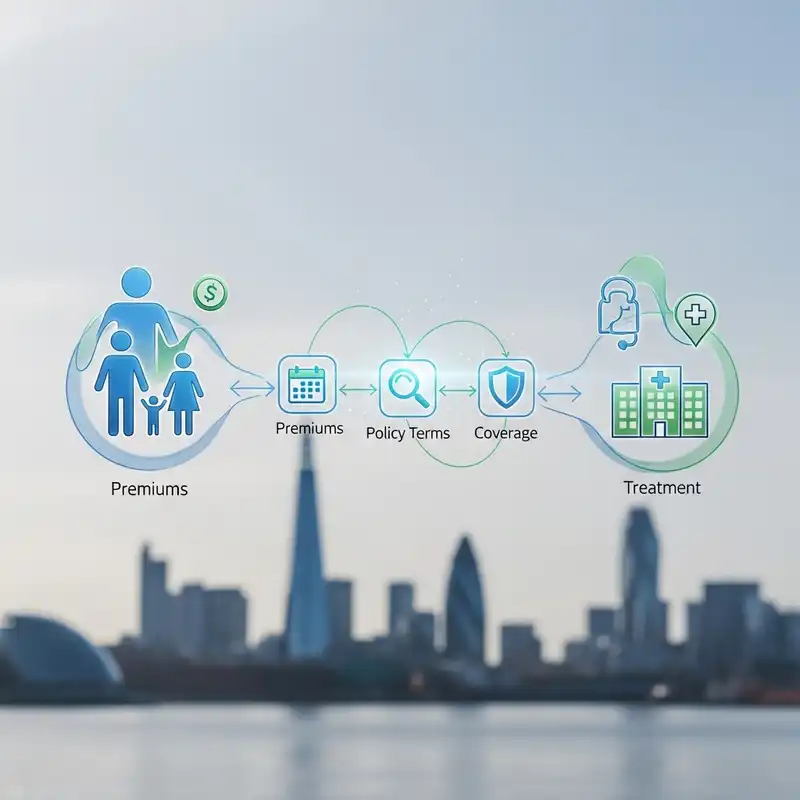
Private medical insurance (PMI) is a type of health insurance that provides access to private healthcare services in the UK. It covers the cost of private medical treatment, allowing you to bypass NHS waiting lists and receive faster, more convenient care.How does it work?
Private medical insurance works by paying for your private healthcare costs. When you need treatment, you can choose to go private and your insurance will cover the costs, subject to your policy terms and conditions. This can include:• Private consultations with specialists
• Private hospital treatment and surgery
• Diagnostic tests and scans
• Physiotherapy and rehabilitation
• Mental health treatment
Your premium depends on factors like your age, health, occupation, and the level of cover you choose. Most policies offer different levels of cover, from basic to comprehensive, allowing you to tailor the policy to your needs and budget.
Questions to ask yourself regarding private medical insurance
Just ask yourself:👉 Are you concerned about NHS waiting times for treatment?
👉 Would you prefer to choose your own consultant and hospital?
👉 Do you want faster access to diagnostic tests and scans?
👉 Would you like private hospital accommodation and better food?
👉 Do you want to avoid the stress of NHS waiting lists?
Many people don't realise that private medical insurance is more affordable than they think, especially when you consider the value of faster treatment and better facilities. A great insurance policy can provide peace of mind and ensure you receive the care you need when you need it.
Benefits offered by private medical insurance
Private medical insurance provides numerous benefits that can significantly improve your healthcare experience and outcomes:Faster Access to Treatment
One of the biggest advantages is avoiding NHS waiting lists. While the NHS provides excellent care, waiting times can be lengthy. With private medical insurance, you can often receive treatment within days or weeks rather than months.
Choice of Consultant and Hospital
You can choose your preferred consultant and hospital, giving you more control over your healthcare journey. This is particularly important for complex treatments where you want a specific specialist.
Better Facilities and Accommodation
Private hospitals typically offer superior facilities, including private rooms, better food, and more comfortable surroundings. This can make your recovery more pleasant and potentially faster.
Advanced Treatments
Private medical insurance often covers treatments and medications not available on the NHS, giving you access to the latest medical advances and technologies.
Mental Health Support
Many policies include comprehensive mental health coverage, providing faster access to therapy and psychiatric care when needed.
Tax Benefits for Business Owners
If you're self-employed or a business owner, private medical insurance premiums can be tax-deductible, making it a cost-effective way to protect your health and your business.
Peace of Mind
Knowing you have access to private healthcare when you need it provides invaluable peace of mind, especially for those with ongoing health conditions or concerns about NHS capacity.
Private medical insurance is particularly valuable for those who want to take control of their healthcare journey and ensure they receive the best possible treatment when they need it most.
Important Fact!
We can look at a more suitable option mid-term!
Why is it important to get private medical insurance early?
👉 Many people are very thankful that they had their private medical insurance cover in place before running into some serious health issues. Private medical insurance is as important as life insurance for protecting your family's finances.👉 We insure our cars, houses, and even our phones! Yet our health is the most precious thing we have.
Easily one of the most important insurance purchases an individual or family can make in their lifetime, the decision to buy private medical insurance can be made much simpler with the help of FCA-authorised advisers. They are the specialists who do the searching and analysis helping people choose between various types of private medical insurance policies available in the market, including different levels of cover and policy types most suitable to the client's individual circumstances.
It certainly won't do any harm if you speak with one of our experienced insurance experts who are passionate about advising people on financial matters related to private medical insurance and are keen to provide you with a free consultation.
You can discuss with them in detail what affordable private medical insurance plan for the necessary peace of mind they would recommend! WeCovr works with some of the best advisers in the market.
By tapping the button below, you can book a free call with them in less than 30 seconds right now:
Our Group Is Proud To Have Issued 900,000+ Policies!
We've established collaboration agreements with leading insurance groups to create tailored coverage
























How It Works
1. Complete a brief form

2. Our experts analyse your information and find you best quotes

3. Enjoy your protection!

Any questions?
Learn more

Who Are WeCovr?
WeCovr is an insurance specialist for people valuing their peace of mind and a great service.👍 WeCovr will help you get your private medical insurance, life insurance, critical illness insurance and others in no time thanks to our wonderful super-friendly experts ready to assist you every step of the way.
Just a quick and simple form and an easy conversation with one of our experts and your valuable insurance policy is in place for that needed peace of mind!