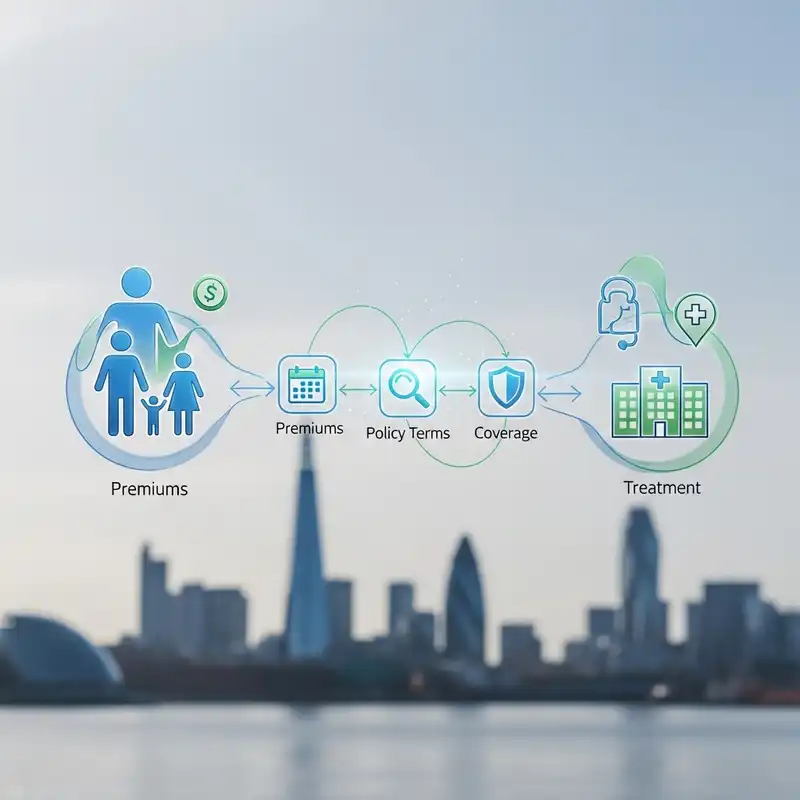
Key takeaways
- Individual vs. Group: Are you an individual professional, or are you seeking cover for a team, an entire firm, or a club? Group policies often offer more comprehensive benefits and better rates.
- Regional Location: Where are your members primarily based? Does the insurer have strong partnerships and facilities in those specific regions?
- Specific Requirements: Do you need extensive mental health support, sports rehabilitation, or executive health screening? List your priorities.
- Budget: Determine what you are willing and able to invest, but remember to consider the value of the ecosystem, not just the premium.
Which Insurers Are Building Tomorrow's Elite Health Ecosystems for UK Professionals & Clubs?
UK Private Health Insurance Innovation Hotspots
The landscape of private health insurance in the UK is undergoing a profound transformation. No longer simply a safety net for acute medical emergencies, private medical insurance (PMI) providers are evolving into comprehensive health and wellbeing partners, curating what can best be described as "elite health ecosystems." This shift is particularly pertinent for UK professionals and clubs – from corporate entities seeking to bolster employee wellbeing and productivity to elite sports clubs aiming to optimise player performance and recovery.
In an era where the National Health Service (NHS) faces unprecedented pressures, with record waiting lists for treatments (NHS England reported 7.71 million people waiting for elective care in April 2024), the demand for prompt, high-quality, and holistic healthcare solutions has never been greater. This demand isn't uniform across the UK; it manifests differently depending on regional demographics, economic drivers, and local healthcare infrastructure. Consequently, leading private health insurers are not just innovating on a national scale but are strategically developing regional "hotspots" of excellence, tailoring their offerings to meet specific local needs.
This article delves into the intricate world of UK private health insurance, exploring which insurers are at the forefront of building these next-generation health ecosystems. We will examine their innovative approaches, highlight key regional initiatives, and explain how these comprehensive offerings are designed to serve the unique requirements of UK professionals and clubs, helping them maintain peak health, performance, and resilience.
The Evolving Landscape of UK Private Health Insurance: Beyond Just Treatment
Historically, private medical insurance in the UK primarily offered a means to bypass NHS waiting lists for elective procedures and access private hospitals for acute conditions. While this core function remains vital, the scope of PMI has broadened significantly. Insurers are now adopting a proactive, holistic approach to health, encompassing prevention, mental wellbeing, digital health, and rehabilitation, alongside traditional acute care. This transformation is driven by several factors:
- NHS Pressures: Escalating waiting times and reduced access to certain services on the NHS have increased the appeal and necessity of private options.
- Growing Health Awareness: Individuals and organisations are increasingly aware of the interconnectedness of physical and mental health, and the importance of preventative measures.
- Technological Advancements: Digital health tools, from virtual GP appointments to AI-powered diagnostics, are revolutionising how healthcare is delivered and accessed.
- Employer Demand: Businesses recognise that employee health directly impacts productivity, retention, and overall organisational success. Investing in comprehensive health benefits is now seen as a strategic imperative.
- Sports & Performance Demands: For professional athletes and clubs, rapid diagnosis, elite treatment, and specialised rehabilitation are critical for maintaining peak performance and career longevity.
It is crucial to understand a fundamental limitation of standard UK private medical insurance: PMI policies are designed to cover the costs of treatment for acute conditions that arise after the policy begins. An acute condition is typically a disease, illness or injury that is likely to respond quickly to treatment, leading to a full recovery. Standard PMI policies explicitly exclude chronic conditions and pre-existing conditions.
- Pre-existing conditions are any illness, injury, or disease that you had symptoms of, received medication for, or had treatment for before taking out your policy.
- Chronic conditions are ongoing or long-term illnesses that cannot be cured, such as diabetes, asthma, or multiple sclerosis. While PMI may cover acute flare-ups of a chronic condition, it will not cover the ongoing management, monitoring, or routine medication for the chronic condition itself.
This distinction is paramount. While the "health ecosystems" built by insurers often include services that support individuals with chronic conditions or help manage general wellbeing (e.g., mental health support, nutritional advice), the insurance component itself focuses on acute, curable conditions. The preventative and wellbeing aspects are designed to reduce the likelihood of acute conditions arising or to support overall health alongside existing conditions, but they do not negate the core exclusion for pre-existing and chronic conditions for the insured medical treatment.
An "elite health ecosystem" therefore encompasses more than just the insured treatment. It is a seamless network of services, technologies, and partnerships designed to support an individual's complete health journey. For professionals, this might mean access to executive health screenings, stress management programmes, and fast-track rehabilitation. For clubs, it could involve bespoke sports psychology services, advanced physiotherapy networks, and performance nutritionists.
Understanding Regional Dynamics in UK Healthcare
The UK is not a monolithic healthcare market. Significant variations exist across different regions, influencing how private health insurance ecosystems are developed and utilised. These regional nuances are a key consideration for insurers:
- NHS Service Variation: While the NHS aims for universal coverage, performance metrics, waiting times, and access to specialist services can vary significantly between NHS trusts and regions. For instance, waiting times for elective care can be longer in certain regions compared to others.
- Private Healthcare Infrastructure: The density and specialisation of private hospitals, clinics, and diagnostic centres differ geographically. London, for example, boasts a far greater concentration of private medical facilities and specialist consultants than many other parts of the UK. Major cities like Manchester, Birmingham, Edinburgh, and Leeds also serve as significant hubs for private healthcare.
- Demographic and Economic Factors: Regions with a higher concentration of corporate headquarters, financial services, tech industries, or major professional sports clubs (e.g., London, South East, North West) often have a higher demand for sophisticated corporate health plans and bespoke services. Conversely, regions with older populations might require different focuses.
- Local Health Challenges: Specific regions might face unique health challenges or have particular specialisations. For example, areas with heavy industry might see higher rates of certain occupational diseases, while sporting regions demand advanced musculoskeletal expertise.
- Talent Pools: Access to top medical talent, including leading consultants, sports physicians, and mental health professionals, can vary. Insurers often build partnerships with key practitioners and facilities in specific regions.
In response, leading insurers are moving beyond a 'one-size-fits-all' national approach. They are strategically investing in regional partnerships, developing localised networks of providers, and tailoring their preventative and wellbeing programmes to reflect the specific needs and infrastructure of different areas. This regional specialisation is where true innovation is happening, creating more relevant and effective health solutions.
Key Insurers Leading the Innovation Charge (with Regional Initiatives)
Several major UK private health insurers are actively building comprehensive health ecosystems, with distinct strategies and regional strengths. Here’s a look at some of the leaders:
Bupa
Bupa is arguably the largest and most well-known private healthcare provider in the UK, offering an extensive network and a broad range of services. Their strategy focuses on integrating owned facilities with a vast network of partner hospitals and clinics, alongside significant investment in digital health and wellbeing services.
- Ecosystem Focus: Bupa’s ecosystem is built around comprehensive care, from preventative health assessments and digital GP services to mental health support and critical illness cover. They have a strong emphasis on corporate health and offer tailored solutions for large organisations and professional bodies.
- Regional Initiatives:
- London: Bupa owns the renowned Bupa Cromwell Hospital, a leading international hospital in Kensington, which serves as a hub for complex care and specialist treatments, particularly valuable for professionals and corporate clients in the capital. They also have numerous Bupa Health Centres across London, offering health assessments and GP services.
- North West (e.g., Manchester): Bupa actively partners with major private hospital groups like Spire Healthcare and Nuffield Health in key cities. They also promote access to mental health services and physiotherapy networks which are crucial for the region's large professional workforce and numerous sports clubs. Their digital GP services ensure access even in areas with fewer physical Bupa centres.
- National Network: Beyond owned facilities, Bupa leverages a vast network of over 10,000 consultants and practitioners nationwide, ensuring broad access to specialists across all regions. Their partnerships with sports medicine clinics are invaluable for professional sports clubs throughout the UK.
- Innovation: Bupa has significantly invested in virtual GP services, digital mental health programmes (e.g., online cognitive behavioural therapy), and health apps that provide personalised health coaching and support. Their approach often involves embedded health teams within large corporate clients, offering on-site support.
AXA Health
AXA Health, a division of the global insurance giant AXA, distinguishes itself through a strong focus on digital health solutions and strategic partnerships, aiming to provide flexible and accessible healthcare.
- Ecosystem Focus: AXA Health places a high premium on preventative care, mental wellbeing, and digital access. Their ecosystem often includes services like online GP appointments (e.g., Doctor at Hand), mental health support lines, and wellbeing programmes that extend beyond just physical health.
- Regional Initiatives:
- National Partnerships: AXA Health has significant partnerships with leading private hospital groups like Nuffield Health and Spire Healthcare across the UK, ensuring wide geographical coverage. Nuffield Health, with its extensive network of hospitals, fitness & wellbeing centres, and medical clinics, complements AXA's offerings, particularly in regions like the South East, Midlands, and Scotland. These partnerships allow for integrated pathways from physical therapy to surgical care.
- Employer-Specific Programmes: For large employers and professional organisations, AXA Health often co-designs regional wellness initiatives. For instance, in areas with a high concentration of tech firms, they might focus on digital detox programmes or stress management workshops.
- Virtual First: While not strictly regional, AXA's emphasis on virtual consultations via Doctor at Hand (powered by Teladoc Health) effectively bridges geographical gaps, providing immediate access to GPs and specialists regardless of the user's location in the UK. This is particularly beneficial for professionals with demanding schedules or those in remote areas.
- Innovation: Their "Health Tech & You" awards highlight a commitment to exploring and integrating cutting-edge health technology. They are continuously enhancing their digital platforms to offer seamless access to medical advice and wellbeing support.
Vitality
Vitality has pioneered a unique model that incentivises healthy living, integrating insurance with a comprehensive wellness programme. Their approach is about proactive health management, rewarding members for making healthier choices.
- Ecosystem Focus: Vitality’s ecosystem is built around the concept of shared value – rewarding members for healthy behaviours while simultaneously reducing claims and fostering long-term wellbeing. This includes discounted gym memberships, healthy food incentives, and cashback on health-related products. For professionals and clubs, this translates to tangible benefits for maintaining fitness and health.
- Regional Initiatives:
- Gym Partnerships: Vitality’s network of gym partners (e.g., Nuffield Health Fitness & Wellbeing Centres, Virgin Active, PureGym) is spread across the UK, providing access to fitness facilities in most major towns and cities. This encourages active lifestyles among members in various regions.
- Local Wellness Events: While their core model is national, Vitality often supports local wellness challenges or events, especially through their corporate partners. For professional clubs, this could involve sponsoring fitness equipment, offering bespoke team health assessments, or providing expert speakers on nutrition and recovery.
- Digital Integration: Their strong app-based engagement model, which integrates with popular fitness trackers (like Apple Watch, Garmin, Fitbit), means that members across all regions can participate in the wellness programme and earn rewards, regardless of their proximity to a physical Vitality centre.
- Innovation: Vitality's innovative use of behavioural economics to promote health is their hallmark. They were one of the first to truly integrate preventative health into their insurance offering, providing a blueprint for a more proactive health ecosystem that directly benefits active professionals and sports clubs.
Aviva
Aviva, one of the UK’s largest insurers, offers a robust private health insurance product complemented by a growing suite of digital health and wellbeing services.
- Ecosystem Focus: Aviva's strategy leans into digital convenience and comprehensive support, including mental health pathways and fast-track access to specialists. They aim to make healthcare straightforward and accessible.
- Regional Initiatives:
- Provider Network: Aviva leverages extensive partnerships with private hospitals (like Spire Healthcare, Ramsay Health Care) and clinics nationwide, ensuring good access to treatment in all major regional centres such as Birmingham, Glasgow, and Cardiff.
- Virtual GP Services: Like other leading insurers, Aviva offers virtual GP consultations, which are highly effective in bridging geographical gaps and providing immediate medical advice across the UK.
- Digital Mental Health Support: Aviva has expanded its mental health offering, often providing access to digital platforms for therapy and counselling, available irrespective of the member’s location, crucial for professionals managing stress.
- Innovation: Aviva has been enhancing its digital capabilities, including online claims management and virtual consultations, to streamline the customer journey. Their focus on early intervention for mental health is a key component of their evolving ecosystem.
WPA
WPA distinguishes itself through a more personalised and modular approach, often catering to small and medium-sized businesses, professional groups, and discerning individuals. They operate through a strong network of local partners and healthcare practitioners.
- Ecosystem Focus: WPA offers highly flexible and tailored plans, allowing organisations to build bespoke health ecosystems for their members. Their strength lies in their customer service and ability to adapt policies to specific needs, including executive health screening or specific sports-related therapies.
- Regional Initiatives:
- Local Broker Network: WPA operates with a strong network of local health partners and financial advisers across the UK. This distributed model allows for highly localised knowledge and support, particularly beneficial for smaller professional firms or regional clubs that prefer a direct, personal contact.
- Customised Networks: WPA can often create highly bespoke provider networks for larger groups, incorporating specific clinics or specialists preferred by a particular professional body or sports team within a defined region.
- Focus on Choice: Rather than owning large facilities, WPA empowers its members with choice from a broad range of private hospitals and consultants, accessible across various regions based on their chosen plan.
- Innovation: Their modular approach and commitment to customer choice represent a unique form of innovation. They allow organisations to effectively 'design' their own health ecosystem by picking and choosing the most relevant benefits, making them highly adaptable to the distinct requirements of diverse professional groups and clubs.
Summary of Insurers and Their Ecosystem Focus
Here’s a comparative overview of how these leading insurers are building their health ecosystems:
| Insurer | Primary Ecosystem Focus | Key Regional Strategy Examples | Innovation Highlights |
|---|---|---|---|
| Bupa | Comprehensive care, corporate health, integrated facilities, large network. | Owned facilities (e.g., Bupa Cromwell Hospital, London), extensive UK-wide network of partners (Spire, Nuffield), regional Bupa Health Centres, embedded corporate health teams. | Digital GP, advanced mental health programmes, health assessment expertise. |
| AXA Health | Digital accessibility, preventative care, strong partnerships, mental wellbeing. | Strong partnerships with Nuffield Health and Spire (national coverage), Doctor at Hand (virtual GP) for universal access, co-designed employer wellness programmes. | "Virtual-first" approach, ongoing integration of cutting-edge health tech. |
| Vitality | Incentivised wellness, proactive health management, rewards for healthy living. | Extensive gym partnerships (national), local wellness challenges via corporate clients, app-based engagement integrating fitness trackers. | Behavioural economics for health, highly integrated wellness programme. |
| Aviva | Digital convenience, straightforward access, broad network, mental health. | Wide national network of private hospitals (Spire, Ramsay), robust virtual GP service, digital mental health platforms accessible anywhere. | Enhanced digital platforms, streamlined access to care, focus on mental wellbeing. |
| WPA | Personalised, modular plans, strong local relationships, tailored solutions. | Strong regional broker network, customisable provider networks for groups, focus on choice of local specialists and hospitals. | High customisation, responsive local support, tailored for professional groups and clubs. |
Components of an Elite Health Ecosystem for UK Professionals & Clubs
An elite health ecosystem extends far beyond simply covering the costs of hospital treatment. It integrates multiple facets of health and wellbeing, designed to cater to the demanding lifestyles of professionals and the unique needs of sports clubs.
1. Preventative Care & Wellness Programmes
- Executive Health Assessments: Comprehensive medical check-ups designed for high-performing individuals, often including advanced diagnostics, lifestyle advice, and risk assessments. These can be offered annually and are critical for early detection.
- Digital Health Coaching: Personalised guidance on nutrition, exercise, stress management, and sleep, delivered through apps, webinars, or virtual consultations.
- Wellbeing Programmes: Initiatives focused on promoting holistic health, including workshops on resilience, mindfulness, and work-life balance. For clubs, this can extend to performance psychology.
2. Digital Health Integration
- Virtual GP Services: Immediate access to qualified GPs via video or phone consultations, often available 24/7. This significantly reduces waiting times and offers convenience, especially for professionals with busy schedules or those travelling.
- Telemedicine & Virtual Consultations: Access to specialists (e.g., dermatologists, physiotherapists, mental health professionals) remotely, eliminating the need for in-person appointments for initial assessments or follow-ups.
- Remote Monitoring: Utilisation of wearable tech and digital platforms to track vital signs, activity levels, and other health metrics, allowing for proactive health management and early intervention.
- AI-Powered Diagnostics & Support: Emerging technologies that can assist in symptom assessment, health information retrieval, and even personalised treatment recommendations.
3. Mental Health Support
- Fast-Track Access to Therapists & Counsellors: Reduced waiting times for mental health professionals, including psychologists, psychiatrists, and counsellors. This is vital for managing stress, anxiety, burnout, and other mental health challenges prevalent among professionals.
- Digital Mental Health Platforms: Access to online CBT (Cognitive Behavioural Therapy), mindfulness apps, and virtual support groups.
- Employee Assistance Programmes (EAPs): Often integrated into corporate health plans, offering confidential support for a wide range of personal and work-related issues.
4. Rehabilitation & Performance Optimisation
- Physiotherapy Networks: Access to a broad network of highly qualified physiotherapists, crucial for recovery from injuries and maintaining physical performance, particularly for sports professionals.
- Sports Medicine Specialists: Access to orthopaedic surgeons, sports physicians, and rehabilitation experts skilled in treating sports-specific injuries and optimising athletic performance.
- Advanced Diagnostics: Access to MRI, CT, and other imaging services for rapid and accurate diagnosis of injuries, which is paramount for professional athletes.
- Nutritional Support: Access to registered dieticians and sports nutritionists for personalised meal plans and dietary advice to support health, recovery, and performance goals.
5. Executive & Corporate Health Programmes
- Tailored Corporate Policies: Bespoke health insurance plans designed for businesses, which can include specific benefits relevant to their industry or employee demographic.
- On-site Services: For larger organisations or clubs, insurers may facilitate on-site health screenings, flu vaccinations, or wellbeing workshops.
- Absence Management Support: Tools and services to help organisations manage employee absence more effectively, including occupational health assessments and return-to-work programmes.
6. Integrated Care Pathways
- Seamless Referrals: Coordinated care pathways that ensure smooth transitions between primary care (GP), specialist consultations, diagnostic tests, treatment, and rehabilitation.
- Care Coordination Teams: Dedicated teams or case managers who help navigate the healthcare system, ensuring individuals receive the most appropriate and timely care.
Reiteration on Acute Conditions: It bears repeating: while these ecosystem components provide broad health support, the insured medical treatment within a standard PMI policy remains focused on acute conditions that arise after the policy start date. For example, a sports professional might use the ecosystem's physiotherapy network for a pre-existing chronic knee issue, but the insurance itself would only cover surgery for a new, acute knee injury occurring after the policy began, subject to policy terms. This distinction is critical for understanding the scope of PMI.
The Benefits for UK Professionals and Clubs
Investing in and leveraging these advanced health ecosystems provides significant advantages:
For Individuals (Professionals, Athletes)
- Faster Access to Care: Bypassing NHS waiting lists for diagnosis and treatment of acute conditions.
- Broader Scope of Care: Access to a wider range of services, including mental health support, preventative care, and advanced therapies, often not readily available on the NHS.
- Personalised Pathways: Tailored health plans and bespoke care journeys that address individual needs and goals.
- Improved Health Outcomes: Proactive health management, early detection, and rapid treatment lead to better long-term health.
- Enhanced Wellbeing: Support for mental and physical health contributes to overall quality of life and resilience.
For Employers and Clubs
- Reduced Absenteeism: Faster treatment and recovery for acute conditions means employees/members return to work/play quicker. Preventative care also reduces the incidence of illness.
- Improved Productivity and Performance: Healthy and well-supported individuals are more engaged, productive, and perform better, whether in the boardroom or on the field.
- Enhanced Retention and Recruitment: A comprehensive health and wellbeing package is a significant draw for attracting and retaining top talent in competitive professional fields and sports.
- Fulfilment of Duty of Care: Demonstrating a tangible commitment to the health and wellbeing of employees or club members.
- Risk Management: Proactive health management can identify and mitigate health risks, potentially reducing long-term costs associated with ill health.
- Return on Investment (ROI): While difficult to quantify precisely, studies suggest that investing in employee wellbeing programmes can yield positive returns through reduced healthcare costs, increased productivity, and improved morale. For example, a report by Deloitte (2020) highlighted that for every £1 spent on mental health interventions, employers get £5 back in reduced absenteeism, presenteeism, and staff turnover.
Benefits Overview Table
| Feature | Benefit for Individuals | Benefit for Employers/Clubs |
|---|---|---|
| Rapid Access | Quick diagnosis and treatment for acute conditions. | Reduced absenteeism, faster return to work/play. |
| Holistic Care | Comprehensive physical and mental health support. | Enhanced employee/member wellbeing, higher morale. |
| Preventative Focus | Proactive health management, reduced risk of illness. | Lower long-term healthcare costs, healthier workforce/team. |
| Digital Tools | Convenient, flexible access to care from anywhere. | Improved accessibility, reduced disruption to work/training. |
| Performance Support | Specialised rehabilitation, sports medicine, nutrition. | Optimised performance, faster injury recovery, talent retention. |
| Tailored Solutions | Personalised care that meets specific needs. | Benefits package aligned with organisational goals and member demographics. |
Challenges and Considerations in Building Regional Ecosystems
While the move towards comprehensive regional health ecosystems offers immense benefits, it's not without its challenges:
- Cost vs. Value: Building and maintaining such extensive ecosystems is expensive. Insurers must balance the comprehensiveness of their offerings with affordability for individuals and organisations. Understanding the true value proposition beyond just premium cost is crucial for the consumer.
- Provider Network Consistency: Ensuring a consistent level of quality and accessibility across all regions, particularly in areas with fewer private healthcare facilities, can be difficult. Insurers must carefully manage their networks and partnerships.
- Data Privacy and Security: Handling vast amounts of sensitive health data requires robust cybersecurity measures and strict adherence to data protection regulations (e.g., GDPR). Trust is paramount.
- Regulatory Compliance: Navigating the complex regulatory landscape, including the Financial Conduct Authority (FCA) for insurance products and the Care Quality Commission (CQC) for healthcare providers, adds layers of complexity.
- Engagement and Utilisation: Offering sophisticated health tools is one thing; encouraging members to actively use them is another. Insurers and employers must foster a culture of engagement to maximise the benefits of the ecosystem.
- Pre-existing and Chronic Conditions (A Core Limitation): This remains the single most significant challenge for private medical insurance in providing truly 'holistic' long-term health management. While the ecosystem components (e.g., dietitians, mental health support) can assist individuals with chronic conditions in managing their overall health, the insurance policy itself will not cover the treatment or ongoing management of those chronic conditions. This means organisations seeking full, cradle-to-grave health management for their members or employees must understand this inherent limitation and potentially consider supplementary benefits or approaches outside the core PMI policy for these specific areas. For professionals or clubs with members who have chronic conditions, this means understanding that the insured treatment component of their PMI is for new, acute issues only.
How to Navigate the Private Health Insurance Market
The shift towards complex health ecosystems means that choosing the right private health insurance policy is no longer just about comparing premiums. It requires a deeper understanding of what each insurer offers beyond the core medical cover, particularly their regional strengths and specialist services. This is where expert guidance becomes invaluable.
When navigating this complex landscape, working with an independent specialist broker like WeCovr can be invaluable. We understand the nuances of each insurer's regional strengths and ecosystem offerings, helping you cut through the complexity to find the perfect fit.
Here are key considerations when selecting a policy for yourself, your professional practice, or your club:
-
Assess Your Needs:
- Individual vs. Group: Are you an individual professional, or are you seeking cover for a team, an entire firm, or a club? Group policies often offer more comprehensive benefits and better rates.
- Regional Location: Where are your members primarily based? Does the insurer have strong partnerships and facilities in those specific regions?
- Specific Requirements: Do you need extensive mental health support, sports rehabilitation, or executive health screening? List your priorities.
- Budget: Determine what you are willing and able to invest, but remember to consider the value of the ecosystem, not just the premium.
-
Understand Policy Limits and Exclusions:
- Acute vs. Chronic/Pre-existing: Reconfirm that standard PMI covers acute conditions that arise after policy inception. Understand that pre-existing conditions and chronic conditions are typically excluded from the core insurance cover. If these are a concern, discuss supplementary options with your broker.
- Out-patient Limits: Check limits for consultations, diagnostics, and therapies outside of hospital stays.
- Excesses and Co-payments: Understand any out-of-pocket expenses you might incur.
-
Compare Network Access and Specialist Options:
- Which hospitals and clinics can you access? Are they conveniently located for your members?
- Does the policy offer "guided options" (where the insurer guides you to specific providers) or "open referral" (where you have more choice)?
- Are the specialists you might need part of their network (e.g., specific sports medicine consultants for a club)?
-
Evaluate the "Ecosystem Value":
- Beyond the core insurance, what digital tools are available (virtual GP, health apps)?
- What preventative care and wellbeing programmes are included?
- What mental health support is offered?
- Are there rehabilitation or performance optimisation services relevant to your needs?
-
Seek Expert Advice:
- The market is complex, with subtle differences between policies and insurers. An independent broker can provide unbiased advice.
- At WeCovr, we pride ourselves on helping professionals and clubs compare plans from all major UK insurers. We can help you identify policies that not only cover acute medical needs but also provide access to the innovative health ecosystems that are most relevant to your regional needs and specific requirements. We understand the specific demands placed on professionals and clubs and can tailor advice accordingly.
-
Read the Small Print: Always review the policy terms and conditions thoroughly before committing.
The Future of UK Private Health Insurance and Regional Ecosystems
The trajectory of UK private health insurance is clear: it’s moving towards becoming a proactive health partner rather than merely a reactive claims processor. Several trends will shape its evolution, particularly in the context of regional ecosystems:
- Hyper-Personalisation: Leveraging data analytics and AI to offer highly customised health plans and preventative interventions tailored to an individual’s risk profile, lifestyle, and regional context.
- Predictive Analytics: Using data to identify individuals at risk of developing certain conditions, allowing for proactive intervention before an acute event occurs.
- Greater Integration with Primary Care: Enhanced collaboration between private insurers and GPs, possibly even integrating private virtual GP services more formally into patient pathways.
- Focus on Proactive Health & Lifestyle Management: Continued emphasis on preventing illness through digital coaching, incentivised wellness, and access to a wider range of wellbeing professionals (nutritionists, sleep therapists, financial wellbeing experts).
- Technology as an Enabler: Continued adoption of wearable technology, remote diagnostics, virtual reality for therapy, and AI for administrative efficiency and personalised care. Technology will be key to bridging regional service gaps.
- Sustainability and ESG (Environmental, Social, Governance): Insurers will increasingly consider their social impact and sustainability, potentially influencing how they develop community health initiatives or partner with local providers.
- Continued NHS Pressures: The ongoing strain on the NHS will remain a primary driver for the growth and innovation in the private health sector, particularly as waiting lists remain stubbornly high across many specialties and regions. The private sector will continue to evolve to meet the demand for swift, comprehensive care.
This evolution signifies a fundamental shift from "insurance" to "health partnership." For UK professionals and clubs, this means a future where private health cover is not just about treatment when something goes wrong, but about a comprehensive system designed to maintain and enhance health, performance, and resilience year-round.
Conclusion
The UK private health insurance market is vibrant and dynamic, driven by innovation, technological advancement, and a growing recognition of the importance of holistic wellbeing. For UK professionals and clubs, the emergence of "elite health ecosystems" – comprehensive frameworks that extend beyond traditional medical treatment to encompass prevention, mental health, and performance optimisation – represents a significant opportunity.
Leading insurers like Bupa, AXA Health, Vitality, Aviva, and WPA are at the forefront of this transformation, each with unique strengths and strategic regional approaches. Whether through extensive physical networks, cutting-edge digital platforms, or incentivised wellness programmes, these providers are actively shaping tomorrow's healthcare landscape. While the core limitation of excluding pre-existing and chronic conditions for insured treatment remains, the broader ecosystem components offer invaluable support for overall health management.
Understanding these regional innovation hotspots and the diverse offerings of insurers is crucial for making an informed decision. Whether you're an individual professional seeking to safeguard your health, or part of a club striving to optimise the health and wellbeing of your members, understanding these regional innovation hotspots is key. Let WeCovr guide you through the options, ensuring you find the ideal private health insurance solution that truly builds tomorrow's elite health ecosystem for you.
Sources
- NHS England: Waiting times and referral-to-treatment statistics.
- Office for National Statistics (ONS): Health, mortality, and workforce data.
- NICE: Clinical guidance and technology appraisals.
- Care Quality Commission (CQC): Provider quality and inspection reports.
- UK Health Security Agency (UKHSA): Public health surveillance reports.
- Association of British Insurers (ABI): Health and protection market publications.
Disclaimer: This is general guidance only and does not constitute formal tax or financial advice. Tax treatment depends on individual circumstances, policy terms, and HMRC interpretation, which cannot be guaranteed in advance. Whenever applicable, businesses and individuals should always consult a qualified accountant or tax adviser before arranging such policies.
Start with your Protection Score, then decide whether private health cover is the right fit
Check where health access sits in your overall protection picture before deciding whether to compare private health cover.
Spot whether NHS access risk is the real issue
See if PMI is the gap to fix first
Get health insurance help only if it makes sense for you
Get your score
Start with your protection score
Check your current position first, then get health insurance help if you need it.
Check your current resilience
Score your income, health access and family protection position in a few minutes.
See where private cover helps
Understand whether faster diagnosis and treatment is a priority gap.
Continue to tailored PMI help
If health access is the issue, continue to tailored PMI help.
What you get
A quick view of your current protection position
A clearer idea of where the biggest gaps may be
A direct route to tailored help if you want it