TL;DR
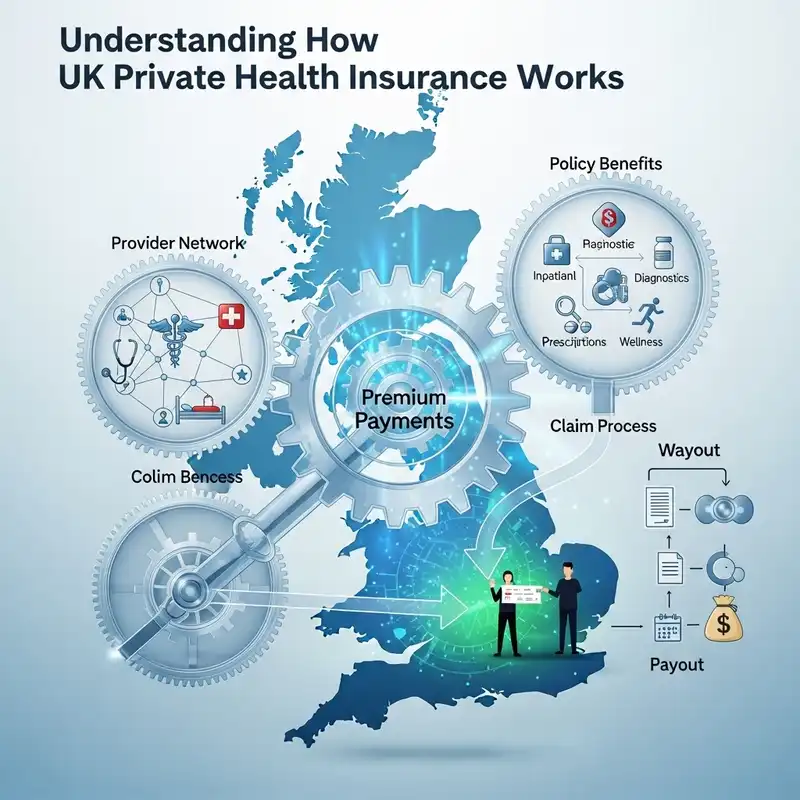
In the intricate landscape of UK healthcare, the National Health Service (NHS) stands as a monumental pillar, providing universal care free at the point of use. This isn't about replacing the NHS, but rather complementing it, offering an alternative pathway to swifter access, greater choice, and enhanced comfort for acute conditions that arise after a policy begins. The decision to invest in private health insurance is multifaceted, driven by a desire for peace of mind, expedited treatment, and the flexibility to choose consultants and hospitals.
Key takeaways
- Pre-existing conditions: These are any medical conditions for which you have received symptoms, advice, or treatment prior to taking out your policy. Insurers typically have a look-back period (e.g., 5 years) to determine if a condition is pre-existing. If it is, it will generally be excluded from cover.
- Chronic conditions: These are long-term illnesses that cannot be cured, but can be managed. Examples include diabetes, asthma, epilepsy, and high blood pressure. While your policy might cover the initial acute phase of diagnosing a chronic condition, or an acute flare-up of a chronic condition, it will not cover ongoing monitoring, management, or maintenance treatment for the chronic condition itself. The NHS remains the primary provider for the long-term management of chronic illnesses.
- In-patient treatment: This is usually the core of any policy, covering treatments where you need to stay overnight in a hospital bed. This includes surgical procedures, accommodation, nursing care, and consultant fees.
- Day-patient treatment: Similar to in-patient but for procedures or treatments that don't require an overnight stay, yet still use hospital facilities.
- Out-patient treatment: This often needs to be added as an optional extra or is included in more comprehensive plans. It covers consultations with specialists, diagnostic tests (such as MRI scans, CT scans, X-rays, blood tests), and sometimes physiotherapy or other therapies. This is where "everyday specialist care" truly comes into play.
UK Private Health Insurance Your Local Health Map Comparing Insurers for Best Regional
Navigating Your Health Map: Why Local Access Matters in UK Private Health Insurance
In the intricate landscape of UK healthcare, the National Health Service (NHS) stands as a monumental pillar, providing universal care free at the point of use. Yet, for a growing number of Britons, the pressures on the NHS – particularly reflected in ever-lengthening waiting lists for elective procedures, diagnostics, and specialist consultations – have led to an increasing exploration of private medical insurance (PMI). This isn't about replacing the NHS, but rather complementing it, offering an alternative pathway to swifter access, greater choice, and enhanced comfort for acute conditions that arise after a policy begins.
The decision to invest in private health insurance is multifaceted, driven by a desire for peace of mind, expedited treatment, and the flexibility to choose consultants and hospitals. However, a crucial, yet often overlooked, dimension of this decision is the concept of your 'local health map'. It’s not enough for a policy to merely cover a condition; it must also provide practical, convenient access to the necessary care right where you live or work. What good is a top-tier policy if the nearest approved specialist for your needs is a two-hour drive away, or if the designated private hospital requires navigating significant travel hurdles?
This definitive guide will delve deep into why local access to everyday specialist care is paramount when choosing private health insurance in the UK. We’ll explore how different insurers structure their networks, how to scrutinise these networks for genuine regional availability, and arm you with the insights needed to plot your personal health map effectively. Our aim is to ensure your investment in private health insurance truly delivers on its promise of accessible, timely care, tailored to your specific geographical reality.
The Pillars of Private Health Insurance: What It Covers and What It Doesn't
Before we embark on charting your local health map, it's fundamental to grasp the core mechanics of UK private medical insurance. Understanding what PMI is designed to cover – and critically, what it isn't – forms the bedrock of an informed decision.
Private medical insurance in the UK is primarily designed to cover the costs of private medical treatment for acute conditions. An acute condition is a disease, illness, or injury that is likely to respond quickly to treatment and return you to the state of health you were in immediately before the condition developed. Think of it as cover for new, unexpected health issues that arise after your policy has begun.
Crucially, standard UK private medical insurance does NOT cover chronic conditions or pre-existing conditions. This is a non-negotiable rule across the industry and is a point of frequent misunderstanding.
- Pre-existing conditions: These are any medical conditions for which you have received symptoms, advice, or treatment prior to taking out your policy. Insurers typically have a look-back period (e.g., 5 years) to determine if a condition is pre-existing. If it is, it will generally be excluded from cover.
- Chronic conditions: These are long-term illnesses that cannot be cured, but can be managed. Examples include diabetes, asthma, epilepsy, and high blood pressure. While your policy might cover the initial acute phase of diagnosing a chronic condition, or an acute flare-up of a chronic condition, it will not cover ongoing monitoring, management, or maintenance treatment for the chronic condition itself. The NHS remains the primary provider for the long-term management of chronic illnesses.
The rationale behind these exclusions is rooted in the very nature of insurance: it's designed to cover unforeseen risks, not predictable or ongoing costs. Covering chronic or pre-existing conditions would render premiums prohibitively expensive for the vast majority.
So, what does PMI typically cover?
- In-patient treatment: This is usually the core of any policy, covering treatments where you need to stay overnight in a hospital bed. This includes surgical procedures, accommodation, nursing care, and consultant fees.
- Day-patient treatment: Similar to in-patient but for procedures or treatments that don't require an overnight stay, yet still use hospital facilities.
- Out-patient treatment: This often needs to be added as an optional extra or is included in more comprehensive plans. It covers consultations with specialists, diagnostic tests (such as MRI scans, CT scans, X-rays, blood tests), and sometimes physiotherapy or other therapies. This is where "everyday specialist care" truly comes into play.
- Cancer cover: Many policies include comprehensive cancer care, covering diagnostics, chemotherapy, radiotherapy, and surgery.
- Mental health support: Increasing numbers of policies now include some level of mental health cover, often for psychiatric consultations or talking therapies.
Common Exclusions (beyond chronic/pre-existing):
- Emergency A&E treatment (this is always handled by the NHS).
- Cosmetic surgery.
- Fertility treatment.
- Normal pregnancy and childbirth (though complications may be covered).
- Organ transplants.
- Experimental treatments.
- Self-inflicted injuries.
- Drug or alcohol abuse.
The benefits of PMI are compelling for acute conditions: significantly shorter waiting times (often weeks instead of months or even years on the NHS for certain procedures), the ability to choose your consultant and hospital from an approved list, a private room, flexible appointment times, and a generally more comfortable and personalised experience. It's about empowering you to take control when a new, unexpected health issue arises.
Beyond the Brochure: The Unseen Importance of Your Local Health Map
When selecting private health insurance, the glossy brochures often highlight broad coverage, impressive benefits, and competitive premiums. What they often can't convey is the real-world impact of your geographic location on your access to care. Your 'local health map' is not just a nice-to-have; it's a critical determinant of how effectively and conveniently you can utilise your policy.
Convenience and Practicality: Imagine needing regular physiotherapy sessions, or follow-up consultations with a specialist for an acute musculoskeletal issue. If your chosen private hospital or clinic is an hour's drive away in heavy traffic, the practical burden can quickly negate the benefits of private care. Travel time, parking costs, taking significant time off work – these all add up, transforming a supposed convenience into a logistical challenge. For a single diagnostic scan, it might be manageable, but for ongoing treatment or frequent consultations, local access becomes paramount.
Continuity of Care: Having access to a network of specialists and facilities within your local area fosters better continuity of care. You're more likely to see the same consultant for follow-up appointments, or be referred to allied health professionals (like physiotherapists or dieticians) who are part of a familiar local network. This streamlined approach can lead to better health outcomes and a more reassuring patient experience.
Regional Variations in Healthcare Provision: The UK, despite its relatively small size, exhibits significant regional disparities in healthcare infrastructure, both within the NHS and the private sector. Major metropolitan areas like London, Manchester, and Birmingham often boast a high concentration of private hospitals, clinics, and specialist consultants. However, move into more rural or less densely populated regions – parts of the South West, Wales, Scotland, or the North East – and the density of private healthcare providers can thin out considerably.
For instance, according to recent NHS statistics, elective waiting lists vary significantly across Integrated Care Boards (ICBs). While private providers aim to mitigate these, their presence and specialisms aren't uniform. A bustling city might have several private hospitals offering a full suite of services, whereas a regional town might only have one or two, perhaps with more limited specialist availability. This regional variance directly impacts the choice and speed of access available to you under your PMI policy.
Even for urgent, but non-emergency, acute conditions, being able to access diagnostic services (like MRI or CT scans) or a specialist consultation quickly and locally can be the difference between prompt diagnosis and prolonged anxiety. The 'unseen' importance lies in how your policy translates from a piece of paper into tangible, accessible healthcare solutions in your everyday life. Without local options, even the most comprehensive policy can feel limiting.
Decoding Insurer Networks: Understanding Your Access Points
The bedrock of regional access within private health insurance lies in the insurer's network of approved hospitals, clinics, and consultants. These networks dictate where you can receive treatment under your policy, making their geographical coverage and depth a critical factor in your decision.
Approved Hospital Lists and Networks
Each insurer operates with a defined set of approved facilities. These are generally categorised into tiers or lists, which directly influence your premium and geographical options:
- Standard or 'Core' Network: This typically includes a broad range of private hospitals and units, but might exclude some of the most expensive central London hospitals or highly specialised facilities. It usually offers good national coverage, but you'll need to check the specifics for your local area.
- Extended or 'Full' Network: This encompasses the standard network plus additional hospitals, often including premium facilities in major cities. Opting for this wider network typically results in higher premiums.
- Local/Regional Networks: Some insurers offer specific plans or variations that limit your access to hospitals within a defined geographical radius or to a more select list of cost-effective hospitals. While this can lower premiums, it inherently restricts your local choice.
It's vital to understand that simply being on a list doesn't guarantee availability. The network defines where you can go, but not necessarily who you can see.
Consultant Directories and Referral Pathways
Beyond the hospital itself, access to the right consultant is paramount for everyday specialist care. Insurers maintain directories of consultants who are approved to provide treatment under their policies.
- Open Referral: This is the most common pathway. Your NHS GP or private GP refers you to a specialist (e.g., an orthopaedic surgeon) for an acute condition. The insurer then provides a list of approved consultants in your area for that specialism. This offers you choice.
- Named Consultant Referral: In some cases, your GP might refer you to a specific consultant. You'll then need to check if that consultant is approved by your insurer and practices at an approved hospital.
The choice of consultant is often restricted to those who have "recognised practitioner" status with your insurer, meaning they have agreed to the insurer's fee schedules and terms. This is particularly important for everyday specialist consultations and follow-ups.
Impact on Premiums
The scope and exclusivity of an insurer's network directly influence your premium. Policies that offer access to a wider network of hospitals, especially those in prime urban locations (like Central London), will inevitably be more expensive. This is because the cost of treatment in these facilities is higher. Similarly, if your postcode is in an area with a high concentration of private medical facilities and high utilisation rates, your premium may be higher due to postcode loading. Insurers assess risk and cost based on your geographical location.
How to Check Specific Hospitals/Consultants Near You
This is where the 'health map' truly comes to life. Before committing to a policy, you should:
- Provide your postcode: Insurers' online tools or a broker like WeCovr can generate a list of approved hospitals and clinics accessible to you.
- Identify key specialisms: Think about the 'everyday' specialist care you might need (e.g., orthopaedics, dermatology, ENT, gynaecology, physiotherapy). Check which hospitals in your local network offer these services.
- Verify consultant availability: Ask the insurer (or your broker) if they can confirm a reasonable number of approved consultants for those specialisms within your preferred travel distance. Sometimes a hospital is listed, but the specific specialist you need is not readily available through that network for your acute condition.
Understanding and scrutinising these networks is critical. A policy might appear cheap, but if its network excludes all convenient local options, its value to you diminishes significantly.
The Major Players: Who Offers What and Where
The UK private health insurance market is dominated by a few key players, each with their own approach to networks, policy structures, and regional footprints. While they all offer comprehensive cover for acute conditions, their specific hospital lists and how they manage local access can differ.
Here’s an overview of the major insurers in the UK:
- Bupa: As one of the largest and most well-known, Bupa has a vast network of hospitals and clinics, including their own Bupa Cromwell Hospital in London. They offer several hospital lists (e.g., Partnership, Essential, Comprehensive) which define the breadth of access and impact premiums. Their network is generally broad, offering good national coverage, but specifics still depend on your chosen list and postcode.
- AXA Health: Another giant in the market, AXA Health also boasts an extensive network. They are known for their flexible plans and strong digital health offerings. Their hospital directories are typically comprehensive, allowing for good choice in many regions.
- Vitality: Unique for its focus on preventative health and wellness, Vitality offers incentives for healthy living that can reduce premiums. Their network is substantial, and they often partner with Nuffield Health and Spire hospitals, which are widely distributed across the UK. Their network choice can be tailored to manage costs.
- Aviva: A major general insurer, Aviva's health insurance arm provides a robust offering with various levels of cover. They leverage a strong network of private hospitals and are known for competitive pricing, particularly for corporate schemes, but also for individual policies.
- WPA: A not-for-profit mutual, WPA is highly regarded for its customer service and flexible 'modular' plans, allowing for significant customisation. They tend to have strong relationships with consultants and often provide excellent regional coverage, particularly for those looking for choice of consultant. Their "Premier" and "Select" options define their hospital lists.
- National Friendly: A smaller, but well-established mutual insurer, National Friendly focuses on providing value-for-money options. Their network may be more selective than the larger players, but they can be a good option for those seeking a more personal approach and perhaps are content with a slightly less extensive list of hospitals for their acute needs.
- Freedom Health Insurance: An independent UK insurer, Freedom offers flexible plans with options for varying levels of cover and hospital access. They pride themselves on clear policy wording and good customer service. Their network is built on established private hospital groups.
Table: Major UK Insurers & General Network Approach
| Insurer | General Network Approach | Key Differentiator (Relevant to Access) |
|---|---|---|
| Bupa | Extensive & Multi-tiered (e.g., Partnership, Essential, Comprehensive) | Very broad national coverage; own hospitals (e.g., Cromwell); network tiers offer choice vs. cost. |
| AXA Health | Comprehensive & Flexible | Large network of private hospitals; strong digital health integration for referrals/appointments. |
| Vitality | Substantial (often Nuffield/Spire focused) | Wellness-driven model; network choice impacts premiums; good distribution of partner hospitals. |
| Aviva | Broad & Competitive | Strong established network; often competitive pricing for both individual and corporate clients. |
| WPA | Flexible & Consultant-focused (e.g., Premier, Select) | Excellent reputation for choice of consultant; strong regional ties; highly customisable policies. |
| National Friendly | Selective & Value-focused | Smaller, personal approach; network may be more curated, potentially offering good value in specific regions. |
| Freedom Health | Flexible & Transparent | Good selection of established private hospital groups; clear policy wording regarding access. |
It’s crucial to remember that a "broad" network doesn't automatically mean your specific local needs will be met optimally. The best way to ascertain actual local access is to provide your postcode and specific needs to each insurer or, more efficiently, to a specialist broker.
Mapping Your Options: A Strategic Approach to Regional Comparison
Choosing the right private health insurance is less about picking the 'best' insurer in general, and more about identifying the 'best fit' for your unique circumstances – paramount among these being your geographical location. A strategic approach to regional comparison will ensure your policy provides genuine, convenient access to everyday specialist care for your acute conditions.
The Importance of Your Postcode
Your postcode is the single most critical piece of information for any regional comparison. Insurers use it to:
- Define your eligible network: Different hospital lists apply based on your location.
- Calculate your premium: Postcode loading reflects regional variations in treatment costs and utilisation rates.
- Show you available facilities: Online tools and broker systems rely on your postcode to display nearby approved hospitals and clinics.
Never compare policies without inputting your specific postcode. A policy that looks great for someone in London might be completely inadequate for someone in rural Wales due to network limitations.
The Role of Hospital Lists: How to Use Them Effectively
Once you have your postcode in hand, delve into the insurer's hospital lists:
- Proximity vs. Choice: Don't just look for one hospital nearby. Aim for a few options. What if the closest one doesn't have the specific specialist you need for your acute condition, or has long waiting times within the private system itself?
- Specialisations: Does the hospital offer the everyday specialist care you anticipate needing? For example, if you have a family history of skin issues, check if there's a dermatology department. If sports injuries are a concern, look for orthopaedics and physiotherapy.
- Type of Facility: Is it a large private hospital with comprehensive facilities, or a smaller, specialised clinic? For diagnostics like MRI/CT scans, a larger hospital might offer more immediate access.
Consultant Availability: Not Just Hospitals, But Actual Specialists
This is a finer point often overlooked. A hospital might be on the list, but the specific type of consultant you need for an acute condition might not practice there, or might not be approved by your insurer, or might have limited availability.
- Check Consultant Directories: If available, review the insurer's consultant directory for your area and the specific specialisms (e.g., ENT surgeons, gastroenterologists, dermatologists, orthopaedic consultants).
- Consider "Open Referral" Flexibility: Policies that allow for open referral (where your GP refers you to a general specialist, and the insurer provides options) offer more flexibility than those that require a named consultant to be pre-approved.
Diagnostic Facilities: MRI, CT, X-ray Locally
For many acute conditions, the first step after a GP consultation is diagnostic imaging. Ensure your local network includes easily accessible facilities for:
- MRI Scans: Essential for soft tissue injuries, neurological issues.
- CT Scans: For bone injuries, internal organs.
- X-rays: Basic skeletal imaging.
- Ultrasound: For various soft tissue and internal organ assessments.
Waiting times for these on the NHS can be significant. Local private access can dramatically speed up diagnosis and subsequent treatment for acute issues.
Physiotherapy and Other Allied Health Professionals
Many everyday acute conditions, particularly musculoskeletal issues, require follow-up physiotherapy. Check if your policy and local network cover:
- Physiotherapists: For rehabilitation and pain management.
- Osteopaths/Chiropractors: Some policies include these, but often with limits.
- Psychologists/Counsellors: For mental health support (if included in your policy).
Table: Key Factors for Regional Comparison
| Factor | Why it Matters | How to Assess for Your Area |
|---|---|---|
| Approved Hospital Proximity | Direct impact on travel time, convenience, and stress, especially for frequent visits or family members. | Input your postcode into each insurer's online tool or ask a broker for a list of hospitals within a 30-45 minute drive. Compare the number and quality of options. |
| Specialist Availability | Ensures you can see the right consultant for your acute condition without excessive travel or waiting. | Check insurer's consultant directories for key specialisms (e.g., orthopaedics, dermatology) in your local area. Confirm multiple options are available, not just one. |
| Diagnostic Facilities | Quick access to scans (MRI, CT, X-ray) and tests is crucial for timely diagnosis of acute conditions. | Verify that approved hospitals or clinics in your local network offer a full range of diagnostic imaging and pathology services. Consider if separate diagnostic centres are available. |
| Allied Health Access | For follow-up care like physiotherapy, osteopathy, or mental health therapies, local access ensures continuity and adherence to treatment. | Confirm if and where physiotherapists, osteopaths, or accredited therapists are available through the network within a reasonable distance for your acute conditions. |
| Premium Variation by Postcode | Your location significantly influences the cost of your policy, reflecting regional treatment costs. | Obtain quotes from multiple insurers using your exact postcode. Understand how different network choices (e.g., standard vs. comprehensive) affect the price in your specific area. |
| Travel Infrastructure | How easily can you get to the hospitals? Public transport, parking availability. | Consider the transport links and parking options for the listed hospitals. Is it practical to get there during peak times, or if you're not feeling well? |
A truly strategic comparison goes beyond the headline premium and delves into the granular reality of how the policy's network will function on your personal 'health map' for acute conditions.
Everyday Specialist Care: Defining Your Needs
When people consider private health insurance, their minds often jump to major surgeries or life-threatening conditions. While PMI certainly provides invaluable access for such acute needs, its most frequent utility for many policyholders lies in what we term "everyday specialist care." This refers to the common, non-emergency consultations, diagnostics, and minor treatments that address new, acute health concerns that arise and typically require a specialist opinion.
These are the conditions that, on the NHS, often lead to frustratingly long waiting times for a first outpatient appointment, diagnostic tests, or non-surgical treatments. According to NHS England data, as of May 2024, the total waiting list for routine hospital treatment stood at over 7.54 million entries, with over 3 million people waiting more than 18 weeks. A significant portion of this involves initial specialist consultations and diagnostics for non-life-threatening but quality-of-life impacting acute conditions.
Here's what "everyday specialist care" typically encompasses:
- Dermatology: Persistent rashes, moles needing assessment, eczema flare-ups, or other new, acute skin conditions.
- Orthopaedics (non-surgical consultations): New, acute joint pain (knee, shoulder, hip), back pain requiring specialist assessment, sports injuries (sprains, strains) not requiring immediate surgery but needing diagnosis and management for an acute phase.
- Ear, Nose, and Throat (ENT): Chronic sinusitis (when acute flare-ups occur), persistent ear infections, new voice changes, tonsillitis requiring assessment, acute hearing issues.
- Gynaecology: New, acute period problems, pelvic pain, ovarian cysts, or initial investigations for acute gynaecological symptoms.
- Ophthalmology: Sudden vision changes (non-emergency), dry eye syndrome requiring specialist input, or new, acute eye discomfort.
- Gastroenterology: New, acute digestive issues, abdominal pain, or bowel habit changes requiring specialist investigation.
- Urology: New, acute urinary issues, kidney stone assessment (non-emergency), prostate concerns.
- Physiotherapy: Following an acute injury (e.g., sprained ankle, whiplash from a minor accident), or for new onset back/neck pain.
- Diagnostics: MRI, CT, X-ray, ultrasound scans, and blood tests to pinpoint the cause of acute symptoms, often before seeing a specialist.
These are the bread-and-butter reasons people turn to private health insurance. For example, a sports enthusiast who twists their knee and needs a rapid MRI to diagnose a potential ligament tear, or a parent whose child develops recurrent ear infections and needs a swift ENT consultation. These are not life-threatening emergencies, but they significantly impact daily life and can become chronic if not addressed promptly.
The Contrast with NHS Waiting Times:
Let's consider some illustrative waiting times (these are indicative and vary widely by region and specialty):
| Everyday Specialist Care Type | Typical NHS Waiting Time (First Outpatient Appointment, May 2024 indicative) | Potential Private Access Time (post-GP referral) |
|---|---|---|
| Dermatology | 18-52+ weeks | 1-3 weeks |
| Orthopaedics (non-surgical) | 26-70+ weeks | 2-4 weeks |
| ENT | 22-60+ weeks | 2-4 weeks |
| Gynaecology | 18-40+ weeks | 1-3 weeks |
| Diagnostic Scans (MRI/CT) | 6-18+ weeks (for non-urgent) | 1-2 weeks |
| Physiotherapy | 8-20+ weeks | 1-2 weeks |
(Sources: NHS England referral to treatment (RTT) waiting times data, various regional NHS Trust reports. Private access times are estimates and depend on specialist availability and urgency.)
It's this significant disparity in access for acute conditions that makes private health insurance so appealing. But for these benefits to be fully realised, the access points – the consultants, clinics, and diagnostic centres – must be conveniently located on your local health map. Without local options, the theoretical benefit of faster access becomes diluted by the practical burden of travel and logistics.
The Gatekeeper: Your GP's Pivotal Role in Private Healthcare Access
In the UK, whether you're using the NHS or private healthcare, your General Practitioner (GP) almost invariably acts as the initial gatekeeper. Their role in accessing private specialist care for your acute condition is pivotal and cannot be circumvented in most standard private medical insurance policies.
The Standard Referral Process
When you have a new, acute health concern that you believe might require specialist attention, your first port of call will typically be your NHS GP. After assessing your symptoms, your GP will determine if a specialist referral is appropriate. If they agree, they will issue a referral letter.
For private healthcare, this referral letter is critical. It serves several purposes:
- Clinical Justification: It provides the specialist with your medical history and the specific reason for the referral, ensuring appropriate care.
- Insurance Requirement: Nearly all private medical insurance policies stipulate that a GP referral is required for specialist consultations and subsequent treatment to be covered. This ensures that only medically necessary specialist care for acute conditions is sought, preventing unnecessary claims.
- Guidance: Your GP can often suggest a type of specialist (e.g., an orthopaedic surgeon, a dermatologist) and sometimes even recommend a specific consultant if they have knowledge of the private practices in your area.
Private GP Services
Some premium private health insurance policies, or optional add-ons, may include access to private GP services. This can offer:
- Faster Appointments: Getting an appointment with a private GP is often much quicker than with an NHS GP.
- Longer Consultations: More time to discuss your symptoms and concerns.
- Direct Referrals: A private GP can issue a referral letter directly to a private specialist, bypassing the need to see an NHS GP for this purpose, though you would still need an NHS GP for ongoing general care and chronic conditions.
While convenient, it's important to note that even with a private GP, the insurer's requirement for a referral for specialist treatment remains.
The Importance of a Good Relationship with Your NHS GP
Maintaining a good relationship with your NHS GP is still incredibly important, even if you have PMI.
- Comprehensive Medical History: Your NHS GP holds your complete medical record, which is vital for any specialist, private or otherwise.
- Chronic Conditions: They will continue to manage any chronic conditions you have, as these are not covered by standard PMI.
- Emergency Care: For genuine emergencies, your NHS GP is often the first point of contact before A&E, and they remain central to public health services.
- Continuity: Even if you see a private specialist for an acute condition, your GP will often be kept informed of your treatment, ensuring continuity of care.
How Referrals Work with Insurers
Once you have a GP referral for an acute condition, you'll contact your private health insurer. They will then:
- Verify your cover: Confirm the condition is acute and covered by your policy.
- Provide options: Based on your postcode and the specialism required, they will provide a list of approved consultants and hospitals within their network for your acute condition. This is where your local health map becomes critical.
- Authorise treatment: Once you choose a consultant, the insurer will usually pre-authorise the consultation and any initial diagnostic tests.
Whether your GP provides an 'open referral' (e.g., "referral to orthopaedics") or a 'named consultant' referral, your insurer will guide you on how to proceed within their approved network. Most policies prefer an open referral as it gives them more flexibility to direct you to an approved consultant within their fee limits and network.
In essence, your GP remains the essential first step in your private healthcare journey for acute conditions, connecting your symptoms to the specialist care accessible through your insurance policy.
Cost Considerations and Value for Money
While access is paramount, the financial aspect of private health insurance is undeniably a major consideration. Understanding the various cost factors and how they are influenced by your region is key to assessing true value for money. It's not just about the monthly premium; it's about the comprehensive financial picture and the tangible benefits of local access for acute conditions.
Premiums Vary by Location (Postcode Loading)
This is one of the most significant regional cost factors. Your postcode directly influences your premium for several reasons:
- Cost of Treatment: Private hospitals and clinics in different regions have varying operational costs. Central London, for example, has significantly higher property rents and staff salaries, leading to higher treatment costs which are reflected in premiums for residents of those areas.
- Claims History & Utilisation Rates: Some regions have higher rates of private healthcare utilisation or a higher average cost per claim. Insurers analyse this data by postcode to adjust premiums accordingly.
- Concentration of Facilities: Areas with a greater density of private hospitals and specialists may have higher premiums because they offer more choice and therefore potentially more claims.
For instance, a policy that costs £80 a month for someone in Cornwall might be £150 for someone with identical demographics in London, purely due to postcode loading. (illustrative estimate)
Excesses and Co-payments
These are additional financial contributions you might make at the point of care:
- Excess (illustrative): A fixed amount you pay towards a claim (e.g., £100 or £250). Opting for a higher excess can significantly reduce your premium. This is a one-off payment per claim or per policy year, depending on the terms.
- Co-payment (or Co-insurance): You pay a percentage of the treatment cost (e.g., 10% or 20%) after the excess has been met. This is less common in the UK market than a fixed excess, but some policies may include it.
While not directly tied to location, your ability to comfortably pay an excess or co-payment should be factored into your overall budget, especially if you anticipate needing 'everyday specialist care' for acute conditions multiple times.
Discounts for Healthy Living (Vitality Model)
Insurers like Vitality revolutionised the market by linking premiums to healthy lifestyle choices. By engaging in activities like regular exercise, healthy eating, and routine health checks, policyholders can earn rewards and significantly reduce their premiums. While not location-specific, the availability of partner gyms or health screenings may be easier in urban areas.
Value of Time Saved, Convenience, and Peace of Mind
This is where local access directly translates into value beyond the monetary premium.
- Time Saved: Avoiding long NHS waiting lists for acute conditions (e.g., 6 months for a dermatology consultation) and reducing travel time to appointments has a real monetary value, particularly if it means less time off work.
- Convenience: Easy access to local private facilities for diagnostics and consultations reduces stress and logistical burden. Imagine needing regular physiotherapy after an acute injury; if your therapist is 10 minutes away instead of 45, it makes a huge difference to adherence and recovery.
- Peace of Mind: Knowing that if a new, acute health issue arises, you have swift access to quality care for conditions that impact your daily life, provides invaluable peace of mind.
The True Cost of Not Having Local Access
Consider the hidden costs if your policy doesn't offer adequate local access for your acute condition:
- Travel Costs: Fuel, public transport fares, parking fees.
- Time Off Work: Lost earnings or use of valuable annual leave for distant appointments.
- Childcare Costs: If travel takes longer and requires additional childcare.
- Increased Stress: The mental burden of long journeys, particularly when unwell.
- Delayed Treatment: If you simply can't face the travel, you might delay seeking treatment, potentially worsening an acute condition or turning it chronic.
Table: Cost Factors & Regional Impact
| Cost Factor | How it Varies Regionally | What to Consider for Value |
|---|---|---|
| Base Premium (Postcode Loading) | Significantly higher in major cities (e.g., London, Manchester) due to higher treatment costs and utilisation. Lower in rural areas. | Obtain quotes for your specific postcode. Understand how much of your premium is postcode-driven. Does the added cost reflect genuinely better local access for acute conditions? |
| Excess & Co-payment Options | Not directly regional, but choosing a higher excess can lower premiums, which might be more impactful in high-cost regions. | Balance premium savings with your ability to pay the excess if a claim arises. For "everyday" acute specialist care, you might make multiple smaller claims, so a high excess might apply often. |
| Network Choice Impact | Opting for a wider network (e.g., including central London hospitals) will increase premiums, regardless of your location. | Is the wider network genuinely necessary for your local access to acute care? Or can a more restricted, but still locally sufficient, network save you money without compromising convenience? |
| Preventative/Wellness Incentives | Benefits from health programmes (e.g., Vitality) can reduce effective costs. Access to partner facilities might be easier in urban areas. | Assess if you can realistically engage with wellness programmes. The financial reward can be substantial, making a seemingly higher premium more competitive. |
| "Hidden" Costs of Poor Access | Increased travel time & cost, lost earnings, stress, delayed treatment due to distant facilities. These are amplified in areas with sparse private facilities. | Factor in the non-monetary costs. Is a slightly higher premium worth the significant time and convenience savings if it means local access to diagnostics and specialists for acute conditions? |
Ultimately, true value for money in private health insurance is not just the lowest premium. It's the optimal balance between cost and the practical, convenient access to the everyday specialist care you need for your acute conditions, right on your local health map.
Your Personal Health Cartographer: The Indispensable Role of a Specialist Broker
Navigating the complexities of UK private health insurance can feel like trying to decipher an ancient map without a compass. The myriad of insurers, policy types, varying levels of cover, exclusions, and crucially, the nuanced hospital networks, can be overwhelming. This is where a specialist health insurance broker becomes your indispensable personal health cartographer.
Why Use a Broker? Impartial Advice and Market Knowledge
Unlike individual insurers who can only promote their own products, a specialist broker acts independently, offering impartial advice across the entire market.
- Market-wide Perspective: Brokers have access to policies and pricing from all major UK health insurers (Bupa, AXA Health, Vitality, Aviva, WPA, etc.) and smaller, niche providers. This allows them to compare options side-by-side, rather than just presenting a single insurer's offerings.
- Deep Product Knowledge: They understand the subtle differences in policy wordings, the specific benefits, and the critical exclusions (like the one regarding chronic and pre-existing conditions) that can be easily missed by an untrained eye.
- Industry Relationships: Brokers often have established relationships with underwriters, which can be invaluable when dealing with more complex medical histories or specific requests.
Understanding Policy Nuances, Terms, and Conditions
The small print in insurance policies can be dense. A broker can:
- Demystify Jargon: Explain complex terms like 'moratorium underwriting', 'full medical underwriting', 'excesses', 'out-patient limits', and 'no claims bonuses' in plain English.
- Highlight Key Differences: Point out how one insurer's cancer care might differ from another's, or how their mental health cover varies, helping you assess what truly matters to you for acute conditions.
- Uncover Hidden Gems (and Pitfalls): They can identify specific benefits that align with your needs (e.g., private GP access, dental/optical add-ons) and flag potential pitfalls in terms of restrictions or exclusions for acute conditions.
Tailoring Policies to Individual Needs and Regional Requirements
This is where the broker's role in charting your 'local health map' becomes truly invaluable.
- Postcode-Specific Analysis: A broker will take your postcode and immediately understand its implications for premiums and, crucially, for local hospital network access. They can run comparisons showing which insurers have strong hospital coverage in your specific area for acute conditions.
- Matching Needs to Networks: If you know you'll value local access to, say, dermatology or orthopaedics for common acute issues, a broker can specifically query insurers about the density of approved consultants and diagnostic facilities for those specialisms near you.
- Customisation: They can help you build a policy by combining core coverage with relevant optional extras, ensuring you don't pay for what you don't need, but also don't miss out on essential regional access. For instance, if local physiotherapy for acute injuries is a high priority, they can ensure it's covered and accessible.
At WeCovr, we pride ourselves on being precisely this kind of expert guide. We understand that finding the right private health insurance isn't a one-size-fits-all endeavour. Our dedicated team takes the time to understand your unique circumstances, your health priorities for acute conditions, and crucially, your geographical location. We then leverage our comprehensive market access to compare plans from all major UK insurers, presenting you with tailored options that genuinely meet your needs, ensuring you get the best regional access to everyday specialist care.
Simplifying the Comparison Process
Instead of spending hours on multiple insurer websites, filling out repetitive forms and trying to compare complex policy documents, a broker streamlines the entire process. They gather your details once and then present you with clear, digestible comparisons, often with side-by-side tables highlighting key features and costs. This saves you considerable time and reduces the risk of making an uninformed decision.
We at WeCovr are committed to making the journey of securing private health insurance as clear and straightforward as possible, empowering you to make an informed choice that truly aligns with your local health map and personal requirements for acute care.
Health Journeys Unpacked: Real-World Scenarios and the Impact of Local Access
To truly illustrate the tangible benefits of a well-chosen private health insurance policy with strong local access for acute conditions, let's explore a few real-world scenarios. These examples highlight how geographical proximity to private healthcare facilities can significantly impact a person's experience and quality of life.
Scenario 1: The Active Professional with an Acute Sports Injury
- Location: Sarah, a 35-year-old marketing manager, lives in Reading, Berkshire, and is an avid runner.
- Acute Condition: During a weekend run, Sarah twists her knee badly. Her NHS GP suspects a ligament tear and refers her for an MRI, with a potential 8-12 week wait for the scan and then another 4-6 weeks for an orthopaedic consultation on the NHS. The pain is impacting her work and daily activities.
- PMI with Poor Local Access: Sarah's policy, chosen primarily for its low premium, has a network that only includes a private hospital in central London. While covered, the journey is 1.5 hours by train, then tube, plus walk. It means taking a full day off work for the scan and subsequent consultations. The thought of multiple long, painful journeys is off-putting.
- PMI with Good Local Access (WeCovr-recommended): If Sarah had chosen a policy with strong local access, she would have options within a 15-20 minute drive or bus ride. Reading and nearby towns have several private hospitals and diagnostic centres (e.g., Circle Reading, Spire Dunedin, Nuffield Health Reading). She could get her MRI within a week and see an orthopaedic consultant specializing in knees in 1-2 weeks locally. Her physiotherapy sessions could be accessed at a clinic near her home or office. This vastly speeds up diagnosis and recovery for her acute injury, minimising disruption to her life.
Scenario 2: The Parent Concerned About a Child's Acute Ear Infections
- Location: David and Emily live with their 4-year-old son, Leo, in a rural part of Norfolk.
- Acute Condition: Leo suffers from recurrent, acute ear infections. His NHS GP has referred him to an ENT specialist, but the waiting list is 6-9 months for a first appointment in Norwich. Leo is missing nursery, and his speech development is slightly affected due to temporary hearing loss during infections.
- PMI with Poor Local Access: Their current policy offers a limited network of hospitals, with the nearest approved ENT specialist for children being a 2-hour drive away. This makes regular follow-up appointments, or potentially minor surgery like grommets (for an acute issue), a huge logistical challenge, requiring a full day out of school/nursery and significant travel.
- PMI with Good Local Access (WeCovr-recommended): A policy with a good regional network would include private hospitals in Norwich, Cambridge, or Ipswich that have paediatric ENT specialists. The drive might still be 45-60 minutes, but it's manageable for a parent, and crucially, it would offer access to a consultation within weeks, rather than months. This prompt access for Leo's acute condition would mean a faster diagnosis and treatment plan, potentially preventing long-term issues and reducing family stress.
Scenario 3: Managing a New, Acute Skin Condition
- Location: Mark, a 50-year-old self-employed graphic designer, lives in the Scottish Borders.
- Acute Condition: Mark develops a new, acute skin lesion that his NHS GP is concerned about and refers him to dermatology. The NHS waiting list is lengthy, and Mark is anxious.
- PMI with Poor Local Access: Mark's current policy provides excellent cover, but the nearest approved private dermatologist is in Glasgow or Edinburgh, both over an hour's drive away. While feasible for one visit, if biopsies or follow-ups are needed, the travel burden adds up.
- PMI with Good Local Access (WeCovr-recommended): A well-chosen policy might include private clinics or hospitals in closer proximity, perhaps in towns like Galashiels, Peebles, or even closer to Edinburgh's outskirts. This would allow Mark to get a swift, local consultation for his acute condition, potentially a biopsy, and rapid results, easing his anxiety significantly. For a self-employed individual, minimizing travel time for appointments directly translates to more billable hours.
These scenarios underscore that while the headline benefits of private health insurance are attractive, the true measure of its value for everyday specialist care for acute conditions lies in its practical accessibility. Your local health map dictates whether your policy is a genuine pathway to swift care or just a theoretical safety net.
The Evolving Health Horizon: Future Trends in UK Private Health Insurance
The UK private health insurance market is not static; it's a dynamic sector constantly adapting to technological advancements, changing patient expectations, and the persistent pressures on the NHS. Understanding these future trends can help you make a more forward-looking decision about your health cover for acute conditions.
Digital Health and Telehealth Integration
The COVID-19 pandemic significantly accelerated the adoption of digital health solutions. This trend is set to continue and expand:
- Virtual GP Services: Many PMI policies now include 24/7 access to online GPs via video or phone. This offers immediate advice and, crucially, can issue referrals for private specialist care for acute conditions, often without the need for an in-person NHS GP visit.
- Online Consultations: For some specialist appointments, particularly follow-ups or initial assessments for acute conditions, virtual consultations are becoming more common, reducing the need for travel.
- Digital Pathways for Diagnostics: Streamlined online booking for diagnostic tests and digital delivery of results.
This trend has implications for local access: while the specialist may still be in a physical location, the initial steps of the journey for an acute condition can often be handled remotely, broadening the effective reach of care.
Wearable Technology and Preventative Care
The rise of smartwatches and fitness trackers has opened new avenues for preventative health. Insurers like Vitality are already at the forefront of integrating data from wearables to offer incentives for healthy living.
- Personalised Risk Assessment: Data from wearables could lead to more personalised premiums based on individual health habits, rather than just age and postcode.
- Proactive Health Management: Policies may increasingly focus on helping members manage their health proactively, aiming to prevent acute conditions or mitigate their severity. This could include coaching, access to wellness apps, and subsidised health checks.
Growing Focus on Mental Health
There's an increasing recognition of the importance of mental health. Future PMI policies are likely to offer:
- More Comprehensive Mental Health Cover: Moving beyond basic psychiatric consultations to include a wider range of talking therapies, digital mental health platforms, and potentially integrated physical and mental health pathways for acute mental health conditions.
- Early Intervention: A greater emphasis on providing support at the early stages of mental health concerns, to prevent them from escalating.
This expansion will necessitate robust networks of mental health professionals accessible locally and virtually.
Impact of NHS Pressures on PMI Uptake
The ongoing challenges faced by the NHS, particularly with elective care waiting lists, are a primary driver for the growth in PMI.
- Increased Demand: As NHS waiting lists remain stubbornly high, more individuals and employers are turning to private health insurance to secure quicker access to acute care.
- Innovation in Private Sector: This demand incentivises the private healthcare sector to innovate, expand capacity, and develop new models of care to meet acute needs.
This trend could lead to more private facilities being established in previously underserved regions, positively impacting local access over time.
Personalised Health Plans
The future might see highly personalised health plans that adapt to an individual's specific health needs, risk profile, and lifestyle, including their geographical location.
- Modular Customisation: Even greater flexibility in choosing specific modules of cover that align with likely acute conditions or existing concerns (e.g., enhanced musculoskeletal cover for athletes).
- Dynamic Networks: Insurers might offer more dynamic network options, potentially allowing members to access a wider range of facilities for specific, pre-authorised acute treatments if local options are limited, perhaps with a higher excess.
The UK private health insurance market is poised for continued evolution, with a strong emphasis on digital integration, preventative care, and increasingly tailored solutions. For consumers, this means more choice and potentially better value, provided they remain vigilant about how these advancements translate into practical, local access for their acute conditions.
Charting Your Course to Optimal Health: The Definitive Local Health Map
Choosing private health insurance in the UK is a significant financial and personal decision. While the allure of quicker access and greater choice is compelling, the true value of your policy hinges on one often-underestimated factor: your local health map. Without convenient, practical access to the specialists, diagnostic facilities, and treatment centres within your everyday reach, even the most comprehensive policy can fall short of its promise for acute conditions.
We've explored the critical distinction between acute and chronic conditions, underscoring that standard PMI is designed for new, unexpected health issues that arise after your policy begins, not for pre-existing or long-term illnesses which remain the domain of the NHS. This fundamental understanding is paramount.
We've delved into the intricacies of insurer networks, highlighting why a simple hospital list isn't enough. You must scrutinise not just the names of the hospitals, but their proximity, the specific specialties they offer for acute conditions, and the availability of approved consultants and diagnostic services within your chosen network. The impact of your postcode on both access and premium cannot be overstated.
Everyday specialist care – from dermatology and orthopaedic consultations to diagnostic scans and physiotherapy for acute conditions – represents the most frequent and tangible benefit of PMI for many. Ensuring local access to these services can dramatically reduce waiting times, stress, and the logistical burden of travel, transforming an abstract insurance policy into a concrete solution when you need it most.
Navigating this complex landscape requires an informed approach. Engaging with a specialist health insurance broker is not just a convenience; it's a strategic advantage. An expert broker understands the nuances of each insurer's networks, the subtle differences in policy terms for acute conditions, and how to effectively map these against your specific geographical needs and budget.
We at WeCovr are dedicated to being your trusted guide on this journey. We empower you to make an informed decision by simplifying the comparison process, providing impartial advice, and meticulously aligning the best available private medical insurance policies with your personal health priorities and, critically, your local health map.
Don't let your health map be drawn by chance. Take control, understand your options, and ensure your private health insurance truly provides the accessible, timely care you deserve for acute conditions, right where you are. Your health is your wealth, and optimal access is key to protecting it.
Sources
- NHS England: Waiting times and referral-to-treatment statistics.
- Office for National Statistics (ONS): Health, mortality, and workforce data.
- NICE: Clinical guidance and technology appraisals.
- Care Quality Commission (CQC): Provider quality and inspection reports.
- UK Health Security Agency (UKHSA): Public health surveillance reports.
- Association of British Insurers (ABI): Health and protection market publications.
Disclaimer: This is general guidance only and does not constitute formal tax or financial advice. Tax treatment depends on individual circumstances, policy terms, and HMRC interpretation, which cannot be guaranteed in advance. Whenever applicable, businesses and individuals should always consult a qualified accountant or tax adviser before arranging such policies.
Start with your Protection Score, then decide whether private health cover is the right fit
Check where health access sits in your overall protection picture before deciding whether to compare private health cover.
Spot whether NHS access risk is the real issue
See if PMI is the gap to fix first
Get health insurance help only if it makes sense for you
Get your score
Start with your protection score
Check your current position first, then get health insurance help if you need it.
Check your current resilience
Score your income, health access and family protection position in a few minutes.
See where private cover helps
Understand whether faster diagnosis and treatment is a priority gap.
Continue to tailored PMI help
If health access is the issue, continue to tailored PMI help.
What you get
A quick view of your current protection position
A clearer idea of where the biggest gaps may be
A direct route to tailored help if you want it