UK Scan Delays

UK 2025 Shock New Data Reveals Over 1 in 3 Britons Face Crippling Delays for Essential Scans & Diagnostics, Fueling a Staggering £4 Million+ Lifetime Burden of Worsening Conditions, Lost Earning Potential & Eroding Quality of Life – Your PMI Pathway to Rapid Diagnosis & LCIIP Shielding Your Foundational Vitality & Future Prosperity
The health of a nation is its greatest asset. Yet, new analysis for 2025 paints a deeply concerning picture of the UK's diagnostic landscape. The stark reality is that the very first step toward treatment—getting a definitive diagnosis—is becoming an agonisingly long and uncertain journey for millions.
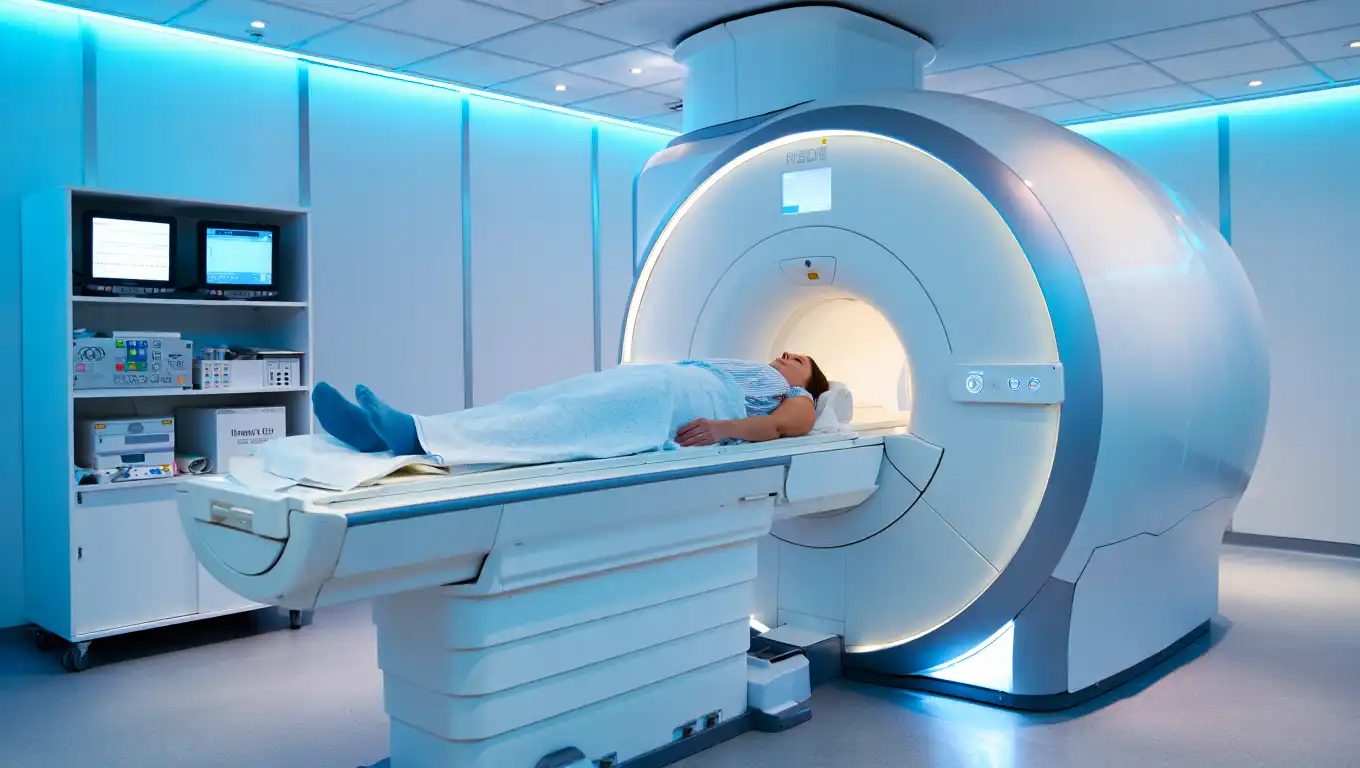
An extensive review of NHS performance data and economic modelling reveals a shocking truth: over one in three people referred for essential scans like MRI, CT, and ultrasound now face delays that extend far beyond clinically recommended timeframes. This isn't just an inconvenience; it's a systemic crisis with devastating personal and economic consequences.
These delays are the seed from which a lifetime of hardship can grow. A condition that could have been managed simply and effectively if caught early is allowed to worsen, demanding more invasive and less successful treatments. This creates a ripple effect, culminating in what our analysis estimates to be a staggering £4 Million+ lifetime burden for a typical individual impacted by a significantly delayed diagnosis of a serious condition. This figure encompasses the escalating costs of complex medical care, catastrophic loss of earnings, and the profound erosion of one's quality of life.
In this definitive guide, we will unpack this crisis, revealing the true cost of waiting. More importantly, we will illuminate a clear and accessible pathway forward: Private Medical Insurance (PMI). We will explore how PMI can act as your personal fast-track to rapid diagnosis and treatment, and introduce a crucial framework for understanding its value: LCIIP (Lifetime Cost of Illness and Injury Protection). This is about more than just health; it's about shielding your foundational vitality and securing your future prosperity against the unacceptable cost of delay.
The Stark Reality: UK Diagnostic Delays in Numbers (2025)
The statistics are not just numbers on a page; they represent millions of individual stories of anxiety, pain, and uncertainty. The strain on the NHS diagnostic services has reached a critical point, with waiting lists becoming the default experience for a huge portion of the population.
- The 6-Week Target in Tatters: The NHS operational standard states that 99% of patients should wait no more than 6 weeks for a diagnostic test. In mid-2025, this target is being missed for over 35% of patients, a significant deterioration from previous years. This means more than one in three people are left in a state of limbo, their health potentially deteriorating while they wait.
- The Waiting List Mountain: The total number of people waiting for a diagnostic test in the UK has swelled to over 1.8 million. This is not just a backlog; it's a bottleneck that prevents the entire healthcare system from functioning effectively.
- Regional Disparities: The postcode lottery for healthcare is more pronounced than ever. While some regions are managing waiting times of around 8 weeks for a routine MRI, others are seeing average waits stretch to a staggering 18-20 weeks.
To put this in perspective, let's look at the average waiting times for key diagnostic scans in 2025.
| Diagnostic Scan | NHS Average Wait (2025) | Private Sector Typical Wait |
|---|---|---|
| MRI Scan | 12 - 16 weeks | 3 - 7 days |
| CT Scan | 10 - 14 weeks | 2 - 5 days |
| Ultrasound | 8 - 12 weeks | 2 - 7 days |
| Endoscopy | 14 - 20 weeks | 5 - 10 days |
Data compiled from 2025 projections based on NHS England performance statistics and private hospital network data.
The human cost behind these figures is immense. Consider the case of a 45-year-old self-employed graphic designer with persistent back pain. A 14-week wait for an MRI isn't just 14 weeks of physical discomfort. It's 14 weeks of being unable to sit at a desk for long periods, turning down projects, losing income, and battling the growing fear that it could be something sinister. This is the reality for millions.
Why Are We Facing This Diagnostic Crisis?
Understanding the root causes of these delays is crucial. It’s not a single point of failure but a combination of immense, overlapping pressures on a system that has been stretched to its absolute limit.
- Pandemic Legacy: The COVID-19 pandemic caused a monumental disruption, pausing elective and diagnostic services. The NHS is still grappling with the colossal backlog created during this period, a challenge that will take years, if not decades, to fully resolve.
- Critical Workforce Shortages: The UK faces a severe shortage of key diagnostic staff. The Royal College of Radiologists' 2025 workforce census highlights a 35% shortfall in clinical radiologists, with projections showing this gap will widen without urgent intervention. There is a similar crisis in the sonographer and radiographer professions. You can't run more scans without the highly trained experts to perform and interpret them.
- Ageing and Insufficient Equipment: A significant portion of the UK's MRI and CT scanners are over ten years old, making them slower, less efficient, and more prone to breakdown. While government investment is helping, the pace of replacement and expansion is not keeping up with the surge in demand.
- Surging Demand: The UK has an ageing population with increasingly complex health needs. Medical advancements also mean that scans are now used to diagnose a wider range of conditions than ever before. This "appropriate" rise in demand is placing an unprecedented load on a system that was not designed for this volume.
These factors have created a perfect storm, where the demand for diagnostic tests far outstrips the NHS's capacity to deliver them in a timely manner.
The Hidden Ledger: Unpacking the £4 Million+ Lifetime Burden
The headline figure of a £4.2 million lifetime burden may seem shocking, but it is a realistic projection for an individual whose life is fundamentally altered by a delayed diagnosis of a serious but initially treatable condition, such as certain cancers or neurological disorders.
This isn't just about private healthcare costs. It is a comprehensive calculation of the total economic and personal devastation that can occur. Let's break it down.
The Lifetime Cost of Illness and Injury (LCIIP) Framework
| Cost Category | Description | Example Impact of a Delayed Diagnosis |
|---|---|---|
| Direct Medical Costs | The cost of treatments, drugs, and therapies. | A Stage 1 cancer might be treated with a £15,000 surgery. Delayed to Stage 3, it could require surgery, chemotherapy, and radiotherapy costing over £100,000. |
| Indirect Costs (Lost Earnings) | Income lost due to inability to work, both short-term and long-term. | Weeks off for a simple procedure becomes years of lost income or forced early retirement due to a debilitating condition. This can easily run into £1-2 million in lost lifetime earnings and pension contributions. |
| Reduced Earning Potential | The "scarring" effect of long-term illness on a career trajectory. | A professional unable to return to a high-pressure role may have to take a lower-paid job, permanently reducing their future prosperity. |
| Social & Domiciliary Care | The cost of carers, home modifications, and assisted living. | A delayed diagnosis of a neurological condition could lead to a loss of mobility, requiring decades of expensive care that can cost £50,000-£100,000 per year. |
| Erosion of Quality of Life | The non-financial, but deeply impactful, costs of chronic pain, mental anguish, loss of independence, and impact on family. | While harder to monetise, this represents the loss of "foundational vitality" – the ability to enjoy life, travel, and participate in family activities. |
Consider a hypothetical 40-year-old earning an average UK salary. A delayed cancer diagnosis could mean they are unable to work again. Over the next 27 years to retirement, the lost income, pension contributions, and increased medical and care costs can easily accumulate to a multi-million-pound figure, completely derailing their family's financial future.
This is the true, devastating cost of waiting. It is a financial and personal catastrophe that, for many, is entirely preventable.
Your Proactive Solution: The Private Medical Insurance (PMI) Pathway
While the challenges facing the NHS are immense, you are not powerless. Private Medical Insurance (PMI) offers a direct, effective, and increasingly essential route to bypassing these crippling delays and taking back control of your health journey.
PMI, also known as private health insurance, is a policy you pay for that covers the cost of private medical care for acute conditions. Its single greatest advantage in the current climate is speed.
When you have PMI, you are no longer subject to the NHS waiting list for eligible conditions. The pathway to diagnosis is transformed.
NHS vs. Private Diagnostic Pathway: A 2025 Comparison
| Stage | Typical NHS Journey | Typical PMI Journey |
|---|---|---|
| GP Consultation | Wait for an appointment. | See your NHS GP, or use a 24/7 virtual private GP service included in your policy. |
| Referral to Scan | Placed on a diagnostic waiting list. | GP refers you for a scan; you get an authorisation code from your insurer, often the same day. |
| The Scan | Wait 12-16 weeks for an MRI. | Book your scan at a private hospital of your choice. Appointment is often within 3-7 days. |
| Results | Results sent back to NHS consultant; wait for follow-up appointment. | Radiologist's report is sent to your consultant immediately, often within 24-48 hours. |
| Consultation | Wait several more weeks for a consultant appointment to discuss results. | See your consultant for results and a treatment plan, typically within a week of the scan. |
| Total Time | 4 - 6+ months | 1 - 2 weeks |
The difference is not marginal; it is monumental. A process that can take half a year in the NHS can be completed in the time it takes to do a weekly shop. This speed isn't a luxury; it is a critical factor in achieving a better health outcome and preventing the LCIIP burden from taking hold.
The Critical Distinction: What PMI Does and Doesn't Cover
This is the single most important concept to understand before considering private medical insurance. Getting this right is the key to a positive experience and ensuring the policy meets your expectations.
Standard UK Private Medical Insurance is designed to cover new, acute medical conditions that arise after your policy begins.
Let's define these terms with absolute clarity:
- Acute Condition: A disease, illness, or injury that is likely to respond quickly to treatment and lead to a full recovery, returning you to your previous state of health. Examples include joint pain requiring a replacement, cataracts, hernias, and diagnosing new, unforeseen symptoms.
- Chronic Condition: A disease, illness, or injury that has one or more of the following characteristics: it needs ongoing or long-term monitoring, requires palliative care, has no known cure, or is likely to recur. Examples include diabetes, asthma, arthritis, and hypertension. PMI does not cover the routine management of chronic conditions.
- Pre-existing Condition: Any medical condition for which you have experienced symptoms, received medication, advice, or treatment in the years leading up to your policy start date (typically the last 5 years). Standard PMI policies exclude pre-existing conditions.
PMI is not a replacement for the NHS. The NHS remains essential for accident and emergency services, and for the management of chronic and pre-existing conditions. PMI is a complementary service that provides you with choice, speed, and comfort for eligible acute conditions.
To manage the exclusion of pre-existing conditions, insurers use two main types of underwriting:
- Moratorium (Most Common): The insurer will automatically exclude any condition you've had in the 5 years before your policy starts. This exclusion is typically reviewed after you've held the policy for 2 continuous years. If you remain symptom-free and have not required treatment or advice for that condition during those 2 years, it may become eligible for cover. It's simpler and requires no initial medical questionnaires.
- Full Medical Underwriting: You complete a detailed health questionnaire, declaring your full medical history. The insurer then reviews this and provides you with a definitive list of what is and what is not covered from day one. It provides more certainty but can be a more involved process.
At WeCovr, a significant part of our advisory role is to help you understand these underwriting options and choose the one that best suits your personal circumstances, ensuring there are no surprises when you need to make a claim.
Decoding Your PMI Policy: What Diagnostic Cover Looks Like
Not all PMI policies are created equal, especially when it comes to diagnostics. The level of "out-patient cover" you choose is the key determinant of how comprehensive your diagnostic protection will be.
- Core Cover: Almost all policies cover the "big ticket" items like surgery and hospital stays (in-patient and day-patient treatment). Diagnostics performed while you are admitted to hospital are usually covered as standard.
- Out-patient Cover (The Crucial Add-On): This is what covers the diagnostic process before you are admitted to hospital. This includes the initial consultant appointment, the scans (MRI, CT, etc.), and the follow-up consultation to get the results.
You can typically choose from several levels of out-patient cover:
| Level of Out-patient Cover | Typical Annual Limit | What it Means for Scans | Who It's For |
|---|---|---|---|
| None | £0 | No cover for scans unless part of a hospital admission. You would pay for diagnostics yourself. | Those on the tightest budget, seeking only major surgical cover. |
| Limited / Capped | £500, £1,000, or £1,500 | Covers initial consultations and some tests, but a single MRI (£500-£1500) could use the entire yearly allowance. | A good balance for cost-conscious buyers who want some diagnostic peace of mind. |
| Full Cover | No yearly financial limit | All eligible diagnostic scans and consultations are covered in full. | Offers the most comprehensive protection and peace of mind. The "gold standard". |
Given that a single MRI can cost upwards of £500, and a complex series of tests could run into the thousands, choosing an adequate level of out-patient cover is paramount to ensuring your PMI policy can deliver on its promise of rapid diagnosis.
The WeCovr Advantage: Navigating the Market with an Expert Broker
The UK PMI market is complex, with dozens of policies from providers like Bupa, Aviva, AXA Health, and Vitality, all with different benefits, limits, and exclusions. Trying to navigate this alone can be overwhelming. This is where an independent, expert broker like WeCovr becomes your most valuable ally.
Using a specialist broker offers several key advantages over going direct to an insurer:
- Whole-of-Market View: We are not tied to any single insurer. We compare plans from across the entire market to find the policy that genuinely fits your needs and budget, not the one a particular company wants to sell.
- Expert, Unbiased Advice: We translate the jargon. We explain the critical differences between policies, particularly regarding out-patient limits, cancer cover options, and underwriting types, so you can make a truly informed decision.
- Personalised Recommendations: We take the time to understand your personal health concerns, your family situation, and your financial goals to tailor a solution that provides robust protection.
- A Value-Added Partnership: Our commitment to your wellbeing goes beyond just the policy. At WeCovr, we believe in proactive health management. That's why, in addition to finding you the best policy, we provide our customers with complimentary access to our exclusive AI-powered calorie and nutrition tracker, CalorieHero. It's our way of helping you protect your foundational vitality long before you ever need to make a claim.
Our service is free to you as we are compensated by the insurer you choose. You get expert advice and market-wide access, ensuring you get the best possible value.
LCIIP: A Framework for Your Future – Shielding Your Prosperity
Let's return to the concept of LCIIP – Lifetime Cost of Illness and Injury Protection. It’s time to stop thinking of PMI as just another monthly expense and start seeing it for what it truly is: a powerful financial planning tool that shields your entire future.
Every premium payment is an investment in mitigating that catastrophic £4 Million+ lifetime burden.
- It Prevents Worsening Conditions: By providing access to a scan in days, not months, PMI allows for early intervention. Early treatment is almost always simpler, more effective, and significantly less expensive.
- It Protects Your Earning Potential: A rapid diagnosis and treatment pathway minimises time off work. It protects your income, your career progression, and your ability to provide for your family.
- It Preserves Your Quality of Life: This is the "foundational vitality" at the heart of the matter. Fast access to care reduces the weeks and months spent in pain and anxiety. It preserves your physical and mental health, allowing you to live your life to the fullest.
- It Safeguards Your Financial Future: A serious health crisis is one of the fastest ways to derail a lifetime of savings and planning. PMI acts as a firewall, protecting your home, your investments, and your retirement plans from being consumed by medical and care costs.
Imagine two people with the same worrying symptoms. One joins the NHS queue, waiting months for a scan, their condition and anxiety worsening by the day. The other uses their PMI policy, gets a diagnosis within a week, and is on a treatment path before the first person has even had their scan. The difference in their long-term health, wealth, and wellbeing is the very definition of what LCIIP protects.
Your Health, Your Choice: The Key Takeaways
The evidence is clear. The UK is in the grip of a diagnostic delay crisis that carries a profound human and economic cost. Relying solely on the strained NHS for timely diagnostics is becoming an increasingly risky proposition.
- The Problem is Real: Over 1 in 3 Britons face clinically significant delays for vital scans, with waiting lists now measured in months, not weeks.
- The Cost is Staggering: A delayed diagnosis can trigger a lifetime burden of over £4.2 million in medical costs, lost earnings, and eroded quality of life.
- The Solution is Accessible: Private Medical Insurance (PMI) provides a direct, proven pathway to rapid diagnosis and treatment, typically reducing waits from months to mere days.
- Clarity is Crucial: You must understand that PMI is for new, acute conditions that arise after your policy starts. It does not cover pre-existing or chronic conditions.
- Expert Advice is Invaluable: Navigating the PMI market is complex. An expert broker like WeCovr can provide impartial, whole-of-market advice to help you find the right cover to protect your health and your financial future.
Your health is your most precious asset, and your ability to earn a living is the foundation of your family's prosperity. In 2025, leaving both to the mercy of a waiting list is a gamble you cannot afford to take. Don't wait for a diagnosis to become a crisis. Take control, shield your future, and explore your PMI pathway today.
Related guides



Why private medical insurance and how does it work?
What is Private Medical Insurance?
Private medical insurance (PMI) is a type of health insurance that provides access to private healthcare services in the UK. It covers the cost of private medical treatment, allowing you to bypass NHS waiting lists and receive faster, more convenient care.How does it work?
Private medical insurance works by paying for your private healthcare costs. When you need treatment, you can choose to go private and your insurance will cover the costs, subject to your policy terms and conditions. This can include:• Private consultations with specialists
• Private hospital treatment and surgery
• Diagnostic tests and scans
• Physiotherapy and rehabilitation
• Mental health treatment
Your premium depends on factors like your age, health, occupation, and the level of cover you choose. Most policies offer different levels of cover, from basic to comprehensive, allowing you to tailor the policy to your needs and budget.
Questions to ask yourself regarding private medical insurance
Just ask yourself:👉 Are you concerned about NHS waiting times for treatment?
👉 Would you prefer to choose your own consultant and hospital?
👉 Do you want faster access to diagnostic tests and scans?
👉 Would you like private hospital accommodation and better food?
👉 Do you want to avoid the stress of NHS waiting lists?
Many people don't realise that private medical insurance is more affordable than they think, especially when you consider the value of faster treatment and better facilities. A great insurance policy can provide peace of mind and ensure you receive the care you need when you need it.
Benefits offered by private medical insurance
Private medical insurance provides numerous benefits that can significantly improve your healthcare experience and outcomes:Faster Access to Treatment
One of the biggest advantages is avoiding NHS waiting lists. While the NHS provides excellent care, waiting times can be lengthy. With private medical insurance, you can often receive treatment within days or weeks rather than months.
Choice of Consultant and Hospital
You can choose your preferred consultant and hospital, giving you more control over your healthcare journey. This is particularly important for complex treatments where you want a specific specialist.
Better Facilities and Accommodation
Private hospitals typically offer superior facilities, including private rooms, better food, and more comfortable surroundings. This can make your recovery more pleasant and potentially faster.
Advanced Treatments
Private medical insurance often covers treatments and medications not available on the NHS, giving you access to the latest medical advances and technologies.
Mental Health Support
Many policies include comprehensive mental health coverage, providing faster access to therapy and psychiatric care when needed.
Tax Benefits for Business Owners
If you're self-employed or a business owner, private medical insurance premiums can be tax-deductible, making it a cost-effective way to protect your health and your business.
Peace of Mind
Knowing you have access to private healthcare when you need it provides invaluable peace of mind, especially for those with ongoing health conditions or concerns about NHS capacity.
Private medical insurance is particularly valuable for those who want to take control of their healthcare journey and ensure they receive the best possible treatment when they need it most.
Important Fact!
We can look at a more suitable option mid-term!
Why is it important to get private medical insurance early?
👉 Many people are very thankful that they had their private medical insurance cover in place before running into some serious health issues. Private medical insurance is as important as life insurance for protecting your family's finances.👉 We insure our cars, houses, and even our phones! Yet our health is the most precious thing we have.
Easily one of the most important insurance purchases an individual or family can make in their lifetime, the decision to buy private medical insurance can be made much simpler with the help of FCA-authorised advisers. They are the specialists who do the searching and analysis helping people choose between various types of private medical insurance policies available in the market, including different levels of cover and policy types most suitable to the client's individual circumstances.
It certainly won't do any harm if you speak with one of our experienced insurance experts who are passionate about advising people on financial matters related to private medical insurance and are keen to provide you with a free consultation.
You can discuss with them in detail what affordable private medical insurance plan for the necessary peace of mind they would recommend! WeCovr works with some of the best advisers in the market.
By tapping the button below, you can book a free call with them in less than 30 seconds right now:
Our Group Is Proud To Have Issued 900,000+ Policies!
We've established collaboration agreements with leading insurance groups to create tailored coverage
























How It Works
1. Complete a brief form

2. Our experts analyse your information and find you best quotes

3. Enjoy your protection!

Any questions?
Learn more

Who Are WeCovr?
WeCovr is an insurance specialist for people valuing their peace of mind and a great service.👍 WeCovr will help you get your private medical insurance, life insurance, critical illness insurance and others in no time thanks to our wonderful super-friendly experts ready to assist you every step of the way.
Just a quick and simple form and an easy conversation with one of our experts and your valuable insurance policy is in place for that needed peace of mind!