UK's Metabolic Time Bomb
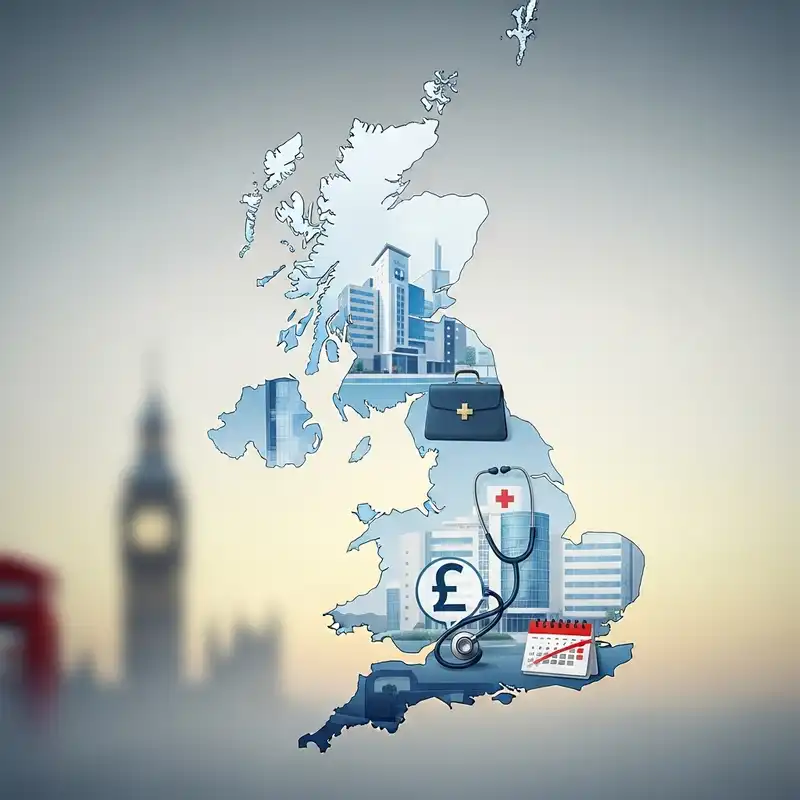
UK's Metabolic Time Bomb: UK 2025 Shock Over 60% of Britons Face an Undiagnosed Metabolic Health Crisis, Fuelling a Staggering Lifetime Burden of Chronic Disease, Early Mortality & Cascading Family Financial Ruin – Your PMI Pathway to Proactive Diagnostics, Integrated Lifestyle Support & LCIIP Shielding Your Familys Future
The United Kingdom is sitting on a ticking time bomb. It’s not economic or political, but a silent health crisis brewing in millions of households. By 2025, a shocking forecast suggests that well over 60% of British adults will be living with poor metabolic health, a condition many don't even know they have.
This isn't just about a few extra pounds around the waist. This is a gateway to a lifetime of chronic, debilitating diseases like Type 2 diabetes, heart disease, stroke, and even certain cancers. The personal cost is immeasurable, but the economic toll is staggering. Conditions linked to poor metabolic health, primarily obesity, already cost the NHS an estimated £6.5 billion a year, with the wider cost to the UK economy approaching a breathtaking £98 billion annually through lost productivity and increased social care.
For individual families, the diagnosis of a chronic illness can trigger a devastating financial cascade. It can mean a sudden loss of income, mounting medical expenses, and the risk of leaving loved ones in financial ruin.
But what if you could see the warning signs sooner? What if you could take proactive steps not just to manage your health, but to build a financial fortress around your family? This guide will illuminate the path. We will explore how Private Medical Insurance (PMI) can provide a vital route to early diagnostics and lifestyle support, and how a comprehensive shield of Life, Critical Illness, and Income Protection (LCIIP) can secure your family’s future, no matter what lies ahead.
What is Metabolic Syndrome? The Silent Threat Lurking Beneath the Surface
Metabolic syndrome is not a single disease. Instead, it’s a cluster of five specific risk factors that, when present together, dramatically increase your chances of developing serious health problems. It's often called a "silent" condition because, in its early stages, it rarely has noticeable symptoms. You can look and feel perfectly fine while your internal health is heading towards a cliff edge.
A diagnosis of metabolic syndrome is typically made when a person has at least three of the following five conditions:
- Abdominal Obesity (a large waistline): This refers to carrying excess fat around your stomach and abdomen, which is more dangerous than fat stored elsewhere on the body.
- High Triglycerides: These are a type of fat found in your blood. High levels can contribute to the hardening of arteries.
- Low HDL Cholesterol: HDL is the "good" cholesterol that helps remove "bad" cholesterol from your arteries. Low levels are a significant risk factor for heart disease.
- High Blood Pressure (Hypertension): This forces your heart to work harder to pump blood, which can damage your arteries over time.
- High Fasting Blood Sugar: This is a sign of insulin resistance, a precursor to Type 2 diabetes, where your body can't use insulin effectively to process glucose.
Key Markers for Metabolic Syndrome
| Risk Factor | Clinical Threshold (as per NHS guidance) | Why It Matters |
|---|---|---|
| Waist Circumference | 94cm (37in) or more for men. 80cm (31.5in) or more for women. | Indicates dangerous visceral fat around vital organs. |
| High Triglycerides | 1.7 mmol/L or higher. | Increases risk of atherosclerosis (hardened arteries). |
| Low HDL Cholesterol | Below 1.03 mmol/L for men. Below 1.29 mmol/L for women. | Reduces the body's ability to clear harmful cholesterol. |
| High Blood Pressure | 130/85 mmHg or higher. | Puts constant strain on your heart and blood vessels. |
| High Fasting Glucose | 5.6 mmol/L or higher. | A key indicator of pre-diabetes or diabetes. |
The insidious nature of metabolic syndrome is that you won't get a letter from your doctor about it. The individual components—a bit of high blood pressure here, a slightly elevated blood sugar there—are often viewed in isolation until a catastrophic event, like a heart attack or stroke, connects the dots with tragic clarity.
The Alarming Scale of the UK's Metabolic Crisis: A 2025 Snapshot
The statistics paint a grim picture of the nation's health. The "time bomb" metaphor is not an exaggeration; it's a data-driven reality.
- Widespread Obesity: The most recent Health Survey for England revealed that an estimated 63.8% of adults are overweight or living with obesity. This is the primary driver of the metabolic health crisis.
- Soaring Diabetes Rates: According to Diabetes UK(diabetes.org.uk), over 5.6 million people in the UK now have diabetes, with 90% of those cases being Type 2, a condition strongly linked to metabolic syndrome. A further 850,000 are living with undiagnosed Type 2 diabetes.
- The "Silent Killer" - Hypertension: The British Heart Foundation(bhf.org.uk) estimates that up to 15.7 million adults in the UK have high blood pressure, but a staggering 5 million of them are unaware of it. That’s 5 million people walking around with a major risk factor for heart attack and stroke, completely oblivious to the danger.
This isn't just a health issue; it's an economic catastrophe. The direct cost to the NHS is immense, but the indirect costs are even greater. Lost workdays, reduced productivity from unwell employees, and the growing burden on the social care system contribute to that shocking £98 billion annual blow to the UK economy. This is a crisis that affects every taxpayer and every family in the country.
The Cascade of Consequences: From Chronic Disease to Financial Devastation
Left unchecked, metabolic syndrome is a near-guarantee of future health problems. This isn't a matter of "if," but "when." The cluster of risk factors works together to accelerate the onset of some of the most feared chronic conditions:
- Cardiovascular Disease: This is the leading cause of death globally. Metabolic syndrome dramatically increases your risk of heart attacks, strokes, and peripheral artery disease.
- Type 2 Diabetes: What often starts as simple insulin resistance can spiral into full-blown diabetes, a lifelong condition that requires constant management and can lead to severe complications like kidney failure, nerve damage (neuropathy), and blindness (retinopathy).
- Certain Cancers: Research increasingly links metabolic syndrome, particularly obesity and high insulin levels, to a higher risk of developing cancers of the bowel, pancreas, liver, and kidney.
- Non-alcoholic Fatty Liver Disease (NAFLD): A build-up of fat in the liver that can progress to cirrhosis and liver failure.
- Dementia: Emerging evidence suggests a strong link between poor metabolic health, particularly diabetes and high blood pressure, and an increased risk of cognitive decline and vascular dementia.
For an individual and their family, a diagnosis of any of these conditions marks the beginning of a difficult and expensive journey. Let’s consider a realistic scenario.
Case Study: David, a 45-year-old self-employed electrician.
David is a classic example. He works hard, enjoys a pint and a takeaway, and feels generally fine, though he knows he's carrying a bit of extra weight. Unbeknownst to him, he has high blood pressure, borderline high cholesterol, and pre-diabetes—three key markers of metabolic syndrome.
One day, he suffers a major heart attack. He survives, but the consequences are life-altering:
- Immediate Income Loss: As a self-employed tradesperson, if David isn't working, he isn't earning. He spends weeks in hospital and months in recovery, with zero income.
- Reduced Earning Capacity: His doctor advises him against the physical strain of his old job. He can no longer climb ladders or handle heavy equipment. His earning potential is permanently slashed.
- Mounting Costs: His wife has to reduce her hours to care for him. They face new costs for heart-protecting medications, cardiac rehab sessions, and a specialised diet.
- The Mortgage Threat: With their income halved, the monthly mortgage payment becomes a source of immense stress. The fear of losing their family home is constant.
- Mental and Emotional Toll: The financial strain, combined with the shock of a life-threatening illness, puts an enormous burden on David and his entire family.
This personal crisis is a microcosm of the national one. The journey from silent metabolic syndrome to chronic illness and financial hardship is a well-trodden and devastating path.
The NHS Under Strain: Why Proactive Health Management is Now a Personal Responsibility
The National Health Service is one of the UK's greatest treasures, staffed by dedicated professionals performing miracles every day. However, it is a system designed primarily for acute, reactive care—treating you once you are already sick. It is under unprecedented strain.
As of early 2025, NHS waiting lists in England remain stubbornly high, with millions waiting for consultations and routine procedures. Getting a quick GP appointment can be a challenge, and the wait for a referral to a specialist like a cardiologist or endocrinologist can take many months.
This system is simply not built for the kind of proactive, preventative screening and lifestyle intervention needed to tackle the metabolic health crisis at its root. While the NHS provides excellent care after a heart attack, it has limited resources to help you prevent that heart attack from ever happening.
This is not a criticism of the NHS, but a realistic assessment of its current capacity. In this environment, waiting for symptoms to appear is a gamble most of us cannot afford to take. The responsibility for proactive health management is shifting increasingly to the individual.
Your First Line of Defence: Private Medical Insurance (PMI) for Proactive Diagnostics & Lifestyle Support
This is where Private Medical Insurance (PMI) transforms from a "nice-to-have" luxury into an essential tool for modern health management. A good PMI policy is your personal health navigation system, allowing you to bypass queues and take control.
Here’s how PMI provides a direct pathway to tackling metabolic syndrome head-on:
- Swift GP Access: Many policies include 24/7 digital GP services. You can speak to a doctor via video call within hours, not weeks, to discuss your concerns about your weight, diet, or family history of heart disease.
- Fast-Track Specialist Referrals: If the GP agrees, you can be referred to a specialist consultant in days. This means getting those crucial diagnostic tests—blood work, blood pressure monitoring, ECGs—done quickly to get a clear picture of your metabolic health.
- Comprehensive Health Screenings: Premium PMI plans often include preventative health checks. These go beyond basic measurements, offering in-depth blood analysis that can detect the early warning signs of high cholesterol, pre-diabetes, and liver issues long before they become symptomatic.
- Integrated Wellness and Lifestyle Support: Modern PMI is about more than just treatment. Insurers know that prevention is better than cure. Many policies now include a wealth of benefits designed to improve your lifestyle:
- Access to registered dietitians and nutritionists.
- Mental health support and counselling services.
- Discounts on gym memberships and fitness trackers.
- Structured programmes to help you stop smoking or lose weight.
At WeCovr, we champion a holistic approach to health and financial wellbeing. We understand that taking control of your health is the first step. That’s why, in addition to securing your financial future with robust insurance, we provide our clients with complimentary access to our exclusive AI-powered calorie tracking app, CalorieHero. It’s a practical tool to support you on your journey to better metabolic health, helping you make informed choices every day.
NHS vs. PMI Pathway: A Comparison
| Action | Typical NHS Pathway | Typical PMI Pathway |
|---|---|---|
| Initial Concern | Struggle to get a timely GP appointment. | Book a digital or in-person GP appointment, often for the same day. |
| Diagnostics | Join a waiting list for routine blood tests or diagnostics. | Fast access to private clinics for comprehensive blood work and scans. |
| Specialist Opinion | Wait months for a referral to a cardiologist or endocrinologist. | See a specialist consultant within days or weeks. |
| Lifestyle Support | General advice from GP; limited access to dietitians. | Access to dedicated nutritionists, wellness apps, and gym discounts. |
| Overall Timeline | Potentially 6-12+ months to get a full picture and action plan. | Potentially 2-4 weeks to get a full picture and action plan. |
PMI empowers you to move from a passive patient to the active CEO of your own health.
Building a Financial Fortress: The LCIIP Shield
While PMI is your first line of defence for your health, you need a separate fortress to protect your family’s finances. This is the LCIIP shield: Life Insurance, Critical Illness Cover, and Income Protection. These policies are designed to step in when a health crisis strikes, preventing it from becoming a financial catastrophe.
1. Life Insurance: The Ultimate Safety Net
Life Insurance pays out a lump sum or regular income upon your death. It's the cornerstone of financial planning for anyone with dependents.
- Term Life Insurance: Provides cover for a fixed period (e.g., until your children are adults or your mortgage is paid off). It’s a cost-effective way to ensure your family's largest debts are cleared and they have funds to live on.
- Family Income Benefit: A variation that pays out a regular, tax-free monthly or annual income rather than a single lump sum. This can be easier for a grieving family to manage and replaces the lost monthly salary.
- Gift Inter Vivos: A specialist type of life insurance policy designed to cover a potential Inheritance Tax (IHT) bill. If you gift a large sum of money or assets, it's potentially liable for IHT if you die within seven years. This policy pays out to cover that tax bill, ensuring your beneficiaries receive the full gift.
2. Critical Illness Cover (CIC): Financial Breathing Space When You Need It Most
CIC pays out a tax-free lump sum if you are diagnosed with one of a list of specific, serious (but not necessarily fatal) illnesses. Many of the most common claims on CIC policies are the direct consequences of metabolic syndrome.
Think back to David, the electrician. A CIC policy would have paid him a lump sum the moment he was diagnosed with a heart attack. This money could have been used to:
- Clear the mortgage or other debts immediately.
- Cover household bills while he was unable to work.
- Pay for private medical treatment or rehabilitation not covered by the NHS or PMI.
- Adapt their home if he was left with a disability.
- Provide a financial cushion, removing the stress and allowing him to focus purely on recovery.
Common CIC Conditions Linked to Metabolic Syndrome
| Condition | How It's Linked | Financial Impact Without Cover |
|---|---|---|
| Heart Attack | A direct result of hypertension, high cholesterol, and atherosclerosis. | Total income loss, high recovery costs. |
| Stroke | Strongly linked to high blood pressure. | Potential disability, home modifications needed. |
| Type 2 Diabetes | The endpoint of insulin resistance. (Covered by enhanced policies). | Lifelong medication and management costs. |
| Kidney Failure | A common complication of both diabetes and hypertension. | Major lifestyle change, potential inability to work. |
| Certain Cancers | Risk increased by obesity and metabolic dysfunction. | Costly treatments, significant time off work. |
3. Income Protection (IP): Your Personal Sick Pay
Often described by financial experts as the most important protection policy of all, Income Protection (also known as Personal Sick Pay) pays you a regular, tax-free income if you are unable to work due to any illness or injury.
Unlike CIC, it’s not tied to a specific diagnosis. Whether you’re off with a bad back, stress, or recovering from a stroke, your policy can pay out, typically after a pre-agreed waiting period (e.g., 4, 13, or 26 weeks). It continues to pay until you can return to work, your policy ends, or you retire.
For tradespeople, freelancers, contractors, and small business owners, IP is not just important—it is absolutely essential. You are your own safety net. An IP policy replaces the sick pay that an employee would receive, ensuring your bills get paid and your life can continue while you recover.
Tailoring Your Protection: Real-World Scenarios
There is no one-size-fits-all solution. The right protection portfolio depends on your unique circumstances.
-
The Young Family (Sarah & Tom, 35, with two children and a mortgage): Their priority is securing the mortgage and protecting their children's future. A Joint Life and Critical Illness policy to cover the mortgage is a cost-effective start. In addition, separate Income Protection policies for both Sarah and Tom would ensure that if either couldn't work, the family's income stream would be protected.
-
The Self-Employed Tradesperson (Mark, 48, an electrician): Mark's income is everything. His absolute priority should be a robust Income Protection policy with a short waiting period. This is his "Personal Sick Pay." Given his age and the physical nature of his job, a comprehensive Critical Illness Cover policy is also vital to provide a lump sum for recovery or retraining if a serious diagnosis stops him from working permanently.
-
The Pre-Retiree (Susan, 58, a widowed homeowner): Susan’s children are grown, and her mortgage is paid off. Her concern is passing on her wealth efficiently. She has recently gifted £100,000 to her daughter for a house deposit. A Gift Inter Vivos life insurance policy (a type of term assurance) would cover the potential 40% inheritance tax bill on that gift if Susan were to pass away within the next seven years.
The Underwriting Process: Why Acting Now is Crucial
All these insurance policies require you to go through a process called underwriting. Insurers will ask you a series of questions about your health, lifestyle, and occupation to assess your level of risk. Your age and your health are the two biggest factors that determine the price (the premium) you pay.
- Applying when young and healthy locks in the lowest possible premiums for the life of the policy.
- Applying after developing symptoms of metabolic syndrome—like a high BMI, high blood pressure, or a pre-diabetic diagnosis—will make your cover more expensive.
In some cases, the insurer may even apply an "exclusion," meaning they won't cover you for conditions related to your pre-existing issue. If your health deteriorates significantly, you may find it impossible to get cover at all.
The message is clear: the best time to put your protection in place is now, while you are still healthy and can secure the most comprehensive cover at the most affordable price. Don't wait for a diagnosis to force your hand.
How WeCovr Can Help You Navigate the Maze
The world of insurance can be complex, filled with jargon and policies that look similar but have crucial differences in their small print. Trying to navigate this alone can be overwhelming. This is where an expert, independent broker like WeCovr becomes your most valuable ally.
Our role is to work for you, not the insurance companies.
- We listen: We take the time to understand your personal situation, your health, your budget, and your fears for the future.
- We search the market: We have access to and compare plans from all the major UK insurers, finding the policies that offer the best level of cover for your specific needs.
- We explain everything: We cut through the jargon to explain your options in plain English, ensuring you know exactly what you are and are not covered for.
- We handle the paperwork: We make the application process as smooth and simple as possible.
- Our service is free: We are paid a commission by the insurer you choose, so our expert advice costs you nothing.
We are passionate about helping our clients build a secure and healthy future. We don't just sell policies; we provide peace of mind.
Frequently Asked Questions (FAQ)
Q1: The NHS is free. Isn't PMI an unnecessary expense? The NHS is fantastic for emergency and acute care. However, for diagnostics and elective treatment, waiting lists can be long. PMI gives you speed, choice, and access to preventative wellness benefits that can help you manage your health proactively before a serious issue develops. It's about complementing the NHS, not replacing it.
Q2: I already have high blood pressure/a high BMI. Can I still get cover? In many cases, yes. It's always worth applying. The insurer may increase the premium (a "loading") or exclude conditions related to your blood pressure. This is precisely why it's vital to use a broker who can approach the insurers most likely to offer favourable terms for your condition. It also highlights the importance of applying before health issues arise.
Q3: How much does life, critical illness, and income protection insurance cost? The cost varies enormously based on your age, health, smoking status, the amount of cover you need, and the length of the policy. However, it's often far more affordable than people think. A healthy 30-year-old could secure significant cover for the price of a few weekly coffees. We can provide quotes for any budget.
Q4: What’s the main difference between Income Protection and Critical Illness Cover? They serve different purposes. Critical Illness Cover pays a one-off, tax-free lump sum on the diagnosis of a specific serious condition. Income Protection pays a regular, recurring monthly income if any illness or injury prevents you from working. Many people have both, as the lump sum from CIC can clear debts, while the IP provides the ongoing income to live on.
Q5: Why should I use a broker like WeCovr instead of going direct to an insurer? Going direct means you only see one company's products. An independent broker like us provides a whole-of-market view, ensuring you see the best options from all providers. We offer impartial advice tailored to you and can often find more comprehensive cover for a better price than you could find on your own.
Take Control of Your Health and Financial Future Today
The UK's metabolic time bomb is ticking, but it does not have to detonate in your life. The statistics are a warning, not a sentence. You have the power to change your story.
By embracing a proactive approach to your health through the tools offered by Private Medical Insurance, you can get ahead of potential problems and build a healthier future. And by erecting a robust financial shield with Life Insurance, Critical Illness Cover, and Income Protection, you can ensure that even if illness does strike, it won't destroy your family's financial security.
Don't wait to become another statistic. The most important investment you will ever make is in your health and your family's future.
Take the first step today. Contact our friendly team at WeCovr for a free, no-obligation chat about your health and protection needs. Let us help you build your fortress.
Why life insurance and how does it work?
What is Life Insurance?
Life insurance is an insurance policy that can provide financial support for your loved ones when you or your joint policy holder passes away. It can help clear any outstanding debts, such as a mortgage, and cover your family's living and other expenses such costs of education, so your family can continue to pay bills and living expenses. In addition to life insurance, insurance providers offer related products such as income protection and critical illness, which we will touch upon below.How does it work?
Life insurance pays out if you die. The payout can be in the form of a lump sum payment or can be paid as a replacement for a regular income. It's your decision how much cover you'd like to take based on your financial resources and how much you'd like to leave to your family to help them deal with any outstanding debts and living expenses. Your premium depends on a number of factors, including your occupation, health and other criteria.The payout amount can change over time or can be fixed. A level term or whole of life policy offers a fixed payout. A decreasing term policy offers a payout that decreases over the term of the cover.
With critical illness policies, a payout is made if you’re diagnosed with a terminal illness with a remaining life expectancy of less than 12 months. While income protection policies ensure you can continue to meet your financial commitments if you are forced to take an extended break from work. If you can’t work because you’ve had an accident, fallen sick, or lost your job through no fault of your own, income protection insurance pays you an agreed portion of your salary each month.
Income protection is particularly helpful for people in dangerous occupations who want to be sure their mortgage will always be covered. Income protection only covers events beyond your control: you’re much less likely to be covered if you’re fired from your job or if you injure yourself deliberately.
Questions to ask yourself regarding life insurance
Just ask yourself:👉 Who would pay your mortgage or rent if you were to pass away or fall seriously ill?
👉 Who would pay for your family’s food, clothing, study fees or lifestyle?
👉 Who would provide for the costs of your funeral or clear your debts?
👉 Who would pay for your costs if you're unable to work due to serious illness or disability?
Many families don’t realise that life, income protection and critical illness insurance is one of the most effective ways to protect their finances. A great insurance policy can cover costs, protect a family from inheriting debts and even pay off a mortgage.
Many would think that the costs for all the benefits provided by life insurance, income protection insurance or critical illness insurance are too high, but the great news is in the current market policies are actually very inexpensive.
Benefits offered by income protection, life and critical illness insurance
Life insurance, income protection and critical illness insurance are indispensable for every family because a child loses a parent every 22 minutes in the UK, while every single day tragically 60 people suffer major injuries on the UK roads. Some people become unable to work because of sickness or disability.Life insurance cover pays out a lump sum to your family, loved ones or whomever you choose to get the money. This can be used to secure the financial future of your loved ones meaning they would not have to struggle financially in the event of your death.
If it's a critical illness cover, the payout happens sooner - upon diagnosis of a serious illness, disability or medical condition, easing the financial hardship such an event inevitably brings.
Income protection insurance can be very important for anyone who relies on a pay check to cover their living costs, but it's especially important if you’re self-employed or own a small business, where your employment and income is a bit less stable. It pays a regular income if you can't work because of sickness or disability and continues until you return to paid work or you retire.
In a world where 1 in 4 of us would struggle financially after just four weeks without work, the stark reality hits hard – a mere 7% of UK adults possess the vital shield of income protection. The urgency of safeguarding our financial well-being has never been more palpable.
Let's face it – relying on savings isn't a solution for everyone. Almost 25% of people have no savings at all, and a whopping 50% have £1,000 or less tucked away. Even more concerning, 51% of Brits – that's a huge 27 million people – wouldn't last more than one month living off their savings. That's a 10% increase from 2022.
And don't even think about state benefits being a safety net. The maximum you can expect from statutory sick pay is a mere £109.40 per week for up to 28 weeks. Not exactly a financial lifeline, right?
Now, let's tackle a common objection: "But I have critical illness insurance. I don't need income protection too." Here's the deal – the two policies apply to very different situations. In a nutshell:
- Critical illness insurance pays a single lump sum if you're diagnosed with or undergo surgery for a specified potentially life-threatening illness. It's great for handling big one-off expenses or debts.
- Income protection, on the other hand, pays a percentage of your salary as a regular payment if you can't work due to illness or injury. It's the superhero that tackles those relentless monthly bills.
Types of life insurance policies
Common reasons for getting a life insurance policy are to:✅ Leave behind an amount of money to keep your family comfortable
✅ Protect the family home and pay off the mortgage in full or in part
✅ Pay for funeral costs
Starting from as little as a couple of pounds per week, you can do all that with a Life Policy.
Level Term Life Insurance
One of the simplest forms of life insurance, level term life insurance works by selecting a length of time for which you would want to be covered and then deciding how much you would like your loved ones to receive should the worst happen. Should your life insurance policy pay out to your family, it would be in a lump sum amount that can be used in whatever way the beneficiary may wish.
Decreasing Term Life Insurance
Decreasing term life insurance works in the same way as level term, except the lump sum payment amount upon death decreases with time. The common use for decreasing term life cover is to protect against mortgage repayment as the lump sum decreases along with the principal of the mortgage itself.
Increasing Term Life Insurance
Increasing term life insurance aims to pay out a cash sum growing each year if the worst happens while covered by the policy. With increasing term life cover amount insured increases annually by a fixed amount for the length of the policy. This can protect your policy's value against inflation, which could be advantageous if you’re looking to maintain your loved ones’ living standards, continue paying off your mortgage in line with its repayment schedule and cover your children’s education fees.
Whole of Life Insurance
Whereas term life insurance policies only pay out if you pass away during their term, whole of life insurance pays out to your beneficiaries whenever this should happen. The most common uses for whole life insurance are to cover the costs of a funeral or as a vehicle for your family's inheritance tax planning.
Family Income Benefit
Family income benefit is a somewhat lesser-known product in the family of life insurance products. Paying out a set amount every month of year to your beneficiaries, it is the most cost-effective way of maintaining your family's living standards to an age where you'd expect them to be able to support themselves financially. The most common use would be for a family with children who are not working yet so are unable to take care of themselves financially.
Relevant Life Insurance
Relevant Life Insurance is a tax-efficient policy for a director or single employee. A simple level term life insurance product, it is placed in a specific trust to ensure its tax efficiency. The premiums are tax deductible and any benefit payable should a claim arise is also paid out tax free, which makes it an attractive product for entrepreneurs and their businesses.
Important Fact!
We can look at a more suitable option mid-term!
Why is it important to get life insurance early?
👉 Many people are very thankful that they had their life, income protection, and critical illness insurance cover in place before running into some serious issues. Critical illness and income protection insurance is as important as life insurance for protecting your family's finances.👉 We insure our cars, houses, bicycles and even bags! Yet our life and health are the most precious things we have.
Easily one of the most important insurance purchases an individual or family can make in their lifetime, the decision to buy life, income protection, critical illness and private medical health insurance can be made much simpler with the help of FCA-authorised advisers. They are the specialists who do the searching and analysis helping people choose between various types of life insurance policies available in the market, including income protection, critical illness and other types of policies most suitable to the client's individual circumstances.
It certainly won't do any harm if you speak with one of our experienced FCA-authorised insurance partner experts who are passionate about advising people on financial matters related to life insurance and are keen to provide you with a free consultation.
You can discuss with them in detail what affordable life, income protection, critical illness or private medical health insurance plan for the necessary peace of mind they would recommend! WeCovr works with some of the best advisers in the market.
By tapping the button below, you can book a free call with them in less than 30 seconds right now:
Our Group Is Proud To Have Issued 800,000+ Policies!
We've established collaboration agreements with leading insurance groups to create tailored coverage
























How It Works
1. Complete a brief form

2. Our experts analyse your information and find you best quotes

3. Enjoy your protection!

Any questions?
Learn more

Who Are WeCovr?
WeCovr is an insurance specialist for people valuing their peace of mind and a great service.👍 WeCovr will help you get your private medical insurance, life insurance, critical illness insurance and others in no time thanks to our wonderful super-friendly experts ready to assist you every step of the way.
Just a quick and simple form and an easy conversation with one of our experts and your valuable insurance policy is in place for that needed peace of mind!