Womens Rugby Sevens Private Insurance Trends Ahead of Next World Cup

As the intensity of Women's Rugby Sevens grows, so does the need for elite player protection. At WeCovr, an FCA-authorised broker, we specialise in finding the right private medical insurance in the UK to keep you at peak performance. We help you navigate policies to safeguard your career.
Faster recovery planning, advanced diagnostics, and hospital choice become key features for elite sevens competitors
The world of Women's Rugby Sevens is faster, more powerful, and more competitive than ever. As teams build towards the next Rugby World Cup Sevens, the difference between selection and sitting on the sidelines can come down to a matter of weeks, or even days, of recovery time. An injury at the wrong moment can derail a career.
This high-stakes environment is driving a major shift in how elite female players and their clubs approach health and wellbeing. Standard physiotherapy is no longer enough. Instead, three key trends in private medical insurance (PMI) are emerging as non-negotiable assets for any serious contender:
- Rapid, Bespoke Recovery Planning: Moving beyond generic treatment to create highly individualised rehabilitation programmes that start within hours of an injury.
- Immediate Advanced Diagnostics: Gaining access to MRI, CT, and ultrasound scans in days, not weeks or months, to get a precise diagnosis and start treatment immediately.
- Total Choice of Hospitals and Specialists: The ability to choose the UK's leading surgeon for a specific injury, regardless of location, ensuring the best possible outcome.
These features are no longer just 'nice-to-haves'; they are essential tools for managing the immense physical demands of the sport and ensuring players are in peak condition when it counts the most.
The Unique Injury Landscape of Women's Rugby Sevens
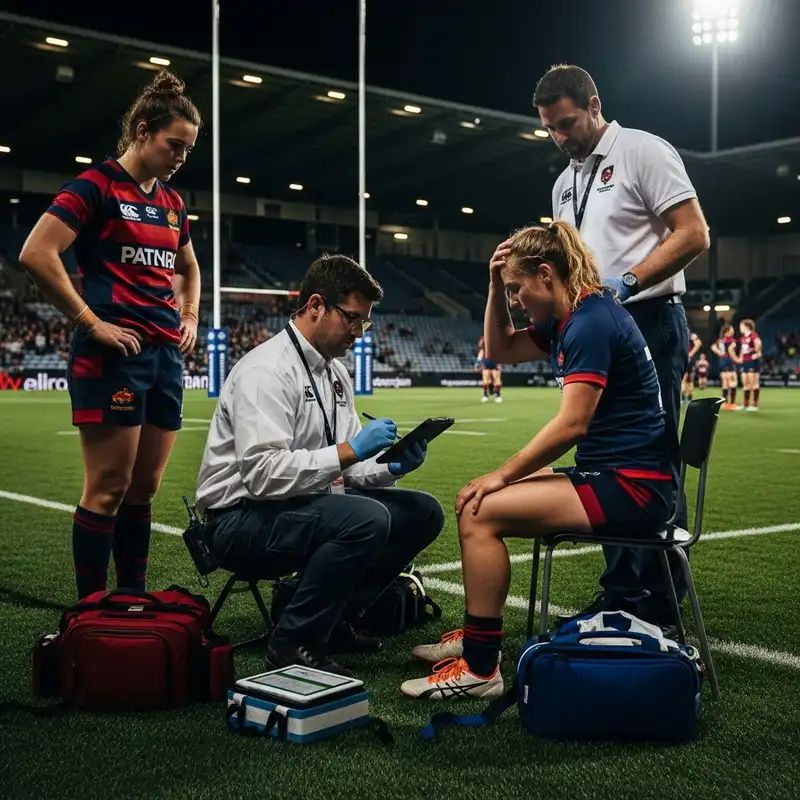
Rugby Sevens is a game of explosive power, high-speed sprints, and relentless, full-contact impacts, all packed into a gruelling 14-minute match. The physical toll is immense and the risk of injury is an accepted part of the game. For female athletes, the specific nature of these injuries requires specialised and swift medical intervention.
Common injuries sustained in elite sevens include:
- Knee Ligament Tears (ACL/MCL): Often a result of rapid changes in direction or awkward tackles, an ACL injury can sideline a player for 9-12 months.
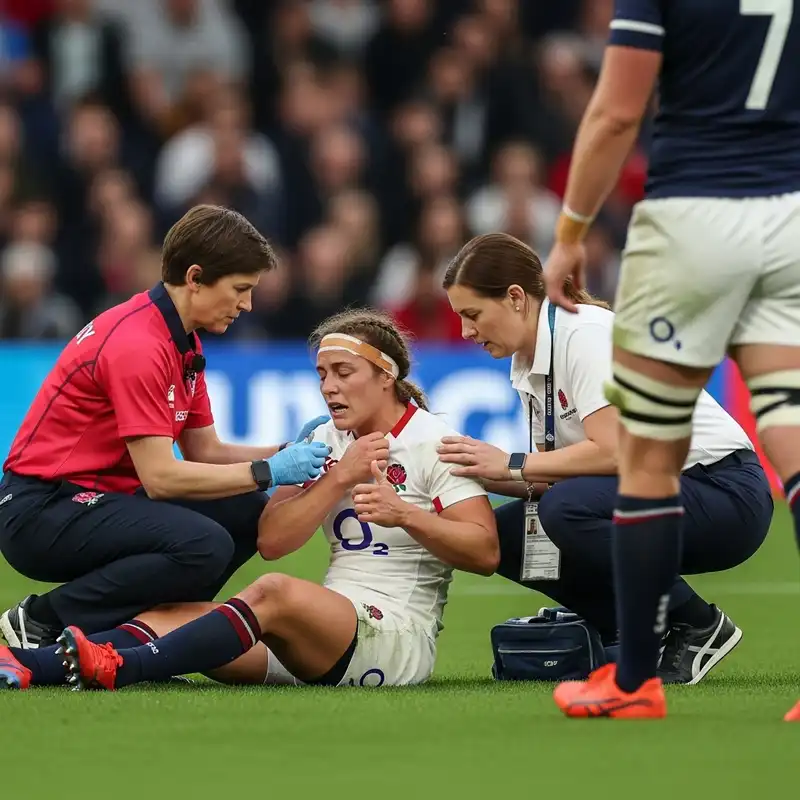
- Shoulder Dislocations and AC Joint Sprains: Caused by heavy tackles and impacts with the ground.
- Concussion: A significant concern due to the high-impact nature of the sport. Managing this correctly is vital for long-term brain health.
- Ankle Sprains: Frequent due to the fast-paced, agile footwork required.
- Soft Tissue Injuries: Hamstring, quadriceps, and calf muscle tears are common due to the explosive sprinting involved.
The challenge for any athlete in the UK is the potential delay in receiving treatment through standard pathways. While the NHS provides excellent emergency care, waiting lists for specialist consultations, diagnostic scans, and elective surgery can be long.
NHS Waiting Times vs. Career Timelines
According to the latest NHS England statistics, the median waiting time for non-emergency, consultant-led treatment can be several weeks or months. For an athlete with a World Cup campaign on the line, this is an eternity.
| Injury Type | Diagnostic Scan Needed | Typical NHS Wait for Scan | Private Medical Insurance Access | Impact of Delay |
|---|---|---|---|---|
| Suspected ACL Tear | MRI Scan | 4-8 weeks | Within 2-3 days | Delays surgery, prolongs recovery by months, muscle wastage. |
| Shoulder Injury | MRI or CT Scan | 4-8 weeks | Within 2-3 days | Risk of further damage, delayed rehabilitation. |
| Complex Ankle Fracture | CT Scan | 3-6 weeks | Within 2-3 days | Incorrect healing, potential for long-term instability. |
Note: NHS waiting times are indicative and can vary significantly by region and medical urgency.
This is where private medical insurance UK policies become a game-changer, turning a potentially season-ending delay into a manageable, structured recovery process.
Trend 1: The Rise of Bespoke Recovery and Rehabilitation Plans
For a sevens player, recovery isn't just about healing; it's about returning to elite performance levels as quickly and safely as possible. Modern PMI policies designed for athletes recognise this, offering far more than just a set number of physiotherapy sessions.
A top-tier plan provides a pathway to a fully integrated recovery programme, which can include:
- Immediate Specialist Consultation: Seeing a leading sports medicine consultant or orthopaedic surgeon within days of the injury.
- Intensive, Personalised Physiotherapy: Daily or multiple-times-a-week sessions focused on specific return-to-play goals.
- Access to Elite Facilities: Utilising advanced rehabilitation tools like hydrotherapy pools, anti-gravity treadmills, and cryotherapy chambers to accelerate healing.
- Sports Psychology Support: Helping athletes mentally overcome the trauma of injury and build the confidence needed to return to full-contact sport.
- Strength and Conditioning Coaching: A guided programme to rebuild sport-specific strength and prevent re-injury.
Critical Note: Acute vs. Chronic Conditions
It is vital to understand that private medical insurance is designed to cover acute conditions. An acute condition is a disease, illness, or injury that is likely to respond quickly to treatment and lead to a full recovery. A torn ACL, a dislocated shoulder, or a broken bone are all examples of acute conditions.
PMI does not cover pre-existing or chronic conditions.
- Pre-existing: An injury or illness you had before your policy started. For example, if you had knee pain and saw a doctor about it last year, that would be a pre-existing condition.
- Chronic: A condition that is long-lasting and cannot be fully cured, such as asthma, diabetes, or arthritis.
An expert broker like WeCovr can help you understand these definitions and ensure you get a policy that provides the cover you actually need.
Trend 2: Advanced Diagnostics on Demand
"Let's wait and see" is not a phrase you want to hear when your career is on the line. The foundation of any effective treatment plan is a fast and accurate diagnosis. Delays in getting a clear picture of an injury can lead to incorrect initial treatment, making the problem worse and extending recovery time.
Private health cover gives players the power to bypass diagnostic waiting lists. Key benefits include:
- Fast-Track Appointments: Policies often include a feature that allows your GP to refer you directly for a scan without needing to wait for a specialist appointment first.
- Rapid MRI and CT Scans: Magnetic Resonance Imaging (MRI) is essential for viewing soft tissues like ligaments, muscles, and tendons. A PMI policy typically grants access to a scan within 48-72 hours.
- Detailed Ultrasound: Used for assessing muscle tears and tendon issues in real-time, allowing for immediate feedback and treatment planning.
This speed is not just about convenience; it's a strategic advantage. A quick, clear diagnosis allows the medical team to decide immediately between surgery, immobilisation, or a specific rehabilitation plan, saving precious weeks and getting the athlete on the road to recovery without delay.
Trend 3: Unrestricted Hospital and Consultant Choice
Imagine tearing your ACL. With a standard health plan, you would likely be treated at your local hospital by the available surgical team. They will be highly competent, but they may not be the UK's foremost expert in ACL reconstruction for elite athletes.
This is where hospital and consultant choice, a cornerstone of comprehensive PMI, becomes invaluable. The best policies offer a "national" or "premium" hospital list, giving you the freedom to be treated by the best specialist in the country.
Example in Action: A player based in Leeds suffers a complex shoulder injury. Her research, guided by her medical team, identifies a surgeon in London who has pioneered a new, less invasive surgical technique with faster recovery times for rugby players. With a comprehensive PMI policy, she can be referred to that specific surgeon and have her treatment at their private London hospital, with all costs covered by her insurer.
When choosing a policy, it's crucial to check the "hospital list". A broker can help you compare these lists to ensure the hospitals and specialists renowned for sports medicine are included.
How PMI Supports the Broader Health of Female Athletes
While injury management is a primary focus, the best private health cover policies offer a holistic approach to player welfare, addressing the specific health needs of female athletes.
- Women's Health Specialists: Comprehensive plans can provide fast access to gynaecologists and endocrinologists. This is crucial for addressing issues related to the menstrual cycle, hormonal health (like RED-S - Relative Energy Deficiency in Sport), and their impact on performance, energy levels, and injury susceptibility.
- Mental Health Support: The pressure of elite sport is immense. Many PMI providers now include significant mental health cover as standard, offering access to counselling, therapy, and psychiatric support with minimal waiting times. This can help with performance anxiety, recovery from injury, and managing the stresses of a professional career.
- Wellness and Lifestyle Benefits: To encourage proactive health management, many insurers offer rewards and benefits. These can include discounted gym memberships, fitness trackers, and nutritional advice.
WeCovr is proud to offer all our clients complimentary access to CalorieHero, our AI-powered calorie and nutrition tracking app. For an athlete, precisely managing nutritional intake is fundamental for performance and recovery, and this tool makes it simple and effective.
Navigating Your PMI Policy: What to Look For
Choosing the right PMI policy can feel complex. Here are the key features and terms that every player, agent, or club manager should understand.
Key Policy Features for Athletes:
- Outpatient Cover: This covers consultations and diagnostics that don't require a hospital bed. For athletes, a policy with high or unlimited outpatient cover is essential to cover all the scans and specialist visits needed.
- Therapies Cover: Check the limits on physiotherapy, osteopathy, and chiropractic treatment. A basic policy might offer 5-10 sessions, but an athlete needs a plan that covers the full course of rehabilitation.
- Sports Cover: You must declare that you play rugby, and potentially at a professional or semi-professional level. Some insurers will add a loading (increase the premium) or add specific exclusions. Others have policies designed for sports professionals. Be completely transparent to ensure your cover is valid.
- Excess: This is the amount you agree to pay towards any claim. A higher excess will lower your monthly premium, but you'll have to pay more out-of-pocket if you need treatment.
Understanding Underwriting
When you apply for a policy, the insurer "underwrites" it to decide on the terms. There are two main types:
- Moratorium Underwriting: This is the most common type. The insurer will not cover any condition you've had symptoms of, or received treatment for, in the 5 years before your policy started. However, if you go 2 full years on the policy without any issues relating to that condition, the insurer may start covering it.
- Full Medical Underwriting (FMU): You provide a full history of your medical health. The insurer then tells you upfront exactly what is and isn't covered. For an athlete with a history of minor knocks, FMU can provide greater clarity and certainty.
Comparing UK PMI Provider Features
While costs are always personalised, we can compare the typical features relevant to athletes from leading UK providers.
| Provider | Key Feature for Athletes | Mental Health Support | Therapies Cover |
|---|---|---|---|
| AXA Health | Strong hospital lists and fast-track appointments. | Comprehensive cover often included as standard. | Generally generous, with options to extend. |
| Bupa | Extensive network of hospitals and specialists. | Strong focus on mental wellbeing with direct access services. | Full cover for physiotherapy is a common option. |
| Vitality | Focus on wellness and rewards for staying active. | Integrated mental health support linked to wellness programme. | Cover is often linked to completing health assessments. |
| Aviva | "Expert Select" feature guides you to acclaimed specialists. | Strong mental health pathway as part of their "Healthier Solutions". | Good options for physiotherapy and complementary therapies. |
This table is for illustrative purposes. Policy features can change and vary. An expert broker can provide the most current and detailed comparison.
The Value of an Expert PMI Broker like WeCovr
Trying to find the perfect policy on your own can be overwhelming. An independent, FCA-authorised broker like WeCovr acts as your expert guide, and our service comes at no cost to you.
Here's how we help:
- Market Expertise: We know the UK private medical insurance market inside out and understand the nuances of policies from dozens of insurers.
- Needs Analysis: We take the time to understand your specific situation as a rugby player—your injury history, your career goals, and your budget.
- Tailored Recommendations: We don't just find the cheapest policy; we find the right policy, ensuring it includes the hospital lists, therapy limits, and specialist access you need.
- Group Schemes: We can work with clubs and teams to set up group PMI policies, which are often more cost-effective and provide consistent cover for the entire squad.
- High Customer Satisfaction: Our clients consistently rate our service highly for its clarity, efficiency, and expert advice.
- Added Value: When you purchase a PMI or Life Insurance policy through WeCovr, you may also be eligible for discounts on other types of insurance cover you need.
Beyond Insurance: A Holistic Approach to Player Welfare
While the right insurance is your safety net, the best strategy is to build a robust foundation of health and wellness to minimise injury risk and maximise performance.
Nutrition for Power and Recovery
- Protein: Essential for muscle repair and growth. Aim for 20-30g of high-quality protein (lean meat, fish, eggs, whey protein) with every meal, especially after training.
- Carbohydrates: Your primary fuel source. Focus on complex carbs (oats, brown rice, sweet potatoes) for sustained energy release.
- Hydration: Dehydration can reduce performance by up to 30%. Sip water consistently throughout the day, not just during training.
The Power of Sleep
- Sleep is when your body does most of its repair work. Elite athletes should aim for 8-10 hours of quality sleep per night.
- Establish a routine: go to bed and wake up at the same time each day.
- Avoid screens (phones, tablets) for at least an hour before bed, as the blue light can disrupt sleep patterns.
Travel and Competition
- Jet Lag: When travelling across time zones, start adjusting your sleep schedule a few days before you fly. On the plane, stay hydrated, avoid alcohol, and use compression socks.
- Active Recovery: On arrival and between tournament days, engage in light activity like swimming or stretching to help your body adapt and flush out lactic acid.
Does private medical insurance cover sports injuries?
What is the difference between an acute and a chronic condition for insurance?
Do I need to declare I play high-level rugby when applying for PMI?
Can my rugby club arrange a group PMI policy for the whole team?
Your health is your most valuable asset. Protecting it with the right private medical insurance is one of the smartest investments you can make in your rugby career.
Ready to secure your peace of mind? Contact WeCovr today for a free, no-obligation quote and let our experts find the perfect private health cover to keep you in the game.
Related guides




Why private medical insurance and how does it work?
What is Private Medical Insurance?
Private medical insurance (PMI) is a type of health insurance that provides access to private healthcare services in the UK. It covers the cost of private medical treatment, allowing you to bypass NHS waiting lists and receive faster, more convenient care.How does it work?
Private medical insurance works by paying for your private healthcare costs. When you need treatment, you can choose to go private and your insurance will cover the costs, subject to your policy terms and conditions. This can include:• Private consultations with specialists
• Private hospital treatment and surgery
• Diagnostic tests and scans
• Physiotherapy and rehabilitation
• Mental health treatment
Your premium depends on factors like your age, health, occupation, and the level of cover you choose. Most policies offer different levels of cover, from basic to comprehensive, allowing you to tailor the policy to your needs and budget.
Questions to ask yourself regarding private medical insurance
Just ask yourself:👉 Are you concerned about NHS waiting times for treatment?
👉 Would you prefer to choose your own consultant and hospital?
👉 Do you want faster access to diagnostic tests and scans?
👉 Would you like private hospital accommodation and better food?
👉 Do you want to avoid the stress of NHS waiting lists?
Many people don't realise that private medical insurance is more affordable than they think, especially when you consider the value of faster treatment and better facilities. A great insurance policy can provide peace of mind and ensure you receive the care you need when you need it.
Benefits offered by private medical insurance
Private medical insurance provides numerous benefits that can significantly improve your healthcare experience and outcomes:Faster Access to Treatment
One of the biggest advantages is avoiding NHS waiting lists. While the NHS provides excellent care, waiting times can be lengthy. With private medical insurance, you can often receive treatment within days or weeks rather than months.
Choice of Consultant and Hospital
You can choose your preferred consultant and hospital, giving you more control over your healthcare journey. This is particularly important for complex treatments where you want a specific specialist.
Better Facilities and Accommodation
Private hospitals typically offer superior facilities, including private rooms, better food, and more comfortable surroundings. This can make your recovery more pleasant and potentially faster.
Advanced Treatments
Private medical insurance often covers treatments and medications not available on the NHS, giving you access to the latest medical advances and technologies.
Mental Health Support
Many policies include comprehensive mental health coverage, providing faster access to therapy and psychiatric care when needed.
Tax Benefits for Business Owners
If you're self-employed or a business owner, private medical insurance premiums can be tax-deductible, making it a cost-effective way to protect your health and your business.
Peace of Mind
Knowing you have access to private healthcare when you need it provides invaluable peace of mind, especially for those with ongoing health conditions or concerns about NHS capacity.
Private medical insurance is particularly valuable for those who want to take control of their healthcare journey and ensure they receive the best possible treatment when they need it most.
Important Fact!
We can look at a more suitable option mid-term!
Why is it important to get private medical insurance early?
👉 Many people are very thankful that they had their private medical insurance cover in place before running into some serious health issues. Private medical insurance is as important as life insurance for protecting your family's finances.👉 We insure our cars, houses, and even our phones! Yet our health is the most precious thing we have.
Easily one of the most important insurance purchases an individual or family can make in their lifetime, the decision to buy private medical insurance can be made much simpler with the help of FCA-authorised advisers. They are the specialists who do the searching and analysis helping people choose between various types of private medical insurance policies available in the market, including different levels of cover and policy types most suitable to the client's individual circumstances.
It certainly won't do any harm if you speak with one of our experienced insurance experts who are passionate about advising people on financial matters related to private medical insurance and are keen to provide you with a free consultation.
You can discuss with them in detail what affordable private medical insurance plan for the necessary peace of mind they would recommend! WeCovr works with some of the best advisers in the market.
By tapping the button below, you can book a free call with them in less than 30 seconds right now:
Our Group Is Proud To Have Issued 900,000+ Policies!
We've established collaboration agreements with leading insurance groups to create tailored coverage
























How It Works
1. Complete a brief form

2. Our experts analyse your information and find you best quotes

3. Enjoy your protection!

Any questions?
Learn more

Who Are WeCovr?
WeCovr is an insurance specialist for people valuing their peace of mind and a great service.👍 WeCovr will help you get your private medical insurance, life insurance, critical illness insurance and others in no time thanks to our wonderful super-friendly experts ready to assist you every step of the way.
Just a quick and simple form and an easy conversation with one of our experts and your valuable insurance policy is in place for that needed peace of mind!