Your Healths Definitive Answer
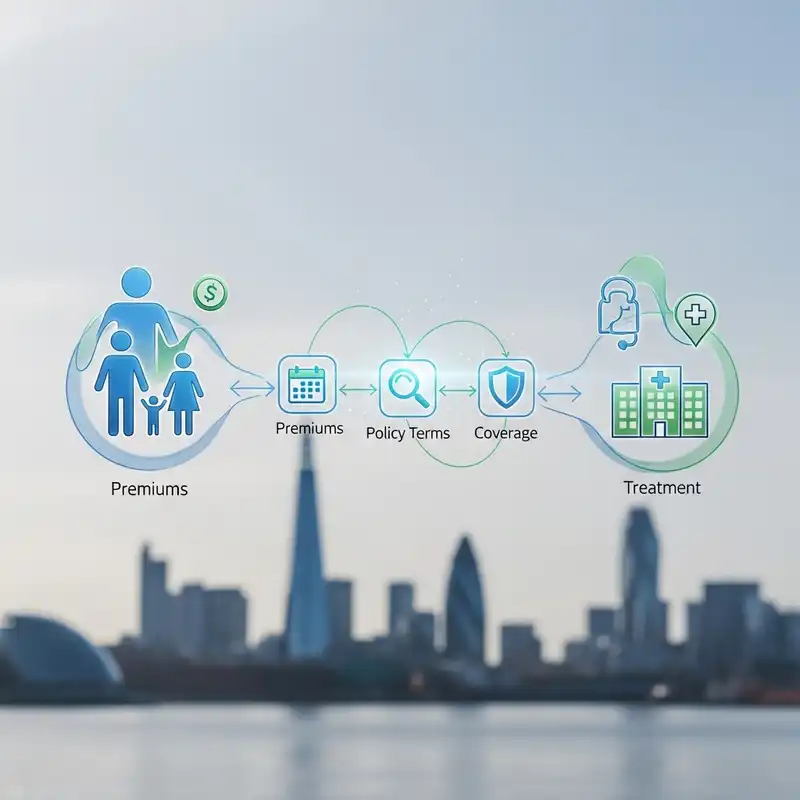
Your Health's Definitive Answer: Navigating Private Medical Insurance in the UK
In the grand tapestry of life, few things are as universally cherished as good health. It is the foundation upon which we build our careers, nurture our families, and enjoy our passions. Yet, the path to maintaining and restoring health can often feel complex, uncertain, and, at times, daunting. In the UK, we are incredibly fortunate to have the National Health Service (NHS), a beacon of universal healthcare, providing essential services free at the point of use. However, as the demands on the NHS continue to grow, many individuals and families are increasingly exploring avenues that offer greater control, faster access, and enhanced comfort when it comes to their medical care.
This is where Private Medical Insurance (PMI), also known as private health insurance, steps in. It's not about replacing the NHS, but rather complementing it, offering an alternative pathway for planned treatments and diagnostics, and providing a definitive answer to concerns about waiting lists, choice of specialist, and the environment in which you receive care.
This comprehensive guide aims to demystify Private Medical Insurance in the UK. We'll explore what it is, how it works, its numerous benefits, and crucially, what it doesn't cover. Our goal is to empower you with the knowledge needed to make informed decisions about your health, ensuring that when the unexpected arises, you have a clear, pre-planned path to swift and comfortable recovery.
Understanding the UK Healthcare Landscape: NHS vs. Private Medical Insurance (PMI)
To truly appreciate the value of Private Medical Insurance, it's essential to understand its place within the broader UK healthcare system. The NHS is, without doubt, a national treasure, providing comprehensive emergency care, managing chronic conditions, and performing millions of life-saving interventions every year. It operates on a principle of need, not ability to pay, ensuring everyone has access to essential medical care.
However, the NHS faces immense and growing pressures:
- Increasing Demand: An ageing population and the rise of complex, long-term conditions mean more people need more care.
- Funding Challenges: Despite significant investment, healthcare costs consistently outpace funding.
- Staffing Shortages: Attracting and retaining medical professionals remains a persistent challenge across various specialities.
- Waiting Lists: For non-emergency procedures, diagnostics, and specialist consultations, waiting times can extend from weeks to many months, impacting quality of life and potentially delaying crucial diagnoses.
This is where PMI offers a distinct alternative for non-emergency or elective treatments. It's designed to provide you with access to private medical facilities, consultants, and treatments, typically resulting in:
- Faster Access: Significant reduction in waiting times for appointments, tests, and procedures.
- Greater Choice: The ability to choose your consultant and hospital, allowing you to select specialists based on reputation or specific expertise.
- Enhanced Comfort: Treatment in private hospitals or private wings of NHS hospitals, offering private rooms, en-suite facilities, and more flexible visiting hours.
- Timely Intervention: Addressing health concerns sooner, which can lead to better outcomes and faster recovery.
It's crucial to reiterate that PMI is not intended for emergencies. For life-threatening situations, the NHS A&E department is always the first and only port of call. PMI works in tandem with the NHS, providing a complementary service for planned, acute conditions.
What Exactly is Private Medical Insurance (PMI)?
At its core, Private Medical Insurance is an insurance policy designed to cover the costs of private medical treatment for 'acute' conditions. This means if you develop a new illness, injury, or condition, your policy can fund the diagnosis and treatment privately, helping you recover and get back to your normal health.
The Critical Distinction: Acute vs. Chronic Conditions
Understanding the difference between 'acute' and 'chronic' conditions is fundamental to comprehending what PMI covers – and more importantly, what it doesn't.
-
Acute Conditions: These are illnesses, injuries, or diseases that are likely to respond quickly to treatment, returning you to the state of health you were in before the condition developed. Examples might include a broken bone, appendicitis, cataracts, or a hernia. PMI is designed to cover the costs associated with diagnosing and treating these types of conditions.
-
Chronic Conditions: In contrast, chronic conditions are long-lasting illnesses or diseases that are incurable, persistent, or recurring. They often require ongoing management and monitoring. Examples include diabetes, asthma, arthritis, high blood pressure, epilepsy, multiple sclerosis, or certain types of heart disease. It is a fundamental principle of Private Medical Insurance that chronic conditions are not covered. Insurers deem these conditions to be an ongoing, rather than a one-off, risk and therefore the costs associated with their long-term management fall outside the scope of PMI.
This distinction is perhaps the most important detail to grasp when considering a policy. Insurers cover 'new' and 'curable' issues, not pre-existing long-term health problems.
Common Inclusions and Exclusions
While policy details vary between providers and levels of cover, here’s a general overview:
Typically Included (for acute conditions):
- Inpatient Treatment: This is the core of most policies, covering hospital stays, surgery, intensive care, and nursing care.
- Day-Patient Treatment: Procedures or treatments that require a hospital bed for a day but not an overnight stay.
- Outpatient Consultations: Appointments with specialists and consultants (e.g., orthopaedics, cardiology, dermatology). This often needs to be specifically added to basic policies.
- Diagnostic Tests: X-rays, MRI scans, CT scans, blood tests, and other investigations to diagnose a condition.
- Therapies: Physiotherapy, osteopathy, chiropractic treatment, usually post-operative or for acute injuries.
- Cancer Treatment: A significant benefit for many, covering chemotherapy, radiotherapy, biological therapies, and specialist consultations. This is often a comprehensive and highly valued aspect of PMI.
Common Exclusions (across almost all policies):
- Pre-existing Conditions: Any medical condition you had, or had symptoms of, before taking out the policy. This is a crucial exclusion we will delve into further.
- Chronic Conditions: As explained above, incurable, long-term illnesses.
- Emergency Treatment: A&E visits, ambulance services, and immediate life-saving care. The NHS remains the provider for these.
- GP Services: Routine GP appointments, check-ups, and prescriptions.
- Maternity and Fertility Treatment: Generally excluded or available only as very specific, expensive add-ons with long waiting periods.
- Cosmetic Surgery: Procedures primarily for aesthetic purposes.
- Organ Transplants: Highly complex and specialised procedures typically handled by the NHS.
- Dental and Optical Treatment: Routine check-ups and basic care are usually excluded, though some policies offer these as optional extras.
- Self-inflicted Injuries or Drug/Alcohol Abuse: Conditions arising from these are typically not covered.
- Experimental Treatments: Procedures or drugs not yet widely recognised or approved.
- Overseas Treatment: Unless specific travel insurance add-ons are included, PMI generally covers treatment within the UK.
Understanding these inclusions and exclusions is vital to managing your expectations and ensuring you choose a policy that truly meets your needs.
The Benefits of Opting for Private Medical Insurance
Beyond the fundamental coverage, PMI offers a suite of tangible benefits that can significantly enhance your healthcare experience and provide invaluable peace of mind.
-
Speed of Diagnosis and Treatment: This is often the primary driver for individuals seeking PMI.
- Reduced Waiting Lists: Avoid the often lengthy NHS queues for specialist consultations, diagnostic tests, and elective surgeries. Getting a diagnosis quickly means you can start treatment sooner, potentially leading to better outcomes.
- Faster Access to Specialists: See a consultant within days, not weeks or months, allowing for rapid assessment of your symptoms.
- Prompt Intervention: For conditions where early treatment is crucial (e.g., certain cancers, neurological issues), speed can be paramount.
-
Choice and Control: PMI puts you in the driver's seat when it comes to your healthcare.
- Choice of Consultant: You can often select your preferred specialist, perhaps based on their specific expertise, reputation, or even gender.
- Choice of Hospital: Access to a network of private hospitals or private wings of NHS hospitals, allowing you to choose a location convenient for you or one with specific facilities.
- Appointment Flexibility: Schedule appointments at times that suit your work and personal life, minimising disruption.
-
Comfort and Privacy: The environment of care can significantly impact your recovery and overall experience.
- Private Rooms: Enjoy the privacy and quiet of your own room, often with en-suite facilities, TV, and Wi-Fi.
- Improved Amenities: Higher staff-to-patient ratios, more flexible visiting hours, and often higher quality catering.
- Reduced Stress: A calm, private environment can contribute to faster healing and a less stressful hospital stay.
-
Access to Advanced Treatments and Drugs:
- New Therapies: Some policies offer access to drugs and treatments that may not yet be routinely available or prioritised on the NHS due to cost or regulatory timelines.
- Specialised Equipment: Private facilities often invest in the latest diagnostic and surgical equipment.
-
Peace of Mind for You and Your Family:
- Reduced Anxiety: Knowing you have a plan in place for unforeseen health issues can significantly reduce anxiety about potential future waiting times or care access.
- Support for Loved Ones: For family policies, the assurance that children or partners will receive swift care if needed is a major comfort.
- Business Continuity: For professionals or business owners, rapid treatment means a faster return to work, minimising lost income or disruption.
In essence, Private Medical Insurance empowers you to take a proactive approach to your health, offering a safety net that complements the NHS by providing speed, choice, and comfort when you need it most.
Types of Private Medical Insurance Policies
The PMI market in the UK offers a diverse range of policies, designed to cater to different needs, budgets, and preferences. Understanding the various options is key to finding the "definitive answer" for your unique situation.
1. Level of Cover: Core vs. Comprehensive
-
Core (or Inpatient Only) Cover: This is the most basic and often most affordable type of policy. It typically covers:
- Overnight stays in hospital (inpatient treatment).
- Day-patient treatment (procedures done in a hospital bed without an overnight stay).
- Surgical procedures, anaesthetics, and consultants' fees related to inpatient/day-patient care.
- Often, cancer care is also a core inclusion, which is a major benefit.
- What's often excluded: Outpatient consultations (initial specialist visits), diagnostic tests (MRI, CT scans) if they don't lead directly to an inpatient stay, and therapies like physiotherapy.
-
Comprehensive Cover: This provides a much broader range of benefits and is, naturally, more expensive. It generally includes:
- All benefits of core cover.
- Extensive Outpatient Cover: This is a key differentiator, covering initial consultations with specialists, follow-up appointments, and diagnostic tests (e.g., blood tests, X-rays, MRI scans) even if they don't result in a hospital admission.
- Therapies: Covers costs for physiotherapy, osteopathy, chiropractic treatment, and sometimes psychological therapies, often up to a set limit.
- Mental Health Cover: Varies widely, from limited outpatient counselling to full inpatient psychiatric care.
- Wider Hospital Lists: Access to a broader network of private hospitals.
2. Underwriting Methods: Moratorium vs. Full Medical Underwriting
The way an insurer assesses your medical history significantly impacts what's covered from day one.
-
Moratorium Underwriting (Mori): This is the most common and often easiest option to set up.
- How it works: You don't need to disclose your full medical history when you apply. Instead, the insurer automatically excludes any medical condition for which you've had symptoms, advice, or treatment in the last five years prior to starting the policy.
- "Rolling Moratorium": If you go two continuous years without any symptoms, advice, or treatment for an excluded condition after your policy starts, that condition may then become covered. However, if symptoms recur within that two-year period, the "moratorium clock" resets.
- Pros: Quick and easy application, no need for detailed medical reports upfront.
- Cons: Less certainty about what's covered until a claim arises. You might find a condition you thought was covered is, in fact, still excluded.
-
Full Medical Underwriting (FMU): This method involves a more thorough assessment upfront.
- How it works: You complete a detailed medical questionnaire when applying, disclosing your full medical history. The insurer then assesses this information.
- Potential Outcomes:
- Acceptance with no exclusions.
- Acceptance with specific permanent exclusions for certain pre-existing conditions.
- Acceptance with a premium loading (an increased premium) for certain conditions.
- Postponement (delaying cover until a condition resolves or is stable).
- Decline (rare, but possible for very severe or complex pre-existing conditions).
- Pros: Complete clarity from day one about what is and isn't covered. No surprises when you make a claim.
- Cons: More detailed application process, might require GP reports (which the insurer usually pays for).
For both types, it's vital to remember the core principle: pre-existing and chronic conditions are fundamentally excluded. Full medical underwriting simply gives you a clear list of what those exclusions are from the start, whereas moratorium underwriting requires you to meet a period of symptom-free time for a pre-existing condition to potentially become covered.
3. Excess and Co-payment Options
- Excess: This is the amount you agree to pay towards the cost of any claim before the insurer pays the rest. Choosing a higher excess will reduce your annual premium, similar to car insurance. For example, a £100 excess means you pay the first £100 of a claim, and the insurer covers the rest. Some policies apply the excess per claim, others per policy year.
- Co-payment (or Co-insurance): Less common in the UK than excess, this means you pay a percentage of the total claim amount, while the insurer pays the rest. For example, a 10% co-payment on a £5,000 treatment would mean you pay £500.
4. Hospital Lists
Insurers group private hospitals and private units within NHS hospitals into different "lists" or "tiers."
- Restricted List: Typically includes private units within NHS hospitals and a smaller selection of private hospitals. Generally more affordable premiums.
- Extended/Central London List: Offers access to a much broader range of private hospitals, including the more expensive facilities, particularly in central London. This will increase your premium.
Choosing a list relevant to your location and desired level of choice is important.
5. Individual, Family, or Corporate Policies
- Individual Policies: Cover one person.
- Family Policies: Cover multiple family members (e.g., parents and children) on a single policy. Often, there are discounts for adding more family members.
- Corporate/Group Policies: Offered by employers to their staff. These often have different underwriting rules (e.g., Medical History Disregarded, where pre-existing conditions might be covered if the group is large enough and meets specific criteria – but this is an exception for large corporate schemes only, and not generally available for individual policies).
6. Optional Add-ons
Many policies allow you to customise your cover with extras:
- Dental and Optical Cover: Contributions towards routine check-ups, fillings, glasses, and contact lenses.
- Mental Health Cover: Beyond basic counselling, this can include inpatient psychiatric treatment or more extensive talking therapies.
- Travel Insurance: Limited medical cover for emergencies abroad.
- Wellness Benefits: Discounts on gym memberships, health assessments, or access to virtual GP services.
Navigating these options can feel overwhelming, which is precisely where expert guidance becomes invaluable.
How Does PMI Work in Practice? A Step-by-Step Guide
Once you have a Private Medical Insurance policy, the process for accessing private care for an acute condition is relatively straightforward, but it requires adherence to certain steps.
-
See Your NHS GP (First Point of Contact):
- Even with PMI, your GP remains your primary medical professional. If you develop a new symptom or illness, your first step should always be to consult your NHS GP.
- Explain your symptoms and the issues you're experiencing.
- If your GP determines that you require specialist intervention, they will provide you with a referral letter. This letter is crucial as it details your symptoms, medical history, and the type of specialist you need to see. Most insurers require a GP referral before authorising any private treatment.
-
Contact Your Insurer for Pre-Authorisation:
- This is the most critical step. Before you book any private appointment, consultation, or test, you MUST contact your private medical insurer for pre-authorisation.
- Provide them with your GP referral letter (or the information from it), your symptoms, and the name of the consultant or hospital if you have one in mind.
- The insurer will review your details to confirm that your condition is covered by your policy (i.e., it's an acute condition and not a pre-existing or chronic exclusion).
- If approved, they will issue an authorisation code. This code is your green light and signifies that the insurer will cover the approved treatment costs.
-
Book Your Private Appointment:
- Once you have your pre-authorisation code, you can proceed to book your appointment with your chosen private specialist or hospital.
- Provide them with your insurance policy number and the authorisation code. This ensures they bill your insurer directly for the authorised services.
-
Consultation and Diagnosis:
- You attend your private consultation. The specialist will examine you, discuss your symptoms, and may recommend further diagnostic tests (e.g., MRI scans, X-rays, blood tests).
- Important: If further tests or treatments are recommended beyond the initial consultation, you will likely need to contact your insurer again for further pre-authorisation. Do not assume everything will be automatically covered.
-
Treatment Plan and Further Authorisation:
- Once a diagnosis is made, the specialist will propose a treatment plan. This could involve medication, therapies, or a surgical procedure.
- For any significant treatment or hospital stay, you will need to obtain specific pre-authorisation from your insurer for that exact procedure, including the estimated cost and the hospital where it will take place. This ensures all parties are clear on what is covered.
-
Receive Treatment:
- With all necessary authorisations in place, you undergo your treatment.
- The hospital and consultant will typically send their invoices directly to your insurer.
-
Paying Your Excess:
- If your policy has an excess, you will be responsible for paying this directly to the hospital or consultant, depending on how your insurer administers claims. The insurer will cover the remaining balance of the authorised treatment costs.
-
Follow-up and Recovery:
- Any post-treatment follow-up consultations or therapies will also require pre-authorisation to ensure they are covered under your policy limits.
Key Takeaways for the Process:
- Always start with your GP.
- Always get pre-authorisation from your insurer before any private medical service. This cannot be stressed enough. Failure to do so could result in you being liable for the full cost of the treatment.
- Keep clear records of all authorisation codes, correspondence, and appointments.
By following these steps, you can ensure a smooth and stress-free journey through the private healthcare system, leveraging your PMI policy to its fullest potential.
Choosing the Right Policy for You: Key Considerations
Selecting the ideal Private Medical Insurance policy is a deeply personal decision, influenced by a multitude of factors. With so many options available, it's easy to feel overwhelmed. Here’s a breakdown of the key considerations to guide your choice:
-
Your Budget:
- What can you realistically afford? Premiums can vary significantly based on age, location, and the level of cover.
- Balance cost with benefits: A cheaper policy might have significant exclusions or a very limited hospital list. Consider what level of financial commitment makes sense for your peace of mind and anticipated needs.
- Consider an excess: A higher excess reduces your premium, but be sure you can afford to pay it should you need to make a claim.
-
Your Current Health and Medical History:
- Pre-existing conditions: This is paramount. If you have any conditions for which you've had symptoms, advice, or treatment in the last five years, these will likely be excluded (or subject to moratorium terms). Be honest and upfront.
- Underwriting method:
- If you want absolute certainty about what's covered from day one and are prepared for a more detailed application, Full Medical Underwriting (FMU) is best.
- If your medical history is relatively clear and you prefer a quicker application process, Moratorium underwriting might be suitable, but be aware of its rolling exclusion period.
- Chronic conditions: Remember, chronic conditions are not covered. If you have one, PMI will not fund its ongoing management.
-
Your Lifestyle and Family Situation:
- Active lifestyle: If you're very active, you might be more prone to injuries, making comprehensive physiotherapy cover valuable.
- Family needs: Are you looking to cover just yourself, or your partner and children too? Family policies often offer discounts.
- Children's cover: Check what's included for children, especially if you anticipate needs for therapies or specific paediatric consultations.
- Geographic location: Your proximity to preferred private hospitals and specialists should influence your choice of hospital list.
-
Desired Level of Cover (Inpatient vs. Comprehensive):
- Core (Inpatient Only): If your primary concern is covering serious illnesses requiring hospitalisation or surgery, and you're comfortable using the NHS for outpatient diagnostics/consultations, this could be cost-effective.
- Comprehensive: If you value speed and choice for initial consultations, diagnostic tests (e.g., MRI/CT scans for non-urgent issues), and therapies, a comprehensive policy with strong outpatient cover is essential. This often provides the most "definitive answer" for managing health concerns from start to finish.
-
Hospital List:
- Local access: Does the hospital list include private hospitals convenient to your home or work?
- Specific hospitals: If you have a particular hospital in mind due to reputation or referral, ensure it's on your chosen list.
- Central London access: If you foresee needing access to specialists in London, ensure your policy includes the central London hospital list, as this is often a premium add-on.
-
Excess Options:
- Choosing a higher excess (e.g., £500 or £1,000 per claim or per year) can significantly reduce your premium. However, only opt for an excess you are comfortable paying out-of-pocket if you need to make a claim.
-
Optional Extras:
- Mental Health: If mental wellbeing support is a priority, investigate the mental health cover options, as they vary widely.
- Dental/Optical: Do you value contributions towards routine dental and eye care?
- Therapies: Ensure the limits for physiotherapy, osteopathy, etc., are sufficient for your potential needs.
-
Reviews and Reputation:
- While we, WeCovr, will guide you to the best providers, it's worth considering the reputation of the insurer for customer service and claims handling. Online reviews can offer insights, but remember they are subjective.
By carefully considering each of these points, you can narrow down your options and identify a Private Medical Insurance policy that genuinely aligns with your personal circumstances and provides the security and access you desire for your health.
The All-Important Question: Pre-existing and Chronic Conditions
This is arguably the most crucial area of understanding for anyone considering Private Medical Insurance in the UK. The rules around pre-existing and chronic conditions are often misunderstood, leading to disappointment or invalid claims. Let's clarify them definitively.
What is a "Pre-existing Condition"?
A pre-existing condition is, generally, any disease, illness, or injury for which you have received medication, advice, or treatment, or had symptoms, before the start date of your private medical insurance policy.
- Examples: If you had knee pain and saw a physio last year, even if it's currently fine, that knee condition is likely pre-existing. If you've been diagnosed with high blood pressure, even if managed, it's pre-existing. If you had symptoms of acid reflux, but never got a formal diagnosis, it's still likely pre-existing.
- Significance: With almost all UK PMI policies, pre-existing conditions are excluded from cover. This is a fundamental principle because insurance covers unforeseen risks, not issues that are already present or have manifested symptoms.
What is a "Chronic Condition"?
As discussed earlier, a chronic condition is a disease, illness, or injury that has at least one of the following characteristics:
- It needs ongoing or long-term management.
- It requires long-term monitoring.
- It recurs or is likely to recur.
- It is incurable.
- It comes back or is likely to come back.
- Examples: Diabetes, asthma, epilepsy, arthritis, Crohn's disease, multiple sclerosis, some forms of heart disease, and often long-term mental health conditions.
- Significance: Private Medical Insurance policies in the UK DO NOT cover chronic conditions. This is a universal exclusion across the vast majority of policies. The NHS is the primary provider for ongoing management and treatment of chronic illnesses.
Why are They Excluded?
The core principle of insurance is to protect against future, uncertain events. Pre-existing and chronic conditions represent known, ongoing, or highly probable future costs. Including them would make premiums prohibitively expensive for everyone. Insurers are designed to cover 'acute' problems – those that can be treated and resolved, returning you to health.
The Moratorium vs. Full Medical Underwriting Nuance
-
Moratorium Underwriting: You don't declare pre-existing conditions upfront. Instead, the insurer automatically applies a blanket exclusion for any condition you've had symptoms, treatment, or advice for in the five years prior to the policy start date. For such a condition to become covered, you typically need to go a continuous period (usually two years) after the policy starts without any further symptoms, advice, or treatment for that specific condition. If symptoms recur within that period, the 'moratorium clock' resets. This can lead to uncertainty until a claim arises.
-
Full Medical Underwriting: You declare all your medical history upfront. The insurer then assesses this. They might issue a policy with specific, permanent exclusions for your declared pre-existing conditions. This provides clarity from day one – you know exactly what is (and isn't) covered.
What if an Acute Condition Becomes Chronic During Coverage?
This is a critical point that can cause confusion. If you develop a new, acute condition after your policy starts, and it's initially covered, but then it develops into a chronic condition, the insurer will typically cover the costs until it is diagnosed as chronic. Once it is deemed a chronic condition (i.e., requires ongoing, long-term management, or is incurable), coverage for that specific condition will cease. The ongoing management and treatment of the newly chronic condition would then typically revert to the NHS.
The Importance of Full Disclosure
It is paramount that you are completely honest and provide full disclosure of your medical history, especially if opting for Full Medical Underwriting. Failure to disclose relevant information can lead to your policy being cancelled, claims being denied, or your policy being invalidated retrospectively. This means you could be left with significant medical bills to pay yourself.
In summary, when considering PMI, always assume that any health issue you've ever had, or any long-term condition, will not be covered. This understanding is key to realistic expectations and choosing the right policy for your actual needs.
Understanding the Cost of PMI: Factors Influencing Premiums
The premium you pay for Private Medical Insurance is not a fixed sum. It's a carefully calculated figure based on a range of factors that reflect the potential risk and cost of your future medical care. Understanding these elements can help you make informed choices and potentially reduce your premiums.
-
Age:
- The biggest factor: Age is the most significant determinant of your premium. As you get older, the likelihood of needing medical treatment generally increases, as does the potential complexity and cost of that treatment.
- Increases over time: Your premium will typically increase each year as you age, even if your health remains stable. This is simply due to moving into a higher age band with associated higher risk.
-
Location (Postcode):
- Varying healthcare costs: The cost of private healthcare can vary significantly across the UK. Hospitals and specialists in major cities, particularly London, often charge higher fees.
- Access to facilities: Your postcode will determine which hospital lists are available to you and their associated costs.
-
Chosen Level of Cover:
- Core vs. Comprehensive: As discussed, a basic inpatient-only policy will be much cheaper than a comprehensive plan that includes extensive outpatient care, therapies, and a wide hospital list.
- Optional extras: Adding benefits like mental health cover, dental, or optical care will naturally increase your premium.
-
Hospital List Selected:
- Restricted vs. Broad: Choosing a restricted hospital list (often private wings of NHS hospitals or smaller private hospitals) will be more affordable than opting for a broader list that includes more expensive, premium private hospitals.
-
Excess Amount:
- Your contribution: The excess is the amount you agree to pay towards the cost of a claim. A higher excess means you take on more of the initial financial risk, and in return, the insurer will charge you a lower annual premium.
- Strategic choice: Consider what you can comfortably afford to pay out-of-pocket if you need treatment.
-
Medical History (Relevant to Underwriting):
- Full Medical Underwriting (FMU): If you choose FMU and declare a complex medical history, the insurer might apply a 'loading' (an increased premium) to cover the higher perceived risk, or apply permanent exclusions.
- Moratorium: While moratorium doesn't directly load your premium based on past history, the risk of exclusion for a pre-existing condition means the insurer is taking on less immediate risk, which is factored into pricing.
-
Lifestyle (Indirectly):
- While most individual policies don't directly load premiums for smoking or BMI in the same way life insurance might, these factors can contribute to other health conditions that might indirectly affect your overall risk profile, and often influence age-related pricing models.
- Some insurers offer wellness programmes that can reward healthy behaviour with premium reductions or discounts.
-
Inflation and Claims History:
- Medical inflation: The cost of medical treatments, technology, and drugs tends to rise faster than general inflation. This contributes to annual premium increases.
- Overall claims experience: Insurers review their overall claims experience across their policyholders. If claims costs have been high, premiums for all policyholders may rise at renewal to maintain profitability. For group policies, the claims history of the specific group can directly impact their renewal premium.
Strategies to Manage Premiums:
- Increase your excess: If you can afford it, a higher excess is the quickest way to reduce your premium.
- Reduce your hospital list: Opt for a more restricted list if you're happy with the available hospitals.
- Select a lower level of outpatient cover: If you're confident using the NHS for initial consultations and diagnostics, you can save money by reducing or removing outpatient benefits.
- Consider a moratorium: If your medical history is relatively clear, moratorium underwriting can sometimes be cheaper initially than FMU (though FMU offers more certainty).
- Review your policy annually: Your needs might change, and a policy that was perfect last year might not be the most cost-effective now. Don't just renew automatically.
Understanding these factors allows you to tailor a policy that balances comprehensive cover with an affordable premium, ensuring your health's definitive answer doesn't come at an unexpected financial cost.
WeCovr: Your Partner in Navigating the PMI Market
The myriad of options, the subtle differences in policy wordings, and the complexities of underwriting can make choosing Private Medical Insurance a daunting task. This is where an expert health insurance broker becomes an invaluable ally.
At WeCovr, we understand these complexities intimately. We know that finding the "definitive answer" for your health needs isn't about picking the first policy you see; it's about finding the right policy for you. As a modern UK health insurance broker, we are dedicated to simplifying this process, making it transparent, efficient, and ultimately, empowering for our clients.
How We Help You:
- Independent and Unbiased Advice: We are not tied to any single insurer. We work with all major UK health insurance providers, giving us a comprehensive overview of the entire market. This independence means our advice is always tailored to your best interests, not those of a particular insurer.
- Access to the Entire Market: Comparing policies from different providers can be time-consuming and confusing. We do the heavy lifting for you. We have direct access to a wide range of plans, including those that might not be easily found online, ensuring you see the full spectrum of available options.
- Personalised Needs Assessment: We take the time to understand your unique circumstances: your age, location, medical history, budget, family situation, and specific health concerns. This detailed understanding allows us to pinpoint policies that genuinely align with your requirements, ensuring you don't pay for cover you don't need or miss out on benefits you truly value.
- Expert Guidance on Underwriting: The distinctions between Moratorium and Full Medical Underwriting, and how they impact your pre-existing conditions, are critical. We provide clear, jargon-free explanations, helping you choose the underwriting method that offers the most appropriate balance of certainty and cost for your medical history.
- Saving You Time and Money: Instead of spending hours researching, contacting multiple insurers, and deciphering policy documents, you get all the information you need in one place. We negotiate on your behalf to find the most competitive premiums for the level of cover you desire, often identifying discounts or tailored plans you might not find on your own.
- Our Service is Completely Free to You: That's right. Our expert advice and service come at no direct cost to you. We are remunerated by the insurers once a policy is taken out, meaning our focus is solely on finding you the best coverage from all major insurers.
Choosing the right Private Medical Insurance policy is a significant decision. With WeCovr as your partner, you gain clarity, choice, and confidence, ensuring that your journey towards a healthier future is as smooth and well-supported as possible. We are here to provide your health's definitive answer.
Debunking Common Myths About Private Medical Insurance
Misconceptions about Private Medical Insurance are common, often leading people to dismiss it out of hand without truly understanding its value. Let's tackle some of these prevalent myths head-on:
Myth 1: "Private Medical Insurance is Only for the Rich."
Reality: While comprehensive policies can be expensive, there's a wide spectrum of options available to suit various budgets.
- Affordable Entry Points: Basic policies, such as those covering only inpatient treatment, or policies with higher excesses and more restricted hospital lists, can be surprisingly affordable, particularly for younger individuals or families.
- Value Proposition: For many, the cost is justified by the peace of mind, speed of access, and choice it provides, especially when considering the potential impact of long NHS waiting times on work, family life, or psychological well-being.
- Corporate Benefits: Many employers offer PMI as an employee benefit, making it accessible to a much broader demographic.
Myth 2: "Private Medical Insurance Replaces the NHS."
Reality: This is perhaps the most significant misconception. PMI complements, it does not replace, the NHS.
- NHS for Emergencies: For serious accidents, sudden life-threatening illnesses, or true medical emergencies, the NHS A&E and emergency services are (and should be) your first and only port of call. PMI does not cover emergency treatment.
- NHS for Chronic Conditions: As extensively discussed, chronic, long-term conditions are generally excluded from PMI. The NHS remains the provider for ongoing management of conditions like diabetes, asthma, and arthritis.
- GP Remains Key: Your NHS GP remains your primary care provider and often your gateway to both NHS and private referrals.
PMI acts as an alternative pathway for planned care, allowing the NHS to focus its resources on emergencies and chronic care.
Myth 3: "Private Medical Insurance Covers Everything."
Reality: As detailed earlier, PMI has specific exclusions.
- Pre-existing Conditions: Conditions you had before taking out the policy are almost universally excluded.
- Chronic Conditions: Long-term, incurable conditions are not covered.
- Standard Exclusions: Routine GP visits, dental check-ups, optical care, cosmetic surgery, and fertility treatments are typically excluded (though some can be added as optional extras).
- Always Check: It's crucial to understand your specific policy's terms and conditions before assuming coverage.
Myth 4: "It's Too Complicated to Understand and Claim On."
Reality: While the range of options can seem complex, the process for claiming is generally straightforward, especially with the right guidance.
- Step-by-Step Process: As outlined previously, it usually involves a GP referral, pre-authorisation from your insurer, and then receiving treatment.
- Brokers Simplify: This is where expert brokers like WeCovr come in. We demystify the jargon, explain your options clearly, and guide you through the process, making it much less daunting.
- Direct Billing: In most cases, private hospitals and consultants bill your insurer directly, simplifying the financial aspect for you.
By dispelling these myths, we hope to provide a clearer, more accurate picture of Private Medical Insurance, allowing you to assess its potential benefits without preconceived notions.
Real-Life Scenarios: When PMI Made a Difference
Theoretical explanations are valuable, but real-world examples truly illustrate the impact of Private Medical Insurance. Here are a few anonymised scenarios where PMI provided a definitive answer to health concerns.
Scenario 1: The Busy Professional with Sudden Pain
- The Situation: Mark, a 42-year-old marketing executive, developed persistent, sharp knee pain that began to impact his ability to exercise and walk comfortably. His NHS GP suspected a meniscal tear and referred him for an MRI, but advised the waiting list for the scan could be several weeks, followed by a potential further wait for an orthopaedic consultation. Mark's job required frequent travel and long hours, and he couldn't afford a prolonged period of discomfort or limited mobility.
- How PMI Helped: Mark contacted his PMI provider, who pre-authorised a private MRI scan within three days. The scan confirmed a tear. Within another week, he had a consultation with a private orthopaedic surgeon of his choice. The surgeon recommended arthroscopic surgery, which was scheduled and performed privately within two weeks. Mark received excellent post-operative physiotherapy through his policy and was back to light duties within a month, making a full recovery soon after.
- The Impact: Mark avoided months of pain, uncertainty, and potential work disruption. His swift diagnosis and treatment allowed him to recover quickly and maintain his professional commitments, highlighting the value of speed and control.
Scenario 2: The Anxious Parent and the Worrying Lump
- The Situation: Sarah, a 38-year-old mother of two young children, discovered a small lump in her breast. Understandably, she was extremely anxious. While her NHS GP expedited a referral, the initial appointment at the breast clinic was still two weeks away, with further waits anticipated for any necessary biopsies or scans. The emotional toll of the uncertainty was significant.
- How PMI Helped: Sarah's family policy included comprehensive outpatient cover. She immediately called her insurer, who pre-authorised a consultation with a leading private breast specialist the very next day. At the private clinic, she had an examination, mammogram, ultrasound, and biopsy all completed within a few hours. The results came back within 48 hours, confirming the lump was benign.
- The Impact: Sarah's initial anxiety was profound, but her PMI policy allowed for incredibly rapid diagnosis. This speed provided immense peace of mind for her and her family, drastically reducing the period of agonizing uncertainty. This scenario underscores the psychological benefit of swift answers.
Scenario 3: The Child Needing Specialist Therapy
- The Situation: Leo, a 6-year-old, was struggling with a persistent lisp that was impacting his confidence at school. His parents sought NHS speech and language therapy, but were told the waiting list for an initial assessment was over six months long, followed by a further wait for regular sessions.
- How PMI Helped: Leo's parents had included a comprehensive therapies add-on to their family PMI policy. They obtained a referral from their GP and the insurer pre-authorised a private speech and language therapy assessment. Within a week, Leo had his initial assessment. The therapist created a tailored plan, and Leo began regular private sessions, which were covered by the policy up to a generous annual limit.
- The Impact: Leo received timely and consistent support, addressing his lisp before it became a deeper-seated issue impacting his self-esteem. His parents didn't have to face the difficult choice between a long wait or paying for expensive private sessions out-of-pocket, illustrating PMI's role in accessing specialised, non-urgent but important care for children.
These examples highlight that PMI isn't just about avoiding queues; it's about reducing stress, maintaining productivity, and ensuring timely access to the right care when it truly matters.
What to do if you need to make a claim
Making a claim on your Private Medical Insurance policy is a structured process that ensures your treatment is covered appropriately. Following these steps precisely will help avoid any issues.
-
Always Start with Your GP:
- Regardless of your private medical insurance, your first port of call for any new symptoms or health concerns should be your NHS GP. They are best placed to assess your condition, provide initial advice, and determine if a specialist referral is necessary.
- Explain to your GP that you have private medical insurance and would like a private referral. They will provide you with a referral letter outlining your symptoms and recommending the type of specialist you need to see. This letter is crucial for your insurer.
-
Contact Your Insurer for Pre-Authorisation:
- This is the most critical step. Before you book any private appointment, diagnostic test (like an MRI or CT scan), or treatment, you must contact your private medical insurer.
- Have your policy number and GP referral letter details ready.
- Explain your symptoms, the specialist your GP has referred you to, and any recommended initial tests.
- The insurer will check your policy terms to confirm if the condition is covered (i.e., it's an acute condition and not a pre-existing or chronic exclusion).
- If approved, they will give you an authorisation code. This code is vital as it signifies that the insurer has agreed to cover the specific consultation or test.
-
Book Your Private Consultation/Test:
- Once you have the authorisation code, you can book your appointment with your chosen private consultant or diagnostic centre.
- Provide them with your policy number and the authorisation code. This allows them to bill your insurer directly for the authorised services.
-
Specialist Consultation and Further Recommendations:
- During your private consultation, the specialist will assess your condition. They may recommend further investigations (more scans, blood tests) or a specific course of treatment (e.g., physiotherapy, surgery, medication).
- Crucially, for any further investigations or treatments beyond the initial consultation, you will almost certainly need to obtain further pre-authorisation from your insurer. Do not proceed without this, or you risk being liable for the costs. Your specialist's secretary can often assist with this process by sending the treatment plan directly to your insurer.
-
Receive Treatment:
- Once all necessary authorisations are in place, you undergo your treatment.
- In most cases, the private hospital and consultant will bill your insurer directly using your policy details and authorisation codes.
-
Manage Your Excess:
- If your policy has an excess (the amount you agreed to pay towards a claim), you will be responsible for settling this directly with the hospital or consultant. This payment is typically made before or shortly after your treatment. The insurer then pays the remaining balance.
-
Follow-up and Aftercare:
- Any follow-up consultations, post-operative care, or extended therapy sessions will also require pre-authorisation to ensure continued coverage under your policy limits.
Tips for a Smooth Claim Experience:
- Be Proactive: Always contact your insurer before any treatment, not after.
- Keep Records: Keep a record of all authorisation codes, the names of people you speak to at your insurer, and any correspondence.
- Read Your Policy: Familiarise yourself with your specific policy's terms, limits, and exclusions.
- Don't Self-Diagnose: Always rely on medical professionals for diagnosis and treatment plans.
- Use Your Broker: If you purchased your policy through WeCovr, we can often assist you with understanding the claims process and liaising with your insurer.
By following these steps, you can ensure your Private Medical Insurance provides the prompt and effective care you expect, giving you one less thing to worry about during a health concern.
Beyond the Basics: Advanced Considerations for PMI
While the core benefits of Private Medical Insurance are clear, many policies offer or allow for significant customisation that addresses a broader spectrum of health and wellbeing needs. Exploring these advanced considerations can ensure your policy is truly comprehensive.
1. Mental Health Cover
In an increasingly aware society, mental health is as important as physical health. While basic PMI policies might offer limited access to short-term talking therapies, more comprehensive options include:
- Outpatient Psychological Therapies: Covering sessions with psychologists, psychiatrists, and counsellors for conditions like anxiety, depression, or stress-related issues. There are usually limits on the number of sessions or the total financial outlay.
- Inpatient Psychiatric Treatment: For more severe mental health conditions requiring a stay in a private psychiatric hospital. This is a significant inclusion and can be invaluable.
- Day-Patient Programmes: Structured therapy programmes that you attend during the day without an overnight stay.
It's crucial to check the specific types of conditions covered (e.g., some policies exclude addiction or learning disabilities) and the limits applied. Remember, chronic mental health conditions, like chronic physical conditions, are typically excluded for ongoing management.
2. Therapies (Physiotherapy, Osteopathy, Chiropractic)
These complementary therapies are vital for recovery from injuries, operations, or managing musculoskeletal pain.
- Limits: Policies often impose limits on the number of sessions or the total monetary value you can claim for these therapies per policy year.
- Referral Required: Most insurers require a GP or specialist referral before they will cover therapy sessions.
- Direct Access: Some advanced policies offer "direct access" to therapies, meaning you don't need a specialist referral, only a GP referral, which can speed up access.
3. Dental and Optical Add-ons
While not core medical treatment, maintaining dental and optical health is integral to overall well-being.
- Cash Plans vs. PMI Add-ons: These are typically provided either as a separate "cash plan" insurance or as an optional add-on to a PMI policy.
- Coverage: They usually offer contributions towards routine check-ups, fillings, extractions, crowns, glasses, contact lenses, and eye tests, up to annual limits. They are not designed for major cosmetic work or extensive orthodontics.
4. Travel Insurance vs. PMI for Overseas
This is a common area of confusion:
- PMI (UK Focus): Your Private Medical Insurance primarily covers treatment within the UK. If you fall ill or have an accident abroad, it generally will not cover your medical costs or repatriation.
- Travel Insurance (Overseas Focus): Designed specifically for medical emergencies, repatriation, lost luggage, and trip cancellations when you are outside the UK.
- The Overlap: Some advanced PMI policies may offer limited emergency medical cover when travelling abroad for short periods (e.g., up to 30 or 60 days). However, this is usually basic and should not replace a dedicated comprehensive travel insurance policy, especially for longer trips or specific destinations. Always check the terms carefully if relying on your PMI for overseas cover.
5. Wellness and Preventative Benefits
Recognising the value of prevention, some insurers are integrating wellness benefits into their offerings:
- Health Assessments: Contributions towards or full cover for annual health check-ups.
- Gym Discounts: Reduced membership fees at participating gyms or health clubs.
- Digital Health Tools: Access to apps for mental wellbeing, fitness tracking, or virtual GP consultations.
- Health Programmes: Incentives or rewards for maintaining a healthy lifestyle.
These benefits demonstrate a shift towards a more holistic approach to health, encouraging policyholders to proactively manage their well-being, potentially reducing future claims.
Considering these advanced options allows you to craft a PMI policy that is truly comprehensive, addressing not just acute medical issues but also contributing to your overall health and peace of mind.
The Future of UK Healthcare and the Role of PMI
The landscape of healthcare in the UK is constantly evolving, shaped by demographic shifts, technological advancements, and economic pressures. Understanding these dynamics helps contextualise the growing importance of Private Medical Insurance.
Growing Demand and NHS Pressures
The UK's population is ageing, and people are living longer. While this is a triumph of modern medicine, it also means a greater prevalence of age-related conditions and a higher demand for complex healthcare services. Simultaneously, medical technology and treatments are becoming more sophisticated and, often, more expensive.
The NHS, while continually adapting, faces an undeniable challenge in meeting this escalating demand with finite resources. This leads to:
- Persistent Waiting Lists: For diagnostics, outpatient appointments, and non-urgent elective surgeries, waiting times are likely to remain a significant issue.
- Prioritisation of Urgent Cases: The NHS will always, rightly, prioritise life-threatening emergencies and critical care. This means non-urgent but impactful conditions may see longer waits.
- Funding Debates: The ongoing political and economic debates around NHS funding underscore the inherent pressure on a universal, free-at-the-point-of-use system.
Innovation in Private Care
In contrast, the private healthcare sector often has the flexibility to adopt new technologies and treatments more rapidly. Without the same bureaucratic hurdles and budget constraints as a national service, private hospitals can invest in cutting-edge equipment, advanced surgical techniques, and access to newer drugs.
The private sector also often leads in areas like:
- Digital Health: Telemedicine, virtual GP services, and remote monitoring are often more readily integrated into private pathways.
- Personalised Care: The model allows for a higher degree of choice and personalised attention, from choosing your consultant to selecting your appointment times.
- Efficiency: Streamlined processes often mean quicker patient journeys from diagnosis to treatment.
PMI as a Complementary Solution
Given these trends, the role of Private Medical Insurance is likely to become even more pronounced. It's not about replacing the NHS, which will always remain the bedrock of UK healthcare, especially for emergencies and chronic disease management. Instead, PMI is positioned as an increasingly vital complementary solution.
- Bridging the Gap: It bridges the gap between the universal access of the NHS and the desire for swift, convenient, and tailored care for acute conditions.
- Alleviating Pressure (Indirectly): By diverting some patients who can afford it to the private sector for elective procedures, PMI can indirectly help alleviate some pressure on NHS waiting lists.
- Empowering Individuals: It empowers individuals to take greater control over their health journey, offering a proactive response to potential health challenges.
The future of UK healthcare will likely see a continued dual approach, with the NHS providing essential, universal care, and Private Medical Insurance serving as a robust and increasingly necessary option for those seeking faster access, greater choice, and enhanced comfort in managing their acute medical needs. It represents an investment in personal well-being and a proactive approach to navigating the health challenges of modern life.
Conclusion: Taking Control of Your Health Journey
Your health is your most precious asset, the very cornerstone of your quality of life. While the National Health Service provides an invaluable safety net for all, the evolving demands on the system mean that many are now seeking additional peace of mind, greater control, and swifter access to medical care.
Private Medical Insurance offers a definitive answer to these concerns. It provides the pathway to:
- Rapid Diagnosis and Treatment: Bypassing long waiting lists for specialist consultations and essential diagnostic tests.
- Unparalleled Choice: Selecting your preferred consultant and hospital, ensuring care is delivered by experts you trust, in an environment you prefer.
- Enhanced Comfort and Privacy: Benefitting from private rooms and facilities during your recovery.
- Peace of Mind: Knowing that should an acute health issue arise, you have a clear, pre-planned route to comprehensive and timely care.
We've explored the nuances of what PMI covers, crucially distinguishing between acute and chronic conditions, and highlighting the universal exclusion of pre-existing and chronic health issues. We've delved into the various policy types, underwriting methods, and factors influencing premiums, empowering you with the knowledge to make an informed decision.
Navigating this intricate landscape can seem complex, but you don't have to do it alone. As your dedicated health insurance broker, WeCovr is here to simplify the process. We work with all major UK insurers, offering unbiased, expert advice at no cost to you. Our mission is to understand your unique needs and guide you to the perfect policy, ensuring you receive the best possible coverage tailored precisely for you.
Investing in Private Medical Insurance is an investment in your future well-being, an assurance that when health concerns arise, you have a definitive plan in place. Take control of your health journey today.
Why private medical insurance and how does it work?
What is Private Medical Insurance?
Private medical insurance (PMI) is a type of health insurance that provides access to private healthcare services in the UK. It covers the cost of private medical treatment, allowing you to bypass NHS waiting lists and receive faster, more convenient care.How does it work?
Private medical insurance works by paying for your private healthcare costs. When you need treatment, you can choose to go private and your insurance will cover the costs, subject to your policy terms and conditions. This can include:• Private consultations with specialists
• Private hospital treatment and surgery
• Diagnostic tests and scans
• Physiotherapy and rehabilitation
• Mental health treatment
Your premium depends on factors like your age, health, occupation, and the level of cover you choose. Most policies offer different levels of cover, from basic to comprehensive, allowing you to tailor the policy to your needs and budget.
Questions to ask yourself regarding private medical insurance
Just ask yourself:👉 Are you concerned about NHS waiting times for treatment?
👉 Would you prefer to choose your own consultant and hospital?
👉 Do you want faster access to diagnostic tests and scans?
👉 Would you like private hospital accommodation and better food?
👉 Do you want to avoid the stress of NHS waiting lists?
Many people don't realise that private medical insurance is more affordable than they think, especially when you consider the value of faster treatment and better facilities. A great insurance policy can provide peace of mind and ensure you receive the care you need when you need it.
Benefits offered by private medical insurance
Private medical insurance provides numerous benefits that can significantly improve your healthcare experience and outcomes:Faster Access to Treatment
One of the biggest advantages is avoiding NHS waiting lists. While the NHS provides excellent care, waiting times can be lengthy. With private medical insurance, you can often receive treatment within days or weeks rather than months.
Choice of Consultant and Hospital
You can choose your preferred consultant and hospital, giving you more control over your healthcare journey. This is particularly important for complex treatments where you want a specific specialist.
Better Facilities and Accommodation
Private hospitals typically offer superior facilities, including private rooms, better food, and more comfortable surroundings. This can make your recovery more pleasant and potentially faster.
Advanced Treatments
Private medical insurance often covers treatments and medications not available on the NHS, giving you access to the latest medical advances and technologies.
Mental Health Support
Many policies include comprehensive mental health coverage, providing faster access to therapy and psychiatric care when needed.
Tax Benefits for Business Owners
If you're self-employed or a business owner, private medical insurance premiums can be tax-deductible, making it a cost-effective way to protect your health and your business.
Peace of Mind
Knowing you have access to private healthcare when you need it provides invaluable peace of mind, especially for those with ongoing health conditions or concerns about NHS capacity.
Private medical insurance is particularly valuable for those who want to take control of their healthcare journey and ensure they receive the best possible treatment when they need it most.
Important Fact!
We can look at a more suitable option mid-term!
Why is it important to get private medical insurance early?
👉 Many people are very thankful that they had their private medical insurance cover in place before running into some serious health issues. Private medical insurance is as important as life insurance for protecting your family's finances.👉 We insure our cars, houses, and even our phones! Yet our health is the most precious thing we have.
Easily one of the most important insurance purchases an individual or family can make in their lifetime, the decision to buy private medical insurance can be made much simpler with the help of FCA-authorised advisers. They are the specialists who do the searching and analysis helping people choose between various types of private medical insurance policies available in the market, including different levels of cover and policy types most suitable to the client's individual circumstances.
It certainly won't do any harm if you speak with one of our experienced insurance experts who are passionate about advising people on financial matters related to private medical insurance and are keen to provide you with a free consultation.
You can discuss with them in detail what affordable private medical insurance plan for the necessary peace of mind they would recommend! WeCovr works with some of the best advisers in the market.
By tapping the button below, you can book a free call with them in less than 30 seconds right now:
Our Group Is Proud To Have Issued 800,000+ Policies!
We've established collaboration agreements with leading insurance groups to create tailored coverage
























How It Works
1. Complete a brief form

2. Our experts analyse your information and find you best quotes

3. Enjoy your protection!

Any questions?
Learn more

Who Are WeCovr?
WeCovr is an insurance specialist for people valuing their peace of mind and a great service.👍 WeCovr will help you get your private medical insurance, life insurance, critical illness insurance and others in no time thanks to our wonderful super-friendly experts ready to assist you every step of the way.
Just a quick and simple form and an easy conversation with one of our experts and your valuable insurance policy is in place for that needed peace of mind!