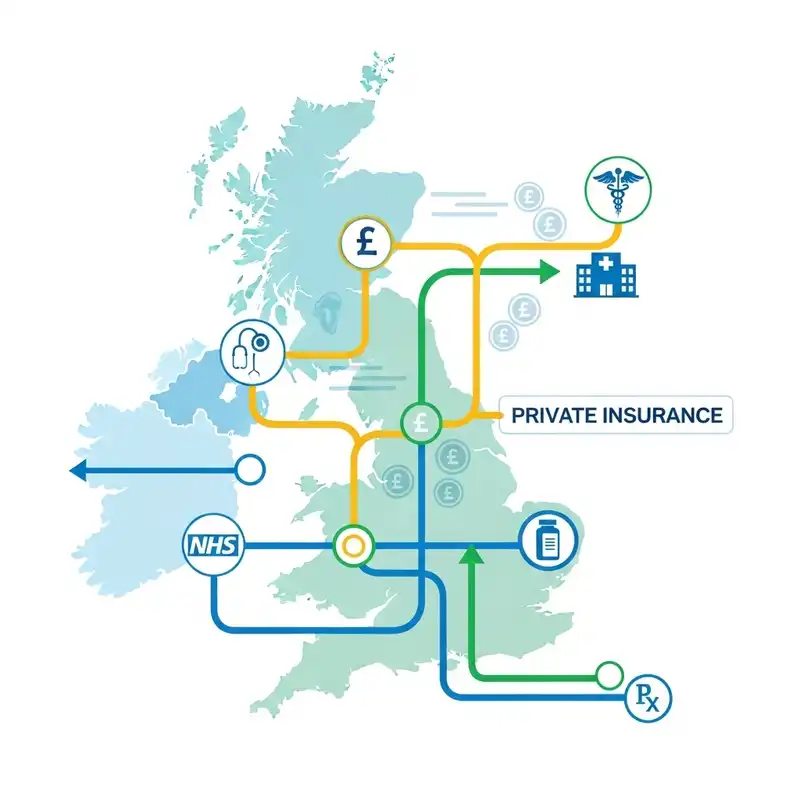
As an FCA-authorised broker that has helped arrange over 900,000 policies, WeCovr is a leading voice in the UK private medical insurance market. A frequent and vital question we encounter is whether PMI covers high blood pressure. This article provides a definitive answer, explaining exactly when cardiovascular conditions are covered.
WeCovr explains when cardiovascular conditions are covered
High blood pressure, or hypertension, is one of the most common long-term health conditions in the United Kingdom. According to the British Heart Foundation, it affects around one in three adults, with millions more living with the condition undiagnosed. Given its prevalence, it’s no surprise that many people seeking the peace of mind of private health cover wonder how it’s treated by insurers.
The answer is nuanced and depends on one fundamental principle of private medical insurance in the UK: the distinction between acute and chronic conditions.
Put simply, standard UK private medical insurance is designed to cover acute conditions—illnesses or injuries that are short-term and expected to respond quickly to treatment. It is not designed to cover the routine management of chronic conditions, which are long-term and often have no definitive cure.
Hypertension is a classic example of a chronic condition. Therefore, the day-to-day management of high blood pressure, including GP check-ups and ongoing prescription medication, is almost never covered by a standard PMI policy.
However, this is not the end of the story. PMI can still be incredibly valuable for individuals with hypertension. It can cover the initial diagnosis if the condition develops after your policy starts, and crucially, it can cover the treatment of acute medical events that may arise as a complication of high blood pressure, such as a heart attack or stroke.
This guide will walk you through everything you need to know, from how insurers view hypertension during underwriting to what aspects of cardiovascular care you can expect your policy to cover.
The Crucial Distinction: Acute vs. Chronic Conditions
Understanding the difference between acute and chronic conditions is the single most important step in grasping how private medical insurance works in the UK. Insurers build their policies around this core distinction.
What is an Acute Condition?
An acute condition is a disease, illness, or injury that meets the following criteria:
- It has a sudden or recent onset.
- It is short-lived.
- It is expected to respond fully to treatment, leading to a recovery to the state of health you were in before it started.
Examples of Acute Conditions Covered by PMI:
- A hernia requiring surgery.
- Joint pain that can be resolved with a hip or knee replacement.
- Appendicitis.
- Cataracts.
- Most cancers (while cancer can be long-term, PMI is specifically designed to cover its treatment).
What is a Chronic Condition?
A chronic condition is a disease, illness, or injury that has one or more of the following characteristics:
- It is ongoing or long-lasting, with no known cure.
- It requires long-term monitoring, check-ups, and management.
- It often requires regular medication or therapy to control symptoms.
- It is likely to recur or has flare-ups.
Examples of Chronic Conditions Typically Excluded from PMI:
- Hypertension (High Blood Pressure)
- Diabetes
- Asthma
- Arthritis
- Eczema
- Crohn's disease
Because hypertension requires lifelong management to control it, insurers classify it as chronic. This means your policy will not pay for the routine GP visits, blood pressure monitoring, or the cost of your daily medication needed to keep it in check. That care remains with the NHS.
How UK PMI Underwriting Treats High Blood Pressure
When you apply for private health cover, the insurer needs to understand your medical history to assess risk. This process is called underwriting. If you have been diagnosed with high blood pressure, it is considered a pre-existing condition. How your policy treats it depends entirely on the type of underwriting you choose.
There are two main types:
- Full Medical Underwriting (FMU)
- Moratorium Underwriting
Full Medical Underwriting (FMU)
With FMU, you provide a detailed medical history by filling out a comprehensive questionnaire when you apply. You must declare your hypertension, along with information about when it was diagnosed, the readings, any medication you take, and any related complications.
An underwriter will then review your application and make a decision. For a condition like stable, well-managed hypertension, the most common outcome is that the insurer will offer you a policy with a specific exclusion for high blood pressure and related conditions. This means the policy will not cover anything directly connected to the management of your hypertension.
Example: Sarah applies for a policy with full medical underwriting. She declares she was diagnosed with hypertension five years ago and controls it with a daily tablet. The insurer offers her a policy that explicitly excludes "hypertension and any related conditions." A year later, she needs a knee replacement after a sporting injury. Her PMI covers the surgery in full as it's completely unrelated to her excluded condition.
Moratorium Underwriting
Moratorium underwriting is a more straightforward "wait-and-see" approach. You don’t need to fill out a detailed medical questionnaire at the start. Instead, the policy automatically excludes any condition you have had symptoms of, received treatment for, or sought advice on in a set period before the policy began (usually the last five years).
This exclusion isn't necessarily permanent. If you then go for a continuous period after your policy starts (typically two years) without needing any treatment, advice, or medication for that condition, it may become eligible for cover in the future.
However, for a chronic condition like hypertension that requires continuous medication and monitoring, it is highly unlikely that you would ever complete the two-year trouble-free period. You will be taking medication and having check-ups, meaning the condition will remain permanently excluded under a moratorium policy.
Comparing Underwriting for Hypertension
| Feature | Full Medical Underwriting (FMU) | Moratorium Underwriting |
|---|---|---|
| Application Process | Detailed health questionnaire upfront. | No initial medical questionnaire. |
| Clarity on Cover | You know from day one exactly what is excluded (e.g., hypertension). | Exclusions are less clear at the start; claims are assessed as they arise. |
| Treatment of Hypertension | Explicitly excluded in writing on your policy documents. | Automatically excluded as a pre-existing condition from the last 5 years. |
| Likelihood of Future Cover | The exclusion is usually permanent. | Extremely unlikely to ever be covered as it requires ongoing management. |
| Best For | People who want absolute certainty about what is and isn't covered from the outset. | People who prefer a quicker application process and have had no medical issues in the last 5 years. |
An experienced PMI broker, such as our team at WeCovr, can help you decide which underwriting type is most suitable for your personal health circumstances, ensuring there are no surprises when you need to make a claim.
When Can PMI Cover Cardiovascular Issues?
This is where private medical insurance can be a lifeline. While it won't cover the management of your chronic hypertension, it is designed to step in for new, acute problems, even if they are linked to your high blood pressure.
1. Diagnosis of Hypertension After Your Policy Starts
If you are healthy when you take out a policy and later develop high blood pressure, your PMI can cover the initial diagnostic phase. This could include:
- A consultation with a private specialist (a cardiologist).
- Diagnostic tests to confirm the diagnosis and rule out other causes, such as an ECG, an echocardiogram, or ambulatory blood pressure monitoring.
Once your condition is diagnosed as chronic hypertension, the ongoing management (medication, regular checks) would then typically revert to the NHS. However, having those initial investigations done quickly and privately can provide fast answers and peace of mind.
2. Acute Complications Arising From Hypertension
This is the most significant benefit for someone with a pre-existing hypertension exclusion. Uncontrolled or long-term high blood pressure is a major risk factor for several serious, acute medical events. If one of these were to happen, your private health cover could be used for the acute treatment.
Real-Life Example: David has a PMI policy with an exclusion for his pre-existing hypertension. He suffers a sudden heart attack. A heart attack is an acute medical emergency. His private medical insurance policy would cover his treatment, which could include:
- Ambulance transport to a private hospital (if covered by his policy).
- Emergency surgery, such as fitting a stent or a coronary bypass operation.
- A stay in a private room in a high-quality hospital during his recovery.
- Post-operative consultations with a cardiologist.
- A structured cardiac rehabilitation programme.
Even though his underlying hypertension contributed to the heart attack, the heart attack itself is an acute event that requires immediate treatment to return him to health. This is precisely what PMI is for.
Other acute events linked to hypertension that could be covered include:
- Stroke: PMI can cover acute treatment and inpatient rehabilitation.
- Aortic Aneurysm: It can cover the surgical repair.
- Heart Failure: It can cover the acute treatment required to stabilise the condition.
3. Cancer Cover
All good PMI policies in the UK provide comprehensive cancer cover. If you were to be diagnosed with cancer, your policy would cover your treatment, regardless of whether you have high blood pressure. The two conditions are treated as separate by insurers.
What is Typically Not Covered for High Blood Pressure?
To ensure complete clarity, it's helpful to list what your private health cover will almost certainly not pay for if you have pre-existing hypertension.
| Service/Treatment | Covered by PMI? | Why? |
|---|---|---|
| Routine GP Appointments for BP Checks | No | This is considered routine monitoring of a chronic condition. |
| Prescription Medication (e.g., Ramipril, Amlodipine) | No | This is long-term management of a chronic condition. |
| Home Blood Pressure Monitors | No | Considered part of self-management. |
| Regular Check-ups with a Specialist | No | Part of ongoing chronic care management. |
| Lifestyle Advice (e.g., from a Dietitian) | No (Usually) | Generally excluded unless part of a post-operative rehab programme. |
| Treatment for an Acute Event (e.g., Heart Attack) | Yes | This is an acute event, even if hypertension was a cause. |
| Initial Diagnosis (if it develops post-policy) | Yes | The diagnostic phase is considered an eligible part of the pathway. |
Navigating the PMI Application Process with Hypertension
Applying for private medical insurance when you have a pre-existing condition can feel daunting, but it doesn't have to be. Honesty and clarity are key.
The Importance of Full Disclosure
It is absolutely vital that you are completely honest about your medical history, especially when choosing full medical underwriting. Failing to declare your high blood pressure could lead to your policy being cancelled or a claim being rejected in the future, even for an unrelated condition. Insurers have access to shared medical databases and can verify information, so hiding a condition is never a wise strategy.
How Insurers Assess Your Application
When an underwriter looks at your declared hypertension, they will consider several factors:
- Your Blood Pressure Readings: Are they consistently high or well-controlled with medication?
- Medication: Are you on a standard, simple treatment plan?
- Complications: Have you suffered any other health problems as a result of your hypertension, like kidney issues or heart problems?
- Other Risk Factors: Do you also have high cholesterol, are you a smoker, or are you overweight?
For most people whose hypertension is stable and well-managed with medication, getting private health cover is straightforward. The most likely outcome is a policy with a specific exclusion for hypertension, leaving you covered for everything else.
Beyond Insurance: Proactive Health Management and Wellness Benefits
The best way to manage health risks is to be proactive. Modern private medical insurance policies often include a wealth of wellness benefits designed to help you stay healthy, which can be particularly valuable for managing blood pressure.
Understanding the Numbers: What is High Blood Pressure?
Blood pressure is recorded with two numbers and measured in millimetres of mercury (mmHg):
- Systolic pressure (the higher number): The force at which your heart pumps blood around your body.
- Diastolic pressure (the lower number): The resistance to the blood flow in the blood vessels.
According to NHS guidance:
- Ideal blood pressure: Between 90/60mmHg and 120/80mmHg.
- High blood pressure: 140/90mmHg or higher.
- If you're over 80: 150/90mmHg or higher.
Lifestyle Changes to Manage Blood Pressure
Making positive lifestyle changes is the most powerful way to control blood pressure and reduce your risk of complications.
- Diet: Reduce your salt intake to less than 6g (one teaspoonful) a day. Eat a balanced diet rich in fruit, vegetables, and whole grains.
- Exercise: Aim for at least 150 minutes of moderate-intensity aerobic activity (like brisk walking, cycling, or swimming) each week.
- Weight: Maintain a healthy weight. Losing even a few kilograms can make a big difference.
- Alcohol: Limit your alcohol intake to no more than 14 units a week, spread over several days.
- Caffeine: Drink no more than four cups of coffee or other caffeinated drinks per day.
- Smoking: Stop smoking. It’s the single best thing you can do for your cardiovascular health.
How PMI Wellness Programmes Can Help
Many leading UK PMI providers now offer benefits that actively support a healthy lifestyle:
- Discounted Gym Memberships: Encouraging regular physical activity.
- Digital GP Services: Allowing you to speak to a GP 24/7 for quick advice.
- Mental Health Support: Providing access to counselling, which can help manage stress—a known contributor to high blood pressure.
- Health and Wellness Apps: Offering trackers, fitness challenges, and rewards for healthy behaviour.
WeCovr's Added Value: CalorieHero and Policy Discounts
At WeCovr, we believe in supporting our clients' long-term health. That's why when you purchase a private medical insurance or life insurance policy through us, you gain complimentary access to our exclusive AI-powered calorie and nutrition tracking app, CalorieHero. This tool can be invaluable in helping you manage your diet, track your weight, and make the healthy choices that contribute to better blood pressure control.
Furthermore, clients who hold a PMI or Life Insurance policy with us are eligible for discounts on other types of insurance cover, adding even more value and making it simpler to manage all your protection needs in one place. Our high customer satisfaction ratings reflect our commitment to providing not just a policy, but a supportive, long-term partnership.
The UK Hypertension Landscape: Facts and Figures
Understanding the scale of hypertension in the UK underscores the importance of having a plan for your health.
- Prevalence: The British Heart Foundation estimates that up to 14.4 million adults in the UK have high blood pressure.
- Undiagnosed Cases: Worryingly, an estimated 4.2 million adults in England alone are living with undiagnosed hypertension, leaving them unaware of the significant risk to their health. (Source: NHS Digital, Health Survey for England).
- Impact: High blood pressure is a contributing factor in around 50% of all heart attacks and strokes in the UK.
- Cost to the NHS: The healthcare costs associated with high blood pressure and related conditions are estimated to be over £2.1 billion per year.
These statistics show that while the NHS provides excellent care, the system is under immense pressure. Private medical insurance offers a parallel route to fast diagnosis and treatment for the acute complications that can arise from this widespread chronic condition.
Summary: Key Takeaways on PMI and Hypertension
| Your Situation | Is it Covered by PMI? | Key Consideration |
|---|---|---|
| You have pre-existing high blood pressure. | The ongoing management is NOT covered. | This is a chronic condition and will be excluded from your policy. |
| You suffer a heart attack. | The acute treatment IS covered. | The heart attack is an acute event, even if caused by your excluded hypertension. |
| You develop high blood pressure after getting PMI. | The initial diagnostic tests ARE covered. | Once diagnosed as chronic, long-term management moves to the NHS. |
| You need medication to control your blood pressure. | The medication is NOT covered. | Prescriptions for chronic conditions are a standard exclusion. |
| You want to use a gym to improve your health. | The gym membership may be discounted through your PMI wellness benefits. | This is an added-value benefit, not a core part of the insurance. |
The most important takeaway is that having high blood pressure should not stop you from getting the protection and peace of mind that private medical insurance UK offers. While your policy won't pay for your daily blood pressure pills, it will be there for you if you face a new, serious, and acute medical problem, which is when you need it most.
Do I need to declare high blood pressure when applying for private health insurance?
Can I get PMI if I have high blood pressure and other conditions like high cholesterol?
Will my PMI premiums be higher because I have hypertension?
What's the difference between a hypertension exclusion and a cardiovascular exclusion?
Take the Next Step with WeCovr
Navigating the world of private medical insurance can be complex, especially with a pre-existing condition. Our expert, friendly team is here to provide clarity and find the policy that’s right for you. We compare plans from all leading UK providers to find cover that fits your needs and budget, at no cost to you.
Get your free, no-obligation PMI quote from WeCovr today and take control of your health journey.
Sources
- NHS England: Waiting times and referral-to-treatment statistics.
- Office for National Statistics (ONS): Health, mortality, and workforce data.
- NICE: Clinical guidance and technology appraisals.
- Care Quality Commission (CQC): Provider quality and inspection reports.
- UK Health Security Agency (UKHSA): Public health surveillance reports.
- Association of British Insurers (ABI): Health and protection market publications.
Disclaimer: This is general guidance only and does not constitute formal tax or financial advice. Tax treatment depends on individual circumstances, policy terms, and HMRC interpretation, which cannot be guaranteed in advance. Whenever applicable, businesses and individuals should always consult a qualified accountant or tax adviser before arranging such policies.
Start with your Protection Score, then decide whether private health cover is the right fit
Check where health access sits in your overall protection picture before deciding whether to compare private health cover.
Spot whether NHS access risk is the real issue
See if PMI is the gap to fix first
Get health insurance help only if it makes sense for you
Get your score
Start with your protection score
Check your current position first, then get health insurance help if you need it.
Check your current resilience
Score your income, health access and family protection position in a few minutes.
See where private cover helps
Understand whether faster diagnosis and treatment is a priority gap.
Continue to tailored PMI help
If health access is the issue, continue to tailored PMI help.
What you get
A quick view of your current protection position
A clearer idea of where the biggest gaps may be
A direct route to tailored help if you want it