TL;DR
In a time of unprecedented pressure on our cherished NHS, waiting for essential medical care can be a source of significant anxiety. At WeCovr, an FCA-authorised broker that has helped arrange over 900,000 policies, we understand this concern deeply. This article explains how private medical insurance in the UK offers a crucial alternative to NHS waiting times, ensuring rapid diagnosis and treatment for new, acute conditions.
Key takeaways
- You visit your GP: As with the NHS, your journey typically starts with your GP. If they believe you need to see a specialist, they will provide an 'open referral' letter.
- You contact your insurer: With your referral, you call your PMI provider. They will approve the consultation and provide a list of approved specialists and hospitals from their network.
- You book your appointment: You can then book a private appointment at a time and place that suits you, often within days rather than weeks or months.
- Rapid diagnostics: If the specialist recommends further testslike an MRI, CT scan, or endoscopyyour insurance will cover these, and they can usually be arranged within a week. This rapid diagnostic process is the key to getting a fast, accurate picture of your health.
- Prompt treatment: Once diagnosed, if you require surgery or other eligible treatment, it can be scheduled promptly in a private hospital, allowing you to focus on recovery without the stress of a long wait.
In a time of unprecedented pressure on our cherished NHS, waiting for essential medical care can be a source of significant anxiety. At WeCovr, an FCA-authorised broker that has helped arrange over 900,000 policies, we understand this concern deeply. This article explains how private medical insurance in the UK offers a crucial alternative to NHS waiting times, ensuring rapid diagnosis and treatment for new, acute conditions.
How private coverage secures rapid access to diagnosis
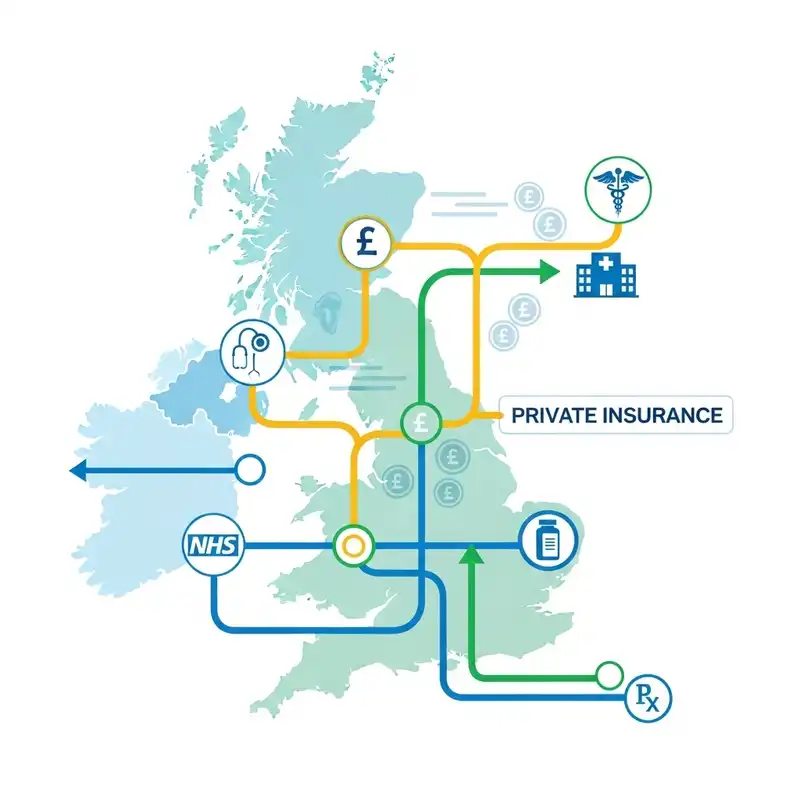
Private medical insurance (PMI) is designed to work alongside the NHS, providing a parallel path to swift medical care. Its primary function is to help you bypass lengthy waiting lists for specialist consultations, diagnostic tests, and elective treatments for acute conditions that arise after you take out a policy.
The process is refreshingly straightforward:
- You visit your GP: As with the NHS, your journey typically starts with your GP. If they believe you need to see a specialist, they will provide an 'open referral' letter.
- You contact your insurer: With your referral, you call your PMI provider. They will approve the consultation and provide a list of approved specialists and hospitals from their network.
- You book your appointment: You can then book a private appointment at a time and place that suits you, often within days rather than weeks or months.
- Rapid diagnostics: If the specialist recommends further tests—like an MRI, CT scan, or endoscopy—your insurance will cover these, and they can usually be arranged within a week. This rapid diagnostic process is the key to getting a fast, accurate picture of your health.
- Prompt treatment: Once diagnosed, if you require surgery or other eligible treatment, it can be scheduled promptly in a private hospital, allowing you to focus on recovery without the stress of a long wait.
This ability to fast-track the diagnostic stage is arguably the single most valuable benefit of private health cover, providing peace of mind when you need it most.
Understanding the NHS Waiting List Crisis in 2025
The National Health Service is one of the UK's greatest achievements, providing exceptional care to millions. However, it is currently facing immense strain. The knock-on effects of the pandemic, combined with long-term funding and workforce challenges, have led to record-breaking waiting lists for elective care in England.
According to the latest available data from NHS England (figures from late 2024), the situation remains challenging:
- The total referral-to-treatment (RTT) waiting list stands at over 7.5 million cases.
- Hundreds of thousands of patients are waiting more than 52 weeks for treatment.
- The median waiting time for non-emergency treatment has been hovering around 14-15 weeks, a significant increase from pre-pandemic levels.
This isn't just about numbers; it's about people's lives. Waiting for a diagnosis or surgery can mean living with pain, discomfort, and uncertainty, potentially impacting your ability to work, care for your family, and enjoy life.
| Metric | Pre-Pandemic (Feb 2020) | Late 2024 Figures | The Impact on Patients |
|---|---|---|---|
| Total Waiting List (England) | 4.43 million | ~7.54 million | Higher competition for appointments and surgery slots. |
| Patients Waiting > 52 Weeks | 1,613 | ~320,000 | Prolonged pain, anxiety, and potential for conditions to worsen. |
| Median Wait Time | ~8 weeks | ~14.5 weeks | Nearly double the time spent waiting for routine procedures. |
Source: NHS England RTT Waiting Times Data.
This is the reality that has led a growing number of UK residents to explore private medical insurance as a practical solution to secure timely care.
The Private Healthcare Pathway: A Step-by-Step Guide
To understand the difference PMI can make, let's follow a hypothetical example.
Meet David, a 45-year-old teacher with persistent knee pain.
The NHS Pathway:
- Week 1: David sees his GP, who suspects a torn meniscus. The GP refers him to an NHS orthopaedic specialist.
- Week 18: After waiting over four months, David has his first appointment with the NHS consultant.
- Week 24: The consultant confirms the need for an MRI scan to assess the damage. David is placed on the waiting list for NHS diagnostics.
- Week 34: David has his MRI scan.
- Week 38: He has a follow-up appointment to discuss the results, which confirm a torn meniscus requiring keyhole surgery. He is added to the surgical waiting list.
- Week 60: David finally has his knee surgery, over a year after his initial GP visit. During this time, his mobility has been limited, and he has relied on painkillers.
The Private Medical Insurance Pathway:
- Week 1: David sees his GP, who provides an open referral for his knee pain.
- Week 1 (Day 3): David calls his PMI provider, gets authorisation, and books an appointment with a private orthopaedic specialist for the following week.
- Week 2: David sees the specialist. They recommend an MRI, which David's insurer pre-authorises.
- Week 2 (Day 5): David has his MRI scan at a private clinic.
- Week 3: David has his follow-up consultation. The results are confirmed, and surgery is recommended. The insurer approves the procedure.
- Week 5: David has his keyhole surgery in a private hospital with an en-suite room. He is back on the road to recovery just over a month after his first GP visit.
This side-by-side comparison clearly illustrates the core benefit of PMI: speed. It transforms a year-long ordeal into a managed, month-long process.
What Does Private Medical Insurance Actually Cover?
It's vital to understand what PMI is for. It is not a replacement for the NHS but a supplement for specific types of care.
A Crucial Point: Private medical insurance is designed for new, acute conditions that arise after your policy begins. An acute condition is one that is curable with treatment, such as a hernia, cataracts, or joint pain requiring replacement. It does not cover long-term (chronic) illnesses like diabetes, asthma, or high blood pressure, or health issues you had before taking out the cover (pre-existing conditions).
Here’s a typical breakdown of what is usually included and excluded.
| ✅ Typically Included (for acute conditions) | ❌ Typically Excluded |
|---|---|
| Private specialist consultations | Pre-existing conditions |
| Diagnostic tests (MRI, CT, X-rays) | Chronic conditions (e.g., diabetes, asthma) |
| In-patient and day-patient hospital treatment | Emergency care (A&E visits) |
| Cancer treatment (often a core or add-on benefit) | Routine maternity care |
| Mental health support (varies by policy) | Cosmetic surgery (unless medically necessary) |
| Out-patient therapies (e.g., physiotherapy) | Organ transplants |
| Private room in a private hospital | Drug and alcohol rehabilitation |
Always read your policy documents carefully to understand the exact limits and exclusions of your specific plan. An expert PMI broker like WeCovr can help you decipher the small print and find a policy that matches your needs and budget.
Choosing the Best PMI Provider for Your Needs
The UK private medical insurance market is competitive, with excellent providers like Bupa, Aviva, AXA Health, and Vitality. Choosing between them can be daunting, as policies are highly customisable. Here are the key factors to consider:
1. Underwriting Method
This is how an insurer assesses your medical history and decides what to cover.
- Moratorium Underwriting: This is the most common type. You don't declare your full medical history upfront. Instead, the insurer automatically excludes any condition you've had symptoms, treatment, or advice for in the last 5 years. If you then go 2 continuous years on the policy without any issues relating to that condition, it may become eligible for cover.
- Full Medical Underwriting (FMU): You complete a detailed health questionnaire when you apply. The insurer assesses your history and tells you precisely what is excluded from day one. This provides more certainty but can be more complex to set up.
2. Level of Cover
- Out-patient Cover (illustrative): This pays for consultations and diagnostics that don't require a hospital bed. You can choose a full-cover option or cap it at a certain amount (e.g., £500, £1,000) to reduce your premium.
- Hospital List: Insurers have different tiers of hospitals. A nationwide list including prime central London hospitals will be more expensive than a more restricted local list.
- Excess (illustrative): This is the amount you agree to pay towards a claim each year. A higher excess (e.g., £500) will lower your monthly premium, while a £0 excess will increase it.
3. Cancer Cover
This is one of the most valued parts of a PMI policy. Most providers offer comprehensive cancer cover as standard, including access to drugs and treatments that may not be available on the NHS. Check the specifics, as some policies may have limits.
Navigating these options is where using an independent, FCA-authorised broker like WeCovr is invaluable. We compare plans from across the market, explaining the differences in plain English to help you make an informed decision at no extra cost to you. Our high customer satisfaction ratings reflect our commitment to finding the right cover for our clients.
The Added Value of Modern PMI Policies
Today's best PMI providers offer more than just fast-track treatment. They are evolving into holistic health and wellness partners, providing a suite of benefits to help you stay healthy.
- Digital GP Services: Most policies now include 24/7 access to a virtual GP via phone or video call. This is incredibly convenient for getting quick advice, prescriptions, or a referral without waiting for an appointment at your local surgery.
- Mental Health Support: Recognising the importance of mental wellbeing, many insurers provide access to counselling or therapy sessions without needing a GP referral. This is a vital resource for dealing with stress, anxiety, or depression.
- Wellness Programmes: Providers like Vitality are famous for rewarding healthy behaviour. By tracking your activity, you can earn discounts on your premium, free cinema tickets, or coffee. This proactive approach encourages a healthier lifestyle.
- Exclusive Member Benefits: At WeCovr, we enhance your cover with complimentary perks. When you take out a private medical or life insurance policy with us, you get free access to CalorieHero, our AI-powered calorie and nutrition tracking app. We also offer discounts on other types of insurance, helping you protect your family and finances more affordably.
These added benefits transform a policy from a simple safety net into a day-to-day tool for managing your health.
Staying Healthy While You Wait
Whether you have PMI or not, prioritising your health is key. Simple lifestyle choices can make a huge difference to your physical and mental resilience.
- Diet: Focus on a balanced diet rich in whole foods, fruits, vegetables, and lean proteins. Reducing processed foods, sugar, and excessive alcohol can lower inflammation and support your immune system.
- Sleep: Aim for 7-9 hours of quality sleep per night. Good sleep is crucial for physical repair, hormone regulation, and mental clarity.
- Activity: Aim for at least 150 minutes of moderate-intensity exercise per week, like brisk walking, cycling, or swimming. Regular movement helps manage weight, reduces stress, and strengthens your body.
- Stress Management: Incorporate mindfulness, meditation, or simple breathing exercises into your day. Even 10 minutes can significantly lower stress levels, which is vital when facing the uncertainty of a health issue.
The Cost of Peace of Mind: How PMI Premiums are Calculated
The cost of private medical insurance in the UK varies widely based on several personal factors. Insurers calculate your premium based on the level of risk they are taking on.
| Factor | How it Affects Your Premium | Example |
|---|---|---|
| Age | This is the single biggest factor. Premiums increase as you get older. | A 30-year-old might pay £40/month; a 60-year-old could pay £120+ for the same cover. |
| Location | Where you live matters because hospital costs vary across the country. | Living in central London or the South East is generally more expensive than in Scotland or the North. |
| Level of Cover | The more comprehensive your policy, the higher the cost. | Adding full out-patient cover, a top-tier hospital list, and zero excess will maximise the premium. |
| Excess | A higher excess reduces your premium. | Choosing a £500 excess could reduce your monthly cost by 20-30% compared to a £0 excess. |
| Lifestyle | Smoking significantly increases premiums due to the associated health risks. | A smoker may pay up to 50% more than a non-smoker. |
Here is a table with illustrative monthly premiums for a non-smoker with a £250 excess and a mid-range policy. These are estimates only.
| Age | Average Estimated Monthly Premium |
|---|---|
| 30 | £35 - £50 |
| 40 | £50 - £70 |
| 50 | £70 - £100 |
| 60 | £110 - £160 |
To get an accurate price, you need a personalised quote based on your specific circumstances and needs.
Is Private Health Cover Worth It for You?
Deciding whether to invest in PMI is a personal choice that depends on your financial situation, your health concerns, and your tolerance for waiting.
Consider PMI if:
- You are worried about NHS waiting times and want the peace of mind of rapid access.
- You are self-employed or run a business and cannot afford long periods off work due to illness.
- You want more choice over your specialist, hospital, and treatment schedule.
- You value the comfort and privacy of a private hospital room.
- You want access to the latest licensed drugs and treatments, especially for conditions like cancer.
It may be less of a priority if:
- You have a limited budget and other financial priorities.
- You have significant pre-existing or chronic conditions, which would be excluded anyway.
- You are generally happy to rely on the NHS for all your healthcare needs.
Ultimately, private health cover is an investment in your health and wellbeing. It provides a safety net that allows you to bypass queues and get the treatment you need, when you need it, allowing you to get back to your life sooner.
Do I need a GP referral to use my private medical insurance?
What happens if I have an emergency? Should I call my insurer?
Can I get cover for a health condition I already have?
Ready to explore your options and secure your fast track to diagnosis and treatment?
The world of private medical insurance can be complex, but you don't have to navigate it alone.
Contact WeCovr today for a free, no-obligation quote. Our expert advisors will compare the UK's leading insurers to find a strong fit for your needs and budget.
Sources
- NHS England: Waiting times and referral-to-treatment statistics.
- Office for National Statistics (ONS): Health, mortality, and workforce data.
- NICE: Clinical guidance and technology appraisals.
- Care Quality Commission (CQC): Provider quality and inspection reports.
- UK Health Security Agency (UKHSA): Public health surveillance reports.
- Association of British Insurers (ABI): Health and protection market publications.
Disclaimer: This is general guidance only and does not constitute formal tax or financial advice. Tax treatment depends on individual circumstances, policy terms, and HMRC interpretation, which cannot be guaranteed in advance. Whenever applicable, businesses and individuals should always consult a qualified accountant or tax adviser before arranging such policies.
Start with your Protection Score, then decide whether private health cover is the right fit
Check where health access sits in your overall protection picture before deciding whether to compare private health cover.
Spot whether NHS access risk is the real issue
See if PMI is the gap to fix first
Get health insurance help only if it makes sense for you
Get your score
Start with your protection score
Check your current position first, then get health insurance help if you need it.
Check your current resilience
Score your income, health access and family protection position in a few minutes.
See where private cover helps
Understand whether faster diagnosis and treatment is a priority gap.
Continue to tailored PMI help
If health access is the issue, continue to tailored PMI help.
What you get
A quick view of your current protection position
A clearer idea of where the biggest gaps may be
A direct route to tailored help if you want it