TL;DR
The rise of preventative health screening has brought the full-body MRI scan into the spotlight, promising a detailed look inside your body before symptoms appear. But with a price tag often exceeding 2,000, is it a wise investment in your health or an expensive source of anxiety? As FCA-authorised private medical insurance experts at WeCovr, who have helped arrange over 900,000 policies, we're here to provide the definitive UK guide.
Key takeaways
- Policy Analysis: We can help you understand exactly what your current individual or corporate private health cover includes, uncovering valuable benefits like wellness allowances.
- Market Comparison: We compare policies from all leading UK insurers to find the right level of cover for your needs and budget. We'll ensure you get the best value, whether you need a basic plan or a comprehensive policy with health screening benefits.
- Business Solutions: We work with companies to design and implement corporate PMI schemes that offer competitive benefits, helping them stand out as an employer of choice.
- Added Value: When you arrange a policy through us, you can often access discounts on other types of cover, like life insurance, and get complimentary access to tools like our CalorieHero app.
- The price difference isn't just a number; it reflects significant variations in scan quality, expert analysis, and follow-up care.
The rise of preventative health screening has brought the full-body MRI scan into the spotlight, promising a detailed look inside your body before symptoms appear. But with a price tag often exceeding £2,000, is it a wise investment in your health or an expensive source of anxiety? As FCA-authorised private medical insurance experts at WeCovr, who have helped arrange over 900,000 policies, we're here to provide the definitive UK guide. We’ll dissect the costs, compare what you get for your money, and crucially, explore whether your health insurance might foot the bill.
Full Body Mri Scan Cost UK 2026 Is the 2000 Price Tag Worth It
The concept of a full-body MRI scan is powerfully simple: use advanced imaging technology to proactively screen for potential issues like tumours, inflammation, or vascular disease, long before they become a problem. For a health-conscious individual, the appeal is obvious.
However, the reality is more complex. The UK market for these scans is growing, with providers offering a range of packages from 'Bronze' entry-level options to 'Platinum' all-inclusive services. The price difference isn't just a number; it reflects significant variations in scan quality, expert analysis, and follow-up care. In this article, we’ll break down precisely what those differences mean for you and your health.
Most importantly, we'll answer the key question for anyone with private health cover: will my insurance pay for it? The answer is nuanced and reveals a crucial, often-overlooked benefit available in some corporate health plans.
What is a Full-Body MRI Scan? A Proactive Health Check-Up
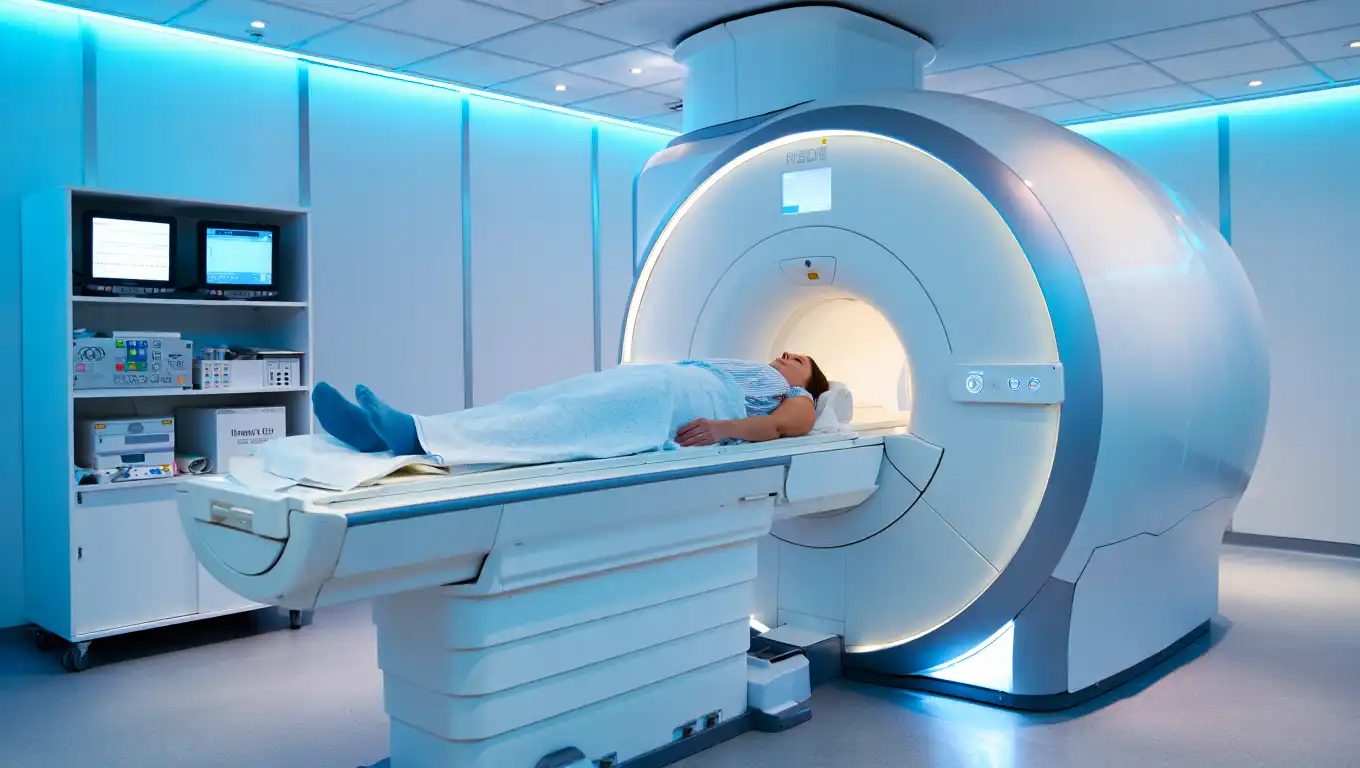
Before we delve into costs, let's clarify what a full-body MRI is. An MRI (Magnetic Resonance Imaging) scan uses powerful magnets and radio waves to create highly detailed, cross-sectional images of your organs and tissues. It does not use ionising radiation, unlike a CT scan, which is a key safety advantage.
A diagnostic MRI is what your GP or a specialist would refer you for if you have specific symptoms—like knee pain or persistent headaches. The scan focuses only on that area to find the cause of the problem.
A preventative full-body MRI is entirely different. It is an elective scan that you choose to have while feeling perfectly healthy. Its purpose is to screen your major organs and structures from head to toe (or at least, from the neck to the pelvis in many cases) to catch potential disease in its earliest stages.
Potential benefits of a full-body MRI scan include:
- Early Cancer Detection: Identifying solid tumours in organs like the kidneys, liver, pancreas, and ovaries.
- Cardiovascular Health: Spotting aneurysms (bulges in blood vessels) or significant plaque build-up.
- Musculoskeletal Insights: Revealing spinal issues like herniated discs or degenerative changes.
- Organ Health Assessment: Detecting inflammation, cysts, or other abnormalities in key organs.
A full-body MRI scan offers a comprehensive snapshot of your internal health at a single point in time.
The £2,000 Question: Unpacking the Full Body MRI Scan Cost UK
In 2026, the cost of a full-body MRI scan in the UK typically ranges from £1,500 to over £3,500. This wide variation is driven by the comprehensiveness of the package. Providers often categorise these into tiers, which we can think of as Bronze, Silver, and Platinum packages. (illustrative estimate)
Cheaper packages are tempting, but it's vital to understand what you're compromising on. A lower price almost always means a less detailed or comprehensive service.
Let's compare what you might expect from an entry-level package versus a premium one.
| Feature | Bronze Package (approx. £1,500 - £2,200) | Platinum Package (approx. £2,500 - £3,500+) |
|---|---|---|
| Scan Scope | Core torso (chest, abdomen, pelvis). May exclude the brain or limbs. | True head-to-toe scan, including the brain, neck, spine, and major joints. |
| Image Resolution | Standard resolution. Sufficient for larger abnormalities. | High-resolution imaging using advanced 3T MRI scanners for greater detail. |
| Radiologist Review | Report by a single general radiologist. | Dual-reporting by two radiologists, often including sub-specialists (e.g., neuroradiologist for the brain). |
| Consultation | A brief report sent to you, or a short call with a GP. | In-depth, post-scan consultation with a specialist doctor to discuss findings in context. |
| Additional Tests | MRI scan only. | Often bundled with comprehensive blood tests, an ECG, and sometimes a CT heart scan (for calcium scoring). |
| Follow-up Support | Limited. You are typically given the report to take to your own GP. | Integrated follow-up pathway, with direct referrals to private specialists if needed. |
As you can see, the price tag is directly linked to the quality and depth of the screening.
What Do Cheaper MRI Scans Miss? The Risks of Cutting Corners
Opting for a cheaper scan might feel like a savvy financial move, but it could be a false economy when your health is at stake. Here’s a closer look at what a basic package might miss.
-
Smaller Lesions: A premium scan on a 3-Tesla (3T) MRI machine provides much higher-resolution images than an older 1.5T machine. This clarity is crucial for detecting very small tumours or subtle abnormalities that a lower-resolution scan could easily miss. Think of it as the difference between a standard-definition TV and a 4K Ultra HD screen.
-
Key Body Parts: The term "full body" can be misleading. Many cheaper packages scan the torso only, from the neck to the pelvis. This means they completely miss the brain, a common site for aneurysms or tumours, as well as the extremities. A truly comprehensive scan should include the head as standard.
-
Expert Interpretation: A report from a single general radiologist is good, but a premium service offers a "second read" by another expert. Furthermore, they use sub-specialists. You wouldn't want a generalist interpreting a complex brain scan if a neuroradiologist is available. This sub-specialist expertise is a core part of what you pay for in a platinum package.
-
The "So What?" Factor: A scan report full of medical jargon is useless without context. A key risk of cheaper scans is that they deliver findings without proper consultation. For example, a report might mention a "benign liver cyst." Without a doctor to explain that this is extremely common and harmless, it can cause immense anxiety. Premium services include a thorough consultation to interpret the results, separate the clinically significant from the incidental, and map out next steps.
Does Private Medical Insurance Cover Full-Body MRI Scans?
This is the most common question we receive at WeCovr, and the answer requires careful explanation.
As a general rule, standard UK private medical insurance (PMI) does not cover preventative or wellness-based screening like an elective full-body MRI.
PMI is an insurance product designed to cover the diagnosis and treatment of acute conditions that develop after your policy begins. It is there to provide fast access to specialists and private hospitals when you have symptoms and a clinical need for investigation. A proactive scan on a healthy person falls outside this scope.
However, there is a very important exception.
The Corporate Health Plan & Wellness Allowance Loophole
Many forward-thinking companies offer premium corporate private medical insurance schemes to their employees. These top-tier plans, often provided to senior staff or as a company-wide benefit, frequently include a "Wellness" or "Health Screening" allowance.
- What is it? This is a fixed cash benefit (e.g., £500, £750, or even £1,000 per year) that the employee can claim for a wide range of preventative health services.
- How does it work? The employee pays for a service—like a health assessment, gym membership, or even a full-body MRI—and then claims the cost back from the insurer, up to their allowance limit.
Real-Life Scenario:
Sarah is a manager at a London-based finance firm. Her company's AXA Health policy includes a £750 annual wellness benefit. She decides to book a comprehensive full-body MRI scan costing £2,400. She can use her wellness benefit to claim back £750, reducing her out-of-pocket cost to £1,650. (illustrative estimate)
How to Check Your Plan:
- Review Your Policy Documents: Look for terms like "Health and Wellbeing," "Wellness Benefit," or "Screening Allowance."
- Contact Your HR Department: They manage the company's health plan and can confirm the benefits available.
- Speak to an Expert: A knowledgeable broker like WeCovr can review your corporate policy documents and explain your benefits in plain English. We also specialise in helping businesses design schemes that incorporate these valuable allowances to attract and retain top talent.
The Medical Debate: Is a Full-Body MRI Scan Worth It?
While technologically impressive, full-body MRI screening is a topic of debate among medical professionals. It's crucial to weigh the pros and cons before you invest.
| Arguments FOR | Arguments AGAINST (Potential Downsides) |
|---|---|
| Peace of Mind: A clear scan can be incredibly reassuring. | False Positives & "Incidentalomas": The scan may find benign, harmless abnormalities (e.g., simple cysts) that trigger anxiety and lead to unnecessary, sometimes invasive, follow-up tests. |
| Genuine Early Detection: Has the potential to catch aggressive cancers or aneurysms at a stage where intervention can be life-saving. | Over-diagnosis: It may detect very slow-growing cancers (like some prostate or thyroid cancers) that would never have caused harm in a person's lifetime, leading to unnecessary treatment and side effects. |
| Health Baseline: Provides a detailed anatomical map of your body that can be used for comparison in the future if symptoms do develop. | High Cost: The significant financial outlay is a barrier for most people and could be better spent on other proven health interventions. |
| Empowerment: Gives you proactive control over your health knowledge. | Lack of NHS Endorsement: The NHS and the UK National Screening Committee do not recommend whole-body screening for the general population due to a lack of evidence that the benefits outweigh the harms. |
Insider Tip: One of the biggest risks is how a finding could affect your future insurance. If a scan uncovers a new condition, even a minor one, it becomes part of your medical history. You must declare this when applying for new or switching private medical insurance or life insurance in the future, and it will likely be excluded from cover.
Alternatives to a Full-Body MRI for Proactive Health
A £2,000+ MRI scan isn't the only way to be proactive about your health. There are several established, cost-effective, and evidence-backed alternatives.
-
NHS Health Check: Offered free to eligible people in England aged 40-74, this check-up assesses your risk of heart disease, stroke, diabetes, and kidney disease. It's a fantastic, evidence-based starting point.
-
Private Health Assessments: Offered by providers like Bupa, Nuffield Health, and Vitality, these typically cost £500-£1,000. They combine a physical examination with a doctor, extensive blood tests, an ECG, and lifestyle coaching. This provides a holistic view of your health and risk factors, focusing on actionable advice.
-
Using Your PMI for its Core Purpose: The true power of private medical insurance UK is its ability to provide rapid diagnosis when you need it. If you discover a worrying symptom, your PMI policy allows you to bypass NHS waiting lists, see a specialist in days, and get any necessary diagnostic scans (including targeted MRIs) approved and completed swiftly.
-
Daily Health Management: Consistent lifestyle choices have the biggest impact on long-term health. At WeCovr, we support this by providing our PMI and Life Insurance clients with complimentary access to CalorieHero, our AI-powered calorie and nutrition tracking app, to help build healthy habits.
How WeCovr Can Help You Navigate Health Screenings and PMI
Making sense of health screenings and insurance can be overwhelming. As independent, FCA-authorised brokers, our loyalty is to you, not the insurance companies.
- Policy Analysis: We can help you understand exactly what your current individual or corporate private health cover includes, uncovering valuable benefits like wellness allowances.
- Market Comparison: We compare policies from all leading UK insurers to find the right level of cover for your needs and budget. We'll ensure you get the best value, whether you need a basic plan or a comprehensive policy with health screening benefits.
- Business Solutions: We work with companies to design and implement corporate PMI schemes that offer competitive benefits, helping them stand out as an employer of choice.
- Added Value: When you arrange a policy through us, you can often access discounts on other types of cover, like life insurance, and get complimentary access to tools like our CalorieHero app.
Our high customer satisfaction ratings are a testament to our commitment to clear, expert, and friendly advice.
Frequently Asked Questions (FAQ)
Will a full-body MRI find everything?
How does a full-body MRI affect my future private medical insurance?
Can I get a full-body MRI on the NHS?
Is a full-body MRI better than a CT scan?
Your Health, Your Choice
A full-body MRI is a powerful but costly piece of health technology. While a Platinum package offers a remarkable level of detail, the risk of anxiety-inducing incidental findings is real. For most people, it's not covered by standard private medical insurance, but checking for a corporate wellness allowance is a vital step.
Ultimately, the decision to have one is a personal one, weighing the potential for early detection against the cost and the risk of over-diagnosis.
Whether you're looking to understand your existing benefits or find a new private medical insurance policy that truly meets your needs, expert advice is invaluable.
Ready to gain clarity on your health cover? The expert advisers at WeCovr are here to help. Get your free, no-obligation quote today and find the perfect private medical insurance solution for you or your business.
Sources
- NHS England: Waiting times and referral-to-treatment statistics.
- Office for National Statistics (ONS): Health, mortality, and workforce data.
- NICE: Clinical guidance and technology appraisals.
- Care Quality Commission (CQC): Provider quality and inspection reports.
- UK Health Security Agency (UKHSA): Public health surveillance reports.
- Association of British Insurers (ABI): Health and protection market publications.
Disclaimer: This is general guidance only and does not constitute formal tax or financial advice. Tax treatment depends on individual circumstances, policy terms, and HMRC interpretation, which cannot be guaranteed in advance. Whenever applicable, businesses and individuals should always consult a qualified accountant or tax adviser before arranging such policies.
Start with your Protection Score, then decide whether private health cover is the right fit
Check where health access sits in your overall protection picture before deciding whether to compare private health cover.
Spot whether NHS access risk is the real issue
See if PMI is the gap to fix first
Get health insurance help only if it makes sense for you
Get your score
Start with your protection score
Check your current position first, then get health insurance help if you need it.
Check your current resilience
Score your income, health access and family protection position in a few minutes.
See where private cover helps
Understand whether faster diagnosis and treatment is a priority gap.
Continue to tailored PMI help
If health access is the issue, continue to tailored PMI help.
What you get
A quick view of your current protection position
A clearer idea of where the biggest gaps may be
A direct route to tailored help if you want it