TL;DR
As an FCA-authorised expert broker that has helped arrange over 900,000 policies, WeCovr understands the unique challenges facing UK tradespeople. This guide explores how private medical insurance (PMI) isn't a luxury but a vital tool to protect your health and your income, keeping you on the tools and earning.
Key takeaways
- GP Referral: He gets an open referral from his GP.
- Private MRI: His PMI provider authorises a private MRI scan, which he has within a few days.
- Private Consultation: He sees a private consultant orthopaedic surgeon the following week.
- Private Surgery: Surgery is scheduled and performed in a private hospital within two to three weeks.
- In-patient and Day-patient Treatment: This is the foundation of every policy. It covers costs when you are admitted to hospital for treatment, either overnight (in-patient) or for the day (day-patient). This includes surgery, hospital accommodation in a private room, nursing care, specialist fees, and drugs.
As an FCA-authorised expert broker that has helped arrange over 900,000 policies, WeCovr understands the unique challenges facing UK tradespeople. This guide explores how private medical insurance (PMI) isn't a luxury but a vital tool to protect your health and your income, keeping you on the tools and earning.
WeCovr explains PMI options for plumbers, electricians, and builders
As a plumber, electrician, or builder, your body is your most important tool. An injury or sudden illness doesn't just mean a few days off; it can mean weeks or months without income, threatening your financial stability. While the NHS is a national treasure, lengthy waiting lists for diagnosis and treatment can turn a manageable health issue into a career-ending one.
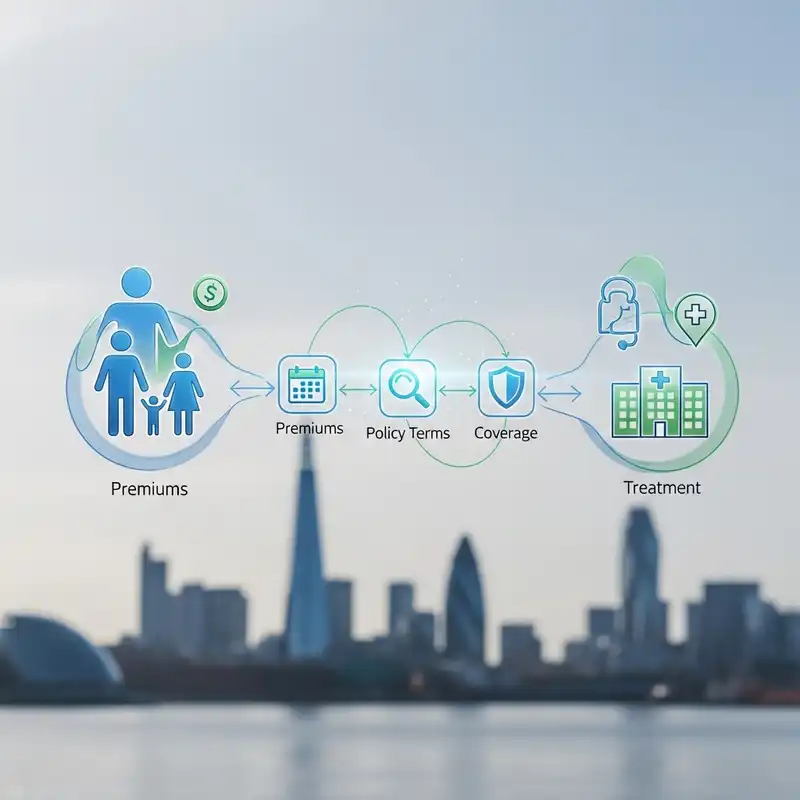
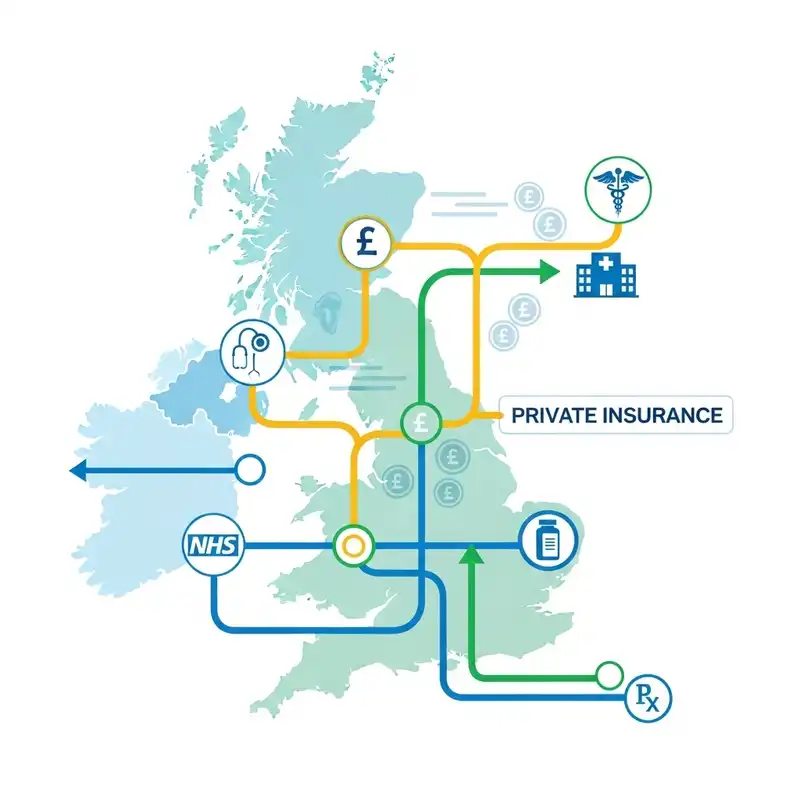
This is where private medical insurance (PMI) steps in. It's designed to work alongside the NHS, giving you fast access to private diagnosis, treatment, and specialist care when you need it most. For a self-employed tradesperson, this speed and control can be the difference between a minor setback and a major financial crisis.
In this comprehensive guide, we'll break down everything you need to know about health insurance, specifically for those in the trades. We’ll cover what it is, what it covers, how much it costs, and how to choose a policy that protects your livelihood without breaking the bank.
Why is Private Health Insurance Crucial for UK Tradespeople?
The physical demands of trade work put you at a higher risk of injury and musculoskeletal issues than someone in an office job. A fall from a ladder, a repetitive strain injury, or a bad back can happen to anyone, but for you, the consequences are immediate and severe.
Consider this common scenario:
A Real-Life Example: Mark the Plumber Mark, a 45-year-old self-employed plumber, develops severe lower back pain. His GP suspects a slipped disc and refers him for an MRI scan on the NHS. The waiting time for the scan is 10 weeks. After the scan, he faces another wait of over 30 weeks for non-urgent spinal surgery. In total, Mark could be out of action or in significant pain for nearly a year, unable to take on jobs and with no income beyond minimal state support.
With a private medical insurance policy, Mark's journey would look very different:
- GP Referral: He gets an open referral from his GP.
- Private MRI: His PMI provider authorises a private MRI scan, which he has within a few days.
- Private Consultation: He sees a private consultant orthopaedic surgeon the following week.
- Private Surgery: Surgery is scheduled and performed in a private hospital within two to three weeks.
Mark is back on his feet and able to work in a fraction of the time, protecting his business and his family's finances.
The Stark Reality of NHS Waiting Lists
Mark's story isn't an exaggeration. The demands on the NHS are immense.
- According to the latest NHS England data from late 2023, the waiting list for consultant-led elective care stood at over 7.7 million.
- The median waiting time for treatment was nearly 15 weeks, but hundreds of thousands of patients were waiting over a year for treatment.
For a tradesperson, a 15-week wait is 15 weeks of lost income, lost clients, and mounting financial pressure. Private health cover is the most effective way to bypass these queues.
The Self-Employment Trap: No Work, No Pay
Unlike employees who are entitled to Statutory Sick Pay (SSP), the UK's 4.3 million self-employed workers (ONS, Feb 2024) have a much thinner safety net. If you can't work, you can't earn. While you might be eligible for Employment and Support Allowance (ESA), it provides a very basic level of income.
PMI isn't income protection (which replaces a portion of your earnings), but it's a critical partner to it. By getting you treated and back to work faster, it minimises the time you'd need to rely on savings or an income protection policy.
Understanding Private Medical Insurance (PMI): The Basics
Before diving into the options, it's vital to understand what PMI is and, just as importantly, what it isn't.
Private Medical Insurance is designed to cover the costs of treating acute conditions that arise after you take out your policy.
- An acute condition is a disease, illness, or injury that is likely to respond quickly to treatment and return you to your previous state of health. Examples include a hernia, cataracts, joint pain requiring replacement, or a broken bone.
- A chronic condition is a disease, illness, or injury that has one or more of the following characteristics: it needs long-term monitoring, has no known cure, is likely to recur, or requires ongoing management. Examples include diabetes, asthma, arthritis, and high blood pressure.
Critical Information: PMI Does Not Cover Chronic or Pre-Existing Conditions
This is the single most important principle of standard UK private medical insurance. Your policy is there for new, eligible health problems that occur after your cover begins.
| Condition Type | Covered by Standard PMI? | Example for a Tradesperson |
|---|---|---|
| Acute Condition | Yes | A torn rotator cuff from lifting heavy materials, needing surgery. |
| Chronic Condition | No | Long-term management of dermatitis from contact with chemicals. |
| Pre-existing Condition | No (or with restrictions) | Back pain you received treatment for in the two years before your policy started. |
Insurers use a process called "underwriting" to assess your medical history and determine what they will and won't cover. We'll explore this in more detail later.
What Core Benefits Does Health Insurance Offer Tradespeople?
A typical PMI policy is built around a core set of benefits, with the option to add more comprehensive cover.
Core Cover (The Essentials)
- In-patient and Day-patient Treatment: This is the foundation of every policy. It covers costs when you are admitted to hospital for treatment, either overnight (in-patient) or for the day (day-patient). This includes surgery, hospital accommodation in a private room, nursing care, specialist fees, and drugs.
- Comprehensive Cancer Cover: This is a huge reason people buy PMI. Most policies offer extensive cover for the diagnosis and treatment of cancer, including surgery, radiotherapy, and chemotherapy. Many also provide access to new and experimental drugs not yet available on the NHS.
- Mental Health Support: Recognising the growing mental health crisis, especially in high-pressure sectors like construction, most insurers now include some level of mental health support, from access to telephone counselling lines to cover for psychiatric treatment.
Optional Add-ons (Tailoring Your Cover)
-
Out-patient Cover: This is arguably the most valuable add-on. It covers diagnostic tests and consultations that don't require a hospital admission. This is what gets you a diagnosis quickly. It includes:
- Specialist consultations (e.g., seeing an orthopaedic surgeon or a cardiologist).
- Diagnostic scans (MRI, CT, PET scans).
- Blood tests and X-rays. You can usually choose a limit for this cover (e.g., £1,000 per year) or opt for unlimited cover.
-
Therapies Cover: Essential for tradespeople, this covers treatments like physiotherapy, osteopathy, and chiropractic care to help you recover from musculoskeletal injuries. The Health and Safety Executive (HSE) reported that 477,000 workers suffered from work-related musculoskeletal disorders in 2022/23, with construction being a high-risk industry. Fast access to physio can be invaluable.
-
Dental and Optical Cover: This can be added to some policies to contribute towards the costs of routine dental check-ups, treatment, and new glasses or contact lenses.
Tailoring Your PMI Policy: Key Options to Consider
A common myth is that PMI is unaffordable. In reality, modern policies are highly flexible, allowing you to control the price by adjusting the level of cover. As an independent PMI broker, WeCovr can help you navigate these options to find the perfect balance.
Here are the main levers you can pull to manage your premium:
| Policy Feature | To Lower Your Premium | To Maximise Your Cover | Description |
|---|---|---|---|
| Excess | Choose a higher excess (£250, £500, or £1,000) | Choose a £0 or low excess (£100) | The amount you agree to pay towards the first claim you make each year. A higher excess significantly reduces your monthly premium. |
| Hospital List | Choose a more restricted/local list | Choose a comprehensive national or London list | Insurers group hospitals into bands. Sticking to a list of local private hospitals is cheaper than having access to every hospital in the country, especially premium ones in Central London. |
| Out-patient Limit | Choose a lower limit (£500) or none | Choose an unlimited out-patient limit | Limiting the value of out-patient diagnostics and consultations you can claim for each year is a major cost-saver. |
| 6-Week Option | Add this to your policy | Do not add this to your policy | This is a clever way to reduce costs. If the NHS can provide the in-patient treatment you need within 6 weeks of you being referred, you use the NHS. If the wait is longer, your private cover kicks in. |
By combining a higher excess, a sensible hospital list, and the 6-week option, you can create a robust 'safety net' policy that is surprisingly affordable. It protects you from the long waits that pose the biggest threat to your livelihood, while still relying on the NHS for more routine matters.
How Much Does Health Insurance Cost for a Tradesperson in the UK?
This is the million-dollar question. The cost of a private medical insurance UK policy depends on several factors:
- Your age: Premiums increase as you get older.
- Your location: Premiums can be higher in areas with more expensive private hospitals, like London and the South East.
- Your smoking status: Smokers pay more.
- The options you choose: The excess, hospital list, and out-patient cover you select have the biggest impact.
To give you a realistic idea, here are some illustrative monthly premiums for a non-smoking tradesperson based in the North of England.
Example Monthly Premiums: Medium-Level Cover (Based on a £250 excess, a national hospital list, and £1,000 out-patient cover) (illustrative estimate)
| Age | Plumber / Electrician | Builder |
|---|---|---|
| 30 | £45 - £65 | £50 - £70 |
| 40 | £60 - £80 | £65 - £90 |
| 50 | £80 - £110 | £90 - £125 |
Example Monthly Premiums: Cost-Effective 'Safety Net' Cover (Based on a £500 excess, a local hospital list, and the 6-week option) (illustrative estimate)
| Age | Plumber / Electrician | Builder |
|---|---|---|
| 30 | £30 - £45 | £35 - £50 |
| 40 | £40 - £55 | £45 - £65 |
| 50 | £55 - £75 | £60 - £85 |
Disclaimer: These prices are for illustrative purposes only and are not a formal quote. The final price will depend on your individual circumstances and the insurer you choose. For a precise quote, it's best to speak with an expert broker.
Navigating Underwriting: Moratorium vs. Full Medical Underwriting (FMU)
When you apply for PMI, the insurer needs to understand your medical history to exclude pre-existing conditions. There are two main ways they do this:
1. Moratorium Underwriting (The "Wait and See" Approach)
This is the most common and quickest method. You don't have to complete a detailed medical questionnaire. Instead, the insurer automatically excludes any condition for which you have had symptoms, treatment, or advice in the 5 years leading up to your policy start date.
However, if you then go for a continuous 2-year period after your policy starts without any symptoms, treatment, or advice for that condition, it may become eligible for cover.
- Pros: Quick and easy application process.
- Cons: Lack of certainty. You may not know if a condition is covered until you make a claim.
2. Full Medical Underwriting (FMU) (The "Full Disclosure" Approach)
With FMU, you complete a detailed health questionnaire, declaring your full medical history. The insurer's underwriting team reviews this and then offers you a policy with specific, named exclusions listed clearly from the start.
- Pros: Complete clarity from day one. You know exactly what is and isn't covered.
- Cons: The application process takes longer, and you have to gather details of your medical history.
For tradespeople who need absolute certainty about cover for past musculoskeletal niggles or other issues, FMU can often be the better choice. A broker at WeCovr can advise you on which underwriting method is best for your personal situation.
Beyond the Core Policy: Added Value for Tradespeople
Modern PMI policies are packed with extra benefits that are incredibly useful for busy tradespeople. These are often included as standard.
- Digital GP / Virtual Doctor Services: Get a GP appointment via your smartphone 24/7, often within a couple of hours. This means no more taking a half-day off work to sit in a waiting room. You can get advice, a diagnosis, or a prescription while on your lunch break at a job site.
- Direct Access to Therapies: Many policies now allow you to bypass your GP and get direct access to physiotherapy for muscle and joint problems. You simply call the insurer, have a telephone triage with a specialist, and get authorised for a course of physio, often starting within 48 hours.
- Wellness Programmes & Discounts: Insurers like Vitality and Aviva have extensive programmes that reward you for staying healthy. You can get discounts on gym memberships, fitness trackers, and healthy food. It’s a proactive way to manage your health and lower your long-term insurance costs.
- Exclusive WeCovr Benefits: When you arrange your policy through us, you get complimentary access to our AI-powered calorie and nutrition tracking app, CalorieHero, to help you manage your diet effectively. Furthermore, clients who purchase PMI or Life Insurance through WeCovr may be eligible for discounts on other types of cover, such as income protection or home insurance.
Health and Wellness Tips for Tradespeople: Staying Fit for the Job
Your health is your wealth. While insurance is your safety net, prevention is always better than cure. Here are some practical tips to help you stay fit and avoid injury.
- Protect Your Back: Your back is your weak point. Always use correct lifting techniques (bend your knees, keep your back straight). Invest in trolleys and aids for heavy materials. Strengthen your core with exercises like planks and bridges – a strong core is your body's natural weight-lifting belt.
- Eat for Energy, Not for Speed: It's easy to rely on pasties and energy drinks when you're on the go. Plan ahead. Batch-cook healthy meals, pack high-protein snacks like nuts and Greek yoghurt, and carry a large reusable water bottle to stay hydrated. Dehydration is a leading cause of fatigue and loss of concentration.
- Prioritise Sleep: Working when tired dramatically increases your risk of accidents. The Sleep Foundation recommends 7-9 hours of quality sleep for adults. Create a routine: avoid heavy meals and screen time before bed, and make your bedroom cool, dark, and quiet.
- Stretch Daily: The repetitive movements of your trade can lead to strain. Spend 5-10 minutes before starting work and after finishing doing dynamic stretches (like arm circles and leg swings) and static stretches (holding a position for 20-30 seconds). Focus on your hamstrings, hips, shoulders, and wrists.
- Look After Your Mental Health: The pressure of being self-employed, long hours, and financial worries can take a toll. Organisations like Mates in Mind are working to improve mental health in the construction sector. Don't be afraid to talk. Use the mental health support lines included in your PMI policy, talk to friends, or speak to your GP.
How WeCovr Makes Finding the Right PMI Simple
Choosing the right private medical insurance can feel complicated. With so many providers, products, and options, it's easy to get overwhelmed. That's where we come in.
WeCovr is an independent, FCA-authorised health insurance broker. Our job is to do the hard work for you.
- We Listen: We start by understanding you, your job, your budget, and your health priorities.
- We Compare: We use our expertise and technology to compare policies from across the UK's leading insurance providers, including Bupa, AXA Health, Aviva, The Exeter, and Vitality.
- We Advise: We present you with the most suitable options in a clear, easy-to-understand way. We'll explain the pros and cons of each, answer all your questions, and highlight the small print you might have missed.
- We Save You Money: Our service is completely free to you. Because we work with a panel of insurers, we can find the most competitive prices for the cover you need. We often have access to deals that aren't available to the public.
Our team has helped thousands of self-employed professionals protect themselves and their families. With high customer satisfaction ratings, we pride ourselves on providing impartial, expert advice that puts your needs first.
Is private health insurance worth it for a self-employed tradesperson?
Can I get health insurance if I have a pre-existing medical condition?
What's the difference between health insurance and income protection?
How can I lower the cost of my PMI policy?
Protect Your Livelihood Today
Your ability to work is your greatest asset. Don't let an unexpected injury or illness put everything you've built at risk. Take control of your health and secure your financial future.
Contact WeCovr today for a free, no-obligation quote. Our friendly experts will help you compare the best PMI providers in the UK and build a policy that gives you peace of mind, allowing you to focus on what you do best.
Sources
- NHS England: Waiting times and referral-to-treatment statistics.
- Office for National Statistics (ONS): Health, mortality, and workforce data.
- NICE: Clinical guidance and technology appraisals.
- Care Quality Commission (CQC): Provider quality and inspection reports.
- UK Health Security Agency (UKHSA): Public health surveillance reports.
- Association of British Insurers (ABI): Health and protection market publications.