TL;DR
Struggling with a painful outer ear infection? At WeCovr, an FCA-authorised broker that has helped arrange over 900,000 policies, we understand how debilitating ear problems can be. This guide explores how UK private medical insurance can provide fast access to specialist ENT care, helping you feel better, sooner.
Key takeaways
- Visit Your GP: Your health journey, whether NHS or private, almost always starts with your GP. They will assess your condition. If they believe you need specialist care, they will write you a referral letter.
- Contact Your Insurer: With your GP referral in hand, you call your PMI provider's claims line. You'll explain the situation and provide the details of the referral.
- Authorisation: The insurer will check your policy details and authorise your claim. They will provide you with an authorisation number and guide you on a list of approved ENT specialists or hospitals.
- Book Your Appointment: You can then book a consultation with a private ENT specialist at a time and place that suits you.
- Treatment and Billing: The specialist will diagnose and treat your condition. The bills for the consultation and any procedures (like microsuction) are sent directly to your insurance company. You only pay for any excess on your policy.
Struggling with a painful outer ear infection? At WeCovr, an FCA-authorised broker that has helped arrange over 900,000 policies, we understand how debilitating ear problems can be. This guide explores how UK private medical insurance can provide fast access to specialist ENT care, helping you feel better, sooner.
Learn about outer ear infections and private ENT treatment options
An outer ear infection, known medically as 'otitis externa', can range from a mild annoyance to a source of severe pain and discomfort. It affects the ear canal, the tube running from your outer ear to your eardrum. While many cases resolve with simple treatment from a GP, some persist or become severe, requiring specialist intervention.
This is where private healthcare shines. Instead of facing potentially long waits for an NHS appointment, private medical insurance (PMI) can grant you swift access to an Ear, Nose, and Throat (ENT) specialist. In this comprehensive guide, we'll cover everything you need to know about outer ear infections and how private treatment can offer a faster route to relief.
What is an Outer Ear Infection (Otitis Externa)?
Otitis externa is an inflammation or infection of the ear canal. It's often called "swimmer's ear" because it frequently affects people who spend a lot of time in the water, as moisture in the ear canal can encourage bacteria to grow.
However, swimming isn't the only cause. An outer ear infection can be triggered by:
- Damage to the ear canal: Cleaning your ears with cotton buds, scratching, or even using ear-in headphones can cause tiny breaks in the skin, allowing bacteria or fungi to enter.
- Skin conditions: People with eczema, psoriasis, or seborrhoeic dermatitis can be more prone to ear infections.
- Chemicals: Irritation from hairspray or hair dye getting into the ear canal can sometimes be a factor.
- A humid environment: Living or holidaying in a hot, humid climate can increase your risk.
- Underlying health issues: Individuals with diabetes or a weakened immune system may be more susceptible to infections.
The infection can be caused by bacteria (most common) or, less frequently, by a fungus.
Understanding the Symptoms of an Outer Ear Infection
The signs of otitis externa can develop quickly and are often hard to ignore. Recognising them early can help you seek timely treatment.
Common Symptoms Include:
- Ear Pain (Otalgia): This is often the first and most prominent symptom. The pain can be severe, especially when the outer ear is touched or pulled.
- Itching: An intense itch deep inside the ear canal is very common.
- Discharge: You might notice a thin, watery, or thick, pus-like fluid coming from the ear.
- Blocked Feeling: A sense of fullness or pressure in the ear, often accompanied by temporary hearing loss.
- Redness and Swelling: The entrance to the ear canal may look red and swollen.
- Tenderness: The area in front of the ear or the jaw may feel sore, especially when chewing.
- Fever: In more severe cases, you might develop a high temperature.
If you experience these symptoms, it's wise to consult a healthcare professional. While many cases are mild, getting a proper diagnosis is key to effective treatment.
NHS Treatment vs. Private Care: A Comparison
When you develop an outer ear infection, your first port of call is usually your NHS GP. For most straightforward cases, this is an excellent and effective route. However, when the problem is recurring, severe, or doesn't respond to initial treatment, the journey can become longer.
| Feature | NHS Pathway | Private Pathway (with PMI) |
|---|---|---|
| Initial Consultation | Appointment with your GP. Waiting times for a non-urgent slot can vary. | Appointment with your GP. You then use the referral to see a private specialist. |
| Referral to Specialist | If needed, your GP refers you to an NHS ENT department. | Your GP provides a referral letter, and you contact your insurer to authorise a private consultation. |
| Waiting Times for ENT | Can be lengthy. According to recent NHS England data, the median wait for an ENT appointment after referral can be several weeks or even months. | Typically very fast. You can often see a specialist within days or a couple of weeks. |
| Treatment Procedures | Standard treatments like eardrops are readily available. Specialist procedures like microsuction may have further waits. | Quick access to advanced procedures like microsuction, often performed during the initial consultation. |
| Choice of Specialist | You are usually assigned to the next available specialist at your local hospital. | You can often choose your specialist and hospital from a list provided by your insurer. |
| Follow-up | Follow-up appointments are scheduled based on clinical need and availability, which can involve more waiting. | Follow-ups are often quicker and easier to schedule, ensuring continuity of care. |
The primary advantage of the private route is speed. For a condition as painful and disruptive as a severe ear infection, cutting down waiting times from months to days can make a world of difference to your quality of life.
How Private Medical Insurance Helps with Ear Infections
This is where understanding the role of private medical insurance UK policies becomes crucial. PMI is designed to cover the costs of private treatment for acute conditions.
An acute condition is a disease, illness, or injury that is likely to respond quickly to treatment and lead to a full recovery. A typical outer ear infection falls squarely into this category.
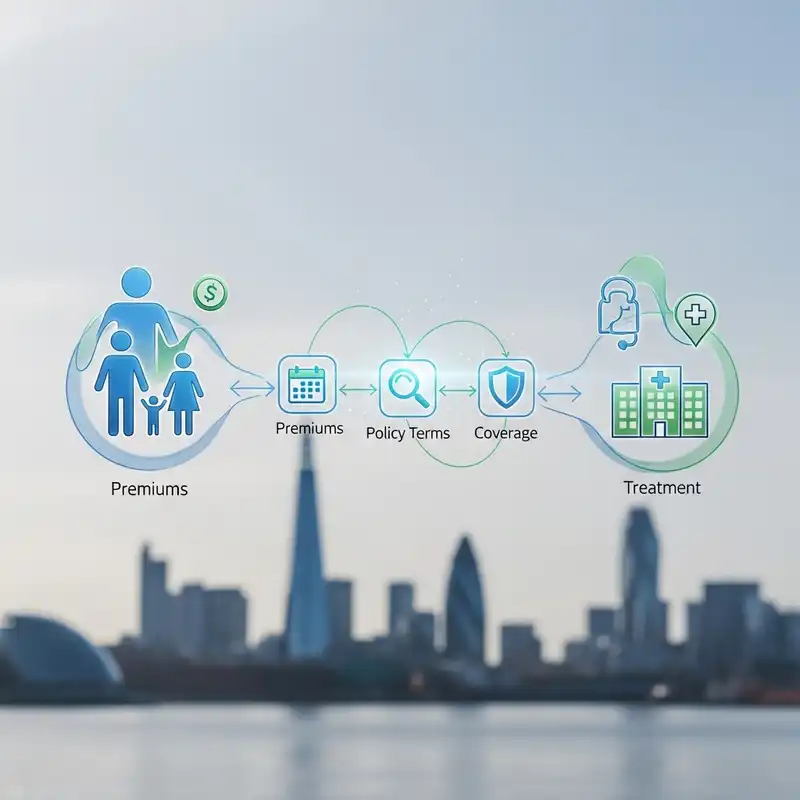
Here’s the process for using PMI for an ear problem:
- Visit Your GP: Your health journey, whether NHS or private, almost always starts with your GP. They will assess your condition. If they believe you need specialist care, they will write you a referral letter.
- Contact Your Insurer: With your GP referral in hand, you call your PMI provider's claims line. You'll explain the situation and provide the details of the referral.
- Authorisation: The insurer will check your policy details and authorise your claim. They will provide you with an authorisation number and guide you on a list of approved ENT specialists or hospitals.
- Book Your Appointment: You can then book a consultation with a private ENT specialist at a time and place that suits you.
- Treatment and Billing: The specialist will diagnose and treat your condition. The bills for the consultation and any procedures (like microsuction) are sent directly to your insurance company. You only pay for any excess on your policy.
A broker like WeCovr can be invaluable, not just in finding a strong fit for your needs but also in helping you understand the claims process, ensuring you get the most from your cover.
Critical Note: Pre-existing and Chronic Conditions
It is vital to understand a fundamental principle of standard UK private health cover: it does not cover pre-existing or chronic conditions.
- Pre-existing Condition: Any illness, disease, or injury for which you have had symptoms, medication, advice, or treatment in the years before your policy starts (typically the last 5 years). If you have a history of recurring ear infections, an insurer may place an exclusion on your policy for ear-related conditions.
- Chronic Condition: A condition that is long-lasting, cannot be fully cured, and requires ongoing management. For example, if an ear issue is part of a long-term autoimmune disease, it would be considered chronic and therefore not covered.
PMI is for new, unexpected health issues that arise after you take out your policy. Always be honest and thorough when applying for cover, as this ensures there are no surprises if you need to make a claim.
Accessing a Private ENT Specialist: What to Expect
The experience of seeing a private ENT specialist is often markedly different from a standard clinic appointment.
During Your Private Consultation, you can expect:
- A Detailed History: The specialist will take a thorough history of your symptoms, your general health, and any previous ear problems.
- Advanced Examination: They will use specialised equipment, such as an endoscope (a tiny camera on a thin tube) or a microscope, to get a highly detailed view of your ear canal and eardrum. This allows for a much more precise diagnosis than is often possible with the otoscope used in a standard GP setting.
- Immediate Treatment: One of the biggest benefits is the potential for immediate intervention. If your ear canal is blocked with debris or infected discharge, the specialist can perform microsuction on the spot.
- A Clear Treatment Plan: You will leave the appointment with a clear understanding of your diagnosis and a plan for treatment, including any prescriptions and arrangements for follow-up care.
Private Treatment Options for Outer Ear Infections
A private ENT specialist has a range of tools and techniques at their disposal to treat otitis externa effectively.
- Microsuction: This is considered the gold standard for cleaning the ear canal. The specialist uses a microscope for a magnified view and a tiny, gentle suction device to remove all discharge, wax, and debris. This is far more precise and comfortable than traditional ear syringing. It immediately relieves the blocked feeling and allows eardrops to reach the infected skin.
- Specialist Eardrops: You may be prescribed a combination of antibiotic, anti-fungal, and steroid drops. Private prescriptions can sometimes offer different or stronger formulations than what is initially available on the NHS.
- Ear Wick Insertion: If your ear canal is so swollen that drops can't get in, the specialist can insert a tiny, absorbent sponge called a wick. This is soaked in medication and gently placed in the ear canal. The wick expands, delivering the medicine directly to the swollen tissues.
- Oral Antibiotics or Antifungals: If the infection is severe or has started to spread, you may be prescribed a course of tablets.
- Pain Management: The specialist will advise on the most effective pain relief for your situation.
| Treatment | Description | Why it's Effective |
|---|---|---|
| Microsuction | Gentle suction under a microscope to clean the ear canal. | Removes all debris, allowing medication to work. Provides immediate relief from blockage. |
| Ear Wick | A small sponge soaked in medication is placed in a very swollen ear canal. | Delivers medication directly to the site of infection when drops cannot penetrate. |
| Specialist Medication | Potent combination drops (antibiotic, anti-fungal, steroid). | Targets the specific cause of the infection and rapidly reduces inflammation. |
| Swift Follow-up | A review appointment scheduled within a week or two. | Ensures the treatment is working and allows for adjustments to the plan if needed. |
The Cost of Private ENT Treatment Without Insurance
To fully appreciate the value of private medical insurance, it's helpful to know the potential costs if you were to pay for treatment yourself (self-funding).
| Service | Average UK Private Cost (Estimate) | Notes |
|---|---|---|
| Initial ENT Consultation | £200 – £300 | This is for the specialist's time and examination. |
| Microsuction (Both Ears) | £100 – £200 | Sometimes included in the consultation fee, sometimes billed separately. |
| Endoscopy | £150 – £250 | Often required for a full diagnosis. |
| Follow-up Consultation | £150 – £220 | Necessary to check on progress. |
| Total for One Episode | £450 – £770+ | This does not include the cost of any private prescriptions. |
Disclaimer: These are estimated costs for 2025 and can vary significantly based on the clinic, the specialist, and your UK location.
As you can see, the costs can quickly add up. A comprehensive PMI policy, which might cost between £40 and £80 per month depending on your age and cover level, can provide peace of mind and prevent a large, unexpected bill. (illustrative estimate)
Choosing the Right Private Medical Insurance UK Policy
Not all PMI policies are the same. When considering cover, it's essential to look at the details. An expert PMI broker like WeCovr can help you compare the market without charging you a fee for their service.
Here are key things to consider:
- Outpatient Cover (illustrative): This is crucial for ENT issues. Ensure your policy has a good outpatient limit (e.g., £1,000, £1,500, or 'unlimited') to cover consultations, tests, and procedures like microsuction that don't require a hospital stay.
- Hospital List: Insurers have different tiers of hospitals they work with. Check that the list includes convenient, high-quality private hospitals near you.
- Excess Level (illustrative): This is the amount you agree to pay towards any claim. A higher excess (£250, £500) will lower your monthly premium, while a lower excess (£0, £100) will mean you pay less when you claim.
- Underwriting Type: You can choose between 'moratorium' (where pre-existing conditions from the last 5 years are automatically excluded for a set period) or 'full medical underwriting' (where you declare your full medical history upfront).
WeCovr: Your Expert Partner in Health and Wellness
Navigating the world of private health cover can be complex, but you don't have to do it alone. At WeCovr, we are an FCA-authorised broker dedicated to helping you find the best PMI provider for your needs and budget.
Our expert team provides:
- Whole-of-Market Comparison: We compare policies from leading UK insurers to find the perfect fit for you.
- Personalised Advice: We take the time to understand your requirements and explain your options in simple, clear language.
- No-Cost Service: Our advice and support are completely free for you. We are paid by the insurer you choose.
- High Customer Satisfaction: Our clients consistently rate our service highly, valuing our professional and friendly approach.
As a WeCovr client, you also get complimentary access to CalorieHero, our AI-powered calorie and nutrition tracking app, to support your overall wellness. Plus, customers who purchase private medical or life insurance often qualify for discounts on other types of cover.
Prevention and Lifestyle Tips for Healthy Ears
While insurance is there for when things go wrong, prevention is always better than cure.
- Dry Your Ears Thoroughly: After swimming or showering, gently dry your outer ears with a towel. Tilt your head to each side to help any water drain out.
- Avoid Using Cotton Buds: Pushing anything into your ear canal can damage the delicate skin and push wax further in, creating a blockage. Let your ears clean themselves naturally.
- Use Earplugs for Swimming: If you are a frequent swimmer, consider using custom-moulded or silicone earplugs to keep water out.
- Manage Skin Conditions: If you have eczema or psoriasis, work with your doctor to manage flare-ups, which can affect the skin in your ears.
- Protect Ears from Irritants: When using hairspray or hair dye, place cotton wool balls gently at the entrance of your ear canals to protect them.
Frequently Asked Questions (FAQs)
Will private medical insurance cover my recurring ear infections?
Do I need a GP referral to see a private ENT specialist with my insurance?
Can I add my children to my private health cover for conditions like ear infections?
Take the Next Step Towards Faster Healthcare
An outer ear infection can be incredibly painful and disruptive. While the NHS provides excellent care, waiting lists for specialist treatment can be long. Private medical insurance offers a powerful alternative, giving you fast access to diagnosis, advanced treatments like microsuction, and the expertise of leading ENT specialists.
Don't let ear pain hold you back. Let us help you find the right protection.
Ready to explore your options? Get a free, no-obligation quote from WeCovr today and discover how affordable peace of mind can be.
Sources
- NHS England: Waiting times and referral-to-treatment statistics.
- Office for National Statistics (ONS): Health, mortality, and workforce data.
- NICE: Clinical guidance and technology appraisals.
- Care Quality Commission (CQC): Provider quality and inspection reports.
- UK Health Security Agency (UKHSA): Public health surveillance reports.
- Association of British Insurers (ABI): Health and protection market publications.
Disclaimer: This is general guidance only and does not constitute formal tax or financial advice. Tax treatment depends on individual circumstances, policy terms, and HMRC interpretation, which cannot be guaranteed in advance. Whenever applicable, businesses and individuals should always consult a qualified accountant or tax adviser before arranging such policies.