TL;DR
While the NHS is a national treasure, waiting lists for consultations, scans, and non-urgent procedures can be long. In 2025, these pressures continue to mount. Private Health Insurance (PHI), also known as Private Medical Insurance (PMI), is not about replacing the NHS but complementing it.
Key takeaways
- Who is it for? Anyone with financial dependents (children, a partner), a mortgage, or other significant debts.
- What it does: The pay-out can be used to clear a mortgage, pay for funeral costs, replace lost income, and fund future expenses like university fees. It ensures your loved ones can grieve without the immediate pressure of financial collapse.
- Who is it for? Almost every working adult. Your chances of suffering a serious illness before retirement are significantly higher than your chances of passing away.
- What it does: The funds provide breathing room. You can use the money to cover your bills while you're off work, adapt your home (e.g., install a ramp), pay for private treatment, or even take a recuperative holiday. It buys you time and options when you need them most.
- Who is it for? Individuals and families who want faster access to medical care and more choice over their treatment.
Permission to Thrive
We stand at a unique moment in time. Advances in medicine mean we are living longer than ever before, yet our prolonged lifespans are increasingly punctuated by significant health challenges. The stark reality, backed by extensive research from organisations like Cancer Research UK, is that based on current trends, 1 in 2 people born after 1960 will be diagnosed with some form of cancer in their lifetime. When we broaden this scope to include other life-altering conditions like heart attacks, strokes, and debilitating neurological diseases, the picture becomes undeniably clear: a major health event is not a remote possibility, but a statistical probability for half of us. (illustrative estimate)
This isn't a forecast of doom. It is a call to action. It is an invitation to reframe how we view personal protection. For too long, insurance has been sold on a foundation of fear—a necessary evil to guard against the worst. But what if we saw it differently? What if we saw it as the ultimate permission slip? Permission to take risks, to build businesses, to love freely, and to live fully, knowing that a robust financial safety net is securely in place.
This guide is your map to understanding how strategic financial protection is the bedrock upon which you can build a life of purpose, growth, and resilience, free from the corrosive anxiety of "what if?".
The New Reality: Navigating the UK's Shifting Health Landscape
The "1 in 2" statistic is more than a headline; it's a reflection of our modern lives. While it's a sobering thought, it’s crucial to understand the context. (illustrative estimate)
- Cancer: Cancer Research UK's landmark projection remains a powerful reminder of the prevalence of the disease. With earlier diagnosis and better treatments, more people than ever are living with and beyond cancer. However, treatment and recovery can span months or years, creating immense financial and emotional strain.
- Cardiovascular Disease: The British Heart Foundation reports that around 7.6 million people in the UK live with heart and circulatory diseases. A heart attack or stroke can happen suddenly, instantly removing an individual from the workforce for an extended period.
- Mental Health: According to the NHS, 1 in 4 adults experience at least one diagnosable mental health problem in any given year. Severe episodes of anxiety, depression, or stress can be just as debilitating as a physical illness, making it impossible to work.
- Musculoskeletal Conditions: The Office for National Statistics (ONS) frequently cites these conditions as a leading cause of long-term sickness absence, particularly impacting those in physically demanding jobs like tradespeople and nurses.
The financial fallout from a serious diagnosis can be devastating. Statutory Sick Pay (SSP) in the UK stands at a mere £116.75 per week for up to 28 weeks (as of the 2024/25 tax year). For most households, this is not enough to cover a mortgage, let alone bills, food, and other essentials. This is the gap that personal protection is designed to fill.
Beyond the Balance Sheet: The Psychology of a Protected Life
The true value of protection insurance isn't measured in the lump sum pay-out or the monthly income. It's measured in the peace of mind it provides today. When you remove the foundational fear of financial ruin, you unlock a remarkable capacity for personal and professional growth.
This is the Permission to Thrive:
- For the Entrepreneur: It’s the freedom to leave a secure job and launch that business idea you've been dreaming of, knowing your family's home and lifestyle are protected if your health fails before your company flourishes.
- For the Parent: It's being fully present with your children, creating memories without a nagging voice in your head worrying about how they would cope financially if you weren't there.
- For the Partner: It’s building a relationship on a foundation of mutual support, not financial dependency. It’s knowing that if one of you faces a health crisis, the other won't have to bear the emotional and the full financial burden alone.
- For the Individual: It’s the confidence to travel, to learn a new skill, to change careers mid-life, or to simply enjoy your hobbies, knowing that your financial future isn't balanced on a knife-edge of perfect health.
Financial resilience breeds emotional resilience. By putting a plan in place, you are taking control of your future, an empowering act that reduces anxiety and frees up your mental energy to focus on what truly matters: living a rich, fulfilling life.
Your Personalised Protection Toolkit: A Deep Dive
There is no "one-size-fits-all" solution. The right protection strategy is a mosaic of different policies, each designed to cover a specific need. Think of it not as a single shield, but as a tailored suit of armour.
1. Life and Critical Illness Cover: The Cornerstones
Life Insurance (also known as Life Protection) is the most fundamental form of cover. It may pay out a potentially tax-efficient lump sum if you pass away during the policy term. Its purpose is simple but profound: to provide for those you leave behind.
- Who is it for? Anyone with financial dependents (children, a partner), a mortgage, or other significant debts.
- What it does: The pay-out can be used to clear a mortgage, pay for funeral costs, replace lost income, and fund future expenses like university fees. It ensures your loved ones can grieve without the immediate pressure of financial collapse.
Critical Illness Cover (CIC) is arguably just as important. It may pay out a potentially tax-efficient lump sum on the diagnosis of a specified serious illness, such as cancer, heart attack, or stroke. You don't have to die to benefit from it.
- Who is it for? Almost every working adult. Your chances of suffering a serious illness before retirement are significantly higher than your chances of passing away.
- What it does: The funds provide breathing room. You can use the money to cover your bills while you're off work, adapt your home (e.g., install a ramp), pay for private treatment, or even take a recuperative holiday. It buys you time and options when you need them most.
A popular and cost-effective approach is to combine Life and Critical Illness Cover into a single policy.
2. Family Income Benefit: A Monthly Lifeline
While a lump-sum life insurance pay-out is invaluable, managing a large sum of money can be daunting for a grieving family. Family Income Benefit (FIB) offers an elegant alternative.
Instead of a single lump sum, FIB may pay out a regular, potentially tax-efficient monthly or annual income from the time of a claim until the end of the policy term.
- Who is it for? Particularly well-suited for young families who want to ensure their day-to-day lifestyle and monthly outgoings are maintained if a parent passes away.
- How it works: You might take out a 20-year policy to provide an income of £2,500 a month. If you were to pass away 5 years into the policy, your family would receive £2,500 every month for the remaining 15 years. This makes budgeting simple and predictable.
Here's a simple comparison:
| Feature | Traditional Life Insurance | Family Income Benefit |
|---|---|---|
| Claim payment | One-off potentially tax-efficient lump sum | Regular potentially tax-efficient income |
| Purpose | Clear large debts (e.g., mortgage) | Replace lost monthly salary |
| Best For | Covering capital liabilities | Covering ongoing living costs |
| Cost | Generally more expensive | Often more affordable |
3. Income Protection: Your Personal Salary Guarantee
If life insurance protects your family after you're gone, Income Protection (IP) protects you and your family while you're alive. It is the single most important policy for anyone who relies on their income.
IP is designed to pay you a regular, recurring income if you are unable to work due to any illness or injury. It continues to pay out until you either return to work, the policy term ends (typically at your chosen retirement age), or you pass away.
- Who is it for? Every working person, whether employed or self-employed. It is your defence against the inadequacy of Statutory Sick Pay.
- Key Features:
- Deferment Period: This is the waiting period before the policy starts paying out, chosen by you. It can range from 4 weeks to 52 weeks. Aligning this with your employer's sick pay scheme or your personal savings is a smart way to manage premiums.
- Level of Cover: You can typically insure up to 50-70% of your gross annual income.
- Definition of Incapacity: The best policies use an "Own Occupation" definition, meaning they pay out if you are unable to do your specific job.
Let's compare it directly with state support:
| Feature | Statutory Sick Pay (SSP) | Income Protection (IP) |
|---|---|---|
| Amount | £116.75 per week (2024/25) | Up to 70% of your salary |
| Duration | Up to 28 weeks | Until you recover or retire |
| Coverage | Any illness/injury stops you working | Pays for years, if needed |
| Reliability | Minimal support for a short time | A robust, long-term safety net |
4. Personal Sick Pay: Tailored Cover for Hands-On Professionals
For certain professions, traditional long-term Income Protection isn't always the right fit. This is where Personal Sick Pay (often a type of short-term IP) comes in. It’s specifically designed for those in riskier roles or whose income can fluctuate.
Tradespeople (Electricians, Plumbers, Builders): Your work is physical. A back injury, a broken wrist, or a torn ligament can mean an immediate and total loss of income. You don't have the luxury of a desk job you can do with a cast on your leg. Personal Sick Pay policies often have shorter deferment periods (as little as one day) and provide a fixed benefit amount that gives you immediate cash flow to cover bills while you recover.
Nurses and Healthcare Professionals: You are on the front line of health, working long, demanding shifts. The risk of burnout, stress, and musculoskeletal injury is high. While the NHS has a relatively generous sick pay scheme, it eventually runs out. A Personal Sick Pay policy can be structured to kick in exactly when your NHS pay drops, ensuring a seamless and stable income throughout your recovery.
5. Private Health Insurance: Proactive Care and Quicker Recovery
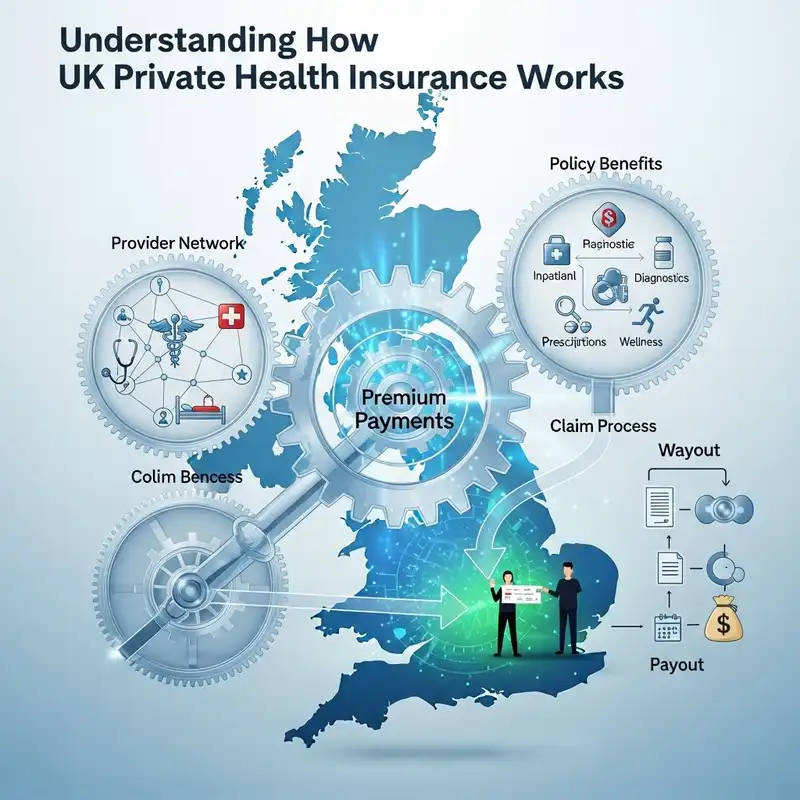
While the NHS is a national treasure, waiting lists for consultations, scans, and non-urgent procedures can be long. In 2025, these pressures continue to mount. Private Health Insurance (PHI), also known as Private Medical Insurance (PMI), is not about replacing the NHS but complementing it.
- Who is it for? Individuals and families who want faster access to medical care and more choice over their treatment.
- Key Benefits:
- Speed: Bypass long waiting lists for specialist appointments and diagnostic tests like MRI and CT scans.
- Choice: Select the specialist and hospital you prefer.
- Comfort: Access to private rooms for overnight stays.
- Access: Gain availability to drugs and treatments that may not be available on the NHS due to cost.
From a "Permission to Thrive" perspective, PHI is about minimising disruption. A quicker diagnosis and faster treatment mean a shorter recovery time, allowing you to get back to your life, your work, and your family sooner.
6. Gift Inter Vivos: Securing Your Legacy and Protecting Your Gifts
As you build wealth, you'll naturally want to help your loved ones, perhaps by gifting a deposit for a first home or a lump sum for a wedding. However, under UK Inheritance Tax (IHT) rules, these gifts can create a future tax liability.
A Gift Inter Vivos (Latin for "gift between the living") is a special type of life insurance policy designed to solve this problem.
- The IHT Rule: If you give a gift and pass away within 7 years, that gift may be subject to IHT. This is known as a Potentially Exempt Transfer (PET). The tax liability reduces over the 7 years (a system called 'taper relief').
- How the Policy Works: A Gift Inter Vivos policy is a life insurance plan where the sum assured decreases over 7 years, mirroring the reducing IHT liability on the gift. If you die within the 7-year window, the policy may pay out to cover the exact IHT bill, ensuring your beneficiary receives the full value of your original gift.
- Who is it for? Anyone making a substantial financial gift who wants to protect the recipient from an unexpected tax bill. It’s an act of true financial foresight.
For the Nation's Engine: Specialised Protection for Business Owners
If you're a company director, freelancer, or business owner, your health is intrinsically linked to the health of your business. The standard protection toolkit is essential, but there are also business-specific solutions that offer powerful, tax-efficient advantages.
| Protection Type | Who It Protects | How It Works | Key Benefit |
|---|---|---|---|
| Key Person Insurance | The Business | Pays a lump sum to the business if a key employee dies or suffers a critical illness. | Funds to recruit a replacement or manage profit loss. |
| Executive Income Protection | The Director/Employee | The company pays the premiums for an individual's IP policy. | A legitimate business expense, making it highly tax-efficient. |
| Relevant Life Cover | The Employee's Family | A 'death-in-service' policy paid for by the company. | Not treated as a P11D benefit, so tax-efficient for both company and employee. |
| Shareholder Protection | The Remaining Owners | Provides funds for surviving owners to buy the deceased owner's shares from their estate. | Ensures smooth business continuity and fair value for the family. |
For the UK's 4.25 million self-employed individuals (ONS, 2024), there is no safety net. No sick pay, no death-in-service benefit, no employer pension contribution. For freelancers and contractors, a robust personal plan combining Income Protection and Critical Illness Cover is not a luxury; it's a fundamental business continuity strategy.
Building Your Shield: A Practical Approach with Expert Guidance
Assessing your needs can feel overwhelming, but it can be broken down into simple steps. A good starting point is the D.I.E. principle:
- Debts: List all your outstanding debts. Your mortgage is the big one, but also include car loans, credit cards, and personal loans.
- Income: How much income would need to be replaced to allow your family to maintain their lifestyle? Don't forget to factor in inflation.
- Expenditure: What are your essential monthly outgoings? Think beyond the mortgage to include utilities, council tax, food, transport, and childcare.
Once you have these figures, the picture of how much cover you need becomes much clearer. However, navigating the market, understanding policy definitions, and completing the application forms correctly is where expert guidance becomes invaluable.
This is where a specialist at WeCovr or one of our broker partners makes the difference. We don't work for an insurance company; we work for you. Our role is to understand your unique circumstances—your family, your career, your business, your goals—and then search the entire UK market to find the most suitable and competitive policies from well-known insurers. We handle the paperwork and translate the jargon, ensuring you get the right protection in place without the stress.
Furthermore, we believe that protection goes hand-in-hand with prevention. WeCovr is committed to our clients' holistic wellbeing. That's why we provide our customers with complimentary access to CalorieHero, our proprietary AI-powered calorie and nutrition tracking app. It's a small way we can support your health journey today, while ensuring your financial future is protected for tomorrow.
A Thriving Life: Small Steps to Better Wellbeing
Putting a financial safety net in place is the foundation. Building on that foundation with proactive health and wellness habits is how you truly give yourself permission to thrive. You don't need a radical overhaul; small, consistent changes have a powerful cumulative effect.
- Nourish Your Body: Focus on a balanced diet rich in whole foods. Aim for five portions of fruit and vegetables a day, incorporate lean proteins, and choose whole grains. A healthy diet is one of the most effective forms of preventative medicine.
- Prioritise Sleep: Sleep is not a luxury; it's a biological necessity. Aim for 7-9 hours of quality sleep per night. Establish a routine, create a restful environment, and limit screen time before bed. Good sleep improves mood, cognitive function, and immune response.
- Move Every Day: The NHS recommends at least 150 minutes of moderate-intensity activity a week. This doesn't have to mean gruelling gym sessions. A brisk 30-minute walk each day, cycling, swimming, or even vigorous gardening all count. Find something you enjoy.
- Connect with Others: Strong social ties are a powerful buffer against stress and mental health challenges. Make time for friends and family. A simple phone call or a coffee with a friend can make a world of difference to your mental wellbeing.
The Ultimate Legacy: More Than Money
In the end, the decision to implement a strategic protection plan is one of the most profound acts of love and responsibility you can undertake.
It tells your partner, "Our life together is secure, no matter what happens to my health." It tells your children, "Your future is protected, and you will have the opportunities you deserve." It tells your business partners, "What we have built together will endure."
But most importantly, it tells you that your life is worth protecting. It removes the heaviest financial anxieties and replaces them with a quiet confidence. It is the permission you grant yourself to stop worrying about survival and start focusing on thriving—building a life of purpose, connection, and lasting impact, without fear.
Is protection insurance expensive?
Do I need to have a medical examination?
What if I already have a pre-existing medical condition?
I'm self-employed. Which cover is most important for me?
Can I change my policy if my circumstances change?
Sources
- Office for National Statistics (ONS): Mortality and population data.
- Association of British Insurers (ABI): Life and protection market publications.
- MoneyHelper (MaPS): Consumer guidance on life insurance.
- NHS: Health information and screening guidance.
Important Information and Risks
No advice: This article is for general information only. It is not financial, legal, insurance, or tax advice, and it is not a personal recommendation. WeCovr does not assess your individual circumstances or recommend a specific product through this article.
Policy exclusions and underwriting: Insurance policies, including life insurance, private medical insurance, critical illness cover, and income protection, are subject to insurer underwriting, eligibility, acceptance criteria, terms, conditions, limits, and exclusions. Pre-existing medical conditions may be excluded, restricted, or accepted on special terms unless an insurer confirms otherwise in writing.
Tax treatment: References to tax treatment, HMRC rules, or business reliefs are based on current UK legislation and guidance, which can change. Tax treatment depends on your personal or business circumstances and may differ from examples in this article.
Before you buy: Always read the Insurance Product Information Document (IPID), policy summary, and full policy terms before buying, renewing, changing, or keeping cover. If you are unsure whether a policy is suitable for you, speak to an insurance adviser.
Measure your family’s protection gap, then get the right life cover quote
Start with the score to see whether your family would face a real financial shortfall before moving on to life cover options.
Check what happens if someone dies too soon
See whether debt, dependants and mortgage risk are covered
Move into tailored life cover options after the score
Get your score
Your next best move
Get your score in minutes, then decide what kind of protection help would be most useful.
Score your household protection
See how well your current setup protects dependants, debt and major commitments.
Find the shortfall
Know whether life cover, critical illness or income protection is the actual missing piece.
Continue to tailored life cover
If life cover is the gap, continue to tailored life cover options.
What you get
A quick view of your current protection position
A clearer idea of where the biggest gaps may be
A direct route to tailored help if you want it