Login

Private Health Insurance for Cancer Treatment in the UK

Private Health Insurance for Cancer Treatment in the UK

As an FCA-authorised expert broker that has helped arrange over 800,000 policies, we at WeCovr understand that navigating the world of private medical insurance in the UK can feel complex. This is especially true when considering something as important as cancer treatment, where speed, choice, and quality of care are paramount.

Comprehensive PMI covering cancer diagnosis and treatment

A cancer diagnosis is a life-altering event, and for many in the UK, the immediate thought is of the National Health Service (NHS). While the NHS provides excellent cancer care, the reality of waiting lists and system pressures can add significant stress during an already difficult time. This is where private medical insurance (PMI) steps in, offering a vital alternative route for diagnosis and treatment.

Comprehensive private health cover is designed to work alongside the NHS, giving you and your family peace of mind. It provides fast access to leading specialists, state-of-the-art diagnostic tools, and pioneering treatments, often in the comfort of a private hospital. In essence, it puts you back in control of your healthcare journey when you need it most.

Understanding Cancer Care in the UK: The NHS vs. Private Treatment

The UK is fortunate to have the NHS, a service that provides cancer care to everyone, free at the point of use. However, the system is facing unprecedented demand.

According to NHS England data, while the health service is treating more cancer patients than ever before, it continues to face challenges in meeting key waiting time targets. For instance, the operational standard is for 93% of patients with suspected cancer to be seen by a specialist within two weeks of an urgent GP referral. The 62-day target—from urgent referral to the start of treatment—is another crucial benchmark that highlights the pressures on the system.

Private medical insurance offers a parallel path. It's not about replacing the NHS, but about providing a choice.

FeatureNHS Cancer CarePrivate Cancer Care (with PMI)
Access SpeedSubject to waiting lists for consultations, scans, and treatment.Rapid access, often within days or weeks.
Choice of SpecialistYou are typically assigned a consultant and hospital.You can often choose your preferred specialist and hospital from an approved list.
Hospital FacilitiesUsually a shared ward.A private, en-suite room is standard.
Treatment OptionsAccess to treatments approved by the National Institute for Health and Care Excellence (NICE).Access to NICE-approved drugs plus, on some policies, new or experimental drugs not yet available on the NHS.
CostFree at the point of use.Paid for by your insurer, subject to your monthly premium and any excess.

What Does Cancer Cover in Private Health Insurance Actually Include?

When insurers talk about "cancer cover," they are referring to a comprehensive pathway of care. Most comprehensive PMI policies in the UK include cancer cover as a standard, non-negotiable feature, recognising its importance to customers.

Let's break down the patient journey and see what's typically covered at each stage.

The Cancer Patient Journey: From Diagnosis to Remission

  1. Diagnosis: If you or your GP suspect cancer, your PMI policy swings into action.

    • Specialist Consultation: Fast-tracks you to see a consultant oncologist or other specialist.
    • Diagnostics: Covers the full cost of investigations needed to get a definitive diagnosis. This includes:
      • MRI scans
      • CT scans
      • PET scans
      • Biopsies and pathology tests
  2. Treatment: Once diagnosed, your policy will cover a wide range of treatments recommended by your specialist.

    • Surgery: Including tumour removal and any necessary reconstructive surgery afterwards (e.g., breast reconstruction after a mastectomy).
    • Chemotherapy: The administration of cytotoxic drugs to destroy cancer cells. Many policies now offer the option of receiving chemotherapy at home from a specialist nurse, providing greater comfort and convenience.
    • Radiotherapy: Using high-energy rays to target and kill cancer cells. This includes advanced techniques like Intensity-Modulated Radiotherapy (IMRT).
    • Targeted Therapies & Immunotherapy: These are modern, advanced treatments that attack specific cancer cells or use your body's own immune system to fight the disease.
    • Hormone Therapy: Used for cancers that are sensitive to hormones, like some breast and prostate cancers.
    • Bone Marrow & Stem Cell Transplants: Covered for specific types of cancer like leukaemia and lymphoma.
  3. Aftercare and Monitoring: Your cover doesn't stop when active treatment ends.

    • Follow-up Consultations: Regular check-ups with your specialist.
    • Monitoring: Scans and tests to check for any recurrence.
    • Palliative Care: If your cancer is not curable, policies will often provide cover for treatments aimed at managing symptoms and improving quality of life. This is a crucial element of support.

What are the Different Levels of Cancer Cover?

While most policies include cancer care, the depth and breadth can vary. Insurers often categorise it to give you choice.

Level of CoverWhat It Typically IncludesBest For
Standard/Core Cancer CoverIncluded in most comprehensive policies. Covers diagnosis and the full pathway of standard treatments (surgery, chemotherapy, radiotherapy).Most people looking for robust and reliable cancer protection.
Advanced/Enhanced Cancer CoverAn optional add-on. Includes everything in standard cover plus access to some drugs and treatments not yet approved by NICE or routinely available on the NHS.Individuals seeking the widest possible range of treatment options, including the very latest medical breakthroughs.
NHS Cancer Cover PlusA more basic option. If you are diagnosed, you use the NHS for your primary treatment (e.g., radiotherapy/chemotherapy). The policy then pays out for expensive cancer drugs that may not be funded by your local NHS trust.Those on a tighter budget who still want an element of private cover for cutting-edge drug treatments.

The Critical Distinction: Pre-existing and Chronic Conditions

This is one of the most important principles of private medical insurance in the UK to understand.

Standard PMI policies are designed to cover acute conditions that arise after you take out the policy.

  • An acute condition is a disease, illness, or injury that is likely to respond quickly to treatment and lead to a full recovery. Insurers treat newly diagnosed cancer as an acute condition.
  • A chronic condition is a disease, illness, or injury that has one or more of the following characteristics: it needs long-term monitoring, has no known cure, requires ongoing management, or is likely to recur. Diabetes and asthma are classic examples.

Crucially, private medical insurance does not cover pre-existing conditions.

If you have had signs, symptoms, advice, or treatment for cancer before your policy start date, it will be considered a pre-existing condition and will be excluded from your cover. This exclusion is usually permanent for cancer.

When you apply for a policy, the insurer will use one of two methods to assess your medical history:

  1. Moratorium Underwriting: This is the most common method. The insurer doesn't ask for your full medical history upfront. Instead, it automatically excludes any condition you've had symptoms, advice or treatment for in the last 5 years. However, if you remain completely free of symptoms, treatment, and advice for that condition for a continuous 2-year period after your policy starts, the insurer may reinstate cover for it. For cancer, this is less likely, and it's often a permanent exclusion regardless.

  2. Full Medical Underwriting (FMU): You complete a detailed health questionnaire, declaring your entire medical history. The insurer's underwriting team then reviews it and tells you exactly what is and isn't covered from day one. This provides certainty but can take longer.

How Much Does Private Health Insurance for Cancer Cost in the UK?

The cost of a private medical insurance UK policy varies significantly based on personal circumstances and the level of cover you choose. Think of it like car insurance—your individual risk profile determines the premium.

Key factors that influence your monthly premium include:

  • Age: This is the single biggest factor. Premiums increase as you get older.
  • Location: Living in or near major cities, especially London, means higher premiums due to the higher cost of private treatment there.
  • Level of Cover: A basic policy will be cheaper than a comprehensive one with enhanced cancer cover and outpatient limits.
  • Excess: This is the amount you agree to pay towards a claim. A higher excess (£500 or £1,000) will lower your monthly premium. For cancer claims, many insurers waive the excess.
  • Hospital List: Insurers have tiered hospital lists. A policy covering only local hospitals will be cheaper than one giving you access to premium central London facilities.
  • Lifestyle: Your smoker status will have a direct impact on the price.

Here are some illustrative examples of monthly premiums for a comprehensive policy with full cancer cover. These are not quotes, and your actual price will vary.

AgeSmoker StatusEstimated Monthly Premium
30Non-Smoker£55 - £75
40Non-Smoker£70 - £100
50Non-Smoker£100 - £150
60Non-Smoker£160 - £250

The best way to get an accurate figure is to speak with an expert PMI broker like WeCovr. We can run a detailed comparison of the market for you in minutes, providing quotes tailored to your exact needs and budget.

Choosing the Best PMI Provider for Cancer Cover

The UK's leading health insurers—including Bupa, AXA Health, Aviva, and Vitality—all provide exceptional cancer cover as a cornerstone of their offerings. The "best" provider is a subjective choice and depends entirely on your priorities.

Here’s a brief overview of what makes each stand out in relation to cancer care:

ProviderKey Cancer Cover FeatureUnique Benefit
BupaFull Cancer Cover: No time or financial limits on cancer treatment as long as you have their comprehensive cover. Direct access to specialist help without needing a GP referral for some conditions.Long-established and trusted brand with a large network of hospitals and clinics. Strong focus on mental health support.
AXA HealthComprehensive Cancer Cover: Includes aftercare, monitoring, and palliative care. Strong focus on providing access to the latest approved drugs and treatments.Excellent digital GP service and a dedicated cancer nursing team to guide you through your treatment journey.
Aviva"Cancer Pledge": Goes beyond the basics, covering aftercare and even monitoring for recurrence. Known for its clear and straightforward policy wording.Highly-rated claims service. Their "BacktoBetter" programme for musculoskeletal issues is also a standout feature.
VitalityAdvanced Cancer Cover: Offers full cover for biological therapies, immunotherapies, and hormone therapies. Provides access to a wide range of cutting-edge treatments.Unique wellness programme that rewards you with discounts and perks for staying active. This proactive approach to health is very popular.

Navigating these options and their subtle differences can be daunting. An independent broker removes the guesswork. At WeCovr, we have deep expertise in each provider's policies and can quickly identify which one aligns best with your personal and financial situation, ensuring there are no hidden surprises.

Beyond Treatment: The Added Value of Private Cancer Care

A great PMI policy offers more than just medical procedures. It provides a holistic support system to help you and your family through a difficult time.

Mental Health and Wellbeing Support

A cancer diagnosis takes a huge mental and emotional toll. Most insurers now include extensive mental health support as standard, offering:

  • Access to telephone counselling lines.
  • Face-to-face therapy sessions with psychologists or counsellors.
  • Support for family members who may also be struggling.

Practical and Lifestyle Support

Insurers understand that cancer treatment disrupts everyday life. They provide practical help to ease the burden:

  • Dedicated Nurse Helplines: A single point of contact with a specialist cancer nurse who can answer questions, coordinate care, and offer expert advice.
  • Second Opinion Services: If you have doubts about your diagnosis or recommended treatment plan, you can get a second opinion from another leading expert.
  • At-Home Services: Many policies now cover at-home chemotherapy administered by specialist nurses, allowing you to be treated in a familiar, comfortable environment.

Wellness Programmes and Incentives

Leading a healthy lifestyle can play a role in both preventing illness and aiding recovery. Insurers increasingly encourage this.

At WeCovr, we believe in empowering our clients to take control of their health. That's why every customer who takes out a health or life insurance policy with us receives complimentary access to CalorieHero, our AI-powered calorie and nutrition tracking app. It’s a simple, effective tool to help you build and maintain healthy habits.

Furthermore, WeCovr customers can benefit from discounts on other types of insurance when they purchase a PMI or life insurance policy, adding even more value.

Is Private Health Insurance for Cancer Worth It?

Ultimately, this is a personal decision based on your financial circumstances and attitude to risk.

Consider this hypothetical example:

Sarah, a 45-year-old freelance graphic designer, discovers a lump. Her GP makes an urgent referral. Faced with a potential multi-week wait for an NHS scan and consultation, the uncertainty is overwhelming. However, Sarah has a comprehensive PMI policy. She calls her insurer, gets authorisation, and sees a specialist in a private hospital three days later. An MRI and biopsy are done the same week, confirming an early-stage cancer. Her surgery is scheduled for ten days later. The speed of the process significantly reduces her anxiety and allows her to focus purely on recovery, all from the comfort of a private room.

Pros of PMI for Cancer:

  • Peace of Mind: Knowing you have a plan in place for the worst-case scenario.
  • Speed: Rapid access to diagnosis and treatment, which can be critical for some cancers.
  • Choice: You can choose your surgeon and hospital.
  • Comfort: Private rooms, flexible visiting hours, and a less stressful environment.
  • Access to New Drugs: Potential access to treatments not yet funded on the NHS.

Cons of PMI for Cancer:

  • Cost: It's an ongoing monthly expense.
  • Exclusions: It will not cover pre-existing cancer.
  • Not a Full NHS Replacement: You will still rely on the NHS for A&E, GP services, and the management of chronic conditions.

For many, the premium is a price worth paying for the security and control that private medical insurance provides.

Frequently Asked Questions (FAQs) about PMI and Cancer Cover

Does private health insurance always cover cancer?

Almost all comprehensive private medical insurance (PMI) policies in the UK include cancer cover as a standard, core feature. Insurers recognise it as a primary reason people buy health insurance. However, more basic policies may have limits or offer it as an optional add-on, so it is vital to check your policy documents carefully. Most importantly, PMI will not cover cancer if it is a pre-existing condition.

Can I get PMI if I've had cancer in the past?

Yes, you can still get a private medical insurance policy, but it will come with a specific exclusion for cancer. Insurers will consider your previous cancer a pre-existing condition and will permanently exclude it from cover. This means the policy would cover you for new, unrelated acute conditions (like joint problems or hernias) but would not pay for any treatment or monitoring related to the cancer you've had before.

What happens if my cancer becomes chronic or needs long-term palliative care?

This is a key area where policies differ. Historically, once a condition was deemed "chronic," private cover would cease and care would revert to the NHS. However, most modern comprehensive policies now provide extensive cover for palliative care—treatment aimed at managing symptoms and maintaining quality of life, even if the cancer is incurable. Some policies may have time or financial limits, while others, like Bupa's full cancer cover, explicitly state they have no limits for as long as you have the policy.

Take the Next Step Towards Peace of Mind

Understanding your options for cancer cover is the first step towards protecting yourself and your loved ones. Private medical insurance offers a powerful combination of speed, choice, and cutting-edge care that can make all the difference during a challenging time.

Don't navigate the complexities of the private medical insurance UK market alone. Our expert advisors at WeCovr are here to provide clear, impartial advice. We compare policies from the UK's leading insurers to find the right cover for your needs, at no extra cost to you.

Get your free, no-obligation quote from WeCovr today and secure the protection you deserve.


Get A Free Quote

Why private medical insurance and how does it work?

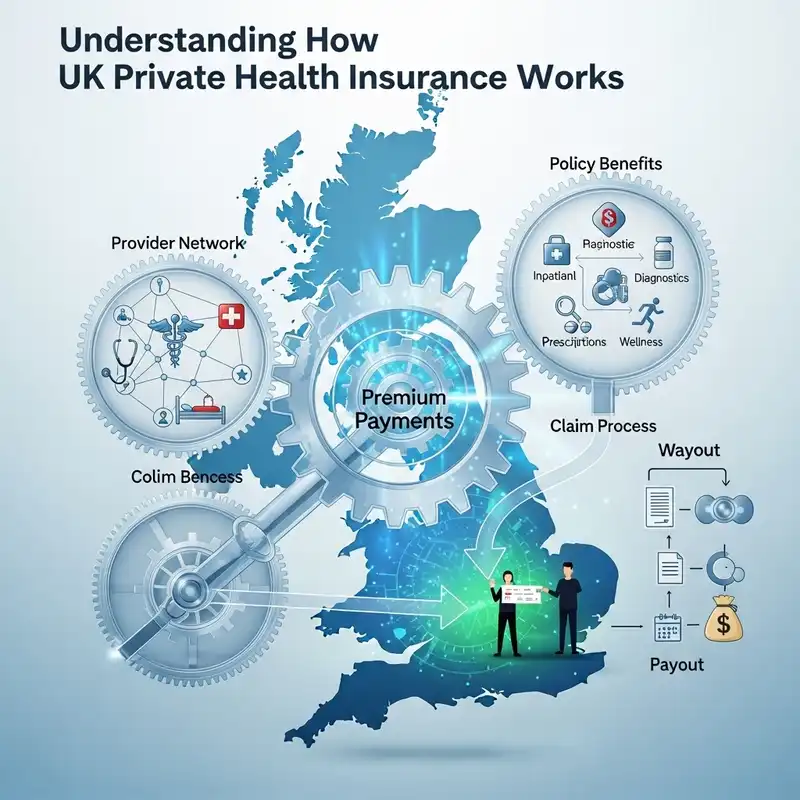
What is Private Medical Insurance?

Private medical insurance (PMI) is a type of health insurance that provides access to private healthcare services in the UK. It covers the cost of private medical treatment, allowing you to bypass NHS waiting lists and receive faster, more convenient care.

How does it work?

Private medical insurance works by paying for your private healthcare costs. When you need treatment, you can choose to go private and your insurance will cover the costs, subject to your policy terms and conditions. This can include:

• Private consultations with specialists
• Private hospital treatment and surgery
• Diagnostic tests and scans
• Physiotherapy and rehabilitation
• Mental health treatment

Your premium depends on factors like your age, health, occupation, and the level of cover you choose. Most policies offer different levels of cover, from basic to comprehensive, allowing you to tailor the policy to your needs and budget.

Questions to ask yourself regarding private medical insurance

Just ask yourself:
👉 Are you concerned about NHS waiting times for treatment?
👉 Would you prefer to choose your own consultant and hospital?
👉 Do you want faster access to diagnostic tests and scans?
👉 Would you like private hospital accommodation and better food?
👉 Do you want to avoid the stress of NHS waiting lists?

Many people don't realise that private medical insurance is more affordable than they think, especially when you consider the value of faster treatment and better facilities. A great insurance policy can provide peace of mind and ensure you receive the care you need when you need it.

Benefits offered by private medical insurance

Private medical insurance provides numerous benefits that can significantly improve your healthcare experience and outcomes:

Faster Access to Treatment
One of the biggest advantages is avoiding NHS waiting lists. While the NHS provides excellent care, waiting times can be lengthy. With private medical insurance, you can often receive treatment within days or weeks rather than months.

Choice of Consultant and Hospital
You can choose your preferred consultant and hospital, giving you more control over your healthcare journey. This is particularly important for complex treatments where you want a specific specialist.

Better Facilities and Accommodation
Private hospitals typically offer superior facilities, including private rooms, better food, and more comfortable surroundings. This can make your recovery more pleasant and potentially faster.

Advanced Treatments
Private medical insurance often covers treatments and medications not available on the NHS, giving you access to the latest medical advances and technologies.

Mental Health Support
Many policies include comprehensive mental health coverage, providing faster access to therapy and psychiatric care when needed.

Tax Benefits for Business Owners
If you're self-employed or a business owner, private medical insurance premiums can be tax-deductible, making it a cost-effective way to protect your health and your business.

Peace of Mind
Knowing you have access to private healthcare when you need it provides invaluable peace of mind, especially for those with ongoing health conditions or concerns about NHS capacity.

Private medical insurance is particularly valuable for those who want to take control of their healthcare journey and ensure they receive the best possible treatment when they need it most.

Important Fact!

There is no need to wait until the renewal of your current policy.
We can look at a more suitable option mid-term!

Why is it important to get private medical insurance early?

👉 Many people are very thankful that they had their private medical insurance cover in place before running into some serious health issues. Private medical insurance is as important as life insurance for protecting your family's finances.

👉 We insure our cars, houses, and even our phones! Yet our health is the most precious thing we have.

Easily one of the most important insurance purchases an individual or family can make in their lifetime, the decision to buy private medical insurance can be made much simpler with the help of FCA-authorised advisers. They are the specialists who do the searching and analysis helping people choose between various types of private medical insurance policies available in the market, including different levels of cover and policy types most suitable to the client's individual circumstances.

It certainly won't do any harm if you speak with one of our experienced insurance experts who are passionate about advising people on financial matters related to private medical insurance and are keen to provide you with a free consultation.

You can discuss with them in detail what affordable private medical insurance plan for the necessary peace of mind they would recommend! WeCovr works with some of the best advisers in the market.

By tapping the button below, you can book a free call with them in less than 30 seconds right now:

Our Group Is Proud To Have Issued 800,000+ Policies!

We've established collaboration agreements with leading insurance groups to create tailored coverage
Working with leading UK insurers
Allianz Logo
Ageas Logo
Covea Logo
AIG Logo
Zurich Logo
BUPA Logo
Aviva Logo
Axa Logo
Vitality Logo
Exeter Logo
WPA Logo
National Friendly Logo
General & Medical Logo
Legal & General Logo
ARAG Logo
Scottish Widows Logo
Metlife Logo
HSBC Logo
Guardian Logo
Royal London Logo
Cigna Logo
NIG Logo
CanadaLife Logo
TMHCC Logo

How It Works

1. Complete a brief form
Complete a brief form
2. Our experts analyse your information and find you best quotes
Experts discuss your quotes
3. Enjoy your protection!
Enjoy your protection

Any questions?

Life Insurance and Private Medical Insurance cover you for two different purposes, so you will need to assess your needs but may wish to consider holding the two policies. Private Medical Insurance covers you if you get sick or need treatment and want or need to go privately. Life Insurance covers you in the case of death, giving a payout to family/those left behind.

Health insurance covers conditions that develop after your policy starts. Pre-existing conditions are typically not covered, and insurers may exclude related issues. Some policies may cover symptoms of pre-existing conditions under specific circumstances. Always review your policy's exclusions. Coverage for pre-existing medical conditions may be available if you currently hold a medical insurance policy or are transitioning from a company scheme. However, if you have never had medical insurance before or if your policy is not active at the moment, pre-existing conditions will not be covered. This limitation exists because health insurance is primarily intended to protect against unexpected health issues. To simplify, it's akin to getting into a car accident and then trying to obtain insurance coverage afterward to repair the vehicle — insurance companies typically do not cover such claims. Nevertheless, there is an option to gain coverage for pre-existing conditions after a two-year waiting period, subject to specific rules and conditions.

If you prefer to get straight into treatment in the private sector without the long waiting times with the NHS, or you just prefer the private sector anyway, without having to pay it all yourself, then you would need to have Private Medical Insurance to cover it. Sometimes treatments and drugs that are not covered by the NHS can be covered by Private Medical Insurance.

It's free to use WeCovr to find health insurance - we never charge you for quotes. Health or private medical insurance is an investment that can pay for itself the first time you might need medical treatment.

It depends on your personal choice and preferences. If you are prepared to limit yourself to NHS-covered treatments only and can or want to endure long waiting times to get into treatment, then yes, NHS might work for you. Your cover there is free. If you don't want to be exposed to long waiting times or if your treatment is not covered by the NHS, then you would benefit from Private Medical Insurance.

Private Medical Insurance is an important financial product that insurance companies take a lot of care and diligence so speaking to real human beings ensures that they understand your requirements fully so that you can get the right cover.

All of our partners are carefully vetted and authorised by the FCA, which means they are held to the highest standards that the FCA expects from them and treat all customers fairly!

Our revenue comes from commissions paid by the insurance providers when a policy is taken out through us. Essentially, when you choose to secure a policy from one of the providers we work with, they compensate us for facilitating the transaction. It's important to note that this commission does not impact the premium you pay. We remain committed to providing transparent and unbiased quotes to help you find the best insurance options tailored to your needs.

The cost of private health insurance depends on several factors, including your age, location, smoking status, and the type of policy you choose. Your health insurance policy is tailored to your needs, and the cost can vary based on the level of cover you require, such as the amount of excess and specific treatment allowances.

Private health insurance covers you for conditions that arise after your policy begins. You pay a monthly fee and can make claims for private healthcare covered by your policy. One of the main benefits of private healthcare is quicker access to treatment compared to the NHS, along with access to new drugs or specialist treatments.

Most health insurance covers private hospital stays and may include outpatient treatments like scans, tests, or appointments. Policies vary in coverage, and exclusions often include emergency treatment, maternity care, cosmetic surgery, and ongoing conditions present before the policy started.

Unfortunately, you cannot pay extra to have a pre-existing condition covered as part of your health insurance policy. However, you have access to support from a nurse or digital GP. If you have questions about what is covered under your policy, please contact us for clarification.

Your health insurance policy begins once you've selected your policy and set up your payment. After setup, you'll receive your cover documents detailing what is and isn't covered. It's important to review these details carefully as policies differ.

An excess is the amount you contribute towards treatment when you make a claim. Choosing a higher excess can reduce your policy's monthly cost but requires a larger contribution when claiming. WeCovr's experts will offer you flexible excess options depending on your preferences.

To reduce health insurance costs, consider choosing a higher excess, which lowers the monthly premium. However, ensure the plan still meets your needs. Other factors affecting cost include lifestyle choices like smoking and potential savings for couples or family plans.

There is no age limit for taking out health insurance, but age influences the policy's cost. The benefits of health insurance are consistent regardless of age. If you're considering health insurance, you can get a quote from WeCovr's experts regardless of your age.

Let WeCovr's experts do the legwork for you and compare health insurance plans at no cost to you to find the best fit for your needs. Consider individual, couple, or family plans and review coverage details thoroughly before choosing. WeCovr provides transparent information on coverage options for easy comparison.

Yes, you can add your partner (if you live at the same address) or dependents to your policy at any time. The cost of couple's or family health insurance depends on factors like location, age, health, and chosen excess. Contact WeCovr or your insurer for assistance in adding someone to your policy.

While WeCovr's private health insurance plans are tailored for the UK, we offer global health insurance options for those living or working abroad. For holiday coverage, travel insurance is recommended.

Comprehensive cover provides extensive benefits, including full outpatient services such as consultations, diagnostic tests, physiotherapy, and mental health therapies. Our team at WeCovr can assist in understanding the various coverage levels available.

Private health insurance typically does not cover dental treatment. However, WeCovr's experts can guide you to dental insurance policies offered by our partner insurers. Reach out to us to explore these options.

Yes, private health insurance covers cancer treatment from diagnosis through treatment. At WeCovr, we can help you navigate the cancer cover options that suit your needs.

At WeCovr, you have flexibility in adjusting your cover. Speak to our experts within 21 days of receiving your paperwork or at policy renewal to make changes.

Accessing a private GP appointment is fast and convenient with WeCovr's services, available through your digital platform provided under your chosen insurance plan.

Yes, family members on the same policy can potentially have different levels of cover tailored to their individual needs.

WeCovr works with insurers offering a range of cover levels to accommodate different budgets and needs. Our experts can discuss these options with you.

Discovering healthcare facilities and specialists is easy with WeCovr's resources. Contact us for personalised assistance by tapping one of the buttons above or below and filling in a few details for personalised assistance.

Fee-assured consultants provides transparency and no hidden costs for clients.

WeCovr prioritises mental health support with comprehensive coverage and access to specialist advice and services.

Children up to a certain age can be included in your policy, and we offer discounts for family coverage.

Like most health insurance plans, premiums may increase annually due to factors such as age and medical cost inflation.

The cost of health insurance varies based on several factors. Connect with our experts by tapping a button below and get your own personalised quote.

Private health insurance offers quicker access to consultations, treatments, and personalised care compared to the NHS.

Yes, WeCovr's experts can guide you which health insurance plans include coverage for physiotherapy treatments.

Immediate access to certain services like our digital GP app is available upon enrolment.

You can obtain a range of suitable quotes easily by tapping one of the buttons above or below and filling in a few details for personalised assistance.

Health insurance covers new conditions that arise after the policy starts. Pre-existing conditions and certain exclusions may apply.

WeCovr's experts help you arrange health insurance that simplifies access to private healthcare services, including consultations and treatments.

Outpatient cover includes consultations, physiotherapy, and mental health therapies outside hospital admissions.

Yes, you can use your health insurance cover immediately. You have access to a nurse through your helpline and can consult with a GP using the digital GP app. If you need to make a claim right away, we may require a medical report from your GP. Health insurance is designed to cover new conditions that arise after the policy has started.

No, health insurance does not cover A&E (Accident and Emergency) visits. Private hospitals do not typically have the facilities for handling A&E cases. In case of an emergency, please dial 999 or use the NHS emergency services. However, if you require follow-up treatment after an emergency situation, your private medical insurance may be able to assist.

Yes, many insurers offer rewards in leisure, wellbeing, and health. Speak to WeCovr's experts or visit your insurer's website for more details on member rewards.

You may continue your cover or get another own personal policy. If you continue your cover, existing or ongoing medical conditions might be covered depending on the level of cover you choose. Contact our friendly experts to discuss your options and find the right option for you.

You can tap one of the buttons above or below and fill in a quick form to arrange a call with us to discuss your options.

Your cover may be similar but not identical. We will help you find the right level of cover that suits your needs, and ongoing medical conditions may be covered. Contact our friendly advisers to explore all available options.

No, the price won't be the same as before since employers often contribute to the cost of employee cover. Additionally, different cover levels and medical histories may affect the price. Contact WeCovr's experts for detailed information.

You have a few weeks or months from leaving your job to decide to continue with your insurer or change to another one. Your policy may start the day after you left your work policy, and our experts can guide you through other available options.

After leaving your job, contact WeCovr's experts with your leave date to discuss available options.

Yes, ongoing treatment may be covered on your new personal policy, although it could affect the price. Contact our experts for personalised advice on your options.

Details on paying excess fees will be provided when you contact your insurer for treatment authorisation.

No, there is no excess fee for utilising these services.

Excess adjustments can be made at specific intervals during your policy term.

No claims discounts can impact renewal costs based on claims history.

Pre-existing conditions typically aren't covered but can be discussed with our healthcare specialists.

This involves health-related questions before policy enrolment to determine coverage.

Moratorium underwriting simplifies enrolment but may require health disclosures during claims.

Claims may require additional information if under moratorium underwriting.

Pre-existing conditions refer to medical issues existing before policy inception. A pre-existing condition is anything you've previously had medical treatment for, such as diabetes, heart disease, or asthma. Most insurance providers consider any condition you've had symptoms or treatment for in the past five years as pre-existing. Our experts at WeCovr can help you understand how pre-existing conditions affect your policy options.

While some insurance providers automatically renew your private healthcare cover, it's beneficial to compare policies when yours is about to end. This ensures you're still getting the best deal for the coverage you need. Our experts at WeCovr can assist you in finding the right policy for you.

Typically, you must be over 18 to take out your own policy, but minors can usually be included in a family policy. There may also be an upper age limit for private health insurance, and premiums typically increase with age. Our experts at WeCovr can provide guidance on age-related policy aspects.

Paying for health insurance annually often results in savings compared to monthly payments. However, this depends on your insurance provider. For help determining the most cost-effective option, consider consulting our experts at WeCovr.

If your employer offers private health insurance as part of your benefits package, you likely don't need additional cover. However, there may be limits on the cover you receive, and it may not extend to your entire family. Remember, any insurance you get through work only covers you while you're employed there.

If you don't have pre-existing conditions, a medical exam is usually not required. You'll just need to complete a medical history form and select your level of cover. However, if you're older, have a pre-existing condition, or lead an unhealthy lifestyle, a medical exam may be necessary. Our experts at WeCovr can clarify the requirements of different policies.

Many private health insurance providers now offer GP services, either digitally or face-to-face. This means you can often get a private GP appointment quickly, sometimes even on the same day. Our experts at WeCovr can help you find policies that offer GP services.

With private health insurance, you can often secure a GP appointment much quicker than with traditional methods, sometimes even on the same day. Our experts at WeCovr can help you find policies that offer quick GP appointment services.

Inpatient care refers to any treatment requiring a stay in a hospital or clinic for at least one night. Outpatient care refers to treatments or tests that don't require hospital admission, such as minor diagnostic tests or physiotherapy sessions. Our experts at WeCovr can help you understand the different types of care and find a policy that suits your needs.

Private health insurance covers your medical treatment if you fall ill, while critical illness cover provides additional financial help if you develop one of the critical illnesses listed in the policy, such as covering loss of income if you're unable to work. For assistance in understanding the differences and finding the right coverage, consult our experts at WeCovr.

Health insurance policies are designed for cover in the UK. For cover abroad, consider travel insurance for short trips or international health insurance for longer stays or if you have a holiday home overseas. Our experts at WeCovr can guide you in finding the appropriate coverage for your travel needs.

If your employer provides health insurance, it's considered a 'benefit in kind' and is not tax deductible. Your employer should calculate the tax you owe for your health insurance premiums and deduct it from your pay. There are some exceptions for small companies. For more information on tax implications, consider reaching out to our experts at WeCovr.

When you purchase a policy, you choose how much excess you pay, which is your contribution to the cost of treatment if you make a claim. The higher your excess, the lower your premium is likely to be. Our experts at WeCovr can help you understand how excess works and choose the right level for you.

These are two methods of underwriting a health insurance policy, relating to how insurance providers consider your pre-existing medical conditions when you take out cover. For help understanding the differences and choosing the right option for you, consult our experts at WeCovr.

Some private health insurance providers offer a no-claims discount, similar to car insurance. Every year you don't make a claim gives you an extra year of no-claims discount, potentially reducing your premium when you renew. Our experts at WeCovr can help you find policies that offer no-claims discounts.

To find the best health insurance for you, compare various policies to find one that offers the features you need at a price you can afford. Consider your personal circumstances and what you want from your policy. Our experts at WeCovr can assist you in evaluating your options and selecting the right coverage for you.

If you need treatment, a GP referral is not always necessary. However, this depends on how you plan to pay for your treatment. Most hospitals will allow you to book appointments with a consultant without a GP referral if you are paying out-of-pocket. If you have private medical insurance, you'll need to check the terms of your policy to see whether your insurer requires you to consult with a GP first (most insurers do). Some policies offer a direct booking system without a referral for certain conditions, such as counseling for mental health issues.

Yes, you can obtain financing for a loan to cover the cost of surgery. Many private healthcare companies have partnerships with finance companies to allow you to spread the cost of private treatment over time. You could also explore getting an ordinary loan from your bank if this option proves to be more cost-effective for you.

WeCovr has conducted extensive research into the cost of private health insurance in the UK. Click the link to find out more detailed information.

Yes, you can continue to receive treatment through the NHS even if you have private health insurance and have received private treatment in the past. This could be for rehabilitation after private surgery or for treatment that is not covered by your health insurance policy. For example, some cosmetic surgeries may be available through the NHS but are generally not covered by private medical insurance.

This is a difficult question to answer definitively. There are certain services that cannot be obtained privately, such as emergency treatment at an Accident and Emergency (A&E) department. Many NHS consultants also practice privately, so you could potentially see the same consultant regardless of whether you choose private or public healthcare. However, private healthcare typically offers shorter waiting times, guaranteed private rooms, and more relaxed visiting hours. Additionally, you may have access to treatments and drugs that are not routinely available through the NHS.

Yes, you can self-refer to a private specialist without the need for a GP referral. However, the British Medical Association believes that in most cases, it is best practice to start with your GP, as they are familiar with your medical history.

Yes, if you have a health concern and pay for private tests and scans but cannot afford to have private surgery, you should be able to have your test results transferred to an NHS provider for treatment.


Learn more


...

Who Are WeCovr?

WeCovr is an insurance specialist for people valuing their peace of mind and a great service.

👍 WeCovr will help you get your private medical insurance, life insurance, critical illness insurance and others in no time thanks to our wonderful super-friendly experts ready to assist you every step of the way.

Just a quick and simple form and an easy conversation with one of our experts and your valuable insurance policy is in place for that needed peace of mind!

Important Information

Since 2011, WeCovr has helped thousands of individuals, families, and businesses protect what matters most. We make it easy to get quotes for life insurance, critical illness cover, private medical insurance, and a wide range of other insurance types. We also provide embedded insurance solutions tailored for business partners and platforms.

Political And Credit Risks Ltd is a registered company in England and Wales. Company Number: 07691072. Data Protection Register Number: ZA207579. Registered Office: 22-45 Old Castle Street, London, E1 7NY. WeCovr is a trading style of Political And Credit Risks Ltd. Political And Credit Risks Ltd is Authorised and Regulated by the Financial Conduct Authority and is on the Financial Services Register under number 735613.

About WeCovr

WeCovr is your trusted partner for comprehensive insurance solutions. We help families and individuals find the right protection for their needs.