TL;DR
As an FCA-authorised broker that has helped arrange over 900,000 policies, WeCovr understands the unique health risks facing athletes. This guide explores how private medical insurance in the UK provides a crucial safety net for cricket players, ensuring you can get back on the pitch faster after an injury.
Key takeaways
- Lower Back Pain & Stress Fractures: The repetitive action of fast bowling can lead to lumbar stress fractures (spondylolysis).
- Shoulder Injuries: Rotator cuff tears, impingement, and instability are common from throwing and bowling.
- Side Strains: Tears in the internal oblique muscles are frequent among bowlers due to forceful trunk rotation.
- Knee Injuries: Ligament sprains (like ACL tears) and cartilage damage can occur from sudden twisting movements while batting or fielding.
- Hamstring & Groin Strains: Common in all aspects of the game, from sprinting between the wickets to diving for a catch.
As an FCA-authorised broker that has helped arrange over 900,000 policies, WeCovr understands the unique health risks facing athletes. This guide explores how private medical insurance in the UK provides a crucial safety net for cricket players, ensuring you can get back on the pitch faster after an injury.
Affordable PMI for cricket professionals and club players
Whether you're a professional county cricketer facing the demands of a long season or a dedicated club player giving your all on a Saturday afternoon, your health is your most valuable asset. A sudden injury can mean weeks or months on the sidelines, impacting your career, your club's success, and your personal well-being.
While the NHS provides excellent emergency care, the waiting lists for diagnostics, specialist consultations, and non-urgent surgery can be lengthy. For a cricketer, this delay can be the difference between a swift recovery and a season-ending frustration.
This is where Private Medical Insurance (PMI) steps in. It's not a replacement for the NHS, but a complementary service designed to give you fast access to private healthcare when you need it most. This guide will walk you through everything you need to know about securing affordable and effective private health cover as a cricket player in the UK.
Why Cricket Players Should Consider Private Health Insurance
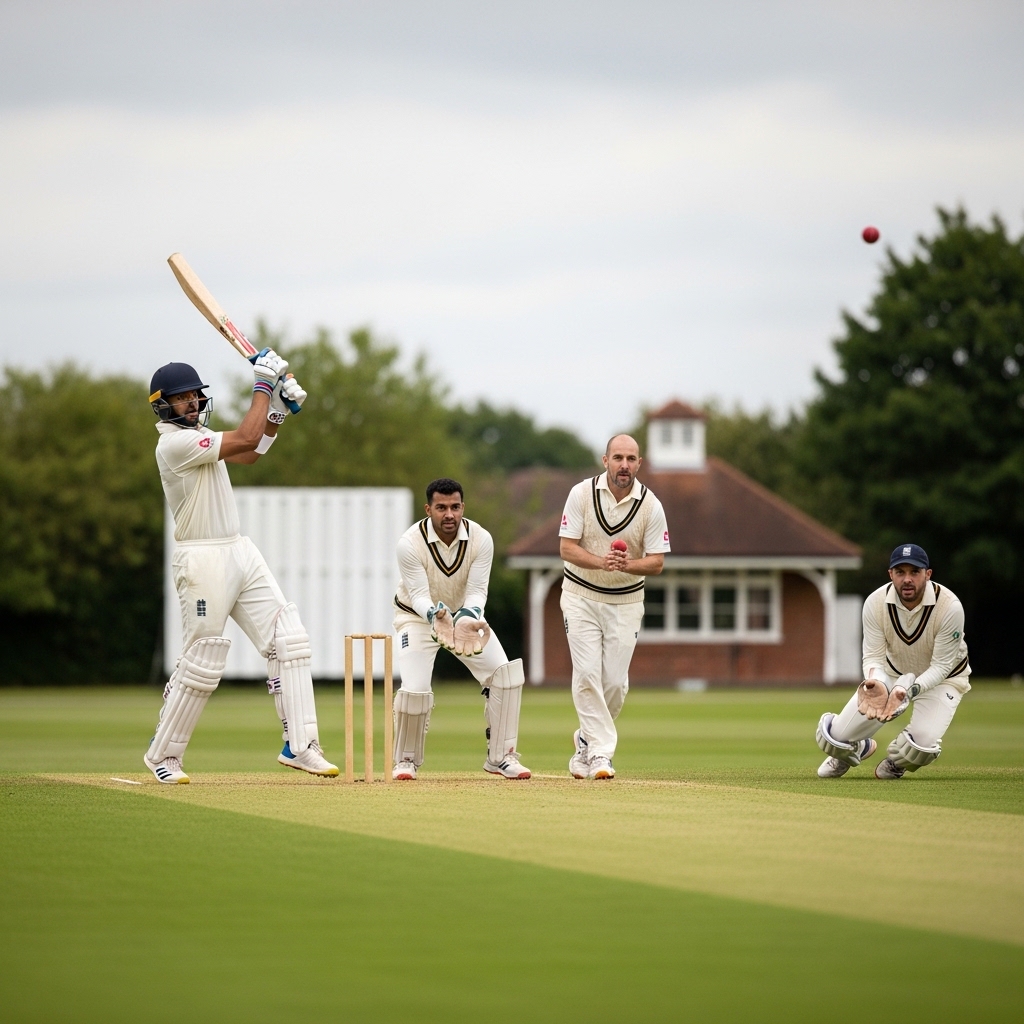
Cricket is a game of skill, strategy, and explosive athleticism. It involves sprinting, throwing, diving, and powerful rotational movements, all of which place significant stress on the body. This unique physical demand leads to a specific set of common injuries.
Common Cricket Injuries:
- Lower Back Pain & Stress Fractures: The repetitive action of fast bowling can lead to lumbar stress fractures (spondylolysis).
- Shoulder Injuries: Rotator cuff tears, impingement, and instability are common from throwing and bowling.
- Side Strains: Tears in the internal oblique muscles are frequent among bowlers due to forceful trunk rotation.
- Knee Injuries: Ligament sprains (like ACL tears) and cartilage damage can occur from sudden twisting movements while batting or fielding.
- Hamstring & Groin Strains: Common in all aspects of the game, from sprinting between the wickets to diving for a catch.
- Hand & Finger Fractures: Impact from the hard cricket ball is a constant risk for wicket-keepers and close fielders.
Waiting for treatment for these conditions on the NHS can be a test of patience. According to the latest NHS England data, the waiting list for consultant-led elective care stands at several million people. A significant number of these patients wait over 18 weeks, with some waiting over a year for treatment. For an athlete, this is simply too long.
Benefits of PMI for Cricketers:
- Speed of Access: Get a diagnosis from an MRI or CT scan within days, not months. See a specialist consultant within a week, not several.
- Choice of Specialist & Hospital: You can choose a leading orthopaedic surgeon or sports injury specialist and select a hospital that is convenient for you and has a reputation for excellence.
- Advanced Therapies: Gain quicker access to essential rehabilitation like physiotherapy, osteopathy, and chiropractic treatment to accelerate your recovery.
- Peace of Mind: Focus on your game, knowing that if an injury occurs, a plan is in place to get you the best possible care without delay.
Understanding the UK Health System: NHS vs. Private Care for Cricketers
It's vital to understand that PMI works alongside the NHS, not in place of it.
- The NHS remains your first port of call for all accidents and emergencies (A&E). If you suffer a serious fracture or head injury on the field, you will be treated by the NHS. It also handles your GP services.
- Private Medical Insurance covers acute conditions that arise after your policy begins. It's for the next steps: the diagnosis and treatment of non-emergency issues that could otherwise involve a long wait.
Here is a simple breakdown of how the two systems typically work for a cricketer with a knee injury.
| Scenario | NHS Pathway | Private Medical Insurance Pathway |
|---|---|---|
| Initial Injury | Visit your GP or A&E for initial assessment. | Visit your GP for a referral to a private specialist. |
| Waiting for Diagnosis | GP refers you to an NHS specialist. The wait can be many weeks or months. | Your GP refers you. You can often see a private specialist within a week. |
| Scans (MRI/CT) | You are placed on an NHS waiting list for the scan, which can take several more weeks. | The specialist refers you for a scan, often done within 48-72 hours. |
| Treatment Plan | After the scan results, you wait for a follow-up NHS consultation to discuss surgery or therapy. | You have a follow-up with your private specialist quickly to discuss results and plan treatment. |
| Surgery (e.g., ACL repair) | You are added to the NHS surgical waiting list, which can be the longest wait of all (months or even over a year). | Your surgery is scheduled at a private hospital within a few weeks. |
| Rehabilitation | Access to NHS physiotherapy may be limited in the number and frequency of sessions. | Your PMI policy can cover a comprehensive course of physiotherapy to get you back to match fitness. |
As you can see, the primary advantage of private health cover is speed and choice, which are invaluable for any athlete.
What Does Private Medical Insurance for Cricketers Typically Cover?
PMI policies are modular, meaning you can build a plan that suits your needs and budget. However, most policies are built around a core foundation of cover.
Core Cover (Usually included as standard):
- In-patient and day-patient treatment: This covers costs when you are admitted to a hospital for treatment, including surgery, accommodation, and nursing care.
- Specialist and surgeon fees: Fees for the professionals treating you in hospital.
- Cancer cover: Most policies offer extensive cancer treatment, including chemotherapy, radiotherapy, and surgery. This is often a major reason people take out PMI.
Optional Add-ons (Customise your policy):
- Out-patient cover: This is one of the most valuable additions for an athlete. It covers the costs of consultations and diagnostic tests that do not require a hospital stay. This is crucial for getting that initial quick diagnosis.
- Therapies cover: Covers treatments like physiotherapy, osteopathy, and chiropractic care, which are essential for recovering from sports injuries.
- Mental health cover: Provides access to counsellors, therapists, and psychiatrists to help with performance pressure, anxiety, or other mental health challenges.
- Dental and optical cover: A less common add-on, but can be useful for routine check-ups.
Critical Exclusions: Pre-existing and Chronic Conditions Explained
This is the most important concept to understand about private medical insurance UK. Standard policies are designed to cover acute conditions, not chronic or pre-existing ones.
- Acute Condition: A disease, illness, or injury that is likely to respond quickly to treatment and lead to a full recovery. A torn hamstring or a shoulder dislocation are examples of acute conditions.
- Chronic Condition: A disease, illness, or injury that has one or more of the following characteristics: it needs long-term monitoring, has no known cure, is likely to recur, or requires ongoing management. Examples include diabetes, asthma, or degenerative arthritis. The NHS is responsible for managing chronic conditions.
- Pre-existing Condition: Any illness or injury you have had symptoms of, or received advice or treatment for, in the years before your policy starts (typically the last 5 years). For example, if you had physiotherapy for a recurring back problem a year before taking out a policy, that specific back problem would likely be excluded.
Insurers handle pre-existing conditions through two main types of underwriting:
- Moratorium Underwriting: This is the most common type. You don't have to declare your full medical history upfront. The insurer will automatically exclude any condition you've had in the 5 years before your policy starts. However, if you go 2 full years on the policy without any symptoms, treatment, or advice for that condition, the insurer may agree to cover it in the future.
- Full Medical Underwriting (FMU): You provide your full medical history when you apply. The insurer then tells you exactly what is and isn't covered from day one. This provides more certainty but can be more complex to set up.
An expert PMI broker like WeCovr can help you understand which underwriting method is best for your personal circumstances.
How to Choose the Best PMI Policy for Your Cricket Career
With so many options, choosing the right private health cover can seem daunting. Here are the key factors to consider.
1. Level of Cover Think about what you realistically need.
- Basic: Covers in-patient treatment only. It’s a lower-cost option that protects you against the big costs of surgery but won't help with faster diagnosis.
- Mid-Range: Often includes a limited amount of out-patient cover (e.g., £1,000 for consultations and scans) plus core in-patient cover. This is a popular and balanced choice.
- Comprehensive: Covers everything – in-patient, full out-patient, therapies, and sometimes mental health. This is the best option for a professional or serious amateur athlete who wants complete peace of mind.
2. Hospital List Insurers have different lists of approved hospitals. These lists affect your premium. A policy with a list restricted to local private hospitals will be cheaper than one that gives you access to prime central London hospitals. Check that the hospitals near you are on the list.
3. Policy Excess The excess is the amount you agree to pay towards a claim. For example, if you have a £250 excess and your treatment costs £3,000, you pay the first £250 and the insurer pays the remaining £2,750. Choosing a higher excess (£250, £500, or £1,000) is one of the most effective ways to lower your monthly premium.
4. The '6-Week Option' This is a popular cost-saving feature. If you add this to your policy, it means that if the NHS can provide the in-patient treatment you need within 6 weeks, you will use the NHS. If the NHS waiting list is longer than 6 weeks, your private cover kicks in. This can significantly reduce your premium while still protecting you from long delays.
The Cost of Private Health Insurance for Cricket Players
The price of a PMI policy is highly individual. Insurers calculate your premium based on several risk factors.
Key Factors Influencing Your Premium:
- Age: The older you are, the higher the statistical likelihood of claiming, so premiums increase with age.
- Location: Healthcare costs vary across the UK. Living in or near London, for example, usually results in higher premiums.
- Level of Cover: A comprehensive policy will cost more than a basic one.
- Excess: A higher excess leads to a lower premium.
- Smoker Status: Smokers pay more than non-smokers.
- Occupation: While playing amateur cricket won't usually affect your premium, professional sport can. It's vital to be honest with your insurer.
To give you an idea, here are some illustrative examples of monthly premiums. These are not quotes and are for guidance only.
| Age | Profile | Location | Level of Cover | Estimated Monthly Premium |
|---|---|---|---|---|
| 25 | Non-smoker, Club Player | Manchester | Mid-Range with £250 excess | £45 - £65 |
| 35 | Non-smoker, Club Player | Bristol | Mid-Range with £250 excess | £60 - £85 |
| 28 | Non-smoker, Pro Cricketer | London | Comprehensive, low excess | £120 - £180+ |
| 40 | Non-smoker, Veteran Player | Birmingham | Basic with 6-week option | £55 - £75 |
The only way to know the true cost is to get a personalised quote based on your specific needs.
Top UK PMI Providers for Athletes and Cricketers
The UK PMI market is served by several excellent, well-established insurers. Each has its own strengths.
| Provider | Key Features & Focus |
|---|---|
| Bupa | One of the UK's largest and most recognised providers, with a vast network of hospitals and specialists. Known for comprehensive cancer cover. |
| Aviva | A major UK insurer offering flexible policies and a large hospital list. Their "Expert Select" hospital list can help manage costs. |
| AXA Health | Strong focus on customer service and digital tools. Offers a "Guided" option where they help select a specialist, which can reduce premiums. |
| Vitality | Unique in the market, Vitality rewards you for being healthy. You can earn points for activity (tracked via a smartwatch) to get discounts and rewards. This is very popular with active people. |
| The Exeter | A friendly society known for its straightforward policies and excellent customer service, often popular with the self-employed and older applicants. |
Comparing these providers and their dozens of policy variations can be time-consuming. This is where using an independent PMI broker is invaluable.
Beyond Insurance: Wellness and Injury Prevention for Cricketers
The best way to manage your health is to avoid injury in the first place. A good PMI policy is a safety net, but proactive wellness is your first line of defence.
- Nutrition and Hydration: Cricket matches can be long, especially multi-day games. Proper fuel is essential. Focus on complex carbohydrates for sustained energy, lean protein for muscle repair, and constant hydration to prevent fatigue and cramps.
- Strength & Conditioning: A tailored S&C programme is non-negotiable. Focus on building core strength to support your back during bowling and batting, as well as strengthening the muscles around the shoulders and knees to prevent injury.
- Flexibility and Mobility: Dynamic warm-ups before play and static stretching during your cool-down are vital. Yoga and Pilates can be excellent complementary activities to improve flexibility and reduce injury risk.
- Proper Technique: Poor bowling or batting technique is a leading cause of repetitive strain injuries. Work with a qualified coach to ensure your movements are as efficient and safe as possible.
- Sleep and Recovery: Sleep is when your body repairs itself. Aim for 8-9 hours of quality sleep per night, especially after a tough training session or match.
- Listen to Your Body: Don't play through pain. A small niggle can quickly become a serious injury if ignored. Use your PMI for a quick check-up if something doesn't feel right.
As part of our commitment to our clients' health, WeCovr provides complimentary access to our AI-powered calorie and nutrition tracking app, CalorieHero. It’s a great tool to help you stay on top of your dietary goals and fuel your performance on the pitch.
How WeCovr Helps Cricket Players Find the Right Cover
Navigating the private medical insurance market can be complex. As a specialist, FCA-authorised broker, WeCovr makes the process simple, transparent, and completely free for you.
- Independent, Expert Advice: We are not tied to any single insurer. Our goal is to find a strong fit for your needs for you from across the market.
- Market Comparison: We do the hard work for you, comparing policies from all the leading UK providers to find the right balance of cover and cost.
- Personalised Service: We take the time to understand your specific needs as a cricketer, whether you're a professional, semi-pro, or dedicated amateur.
- No Cost to You: Our service is paid for by the insurer you choose, so you get expert advice without paying a penny extra. In fact, we can often find better deals than if you went direct.
- High Customer Satisfaction: Our clients consistently rate our service highly on independent review websites for our friendly, clear, and efficient approach.
- Added Value: When you arrange a PMI or Life Insurance policy through us, we offer discounts on other types of cover, like home or travel insurance, and provide complimentary access to our CalorieHero app.
Do I need to declare that I play cricket to my insurer?
Is physiotherapy for a cricket injury covered by private health insurance?
What happens if I get injured while on a cricket tour abroad?
Your career and enjoyment of cricket depend on your physical fitness. Don't let an injury and a long waiting list keep you in the pavilion. Secure your health and get back in the game faster with the right private medical insurance.
Ready to protect your cricketing future? Contact WeCovr today for a free, no-obligation quote and let our experts find an appropriate level of cover for you.
Sources
- NHS England: Waiting times and referral-to-treatment statistics.
- Office for National Statistics (ONS): Health, mortality, and workforce data.
- NICE: Clinical guidance and technology appraisals.
- Care Quality Commission (CQC): Provider quality and inspection reports.
- UK Health Security Agency (UKHSA): Public health surveillance reports.
- Association of British Insurers (ABI): Health and protection market publications.
Disclaimer: This is general guidance only and does not constitute formal tax or financial advice. Tax treatment depends on individual circumstances, policy terms, and HMRC interpretation, which cannot be guaranteed in advance. Whenever applicable, businesses and individuals should always consult a qualified accountant or tax adviser before arranging such policies.
Start with your Protection Score, then decide whether private health cover is the right fit
Check where health access sits in your overall protection picture before deciding whether to compare private health cover.
Spot whether NHS access risk is the real issue
See if PMI is the gap to fix first
Get health insurance help only if it makes sense for you
Get your score
Start with your protection score
Check your current position first, then get health insurance help if you need it.
Check your current resilience
Score your income, health access and family protection position in a few minutes.
See where private cover helps
Understand whether faster diagnosis and treatment is a priority gap.
Continue to tailored PMI help
If health access is the issue, continue to tailored PMI help.
What you get
A quick view of your current protection position
A clearer idea of where the biggest gaps may be
A direct route to tailored help if you want it