TL;DR
As an FCA-authorised broker that has helped arrange over 900,000 policies, WeCovr understands the unique demands of sport on your body. This guide explores private medical insurance in the UK, designed specifically to help cricket players get back in the game faster after injury or illness.
Key takeaways
- Increase Your Excess: The excess is the amount you agree to pay towards a claim. For example, if you have an excess of 250 and your treatment costs 2,000, you pay the first 250 and the insurer pays the rest. Choosing a higher excess (500 or 1,000) can significantly reduce your monthly premium.
- Opt for the '6-Week Wait' Option: This is one of the most effective cost-saving measures. With this option, if the NHS can provide the treatment you need within six weeks of when it should take place, you will use the NHS. If the NHS wait is longer than six weeks, your private policy kicks in. As many sports injuries require prompt action, this option provides a fantastic safety net while dramatically lowering your premium.
- Select a Guided Hospital List: The best PMI providers offer a choice of hospital networks. A comprehensive list including prime central London hospitals is the most expensive. By choosing a more restricted list that still includes excellent hospitals near your home and work, you can achieve substantial savings.
- Group Schemes for Your Cricket Club: If you run or are part of a cricket club, a group PMI scheme can be a fantastic, cost-effective benefit for your members. Insuring a group is often cheaper per person than individual policies and may come with simpler underwriting.
- Use an Independent PMI Broker: This is the smartest way to shop for cover. An FCA-authorised broker like WeCovr compares the entire market on your behalf. We don't charge you for our service; we receive a commission from the insurer you choose. Our expertise ensures you find the most suitable cover at the best possible price, avoiding policies with hidden limitations.
As an FCA-authorised broker that has helped arrange over 900,000 policies, WeCovr understands the unique demands of sport on your body. This guide explores private medical insurance in the UK, designed specifically to help cricket players get back in the game faster after injury or illness.
Affordable PMI for cricket professionals and club players
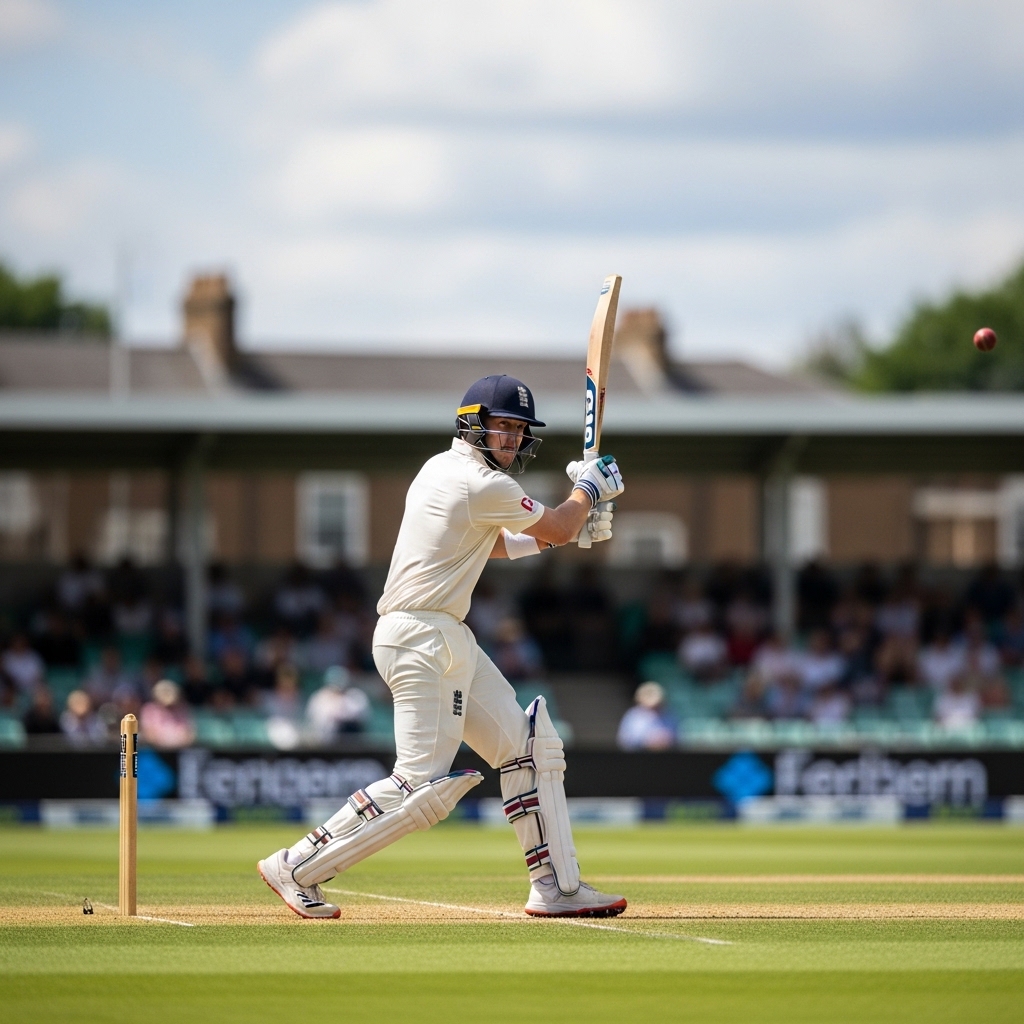
Whether you're a professional counting on your fitness for your livelihood, or a dedicated club player who lives for the weekend game, your health is your most valuable asset. The crack of leather on willow, the sprint for a quick single, the explosive delivery—cricket places immense strain on the body. An unexpected injury can mean weeks or months on the sidelines, waiting for diagnosis and treatment.
Private Medical Insurance (PMI) offers a powerful solution. It's not about replacing the NHS, which remains a cornerstone of UK healthcare. Instead, PMI works alongside it, giving you fast access to private specialists, diagnostics, and treatment for acute conditions. For a cricketer, this means bypassing lengthy waiting lists and getting a precise recovery plan, helping you return to the crease with confidence.
This comprehensive guide will walk you through everything you need to know about private health insurance for cricket players, from understanding common injuries to finding a policy that fits your budget and needs.
Why Cricket Players Need Specialist Health Insurance
From the village green to the professional county ground, cricketers are athletes. The sport's unique combination of explosive power, endurance, and repetitive motion makes players susceptible to a specific range of injuries.
The Physical Demands of the Game
Cricket might seem less physically intensive than rugby or football, but the demands are significant and highly specialised:
- Fast Bowlers: The violent, repetitive action of fast bowling places enormous stress on the lower back, shoulders, and side muscles. Stress fractures (spondylolysis) in the lumbar spine are a well-documented risk.
- Batsmen: Quick sprints between the wickets, powerful shots, and long periods of concentration can lead to hamstring strains, groin injuries, and wrist or hand problems.
- Wicketkeepers: The constant squatting position puts huge pressure on the knees and back, while diving for catches risks impact injuries to fingers, hands, and shoulders.
- Fielders: Sprinting, diving, and throwing from the boundary can cause rotator cuff injuries, elbow problems ("thrower's elbow"), and muscle tears.
Common Cricket Injuries and Their Impact
A study of injuries in cricket reveals a clear pattern. The most common issues include:
- Lower Back Pain & Stress Fractures: Particularly prevalent in young fast bowlers.
- Hamstring & Quadriceps Strains: Caused by explosive sprinting.
- Side Strains: Tears in the internal oblique muscles from the bowling action.
- Rotator Cuff Injuries: Damage to the group of muscles and tendons around the shoulder joint, common in bowlers and fielders.
- Finger & Hand Fractures: Impact injuries from the hard cricket ball.
- Knee Ligament & Cartilage Damage: From twisting movements and the wicketkeeper's squat.
The Challenge of NHS Waiting Times
While the NHS provides excellent emergency care, the waiting times for non-urgent diagnostics and treatment can be a significant hurdle for any athlete.
According to the latest NHS England statistics, the elective care waiting list remains substantial, with millions of treatment pathways waiting to be completed. The median wait time for non-urgent, consultant-led treatment can stretch into many weeks or even months.
| NHS Waiting List Snapshot (England) | Latest Available Data (Early 2024) |
|---|---|
| Total Waiting List | Over 7.5 million treatment pathways |
| Waiting over 18 weeks | Approximately 3.2 million |
| Median Waiting Time | Around 15 weeks |
Source: NHS England Consultant-led Referral to Treatment Waiting Times.
For a cricketer, a 15-week wait for an MRI scan and a subsequent wait for physiotherapy or surgery could mean missing an entire season. This is where private medical insurance UK becomes a game-changer, offering access to these services in a matter of days or weeks.
Understanding Private Medical Insurance (PMI) in the UK
Before diving into policy features, it's vital to grasp the fundamentals of how PMI works in the UK. It is designed for specific circumstances and doesn't cover everything.
What is PMI? The Acute vs. Chronic Distinction
Private Medical Insurance is designed to cover the diagnosis and treatment of acute conditions.
- An acute condition is a disease, illness, or injury that is likely to respond quickly to treatment and lead to a full recovery. A torn hamstring, a broken finger, or a shoulder dislocation are perfect examples for a cricketer.
- A chronic condition is a disease, illness, or injury that has one or more of the following characteristics: it needs long-term monitoring, has no known cure, requires ongoing management, or is likely to recur. Examples include diabetes, asthma, or arthritis.
Crucially, standard UK private health insurance does not cover chronic conditions. It is designed to get you back to the state of health you were in before the acute problem arose.
The Golden Rule: Pre-existing Conditions Are Not Covered
This is the most important concept to understand. PMI is for new, eligible medical conditions that arise after your policy has started. Any health condition or related symptom you had before taking out cover is considered a pre-existing condition and will be excluded from cover.
Insurers use two main methods to handle this, known as underwriting.
| Underwriting Type | How It Works | Best For |
|---|---|---|
| Moratorium | You don't declare your full medical history upfront. The policy automatically excludes any condition you've had symptoms, treatment, or advice for in the 5 years before joining. However, if you go for 2 continuous years on the policy without needing treatment or advice for that condition, it may become eligible for cover. | People who want a quick, simple application and have had no recent medical issues. |
| Full Medical Underwriting (FMU) | You complete a detailed health questionnaire, declaring your entire medical history. The insurer then assesses this and lists specific, permanent exclusions on your policy from the start. For example, if you had a significant knee injury 3 years ago, they would permanently exclude your knee from cover. | People who want complete certainty about what is and isn't covered from day one, and those with a more complex medical history. |
Choosing the right underwriting is a key decision. An expert broker, like our team at WeCovr, can explain the pros and cons for your personal situation.
Key PMI Features for Cricketers to Look For
When tailoring a policy, cricketers should prioritise benefits that target musculoskeletal injuries and swift rehabilitation.
- Fast-Track Diagnostics: This is perhaps the most valuable benefit. A policy should provide prompt access to MRI, CT, and X-ray scans. A quick, accurate diagnosis is the first step to a proper recovery plan, preventing you from playing on an injury and making it worse.
- Comprehensive Therapy and Rehabilitation: Check the limits on physiotherapy, osteopathy, and chiropractic treatment. A basic policy might offer limited sessions, but for sports injuries, you may need a more extensive course of treatment. Look for policies with a generous outpatient limit or a specific therapy benefit.
- Outpatient Cover: This covers consultations and tests that don't require a hospital bed. It's essential for seeing a specialist (like an orthopaedic surgeon) quickly after your GP referral, and for any diagnostic tests they recommend. Policies come with different levels of outpatient cover, from a set monetary limit (e.g., £1,000) to fully comprehensive cover.
- Choice of Specialist and Hospital: PMI gives you control. You can choose a consultant who specialises in sports injuries and a hospital that is convenient for you and has an excellent reputation for orthopaedics.
- Surgical Procedures: If your injury requires an operation (e.g., to repair a knee ligament or shoulder tendon), your policy will cover the costs, including surgeon, anaesthetist, and hospital fees.
- Mental Health Support: The pressure to perform, combined with the frustration of being injured, can take a toll. Many modern PMI policies now include access to mental health support, from counselling sessions to digital therapy apps.
How to Make PMI Affordable for Cricket Players
A common myth is that private health cover is prohibitively expensive. In reality, there are several ways to tailor a policy to make it highly affordable, even for an amateur club player.
- Increase Your Excess: The excess is the amount you agree to pay towards a claim. For example, if you have an excess of £250 and your treatment costs £2,000, you pay the first £250 and the insurer pays the rest. Choosing a higher excess (£500 or £1,000) can significantly reduce your monthly premium.
- Opt for the '6-Week Wait' Option: This is one of the most effective cost-saving measures. With this option, if the NHS can provide the treatment you need within six weeks of when it should take place, you will use the NHS. If the NHS wait is longer than six weeks, your private policy kicks in. As many sports injuries require prompt action, this option provides a fantastic safety net while dramatically lowering your premium.
- Select a Guided Hospital List: The best PMI providers offer a choice of hospital networks. A comprehensive list including prime central London hospitals is the most expensive. By choosing a more restricted list that still includes excellent hospitals near your home and work, you can achieve substantial savings.
- Group Schemes for Your Cricket Club: If you run or are part of a cricket club, a group PMI scheme can be a fantastic, cost-effective benefit for your members. Insuring a group is often cheaper per person than individual policies and may come with simpler underwriting.
- Use an Independent PMI Broker: This is the smartest way to shop for cover. An FCA-authorised broker like WeCovr compares the entire market on your behalf. We don't charge you for our service; we receive a commission from the insurer you choose. Our expertise ensures you find the most suitable cover at the best possible price, avoiding policies with hidden limitations.
Comparing Top UK PMI Providers for Cricketers
The UK market is home to several outstanding insurers, each with unique strengths. A broker can help you navigate these options, but here is a brief overview.
| Provider | Key Benefits for Athletes | Unique Features |
|---|---|---|
| Bupa | Extensive network of hospitals and recognised consultants. Strong focus on direct access services for certain conditions, potentially bypassing a GP referral. | Long-established brand with a reputation for comprehensive cover. Their "Bupa Direct Access" service can speed up diagnosis for cancer, mental health, and musculoskeletal issues. |
| Aviva | Often praised for strong core cover and value for money. Their 'Expert Select' option guides you to a curated list of high-quality specialists. | Good digital tools and a clear, straightforward approach to policy documents. Their 'BacktoBetter' programme provides specialist case management for musculoskeletal problems. |
| AXA Health | Strong emphasis on digital healthcare with their "Doctor at Hand" virtual GP service. Excellent mental health support pathways are often included as standard. | Flexible policy options and a commitment to customer service. Their 'Fast Track Appointments' service helps members see a specialist quickly. |
| Vitality | Uniquely integrates health insurance with a wellness programme. Actively rewards you for being healthy with discounts and benefits from partners like Apple and Waitrose. | Highly engaging for active people. You earn points for walking, running, and gym visits, which can reduce your premium at renewal. Ideal for cricketers who are already training regularly. |
Disclaimer: This table is for illustrative purposes. The best PMI provider for you depends entirely on your personal circumstances, budget, and health needs.
Beyond Insurance: A Holistic Approach to a Cricketer's Health
While insurance is a crucial safety net for when things go wrong, the best strategy is always prevention and holistic health management.
Nutrition for Performance and Recovery
What you eat directly impacts your energy on the field and how quickly you recover.
- Hydration: Dehydration can reduce performance by up to 30%. Sip water regularly throughout the day, not just during a match.
- Carbohydrates: Fuel your innings with complex carbs like wholemeal bread, oats, and brown rice.
- Protein: Essential for muscle repair after a long spell of bowling or a tough fielding session. Aim for lean sources like chicken, fish, eggs, and legumes.
- Anti-inflammatory Foods: Foods rich in Omega-3 (like salmon and walnuts) and antioxidants (like berries and leafy greens) can help manage inflammation from intense exercise.
To help you manage your nutrition, WeCovr provides complimentary access to our AI-powered calorie and nutrition tracking app, CalorieHero, for all our health and life insurance clients.
The Power of Sleep and Conditioning
- Sleep: This is when your body does most of its repair work. Aim for 7-9 hours of quality sleep per night. Lack of sleep is directly linked to an increased risk of injury.
- Strength & Conditioning: A tailored fitness programme can significantly reduce your injury risk. Focus on:
- Core Strength: A strong core protects your lower back during the bowling and batting actions.
- Rotator Cuff Exercises: Use light resistance bands to strengthen the small muscles around your shoulder.
- Mobility and Flexibility: Dynamic stretching before play and static stretching afterwards maintains muscle health.
WeCovr: Your Partner in Health
We believe in providing holistic value. When you arrange a PMI or life insurance policy through us, not only do you get expert advice and access to CalorieHero, but you also receive discounts on other types of cover you might need, such as travel insurance for that overseas tour or income protection. Our high customer satisfaction ratings reflect our commitment to supporting our clients' long-term wellbeing.
The Process of Getting Your PMI Policy
Getting covered is a straightforward process when you have an expert guide.
- Assess Your Needs: Think about your budget, the level of cover you want (e.g., diagnostics only, full treatment), and any specific concerns you have as a cricketer.
- Speak to WeCovr: Contact our friendly, expert team. We'll have a jargon-free chat to understand you and your requirements. There's no cost and no obligation.
- Compare Personalised Quotes: We will research the market and present you with a shortlist of the most suitable policies from the UK's leading insurers, explaining the key differences.
- Choose Your Policy: Once you're happy with an option, we will help you complete the application, ensuring you understand the underwriting process and all the policy details.
- You're Covered: After a short cooling-off period, your policy is active, giving you peace of mind for the season ahead.
Do I need to declare that I play cricket to my health insurer?
Is physiotherapy for a cricket injury covered by a basic PMI policy?
What happens if I get injured while on a cricket tour abroad?
Can my cricket club arrange a group private health insurance policy?
Protect Your Season and Your Health
Don't let an injury put you on the sidelines, waiting and wondering. Private Medical Insurance gives you the power to take control of your health, access specialist care quickly, and get back to the sport you love.
Ready to find the right cover for your needs and budget? Contact WeCovr today for a free, no-obligation quote. Our expert advisors will compare the UK's leading insurers to find a policy that protects you, on and off the pitch.
Sources
- NHS England: Waiting times and referral-to-treatment statistics.
- Office for National Statistics (ONS): Health, mortality, and workforce data.
- NICE: Clinical guidance and technology appraisals.
- Care Quality Commission (CQC): Provider quality and inspection reports.
- UK Health Security Agency (UKHSA): Public health surveillance reports.
- Association of British Insurers (ABI): Health and protection market publications.
Disclaimer: This is general guidance only and does not constitute formal tax or financial advice. Tax treatment depends on individual circumstances, policy terms, and HMRC interpretation, which cannot be guaranteed in advance. Whenever applicable, businesses and individuals should always consult a qualified accountant or tax adviser before arranging such policies.
Start with your Protection Score, then decide whether private health cover is the right fit
Check where health access sits in your overall protection picture before deciding whether to compare private health cover.
Spot whether NHS access risk is the real issue
See if PMI is the gap to fix first
Get health insurance help only if it makes sense for you
Get your score
Start with your protection score
Check your current position first, then get health insurance help if you need it.
Check your current resilience
Score your income, health access and family protection position in a few minutes.
See where private cover helps
Understand whether faster diagnosis and treatment is a priority gap.
Continue to tailored PMI help
If health access is the issue, continue to tailored PMI help.
What you get
A quick view of your current protection position
A clearer idea of where the biggest gaps may be
A direct route to tailored help if you want it