TL;DR
As an FCA-authorised broker that has helped arrange over 900,000 policies, WeCovr provides expert guidance on private medical insurance for hotel staff across the UK. This article explores how tailored private health cover can offer you peace of mind and fast access to treatment, bypassing long NHS waiting lists.
Key takeaways
- In-patient and Day-patient Treatment: This covers costs if you need to be admitted to a hospital for treatment.
- In-patient: You are admitted to a hospital bed overnight or longer.
- Day-patient: You are admitted for a procedure but do not need to stay overnight (e.g., minor surgery like cataract removal).
- This includes hospital fees, specialist and surgeon fees, and diagnostic tests like MRI or CT scans while you are admitted.
As an FCA-authorised broker that has helped arrange over 900,000 policies, WeCovr provides expert guidance on private medical insurance for hotel staff across the UK. This article explores how tailored private health cover can offer you peace of mind and fast access to treatment, bypassing long NHS waiting lists.
Cover designed for hospitality professionals
The hospitality industry is the backbone of the UK's service economy, built on the hard work and dedication of millions of professionals. From front-of-house managers and concierges to chefs, housekeepers, and maintenance staff, your role is demanding. It often involves long, unsociable hours, physically strenuous tasks, and high-pressure situations, all while maintaining a smile for your guests.
This relentless pace can take its toll on your physical and mental wellbeing. When health issues arise, the last thing you need is a long wait for diagnosis or treatment. This is where private medical insurance (PMI) becomes an invaluable asset, not just a perk. It’s a tool designed to get you back on your feet—and back to providing exceptional service—as quickly as possible.
This guide will walk you through everything you need to know about private health insurance for hotel staff in the UK, from what it covers to how you can find a policy that fits your budget and lifestyle.
Why Hotel Staff Should Consider Private Health Insurance
The unique demands of a career in hospitality make you particularly vulnerable to certain health challenges. Understanding these risks highlights why having a private health plan is a smart move.
The Physical and Mental Toll of Hotel Work
Working in a hotel is far from a typical 9-to-5 desk job. The environment presents a specific set of health risks:
- Physical Strain: Housekeeping, porterage, and kitchen roles involve repetitive movements, heavy lifting, and long periods of standing. This can lead to musculoskeletal issues like back pain, joint problems, and repetitive strain injury (RSI).
- Long and Irregular Hours: Shift work, including late nights and early mornings, disrupts your body's natural sleep-wake cycle (circadian rhythm). Poor sleep is linked to a weakened immune system, increased stress, and a higher risk of accidents.
- High-Stress Environment: Dealing with demanding guests, managing bookings, and ensuring seamless service creates constant pressure. According to the Office for National Statistics (ONS), the accommodation and food service activities industry consistently reports high rates of work-related stress, depression, or anxiety.
- Increased Risk of Illness: Working in a bustling public environment exposes you to a wide variety of germs, increasing your chances of catching common illnesses.
The Reality of NHS Waiting Times
The NHS is a national treasure, providing incredible care to millions. However, it is currently facing unprecedented demand. For non-urgent conditions, this can mean lengthy waits for diagnosis and treatment.
According to the latest data from NHS England, the median waiting time for consultant-led elective care can be several months. As of mid-2025, millions of people are on the waiting list for routine treatments.
For a hotel worker, a long wait isn't just an inconvenience; it can mean:
- Loss of Income: If you're unable to work due to pain or immobility, Statutory Sick Pay may not be enough to cover your bills.
- Career Disruption: A prolonged absence can affect your role, responsibilities, and even job security.
- Deteriorating Health: A condition that could be resolved quickly might worsen over time, leading to more complex treatment later.
Private medical insurance provides a direct route to bypass these queues, allowing you to schedule appointments and procedures at a time and place that suits you.
Understanding the UK Healthcare Landscape: NHS vs. Private
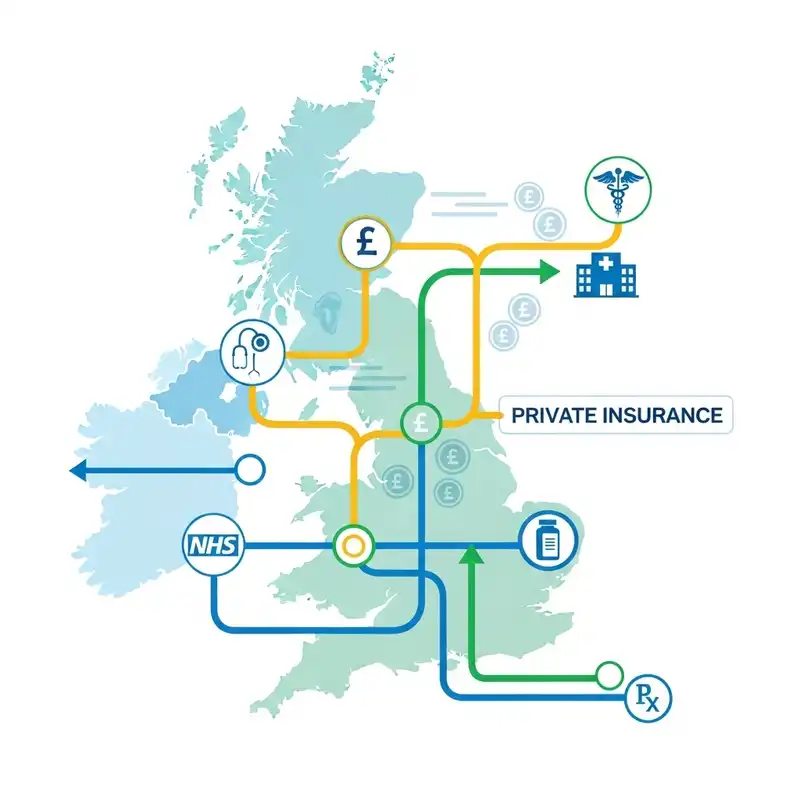
It's crucial to understand that private medical insurance is designed to work alongside the NHS, not replace it.
- The NHS remains your first port of call for emergencies (like a heart attack or serious accident), managing long-term chronic conditions, and routine GP appointments.
- Private Medical Insurance is for the diagnosis and treatment of acute conditions – illnesses or injuries that are likely to respond quickly to treatment and return you to your previous state of health.
Here’s a simple comparison:
| Feature | The NHS | Private Medical Insurance (PMI) |
|---|---|---|
| Cost | Free at the point of use (funded by taxes) | Paid for via monthly or annual premiums |
| Access | Access based on medical need; subject to waiting lists | Fast access to specialists and treatment |
| Emergencies | The primary provider for all A&E care | Does not cover emergency treatment |
| Choice | Limited choice of hospital and specialist | Greater choice of specialists and hospitals |
| Facilities | Often on a shared ward | Typically a private, en-suite room |
| Appointments | Standard appointment times | More flexible appointment scheduling |
| Conditions Covered | All eligible conditions, including chronic | Acute conditions that arise after the policy starts |
Think of PMI as your health fast-track. You’ll still use your NHS GP for an initial consultation, but if they refer you for further tests or treatment, you can use your private cover to be seen in a matter of days or weeks, not months.
What Does Private Medical Insurance for Hotel Staff Cover?
A typical private health cover policy is built around a core set of benefits, with the option to add more comprehensive cover.
Core Cover: The Essentials
Most standard PMI policies will include:
-
In-patient and Day-patient Treatment: This covers costs if you need to be admitted to a hospital for treatment.
- In-patient: You are admitted to a hospital bed overnight or longer.
- Day-patient: You are admitted for a procedure but do not need to stay overnight (e.g., minor surgery like cataract removal).
- This includes hospital fees, specialist and surgeon fees, and diagnostic tests like MRI or CT scans while you are admitted.
-
Comprehensive Cancer Cover: This is a cornerstone of most policies and often one of the main reasons people take out cover. It can include:
- Access to specialist cancer surgeons and oncologists.
- Chemotherapy, radiotherapy, and biological therapies.
- Access to new or experimental drugs not yet available on the NHS.
- Palliative care and monitoring.
-
Mental Health Support: Insurers now recognise the importance of mental wellbeing, especially in high-stress jobs. Many policies offer:
- Access to counsellors, therapists, or psychiatrists.
- Cover for in-patient or day-patient psychiatric treatment.
- Digital mental health support services and helplines.
Optional Add-ons for Enhanced Cover
You can tailor your policy by adding optional extras:
-
Out-patient Cover: This is one of the most valuable add-ons. It covers diagnostic tests and consultations that do not require a hospital admission.
- Specialist consultations (e.g., with a cardiologist or dermatologist).
- Diagnostic scans and tests (MRIs, CT scans, X-rays).
- Without this, you would need to rely on the NHS for diagnosis before your private cover for treatment could begin.
-
Therapies Cover: Highly relevant for physically demanding hotel roles, this covers treatments like:
- Physiotherapy
- Osteopathy
- Chiropractic treatment
-
Dental and Optical Cover: This can help with the costs of routine check-ups, dental treatments, and prescription glasses or contact lenses.
Crucial Exclusions: What PMI Does Not Cover
This is one of the most important sections to understand. Private medical insurance is not a "cover-all" solution. Insurers are very clear about what is excluded to keep premiums affordable.
The Golden Rule: PMI is for new, acute conditions that arise after your policy begins.
Key exclusions always include:
- Pre-existing Conditions: Any illness, disease, or injury you have had symptoms of, received advice for, or been treated for before the start of your policy. For example, if you have a history of knee pain, treatment for that specific knee issue would likely be excluded.
- Chronic Conditions: Long-term illnesses that cannot be cured but can be managed. This includes conditions like diabetes, asthma, high blood pressure, and arthritis. The NHS will continue to manage these for you.
- Emergencies: Anything that requires A&E, such as a road accident, broken bones, or a suspected heart attack.
- Cosmetic Surgery: Procedures that are for aesthetic reasons rather than medical necessity.
- Normal Pregnancy and Childbirth: Though complications of pregnancy may be covered by some policies.
- Self-inflicted Injuries: Including those related to substance abuse.
An expert PMI broker like WeCovr can help you navigate the small print of each policy to ensure you fully understand what is and isn’t included.
Tailoring Your Policy: How to Customise Your Cover and Control Costs
You have several levers to pull to design a policy that gives you the right level of protection without breaking the bank.
1. Choose Your Underwriting Method
Underwriting is how an insurer assesses your medical history to decide what they will cover.
- Moratorium Underwriting: This is the most common and simplest option. You don't need to declare your full medical history upfront. Instead, the insurer will generally exclude any condition you've had in the five years before your policy started. However, if you go two full years on the policy without any symptoms, treatment, or advice for that condition, it may become eligible for cover.
- Full Medical Underwriting (FMU): You complete a detailed health questionnaire. The insurer reviews your medical history and tells you exactly what is excluded from day one. This provides more certainty but can be more time-consuming.
2. Select Your Hospital List
Insurers group hospitals into tiers, which affects your premium.
| Hospital List Tier | Description | Impact on Premium | Best For |
|---|---|---|---|
| Local/Regional | Access to a list of hospitals in your local area. | Lowest Cost | Those on a tight budget or happy with local options. |
| National | Access to a wide network of private hospitals across the UK. | Medium Cost | Those who want flexibility and choice nationwide. |
| London / Premium | Includes top-tier, high-cost hospitals, often in Central London. | Highest Cost | Those wanting access to leading specialists and facilities. |
3. Set Your Excess Level
An excess is the amount you agree to pay towards a claim. For example, if you have a £250 excess and your treatment costs £2,000, you pay the first £250, and the insurer pays the remaining £1,750. A higher excess will lower your monthly premium.
4. Consider the "6-Week Option"
This is a clever way to reduce your premium. With this option, your PMI will only kick in if the NHS waiting list for the treatment you need is longer than six weeks. If you can be seen on the NHS within six weeks, you use the NHS. This ensures you are never left waiting long but saves you money.
The Cost of Private Health Insurance for Hotel Staff
The price of a policy is highly personal. It depends on several factors:
- Age: Premiums increase as you get older.
- Location: Living in areas with higher treatment costs (like London) can increase premiums.
- Lifestyle: Smokers will pay more than non-smokers.
- Level of Cover: The more comprehensive your policy, the higher the cost.
Here are some illustrative examples of monthly premiums for a non-smoker working in the hospitality sector. These are for guidance only.
| Age | Basic Cover (Core + £500 excess) | Comprehensive Cover (Out-patient, Therapies, £250 excess) |
|---|---|---|
| 25 | £30 - £45 | £55 - £70 |
| 35 | £40 - £55 | £70 - £90 |
| 45 | £55 - £75 | £95 - £125 |
| 55 | £80 - £110 | £140 - £180 |
The best way to get an accurate figure is to compare quotes from different providers. A specialist broker can do this for you, ensuring you find the best value.
Benefits for Hotel Employers: Group Schemes for Your Team
For hotel owners and operators, offering private medical insurance as a staff benefit is a powerful strategic tool. A group PMI scheme can be surprisingly affordable and delivers a significant return on investment.
Benefits for the Employer:
- Reduced Sickness Absence: Fast access to treatment means staff return to work quicker, minimising disruption and lost productivity.
- Enhanced Staff Retention and Recruitment: In a competitive job market, a quality benefits package makes you an employer of choice. It shows you value your team's wellbeing.
- Improved Morale and Loyalty: Staff feel valued and cared for, leading to a more positive and productive work environment.
- Fulfilling Duty of Care: Proactively supporting employee health demonstrates responsible leadership.
Group schemes can often be set up with more favourable terms than individual policies, sometimes even covering certain pre-existing conditions, depending on the scheme's size and type of underwriting.
Spotlight on Wellness: More Than Just Treatment
Modern private health cover is no longer just about paying for hospital bills. The best PMI providers now include a wealth of proactive wellness benefits designed to keep you healthy.
These often include:
- 24/7 Virtual GP: Speak to a GP via phone or video call at any time, day or night. This is perfect for hotel staff working unsociable hours who can't easily get to a clinic.
- Wellness and Reward Programmes: Providers like Vitality incentivise healthy living with rewards like free coffee, cinema tickets, and discounts on smartwatches for staying active.
- Mental Health Helplines: Confidential access to trained counsellors to discuss stress, anxiety, or any other concerns.
- Gym and Fitness Discounts: Money off memberships at leading UK gym chains.
- Health and Nutrition Advice: Access to expert guidance on diet and lifestyle.
At WeCovr, we enhance this further. When you arrange a policy with us, you get complimentary access to our AI-powered calorie and nutrition tracking app, CalorieHero, to help you manage your diet effectively. Furthermore, our clients often receive discounts on other insurance products, such as life or income protection insurance, providing a holistic approach to your financial and physical security.
How WeCovr Helps Hospitality Professionals Find the Right Cover
Navigating the private medical insurance UK market can be complex. The terminology can be confusing, and with so many providers, it's hard to know where to start. This is where an independent broker like WeCovr comes in.
As an FCA-authorised broker with high customer satisfaction ratings, our role is to act as your expert guide.
- We Listen: We take the time to understand your specific needs, your job role, your health concerns, and your budget.
- We Compare the Market: We have access to policies from all the leading UK insurers, including some that aren't available directly to the public. We compare them on your behalf.
- We Provide Impartial Advice: We explain the pros and cons of each policy in plain English, helping you understand the key differences in cover, benefits, and exclusions.
- We Save You Money: Our service is free to you. We are paid a commission by the insurer you choose, but this does not affect the price you pay. Our goal is to find you the best possible cover for your budget.
- We Help at Claim Time: Should you need to make a claim, we are here to offer guidance and support.
Leading UK Private Health Insurance Providers
We work with all the major insurers in the UK. Each has its own strengths:
| Provider | Key Strengths & Features | Ideal For |
|---|---|---|
| Bupa | Strong brand recognition, extensive hospital network, excellent mental health support. | Those looking for a trusted name with comprehensive cover options. |
| AXA Health | Flexible policies, excellent digital tools (like their Doctor@Hand service), strong focus on muscular and skeletal health. | Tech-savvy individuals and those concerned about physical strain. |
| Aviva | Clear and straightforward policies, good value, offers the "6-week option" as standard on many plans. | Budget-conscious buyers looking for solid, no-fuss cover. |
| Vitality | Unique wellness programme that rewards healthy living with discounts and benefits. | Active individuals who want to be incentivised for their healthy habits. |
Practical Health & Wellness Tips for Hotel Staff
While insurance is your safety net, prevention is always the best medicine. Here are some tips to stay healthy while working in the hospitality industry.
- Protect Your Body: Pay attention to manual handling training. Use proper lifting techniques, bend your knees, and ask for help with heavy items. Take short breaks to stretch your back, neck, and shoulders.
- Prioritise Sleep: If you work shifts, try to create a consistent sleep routine. Make your bedroom dark, quiet, and cool. Avoid caffeine and heavy meals close to bedtime.
- Fuel Your Body: It's easy to grab quick, processed food during a busy shift. Plan ahead and bring healthy snacks like fruit, nuts, or yoghurt. Stay hydrated with water throughout your shift.
- Manage Stress: Find what works for you. It could be a 10-minute walk on your break, deep breathing exercises, listening to music, or talking to a trusted colleague or manager. Don't let stress build up.
- Look After Your Feet: You spend hours on your feet. Invest in comfortable, supportive, non-slip footwear. It's not a luxury; it's essential equipment for your job.
By combining these healthy habits with the security of a robust private medical insurance policy, you can build a long, successful, and healthy career in the hotel industry.
What is the difference between an acute and a chronic condition for health insurance?
Will my private medical insurance premium go up every year?
Can I add my family to my private health insurance policy?
Ready to secure your health and peace of mind?
Don't let health worries disrupt your career. Take control with a private medical insurance policy designed for you.
Sources
- NHS England: Waiting times and referral-to-treatment statistics.
- Office for National Statistics (ONS): Health, mortality, and workforce data.
- NICE: Clinical guidance and technology appraisals.
- Care Quality Commission (CQC): Provider quality and inspection reports.
- UK Health Security Agency (UKHSA): Public health surveillance reports.
- Association of British Insurers (ABI): Health and protection market publications.
Disclaimer: This is general guidance only and does not constitute formal tax or financial advice. Tax treatment depends on individual circumstances, policy terms, and HMRC interpretation, which cannot be guaranteed in advance. Whenever applicable, businesses and individuals should always consult a qualified accountant or tax adviser before arranging such policies.
Start with your Protection Score, then decide whether private health cover is the right fit
Check where health access sits in your overall protection picture before deciding whether to compare private health cover.
Spot whether NHS access risk is the real issue
See if PMI is the gap to fix first
Get health insurance help only if it makes sense for you
Get your score
Start with your protection score
Check your current position first, then get health insurance help if you need it.
Check your current resilience
Score your income, health access and family protection position in a few minutes.
See where private cover helps
Understand whether faster diagnosis and treatment is a priority gap.
Continue to tailored PMI help
If health access is the issue, continue to tailored PMI help.
What you get
A quick view of your current protection position
A clearer idea of where the biggest gaps may be
A direct route to tailored help if you want it