TL;DR
As an FCA-authorised expert with over 900,000 policies issued, WeCovr understands the unique pressures of frontline work. This guide explores how private medical insurance in the UK can provide vital support for paramedics, ensuring you get the rapid care you deserve when you need it most.
Key takeaways
- Outpatient Mental Health Cover: This is essential. It covers your initial consultations and ongoing therapy sessions. Check the financial limitsome policies offer unlimited cover, while others have a cap.
- In-patient Care: For more severe conditions, ensure the policy covers stays in a private psychiatric hospital.
- Digital Tools: Many insurers now offer access to mental health apps, online CBT courses, and 24/7 support lines. These can be a fantastic first port of call for managing stress.
- We Listen: We take the time to understand your specific needs as a paramedic, your budget, and what's most important to youwhether it's mental health support, physio cover, or keeping costs down.
- We Compare: We use our expertise and market knowledge to compare policies from all the leading UK insurers, finding the ones that offer the best value and the most relevant benefits for you.
As an FCA-authorised expert with over 900,000 policies issued, WeCovr understands the unique pressures of frontline work. This guide explores how private medical insurance in the UK can provide vital support for paramedics, ensuring you get the rapid care you deserve when you need it most.
Health cover designed for emergency responders needing rapid treatment
As a paramedic, you are the backbone of our emergency services. You work long, gruelling hours under immense pressure, often putting your own physical and mental wellbeing on the line to care for others. The irony is that while you provide immediate care, you may face significant delays when seeking treatment for yourself through standard channels.
The physical demands of lifting patients, contorting in tight spaces, and the constant high-stress environment can lead to musculoskeletal injuries, burnout, and mental health challenges. Waiting weeks or months for diagnosis and treatment isn't just an inconvenience; it can affect your ability to work, your financial stability, and your overall quality of life.
This is where private medical insurance (PMI) comes in. It's a health plan you pay for that works alongside the NHS to give you fast access to high-quality private healthcare for acute conditions. For a paramedic, this means getting back on your feet—and back in the ambulance—sooner.
Understanding the Unique Health Risks for Paramedics
The role of a paramedic is uniquely challenging, carrying specific health risks that often go beyond those of a typical nine-to-five job. Recognising these risks is the first step in understanding why a robust health plan is so essential.
1. Musculoskeletal Injuries (MSIs) The most common physical complaints among paramedics stem from the job's sheer physicality.
- Lifting and Carrying: Repeatedly lifting patients and heavy equipment, often in awkward positions, puts immense strain on the back, shoulders, and knees.
- Repetitive Strain: Actions like performing CPR or carrying bags can lead to repetitive strain injuries in the wrists and elbows.
- Working in Confined Spaces: Attending to patients in cramped environments, such as a crashed vehicle or a narrow hallway, forces you into unnatural positions that can cause injury over time.
According to data from the Health and Safety Executive (HSE), the 'human health and social work activities' sector consistently reports high rates of work-related musculoskeletal disorders.
2. Mental Health Strain The psychological toll of being a first responder is significant.
- Post-Traumatic Stress Disorder (PTSD): Regular exposure to traumatic incidents, violence, and death is a known cause of PTSD. A 2022 study by King's College London highlighted that UK paramedics report clinically significant symptoms of PTSD at a much higher rate than the general public.
- Burnout and Compassion Fatigue: The combination of long shifts, high-pressure decision-making, and emotional intensity can lead to severe burnout.
- Anxiety and Depression: The weight of responsibility and the nature of the work can contribute to higher rates of anxiety and depression.
3. Shift Work and Sleep Disruption Irregular shift patterns disrupt the body's natural circadian rhythm, which can have cascading effects on health:
- Impaired Immune System: Poor sleep weakens your body's ability to fight off infections.
- Increased Risk of Chronic Illness: Long-term sleep disruption is linked to a higher risk of conditions like heart disease, diabetes, and obesity.
- Cognitive Decline: Fatigue can impair judgement and reaction times, which is critical in an emergency role.
4. Exposure to Infectious Diseases Paramedics are on the frontline of public health, putting them at a higher risk of exposure to colds, flu, and more serious communicable diseases. While PPE helps, the risk is ever-present.
Having private health insurance provides a safety net specifically tailored to these risks, ensuring that when a problem arises, you can bypass lengthy queues and get the expert care needed to recover fully.
What is Private Medical Insurance (PMI) and How Does It Work?
Private Medical Insurance, often called private health cover, is an insurance policy that covers the cost of private healthcare for eligible conditions. Think of it as a way to access a parallel healthcare system when you need non-emergency treatment.
It’s crucial to understand what PMI is for—and what it isn't.
PMI is designed to cover acute conditions. An acute condition is a disease, illness, or injury that is likely to respond quickly to treatment and return you to your previous state of health. Examples include joint pain needing a hip replacement, cataracts requiring surgery, or hernias needing repair.
The Golden Rule: Pre-existing and Chronic Conditions
This is the most important concept to grasp: standard UK private health insurance does not cover pre-existing or chronic conditions.
- Pre-existing Condition: Any illness, disease, or injury you have had symptoms of, or received advice or treatment for, before your policy starts.
- Chronic Condition: A condition that is ongoing, long-term, and cannot be cured—only managed. Examples include diabetes, asthma, high blood pressure, and Crohn's disease.
The NHS remains the best and only place for managing chronic conditions and handling life-threatening emergencies. PMI is your partner for everything in between.
The Patient Journey with PMI
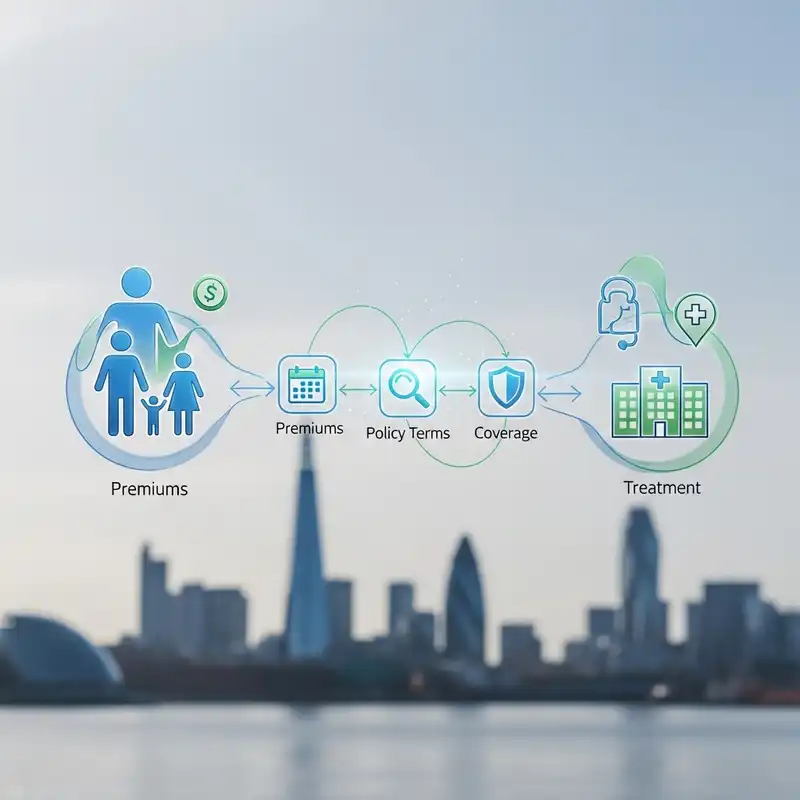
The process is typically straightforward:
- You feel unwell or get injured: You visit your NHS GP as usual. Your PMI policy does not replace your need for a GP.
- GP Referral: If your GP believes you need to see a specialist, they will write you a referral letter. Instead of being placed on an NHS waiting list, you can ask for a private referral.
- Contact Your Insurer: You call your PMI provider with the details of the referral. They will check your policy to ensure you are covered for the condition and authorise the treatment.
- Private Treatment: You book an appointment with a private specialist at a time and hospital convenient for you. Your insurer pays the hospital and specialist directly, minus any excess you’ve chosen.
Key Benefits of Private Health Insurance for Paramedics
For someone in a physically and mentally demanding role, the benefits of PMI are not just about comfort—they are about career longevity and quality of life.
1. Rapid Access to Treatment and Diagnosis
This is the number one reason people buy private health cover. NHS waiting lists for elective treatment remain a significant challenge. According to the latest NHS England data, the median waiting time for consultant-led treatment was around 15 weeks in late 2024, with millions of people waiting for care. For a paramedic with a bad back or a knee injury, a four-month wait could mean being on light duties or off work entirely, impacting both your income and your team. With PMI, you can often be seen by a specialist and start treatment within weeks.
2. Choice and Control
PMI gives you control over your healthcare journey.
- Choice of Specialist: You can research and choose a leading consultant for your specific condition.
- Choice of Hospital: You can select a hospital from your insurer's approved list, choosing one that is convenient for you and has a strong reputation.
- Choice of Timing: You can schedule appointments and surgery at times that fit around your life and work commitments, rather than having to accept the first available NHS slot.
3. Comprehensive Mental Health Support
Given the high rates of mental health issues among first responders, this is a critical benefit. Most comprehensive PMI policies offer excellent mental health cover that is often far quicker to access than NHS services.
This can include:
- Access to a network of counsellors, therapists, and psychologists.
- Cover for talking therapies like Cognitive Behavioural Therapy (CBT).
- Consultations with private psychiatrists.
- In-patient and day-patient care at private mental health facilities.
4. Comfort and Privacy
Recovering from treatment is easier when you are comfortable. Private hospitals typically offer:
- A private en-suite room.
- More flexible visiting hours for family and friends.
- Better food choices and other amenities.
This comfortable environment can significantly improve your recovery experience and reduce the stress associated with a hospital stay.
5. Access to Advanced Treatments and Drugs
In some cases, PMI policies provide access to specialist drugs, treatments, or procedures that may not be available on the NHS due to cost or being too new for approval by the National Institute for Health and Care Excellence (NICE).
Choosing the Right Private Health Insurance Policy
The UK private medical insurance market is vast, with many providers and policy options. It can feel overwhelming, but understanding the key components will help you make an informed choice. A specialist PMI broker like WeCovr can guide you through this process at no cost, comparing the market to find a policy that fits your needs as a paramedic.
Levels of Cover
Policies are generally categorised into three tiers:
| Level of Cover | What It Typically Includes | Best For |
|---|---|---|
| Basic | In-patient and day-patient treatment only. Limited or no outpatient cover. | Someone on a tight budget who wants cover for major surgical procedures. |
| Mid-Range | In-patient/day-patient cover plus a set limit for outpatient diagnostics and consultations (e.g., £1,000). | A good balance of cover and cost. The most popular choice for many. |
| Comprehensive | Full cover for in-patient, day-patient, and outpatient treatment. Often includes therapies and more extensive mental health cover. | Someone who wants maximum peace of mind and minimal financial shortfalls. |
Key Jargon Explained
-
Underwriting: This is how an insurer assesses your medical history to decide what they will and won't cover.
- Moratorium (MORI): The most common type. The insurer automatically excludes any condition you've had in the 5 years before the policy started. However, if you go 2 full years on the policy without any symptoms, treatment, or advice for that condition, it may become eligible for cover. It's simple and quick.
- Full Medical Underwriting (FMU): You complete a detailed health questionnaire. The insurer reviews your medical history and explicitly lists what is excluded from day one. It takes longer but provides complete clarity on what isn't covered.
-
Excess: This is the amount you agree to pay towards a claim each year. For example, if you have a £250 excess and your treatment costs £3,000, you pay the first £250 and the insurer pays the rest. Choosing a higher excess will lower your monthly premium.
-
Hospital List: Insurers have lists of approved hospitals. A policy with a limited list (e.g., excluding central London hospitals) will be cheaper than one with a comprehensive nationwide list.
-
The 6-Week Wait Option: A popular way to reduce costs. If the NHS can provide the in-patient treatment you need within 6 weeks of when it's required, you agree to use the NHS. If the wait is longer than 6 weeks, your private cover kicks in.
Spotlight on Mental Health Cover for Paramedics
The conversation around mental health in the emergency services has never been more important. Private health insurance has evolved to offer robust support that can be life-changing for paramedics struggling with the psychological impact of their job.
While the NHS provides mental health services, waiting times for therapies can be long. When you're struggling with symptoms of PTSD, anxiety, or burnout, rapid access to support is crucial for recovery and preventing the condition from worsening.
What to Look For in a Policy:
- Outpatient Mental Health Cover: This is essential. It covers your initial consultations and ongoing therapy sessions. Check the financial limit—some policies offer unlimited cover, while others have a cap.
- In-patient Care: For more severe conditions, ensure the policy covers stays in a private psychiatric hospital.
- Digital Tools: Many insurers now offer access to mental health apps, online CBT courses, and 24/7 support lines. These can be a fantastic first port of call for managing stress.
When comparing policies, pay close attention to the mental health benefits. It's one of the most valuable aspects of a PMI plan for any emergency responder.
Wellness Programmes: More Than Just Insurance
Modern private medical insurance UK providers are increasingly focused on proactive health, not just reactive treatment. Many of the best PMI providers offer wellness programmes designed to reward you for living a healthy lifestyle.
For a paramedic, whose health is their most valuable asset, these benefits can be incredibly useful.
| Provider Example | Wellness Programme & Rewards |
|---|---|
| Vitality | Rewards members for being active (tracking steps, gym visits) with weekly cinema tickets, free coffee, and significant discounts on Apple Watches and gym memberships. |
| Aviva | Offers discounts on gym memberships and access to health and wellbeing resources through their app. |
| Bupa | Provides a range of health information, a 24/7 remote GP service, and support lines for everyday health concerns. |
| AXA Health | Includes access to a 24/7 online GP service, a dedicated cancer support line, and a health and wellbeing hub. |
These programmes help you manage stress, stay physically fit, and take control of your health—all of which are vital for a long and successful career as a paramedic.
As a WeCovr client, you also get complimentary access to our AI-powered calorie and nutrition tracking app, CalorieHero, helping you manage your diet effectively around demanding shifts. Furthermore, clients who purchase private health or life insurance often qualify for discounts on other types of cover, such as home or travel insurance.
How WeCovr Can Help Paramedics Find an appropriate level of cover
Navigating the world of private health insurance can be complex. As an independent, FCA-authorised PMI broker, WeCovr's role is to make it simple.
We are not tied to any single insurer. Our loyalty is to you, the client.
- We Listen: We take the time to understand your specific needs as a paramedic, your budget, and what's most important to you—whether it's mental health support, physio cover, or keeping costs down.
- We Compare: We use our expertise and market knowledge to compare policies from all the leading UK insurers, finding the ones that offer the best value and the most relevant benefits for you.
- We Explain: We cut through the jargon and explain the pros and cons of each option in plain English, so you can make a confident decision.
- We Support: Our service doesn't stop once you've bought a policy. We're here to help at renewal or if you have questions about making a claim.
Best of all, our expert advice and comparison service is completely free for you. We are paid a commission by the insurer you choose, which doesn't affect the price you pay. Our high customer satisfaction ratings reflect our commitment to finding the right cover for every client.
Do I need to declare my job as a paramedic when applying for PMI?
Will private health insurance cover injuries I get at work?
Are chronic conditions like asthma or diabetes covered by PMI?
Can I add my family to my private health insurance policy?
Your health is your most important asset. Don't leave it to chance. Take the first step towards protecting your wellbeing and your career today.
Contact WeCovr for a free, no-obligation quote and let our expert team find the right private health cover for you.
Sources
- NHS England: Waiting times and referral-to-treatment statistics.
- Office for National Statistics (ONS): Health, mortality, and workforce data.
- NICE: Clinical guidance and technology appraisals.
- Care Quality Commission (CQC): Provider quality and inspection reports.
- UK Health Security Agency (UKHSA): Public health surveillance reports.
- Association of British Insurers (ABI): Health and protection market publications.
Disclaimer: This is general guidance only and does not constitute formal tax or financial advice. Tax treatment depends on individual circumstances, policy terms, and HMRC interpretation, which cannot be guaranteed in advance. Whenever applicable, businesses and individuals should always consult a qualified accountant or tax adviser before arranging such policies.
Start with your Protection Score, then decide whether private health cover is the right fit
Check where health access sits in your overall protection picture before deciding whether to compare private health cover.
Spot whether NHS access risk is the real issue
See if PMI is the gap to fix first
Get health insurance help only if it makes sense for you
Get your score
Start with your protection score
Check your current position first, then get health insurance help if you need it.
Check your current resilience
Score your income, health access and family protection position in a few minutes.
See where private cover helps
Understand whether faster diagnosis and treatment is a priority gap.
Continue to tailored PMI help
If health access is the issue, continue to tailored PMI help.
What you get
A quick view of your current protection position
A clearer idea of where the biggest gaps may be
A direct route to tailored help if you want it