TL;DR
As an FCA-authorised expert broker that has helped arrange over 900,000 policies, WeCovr understands the unique health challenges facing UK tradespeople. This guide explores private medical insurance (PMI) specifically for smart meter installers, explaining how it can safeguard your health and your livelihood.
Key takeaways
- You feel unwell or get injured. Your first port of call is usually your NHS GP.
- You get a referral. If your GP recommends further tests or a consultation with a specialist, you contact your insurance provider.
- Your insurer authorises the claim. They will check that your policy covers the condition and proposed treatment.
- You receive private treatment. You can book an appointment with a specialist at a private hospital, often within days.
- The bill is settled. Your insurance company pays the hospital and specialists directly, minus any excess you've agreed to pay.
As an FCA-authorised expert broker that has helped arrange over 900,000 policies, WeCovr understands the unique health challenges facing UK tradespeople. This guide explores private medical insurance (PMI) specifically for smart meter installers, explaining how it can safeguard your health and your livelihood.
Affordable PMI for field utility engineers
Being a smart meter installer is a physically demanding role. You're constantly on the move, driving between appointments, carrying equipment, and working in tight spaces. This active job keeps you fit but also exposes you to a higher risk of musculoskeletal injuries, strains, and accidents.
In a profession where your physical health is directly tied to your ability to earn, long waits for medical treatment can be devastating. With NHS waiting lists in England standing at a staggering 7.54 million treatment pathways as of early 2025, according to NHS England data, an unexpected injury could mean months off work and a significant loss of income.
This is where private medical insurance (PMI) becomes an invaluable tool. It's not a luxury; for a field utility engineer, it's a practical way to ensure you can get back on your feet and back to work as quickly as possible. Affordable PMI plans are designed to provide rapid access to diagnosis and treatment, bypassing the queues and protecting your financial stability.
What is Private Medical Insurance and How Does It Work?
In simple terms, private medical insurance is a policy you pay for monthly or annually that covers the cost of private healthcare for specific conditions.
Think of it as a safety net for your health. If you develop a new medical issue after your policy starts, your PMI is designed to help you get diagnosed and treated quickly in a private facility.
The process is straightforward:
- You feel unwell or get injured. Your first port of call is usually your NHS GP.
- You get a referral. If your GP recommends further tests or a consultation with a specialist, you contact your insurance provider.
- Your insurer authorises the claim. They will check that your policy covers the condition and proposed treatment.
- You receive private treatment. You can book an appointment with a specialist at a private hospital, often within days.
- The bill is settled. Your insurance company pays the hospital and specialists directly, minus any excess you've agreed to pay.
The Crucial Rule: Acute vs. Chronic Conditions
It is vital to understand a fundamental principle of all standard UK private medical insurance:
- PMI covers acute conditions. An acute condition is a disease, illness, or injury that is likely to respond quickly to treatment and lead to a full recovery (e.g., a broken bone, cataracts, a hernia).
- PMI does not cover chronic conditions. A chronic condition is an illness that cannot be cured and needs long-term management (e.g., diabetes, asthma, high blood pressure, arthritis).
- PMI does not cover pre-existing conditions. This refers to any illness or injury for which you have experienced symptoms, received medication, or sought advice before your policy began.
Your PMI policy is there for new, unexpected health problems that can be resolved, getting you back to full health.
Key Benefits of PMI for Smart Meter Installers
For someone whose job depends on being physically present and capable, the advantages of private health cover are particularly compelling.
1. Bypass NHS Waiting Lists
The most significant benefit is speed. Instead of waiting weeks or months for an MRI scan or a consultation, you could be seen in a matter of days. For a smart meter installer with a bad back, this means the difference between a swift recovery and a prolonged period of pain and lost earnings.
2. Prompt Access to Diagnosis and Treatment
Quick diagnosis leads to quick treatment. PMI allows you to see a specialist without delay, get the necessary scans (like MRI or CT), and proceed to surgery or therapy far faster than might otherwise be possible.
Real-Life Example: David, a 35-year-old smart meter installer, develops a sharp pain in his knee after a day of working in awkward positions. His GP suspects a torn meniscus. Through the NHS, the wait for an MRI scan is 8 weeks. With his PMI policy, he gets a scan the same week, sees an orthopaedic surgeon a few days later, and has keyhole surgery booked for the following week. He's back at work (on light duties initially) within a month, rather than waiting months just for a diagnosis.
3. Choice and Control
PMI gives you more control over your healthcare. You can often choose:
- The specialist or surgeon who treats you.
- The hospital where you receive treatment (from a list provided by your insurer).
- The timing of your appointments and procedures, allowing you to fit them around your work schedule.
4. Comfortable, Private Facilities
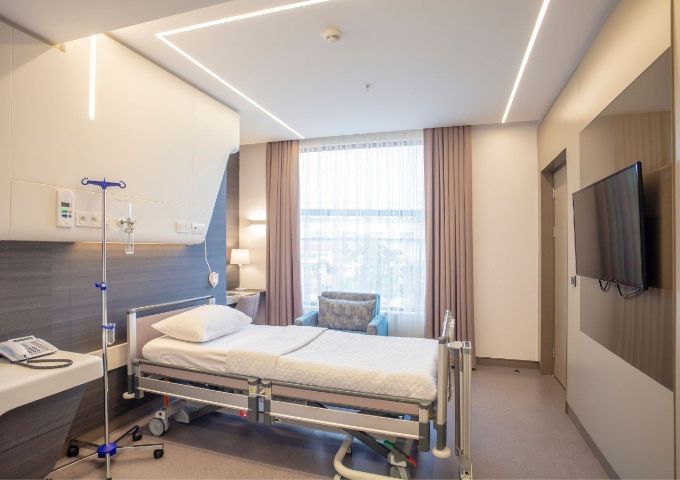
Recovering in a private hospital typically means having your own room, an en-suite bathroom, better food options, and more flexible visiting hours. This comfortable and peaceful environment can significantly aid your recovery, reducing stress and helping you get the rest you need.
5. Access to Specialist Drugs and Therapies
Some advanced cancer drugs or specialised treatments may not be routinely available on the NHS due to funding decisions by the National Institute for Health and Care Excellence (NICE). Many comprehensive PMI policies provide access to these treatments, offering you more options when you need them most.
The Physical Demands of a Smart Meter Engineer: Common Health Risks
Your job involves a unique set of physical challenges. Understanding these risks helps to see where a private health insurance UK policy can provide the most value.
| Health Risk | Common Causes for Installers | How PMI Can Help |
|---|---|---|
| Musculoskeletal Issues | Kneeling, bending, lifting equipment, repetitive hand/wrist movements with tools. | Rapid access to physiotherapy, osteopathy, and chiropractors to treat back pain, knee strain, and repetitive strain injury (RSI). |
| Joint & Back Pain | Long hours driving, sitting in a van, carrying toolkits, poor posture when working. | Quick diagnostic scans (MRI/CT) to identify the root cause of pain, followed by specialist consultations and potential surgery. |
| Accidents & Injuries | Slips, trips, or falls at customer properties; minor cuts or sprains on the job. | Fast-track access to private urgent care centres (on some policies) or immediate specialist assessment for injuries like fractures or sprains. |
| Mental Health Strain | Pressure to meet installation targets, dealing with difficult customers, long and lonely hours on the road. | Access to mental health support, including counselling and therapy sessions, often with a low or no excess. |
How to Choose the Right PMI Policy: A Step-by-Step Guide
Navigating the private medical insurance market can seem complex, but it breaks down into a few key choices. An expert broker like WeCovr can guide you through this process, ensuring you get the right cover without paying for features you don't need.
Step 1: Assess Your Needs and Budget
Your a strong fit for your needs is a balance between the level of cover you want and what you can comfortably afford. Consider:
- What is your main concern? Is it getting rapid access to physio for potential work injuries, or comprehensive cancer cover?
- What is your monthly budget? Premiums can range from £30 to over £100 per month, depending on age, location, and cover level.
Step 2: Understand the Levels of Cover
PMI policies are usually offered in three main tiers.
| Level of Cover | What It Typically Includes | Best For |
|---|---|---|
| Basic (Entry-Level) | Covers in-patient and day-patient treatment. This means costs are covered if you are admitted to a hospital bed for surgery or a procedure. Out-patient costs are not included. | Installers on a tight budget who want protection against the cost of major surgery but are happy to use the NHS for initial diagnosis. |
| Mid-Range | Includes everything in a basic policy, plus a set limit for out-patient cover. This covers specialist consultations, diagnostic tests, and scans needed before you are admitted to hospital. | A good all-round option, providing comprehensive cover from diagnosis through to treatment. This is the most popular choice. |
| Comprehensive | Includes full in-patient and out-patient cover, often with higher limits. Also adds extra benefits like therapy cover (physio, osteopathy), mental health support, and sometimes dental and optical cover. | Those who want the most complete peace of mind, with cover for a wide range of therapies and health issues. |
Step 3: Customise Your Policy to Manage Costs
You can tailor your policy to bring the premium down. Key options include:
- Excess: This is the amount you agree to pay towards a claim each year. A higher excess (e.g., £250 or £500) will significantly lower your monthly premium.
- Hospital List: Insurers have tiered hospital lists. Choosing a list that excludes expensive central London hospitals can reduce your premium. As a field engineer, a list covering your local private hospitals is often sufficient.
- The 6-Week Option: This is a popular cost-saving feature. If the NHS can provide the in-patient treatment you need within six weeks of when it's recommended, you agree to use the NHS. If the wait is longer, your private cover kicks in. This can reduce premiums by up to 30%.
Step 4: Choose Your Underwriting
This is how the insurer assesses your medical history.
- Moratorium (Mori): This is the most common and simplest option. You don't declare your medical history upfront. Instead, the insurer automatically excludes any condition you've had symptoms of, or treatment for, in the 5 years before your policy started. However, if you then go 2 full years on the policy without any trouble from that condition, it may become eligible for cover.
- Full Medical Underwriting (FMU): You complete a detailed health questionnaire. The insurer assesses your history and lists specific conditions that will be permanently excluded from your policy. The main advantage is clarity – you know exactly what is and isn't covered from day one.
What Does Private Health Insurance Cover (and Not Cover)?
Clarity on what's included is essential. While every policy is different, here is a general guide.
| Usually Covered (for Acute Conditions) | Usually Excluded |
|---|---|
| ✅ Hospital charges and surgeon fees for in-patient treatment | ❌ Chronic conditions (e.g., diabetes, asthma) |
| ✅ Diagnostic scans (MRI, CT, PET) and tests | ❌ Pre-existing conditions |
| ✅ Consultations with specialists | ❌ A&E and other emergency services |
| ✅ Comprehensive cancer cover (a core benefit of most policies) | ❌ Normal pregnancy and childbirth |
| ✅ Mental health support (counselling, therapy) | ❌ Cosmetic surgery (unless for reconstructive purposes) |
| ✅ Physiotherapy, osteopathy, and chiropractic treatment | ❌ Treatments for addiction (drugs/alcohol) |
| ✅ Private GP services (on some modern policies) | ❌ Elective treatments or preventative screening |
The Role of a PMI Broker: Why Use WeCovr?
Choosing a private health insurance policy alone can be time-consuming and confusing. As a leading independent PMI broker, WeCovr offers a smarter way to find the right cover.
- Expert, Unbiased Advice: We are authorised and regulated by the Financial Conduct Authority (FCA). Our experts understand the nuances of policies from all major insurers and provide impartial advice tailored to your needs as a field engineer.
- Whole-of-Market Comparison: We don't work for one insurer; we work for you. We compare policies from top providers like Aviva, AXA Health, Bupa, and Vitality to find the best fit for your job and budget.
- No Cost to You: Our service is completely free for you to use. We receive a commission from the insurer if you decide to take out a policy, which doesn't affect the price you pay.
- Exclusive Benefits: When you arrange your PMI with us, you'll get complimentary access to CalorieHero, our AI-powered calorie and nutrition tracking app, to help you stay on top of your health goals. You may also be eligible for discounts on other types of cover, such as income protection or life insurance.
- Ongoing Support: Our commitment doesn't end when your policy starts. We're here to help with policy renewals and can offer assistance if you have questions about making a claim.
Wellness on the Go: Health Tips for Smart Meter Installers
Your health is your greatest asset. Alongside having a good insurance policy, proactive self-care is crucial.
1. Master Your Manual Handling
- Lift Smart: When lifting a toolkit or equipment, always bend your knees and keep your back straight. Hold the load close to your body.
- Don't Overload: Make multiple trips from the van rather than trying to carry everything at once. A trolley can be a back-saver.
2. Fuel Your Body for the Field
- Plan Your Meals: Avoid relying on service station pasties. Pack a cool bag with a healthy lunch, such as a wholemeal bread sandwich with lean protein, a salad box, or a flask of soup.
- Hydrate: Keep a large reusable water bottle in your van and sip it throughout the day. Dehydration can cause headaches, fatigue, and loss of concentration.
- Healthy Snacks: Keep nuts, fruit, or protein bars on hand to avoid energy slumps between meals.
3. Move and Stretch
- Stretch Between Jobs: Take two minutes before and after each appointment to do simple stretches. Focus on your neck, shoulders, and lower back.
- Van Exercises: While waiting for your next job, do some gentle neck rolls and shoulder shrugs. Get out of the van and walk around if you have time.
- Posture is Key: Adjust your van seat to fully support your lower back. When working, try to avoid hunching over for extended periods.
4. Protect Your Mental Wellbeing
- Decompress After Work: Find a healthy way to switch off, whether it's exercising, spending time with family, or enjoying a hobby.
- Set Boundaries: It can be tempting to squeeze in "one more job," but overworking leads to burnout. Stick to a reasonable schedule.
- Talk About It: If you're feeling the pressure from targets or difficult customers, talk to a colleague, manager, or a mental health professional. Many PMI policies offer easy access to confidential support lines.
I'm a self-employed smart meter installer. Can I still get private health insurance?
Is PMI worth it if I'm young and healthy?
Do I need to declare the minor aches and pains I get from my job?
What is the difference between private medical insurance and a health cash plan?
Ready to Protect Your Health and Income?
As a smart meter installer, your physical wellbeing is your most important tool. Don't let an unexpected injury or illness put your livelihood at risk.
Take the first step towards peace of mind today. Get a free, no-obligation quote from a WeCovr expert. We will compare the market for you and find the most suitable and affordable private medical insurance to keep you healthy, active, and earning.
Sources
- NHS England: Waiting times and referral-to-treatment statistics.
- Office for National Statistics (ONS): Health, mortality, and workforce data.
- NICE: Clinical guidance and technology appraisals.
- Care Quality Commission (CQC): Provider quality and inspection reports.
- UK Health Security Agency (UKHSA): Public health surveillance reports.
- Association of British Insurers (ABI): Health and protection market publications.
Disclaimer: This is general guidance only and does not constitute formal tax or financial advice. Tax treatment depends on individual circumstances, policy terms, and HMRC interpretation, which cannot be guaranteed in advance. Whenever applicable, businesses and individuals should always consult a qualified accountant or tax adviser before arranging such policies.
Start with your Protection Score, then decide whether private health cover is the right fit
Check where health access sits in your overall protection picture before deciding whether to compare private health cover.
Spot whether NHS access risk is the real issue
See if PMI is the gap to fix first
Get health insurance help only if it makes sense for you
Get your score
Start with your protection score
Check your current position first, then get health insurance help if you need it.
Check your current resilience
Score your income, health access and family protection position in a few minutes.
See where private cover helps
Understand whether faster diagnosis and treatment is a priority gap.
Continue to tailored PMI help
If health access is the issue, continue to tailored PMI help.
What you get
A quick view of your current protection position
A clearer idea of where the biggest gaps may be
A direct route to tailored help if you want it