TL;DR
In the intricate landscape of UK healthcare, the National Health Service (NHS) stands as a beacon of universal care, free at the point of need. Its dedication and the tireless efforts of its staff are truly commendable. It is in this context that private medical insurance (PMI) emerges not as a replacement for the NHS, but as a vital complementary service.
Key takeaways
- GP Referral: In most cases, you'll still need to see a GP (either NHS or private) to get an initial referral to a specialist. This is because GPs act as gatekeepers, ensuring you see the most appropriate expert.
- Contact Your Insurer: Before making any appointments, you must contact your private health insurance provider. You'll need to provide details of your symptoms, the GP's referral, and the reason for seeking a second opinion or specialist review.
- Pre-Authorisation: The insurer will "pre-authorise" the consultation and any initial diagnostic tests. This is a crucial step to confirm that your condition is covered under your policy terms and that the proposed treatment or consultation meets their guidelines. They will confirm the amount they will cover.
- Book Appointments: Once pre-authorised, you can book your private consultation, diagnostic tests (e.g., MRI, CT, blood tests), and subsequent appointments.
- Payment and Claims: The insurer will typically pay the private hospital or consultant directly, provided the costs are within your policy limits and have been pre-authorised. You may need to pay an excess, if applicable, directly to the provider.
Private Health Insurance UK Faster Medical Reviews
The Role of Private Health Insurance in Expediting Second Opinions and Complex Case Reviews in the UK
In the intricate landscape of UK healthcare, the National Health Service (NHS) stands as a beacon of universal care, free at the point of need. Its dedication and the tireless efforts of its staff are truly commendable. However, an increasingly strained NHS, grappling with burgeoning demand, finite resources, and persistent waiting lists, often presents challenges when patients require swift access to specialist opinions, particularly for complex diagnoses or when a crucial second opinion is sought.
It is in this context that private medical insurance (PMI) emerges not as a replacement for the NHS, but as a vital complementary service. For many, PMI offers a pathway to faster diagnosis, greater choice, and, crucially, expedited access to second opinions and comprehensive reviews for intricate medical conditions. This article will delve into the profound role private health insurance plays in navigating these critical junctures, offering peace of mind and potentially life-altering benefits.
Understanding the UK Healthcare Landscape: NHS and Private Sector Synergy
To fully appreciate the value of private health insurance, it's essential to understand the dual nature of healthcare provision in the UK.
The National Health Service (NHS): A Foundation of Care
The NHS is a globally admired institution, providing comprehensive healthcare to all permanent residents of the United Kingdom. Its core principles – that care is based on clinical need, not an individual's ability to pay – are sacrosanct. The NHS excels in emergency care, long-term chronic condition management (though often with waiting lists for initial diagnosis or specialist input), and routine medical services.
However, its publicly funded model means it operates under significant financial constraints, leading to:
- Long Waiting Lists: For outpatient appointments, diagnostic tests, and elective surgeries.
- Limited Choice: Patients are typically referred to the next available consultant within their local trust.
- Geographical Variations: Access to certain specialist services or cutting-edge treatments can vary significantly by region.
- Pressure on Resources: Leading to potential delays in non-urgent but clinically significant situations.
The Private Healthcare Sector: A Complementary Choice
The private healthcare sector in the UK runs parallel to the NHS. It's funded primarily through private medical insurance policies or by individuals self-paying for treatment. This sector offers:
- Faster Access: Significantly reduced waiting times for consultations, diagnostics, and treatments.
- Choice and Control: Patients can often choose their consultant, hospital, and appointment times.
- Enhanced Facilities: Private hospitals often provide more comfortable, hotel-like environments and private rooms.
- Access to Specific Expertise: The ability to consult with leading specialists in niche areas quickly.
Crucially, the private sector often shares the same medical professionals as the NHS, with many consultants working across both systems. This means you're often seeing the same highly qualified doctors, but gaining faster access and greater flexibility.
The Critical Importance of a Second Opinion
Receiving a medical diagnosis, especially for a serious or complex condition, can be a profoundly unsettling experience. In such moments, the desire for clarity, certainty, and the best possible path forward becomes paramount. This is where a second opinion can be invaluable.
What is a Second Opinion?
A second opinion involves seeking the advice of a different medical professional, typically a specialist in the relevant field, to review an existing diagnosis, proposed treatment plan, or even a lack of definitive diagnosis. It's not about doubting the initial doctor's competence, but about:
- Gaining Reassurance: Confirming the initial diagnosis and treatment plan.
- Exploring Alternatives: Discovering different treatment options or approaches that might not have been presented.
- Clarifying Ambiguities: Addressing any uncertainties or questions about the condition.
- Confirming Best Practice: Ensuring the proposed treatment aligns with the latest medical advancements.
- Peace of Mind: Alleviating anxiety by knowing all avenues have been explored.
When is a Second Opinion Particularly Important?
Second opinions are not necessary for every minor ailment. However, they become critically important in situations such as:
- Serious or Life-Threatening Diagnoses: Such as cancer, neurological conditions, or severe autoimmune disorders.
- Rare or Unusual Conditions: Where the initial diagnosis might be challenging due to a lack of familiarity.
- Unclear or Conflicting Diagnoses: When symptoms persist despite treatment, or different doctors offer differing opinions.
- High-Risk or Invasive Treatments: Before undergoing major surgery or aggressive therapies.
- Lack of Improvement: If a condition is not responding to the current treatment plan.
- Personal Intuition: When a patient simply feels uneasy or wants further validation.
For these scenarios, the ability to rapidly access another expert's perspective can be transformative, influencing diagnosis, treatment efficacy, and ultimately, patient outcomes.
Navigating Complex Case Reviews
Beyond a single second opinion, some medical situations demand a more comprehensive, multidisciplinary approach – known as a complex case review. These are vital when a condition is:
- Multi-systemic: Affecting several bodily systems.
- Unexplained: Symptoms are present but no clear diagnosis has been established.
- Progressive and Debilitating: Rapidly worsening conditions requiring urgent intervention.
- Requiring Highly Specialised Care: Conditions that can only be managed by a team of experts from different disciplines.
- Demanding Advanced Diagnostics: Requiring state-of-the-art imaging or genetic testing.
The Value of a Multidisciplinary Team (MDT)
Complex case reviews often involve a Multidisciplinary Team (MDT) – a group of specialists (e.g., oncologists, surgeons, radiologists, pathologists, geneticists, specialist nurses) who collectively review a patient's case. This collaborative approach brings diverse expertise to bear, leading to:
- More Accurate Diagnoses: By combining insights from various specialities.
- Tailored Treatment Plans: Developed holistically, considering all aspects of the patient's health.
- Access to Clinical Trials: Identifying eligibility for innovative or experimental treatments.
- Improved Outcomes: By ensuring no stone is left unturned in complex scenarios.
Accessing an MDT review through the NHS can involve significant waiting times, as resources are pooled and cases prioritised. This delay can be particularly detrimental for rapidly progressing or diagnostically challenging conditions.
How Private Health Insurance Expedites Access to Second Opinions and Complex Case Reviews
This is where private medical insurance truly shines, by dismantling the barriers of time and limited choice that can hinder access to crucial second opinions and complex case reviews within the NHS.
1. Drastically Reduced Waiting Times
Perhaps the most immediate and tangible benefit of PMI is the ability to bypass NHS waiting lists.
- Rapid Referrals: Instead of waiting weeks or months for an initial specialist appointment through the NHS, a private GP referral can often lead to a consultation with a private specialist within days or a couple of weeks.
- Swift Diagnostics: Access to private diagnostic facilities (MRI, CT scans, advanced blood tests) is typically much quicker, often within days, compared to potentially lengthy NHS waits. This speed is critical when a swift diagnosis is needed for complex or potentially serious conditions.
- Expedited Second Opinions: Once a diagnosis is made, or even if it's uncertain, PMI allows you to quickly schedule an appointment with another leading consultant for a second opinion, often with the initial diagnosis notes already sent over.
Real-Life Example: Imagine being diagnosed with an unusual lump and facing a six-week wait for an NHS ultrasound, followed by potentially another month for a biopsy result. With PMI, you could see a private specialist within days, have the scan and biopsy within a week, and receive results shortly thereafter, dramatically reducing anxiety and accelerating the path to treatment.
2. Choice of Consultant and Specialist
PMI empowers you with control over who provides your care.
- Access to Leading Experts: You can often choose from a list of approved consultants, many of whom are recognised as national or international leaders in their specific field. This is invaluable when seeking an expert opinion on a rare disease or a particularly complex case.
- Geographical Flexibility: If a particular specialist or centre of excellence is located outside your immediate area, PMI can facilitate access, covering the costs of consultation and treatment there, rather than being restricted to your local NHS trust.
- Personality Fit: Sometimes, the rapport with a doctor is important. PMI offers the flexibility to find a consultant whose approach aligns with your preferences.
Real-Life Example: A patient struggling with persistent, undiagnosed neurological symptoms might be able to search for and directly access a neurologist renowned for their work in rare neurological disorders, rather than waiting for the next available general neurologist via the NHS. This targeted approach can significantly expedite a correct diagnosis.
3. Access to Specific Hospitals and Centres of Excellence
Many private health insurance policies provide access to a network of private hospitals and units, some of which specialise in particular areas of medicine.
- State-of-the-Art Facilities: Private hospitals often boast newer equipment, advanced surgical theatres, and comfortable recovery environments.
- Specialised Units: For very complex conditions, there are often private centres that specialise in specific areas (e.g., complex cardiac care, spinal surgery, or advanced cancer treatment). PMI can facilitate access to these units, which might have greater capacity or more dedicated resources for complex reviews.
4. Advanced Diagnostics and Technology
Private healthcare providers often have quicker access to the latest diagnostic technologies.
- Cutting-Edge Scans: Access to advanced MRI, PET-CT, and other imaging technologies can be near-instantaneous.
- Specialised Lab Tests: For complex cases, this might include genetic testing, advanced pathology, or specific biomarker analysis that could take longer to procure via the NHS.
- Remote Monitoring Technologies: Some policies may also cover new digital health tools that aid in monitoring and diagnosis.
Prompt access to these advanced tools is paramount for complex diagnoses where precise imaging or detailed molecular analysis can differentiate between conditions or pinpoint the exact nature of a disease.
5. Facilitated Access to Multidisciplinary Teams (MDTs)
While NHS MDTs are excellent, getting a case presented and reviewed can be a lengthy process due to volume. Private health insurance often streamlines this.
- Rapid Case Presentation: Your private consultant can often expedite the presentation of your case to an MDT within their private hospital network, or arrange private MDT discussions with other specialists.
- Coordinated Care: The private system can often offer more seamless coordination between different specialists, ensuring that all aspects of a complex case are considered without delays between appointments.
Real-Life Example: A complex cancer case, where standard treatment hasn't been effective, requires an MDT to discuss next steps. With PMI, your private oncologist can quickly convene or present your case to a private MDT, bringing together oncologists, surgeons, radiologists, and pathologists to devise a bespoke, innovative treatment plan without the queues inherent in the public system.
6. Comfort, Convenience, and Peace of Mind
Beyond the clinical benefits, PMI offers a more comfortable and less stressful patient experience.
- Private Rooms: Typically included for inpatient stays, offering privacy and a quieter environment for recovery.
- Flexible Appointments: Scheduling that fits your life, rather than being dictated by clinic availability.
- Dedicated Patient Support: Many private hospitals offer dedicated patient liaisons or concierge services.
- Reduced Anxiety: Knowing you have quick access to expert opinions and top facilities significantly reduces the stress associated with a serious or complex diagnosis.
The Mechanism: How Private Health Insurance Works for Second Opinions
Once you have a private health insurance policy, using it for a second opinion or complex review generally follows a structured process.
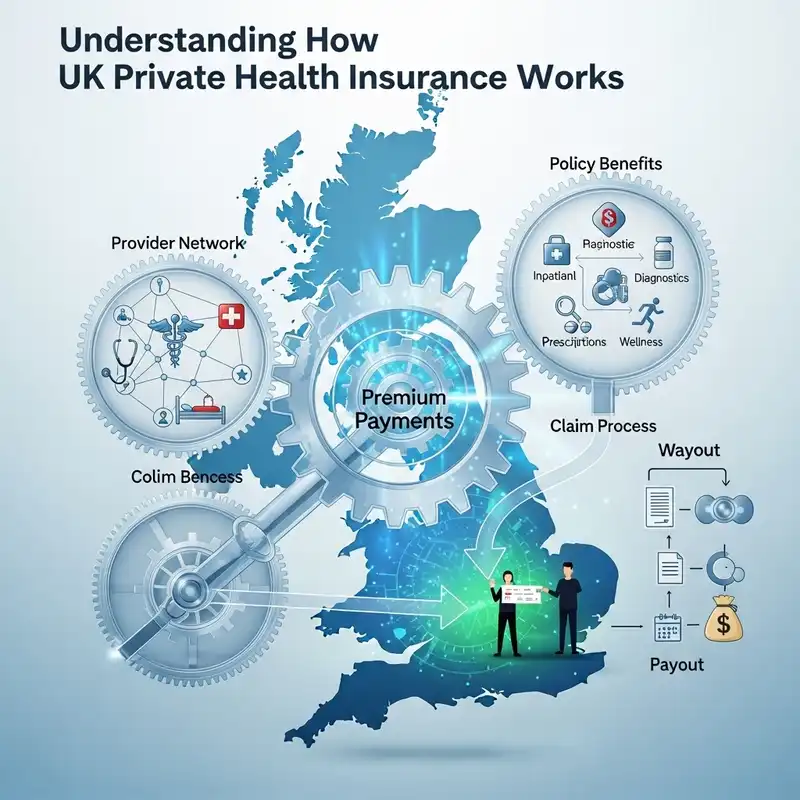
- GP Referral: In most cases, you'll still need to see a GP (either NHS or private) to get an initial referral to a specialist. This is because GPs act as gatekeepers, ensuring you see the most appropriate expert.
- Contact Your Insurer: Before making any appointments, you must contact your private health insurance provider. You'll need to provide details of your symptoms, the GP's referral, and the reason for seeking a second opinion or specialist review.
- Pre-Authorisation: The insurer will "pre-authorise" the consultation and any initial diagnostic tests. This is a crucial step to confirm that your condition is covered under your policy terms and that the proposed treatment or consultation meets their guidelines. They will confirm the amount they will cover.
- Book Appointments: Once pre-authorised, you can book your private consultation, diagnostic tests (e.g., MRI, CT, blood tests), and subsequent appointments.
- Payment and Claims: The insurer will typically pay the private hospital or consultant directly, provided the costs are within your policy limits and have been pre-authorised. You may need to pay an excess, if applicable, directly to the provider.
This streamlined process ensures that you can move swiftly from concern to consultation, diagnosis, and treatment planning, often cutting down waiting times from months to days or weeks.
Understanding Policy Nuances: What is and Isn't Covered
While private health insurance offers considerable advantages, it is vital to understand the specifics of what a policy covers, and critically, what it does not. This is particularly important when considering second opinions and complex case reviews.
Core Coverage Areas
Most comprehensive private health insurance policies cover:
- Inpatient Treatment: Costs associated with staying in a hospital overnight, including surgery, nursing care, and hospital fees.
- Day-Patient Treatment: Procedures or treatments that require a hospital bed but not an overnight stay.
- Outpatient Consultations: Appointments with specialists and consultants.
- Diagnostic Tests: X-rays, MRI scans, CT scans, blood tests, and other investigations.
- Therapies: Physiotherapy, osteopathy, chiropractic treatment (often with limits).
- Cancer Treatment: Chemotherapy, radiotherapy, and sometimes newer biological therapies (often a significant benefit).
Crucial Exclusions: What Private Health Insurance DOES NOT Cover
This is perhaps the most critical section for anyone considering PMI. Insurers operate on a risk basis and, fundamentally, private health insurance is designed to cover new, acute conditions that arise after you take out the policy. It is not designed to cover chronic or pre-existing conditions.
-
Pre-Existing Conditions:
- This is the most significant exclusion. A pre-existing condition is generally defined as any illness, injury, or symptom that you have experienced, been diagnosed with, or received treatment for, before your policy started.
- Insurers will NOT cover conditions that existed before your policy inception. This means if you are seeking a second opinion for a condition you were diagnosed with last year, and you only took out PMI today, it will almost certainly be excluded.
- How they determine this: This varies based on underwriting type:
- Moratorium Underwriting: The most common type. The insurer won't ask detailed medical questions upfront. Instead, they apply a 'moratorium' period (usually 24 months). If you don't experience any symptoms, take medication, or receive treatment for a pre-existing condition during this period, it might become covered afterwards. However, if symptoms recur or you need treatment, it will remain excluded.
- Full Medical Underwriting (FMU): You complete a comprehensive medical questionnaire at the outset. The insurer then decides immediately which conditions will be permanently excluded. This offers more certainty upfront.
- It is crucial to be honest during the application process. Failure to disclose relevant medical history can invalidate your policy.
-
Chronic Conditions:
- Private health insurance generally does NOT cover chronic conditions. A chronic condition is defined as a disease, illness or injury that:
- Has no known cure.
- Is likely to require ongoing or long-term management over a prolonged period.
- Requires long-term monitoring, control or relief of symptoms.
- Recurs or is likely to recur.
- Examples include diabetes, asthma, epilepsy, arthritis, high blood pressure (once diagnosed as chronic), and many mental health conditions (especially long-term ones).
- While PMI might cover the initial diagnosis of a chronic condition, or an acute flare-up of a chronic condition (e.g., an asthma attack requiring hospitalisation), it will not cover the ongoing management, medication, or regular monitoring associated with the chronic aspect. For these, you would revert to the NHS.
- This is a common misconception, and it's vital to understand that PMI is for acute, treatable conditions that are expected to resolve.
- Private health insurance generally does NOT cover chronic conditions. A chronic condition is defined as a disease, illness or injury that:
-
Emergency Care: For immediate, life-threatening emergencies (e.g., heart attack, stroke, serious accidents), you should always go to an NHS A&E department. PMI does not cover emergency services provided in NHS hospitals.
-
Maternity and Fertility Treatment: Generally excluded or only available as an optional, expensive add-on with significant waiting periods.
-
Cosmetic Surgery: Procedures primarily for aesthetic purposes are not covered.
-
Organ Transplants: Typically excluded.
-
HIV/AIDS: Excluded by most policies.
-
Drug and Alcohol Abuse: Treatment for addiction is generally not covered.
-
Overseas Treatment: Unless explicitly stated in your policy, treatment abroad is not covered.
-
Experimental or Unproven Treatments: Insurers only cover treatments that are clinically proven and widely accepted within the medical community.
Important Policy Features to Understand
- Excess: The initial amount you pay towards a claim. A higher excess usually means lower premiums.
- Benefit Limits: Policies have annual or per-condition limits for different types of treatment (e.g., maximum for outpatient consultations, or a total annual spend). Ensure these are sufficient for potential complex reviews.
- Hospital Lists: Some policies have restricted hospital lists, meaning you can only be treated at specific private hospitals. More comprehensive policies offer access to a wider network.
- No Claims Discount: Similar to car insurance, if you don't make a claim, your premium may reduce the following year.
- Additional Benefits: Some policies offer digital GP services, mental health support lines, or discounts on health and fitness products.
When seeking a second opinion or complex case review, particularly if the initial diagnosis is uncertain or the condition is rare, ensuring your policy covers the specific diagnostic tests, specialist consultations, and potential treatments is paramount. Always review your policy documents thoroughly and contact your insurer or broker for clarity.
Choosing the Right Private Health Insurance Policy
Navigating the myriad of private health insurance options can be overwhelming. To ensure your policy effectively supports your need for second opinions and complex case reviews, consider the following:
- Understand Your Needs: Are you primarily concerned about rapid diagnosis, or also covering treatment? Do you need access to the absolute top specialists, or are you comfortable with a broader pool?
- Underwriting Type:
- Full Medical Underwriting (FMU): Provides certainty about exclusions upfront, but requires more detailed medical history at application. Better if you have a very clear medical history.
- Moratorium Underwriting: Easier to apply for initially, but less certainty about what's covered until the moratorium period passes without recurrence of symptoms.
- Outpatient Limits: Ensure the policy has robust outpatient limits. Second opinions and complex reviews primarily involve consultations and diagnostics, which fall under outpatient benefits. A policy with very low outpatient limits will quickly exhaust its allowance for specialist visits and scans.
- Hospital Network: Check the list of hospitals included. Do they include leading facilities or those known for specialists in areas relevant to you?
- Cancer Cover: If rapid access to second opinions for cancer is a primary concern, ensure the policy has comprehensive cancer cover, including advanced therapies and potentially biological drugs.
- Excess Level: Choose an excess you are comfortable paying should you need to make a claim.
- Cost vs. Coverage: Balance your budget with the level of coverage you desire. The cheapest policy is rarely the most comprehensive.
This is where expert guidance becomes invaluable. A modern, independent UK health insurance broker like WeCovr can be an indispensable resource. They work with all the major private health insurance providers in the UK, comparing policies and explaining the nuanced terms and conditions. They can help you understand the exclusions (especially regarding pre-existing and chronic conditions) and benefit limits, ensuring you choose a policy that truly meets your needs without unexpected surprises. Crucially, their service is entirely free to you, as they are paid a commission by the insurer once a policy is purchased.
Real-Life Scenarios: PMI in Action
Let's illustrate the practical application of private health insurance for second opinions and complex case reviews with some hypothetical, but realistic, examples.
Scenario 1: The Ambiguous Neurological Condition
- The Situation: Sarah, 45, develops persistent numbness and tingling in her limbs, accompanied by unexplained fatigue and vision disturbances. Her NHS GP makes an initial referral to a general neurologist, with an estimated wait of 10-12 weeks for the first appointment. The symptoms are impacting her quality of life and causing significant anxiety.
- PMI's Role: Sarah has private health insurance. Her GP provides a private referral.
- Expedited Consultation: Sarah contacts her insurer, gets pre-authorisation, and secures an appointment with a leading private neurologist within 5 days.
- Rapid Diagnostics: The neurologist requests an urgent MRI of her brain and spine, which is performed within 3 days. Results are back within 48 hours.
- Initial Diagnosis & Second Opinion: The MRI reveals some abnormalities. The neurologist gives a preliminary diagnosis, but suggests it's a very rare presentation and recommends a second opinion from a specialist known for expertise in demyelinating diseases.
- Seamless Second Opinion: With PMI, the second opinion is arranged with another top expert in London within the week. The initial neurologist's notes and scans are immediately shared. The second expert confirms the initial findings and adds further insights, leading to a refined diagnosis and a clearer, more targeted treatment plan.
- Outcome: Sarah receives a definitive diagnosis and begins appropriate treatment weeks, potentially months, earlier than she would have through the NHS pathway, mitigating potential long-term damage and reducing her anxiety.
Scenario 2: Challenging Cancer Diagnosis & Treatment Plan
- The Situation: Mark, 60, is diagnosed with a rare form of kidney cancer following NHS investigations. The proposed treatment plan is aggressive, and he feels overwhelmed, wanting to be absolutely certain it's the best approach given the rarity of his specific cancer type. He wants a second expert eye on the pathology and proposed treatment.
- PMI's Role: Mark’s private health insurance includes comprehensive cancer cover.
- Access to Specialist Oncologist: Mark's private GP refers him to a highly respected oncologist at a private cancer centre known for its expertise in rare tumours.
- Review of Pathology: The private oncologist arranges for Mark's original pathology slides to be reviewed by a specialist pathologist within their private network – a critical step for rare cancers to ensure accurate staging and classification.
- Multidisciplinary Review: After confirming the pathology, the oncologist presents Mark's case to a private Multidisciplinary Team (MDT) meeting, including other oncologists, radiologists, and surgeons who specialise in kidney cancers. This happens within a week.
- Tailored Treatment Strategy: The MDT discusses various treatment options, including the possibility of a clinical trial or a slightly different surgical approach based on the specific characteristics identified by the expert pathologist. They arrive at a refined, personalised treatment strategy that Mark feels much more confident about.
- Outcome: Mark gains peace of mind knowing his case has been reviewed by multiple top experts, and he proceeds with a treatment plan that has been validated and tailored specifically for his rare condition, potentially improving his prognosis.
Scenario 3: Persistent, Undiagnosed Chronic Pain
- The Situation: Emily, 38, has been suffering from debilitating chronic joint pain for over a year. The NHS has run several tests, but the cause remains undiagnosed. She has been put on a waiting list for a rheumatologist, which is expected to be over 9 months. Her daily life is severely impacted.
- PMI's Role: Emily uses her private health insurance.
- Rapid Specialist Access: Through her PMI, Emily sees a private rheumatologist within a week.
- Advanced Diagnostics: The rheumatologist orders a panel of specialised blood tests and an advanced musculoskeletal MRI, which are done promptly.
- Initial Diagnosis & Limitations: The tests reveal early signs of an autoimmune condition. While the PMI covers the initial diagnosis, the condition itself is chronic.
- PMI's Complementary Role: The private rheumatologist provides a clear diagnosis and initiates the first steps of treatment. However, as this is a chronic condition, the private insurer will not cover ongoing management, repeat prescriptions for long-term medication, or continuous monitoring. Emily will seamlessly transition back to her NHS GP and rheumatology team for long-term management, but with a definitive diagnosis and initial treatment already established, saving her 9 months of pain and uncertainty.
- Outcome: Emily benefits from a rapid diagnosis of a chronic condition, allowing her to start the correct treatment much sooner. While the ongoing management reverts to the NHS, the expedited diagnostic phase provided by PMI is invaluable in preventing further progression and pain. This clearly demonstrates how PMI and the NHS can work in tandem.
These scenarios underscore how private health insurance can be a game-changer, not by replacing the NHS, but by offering critical speed, choice, and access to a depth of expertise precisely when it is most needed for complex or uncertain medical situations.
The Financial Aspect: Weighing the Costs
Private medical insurance is an investment, and the premiums can vary significantly based on age, postcode, chosen coverage level, and medical history. However, when considering the value of second opinions and complex case reviews, the financial outlay can be justified against the potential costs of self-pay.
Cost of Self-Paying for a Second Opinion
Without PMI, the cost of self-paying for private healthcare can be substantial:
- Specialist Consultation (illustrative): £200 - £400 per appointment. Multiple appointments might be needed.
- Diagnostic Scans (illustrative): MRI scans can cost £400 - £1,000+ per scan. CT scans typically £300 - £800. PET-CT scans can be £1,500 - £3,000+.
- Pathology/Lab Tests: Varies widely, from tens to hundreds of pounds per test, depending on complexity.
- MDT Review: Difficult to put a precise figure on, but this would involve fees from multiple consultants for their time and expertise.
- Treatment: If a second opinion leads to a different treatment, the costs can run into thousands, or even tens of thousands, of pounds for surgery or complex therapies.
For a complex case requiring multiple consultations, advanced scans, and perhaps a comprehensive MDT review, the self-pay costs could quickly escalate to several thousands of pounds, making PMI a far more predictable and often more economical option in the long run, especially if you have a serious illness.
Value Proposition of PMI
- Predictable Annual Cost: You pay a premium, and the majority of your covered medical costs are taken care of.
- Financial Protection: Guards against unexpected, large medical bills that can arise from complex diagnoses and treatments.
- Access to Expertise: The investment buys you the ability to consult with top specialists and access cutting-edge facilities without delay.
Working with an independent broker like WeCovr can also add significant financial value. They compare quotes from all major UK insurers, ensuring you get the most competitive price for the level of cover you need. Their expertise in understanding policy small print can also prevent you from paying for benefits you don't need or missing out on crucial cover you assume is included. Again, this service comes at no direct cost to you.
Beyond the Initial Diagnosis: The Complementary Role of PMI with the NHS
It's vital to reiterate that private medical insurance is not a substitute for the NHS. For many aspects of care, particularly long-term management of chronic conditions, emergency care, and services explicitly excluded by private policies (like fertility treatment or learning disabilities), the NHS remains the primary provider.
However, PMI serves as an excellent complement. It fills critical gaps, especially for:
- Expedited Diagnosis: As explored, getting a quick and accurate diagnosis, or a second opinion on a complex one, can dramatically alter prognosis and treatment paths.
- Acute Flare-ups of Chronic Conditions: While PMI won't cover ongoing management of conditions like asthma or diabetes, it might cover an acute flare-up requiring hospitalisation (e.g., a severe asthma attack). The initial diagnosis and stabilisation of a new acute condition that subsequently becomes chronic would typically be covered, before care transitions to the NHS for ongoing management.
- Elective Surgeries: Beyond diagnosis, if a second opinion confirms a need for surgery, PMI significantly shortens surgical waiting lists.
- Rehabilitation: Some policies include cover for post-operative physiotherapy or rehabilitation.
The synergy works well: PMI gets you into the system quickly, offers choice and comfort, and secures critical second opinions or complex reviews. For anything that falls outside its scope, or for ongoing chronic care, the NHS safety net is there.
Navigating the System: Tips for Policyholders
Once you have a policy, knowing how to best utilise it for second opinions and complex case reviews is key:
- Read Your Policy Document: Understand your limits, exclusions, and the claims process. Pay particular attention to the sections on outpatient benefits, specialist consultations, and diagnostic tests.
- Always Get a GP Referral: Even with PMI, a GP referral (private or NHS) is usually the first step and is often required by insurers.
- Pre-Authorise Everything: Never assume something is covered. Always contact your insurer before booking appointments, tests, or treatments to get pre-authorisation. This avoids financial surprises.
- Keep Detailed Records: Maintain a file of all medical notes, referrals, correspondence with your insurer, and invoices.
- Be Clear About Your Needs: When discussing with your GP or insurer, clearly articulate that you are seeking a second opinion or a review for a complex case.
- Utilise Your Broker: If you used a broker like WeCovr to secure your policy, remember they are also there to support you with questions during your policy's lifetime, helping you navigate the claims process or clarify coverage.
The Future of Private Healthcare and Second Opinions in the UK
The demand for private medical insurance in the UK is growing, driven by increasing NHS waiting times and a greater public awareness of the benefits of faster access and choice. As medical science advances, cases become more complex, and the importance of multidisciplinary input and expert second opinions will only increase.
PMI is poised to play an even more significant role in empowering individuals to take proactive steps in managing their health, particularly when facing serious, rare, or diagnostically challenging conditions. It provides a crucial avenue for patients to seek reassurance, explore all viable options, and ultimately secure the best possible care, complementing the invaluable service provided by the NHS.
Conclusion
The role of private health insurance in expediting second opinions and complex case reviews in the UK is profound and undeniable. It offers a vital solution to the challenges of NHS waiting lists, providing rapid access to leading specialists, advanced diagnostics, and comprehensive multidisciplinary reviews.
For individuals facing a serious diagnosis, an unclear prognosis, or simply the need for reassurance, the ability to swiftly secure a second expert opinion or a detailed complex case review can be life-changing. It empowers patients with choice, reduces anxiety, and accelerates the journey towards an accurate diagnosis and effective treatment plan.
While it is crucial to understand the limitations of private health insurance – particularly its general exclusion of pre-existing and chronic conditions – its benefits for new, acute illnesses requiring urgent expert assessment are clear. By complementing the NHS, private health insurance stands as a powerful tool, providing peace of mind and ensuring that when it matters most, you can access the expertise you need, when you need it. For those considering this essential layer of protection, seeking expert advice from an independent broker like WeCovr can ensure you secure the most suitable and comprehensive coverage for your unique needs, at no direct cost to you.
Sources
- NHS England: Waiting times and referral-to-treatment statistics.
- Office for National Statistics (ONS): Health, mortality, and workforce data.
- NICE: Clinical guidance and technology appraisals.
- Care Quality Commission (CQC): Provider quality and inspection reports.
- UK Health Security Agency (UKHSA): Public health surveillance reports.
- Association of British Insurers (ABI): Health and protection market publications.