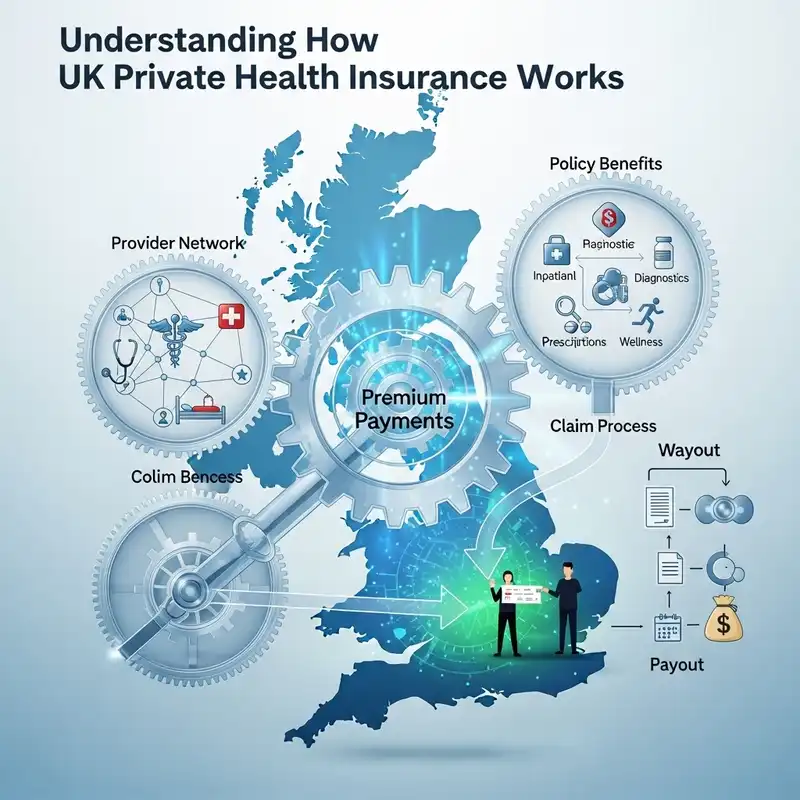
TL;DR
In the dynamic and often demanding world of small business, owners wear many hats. From sales and marketing to operations and finance, every day presents new challenges and opportunities. Amidst this whirlwind, one critical aspect can often be overlooked: the health and well-being of the business owner and their dedicated team.
Key takeaways
- Lost Productivity: If you or a key employee are unwell, output inevitably drops. Projects can be delayed, deadlines missed, and client relationships strained. For a sole trader, this means your business grinds to a halt.
- Business Continuity Risk: A serious illness can threaten the very existence of a small business, especially if there's no clear succession plan or alternative support. Who steps in when you're recovering from surgery or undergoing treatment?
- Stress and Mental Well-being: The pressures of managing a small business are immense. Adding health worries to the mix can lead to burnout, anxiety, and depression, impacting decision-making and overall performance. Private health insurance often includes mental health support, a crucial component for modern businesses.
- NHS Pressures and Waiting Times: While the NHS provides an invaluable service, it's under immense strain. Waiting lists for non-emergency consultations, diagnostics, and treatments can be lengthy. For a business owner, a wait of several weeks or months for a diagnosis or procedure can mean prolonged periods of reduced capacity or complete absence, directly impacting revenue and growth.
- In-patient and Day-patient Treatment: This is the core of almost all policies. It covers the costs of hospital stays, surgical procedures, and consultations for treatment that requires admission to a hospital bed (in-patient) or occupies a bed for a day but doesn't require an overnight stay (day-patient). This includes consultant fees, anaesthetist fees, nursing care, and sometimes even prescribed take-home drugs.
** Unlock Tax Savings & Find Affordable Health Insurance for Your UK Small Business
UK Private Health Insurance for Small Business Owners: Affordable Options & Tax Benefits
In the dynamic and often demanding world of small business, owners wear many hats. From sales and marketing to operations and finance, every day presents new challenges and opportunities. Amidst this whirlwind, one critical aspect can often be overlooked: the health and well-being of the business owner and their dedicated team. It's a common misconception that private health insurance is an exclusive perk for large corporations, out of reach for SMEs. However, this couldn't be further from the truth.
As a small business owner in the UK, your health is not just a personal matter; it's a fundamental asset to your company's continuity and success. An unexpected illness or injury can lead to significant disruption, loss of productivity, and financial strain. This is where private health insurance steps in, offering a vital safety net. Beyond providing peace of mind and faster access to quality medical care, modern private health insurance policies for SMEs often come with surprising affordability and significant tax advantages that can make them a highly strategic investment.
This comprehensive guide will debunk myths, illuminate the true costs and benefits, and explore the often-overlooked tax efficiencies that make private health insurance a smart choice for small business owners across the UK. We'll delve into how you can secure excellent coverage without breaking the bank, whether you're a sole trader or managing a growing team.
Why UK Private Health Insurance is Crucial for Small Business Owners
For small businesses, every team member, especially the owner, is indispensable. Their absence due to illness or injury can have disproportionately larger impacts compared to a large corporation.
The Cost of Ill Health to Your Business
The true cost of ill health extends far beyond medical bills. For a small business, it can ripple through every aspect of operations.
- Lost Productivity: If you or a key employee are unwell, output inevitably drops. Projects can be delayed, deadlines missed, and client relationships strained. For a sole trader, this means your business grinds to a halt.
- Business Continuity Risk: A serious illness can threaten the very existence of a small business, especially if there's no clear succession plan or alternative support. Who steps in when you're recovering from surgery or undergoing treatment?
- Stress and Mental Well-being: The pressures of managing a small business are immense. Adding health worries to the mix can lead to burnout, anxiety, and depression, impacting decision-making and overall performance. Private health insurance often includes mental health support, a crucial component for modern businesses.
- NHS Pressures and Waiting Times: While the NHS provides an invaluable service, it's under immense strain. Waiting lists for non-emergency consultations, diagnostics, and treatments can be lengthy. For a business owner, a wait of several weeks or months for a diagnosis or procedure can mean prolonged periods of reduced capacity or complete absence, directly impacting revenue and growth.
Peace of Mind and Faster Access to Treatment
Investing in private health insurance offers tangible benefits that directly address these challenges:
- Reduced Waiting Lists: One of the most significant advantages is bypassing NHS waiting lists for eligible treatments. This means faster diagnosis, swifter access to specialist consultations, and quicker surgery or therapy, allowing you or your employees to return to full health and work sooner.
- Choice of Consultants and Hospitals: Private health insurance typically offers the flexibility to choose your consultant and the hospital where you receive treatment. This allows you to select specialists renowned in their field or facilities that offer specific services or a more convenient location.
- Comfort and Privacy: Private hospital rooms often provide a more comfortable and private environment for recovery, which can contribute to a quicker and less stressful recuperation period.
- Access to New Drugs and Treatments: Some private policies may offer access to drugs, treatments, or technologies that are not yet widely available on the NHS, although this varies greatly by policy and condition.
Ultimately, private health insurance for a small business isn't just an expense; it's an investment in your most valuable asset – yourself and your team – safeguarding your business's future and ensuring continuity.
Understanding UK Private Health Insurance: The Basics
Before diving into affordability and tax benefits, it’s essential to grasp the fundamental components of private health insurance in the UK. This understanding will empower you to make informed decisions and compare policies effectively.
What Does Private Health Insurance Cover?
Most private health insurance policies in the UK are designed to cover the costs of acute medical conditions. An acute condition is defined as a disease, illness or injury that is likely to respond quickly to treatment and return you to the state of health you were in immediately before suffering the condition.
Typical areas of cover usually include:
- In-patient and Day-patient Treatment: This is the core of almost all policies. It covers the costs of hospital stays, surgical procedures, and consultations for treatment that requires admission to a hospital bed (in-patient) or occupies a bed for a day but doesn't require an overnight stay (day-patient). This includes consultant fees, anaesthetist fees, nursing care, and sometimes even prescribed take-home drugs.
- Out-patient Consultations and Diagnostics: Often an optional add-on, this covers specialist consultations (e.g., with a cardiologist or orthopaedic surgeon) and diagnostic tests like MRI scans, CT scans, X-rays, and blood tests, without the need for hospital admission. Limiting or excluding this can be a cost-saving measure.
- Therapies: Many policies offer cover for a range of therapies, such as physiotherapy, osteopathy, chiropractic treatment, and sometimes acupuncture. This is often an optional extra or might have a per-session or overall monetary limit.
- Mental Health Support: Increasingly, policies include cover for mental health conditions, offering access to psychiatrists, psychologists, and therapists. The level of cover can vary significantly, from telephone helplines to full in-patient psychiatric care.
- Cancer Cover: This is a crucial component and is usually a standard inclusion in most comprehensive policies. It covers various aspects of cancer treatment, including diagnosis, surgery, chemotherapy, radiotherapy, and sometimes even biological therapies or palliative care.
- Minor Surgery: Covers small surgical procedures that can be performed in an out-patient clinic, such as mole removal.
What is Typically Not Covered? (Crucial Information)
It is absolutely vital to understand what private health insurance does not cover, as misapprehensions in this area are common and can lead to significant disappointment.
- Pre-existing Conditions: This is perhaps the most important exclusion. A pre-existing condition is generally defined as any illness, injury, or disease for which you have received treatment, medication, advice, or had symptoms before taking out the insurance policy (or within a specified period, e.g., five years prior). Insurers typically exclude cover for these conditions for a set period (e.g., the first two years of the policy) or permanently. Never assume a pre-existing condition will be covered.
- Chronic Conditions: These are ongoing conditions that cannot be cured but can be managed over time, such as diabetes, asthma, epilepsy, or chronic heart disease. Private health insurance is designed for acute conditions that can be treated and cured or returned to the state of health prior to the condition. Management of chronic conditions is primarily the domain of the NHS.
- Emergency Services (A&E): Private health insurance is not a substitute for emergency services. In a life-threatening emergency, you should always go to an NHS A&E department or call 999.
- Maternity Care: Routine pregnancy and childbirth are generally not covered unless a specific and often expensive add-on is purchased, and even then, there are usually waiting periods.
- Cosmetic Surgery: Procedures primarily for aesthetic improvement are typically excluded.
- Routine GP Appointments/Prescriptions: Private health insurance usually doesn't cover routine visits to your NHS GP or the cost of prescriptions unless it's part of a very specific, often comprehensive, add-on.
- Optical and Dental Care: Routine eye tests, glasses, contact lenses, or general dental treatment (check-ups, fillings, etc.) are almost always excluded unless specific add-on benefits are purchased. These are usually referred to as "cash plans" or "wellness benefits" and complement, rather than replace, core health insurance.
Understanding these exclusions is paramount to setting realistic expectations and choosing a policy that aligns with your needs and budget. Always read the policy terms and conditions carefully.
Debunking the Myth: Private Health Insurance Can Be Affordable for SMEs
The perception that private health insurance is prohibitively expensive for small businesses is a significant barrier for many. However, with careful planning, smart choices, and leveraging available strategies, it can be surprisingly affordable and offer excellent value for money.
Factors Influencing Premiums
The cost of a private health insurance policy is influenced by several key factors:
- Age of the Insured: Premiums generally increase with age, as the likelihood of needing medical treatment rises.
- Location: Healthcare costs can vary across the UK. Policies often have different pricing tiers based on where the insured individuals reside or primarily access hospitals. Major city centres like London typically have higher costs.
- Level of Cover: This is a major determinant. A basic policy covering only in-patient treatment will be significantly cheaper than a comprehensive policy that includes extensive out-patient care, mental health, and therapies.
- Excess Amount (illustrative): This is the amount you agree to pay towards a claim before the insurer starts contributing. Choosing a higher excess (£250, £500, or even £1,000) can substantially reduce your annual premium.
- Underwriting Method: The way your medical history is assessed influences the premium and what's covered. We'll delve into this in more detail later, but some methods can be cheaper than others.
- Claims History (for Renewals): While not a factor for initial quotes, a history of numerous or high-value claims can impact your premium upon renewal, similar to car insurance.
- Choice of Hospital List: Insurers often have tiered hospital lists. Choosing a more restricted list (e.g., excluding central London hospitals) can lower premiums.
Strategies for Reducing Costs
Small business owners have several levers they can pull to make private health insurance more budget-friendly:
- Choose a Higher Excess: As mentioned, this is one of the quickest ways to reduce your premium. If you're comfortable covering a portion of a claim yourself, this can lead to substantial savings.
- Limit Outpatient Cover: Opting for limited or no out-patient cover for consultations and diagnostic tests can significantly cut costs. You might choose to pay for these initial stages yourself, relying on the insurance for the more expensive in-patient treatment.
- Consider the 6-Week Option: Some policies offer a "6-week option" or "NHS referral option." This means that if the NHS can treat your condition within six weeks, you agree to use the NHS. If the NHS waiting list is longer than six weeks, your private health insurance kicks in. This can lead to considerable premium reductions.
- Restrict Hospital Choice: Opting for a more limited hospital list, excluding expensive central London hospitals or very high-end private facilities, can result in lower premiums. You still get access to excellent care, just from a more focused network of hospitals.
- Utilise No-Claims Discount: Similar to car insurance, many health insurance policies offer a no-claims discount. If you don't claim for a year, your premium for the following year can be reduced.
- Explore Group Schemes (Even for Small Groups): Even with just two or three employees (including the business owner), you might qualify for a small group scheme. Group policies are often cheaper per person than individual policies and can come with more favourable underwriting terms.
- Consider a Healthcare Trust: For slightly larger SMEs (typically 20+ employees, though some smaller trusts exist), a healthcare trust can offer a very flexible and potentially cost-effective alternative to traditional insurance, where the company funds a "pot" for employee healthcare. This requires careful financial management and isn't a direct insurance product.
By strategically combining these options, small business owners can tailor a private health insurance policy that meets their needs without placing an undue burden on their finances.
Cost-Saving Strategies in Private Health Insurance
| Strategy | Description | Potential Premium Impact | Considerations |
|---|---|---|---|
| Higher Excess | Agreeing to pay a larger amount (e.g., £500-£1,000) towards a claim first. | Significant Savings | Best if you have emergency funds; only applies once per policy year or per claim. |
| Limited Outpatient Cover | Restricting cover for specialist consultations, diagnostics, and tests. | Moderate-Significant | You'd pay for initial consultations yourself; suitable if only major treatments are a concern. |
| 6-Week Option (NHS Refer.) | Using NHS if wait time is under 6 weeks; private kicks in if longer. | Moderate-Significant | Depends on NHS waiting times; provides a safety net for longer waits. |
| Restricted Hospital List | Choosing a policy that covers a specific, often regional, network of hospitals. | Moderate Savings | Limits your choice of facility; ensure preferred hospitals are included. |
| No-Claims Discount | Rewards for not making claims, reducing subsequent years' premiums. | Long-term Savings | Builds over time; large claim can reduce or remove discount. |
| Group Policies | Covering 2+ employees under one policy, often with better per-person rates. | Moderate Savings | Requires multiple employees; typically offers better underwriting terms. |
The Game Changer: Tax Benefits for Small Business Owners
One of the most compelling, yet often overlooked, advantages of providing private health insurance as a small business owner is the potential for significant tax efficiencies. The tax treatment differs depending on whether you're a sole trader or a limited company, and who the policy covers.
Company-Paid Health Insurance: A Deductible Business Expense?
For a Limited Company, paying for private medical insurance for its directors and employees is generally treated as a tax-deductible business expense.
- Corporation Tax Savings (illustrative): This means the cost of the premiums can be deducted from the company's profits before Corporation Tax is calculated. For instance, if your company pays £5,000 in premiums, your taxable profit is reduced by £5,000, leading to a saving on your Corporation Tax bill. Given the current Corporation Tax rate (e.g., 25% for profits over £250,000, 19% for profits up to £50,000, with a tapered rate in between), this can be a substantial saving.
- Enhanced Staff Retention and Morale: Beyond the direct tax saving, offering private health insurance can significantly boost employee morale, reduce staff turnover, and help attract top talent – indirect benefits that contribute to business growth and profitability.
However, it's not a free ride. While the company saves on Corporation Tax, the private health insurance benefit is usually considered a Benefit in Kind (BiK) for the employee or director receiving it.
- Benefit in Kind (BiK): A BiK is a non-cash perk provided by an employer to an employee. The value of this benefit is added to the employee's taxable income, meaning the employee will pay income tax on it, and both the employee and employer will pay National Insurance Contributions (NICs) on it.
For Sole Traders or Partnerships: The situation is different. Private health insurance premiums for a sole trader or partner are generally not considered a tax-deductible business expense by HMRC. This is because HMRC views it as a personal expense, regardless of how essential the sole trader's health is to the business. If a sole trader wants private health insurance, they typically pay for it personally, and there are no direct tax benefits from this payment.
Understanding Benefit in Kind (BiK) Implications
Let's delve deeper into the BiK aspect for limited companies:
- How BiK is Calculated: The BiK value is simply the annual premium paid by the company for the employee's or director's private health insurance.
- Who Pays the Tax: The employee or director pays income tax on the BiK value, at their marginal rate (e.g., 20%, 40%, or 45%).
- National Insurance Contributions (NICs):
- Employer: The company will pay Class 1A National Insurance on the BiK value (currently 13.8%). This is an additional cost for the company on top of the premium.
- Employee: The employee will not pay primary Class 1 National Insurance on the BiK itself, as it's not cash earnings.
- P11D Reporting: The company must report the BiK on a P11D form to HMRC at the end of each tax year.
Strategies to Mitigate BiK: While the BiK is generally unavoidable for company-paid benefits, some companies offer arrangements where the employee pays a portion of the premium. If the employee pays a contribution, the BiK value is reduced by that amount, thereby reducing their personal tax liability. However, this also means the company cannot deduct that portion of the premium as a business expense.
Tax Implications of Company-Paid Health Insurance
| Entity/Party | Expense | Tax Treatment |
|---|---|---|
| Limited Company | Premium Paid for Directors/Employees | Tax-deductible expense against profits, reducing Corporation Tax. |
| Employer's Class 1A NICs payable on the Benefit in Kind (BiK) value. | ||
| Director/Employee | Value of Private Health Insurance (BiK) | Taxable as income (Income Tax) at their marginal rate. |
| Sole Trader/Partner | Premium Paid for Self | Not a tax-deductible business expense. Paid from personal post-tax income. |
Real-Life Example: Tax Calculation for a Small Limited Company
Let's say a limited company pays £1,500 per year for private health insurance for one of its directors (who is also an employee) who earns above the higher-rate tax threshold.
-
Company's Perspective:
- Deduction (illustrative): The company deducts £1,500 from its taxable profits.
- Corporation Tax Saving (assuming 25% rate) (illustrative): £1,500 x 25% = £375 saved.
- Employer's Class 1A NICs (illustrative): £1,500 x 13.8% = £207 payable by the company.
- Net Cost to Company (after tax saving) (illustrative): £1,500 (premium) + £207 (NICs) - £375 (CT saving) = £1,332.
-
Director's Perspective:
- BiK Value (illustrative): £1,500.
- Income Tax (assuming 40% higher rate) (illustrative): £1,500 x 40% = £600 payable by the director.
Summary: While the director pays £600 in tax, the company benefits from a significant Corporation Tax saving and provides a valuable benefit. When considering the overall financial picture, for a limited company, the total cost of providing the benefit often outweighs the personal tax burden on the employee, especially when factoring in the goodwill, staff retention, and direct business continuity benefits. This makes company-paid private health insurance a very tax-efficient way to provide a crucial benefit. Always consult with an accountant for specific tax advice tailored to your business's situation. (illustrative estimate)
Tailored Solutions for Small Businesses: Group vs. Individual Policies
The journey to securing private health insurance for your small business involves understanding the two primary policy structures available: Group Private Medical Insurance (PMI) and Individual Private Medical Insurance. Each has distinct advantages and is suited to different business structures and sizes.
Group Private Medical Insurance (PMI)
Group PMI is designed for businesses looking to cover multiple employees under a single policy. While traditionally associated with larger corporations, many insurers now offer attractive group policies for small and medium-sized enterprises (SMEs), often starting from as few as 2-3 employees.
Benefits of Group PMI for SMEs:
- Often Cheaper Per Person: Group policies typically benefit from economies of scale. Insurers offer more competitive rates per person for a group than they would for multiple individual policies, as the risk is spread across more lives.
- Easier Administration: Managing one group policy is far simpler than administering multiple individual policies for each employee. The company receives a single renewal notice and handles one set of payments.
- Broader Acceptance and Favourable Underwriting:
- Medical History Disregarded (MHD): This is a significant advantage for group policies. With MHD underwriting, employees' past medical history is generally not taken into account for existing conditions at the time of joining the scheme. This means cover can be provided for conditions that might have been excluded under individual policies. This is a huge draw for employees, especially those with minor pre-existing issues. However, chronic conditions and conditions requiring ongoing management remain excluded, and the insurer will not cover treatment for conditions for which treatment has already been received.
- Moratorium or Full Medical Underwriting (FMU): While MHD is common for groups, smaller groups might still be offered moratorium or full medical underwriting, where pre-existing conditions are excluded for a set period. It's crucial to clarify the underwriting method.
- Employer Benefits:
- Staff Retention and Attraction: Offering private health insurance is a highly valued employee benefit that can significantly enhance your recruitment efforts and reduce staff turnover. It signals that you care about your team's well-being.
- Reduced Absenteeism: Faster access to diagnosis and treatment means employees can return to work sooner, reducing the impact of long-term sickness absence on your business.
- Improved Morale: Employees feel more secure and appreciated when their health is prioritised.
How Small is "Small Group"?
Many insurers consider a "small group" to be anywhere from 2 to 99 employees. Even if it's just two directors of a limited company, a group policy could be a more cost-effective and beneficial option than two individual policies.
Individual Private Medical Insurance
Individual PMI is suitable for those who are self-employed as a sole trader, or for limited company directors who choose to fund their own policy rather than have the company pay for it.
When is Individual PMI Appropriate for SMEs?
- Sole Traders: As discussed, sole traders cannot deduct private health insurance as a business expense. Therefore, an individual policy is the only way for them to get cover, paid from their personal, post-tax income.
- Directors Opting for Personal Payment: Some directors of limited companies might choose to pay for their individual policy personally, perhaps if they wish to avoid the BiK implications or prefer to keep their personal health matters separate from the company's books. However, this foregoes the Corporation Tax benefit for the company.
- Supplementing Group Cover: In some cases, an individual might top up a basic group policy with additional cover on a personal policy, though this is less common.
Limitations for Sole Traders:
The main limitation for sole traders is the lack of tax deductibility. While still offering peace of mind and access to private care, it does not come with the same financial incentives as a company-paid group policy for a limited company.
Group vs. Individual Health Insurance for SMEs
| Feature | Group Private Medical Insurance (PMI) | Individual Private Medical Insurance (PMI) |
|---|---|---|
| Number of People | 2+ employees (often includes directors) | 1 person |
| Cost Per Person | Generally lower due to economies of scale and shared risk. | Generally higher, as risk is assessed on a single person. |
| Underwriting | Often more lenient (e.g., Medical History Disregarded for larger groups). | More stringent (Full Medical Underwriting or Moratorium). |
| Tax Benefits | Company: Tax-deductible expense (reduces Corporation Tax). | Sole Trader: Not tax-deductible business expense. |
| Employee: Benefit in Kind (BiK) taxable, employer pays Class 1A NICs. | Paid from personal post-tax income. | |
| Administration | Single policy for multiple employees, easier to manage. | Separate policies for each individual, if multiple people are covered. |
| Flexibility | Some customisation possible per employee (e.g., different excesses). | High degree of customisation for the individual. |
| Employee Attraction/Retention | Significant benefit, enhances company's appeal. | No direct impact on employee benefits (unless supplementing group cover). |
For most small limited companies with 2 or more individuals, a group policy will be the more advantageous option due to the favourable tax treatment, potential cost savings per head, and the benefits of easier administration and superior underwriting terms.
Choosing the Right Policy: A Step-by-Step Guide
Navigating the complexities of private health insurance can feel daunting, but breaking it down into manageable steps makes the process much clearer.
Step 1: Assess Your Needs and Budget
Before you even look at insurers, understand what you truly need and what you can afford.
- Who to Cover?: Will it be just you as the director, or your entire team? Consider key employees whose absence would significantly impact the business.
- Desired Level of Cover:
- Core Cover Only: Are you primarily concerned with in-patient treatment (major surgeries, hospital stays) and happy to use the NHS for diagnostics or outpatient consultations? This is the most basic and cheapest option.
- Comprehensive Cover: Do you want faster access to outpatient consultations, diagnostics (MRI, CT scans), mental health support, and therapies (physiotherapy)? This will significantly increase the premium.
- Specific Needs: Do you or your team have particular concerns, such as extensive travel (requiring international cover add-ons) or a desire for wellness benefits (gym discounts, health checks)?
- Budget Constraints: What's your realistic monthly or annual budget for this investment? Be honest with yourself. This will help you filter out policies that are simply too expensive. Remember to factor in the potential tax savings for limited companies.
Step 2: Understand Underwriting Options
This is a critical, yet often misunderstood, aspect that determines how your past medical history impacts your cover.
- Full Medical Underwriting (FMU): Before the policy starts, you (and anyone else being covered) will complete a detailed medical questionnaire. The insurer reviews your full medical history and may request reports from your GP. Based on this, they will offer cover, apply specific exclusions for certain pre-existing conditions, or load the premium. This offers the most certainty about what is and isn't covered from the outset.
- Moratorium Underwriting: This is a common and often simpler option. You don't need to provide a full medical history upfront. Instead, the insurer applies a general exclusion for any condition for which you have received advice, treatment, or had symptoms in a specified period (e.g., the five years) before taking out the policy. This exclusion usually lasts for a "moratorium period" (typically 12 or 24 months) from the policy start date. If, during this period, you have no symptoms, treatment, or advice for that pre-existing condition, it may then become covered. If symptoms or treatment reoccur, the moratorium period restarts. This method requires claims to be reviewed carefully against your medical history at the time of claim.
- Medical History Disregarded (MHD): Primarily offered for group policies (often from 5-10 employees upwards, though some insurers offer it for smaller groups of 2-3), this is the most generous form of underwriting. With MHD, the insurer disregards your past medical history altogether. This means that pre-existing conditions are generally covered from day one (subject to the policy terms and exclusions for chronic conditions, etc.). This is a huge benefit for employees and simplifies administration.
Choosing the right underwriting: For small limited companies, especially if you have 2+ employees, exploring a group policy with MHD is highly recommended if available, as it offers the broadest cover for your team. Otherwise, weigh the pros and cons of FMU versus Moratorium based on your specific health history and preference for upfront clarity vs. simpler application.
Step 3: Compare Insurers and Policy Features
The UK market has several reputable private health insurance providers, each with their own strengths and policy nuances. Major players include:
- Bupa: One of the largest, offering comprehensive cover and extensive hospital networks.
- AXA Health: Strong reputation, wide range of policies, and often competitive for groups.
- Vitality: Combines health insurance with a wellness programme, offering rewards for healthy living, potentially reducing premiums over time.
- Aviva: A well-established insurer with various policy options and good customer service.
- WPA: Known for its personal approach and innovative shared responsibility schemes.
- National Friendly: A mutual organisation offering a range of health and protection plans.
- Freedom Health Insurance: An independent UK provider offering flexible and tailored plans.
When comparing, look beyond just the price:
- Core Cover vs. Add-ons: Clearly understand what's included in the basic premium and what comes as an optional extra.
- Hospital Lists: Check if the insurer's hospital list includes facilities convenient for you and your employees. A restricted list is cheaper but limits choice.
- Claims Process: How easy is it to make a claim? What are the typical turnaround times?
- Customer Service and Reviews: What do existing customers say about their experience with the insurer?
- Wellness Benefits: Do any policies offer additional benefits like gym discounts, mental health helplines, or health assessments?
Step 4: The Value of an Independent Broker
This is arguably the most crucial step for a small business owner. The private health insurance market is complex, with myriad policy options, underwriting methods, and insurer-specific terms. Trying to navigate this alone can be time-consuming, confusing, and potentially lead to an ill-fitting or overpriced policy.
This is where an independent health insurance broker, like WeCovr, adds immense value.
At WeCovr, we specialise in navigating the complex landscape of UK health insurance for small businesses. We work with all major insurers, comparing options to find the best fit for your specific needs and budget, at no cost to you. We simplify the process, explaining the nuances of coverage, tax implications, and helping you make an informed decision.
Why use a broker?
- Expertise: We understand the intricate details of different policies, underwriting rules, and the small print that often goes unnoticed.
- Whole-of-Market Access: We're not tied to one insurer. We can compare policies from across the entire market, ensuring you get a comprehensive view of what's available.
- Tailored Advice: We take the time to understand your unique business needs, budget, and employee demographics to recommend a truly suitable policy.
- Price Comparison: We can often secure better deals or identify cost-saving options that you might miss by going direct to an insurer.
- Ongoing Support: Our support doesn't end once you've purchased a policy. We're here to assist with renewals, claims queries, and any adjustments your business might need as it grows.
- No Cost to You: Our service is typically free to you, as we receive a commission from the insurer if you proceed with a policy. This means you get expert advice without any additional financial burden.
Our team at WeCovr is dedicated to empowering small business owners to protect their most valuable asset – their health and the health of their team. We're here to offer impartial advice and ensure you get comprehensive cover without overpaying. We make the complex simple, allowing you to focus on what you do best: running your business.
Practical Considerations and Common Questions
Even after understanding the basics, several practical questions often arise for small business owners considering private health insurance.
Can I cover just myself as a director of my limited company?
Yes, absolutely. Many small limited companies initially set up a group policy just for their director(s). This still qualifies for the tax benefits of being a company-paid business expense, reducing Corporation Tax, though the director will incur a BiK. As the business grows, you can easily add new employees to the existing group policy.
What about existing conditions?
To reiterate, private health insurance is designed for acute conditions that arise after your policy starts. Pre-existing conditions (conditions you had symptoms for, received advice or treatment for before taking out the policy) and chronic conditions (ongoing, incurable conditions like diabetes, asthma, hypertension) are generally not covered by private medical insurance. It's crucial to be clear about this to avoid disappointment. The specific exclusions for pre-existing conditions will depend on the underwriting method chosen (Moratorium or Full Medical Underwriting). Medical History Disregarded (MHD) for group schemes offers the broadest cover for pre-existing conditions, but even with MHD, chronic conditions and conditions requiring ongoing management are typically still excluded.
How do I make a claim?
The claims process generally involves these steps:
- See your GP: For most conditions, you'll first need to see your NHS GP.
- Get a referral: If your GP recommends seeing a specialist, they will provide a private referral letter.
- Contact your insurer: Before booking any appointments, contact your private health insurer to pre-authorise the treatment. Provide them with your GP's referral and details of the condition. They will confirm if the treatment is covered, clarify any excess, and advise on next steps.
- Receive Treatment: Once authorised, you can book your specialist appointment or treatment. The insurer usually pays the hospital or consultant directly, or you pay and claim reimbursement.
What if an employee leaves the company?
If an employee leaves your company, they will typically cease to be covered under your group private health insurance policy from their last day of employment. Some insurers may offer them the option to convert their group cover to an individual policy, though this will usually come with a higher premium and potentially different underwriting terms. It's important to understand the terms of your specific policy regarding leavers.
Are there wellness benefits?
Many modern private health insurance policies, particularly from providers like Vitality, include a range of wellness benefits designed to encourage healthier lifestyles. These can include:
- Discounts on gym memberships
- Reduced-price health checks
- Cashback for reaching health goals (e.g., step count targets)
- Discounts on healthy food, travel, or cinema tickets
- Access to mental health helplines or online resources
These benefits not only add value for employees but can also contribute to a healthier, more productive workforce, indirectly benefiting your business.
Real-World Scenarios: How SMEs Benefit
Let's look at how private health insurance can play out for different types of small businesses.
Scenario 1: The Tech Startup (2 Directors)
- Business: A new limited company founded by two directors, Alex (30) and Ben (35), building a SaaS product. Their health is critical to the business's survival.
- Challenge: Long NHS waiting lists for non-urgent diagnostics (e.g., a niggling knee pain for Alex, frequent headaches for Ben) could delay development and investor pitches.
- Solution: They take out a small group private health insurance policy. As a limited company, the premium is a deductible business expense. They choose a policy with comprehensive outpatient cover and a £500 excess to keep premiums manageable.
- Outcome: Alex gets an MRI for his knee within a week and a physio referral, recovering quickly. Ben sees a neurologist promptly, ruling out serious issues and getting advice for managing his headaches. Both avoid significant downtime, and the business maintains its rapid growth trajectory. The Corporation Tax saving helps offset the cost.
Scenario 2: The Creative Agency (5 Employees)
- Business: A thriving design agency with 5 employees, including the founder, Sarah (45). Employee well-being and retention are key.
- Challenge: One key designer, Chloe, has been off work intermittently with back pain, struggling to get a timely appointment on the NHS for diagnostics. Sarah is concerned about morale and potential long-term absence.
- Solution: Sarah implements a company-paid group private health insurance policy for all 5 employees. They opt for Medical History Disregarded (MHD) underwriting, making it attractive to existing staff. They choose a policy with good mental health support and physio cover.
- Outcome: Chloe gets a quick diagnosis and physiotherapy, returning to full productivity much faster. Other employees feel valued and secure, boosting morale and reducing turnover risk. The company leverages the tax deductibility, making it a cost-effective employee benefit.
Scenario 3: The Sole Trader (Seeking Peace of Mind)
- Business: Mark, a self-employed freelance marketing consultant (50), works from home. His income is entirely dependent on his ability to work.
- Challenge: Mark has experienced a minor health scare (not a pre-existing condition) that resolved itself, but it made him realise his vulnerability to prolonged illness and NHS waiting times.
- Solution: Mark purchases an individual private health insurance policy. He opts for a high excess (£1,000) and a restricted hospital list to keep the premium affordable. He understands it's not tax-deductible but views it as an essential personal investment in his business's future.
- Outcome: Mark gains peace of mind, knowing that if a serious illness strikes, he can access private care quickly, minimising any potential income loss. The financial security allows him to focus on his clients without constant worry about health impacting his livelihood.
Conclusion
The notion that private health insurance is an unattainable luxury for small businesses is outdated. As we've explored, for UK small business owners, it's a strategic investment that can bring immense peace of mind, ensure faster access to high-quality medical care, and crucially, offer significant tax benefits, especially for limited companies.
From safeguarding business continuity to boosting employee morale and retention, the advantages are clear. By understanding the various policy options, underwriting methods, and cost-saving strategies – such as choosing a higher excess, limiting outpatient cover, or exploring group schemes – affordability is well within reach.
Protecting yourself and your team isn't just about personal well-being; it's about securing the future of your business. Don't let misconceptions stand in the way of providing this vital layer of protection. Ready to explore your options? Getting expert advice is the first step. Our team at WeCovr is here to help you navigate the choices and find the perfect private health insurance solution for your business, ensuring you understand every detail and secure the best possible value.
Sources
- NHS England: Waiting times and referral-to-treatment statistics.
- Office for National Statistics (ONS): Health, mortality, and workforce data.
- NICE: Clinical guidance and technology appraisals.
- Care Quality Commission (CQC): Provider quality and inspection reports.
- UK Health Security Agency (UKHSA): Public health surveillance reports.
- Association of British Insurers (ABI): Health and protection market publications.