TL;DR
In our relentless pursuit of growth—climbing the career ladder, expanding a business, accumulating wealth—we often focus on the visible architecture of success. We build impressive structures, but we can neglect the very foundations upon which they stand. True, sustainable growth isn’t just about reaching new heights; it’s about having the resilience to withstand the inevitable storms.
Key takeaways
- Holistic Assessment: The first step is to understand what you need to protect. This involves looking at your mortgage, debts, monthly expenditure, family structure, business liabilities, and future aspirations.
- Budgeting for Resilience: Protection must be affordable. A plan that you cancel after a year is no protection at all. We can help structure cover in a way that provides the best possible protection for your budget.
- Whole-of-Market Comparison: Going direct to one insurer gives you one option. Using an expert broker like WeCovr gives you access to the entire market. We compare dozens of policies from all the UK's leading insurers to find the one with the right features and definitions for your unique circumstances.
- The Importance of Honesty: When applying for insurance, you must be completely open and honest about your medical history, lifestyle (including smoking and alcohol consumption), and occupation. Non-disclosure is the primary reason claims are denied.
- Putting Cover 'In Trust': For most life insurance policies, placing them in a simple trust is crucial. It's a free service that ensures the payout goes directly to your chosen beneficiaries, bypassing your estate. This means the money is paid out much faster and is not subject to Inheritance Tax.
the Resilient Self
In our relentless pursuit of growth—climbing the career ladder, expanding a business, accumulating wealth—we often focus on the visible architecture of success. We build impressive structures, but we can neglect the very foundations upon which they stand. True, sustainable growth isn’t just about reaching new heights; it’s about having the resilience to withstand the inevitable storms. In 2025, this means building a life fortified against uncertainty.
This isn’t about pessimism; it's about empowerment. It's about constructing a future where a health crisis doesn't automatically become a financial catastrophe, where your family’s future is secure, and where your business can weather the loss of a key individual. This is the essence of the 'Resilient Self'.
The need for this resilience is underscored by a sobering reality from Cancer Research UK: 1 in 2 people in the UK born after 1960 will be diagnosed with some form of cancer in their lifetime. This statistic isn't meant to cause fear, but to instil a powerful sense of pragmatism. When the unexpected is statistically probable, proactive planning ceases to be a luxury and becomes an absolute necessity. (illustrative estimate)
This guide will explore the three indispensable pillars of a resilient life: proactive health security, robust financial fortification, and strategic, tailored protection. We will delve into everything from everyday wellness to sophisticated insurance solutions for company directors, providing a comprehensive blueprint for thriving in a complex world.
The Modern Health Landscape: Navigating Risks and Realities
Our health is our greatest asset, yet the challenges to maintaining it are significant and growing. Beyond the stark cancer statistic, the UK faces a complex web of health concerns that impact individuals, families, and the economy.
- Cardiovascular Disease: The British Heart Foundation reports that around 7.6 million people in the UK live with heart and circulatory diseases. These conditions are a major cause of disability and premature death, often striking without warning.
- Mental Health: The Office for National Statistics (ONS) frequently highlights the prevalence of stress, depression, and anxiety. In recent findings, work-related stress remains a leading cause of long-term absence, impacting productivity and personal wellbeing.
- Musculoskeletal Conditions: Issues like back pain and arthritis are a primary driver of long-term sickness absence, affecting millions and limiting their ability to work and enjoy life.
Compounding these personal health challenges is the immense pressure on our cherished NHS. While it remains a pillar of our society, record-high waiting lists for consultations and treatments are a well-documented reality. According to NHS England data, millions are waiting for routine procedures, meaning a "non-urgent" condition can still lead to months of pain, uncertainty, and potential inability to work.
Proactive Health: Your First Line of Defence
While we cannot eliminate all health risks, we can significantly influence our odds through proactive lifestyle choices. This isn't just about avoiding illness; it's about cultivating the energy and vitality needed to pursue our goals.
1. Nutrition as Fuel: Modern diets are often laden with ultra-processed foods that contribute to chronic inflammation and disease. Adopting a whole-food-based approach can be transformative. * Focus on: Fruits, vegetables, lean proteins, healthy fats (like those in olive oil, avocados, and nuts), and complex carbohydrates (like oats and quinoa). * Limit: Sugary drinks, refined grains, and heavily processed meals. * A Modern Tool: Understanding your calorie and nutrient intake is crucial for making meaningful changes. This is why at WeCovr, we go beyond just insurance. We provide our customers with complimentary access to CalorieHero, our AI-powered calorie and nutrition tracking app, helping you take direct control of your dietary health.
2. The Power of Movement: The NHS recommends at least 150 minutes of moderate-intensity activity or 75 minutes of vigorous-intensity activity a week. * Moderate Activity: Brisk walking, cycling on level ground, doubles tennis. You should be able to talk, but not sing. * Vigorous Activity: Running, swimming, a game of football. You'll be breathing hard and fast. * Don't Forget Strength: Include muscle-strengthening activities (like weight lifting or bodyweight exercises) at least two days a week.
3. The Restorative Power of Sleep: Sleep is not a passive state; it's an active period of physical and mental restoration. The Sleep Charity notes that consistent lack of sleep is linked to a higher risk of serious medical conditions, including obesity, heart disease, and diabetes, while also impairing cognitive function and mood. Aim for 7-9 hours of quality sleep per night.
4. Mental Resilience: In an always-on world, protecting your mental space is vital. * Mindfulness and Meditation: Even 10 minutes a day can reduce stress and improve focus. * Digital Detox: Set boundaries with technology, especially before bed. * Social Connection: Nurture relationships with friends and family. Genuine connection is a powerful buffer against stress.
Financial Fortification: Building Your Economic Moat
A sudden illness or injury doesn't just attack your health; it lays siege to your finances. Without a robust defence, years of hard work can be undone in months. Financial fortification is about creating an economic moat around your life.
The first line of defence is an emergency fund. The standard advice is to have 3-6 months' worth of essential living expenses saved in an easily accessible account. This is crucial for covering immediate shocks.
But what happens when the illness or injury lasts longer than six months? What if you're unable to work for a year, two years, or even permanently? Your emergency fund will evaporate, and you'll face devastating choices: deplete your retirement savings, sell your home, or fall into debt.
This is the "protection gap" where strategic insurance moves from a "nice-to-have" to an absolute essential. It’s the deep, structural part of your financial fortress.
Strategic Protection: The Essential Insurance Toolkit for Every Briton
Insurance isn't just a single product; it's a suite of specialised tools designed to manage specific risks. Understanding which tools you need is the key to comprehensive protection. As expert brokers, we at WeCovr help our clients navigate the entire UK market to build a protection portfolio that is both robust and affordable.
1. Protecting Your Income: The Cornerstone of Your Financial Life
For most people, their ability to earn an income is their single biggest asset. A £40,000 annual salary over a 30-year career is worth £1.2 million. You'd insure a £1.2 million house without a second thought; why not the income that pays for everything? (illustrative estimate)
Income Protection (IP) is designed to do just this. It pays a regular, tax-free monthly income if you are unable to work due to any illness or injury. It continues to pay out until you can return to work, your policy term ends (typically at your chosen retirement age), or you pass away.
| Feature | Description | Why It Matters |
|---|---|---|
| Deferment Period | The waiting period before payments start (e.g., 4, 13, 26, 52 weeks). | Align this with your employer's sick pay and your emergency fund to avoid gaps in cover and reduce premiums. |
| 'Own Occupation' | The best definition. Pays out if you can't do your specific job. | Crucial for specialists (e.g., surgeons, pilots, skilled trades). Avoids insurers arguing you could do a different, lower-paid job. |
| Payment Period | How long the policy will pay out for. | Can be short-term (1-2 years) or long-term (until retirement). Long-term offers the most comprehensive security. |
Personal Sick Pay is a term often used for short-term income protection policies. These are an excellent option for those in riskier professions like electricians, plumbers, and construction workers, or for nurses who may have good NHS sick pay for the first 6-12 months but need a safety net beyond that. They provide a crucial buffer for a fixed period, making them more affordable while still covering the most common durations of absence.
2. Protecting Against Serious Illness: A Financial Lifeline
Critical Illness Cover (CIC) works differently from IP. It pays out a one-off, tax-free lump sum upon the diagnosis of a specific, serious condition defined in the policy. The core conditions covered by all providers are cancer, heart attack, and stroke, but modern policies can cover over 100 conditions, including multiple sclerosis, motor neurone disease, and permanent blindness.
How could a CIC payout be used?
- Pay off your mortgage or other debts, removing a massive financial burden.
- Cover the costs of private treatment or specialist consultations.
- Adapt your home (e.g., install a ramp or a stairlift).
- Allow a partner to take time off work to care for you.
- Simply provide a financial cushion to allow you to recover without financial stress.
You can often combine Life and Critical Illness Cover into a single policy, providing a comprehensive safety net for your family.
3. Protecting Your Family's Future: Creating a Legacy
Life Insurance is the foundational protection product, designed to provide for your loved ones after you're gone. The payout can help them maintain their standard of living, pay off the mortgage, and fund future goals like university education.
There are several types, each suited to different needs:
| Policy Type | How It Works | Best For |
|---|---|---|
| Level Term Assurance | The payout amount remains fixed throughout the policy term. | Covering an interest-only mortgage, or leaving a defined lump sum for your family's future. |
| Decreasing Term Assurance | The payout amount reduces over time, roughly in line with a repayment mortgage. | The most cost-effective way to ensure your mortgage is paid off if you die. |
| Family Income Benefit | Pays a regular, tax-free monthly or annual income for the remainder of the policy term, rather than a single lump sum. | Young families who want to replace a lost monthly salary in a manageable way. Often more affordable than a large lump sum policy. |
4. Protecting Your Estate: Advanced Legacy Planning
For those with significant assets, Inheritance Tax (IHT) can be a major concern. Gifts you make to individuals can be subject to IHT if you pass away within seven years.
Gift Inter Vivos Insurance is a specialist policy designed to cover this specific risk. It's a type of life insurance policy where the term is set at seven years. If the person who made the gift dies within that period, the policy pays out to cover the resulting IHT bill, ensuring the recipients receive the full value of the gift. It's a clever and effective tool for efficient estate planning.
Tailored Protection for the UK's Economic Engine: Entrepreneurs & Professionals
The protection needs of a salaried employee are different from those of a freelancer, a business owner, or a company director. The latter groups carry more personal risk and have more complex financial structures, but they also have access to more tax-efficient protection solutions.
The Freelancer & Self-Employed Conundrum
If you're self-employed, you are your own safety net. There is no employer sick pay, no death-in-service benefit, and no one to keep the business running if you can't work. For the UK's millions of freelancers, contractors, and sole traders, Income Protection is not optional; it is fundamental business continuity planning.
Strategic Solutions for Company Directors and Business Owners
Limited companies can leverage powerful, tax-efficient ways to protect their most valuable assets: their people.
1. Key Person Insurance: Imagine your business's top salesperson, genius developer, or visionary founder is suddenly unable to work due to a critical illness or death. What would be the financial impact? Key Person Insurance is a policy taken out by the business on such an individual. If the worst happens, the business receives a lump sum to:
- Cover lost profits during the disruption.
- Recruit and train a suitable replacement.
- Reassure lenders and investors.
- Repay a director's loan.
2. Executive Income Protection: This is an Income Protection policy owned and paid for by a limited company for one of its employees or directors.
- Tax Efficiency: The premiums are typically treated as a legitimate business expense, making them deductible against corporation tax.
- High-Level Cover: These policies can often offer higher levels of cover than personal plans.
- Valuable Benefit: It's an excellent way to attract and retain top talent.
3. Relevant Life Cover: This is essentially a "death-in-service" benefit for a single employee or director, paid for by the business. Like Executive IP, the premiums are a tax-deductible business expense. The payout goes directly to the employee's family via a trust, so it does not form part of their pension lifetime allowance or their estate for IHT purposes. It's a highly efficient way for directors of small businesses to secure significant family protection.
4. Shareholder or Partnership Protection: What happens if a co-owner of your business dies or suffers a critical illness? Their shares might pass to a family member with no interest or experience in the business, creating a crisis. Shareholder Protection provides the surviving owners with the funds to buy the affected shareholder's interest at a pre-agreed price, ensuring a smooth transition and business continuity.
Personal vs. Business Protection: A Quick Comparison
| Feature | Personal Policy (e.g., Personal IP) | Business Policy (e.g., Executive IP) |
|---|---|---|
| Who Pays? | The individual, from their post-tax income. | The limited company. |
| Tax Treatment | Premiums are not tax-deductible. | Premiums are usually a tax-deductible business expense. |
| Benefit Payout | Payout is tax-free. | Payout is made to the business, then paid to the employee via PAYE (taxable). |
| Purpose | To protect personal income and lifestyle. | To protect the business and provide a key employee benefit. |
The Private Health Lifeline: A Strategic Choice in 2026
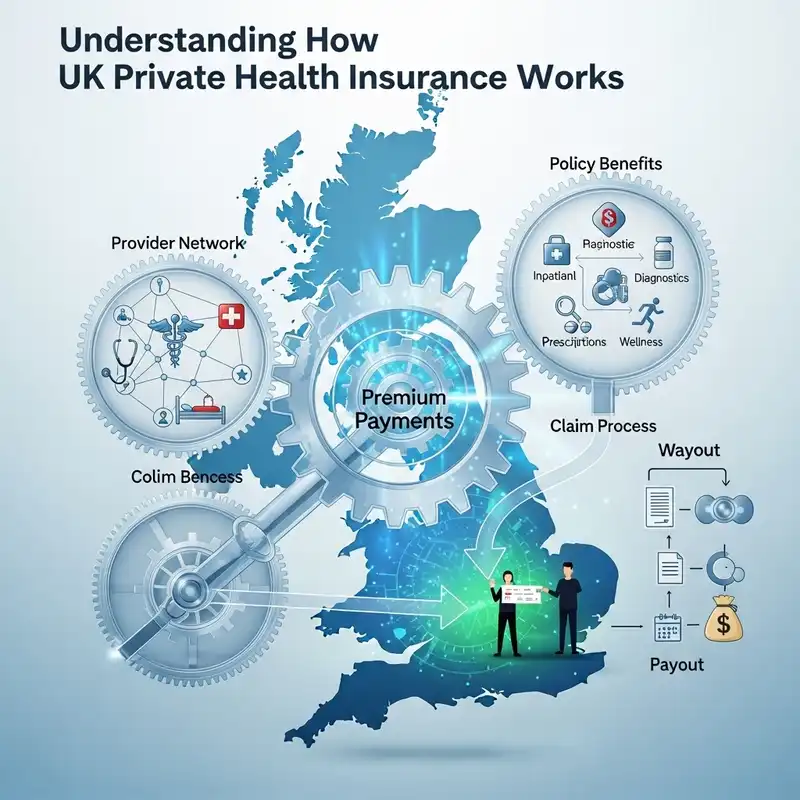
With NHS waiting lists at historic highs, Private Medical Insurance (PMI) is increasingly seen not as a luxury, but as a strategic tool for maintaining health and productivity.
The primary benefits of PMI include:
- Speed: Prompt access to diagnostic tests (like MRI/CT scans) and specialist consultations.
- Choice: The ability to choose your specialist and the hospital where you are treated.
- Access: Potential access to new drugs or treatments not yet available on the NHS.
- Comfort: A private room for overnight stays, offering a more restful recovery environment.
PMI complements the NHS, which remains unparalleled for accident and emergency services. PMI is for managing acute, non-emergency conditions, helping you get diagnosed and treated faster, and back to your life and work sooner.
Furthermore, the protection market has evolved. Many modern life, critical illness, and income protection policies now include valuable "added benefits" at no extra cost, such as:
- 24/7 Virtual GP services.
- Mental health support and counselling sessions.
- Second medical opinion services.
- Physiotherapy and rehabilitation support.
These embedded services can provide immediate help for everyday health concerns, acting as a powerful preventative tool.
Building Your Fortress: A Practical Guide to Getting the Right Cover
Navigating the world of protection can feel complex. Insurers have different definitions, pricing structures, and claims philosophies. This is where independent, expert advice is invaluable. You wouldn't design a skyscraper without an architect; you shouldn't build your financial fortress without a specialist guide.
Here is a step-by-step approach:
- Holistic Assessment: The first step is to understand what you need to protect. This involves looking at your mortgage, debts, monthly expenditure, family structure, business liabilities, and future aspirations.
- Budgeting for Resilience: Protection must be affordable. A plan that you cancel after a year is no protection at all. We can help structure cover in a way that provides the best possible protection for your budget.
- Whole-of-Market Comparison: Going direct to one insurer gives you one option. Using an expert broker like WeCovr gives you access to the entire market. We compare dozens of policies from all the UK's leading insurers to find the one with the right features and definitions for your unique circumstances.
- The Importance of Honesty: When applying for insurance, you must be completely open and honest about your medical history, lifestyle (including smoking and alcohol consumption), and occupation. Non-disclosure is the primary reason claims are denied.
- Putting Cover 'In Trust': For most life insurance policies, placing them in a simple trust is crucial. It's a free service that ensures the payout goes directly to your chosen beneficiaries, bypassing your estate. This means the money is paid out much faster and is not subject to Inheritance Tax.
- Regular Reviews: Your protection needs are not static. Life events like getting married, having children, buying a new house, or starting a business are key moments to review your cover to ensure it's still fit for purpose.
The Resilient Self: From Concept to Reality in 2026
Building a resilient self is an active, ongoing process. It begins with acknowledging the realities of the world we live in—a world of incredible opportunity, but also of undeniable risk. It is a commitment to taking control of what we can, in order to protect ourselves against what we cannot.
The three pillars—proactive health, financial fortification, and strategic protection—are not separate concepts. They are deeply interconnected. Your health choices impact your financial risk. Your financial planning determines your ability to cope with a health crisis. And your protection strategy underpins it all, providing the ultimate safety net that allows you to live with confidence and ambition.
Don't leave your future, your family's security, or your business's continuity to chance. The time to build your fortress is now, when the sun is shining. By taking informed, proactive steps today, you can create a truly thriving life, secure in the knowledge that you have built an unseen, unbreakable foundation.
Is life insurance expensive?
Do I really need income protection if I have savings?
What is the difference between Critical Illness Cover and Income Protection?
- Critical Illness Cover (CIC) pays a one-off, tax-free lump sum if you are diagnosed with one of the specific serious conditions listed in the policy. It's designed to handle the large, immediate costs of a major illness.
- Income Protection (IP) pays a regular, tax-free monthly income if you are unable to work due to any illness or injury. It's designed to replace your lost salary and cover your ongoing living costs.
As a limited company director, can my business pay for my insurance?
Why should I use a broker like WeCovr instead of going direct to an insurer?
- Understand Your Needs: We take the time to assess your personal, family, and business circumstances.
- Compare the Market: We search policies from all the UK's leading insurers to find the best fit.
- Explain the Jargon: We decipher the complex terminology (like 'own occupation' definitions) so you know exactly what you're covered for.
- Provide Expert Advice: We recommend a tailored solution, ensuring you don't pay for cover you don't need or end up with dangerous gaps in your protection.
- Help with Trusts: We guide you through the simple process of putting your policy in trust to ensure the payout is fast, efficient, and tax-free.
Sources
- Office for National Statistics (ONS): Mortality and population data.
- Association of British Insurers (ABI): Life and protection market publications.
- MoneyHelper (MaPS): Consumer guidance on life insurance.
- NHS: Health information and screening guidance.