TL;DR
We meticulously plan our careers, our finances, and our holidays. Yet, in this relentless pursuit of progress, we often overlook the very foundation upon which our ambitions are built: our health and our ability to earn. The reality of 2025 is that this foundation is more precarious than ever.
Key takeaways
- Energising Nutrition: The food you eat is the fuel for your brain and body. A balanced diet rich in whole foods, lean proteins, and complex carbohydrates directly impacts your energy levels, cognitive function, and mood. Processed foods and high sugar intake can lead to energy crashes and mental fog, hindering your productivity and decision-making. WeCovr believes strongly in this principle that we provide our clients with complimentary access to CalorieHero, our AI-powered calorie and nutrition tracking app, helping you make informed choices every day.
- Restorative Sleep: In our hustle culture, sleep is often the first thing to be sacrificed. Yet, consistent, quality sleep is non-negotiable for mental clarity, emotional regulation, and physical recovery. The National Sleep Foundation recommends 7-9 hours per night for adults. Chronic sleep deprivation is linked to a host of health problems and significantly impairs cognitive performance.
- Purposeful Activity: The human body is designed to move. Regular physical activity, whether it's a brisk walk, a gym session, or a weekend cycle, is a powerful antidote to stress. It releases endorphins, improves cardiovascular health, and boosts mental resilience. For those in physically demanding trades, it's crucial for maintaining strength and preventing injury. For desk-based professionals, it's essential for counteracting the negative effects of a sedentary lifestyle.
- Mindful Presence: Managing stress is a critical skill for long-term health. Practices like mindfulness, meditation, or even simple breathing exercises can help regulate your nervous system, improve focus, and prevent burnout. Taking just 10-15 minutes a day to disconnect and centre yourself can have a profound impact on your overall well-being.
- What it is: It may pay out a potentially tax-efficient lump sum on the diagnosis of a specific, serious illness listed in the policy.
the Unseen Shield for Your Lifes Ascent
We live in an age of ambition. From the skilled tradesperson building a reputation brick by brick, to the freelance creative shaping digital landscapes, to the company director steering a business towards new horizons, the drive to build, achieve, and grow is a powerful force. We meticulously plan our careers, our finances, and our holidays. Yet, in this relentless pursuit of progress, we often overlook the very foundation upon which our ambitions are built: our health and our ability to earn.
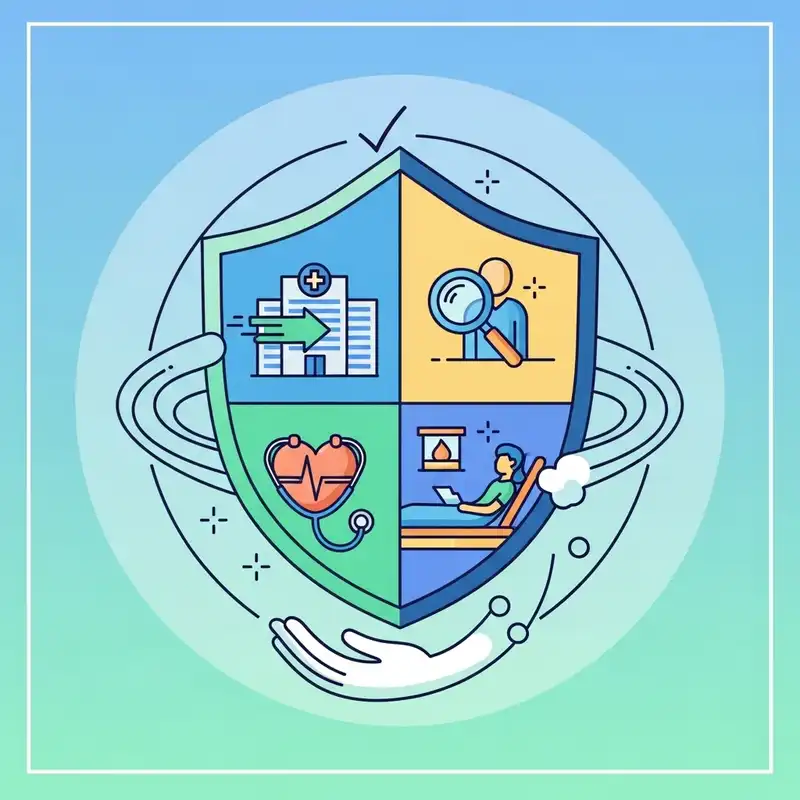
The reality of 2025 is that this foundation is more precarious than ever. The echoes of a global pandemic have reshaped our understanding of vulnerability, while mounting pressures on public services and a changing economic climate have underscored the unpredictable nature of life. Ambition alone is not enough. To truly thrive, to build resilient relationships, and to secure a lasting legacy, we need an unseen shield—a proactive strategy of personal and financial protection.
This is not about planning for the worst-case scenario; it is about empowering the best-case one. It’s about creating the security that allows you to take calculated risks, the peace of mind that strengthens your closest bonds, and the certainty that a sudden illness or injury won't derail a lifetime of hard work. This guide explores how a combination of smart protection insurance and private healthcare is no longer a luxury, but the silent, essential catalyst for a life lived to its fullest potential.
The Shifting Landscape of Health and Work in 2025 Britain
To understand the need for a personal shield, we must first acknowledge the ground shifting beneath our feet. The landscape of both health and work in the UK has transformed, creating new challenges and vulnerabilities for individuals and families across the country.
The Strain on Our National Health Service
The NHS remains a source of national pride, providing incredible care to millions. However, it is operating under unprecedented strain. The latest figures from NHS England in early 2025 paint a stark picture, with the waiting list for consultant-led elective care continuing to hover in the millions. The median waiting time for non-urgent treatments has become a significant source of anxiety and can have a profound impact on one's quality of life and ability to work.
For a self-employed plumber with a bad back or a graphic designer suffering from repetitive strain injury, a six-month wait for diagnosis and treatment isn't just an inconvenience; it's a direct threat to their livelihood.
The Rise of the regulated Workforce
The world of work has fundamentally changed. The ONS reports that the number of self-employed individuals remains a significant portion of the UK labour force, numbering in the millions. This entrepreneurial spirit is the backbone of our economy, yet it comes with a built-in vulnerability: no employer-provided sick pay, no death-in-service benefits, and no one to pick up the slack if you're unable to work. For freelancers, contractors, and small business owners, a period of illness can quickly escalate into a financial crisis.
The Pervasive Impact of Mental Health
Mental health has rightfully come to the forefront of the national conversation. Data continues to show that stress, depression, and anxiety are leading causes of long-term sickness absence in the UK. The fast-paced, typically-on nature of modern life can take its toll, and without timely access to support like therapy or counselling, these conditions can become debilitating, affecting not just our work but our entire lives.
The Foundation of Growth: Why Your Health is Your Greatest Asset
It’s a simple truth we often forget in the heat of ambition: you cannot build an empire from a hospital bed. Your physical and mental well-being is the engine that powers your career, your creativity, and your personal development. When that engine falters, everything else is at risk.
Investing in your health isn't just about avoiding illness; it's about optimising your performance in every area of life. This proactive approach can be broken down into a few key pillars:
- Energising Nutrition: The food you eat is the fuel for your brain and body. A balanced diet rich in whole foods, lean proteins, and complex carbohydrates directly impacts your energy levels, cognitive function, and mood. Processed foods and high sugar intake can lead to energy crashes and mental fog, hindering your productivity and decision-making. WeCovr believes strongly in this principle that we provide our clients with complimentary access to CalorieHero, our AI-powered calorie and nutrition tracking app, helping you make informed choices every day.
- Restorative Sleep: In our hustle culture, sleep is often the first thing to be sacrificed. Yet, consistent, quality sleep is non-negotiable for mental clarity, emotional regulation, and physical recovery. The National Sleep Foundation recommends 7-9 hours per night for adults. Chronic sleep deprivation is linked to a host of health problems and significantly impairs cognitive performance.
- Purposeful Activity: The human body is designed to move. Regular physical activity, whether it's a brisk walk, a gym session, or a weekend cycle, is a powerful antidote to stress. It releases endorphins, improves cardiovascular health, and boosts mental resilience. For those in physically demanding trades, it's crucial for maintaining strength and preventing injury. For desk-based professionals, it's essential for counteracting the negative effects of a sedentary lifestyle.
- Mindful Presence: Managing stress is a critical skill for long-term health. Practices like mindfulness, meditation, or even simple breathing exercises can help regulate your nervous system, improve focus, and prevent burnout. Taking just 10-15 minutes a day to disconnect and centre yourself can have a profound impact on your overall well-being.
Building Your Personal Shield: A Guide to Proactive Protection
While a healthy lifestyle is your first line of defence, it cannot protect you from every eventuality. Accidents happen and illnesses can strike without warning. This is where financial protection comes in, acting as a safety net to catch you and your family. These policies are the structural components of your unseen shield.
Income Protection Insurance: Your Monthly Paycheque, subject to terms
Imagine your income suddenly stopped. How long could you pay your mortgage, bills, and food shopping? For most people, the answer is "not long." Income Protection is arguably the most crucial cover for any working adult.
- What it is: It pays a regular, potentially tax-efficient monthly income if you are unable to work due to any illness or injury.
- How it works: You choose a percentage of your gross income to cover (usually 50-70%). After a pre-agreed waiting period (the "deferred period"), the policy starts paying out and can continue until you recover, or until your chosen retirement age.
- Who it's for: Everyone who earns an income, but it is absolutely essential for the self-employed, freelancers, and those without a generous employer sick pay scheme. A roofer who falls and breaks a leg or a consultant diagnosed with a chronic condition can maintain their lifestyle while they recover.
Critical Illness Cover: A Lump Sum for Life's Biggest Hurdles
A serious illness diagnosis is emotionally devastating. The last thing you or your family need is the added stress of financial worry.
- What it is: It may pay out a potentially tax-efficient lump sum on the diagnosis of a specific, serious illness listed in the policy.
- How it works: Common conditions covered include many types of cancer, heart attack, and stroke, but policies may cover 50+ conditions. The lump sum can be used for anything—to clear a mortgage, pay for private treatment, adapt your home, or simply give you the financial breathing space to focus on getting better without work pressures.
- Who it's for: Anyone who wants a financial cushion to handle the significant costs and lifestyle changes that a serious illness can bring. It provides choice and control at a time when you may need it most.
Life Insurance: Securing Your Family's Future
Life insurance is not for you; it's for the people you leave behind. It is a profound act of love and responsibility.
- What it is: It may pay out a lump sum upon your death.
- How it works: The two main types are Term Insurance, which covers you for a set period (e.g., the length of your mortgage), and Whole of Life, which covers you for your entire life. A popular and affordable variation is Family Income Benefit, which may pay out a regular monthly income to your family for the remainder of the policy term, rather than a single lump sum. This can be easier to manage and replaces your lost income in a more structured way.
- Who it's for: Anyone with financial dependents—a partner, children, or even ageing parents. It can help support your mortgage is paid, your children's education is funded, and your loved ones are not left with a legacy of debt.
Here is a simple table to clarify the core differences:
| Protection Product | What it Does | When it may pay out | Primary Purpose |
|---|---|---|---|
| Income Protection | Provides a regular monthly income | When you can't work due to illness/injury | Replaces lost earnings |
| Critical Illness Cover | Provides a one-off potentially tax-efficient lump sum | On diagnosis of a specified serious illness | Covers major costs & lifestyle changes |
| Life Insurance | Provides a lump sum or regular income | On your death during the policy term | Protects your family financially |
For those in riskier trades, some insurers also offer Personal Sick Pay policies. These are a form of short-term income protection, often with shorter deferred periods and payment terms (typically 1 or 2 years), providing a vital stop-gap for more common injuries that might keep you off the tools for a few months.
The Professional's Toolkit: Protection for Business Owners and Directors
For those running a business, the responsibility extends beyond personal and family protection. The health of the business itself is intrinsically linked to the health of its key people. Smart business owners and company directors utilise specific, tax-efficient protection strategies.
Key Person Insurance: Protecting Your Most Valuable Asset
Who is indispensable to your business? Is it the sales director with all the client contacts? The technical genius who designed your product? The loss of such a person could be catastrophic.
- What it is: A policy taken out and paid for by the business on the life or health of a key employee.
- How it works: If the key person dies or suffers a critical illness, the policy pays a lump sum to the business. This money can be used to recruit a replacement, cover lost profits, or reassure lenders and investors. It is business continuity planning in its purest form.
Executive Income Protection: A Premium Benefit for Leaders
Standard income protection is a personal policy. Executive Income Protection is a more tax-efficient way for a business to protect its most important employees—its directors.
- What it is: An income protection policy that is owned and paid for by the limited company.
- How it works: The premiums are typically an allowable business expense, making it highly tax-efficient. The benefit is paid to the company, which then pays it to the director via PAYE. It allows for higher levels of cover than personal plans, reflecting the director's value.
Relevant Life Cover: Tax-Efficient Death-in-Service for Small Businesses
Many small limited companies don't have enough employees to set up a full group death-in-service scheme. Relevant Life Cover is a suitable option for your circumstances.
- What it is: A standalone 'death-in-service' policy for an individual employee or director, paid for by the company.
- How it works: The premiums are a tax-deductible business expense, and it is not treated as a P11D benefit-in-kind. The claim payment is made potentially tax-efficient to the individual's family or trust, completely separate from the business.
For business owners planning their personal legacy, products like Gift Inter Vivos insurance are also crucial. If you gift a significant asset (like company shares or property) to a loved one, it can still be subject to Inheritance Tax (IHT) if you die within seven years. This policy may pay out a lump sum to cover that potential IHT bill, ensuring your gift is received in full.
| Business Protection | Owned By | Protects | Key Benefit |
|---|---|---|---|
| Key Person Insurance | The Business | The Business's financial stability | Funds to cover loss of a key employee |
| Executive Income Protection | The Business | The Director's income | Tax-efficient way to provide superior cover |
| Relevant Life Cover | The Business | The Director's/Employee's family | Tax-efficient death-in-service benefit |
The Private Health Advantage: More Than Just Skipping the Queue
While protection insurance provides a financial safety net, Private Medical Insurance (PMI) is about taking control of your health and recovery pathway. In the context of 2025's healthcare challenges, its value has generally not been more apparent.
The primary benefit is, of course, speed. Gaining prompt access to specialists, diagnostic scans (like MRI and CT), and treatment can make a monumental difference. For a musculoskeletal issue, it can be the difference between a swift recovery and months of pain and lost earnings. For a worrying diagnosis, it can mean immediate peace of mind and a treatment plan starting in days, not months.
But the advantages of modern PMI plans go far beyond speed:
- Choice and Control: You can often choose the specialist consultant and the hospital where you receive your treatment, giving you control over your healthcare journey.
- Enhanced Recovery: A private room can offer the peace, quiet, and comfort needed for a faster and less stressful recovery.
- Access to Advanced Treatments: Some policies provide access to new drugs or treatments that may not yet be available on the NHS due to funding decisions.
- Integrated Digital Health: Most leading PMI providers now include a wealth of added benefits as standard, such as 24/7 digital GP appointments, virtual physiotherapy sessions, and, crucially, fast-tracked access to mental health support like counselling and therapy.
For an employer, offering PMI as a benefit is a powerful tool for attracting and retaining top talent, demonstrating a genuine commitment to employee well-being and minimising time lost to sickness.
Weaving It All Together: Your Integrated Protection Strategy
These different strands of protection are not an "either/or" choice. They are designed to work together, weaving a comprehensive shield that covers you from multiple angles. The right mix depends entirely on your personal circumstances, profession, and life stage.
Consider this case study:
Name: Chloe, 38 Profession: Self-employed Interior Designer Family: Married with two children (aged 6 and 9), mortgage of £300,000. (illustrative estimate) Goals: Grow her business, provide for her children's future, travel.
Chloe's Integrated Shield could look like this:
- Income Protection: To cover 65% of her average monthly earnings. This is her first priority, as her family relies on her income to function day-to-day.
- Life and Critical Illness Cover (illustrative): A joint policy with her husband. A decreasing term policy to clear the mortgage if one of them dies, combined with a level term critical illness policy of £100,000. This lump sum would provide a crucial buffer if either of them were diagnosed with a serious condition.
- Private Medical Insurance: A comprehensive plan giving her fast access to diagnostics and treatment for things like back pain or stress-related conditions, minimising business downtime.
- Pension Contributions: Not an insurance, but a vital part of her long-term financial security.
This layered approach means that whether Chloe faces a short-term injury, a major health crisis, or the unthinkable, she has a plan in place. This is the kind of bespoke strategy that requires expert guidance. A specialist at WeCovr or one of our broker partners can help you navigate these options. Our role is to understand your unique life—your job, your family, your ambitions—and analyse policies from across the entire UK market to build a protection portfolio that fits you, not the other way around.
The Ripple Effect: How Protection Fortifies Relationships and Secures Legacies
The benefits of a robust protection plan ripple outwards, touching every aspect of your life.
- Resilient Relationships: Financial pressure is a leading cause of stress and conflict in relationships. When a health crisis hits, a protection plan removes the toxic element of financial panic. It allows partners to focus on what truly matters: care, support, and recovery. It transforms a potential crisis into a challenge you face together.
- Empowered Personal Growth: True security breeds confidence. Knowing you have a financial safety net makes it easier to take calculated risks. You can invest in your business, pivot your career, or pursue a passion project with the confidence that a misstep won't lead to ruin.
- A Secure Legacy: Ultimately, protection is about peace of mind. It's the quiet confidence of knowing that no matter what happens, your loved ones are secure. It's about leaving a legacy of care and foresight, not a burden of debt and uncertainty.
Conclusion: Investing in Certainty in an Uncertain World
In the pursuit of our goals for 2025 and beyond, it is easy to focus solely on the ascent—the next client, the next promotion, the next milestone. But the wisest climbers are those who secure their ropes at every stage.
Proactive health and financial protection is your rope. It is the unseen shield that allows you to climb higher, faster, and with greater confidence. It’s not an admission of pessimism, but the ultimate expression of optimism—an investment in your ability to live a full, ambitious, and uninterrupted life.
From the tradesperson on site to the director in the boardroom, the reality is the same: your ability to earn and your health are your most valuable assets. Protecting them is not an expense; it is the most critical investment you will ever make in yourself, your family, and your future. By taking proactive steps today, you are not just buying a policy; you are buying certainty, resilience, and the freedom to pursue your ambitions without fear.
I'm young and healthy, do I really need protection insurance now?
Is private medical insurance worth it if we have the NHS?
What's the difference between Income Protection and Critical Illness Cover?
Income Protection is designed to replace your monthly income. It may pay out a regular salary if you're unable to work due to any illness or injury (from a bad back to a serious cancer diagnosis) after a set waiting period.
Critical Illness Cover may pay out a one-off, potentially tax-efficient lump sum if you are diagnosed with one of the specific, serious conditions listed in the policy. This lump sum is designed for major financial shocks, like clearing a mortgage or paying for specialist treatment, rather than replacing monthly income.
I'm self-employed. What cover is most important for me?
Do I need to declare pre-existing medical conditions?
Sources
- Office for National Statistics (ONS): Mortality and population data.
- Association of British Insurers (ABI): Life and protection market publications.
- MoneyHelper (MaPS): Consumer guidance on life insurance.
- NHS: Health information and screening guidance.
Important Information and Risks
No advice: This article is for general information only. It is not financial, legal, insurance, or tax advice, and it is not a personal recommendation. WeCovr does not assess your individual circumstances or recommend a specific product through this article.
Policy exclusions and underwriting: Insurance policies, including life insurance, private medical insurance, critical illness cover, and income protection, are subject to insurer underwriting, eligibility, acceptance criteria, terms, conditions, limits, and exclusions. Pre-existing medical conditions may be excluded, restricted, or accepted on special terms unless an insurer confirms otherwise in writing.
Tax treatment: References to tax treatment, HMRC rules, or business reliefs are based on current UK legislation and guidance, which can change. Tax treatment depends on your personal or business circumstances and may differ from examples in this article.
Before you buy: Always read the Insurance Product Information Document (IPID), policy summary, and full policy terms before buying, renewing, changing, or keeping cover. If you are unsure whether a policy is suitable for you, speak to an insurance adviser.
Measure your family’s protection gap, then get the right life cover quote
Start with the score to see whether your family would face a real financial shortfall before moving on to life cover options.
Check what happens if someone dies too soon
See whether debt, dependants and mortgage risk are covered
Move into tailored life cover options after the score
Get your score
Your next best move
Get your score in minutes, then decide what kind of protection help would be most useful.
Score your household protection
See how well your current setup protects dependants, debt and major commitments.
Find the shortfall
Know whether life cover, critical illness or income protection is the actual missing piece.
Continue to tailored life cover
If life cover is the gap, continue to tailored life cover options.
What you get
A quick view of your current protection position
A clearer idea of where the biggest gaps may be
A direct route to tailored help if you want it