TL;DR
As an FCA-authorised expert with over 900,000 policies of various kinds arranged, WeCovr understands the worries parents face when their child is unwell. This guide on tonsillitis in children explores symptoms, treatments, and how private medical insurance can provide peace of mind and faster care in the UK.
Key takeaways
- Seven or more clinically significant, adequately treated sore throats in the preceding year.
- Five or more such episodes in each of the preceding two years.
- Three or more such episodes in each of the preceding three years.
- Speedy Specialist Access: This is the most significant advantage. Once your GP has provided an open referral, you can contact your insurer for authorisation. You could see a private ENT specialist in a matter of days or weeks, rather than waiting months on the NHS.
- Choice and Control: PMI policies usually offer a choice of specialists and hospitals from an approved network. This allows you to choose a consultant with expertise in paediatric ENT and a hospital that is convenient for your family.
As an FCA-authorised expert with over 900,000 policies of various kinds arranged, WeCovr understands the worries parents face when their child is unwell. This guide on tonsillitis in children explores symptoms, treatments, and how private medical insurance can provide peace of mind and faster care in the UK.
Learn about tonsillitis symptoms, treatments, and how PMI helps with faster ENT access
A child's cry of "my throat hurts" is a sound every parent dreads. Often, the culprit is tonsillitis—a common, painful, and disruptive childhood illness. While the NHS provides excellent care, waiting times for specialist consultations and surgery can be a significant source of stress for families.
This comprehensive guide is designed for UK parents. We'll walk you through everything you need to know about tonsillitis, from recognising the first symptoms to understanding treatment options. Crucially, we will explain how private medical insurance (PMI) can offer a lifeline, providing rapid access to Ear, Nose, and Throat (ENT) specialists when your child needs it most.
What is Tonsillitis? A Parent's Simple Guide
To understand tonsillitis, it helps to first know what tonsils are.
Your tonsils are two small, oval-shaped lumps of tissue that sit at the back of the throat, one on each side. They are part of your body's immune system, acting as a first line of defence against germs that you breathe in or swallow. They help to trap bacteria and viruses, preventing them from causing infections further down in your body.
Tonsillitis is simply the inflammation of these tonsils. When the tonsils become overwhelmed by a virus or bacteria, they swell up, become red, and cause the classic symptoms of a very sore throat.
Viral vs. Bacterial Tonsillitis: What's the Difference?
Tonsillitis can be caused by two types of germs:
- Viral Tonsillitis: This is the most common type, especially in younger children. It's caused by the same viruses that cause the common cold or flu. Viral tonsillitis doesn't respond to antibiotics and usually gets better on its own with rest and at-home care.
- Bacterial Tonsillitis: This type is caused by bacteria, most commonly Group A streptococcus (the same bacteria that causes "strep throat"). Bacterial tonsillitis can be more severe and is treated with a course of antibiotics prescribed by a doctor.
It can be difficult for parents to tell the difference, which is why a trip to the GP is often necessary for a proper diagnosis.
Recognising the Symptoms of Tonsillitis in Children
The signs of tonsillitis can range from mild to severe. Your child might experience a combination of the following symptoms.
Common Symptoms of Tonsillitis
- A very sore throat: This is the hallmark symptom. Your child might describe it as feeling "scratchy" or "like swallowing glass."
- Difficulty swallowing: Pain can make eating and even drinking a struggle.
- Red, swollen tonsils: If you look at the back of your child's throat with a torch, the tonsils may look larger than usual and appear bright red.
- White or yellow spots on the tonsils: These spots are pus and are often a sign of a bacterial infection.
- High temperature (fever): A temperature of 38°C or above is common.
- Headache: A general feeling of being unwell often includes a headache.
- Earache: The pain from the throat can sometimes radiate to the ears.
- Swollen glands in the neck: You may be able to feel tender lumps on the sides of your child's neck.
- Bad breath: An infection in the throat can cause an unpleasant odour.
- A hoarse or muffled voice: Swelling can affect your child's voice box.
Signs of Tonsillitis in Babies and Toddlers
Younger children can't always tell you what's wrong. Look out for these non-verbal cues:
- Refusing to eat or drink
- Drooling more than usual (because it hurts to swallow saliva)
- Being unusually fussy, irritable, or clingy
- Crying more often
- Pulling at their ears
At-a-Glance Symptom Checker
| Symptom | Description | What to Look For |
|---|---|---|
| Sore Throat | The primary symptom; can be severe. | Child complains of pain, refuses food, cries when swallowing. |
| Appearance of Tonsils | Inflamed and swollen. | Look for redness and swelling. White/yellow spots may indicate a bacterial infection. |
| Fever | Body temperature of 38°C or higher. | Use a thermometer. Child may feel hot to the touch, have flushed cheeks. |
| Swollen Glands | Lymph nodes in the neck react to infection. | Gently feel the sides of the neck for tender, pea-sized lumps. |
| General Malaise | Feeling generally unwell. | Child may be lethargic, have a headache, or complain of aches and pains. |
When Should You See a Doctor?
Most cases of tonsillitis can be managed at home and will clear up within a week. However, you should contact your GP or call NHS 111 if:
- Your child's symptoms are severe.
- The symptoms don't start to improve after 3-4 days.
- Your child has frequent bouts of tonsillitis.
- Your child is finding it very difficult to eat or drink.
Seek urgent medical attention by calling 999 or going to A&E if your child:
- Has difficulty breathing.
- Is drooling and cannot swallow at all.
- Is making a high-pitched noise when they breathe (stridor).
These can be signs of a more serious complication and require immediate care.
Navigating the NHS for Tonsillitis Treatment
The National Health Service provides a clear and effective pathway for treating tonsillitis. Understanding this journey is key to appreciating where private medical insurance can offer an alternative.
The Standard NHS Pathway
- GP Consultation: Your first stop is always your local GP. They will examine your child, confirm the diagnosis, and determine if the tonsillitis is likely viral or bacterial.
- Prescription or Advice: If it's bacterial, they'll prescribe antibiotics. If it's viral, they'll advise on at-home care, such as pain relief and rest.
- Referral to an ENT Specialist: If your child suffers from recurrent, severe tonsillitis that significantly impacts their quality of life, your GP may refer them to an NHS Ear, Nose, and Throat (ENT) specialist.
NHS Criteria for a Tonsillectomy Referral
A referral for surgery to remove the tonsils (a tonsillectomy) is not made lightly. The NHS generally follows guidelines (like the SIGN 117 guidelines) which recommend considering surgery if the child has had:
- Seven or more clinically significant, adequately treated sore throats in the preceding year.
- Five or more such episodes in each of the preceding two years.
- Three or more such episodes in each of the preceding three years.
A referral may also be made if the tonsils are causing other problems, such as obstructive sleep apnoea (where breathing stops and starts during sleep).
The Challenge: NHS Waiting Times
While the care provided by the NHS is of a high standard, the system is under immense pressure. One of the biggest challenges for families is the waiting time for specialist appointments and subsequent surgery.
According to the latest NHS England data, referral-to-treatment (RTT) waiting times can be substantial. In early 2025, the median waiting time for elective treatments, including ENT procedures, can be many months. A significant number of patients across the UK wait much longer than the target 18 weeks. For a child in pain, missing school, and suffering from disturbed sleep, and for parents juggling work and care, this can feel like an eternity.
This is the primary reason why many families explore private medical insurance UK as a way to regain control and access faster treatment.
How Private Medical Insurance (PMI) Provides a Faster Path to Relief
Private medical insurance is designed to work alongside the NHS. It doesn't replace it, but it offers a parallel route to diagnosis and treatment for acute conditions that arise after your policy has started.
For a child suffering from recurrent tonsillitis, PMI can be a game-changer.
The Key Benefits of Using PMI for Tonsillitis
- Speedy Specialist Access: This is the most significant advantage. Once your GP has provided an open referral, you can contact your insurer for authorisation. You could see a private ENT specialist in a matter of days or weeks, rather than waiting months on the NHS.
- Choice and Control: PMI policies usually offer a choice of specialists and hospitals from an approved network. This allows you to choose a consultant with expertise in paediatric ENT and a hospital that is convenient for your family.
- Comfort and Convenience: Private hospitals often provide enhanced comfort, such as a private room for your child, more flexible visiting hours for parents, and a calmer environment, which can make a stressful experience much more manageable.
The Private Healthcare Journey for a Tonsillectomy
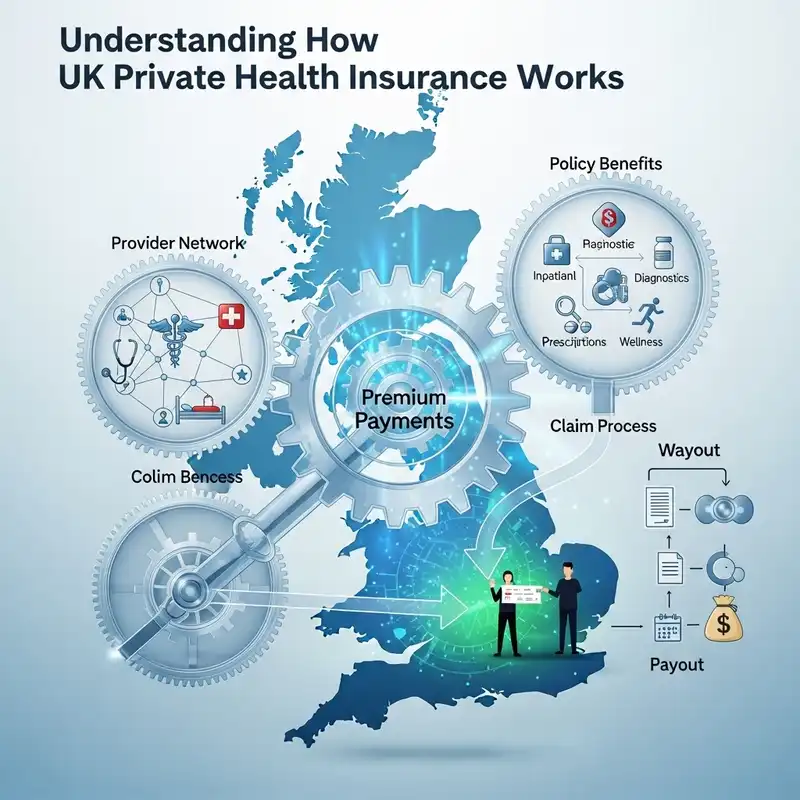
Here’s a typical step-by-step example of how it works:
- GP Visit: Your journey still starts with your NHS GP. They diagnose the recurrent tonsillitis and agree that a specialist opinion is needed. They provide you with an open referral letter.
- Contact Your Insurer: You call your private health cover provider, explain the situation, and provide the referral letter. They will check your policy details and give you an authorisation number for a specialist consultation.
- Book the Consultation: You can now book an appointment with an ENT specialist from your insurer's approved list.
- Specialist Assessment: The ENT specialist assesses your child. If they agree that a tonsillectomy is medically necessary, they will recommend the procedure.
- Pre-authorise the Surgery: You go back to your insurer with the consultant's recommendation and the procedure code. They will pre-authorise the surgery, confirming that the costs will be covered.
- The Procedure: The tonsillectomy is carried out in a private hospital at a time that suits you, without the long wait.
A Critical Note on Pre-existing and Chronic Conditions
This is the most important rule of private medical insurance: standard UK PMI policies do not cover pre-existing or chronic conditions.
- Acute Condition: Tonsillitis that develops for the first time after you have taken out a PMI policy is an acute condition and is typically covered.
- Pre-existing Condition: If your child has a documented history of recurrent tonsillitis before the policy starts, it will be classed as a pre-existing condition and will be excluded from cover.
This is why many parents choose to take out private health cover for their children when they are young and healthy. It provides a safety net for future, unforeseen acute medical issues. An expert PMI broker like WeCovr can help you navigate these rules and find a policy that's right for your family's circumstances.
Choosing the Right Private Health Cover for Your Family
The world of private medical insurance can seem complex, with different providers, policy levels, and jargon. Here’s a simple breakdown of the key things to consider.
Key Policy Terms Explained
| Term | What It Means in Simple English | Why It Matters |
|---|---|---|
| Excess | The fixed amount you agree to pay towards the cost of any claim. For example, if your excess is £250 and your treatment costs £3,000, you pay the first £250 and the insurer pays the rest. | A higher excess usually means a lower monthly premium. |
| Underwriting | The process an insurer uses to assess risk and decide what they will and won't cover. | This determines whether your pre-existing conditions will be excluded. |
| Hospital List | The list of hospitals and clinics where you can receive treatment under your policy. | A more extensive list (e.g., including central London hospitals) typically costs more. |
| Out-patient Cover | Cover for tests and consultations that don't require an overnight hospital stay. | Crucial for covering the cost of the initial ENT specialist consultation. Some basic policies limit this. |
Types of Underwriting
There are two main types of underwriting for personal PMI policies:
- Moratorium (Mori) Underwriting: This is the most common type. You don't have to declare your medical history upfront. The insurer will automatically exclude any condition you've had symptoms, treatment, or advice for in the last 5 years. However, if you go 2 full years without any issues relating to that condition after your policy starts, it may become eligible for cover. It's simple and quick to set up.
- Full Medical Underwriting (FMU): You provide your full medical history via a questionnaire. The insurer assesses it and tells you from day one exactly what is excluded. It takes longer but provides complete clarity from the start.
A specialist advisor at WeCovr can explain these options in detail and help you decide which is best for you. Our advice comes at no cost to you.
WeCovr's Added Value for Your Family's Wellbeing
Choosing the right insurance is just the start. At WeCovr, we believe in supporting your family's overall health and financial security. That’s why our clients get access to exclusive benefits.
Complimentary Access to CalorieHero
Good nutrition is vital for a strong immune system and for recovery after illness or surgery. All WeCovr clients who purchase PMI or Life Insurance receive complimentary access to CalorieHero, our AI-powered calorie and nutrition tracking app. It's a fantastic tool to help ensure your family maintains a healthy, balanced diet.
Discounts on Further Protection
Protecting your family’s health is one part of the puzzle. WeCovr clients who buy private medical insurance also receive exclusive discounts on other vital policies, such as Life Insurance or Income Protection. This makes it easier and more affordable to build a comprehensive financial safety net for your loved ones.
With consistently high customer satisfaction ratings, our focus is always on providing clear, expert advice and tangible value.
Supporting Your Child's Immune System: Everyday Wellness Tips
While you can't prevent every illness, you can take simple, proactive steps to support your child's immune system and reduce the frequency of infections like tonsillitis.
- Promote Excellent Hygiene: Teach children to wash their hands thoroughly with soap and water, especially after coughing or sneezing, before eating, and after coming home from school or nursery.
- Encourage a Balanced Diet: A diet rich in fruits, vegetables, lean proteins, and whole grains provides the essential vitamins and minerals (like Vitamin C and Zinc) needed for a healthy immune system.
- Prioritise Sleep: Sleep is when the body repairs itself and builds its defences. Ensure your child gets the recommended amount of sleep for their age. Toddlers typically need 11-14 hours, while school-aged children need 9-11 hours.
- Stay Hydrated: Drinking plenty of water helps to flush out toxins and keeps the throat and mucous membranes moist, making them a more effective barrier against germs.
- Avoid Smoke Exposure: Exposure to secondhand cigarette smoke can irritate the throat and weaken the immune system, making children more susceptible to respiratory infections.
- Keep Up with Vaccinations: Ensure your child's vaccinations are up to date as recommended by the NHS.
Is a tonsillectomy covered by private medical insurance?
Do I need a GP referral to see a private ENT specialist with PMI?
Can I add my child to my existing private health cover?
What happens if my child's tonsillitis is a pre-existing condition?
Take the Next Step to Protect Your Family
Watching your child suffer from recurrent tonsillitis is tough. The uncertainty of long waiting lists only adds to the strain. Private medical insurance offers a path to faster diagnosis, choice over your specialist, and the peace of mind that comes from knowing you can access the best care quickly.
Ready to explore your options? Get a free, no-obligation quote from WeCovr today. Our friendly, expert advisors will compare policies from leading UK insurers to find the perfect cover for your family's needs and budget.
Sources
- NHS England: Waiting times and referral-to-treatment statistics.
- Office for National Statistics (ONS): Health, mortality, and workforce data.
- NICE: Clinical guidance and technology appraisals.
- Care Quality Commission (CQC): Provider quality and inspection reports.
- UK Health Security Agency (UKHSA): Public health surveillance reports.
- Association of British Insurers (ABI): Health and protection market publications.