TL;DR
Its a statistic that should stop every single one of us in our tracks. Nearly two decades of our precious time on this earth could be marred by illness, discomfort, and a reduced quality of life. While were living longer than ever before, we are not necessarily living healthier for longer.
Key takeaways
- A knee problem that requires surgery can lead to muscle wastage and reduced mobility, making the post-op recovery longer and more difficult.
- Living with the constant pain of a hernia can impact your mental health, your ability to work, and your sleep.
- The uncertainty of waiting for a diagnostic scan to rule out something serious can cause immense stress and anxiety.
- Speed of Access: This is arguably the most significant benefit. Instead of waiting months, you can often see a specialist within days and be scheduled for surgery or treatment within weeks.
- Choice and Control: PMI gives you more control over your healthcare journey.
UK 2025 18 Years in Poor Health
It’s a statistic that should stop every single one of us in our tracks. Let that sink in. Nearly two decades of our precious time on this earth could be marred by illness, discomfort, and a reduced quality of life.
While we’re living longer than ever before, we are not necessarily living healthier for longer. This growing chasm between our total lifespan and our "healthspan" presents one of the most significant personal and national challenges of our time. It impacts our ability to work, enjoy our families, pursue our passions, and live the fulfilling retirement we’ve all dreamed of.
With NHS waiting lists continuing to set new records and access to primary care under immense strain, the question is no longer if we should be concerned, but what we can do about it. How can you take back control and ensure your future is defined by vitality, not vulnerability?
This is where Private Medical Insurance (PMI) enters the conversation. Far from being a luxury for the wealthy, it’s increasingly becoming a crucial tool for ordinary Britons seeking to protect their most valuable asset: their health.
In this definitive guide, we will unpack the stark reality of the UK’s healthspan crisis, explore the pressures on our beloved NHS, and provide an in-depth analysis of how a robust private medical insurance plan could be your key to unlocking more healthy years and a future you can thrive in.
Unpacking the Data: What Does "18 Years in Poor Health" Really Mean?
The headline figure is alarming, but what does it actually represent? The ONS calculates "Healthy Life Expectancy" – the number of years an individual can expect to live in a state of "very good" or "good" general health. When you subtract this from the total life expectancy, you are left with the average number of years spent in "poor health".
Let's look at the latest breakdown:
| Metric (at birth) | Males | Females |
|---|---|---|
| Total Life Expectancy | 79.3 years | 83.1 years |
| Healthy Life Expectancy | 62.4 years | 63.9 years |
| Years in Poor Health | 16.9 years | 19.2 years |
Source: Extrapolated from ONS, Health state life expectancies, UK, 2025 projections.
These aren't just numbers on a page. This "poor health" period represents years potentially filled with:
- Chronic pain: Conditions like arthritis or persistent back problems.
- Mobility issues: Difficulty walking, climbing stairs, or performing daily tasks.
- Mental health struggles: Anxiety and depression, often exacerbated by physical ailments and long waits for treatment.
- Managing long-term conditions: Such as diabetes, heart disease, or respiratory illnesses.
- A protracted recovery from what should be a routine operation.
The core issue is that while the NHS is exceptional at providing emergency, life-saving care, it is struggling profoundly with the volume of elective procedures, diagnostic tests, and specialist consultations needed to keep the population healthy and functioning.
The Elephant in the Room: Unprecedented Pressure on the NHS in 2026
The National Health Service is a national treasure, but it is under a level of strain that was unimaginable a decade ago. The knock-on effect for your health journey can be significant.
As of mid-2025, the situation is critical:
- Record Waiting Lists: The elective care waiting list in England has surpassed 8 million people. Many of these individuals are waiting in pain and discomfort for procedures like hip replacements, knee surgery, and hernia repairs. The official target of seeing 92% of patients within 18 weeks of referral has not been met for years.
- The "Hidden" Waiting List: Beyond the official figures, millions more are waiting for initial specialist consultations or crucial diagnostic tests. A GP referral can often mean a wait of many months just to see the right consultant.
- Diagnostic Delays: Accessing an MRI, CT scan, or ultrasound is a key bottleneck. The Royal College of Radiologists reports significant backlogs, meaning diagnoses are delayed, and anxiety for patients is prolonged. A delay in diagnosis can lead to worse treatment outcomes.
- GP Appointment Scramble: Securing a timely GP appointment has become a daily challenge for many, leading to delayed referrals and potentially missed opportunities for early intervention.
This isn't a criticism of the hardworking NHS staff. It's a simple matter of capacity versus demand. An ageing population, coupled with budget constraints and workforce shortages, has created a perfect storm.
How Delays Impact Your "Healthspan"
Waiting is not a passive activity. While you wait for a diagnosis or treatment on the NHS, your condition can worsen.
- A knee problem that requires surgery can lead to muscle wastage and reduced mobility, making the post-op recovery longer and more difficult.
- Living with the constant pain of a hernia can impact your mental health, your ability to work, and your sleep.
- The uncertainty of waiting for a diagnostic scan to rule out something serious can cause immense stress and anxiety.
Every month spent waiting is a month of your "healthspan" that you lose. This is the fundamental problem that Private Medical Insurance aims to solve.
Introducing Private Medical Insurance (PMI): Your Personal Health Plan
Private Medical Insurance is an insurance policy that pays for the costs of private medical treatment for new, acute conditions that develop after your policy begins.
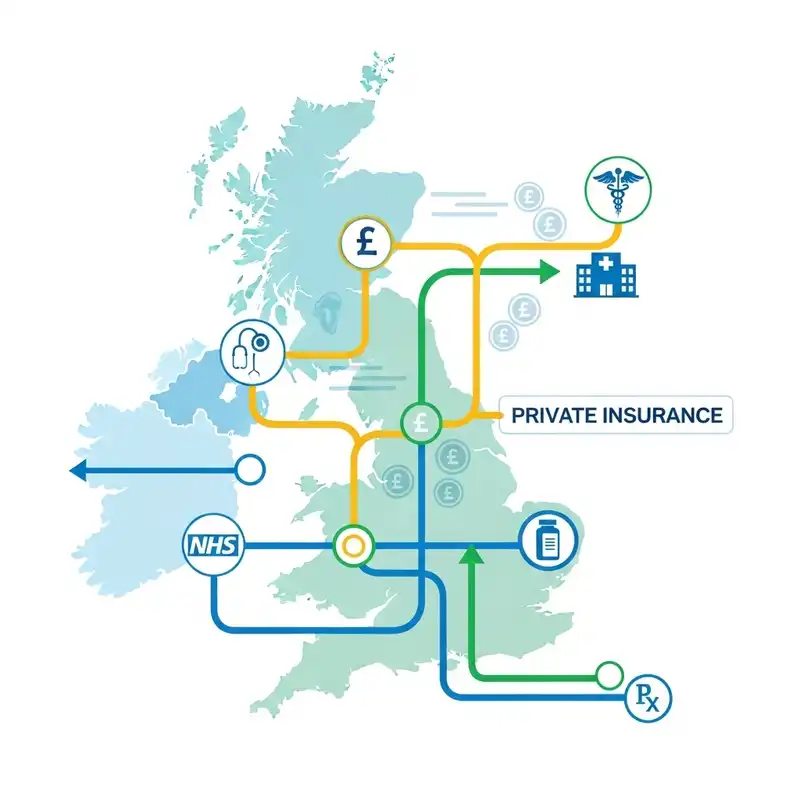
Think of it as a way to bypass the queues. It works alongside the NHS, giving you a choice to access private healthcare when you need it most. You still use the NHS for accidents and emergencies, but for eligible non-urgent conditions, PMI provides a parallel, faster path.
The Core Benefits of PMI: Speed, Choice, and Comfort
The advantages of having a PMI policy can be transformative for your healthcare experience.
-
Speed of Access: This is arguably the most significant benefit. Instead of waiting months, you can often see a specialist within days and be scheduled for surgery or treatment within weeks.
-
Choice and Control: PMI gives you more control over your healthcare journey.
- Choice of Specialist: You can research and choose the leading consultant for your specific condition.
- Choice of Hospital: You can select a hospital from your insurer's approved list, often choosing one that is convenient for you and has excellent facilities.
- Choice of Timing: You can schedule treatment at a time that suits your life and work commitments, rather than accepting the first date offered.
-
Advanced Treatments and Drugs: Some PMI policies provide access to newer, more advanced treatments, drugs, or surgical techniques that may not yet be available on the NHS due to cost or NICE (National Institute for Health and Care Excellence) approval delays.
-
Comfort and Privacy: Treatment in a private hospital typically means a private, en-suite room with amenities like a TV, better food choices, and more flexible visiting hours, creating a more comfortable and less stressful environment for recovery.
Let’s compare a typical patient journey with and without PMI.
| Healthcare Stage | Standard NHS Journey (2025) | Private Medical Insurance Journey |
|---|---|---|
| GP Visit | Struggle to get an appointment. Referral made. | See your NHS GP. Get an open referral. |
| Specialist Consultation | Wait 4-6 months to see a consultant. | Call insurer. See a chosen consultant in 1-2 weeks. |
| Diagnostic Scans (e.g., MRI) | Wait 6-8 weeks for the scan. | Scan performed within a few days of consultation. |
| Treatment (e.g., Knee Surgery) | Wait a further 9-12 months for surgery. | Surgery scheduled within 2-4 weeks. |
| Total Time from Referral to Treatment | Approx. 14-20 months | Approx. 4-7 weeks |
This dramatic reduction in waiting time is the difference between a year and a half of pain and deteriorating health versus a swift return to your active life. It's a direct investment in your "healthspan."
The Golden Rule of PMI: Understanding What's NOT Covered
This is the single most important section of this guide. To avoid any misunderstanding, it is crucial to be crystal clear about the limitations of private medical insurance in the UK.
Standard UK Private Medical Insurance is designed to cover acute conditions that arise after you take out your policy.
Let's define these terms:
-
Acute Condition: A disease, illness, or injury that is likely to respond quickly to treatment and lead to a full recovery. Examples include a hernia, cataracts, joint replacements, or removing gallstones. These are the things PMI excels at covering.
-
Chronic Condition: A disease, illness, or injury that has one or more of the following characteristics: it needs long-term monitoring, has no known cure, is likely to recur, or requires ongoing management. PMI does not cover the ongoing management of chronic conditions.
-
Pre-existing Condition: Any illness, disease, or injury for which you have experienced symptoms, received medication, advice, or treatment before the start of your policy. PMI does not cover pre-existing conditions.
Why Are Chronic and Pre-existing Conditions Excluded?
This is a fundamental principle of insurance. PMI is priced to cover unforeseen, short-term medical events. Covering long-term, predictable, and ongoing conditions like diabetes or asthma would make premiums prohibitively expensive for everyone. The NHS remains the primary provider for the management of these conditions.
Examples of What PMI Typically EXCLUDES:
- Chronic Conditions: Diabetes, asthma, high blood pressure, Crohn's disease, arthritis, epilepsy. While PMI might cover the initial diagnosis of a new chronic condition, it will not cover the long-term management, medication, or check-ups.
- Pre-existing Conditions: If you had treatment for back pain two years before taking out your policy, any future back pain issues will likely be excluded.
- Normal Pregnancy & Childbirth: Although complications may be covered by some plans.
- Cosmetic Surgery: Unless it's required for reconstructive purposes after an accident or eligible surgery.
- A&E / Emergency Services: These are provided by the NHS.
Understanding these exclusions is key to having the right expectations. PMI is not a replacement for the NHS; it's a powerful complement to it, designed to handle specific health challenges quickly and effectively.
How Does PMI Underwriting Work?
When you apply for a policy, the insurer needs to know about your medical history to determine what they will exclude. This is done through "underwriting". There are two main types:
-
Full Medical Underwriting (FMU): You complete a detailed health questionnaire. The insurer assesses it and tells you upfront exactly what is excluded from your policy. This provides clarity from day one.
-
Moratorium Underwriting (MORI): This is the most common type. You don't have to disclose your full medical history initially. Instead, the policy automatically excludes any condition you've had symptoms, treatment, or advice for in the last 5 years. However, if you go for a set period (usually 2 years) without any further symptoms, treatment, or advice for that condition after your policy starts, it may become eligible for cover. It's simpler to set up, but there can be uncertainty about what's covered when you make a claim.
At WeCovr, we help our clients navigate these options. We explain the pros and cons of each underwriting method, ensuring you choose the one that best suits your circumstances and gives you the peace of mind you need.
The Added Benefits: More Than Just Medical Treatment
Modern PMI policies are evolving. Insurers recognise that keeping you healthy is better than treating you when you're sick. As a result, many top-tier plans now include a suite of preventative and wellbeing benefits designed to boost your healthspan.
These can include:
- Digital GP Services: 24/7 access to a virtual GP via phone or video call, often with the ability to get prescriptions or referrals without leaving your home. This is incredibly convenient and helps with early diagnosis.
- Mental Health Support: Most policies now offer extensive mental health cover, from access to counselling and therapy sessions (like CBT) to support for more serious conditions. This is a vital component in an era of growing mental health awareness.
- Wellness and Rewards Programmes: Insurers like Vitality are famous for this, offering rewards like free coffee, cinema tickets, or discounts on smartwatches for staying active and engaging in healthy behaviours.
- Physiotherapy and Musculoskeletal Support: Quick access to physiotherapy without needing a GP referral can nip back or joint pain in the bud before it becomes a chronic problem.
As part of our commitment to our clients' long-term wellbeing, WeCovr goes a step further. In addition to the benefits provided by your chosen insurer, we give our customers complimentary access to our exclusive AI-powered calorie tracking and nutrition app, CalorieHero. We believe that empowering you with tools to manage your daily health is a crucial part of the journey to a longer, healthier life.
How Much Does Private Medical Insurance Cost in the UK?
The cost of a PMI policy is highly individual. It's a bespoke product tailored to your needs and budget. The premium is influenced by several key factors:
| Factor | How it Influences the Price |
|---|---|
| Age | The single biggest factor. Premiums increase as you get older. |
| Location | Premiums are higher in areas with more expensive private hospitals, like Central London. |
| Level of Cover | Comprehensive plans covering everything from diagnosis to treatment are more expensive than plans covering just surgery. |
| Excess | This is the amount you agree to pay towards any claim. A higher excess (£500 or £1,000) will significantly lower your premium. |
| Hospital List | Choosing a plan with a more limited list of local hospitals is cheaper than one with nationwide access to premium facilities. |
| No-Claims Discount | Similar to car insurance, you build up a discount for every year you don't make a claim. |
| Smoker Status | Smokers pay significantly more due to the higher health risks. |
Finding a strong fit for your needs at the Right Price
The sheer number of options can be overwhelming. Insurers like Bupa, AXA Health, Aviva, and Vitality all offer a wide range of plans with different features and benefits. Trying to compare them on your own is complex and time-consuming.
This is where using an independent, expert broker is invaluable. As specialists in the UK health insurance market, we at WeCovr do the hard work for you.
- We Listen: We take the time to understand your personal needs, health concerns, and budget.
- We Compare: We have access to plans from all the UK's leading insurers, allowing us to compare the entire market on your behalf.
- We Advise: We explain the key differences between policies in plain English, highlighting the crucial details in the small print so you can make an informed decision.
- We Support: Our service doesn't end when you buy the policy. We're here to help you at the point of a claim, ensuring the process is as smooth as possible.
Our goal is not just to sell you a policy, but to find the right health partner for you and your family's future.
Real-Life Scenarios: How PMI Makes a Difference
Let's move from theory to practice. Here are a couple of examples of how PMI can change outcomes.
Scenario 1: David, the 55-year-old Accountant
David starts experiencing severe hip pain, making it difficult to walk his dog, play golf, or even concentrate at work.
-
Without PMI: His GP refers him to an orthopaedic specialist. He waits 5 months for the appointment. The specialist confirms he needs a hip replacement and adds him to the surgical waiting list. He is told the wait is currently around 12 months. For over a year, David lives with worsening pain, his mobility declines, and his mental health suffers.
-
With PMI: His GP gives him an open referral. David calls his insurer, who provides a list of approved local specialists. He sees a top-rated surgeon within a week. An MRI is done two days later. The surgery is booked for three weeks' time at a private hospital near his home. Within a month of his GP visit, David has had his surgery and is starting his recovery. He's back to his active life in a fraction of the time.
Scenario 2: Sarah, the 42-year-old Graphic Designer
Sarah has been experiencing debilitating anxiety and signs of burnout.
-
Without PMI: She speaks to her GP, who signs her off work. She is referred to the local NHS mental health service (IAPT). She is told the waiting list for an initial assessment is 4 months, with a further wait for regular counselling sessions. During this time, her condition stagnates, affecting her confidence and relationships.
-
With PMI: Her policy includes comprehensive mental health cover. She calls the dedicated mental health support line. After a triage call, she is connected with a private therapist for weekly video sessions, starting the following week. She gets the consistent, professional support she needs immediately, helping her develop coping strategies and get back on her feet much faster.
Is PMI Worth It? A Final Calculation
The decision to invest in private medical insurance is a personal one. It requires weighing the monthly premium against the potential cost of not having it – not a financial cost, but the cost to your quality of life.
The latest ONS data is not just a warning; it's a call to action. We can no longer take our "healthspan" for granted. Relying solely on a system that is buckling under pressure means potentially accepting years of preventable pain, anxiety, and inactivity.
By investing in a private medical insurance policy, you are not just buying faster access to healthcare. You are buying:
- Time: The time you won't spend on a waiting list.
- Peace of Mind: The security of knowing you can get help when you need it.
- Control: The power to make choices about your own medical journey.
- Health: The very real prospect of converting years of potential "poor health" into years of "good health."
Your future is not yet written. The prospect of spending nearly two decades in poor health is a statistical probability, not a personal destiny. By taking proactive steps today, you can change your trajectory. Explore your options, get expert advice, and consider whether private medical insurance is the pathway to the healthier, more vibrant future you deserve.
Sources
- NHS England: Waiting times and referral-to-treatment statistics.
- Office for National Statistics (ONS): Health, mortality, and workforce data.
- NICE: Clinical guidance and technology appraisals.
- Care Quality Commission (CQC): Provider quality and inspection reports.
- UK Health Security Agency (UKHSA): Public health surveillance reports.
- Association of British Insurers (ABI): Health and protection market publications.
Disclaimer: This is general guidance only and does not constitute formal tax or financial advice. Tax treatment depends on individual circumstances, policy terms, and HMRC interpretation, which cannot be guaranteed in advance. Whenever applicable, businesses and individuals should always consult a qualified accountant or tax adviser before arranging such policies.
Start with your Protection Score, then decide whether private health cover is the right fit
Check where health access sits in your overall protection picture before deciding whether to compare private health cover.
Spot whether NHS access risk is the real issue
See if PMI is the gap to fix first
Get health insurance help only if it makes sense for you
Get your score
Start with your protection score
Check your current position first, then get health insurance help if you need it.
Check your current resilience
Score your income, health access and family protection position in a few minutes.
See where private cover helps
Understand whether faster diagnosis and treatment is a priority gap.
Continue to tailored PMI help
If health access is the issue, continue to tailored PMI help.
What you get
A quick view of your current protection position
A clearer idea of where the biggest gaps may be
A direct route to tailored help if you want it