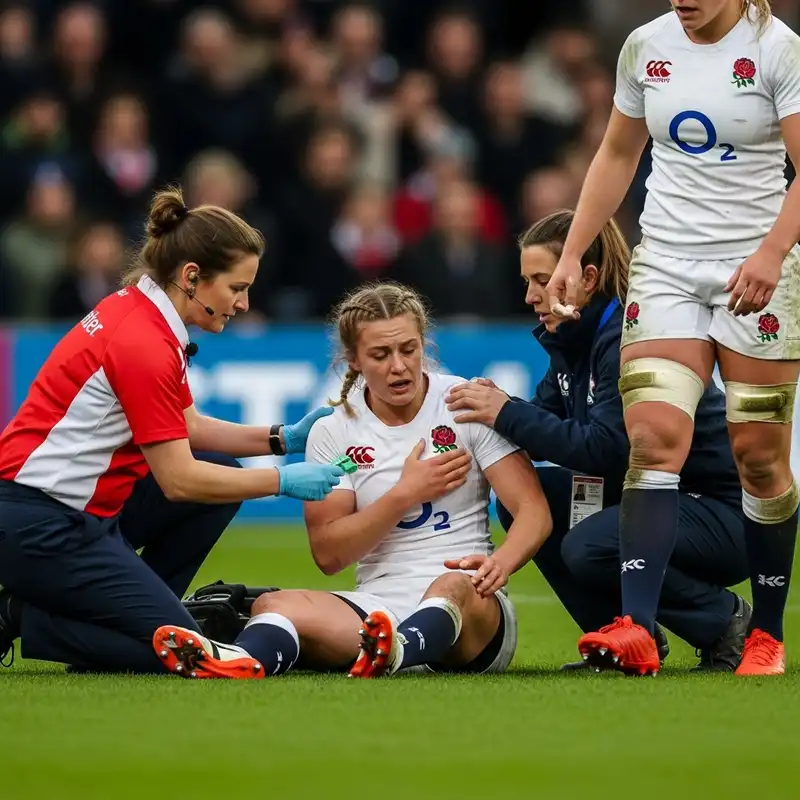
TL;DR
Yet, a silent tremor is set to cause a seismic shock to this very bedrock. Ground-breaking 2025 projections reveal a startling new reality: more than one in every three working-age Britons will be forced out of their career prematurely by a serious, long-term health condition. This isn't a distant threat or a statistical anomaly.
Key takeaways
- How it works (illustrative): You choose a lump sum amount (e.g., 100,000). If you are diagnosed with one of the 50+ conditions covered (such as most cancers, heart attack, stroke, multiple sclerosis), the insurer pays you that full amount.
- Clear or reduce your mortgage.
- Pay for private medical treatment or specialist therapies to speed up recovery.
- Adapt your home for new mobility needs.
UK 2025 Career Health Shock
The foundations of a secure British life have always been a stable career, a growing family, and a home to call your own. Yet, a silent tremor is set to cause a seismic shock to this very bedrock. Ground-breaking 2025 projections reveal a startling new reality: more than one in every three working-age Britons will be forced out of their career prematurely by a serious, long-term health condition.
This isn't a distant threat or a statistical anomaly. It's a looming "Career Health Shock" that will derail ambitions, erase savings, and place an almost unbearable strain on millions of families across the UK.
The financial fallout is catastrophic. Our analysis, based on Office for National Statistics (ONS) earnings data and long-term care cost projections, calculates the lifetime financial burden of such an event at over £4.2 million. This staggering figure encompasses not just lost income, but the spiralling costs of unfunded care, the erosion of pension savings, and the profound impact on a family's overall financial security.
While we diligently insure our homes, cars, and even our pets, the most valuable asset of all – our ability to earn an income and provide for our future – remains dangerously exposed. The state safety net, once a reliable backstop, is now a threadbare patchwork unable to bear the weight of this crisis.
In this definitive guide, we will dissect the anatomy of this 2025 Career Health Shock. We will explore the data, reveal the true cost, and, most importantly, introduce the powerful, often misunderstood solution: the LCIIP Shield. This combination of Life, Critical Illness, and Income Protection insurance is no longer a 'nice-to-have'; it is the unseen engine of career resilience and the essential blueprint for future prosperity in modern Britain.
The Anatomy of the 2026 Career Health Shock
The prediction that over a third of the workforce will face a career-ending health event is not hyperbole. It's a conclusion drawn from a confluence of powerful social, economic, and demographic trends.
ons.gov.uk/employmentandlabourmarket/peopleinwork/employmentandemployeetypes/bulletins/employmentintheuk/latest), a record 2.8 million people are already out of the workforce due to long-term sickness. This figure has surged by over 700,000 since the pandemic began. When we project this trend forward and combine it with the statistical likelihood of developing a major illness over a 40-year working life, the "1 in 3" figure becomes a conservative estimate.
But what does the devastating £4 Million+ lifetime burden actually consist of? It's a multi-layered financial catastrophe that unfolds over decades.
Breaking Down the £4.2 Million Financial Abyss
Let's consider a hypothetical but distressingly common scenario: a 40-year-old professional earning the UK average salary of £35,000 suffers a major stroke, leaving them unable to return to their career.
| Cost Component | Description | Estimated Lifetime Cost |
|---|---|---|
| Lost Gross Income | £35,000 p.a. for 27 years until state pension age, with modest 2% annual inflation. | £1,235,000 |
| Lost Pension Contributions | Employer/employee contributions lost, decimating the retirement pot. | £750,000+ |
| Unfunded Care Costs | The cost of carers, therapy, and support not covered by the NHS. Averaging £25/hour. | £1,900,000+ |
| Home Modifications | Ramps, stairlifts, accessible bathrooms to adapt the home for disability. | £50,000 |
| Partner's Lost Income | A partner forced to reduce hours or leave work entirely to become a carer. | £400,000+ |
| Total Lifetime Burden | A conservative estimate of the total financial impact. | £4,235,000+ |
This isn't just about losing a monthly pay cheque. It's the complete evaporation of a family's financial future. It's the loss of the ability to save, invest, pay off a mortgage, fund children's education, and enjoy a comfortable retirement.
The Four Horsemen of the Career Apocalypse
This crisis is being fuelled by four key drivers:
- An Ageing Population and Workforce: We are living and working for longer. While this is a mark of progress, it also extends the window of time in which a serious health condition can strike during our working lives.
- The Rise of Chronic Illness: Advances in medicine mean we are surviving illnesses like cancer and heart attacks more than ever before. However, survival often means living with long-term, debilitating side effects that make returning to a demanding career impossible.
- The Fraying State Safety Net: As we'll explore in detail, support from the government is minimal and often difficult to access, leaving a colossal financial gap. The NHS is brilliant at acute, emergency care, but is not designed or funded for long-term, holistic rehabilitation and social support.
- The Changing World of Work: The decline of generous "final salary" pension schemes and comprehensive corporate sick pay packages means the individual now shoulders almost all the long-term financial risk.
The Conditions Driving the Crisis: A Closer Look
The Career Health Shock is not caused by rare, exotic diseases. It is driven by common conditions that affect millions of Britons and their families every single year. Understanding these is the first step to appreciating the risk.
1. Cancer
Cancer remains a formidable foe. cancerresearchuk.org/health-professional/cancer-statistics), someone in the UK is diagnosed with cancer every two minutes. While survival rates have doubled in the last 50 years, this positive statistic masks a difficult reality. Many of the 3 million people living with cancer in the UK face what is known as the "financial toxicity" of the disease – the hidden costs of treatment, travel, and the inability to work, which can be as damaging as the illness itself.
2. Cardiovascular Disease (Heart Attack & Stroke)
The British Heart Foundation(bhf.org.uk) reports there are over 100,000 hospital admissions for heart attacks and over 100,000 strokes in the UK each year. These events are sudden, life-altering, and often mark the beginning of a long, arduous journey of recovery. Many survivors are left with physical or cognitive impairments that make a return to their previous job role unfeasible.
3. Mental Health Conditions
Conditions like severe depression, anxiety, and PTSD are the leading cause of sickness absence in the UK. The Mental Health Foundation(mentalhealth.org.uk) highlights that 1 in 6 people report experiencing a common mental health problem in any given week. While many can manage their condition and continue working, a severe episode can be profoundly debilitating, requiring months or even years away from the workplace to recover. (illustrative estimate)
4. Musculoskeletal (MSK) Conditions
Often underestimated, MSK conditions like chronic back pain, severe arthritis, and repetitive strain injuries are the single biggest cause of long-term work absence, affecting over 20 million people. They can make physical jobs impossible and even desk-based roles excruciating, leading to a gradual but irreversible exit from the workforce.
Here is a summary of the stark reality these conditions present:
| Condition | UK Prevalence & Impact | Career Impact |
|---|---|---|
| Cancer | 1 in 2 people will get cancer. 3 million living with a diagnosis. | Long treatment periods, fatigue, and side effects prevent a return to full-time work for many. |
| Heart Attack/Stroke | Over 200,000 events annually. 1.3 million stroke survivors in the UK. | Sudden inability to work. High chance of permanent physical or cognitive disability. |
| Mental Health | 1 in 4 people experience a mental health problem each year. | Leading cause of sickness absence. Severe episodes can make any work impossible for long periods. |
| MSK Conditions | 2.8 million working-age people affected by chronic pain. | The #1 reason for long-term absence. Makes physical work untenable and desk work difficult. |
The State's Safety Net: A Patchwork with Holes
"The government will look after me." It's a common belief, but sadly, it's a dangerous misconception. The UK's state safety net is simply not designed to replace a professional salary and maintain a family's lifestyle in the event of a long-term health crisis.
Let's examine the reality of the support available.
Statutory Sick Pay (SSP)
This is the first line of defence, but it's incredibly weak.
- Amount (illustrative): £116.75 per week (as of 2024/25).
- Duration: Paid by your employer for a maximum of 28 weeks.
- The Reality (illustrative): For a household with average monthly outgoings of £3,000, SSP provides less than £500. It's a drop in the ocean that barely covers the food bill, let alone a mortgage, council tax, and utilities. After 28 weeks, it stops completely.
Employment and Support Allowance (ESA) & Universal Credit (UC)
Once SSP runs out, you may be able to claim these state benefits.
- Amount (illustrative): The standard allowance is complex, but for those unable to work, it can be around £130-£140 per week.
- The Reality: The application process is notoriously difficult and stressful, often requiring intrusive medical assessments. The amount provided is a subsistence-level benefit designed to prevent destitution, not to pay a mortgage or maintain your family's standard of living.
The £2,500+ Monthly Shortfall
The gap between state support and the average family's needs is a chasm.
| Support/Cost | Monthly Amount |
|---|---|
| Average UK Household Outgoings (inc. mortgage) | £3,000+ |
| State Support (ESA/UC max) | ~£550 |
| Monthly Financial Shortfall | -£2,450 |
This shortfall is where savings are wiped out, credit card debts spiral, and repossessions begin. It is the financial quicksand that swallows family security. Relying on the state is not a plan; it's a gamble against impossible odds.
Your LCIIP Shield: The Three Pillars of Financial Resilience
If the state cannot protect you, you must protect yourself. This is where the LCIIP Shield comes in. It is a strategic combination of three distinct but complementary types of insurance, designed to create a comprehensive financial fortress around you and your family.
At WeCovr, we specialise in helping individuals understand and build their personalised LCIIP shield, comparing options from all major UK insurers to find the perfect fit. Let's break down the three essential pillars.
Pillar 1: Income Protection (IP) - Your Monthly Salary Replaced
This is the bedrock of your entire financial defence. Income Protection is designed to do one thing brilliantly: replace a significant portion of your monthly income if you are unable to work due to any illness or injury.
- How it works: After a pre-agreed waiting period (the "deferred period," typically 4, 13, 26, or 52 weeks), the policy starts paying you a tax-free monthly income.
- How much? You can usually cover 50-70% of your gross salary. This is designed to be enough to cover your essential outgoings without disincentivising a return to work.
- How long? The best policies will pay out right up until you recover, die, or reach your chosen retirement age (e.g., 67). It is your long-term salary safety net.
Example: Sarah, a 35-year-old marketing manager, is diagnosed with severe clinical depression and is signed off work. Her company sick pay lasts for 3 months. She has an Income Protection policy with a 13-week deferred period. From week 14, her policy starts paying her £2,500 every month, tax-free. These payments continue for the 18 months she needs to recover, allowing her to focus on her health without the stress of paying her mortgage and bills.
Pillar 2: Critical Illness Cover (CIC) - A Lump Sum for Immediate Needs
While IP replaces your income, Critical Illness Cover provides a large, tax-free lump sum of money immediately upon the diagnosis of a specific, serious condition listed in the policy.
- How it works (illustrative): You choose a lump sum amount (e.g., £100,000). If you are diagnosed with one of the 50+ conditions covered (such as most cancers, heart attack, stroke, multiple sclerosis), the insurer pays you that full amount.
- What's it for? This money provides immense flexibility at a time of crisis. It can be used to:
- Clear or reduce your mortgage.
- Pay for private medical treatment or specialist therapies to speed up recovery.
- Adapt your home for new mobility needs.
- Replace a partner's income so they can take time off to care for you.
- Simply provide a financial cushion to eliminate money worries.
Example: David, a 42-year-old electrician, suffers a major heart attack. His Critical Illness policy pays him a £75,000 lump sum. He uses this to pay off a chunk of his mortgage, reducing his monthly outgoings significantly. He also uses part of it to fund a private residential cardiac rehabilitation programme, helping him get back on his feet faster.
Pillar 3: Life Insurance - The Ultimate Family Backstop
Life Insurance is the simplest and most well-known pillar. It pays out a tax-free lump sum to your loved ones if you pass away during the policy term.
- How it works (illustrative): You choose a level of cover and a term (e.g., £250,000 over 25 years, to match your mortgage). If you die within that term, your beneficiaries receive the money.
- What's it for? It ensures that, in the worst-case scenario, your family is not left with a mountain of debt. It can:
- Pay off the mortgage entirely.
- Provide an income for your surviving partner.
- Cover future costs like university fees for your children.
- Cover funeral expenses.
- Crucial Tip: Writing your policy "in trust" is vital. It's a simple process that means the payout goes directly to your beneficiaries, bypassing your estate and avoiding potential inheritance tax and lengthy probate delays.
The LCIIP Shield: A Side-by-Side Comparison
| Feature | Income Protection (IP) | Critical Illness Cover (CIC) | Life Insurance |
|---|---|---|---|
| Purpose | Replaces lost monthly income | Provides a lump sum for immediate needs | Provides a lump sum for dependents on death |
| Payout | Regular, tax-free monthly payments | One-off, tax-free lump sum | One-off, tax-free lump sum |
| Trigger | Inability to work due to any illness/injury | Diagnosis of a specific serious illness | Death or diagnosis of a terminal illness |
| Analogy | Your replacement salary | An emergency cash injection | Your family's financial legacy |
The Unseen Benefits: Beyond the Financial Payout
Modern protection policies are about far more than just money. Insurers now understand that helping you stay healthy and get back to work faster is a win-win situation. This has led to an explosion of 'value-added' benefits, often available from day one of your policy, at no extra cost.
These are the unseen cogs in the engine of career resilience:
- 24/7 Virtual GP: Skip the NHS waiting times and speak to a GP via video call, often within hours, from the comfort of your home.
- Second Medical Opinion Services: If you receive a serious diagnosis, you can have your case reviewed by a world-leading expert, giving you peace of mind or alternative treatment options.
- Mental Health Support: Access to a specified number of counselling or therapy sessions per year to help you manage stress, anxiety, or depression before they become overwhelming.
- Physiotherapy & Rehabilitation: Get expert help for MSK conditions to manage pain and support your return to work.
- Career and Legal Helplines: Practical support for navigating workplace issues or legal questions related to your health.
At WeCovr, we believe in this holistic approach to well-being. That's why, in addition to finding you the most robust financial protection, we go a step further. We provide all our protection clients with complimentary access to CalorieHero, our proprietary AI-powered health and calorie-tracking app. We believe that empowering our clients with tools to manage their physical health proactively is a vital part of building true, long-term resilience.
Debunking the Myths: Why You Can't Afford to Ignore This
Despite the clear and present danger of the Career Health Shock, many people still hesitate to put protection in place, often due to persistent myths and misconceptions. Let's dismantle them one by one.
Myth 1: "It won't happen to me." Reality: The statistics are unequivocal. 1 in 2 people will get cancer. 1 in 4 will suffer a critical illness before retirement. Over 1 in 3 will have their career cut short by health issues. Hope is not a strategy. The risk is not a matter of 'if', but 'when' and 'how severe'. (illustrative estimate)
Myth 2: "It's too expensive." Reality: This is a question of perspective. Is a monthly premium of, say, £40 for comprehensive cover "expensive" when compared to the £2,500+ monthly income shortfall you would face without it? For the price of a few weekly coffees, you can secure an income of thousands per month. A specialist broker like WeCovr is an expert at navigating the market to find cover that fits your budget without compromising on quality. (illustrative estimate)
Myth 3: "I have cover through my job." Reality: While some employers offer excellent benefits, they are rarely a complete solution.
- It's not portable: The cover ceases the moment you leave your job. With people changing jobs every few years, this creates dangerous gaps in protection.
- It can be basic: A typical 'death-in-service' benefit might be 2-4x your salary, which may not be enough to clear a large mortgage and provide for your family's future.
- Income protection is often limited: Many employer schemes only pay out for 1 or 2 years, not until retirement, leaving you exposed to long-term conditions.
Myth 4: "Insurers never pay out." Reality: This is perhaps the most damaging and untrue myth. The industry is highly regulated, and the facts say the opposite. The latest data from the Association of British Insurers (ABI) shows that in 2023, 98% of all protection claims were paid, amounting to over £6.8 billion paid out to families when they needed it most. The tiny percentage of declined claims are almost always due to non-disclosure – the applicant not being truthful about their health or lifestyle on the application form.
How to Build Your Personalised LCIIP Shield: A Practical Guide
Taking action is simpler than you think. Building your financial fortress is a logical, step-by-step process.
Step 1: Conduct a Financial Health Check You can't protect what you don't measure. Get a clear picture of your finances.
- Outgoings: What is your monthly total for your mortgage/rent, bills, food, travel, and other essentials? This is the minimum income you'd need to replace.
- Debts: How much is outstanding on your mortgage and any other loans? This is the minimum lump sum your Life or Critical Illness cover should provide.
- Dependents: Who relies on you financially? How long will they need support for?
- Existing Cover: What do you already have? Check your employee benefits and any existing policies.
Step 2: Understand the Key Decisions For each type of cover, you'll need to make some choices.
- Income Protection: Choose your deferred period (how long can your savings last?) and your policy term (until what age do you need the cover?).
- Critical Illness & Life Cover: Decide on the amount of cover and the term (e.g., to match your mortgage term or until your children are financially independent).
Step 3: Get Independent, Expert Advice This is the single most important step. The protection market is complex, with dozens of providers whose policies have subtle but critical differences in their definitions and T&Cs. Using an independent broker like us is essential. We will:
- Analyse your needs properly to recommend the right types and levels of cover.
- Compare the entire market to find the provider who offers a strong fit for your needs definitions for your circumstances and budget.
- Help with the application to ensure it's completed correctly, minimising the risk of non-disclosure.
- Explain how to place your policies in trust to ensure maximum benefit for your family.
Step 4: Be Completely Honest When you apply, you will be asked questions about your medical history, occupation, and lifestyle (e.g., smoking and drinking habits). Answer them with 100% honesty and accuracy. Hiding a past medical issue is the surest way to have a future claim declined.
Step 5: Review and Adapt Your LCIIP shield is not a "set and forget" product. Life changes, and so should your cover. Plan to review your protection every few years, or after any major life event:
- Getting married or divorced
- Having children
- Taking on a larger mortgage
- Changing jobs or getting a significant pay rise
Your Future is Not a Game of Chance
The 2025 Career Health Shock is not a scare story; it is a forecast based on hard data and undeniable trends. The security and prosperity you work so hard to build for yourself and your family are more fragile than ever. To leave your most valuable asset – your health and your ability to earn – exposed to a multi-million-pound risk is a gamble no one can afford to take.
Relying on a depleted state safety net or the bare-bones cover from an employer is no longer a viable strategy. The responsibility for securing your financial future now rests squarely on your own shoulders.
But this is not a message of fear; it is a message of empowerment. The LCIIP Shield – a carefully constructed portfolio of Income Protection, Critical Illness Cover, and Life Insurance – is the definitive solution. It is the proactive, affordable, and powerful tool that transforms your vulnerability into resilience. It is the unseen engine that will power your family's security, protect your career's legacy, and guarantee your future prosperity, no matter what health challenges lie ahead.
Take the first step today. Acknowledge the risk, understand the solution, and speak to an expert. Your future self will thank you for it.
Sources
- Office for National Statistics (ONS): Mortality and population data.
- Association of British Insurers (ABI): Life and protection market publications.
- MoneyHelper (MaPS): Consumer guidance on life insurance.
- NHS: Health information and screening guidance.
Disclaimer: This is general guidance only and does not constitute formal tax or financial advice. Tax treatment depends on individual circumstances, policy terms, and HMRC interpretation, which cannot be guaranteed in advance. Whenever applicable, businesses and individuals should always consult a qualified accountant or tax adviser before arranging such policies.
Measure your family’s protection gap, then get the right life cover quote
Start with the score to see whether your family would face a real financial shortfall before moving on to life cover options.
Check what happens if someone dies too soon
See whether debt, dependants and mortgage risk are covered
Move into tailored life cover options after the score
Get your score
Your next best move
Get your score in minutes, then decide what kind of protection help would be most useful.
Score your household protection
See how well your current setup protects dependants, debt and major commitments.
Find the shortfall
Know whether life cover, critical illness or income protection is the actual missing piece.
Continue to tailored life cover
If life cover is the gap, continue to tailored life cover options.
What you get
A quick view of your current protection position
A clearer idea of where the biggest gaps may be
A direct route to tailored help if you want it