TL;DR
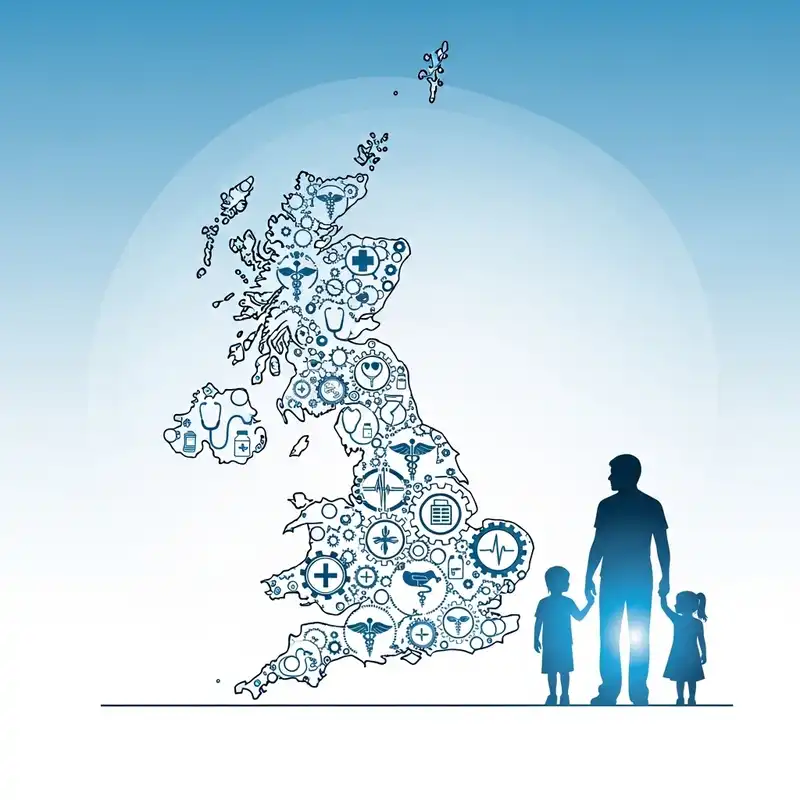
A seismic shift is underway in British society. The dream of starting a family, once a natural milestone for those in their late twenties and early thirties, is being placed on hold. A startling 2026 projection reveals that as many as one in three young adults (aged 25-35) are actively delaying parenthood, citing a potent combination of profound health anxieties and overwhelming financial pressures.
Key takeaways
- "What if I get too sick to work while my partner is on maternity leave?" Income Protection provides an answer.
- "What if one of us is diagnosed with a serious illness and we need money for treatment or to adapt our home?" Critical Illness Cover provides an answer.
- "What if the worst happens and I'm not around to provide for my child's future?" Life Insurance provides an answer.
- Clear a mortgage or other debts to reduce monthly outgoings.
- Pay for private medical treatments to bypass NHS waiting lists.
UK 2026 1 in 3 Young Adults Delay Parenthood
UK 2026 1 in 3 Young Adults Delay Parenthood
A seismic shift is underway in British society. The dream of starting a family, once a natural milestone for those in their late twenties and early thirties, is being placed on hold. A startling 2026 projection reveals that as many as one in three young adults (aged 25-35) are actively delaying parenthood, citing a potent combination of profound health anxieties and overwhelming financial pressures.
This isn't a simple case of changing priorities or career ambitions taking precedence. It's a generation grappling with a genuine fear of the future. They worry about their physical and mental resilience, the stability of their income, and the ever-growing cost of providing a secure and healthy life for a child. The very foundation upon which families are built feels precarious.
In this climate of uncertainty, a new question emerges: can we build our own certainty? Can strategic financial planning, specifically a robust shield of Life Insurance, Critical Illness Cover, and Income Protection (LCIIP), provide the security and confidence needed to turn the dream of parenthood into a reality? This guide will explore the deep-seated anxieties of this generation and demonstrate how a proactive approach to personal protection is no longer just a safety net—it's the essential foundation for building the families of tomorrow.
The Great British Baby Bust: Why a Generation is Pressing Pause
The statistics paint a stark picture. For years, the Office for National Statistics (ONS) has tracked a consistent trend: the age of first-time parents is climbing, and overall fertility rates are declining. What was once a gradual shift has accelerated into a significant societal trend, reaching a critical point in 2026.
The average age of a first-time mother in England and Wales, which stood at 28.6 in 2015, has now surpassed 31.6. This delay isn't happening in a vacuum. It's the culmination of specific, identifiable pressures that are uniquely impacting Millennials and older Gen Z.
| Year | Average Age of Mother at First Birth (England & Wales) |
|---|---|
| 2006 | 27.3 years |
| 2016 | 28.8 years |
| 2026 (Projection) | 31.7 years |
Source: ONS data and 2026 projections based on current trends.
Whilst evolving career goals play a part, the primary drivers are more visceral. Young adults are looking ahead and seeing a landscape fraught with risk. Let's dissect the two core anxieties that are forcing them to press pause on their family plans.
The Weight of Worry: Unpacking the Health Anxieties of Prospective Parents
The prospect of bringing a new life into the world has always come with a degree of health-related concern. Today, however, these worries are amplified by a modern context of information overload, increased mental health awareness, and a strained public health system.
The Mental Health Hurdle
For a generation more attuned to mental wellbeing than any before, the psychological impact of parenthood is a major consideration.
- Fear of Perinatal Mental Illness: High-profile discussions around post-natal depression (PND) and anxiety are rightly raising awareness, but they also contribute to the apprehension of prospective parents. They worry about their capacity to cope with the immense emotional and psychological demands. For those already managing a mental health condition, the fear that the stress of a new baby could trigger a relapse is a significant barrier.
- The Stress of 'Perfect' Parenting: Social media presents a curated, often unrealistic, image of parenthood. The pressure to be a 'perfect parent' adds another layer of stress, leading many to question if they are mentally prepared for the challenge.
Physical Health and a Strained NHS
Concerns about physical wellbeing are equally pronounced, exacerbated by visible pressures on the UK's healthcare system.
- Fertility and Pregnancy Complications: With parenthood being delayed, natural concerns about age-related fertility decline and a higher risk of pregnancy complications increase. Lifestyle factors, such as the rising prevalence of obesity and type 2 diabetes in younger demographics, also play a role in these anxieties.
- Hereditary Conditions: Greater access to genetic information means couples are more aware than ever of hereditary conditions within their families. The fear of passing on a serious illness can lead to difficult decisions and delays as they consider their options.
- The NHS Waiting List Crisis: Headlines in 2026 and 2026 have been dominated by record NHS waiting lists. For prospective parents, this translates into tangible fear. What if a worrying symptom during pregnancy can't be investigated for months? What if access to specialist paediatric care is delayed? This lack of confidence in timely healthcare access creates a powerful disincentive to start a family.
Real-Life Example: Chloe and Tom, both 32, have been together for eight years and rent a flat in Manchester. They dream of having children, but Tom’s father was diagnosed with Multiple Sclerosis in his early forties. The fear that Tom might also develop the condition, and the potential financial and emotional impact on their future family, has caused them to postpone trying for a baby indefinitely.
The Pounds and Pence of Parenthood: The Financial Mountain Young Adults Face
If health anxieties are one side of the coin, financial fears are the other—and they are inextricably linked. The cost of living crisis of the early 2020s has left a lasting scar, creating a deep-seated financial fragility among those in their prime child-bearing years.
The Staggering Cost of Raising a Child
The numbers are simply daunting. The Child Poverty Action Group's 2026 "Cost of a Child" report estimates that the basic cost of raising a child to the age of 18 for a couple is now over £192,000. For a single parent, that figure soars to over £230,000. This doesn't include private schooling, university, or significant hobbies. (illustrative estimate)
| Expense Category | Estimated Cost for a Couple (to age 18) |
|---|---|
| Childcare & Babysitting | £85,000+ |
| Education (state) & Uniforms | £26,000+ |
| Food & Drink | £24,000+ |
| Housing (uplift for extra room) | £21,000+ |
| Clothing, Hobbies & Holidays | £36,000+ |
| Total (Basic Estimate) | £192,000+ |
Source: Adapted from CPAG data with 2026 inflation projections.
The Key Financial Barriers
- The Housing Hurdle (illustrative): The first step for many prospective parents is securing a stable family home. With the average UK house price in 2026 hovering around £295,000 and wages failing to keep pace, even saving for a deposit on a two-bedroom flat, let alone a house with a garden, feels like an impossible dream for many.
- The Childcare Crisis (illustrative): The UK has some of the highest childcare costs in the world. Full-time nursery fees for a child under two can easily exceed £15,500 a year, more than the mortgage or rent for many families. This forces one parent (often the mother) to consider leaving work, drastically reducing household income and stalling a career.
- Stagnant Wages and Insecure Work: The rise of the gig economy and zero-hours contracts has created income volatility. Even for those in stable employment, wage growth has been sluggish for over a decade, while the cost of essentials has soared. The lack of a predictable, rising income makes committing to the 18-year-plus financial responsibility of a child feel reckless.
Building a Financial Fortress: How Protection Insurance Directly Tackles These Anxieties
Faced with this wall of worry, it's easy to feel powerless. But what if you could systematically dismantle these anxieties? This is where protection insurance—Life, Critical Illness, and Income Protection—evolves from a 'nice-to-have' into an essential tool for empowerment.
It’s about changing your mindset. LCIIP is not about planning for disaster; it's about building a fortress of financial security that gives you the confidence to make positive life choices. It neutralises the "what if" questions that keep you up at night.
- "What if I get too sick to work while my partner is on maternity leave?" Income Protection provides an answer.
- "What if one of us is diagnosed with a serious illness and we need money for treatment or to adapt our home?" Critical Illness Cover provides an answer.
- "What if the worst happens and I'm not around to provide for my child's future?" Life Insurance provides an answer.
At WeCovr, we specialise in helping young adults and prospective parents navigate these choices. We believe that with the right advice and the right cover, you can build a foundation so strong that the anxieties of the future lose their power.
Your Shield Explained: A Deep Dive into LCIIP Components
Understanding these three policies is the first step towards taking control. They each play a unique and complementary role in creating your financial shield.
1. Income Protection (IP): The Bedrock of Your Financial Plan
If you were to build a financial fortress, Income Protection would be the deep, unshakable foundations. It is arguably the most important insurance policy for any working adult.
What is it? Income Protection pays out a regular, tax-free monthly income if you are unable to work due to any illness or injury that prevents you from doing your job.
How it helps prospective parents: It directly tackles the fear of losing an income. Imagine you or your partner suffers a back injury, or struggles with severe anxiety and needs six months off work. Without IP, you'd rely on statutory sick pay (£120.50 per week as of 2026) and then potentially universal credit. With IP, you could receive 50-70% of your gross salary each month until you are well enough to return to work. This ensures the mortgage is paid, bills are covered, and your family plans aren't derailed by an unexpected health issue. It provides breathing space to recover without financial panic. (illustrative estimate)
| Income Protection - Key Features | Description | Why It Matters for Families |
|---|---|---|
| Benefit Amount | The % of your salary you receive monthly. | Must be enough to cover essential outgoings. |
| Deferment Period | The waiting time before payments start (e.g., 4, 13, 26 weeks). | Match it to your employer sick pay or savings. |
| Payout Period | How long the policy pays out for (e.g., 2 years, 5 years, or until retirement). | Long-term cover offers the most robust protection. |
| 'Own Occupation' | The best definition. It pays out if you can't do your specific job. | Crucial for skilled professionals. Avoids insurers saying you can do a less skilled job. |
2. Critical Illness Cover (CIC): Your Financial First Responder
If IP is the foundation, Critical Illness Cover is the emergency service. It's designed to provide a financial lifeline at the point of a major health crisis.
What is it? CIC pays out a one-off, tax-free lump sum if you are diagnosed with one of a list of predefined serious conditions, such as some types of cancer, a heart attack, stroke, or multiple sclerosis.
How it helps prospective parents: This policy directly addresses the fear of a life-changing diagnosis. The lump sum can be used for anything, providing total flexibility at a time of immense stress. You could:
- Clear a mortgage or other debts to reduce monthly outgoings.
- Pay for private medical treatments to bypass NHS waiting lists.
- Adapt your home for new mobility needs.
- Allow your partner to take an extended, unpaid sabbatical from work to act as a carer.
- Fund a less stressful lifestyle to aid recovery.
A vital feature for young families is Children's Critical Illness Cover, which is often included as standard or for a small additional premium. This provides a smaller lump sum if your child is diagnosed with a specified serious illness, allowing you to take time off work to be with them without financial worry.
Real-Life Example: Sarah, a 34-year-old graphic designer and new mother, was diagnosed with breast cancer. Her Critical Illness policy paid out £75,000. This allowed her husband to take six months off work, they cleared their high-interest car loan, and Sarah accessed a specialist private consultant for a second opinion. The policy removed the financial poison from an already terrifying situation, allowing them to focus entirely on her treatment and their baby daughter.
3. Life Insurance: The Ultimate Promise to Your Future Family
Life insurance is the final, essential layer of the shield. It’s the ultimate expression of love and responsibility, ensuring that your family is protected even if you’re no longer there.
What is it? It pays out a lump sum (or a regular income) to your beneficiaries upon your death.
How it helps prospective parents: For anyone with, or planning to have, dependents, life insurance is non-negotiable. It’s the promise that your child will have the financial resources they need to thrive. The payout can:
- Pay off the mortgage entirely, ensuring your family has a secure, rent-free home.
- Replace your lost income for years to come, covering daily living costs.
- Create a dedicated fund for future education, from school fees to university costs.
- Simply provide a financial buffer to give your surviving partner time to grieve without immediate financial pressure.
Key Types for Families:
- Level Term Insurance: The payout amount remains the same throughout the policy term. Ideal for family protection, as the sum is designed to replace an income and cover child-rearing costs.
- Decreasing Term Insurance: The payout amount reduces over time, usually in line with a repayment mortgage. It’s a cheaper option, perfect for covering a specific large debt.
A crucial tip: Write your policy in trust. This simple legal step ensures the payout goes directly to your chosen beneficiaries, bypassing lengthy probate and potentially avoiding Inheritance Tax. It's a free service offered by most insurers and is vital for ensuring the money gets to your family quickly when they need it most.
Getting Practical: Tailoring Your LCIIP Shield for Family Planning
Theory is one thing; action is another. Here’s how you can start building your own shield.
When to Start? The "Young & Healthy" Advantage
The single best time to arrange protection insurance is now. When you are young and healthy, you present a lower risk to insurers, which means:
- Lower Premiums (illustrative): A 30-year-old non-smoker could secure £250,000 of life insurance for less than the cost of a few coffees a month. The same policy for a 45-year-old could be three or four times more expensive.
- Easier Underwriting: You are far less likely to have pre-existing conditions that might lead to exclusions or increased premiums.
- Peace of Mind: You lock in that low premium for the entire term of the policy, protecting yourself against future price rises or developing a health condition that would make you uninsurable.
How Much Cover is Enough?
Calculating your needs doesn't have to be complex. A simple method is to consider all the financial gaps your death or illness would create.
- Debts: Mortgages, loans, credit cards.
- Expenses: How much income would your family need each month to live comfortably?
- Aspirations: What future costs do you want to cover? University fees, wedding contributions, a house deposit for your child.
- Time: How long would your family need this support for? Until the children are 18 or 21?
| LCIIP Checklist for Prospective Parents | Action Point |
|---|---|
| Analyse Income | How much do you need to cover all monthly bills? |
| Check Employer Benefits | What is your sick pay policy? Do you have any 'death in service' benefit? |
| List Debts | Calculate your mortgage, loans, and credit card balances. |
| Future Costs | Estimate future costs like childcare and education. |
| Consider Inflation | Ensure your cover amount will still be sufficient in 10-20 years. |
| Speak to an Expert | A broker can help you calculate the precise figures and find a strong fit for your needs. |
WeCovr: Your Partner in Building a Secure Family Future
Navigating the world of insurance can be overwhelming, especially when you're already juggling so many life decisions. At WeCovr, our entire mission is to simplify this process and empower you to make confident choices for your future.
As an independent, expert broker, we are not tied to any single insurer. We partner with all of the UK's leading providers—from Aviva and Legal & General to Vitality and Zurich. This allows us to scan the entire market on your behalf, comparing not just price, but the crucial details of the policy definitions and features. We find the cover that is truly the best fit for your unique family aspirations.
We also believe that protecting your future goes hand-in-hand with living a healthier life today. That’s why we go above and beyond for our clients. Every WeCovr customer receives complimentary access to CalorieHero, our exclusive AI-powered calorie and nutrition tracking app. It's our way of investing in your long-term well-being, helping you build the healthy, energetic foundation you need for the family you're planning.
Beyond the Policy: Additional Benefits and The Fine Print
Modern insurance policies are more than just a promise of a future payout. Many now come with a suite of value-added services that can provide immediate help, further easing health anxieties. These can include:
- 24/7 Virtual GP Services: Get medical advice from a UK-based GP via phone or video call, often within a few hours.
- Mental Health Support: Access to counselling sessions for stress, anxiety, or depression.
- Second Medical Opinions: If you're diagnosed with a serious illness, you can get your case reviewed by a world-leading expert.
- Physiotherapy & Rehabilitation Support: Help to get you back on your feet after an injury or operation.
These benefits are often available to you and your family from day one of the policy, regardless of whether you make a claim.
Of course, it's vital to be transparent. When you apply, be completely honest about your health, lifestyle, and family history. Non-disclosure can invalidate a policy, which is a tragedy for the loved ones left behind. An expert adviser can guide you through the application to ensure everything is declared correctly.
Conclusion: From Anxiety to Action - Taking the First Step
The trend of delaying parenthood is not a sign of a generation that doesn't want children. It's a sign of a generation that cares so much, they are afraid of not being able to provide the secure, healthy, and stable upbringing their future children deserve. The anxieties they face are real and valid.
But anxiety thrives in uncertainty and inaction. The solution is to take control.
Building a robust shield of Life Insurance, Critical Illness Cover, and Income Protection is the single most powerful step you can take to counter these fears. It is a proactive declaration that you will not let the "what ifs" dictate your life choices. It's an investment not in fear, but in confidence. It's the practical, tangible foundation upon which you can confidently build your family's future, secure in the knowledge that whatever life throws at you, you have a fortress in place to protect the ones you love.
Don't let anxiety write your life story. Take the first step today. Explore your options, speak to an expert, and start building the shield that will empower you to turn your dream of a family into a beautiful reality.
Sources
- Office for National Statistics (ONS): Mortality and population data.
- Association of British Insurers (ABI): Life and protection market publications.
- MoneyHelper (MaPS): Consumer guidance on life insurance.
- NHS: Health information and screening guidance.
Disclaimer: This is general guidance only and does not constitute formal tax or financial advice. Tax treatment depends on individual circumstances, policy terms, and HMRC interpretation, which cannot be guaranteed in advance. Whenever applicable, businesses and individuals should always consult a qualified accountant or tax adviser before arranging such policies.
Measure your family’s protection gap, then get the right life cover quote
Start with the score to see whether your family would face a real financial shortfall before moving on to life cover options.
Check what happens if someone dies too soon
See whether debt, dependants and mortgage risk are covered
Move into tailored life cover options after the score
Get your score
Your next best move
Get your score in minutes, then decide what kind of protection help would be most useful.
Score your household protection
See how well your current setup protects dependants, debt and major commitments.
Find the shortfall
Know whether life cover, critical illness or income protection is the actual missing piece.
Continue to tailored life cover
If life cover is the gap, continue to tailored life cover options.
What you get
A quick view of your current protection position
A clearer idea of where the biggest gaps may be
A direct route to tailored help if you want it