TL;DR
As an insurance intermediary with over 1,000,000 policies arranged, WeCovr understands that for UK business leaders, health is not personalit's capital. This guide explores why private medical insurance is a critical investment to protect your most valuable asset: you.
Key takeaways
- Moratorium Underwriting (Most Common): This is the simpler option. You don't declare your full medical history upfront. Instead, the policy automatically excludes any condition you've had in the five years before joining. However, if you go for a set period (usually two years) without any symptoms, treatment, or advice for that condition after your policy starts, it may become eligible for cover.
- Full Medical Underwriting (FMU): You provide a detailed medical history questionnaire. The insurer reviews it and states from the outset exactly what is and isn't covered. This provides more certainty but can be more complex to set up.
- Speed of Access: This is the primary benefit. Get a diagnosis and start treatment in days or weeks, not months or years.
- Choice and Control: You can often choose your specialist consultant and the hospital where you're treated. You can schedule appointments and surgery at times that minimise disruption to your business.
- Comfort and Privacy: Treatment is typically in a private, en-suite room, providing a quiet and comfortable environment to recover and, if necessary, stay connected to your business.
As an insurance intermediary with over 1,000,000 policies arranged, WeCovr understands that for UK business leaders, health is not personal—it's capital. This guide explores why private medical insurance is a critical investment to protect your most valuable asset: you. Your enterprise depends on it.
UK Business Leaders Your Health Is Your Enterprise
In the relentless world of British business, leaders are celebrated for their vision, resilience, and strategic acumen. You steer the ship, inspire your team, and carry the weight of responsibility. But what happens when the captain is unwell?
For a director, entrepreneur, or key executive, your health is not just a personal matter; it is the central pillar supporting your entire enterprise. An unexpected illness or injury isn’t just a private struggle—it's a direct threat to operational stability, stakeholder confidence, and the long-term legacy you're building. This is the unseen, yet monumental, return on investment (ROI) of prioritising your health.
This comprehensive guide will unpack why proactive health management, underpinned by a robust private medical insurance UK policy, is no longer a luxury but an essential component of modern business strategy.
The Founder's Dilemma: When Your Health is the Single Point of Failure
In any system, a single point of failure is the greatest vulnerability. For countless small and medium-sized enterprises (SMEs) across the UK, that single point is the founder, the director, or a handful of key personnel.
Your knowledge, relationships, and decision-making capabilities are mission-critical. When you are sidelined by a health issue, the business suffers immediately.
- Decision Paralysis: Without you, major decisions stall, opportunities are missed, and momentum is lost.
- Operational Disruption: Day-to-day operations can falter, affecting service delivery and client satisfaction.
- Team Morale: Your absence creates uncertainty and anxiety among your employees.
- Investor and Client Confidence: Stakeholders may become nervous, impacting funding, partnerships, and revenue.
The statistics paint a stark picture of the pressures facing UK business leaders. A 2024 study highlighted that 78% of SME owners feel that the success or failure of their business rests solely on their shoulders. Furthermore, the Health and Safety Executive (HSE) reports that stress, depression, or anxiety accounted for a staggering number of lost working days in the UK, a burden felt acutely at the leadership level.
Burnout is not a sign of weakness; it's a consequence of sustained, high-level performance without adequate recovery. Proactive health management is the only sustainable antidote.
The UK's Healthcare Crossroads: Navigating the NHS Waiting Game
The National Health Service (NHS) is a national treasure, providing incredible care to millions. However, it is no secret that the system is under immense strain. For a business leader, time is a non-renewable resource, and the current waiting times for diagnosis and treatment represent a significant business risk.
According to the latest NHS England data for 2025, the reality is sobering:
- Referral to Treatment (RTT): The overall waiting list for elective procedures sits at over 7.5 million treatment pathways.
- Waiting Times: While the target is for 92% of patients to wait less than 18 weeks for treatment, this target has not been met for several years. Many individuals wait much longer, sometimes over a year, for common procedures like hip replacements, hernia repairs, or cataract surgery.
| Procedure Type | Average NHS Waiting Time (2025 Estimate) | Potential Impact on a Business Leader |
|---|---|---|
| Diagnostic Scans (MRI/CT) | 4-8 weeks | Delayed diagnosis, prolonged uncertainty, inability to plan. |
| Knee or Hip Replacement | 9-14 months | Chronic pain, reduced mobility, inability to travel or work effectively. |
| Hernia Repair | 6-10 months | Physical discomfort, limitations on activity, potential for emergency complications. |
| Mental Health Support (IAPT) | Weeks to months | Worsening symptoms, decreased cognitive function, impaired decision-making. |
Waiting months for a diagnosis, followed by more months waiting for treatment, is a luxury no business can afford its leader to take. This is where private health cover transforms from a personal benefit into a strategic business tool.
What is Private Medical Insurance (PMI) and How Does It Work?
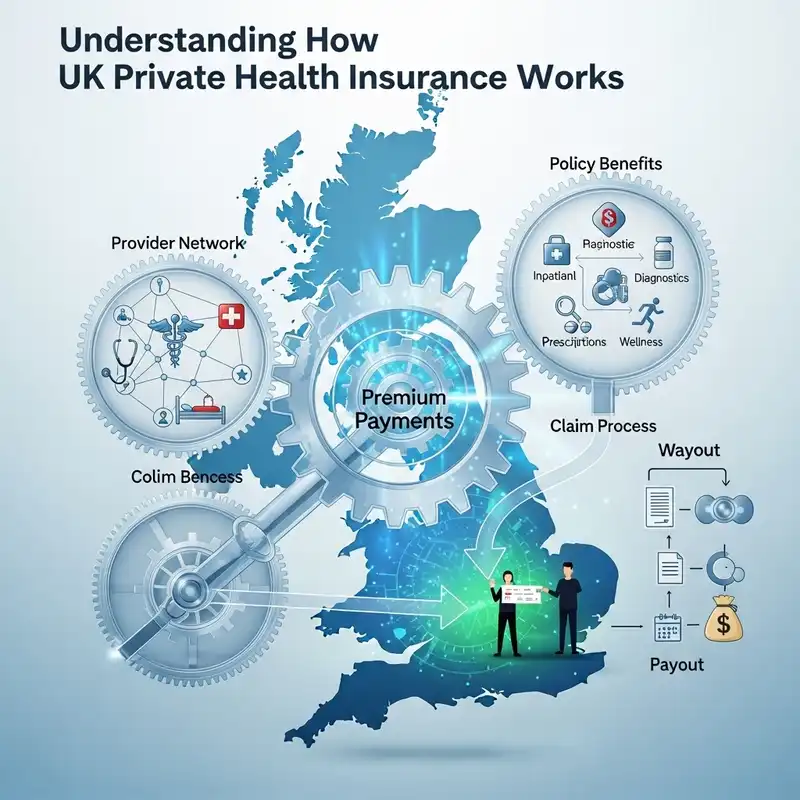
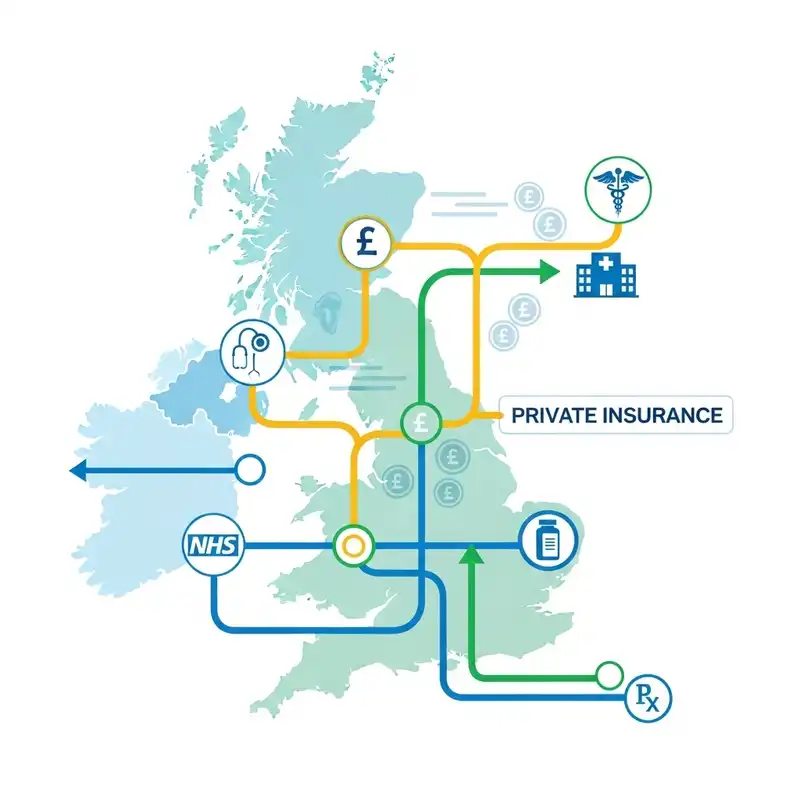
Private Medical Insurance (PMI), also known as private health cover, is an insurance policy that pays for the cost of private medical treatment for acute conditions. It runs parallel to the NHS, offering you a choice to bypass public waiting lists and access care quickly and conveniently.
Think of it as a health contingency plan for you and your business.
The Golden Rule: Acute vs. Chronic and Pre-existing Conditions
This is the most critical concept to understand about PMI in the UK.
- Acute Condition: A disease, illness, or injury that is likely to respond quickly to treatment and lead to a recovery. Examples include a broken bone, appendicitis, a hernia, or a cataract. PMI is designed to cover these.
- Chronic Condition: A long-term condition that cannot be cured but can be managed. Examples include diabetes, asthma, high blood pressure, and arthritis. Standard UK PMI policies do not cover the routine management of chronic conditions.
- Pre-existing Condition: Any illness or injury you had symptoms of, or received advice or treatment for, before your policy start date. Most PMI policies exclude pre-existing conditions, at least for an initial period.
Understanding this distinction is key to having realistic expectations of what your private medical insurance policy will and will not do.
How PMI Policies Are Underwritten
When you apply for a policy, the insurer assesses the risk. This is done in two main ways:
- Moratorium Underwriting (Most Common): This is the simpler option. You don't declare your full medical history upfront. Instead, the policy automatically excludes any condition you've had in the five years before joining. However, if you go for a set period (usually two years) without any symptoms, treatment, or advice for that condition after your policy starts, it may become eligible for cover.
- Full Medical Underwriting (FMU): You provide a detailed medical history questionnaire. The insurer reviews it and states from the outset exactly what is and isn't covered. This provides more certainty but can be more complex to set up.
A WeCovr specialist or one of our broker partners can explain these options in detail and help you decide which is best for your circumstances.
The CEO's Toolkit: Tangible Benefits of Private Health Cover
For a busy director, the advantages of PMI go far beyond simple healthcare. They translate directly into business continuity and performance.
- Speed of Access: This is the primary benefit. Get a diagnosis and start treatment in days or weeks, not months or years.
- Choice and Control: You can often choose your specialist consultant and the hospital where you're treated. You can schedule appointments and surgery at times that minimise disruption to your business.
- Comfort and Privacy: Treatment is typically in a private, en-suite room, providing a quiet and comfortable environment to recover and, if necessary, stay connected to your business.
- Access to Advanced Treatments: PMI can provide access to new drugs, treatments, or therapies that may not yet be available on the NHS due to cost or other guidelines.
- Peace of Mind: Knowing you have a plan in place removes a significant source of stress, allowing you to focus on your work and life without the "what if" worry.
NHS vs. PMI Pathway: A Real-World Example
Let's imagine a 45-year-old marketing director who develops persistent knee pain, affecting her ability to travel for client meetings.
| Stage | Typical NHS Pathway | Typical PMI Pathway | Business Impact |
|---|---|---|---|
| GP Visit | 1-2 week wait for appointment. | 1-2 week wait for appointment. | Same for both. |
| Referral to Specialist | GP refers to NHS orthopaedics. | GP provides an open referral. | N/A |
| Specialist Consultation | 12-20 week wait. | Within 7 days. | PMI saves 3-5 months of uncertainty and pain. |
| Diagnostic Scan (MRI) | 4-8 week wait after consultation. | Within 48-72 hours of consultation. | PMI gives a clear diagnosis months earlier. |
| Treatment (Surgery) | 6-9 month wait after diagnosis. | Within 2-4 weeks of diagnosis. | PMI gets the director back to full capacity almost a year sooner. |
| Total Time (GP to Recovery) | 12-18 months. | 2-3 months. | A year of lost productivity, travel, and focus is reclaimed. |
Beyond the Policy: A Leader's Guide to Proactive Health Management
A PMI policy is your safety net, but proactive health management is your foundation. As a leader, you optimise systems and processes in your business; you should consider whether you may need to apply the same rigour to your own health.
Fuel Your Engine: Nutrition for Peak Performance
Your brain consumes about 20% of your body's energy. What you eat directly impacts your focus, memory, and decision-making.
- Avoid Sugar Spikes: Swap refined carbs (white bread, pastries) for complex carbs (oats, brown rice, quinoa) to maintain stable energy levels.
- Hydrate for Clarity: Dehydration can impair cognitive function. Aim for 2-3 litres of water per day. Keep a bottle on your desk.
- Embrace Healthy Fats: Omega-3s found in oily fish (salmon, mackerel), walnuts, and flaxseeds are crucial for brain health.
- Plan Your Meals: Just as you plan your week, plan your meals. This prevents grabbing unhealthy, convenient options when you're busy.
As a WeCovr client, you get complimentary access to our AI-powered nutrition app, CalorieHero, to help you track your intake and make healthier choices effortlessly.
The Competitive Edge of Sleep
Sleep is not a luxury; it's a non-negotiable biological necessity for leadership. A sleep-deprived brain is an inefficient one.
- Prioritise a 7-9 Hour Window: Consistently. This is when your brain consolidates memories, clears out toxins, and recharges.
- Create a Wind-Down Routine: An hour before bed, switch off screens. The blue light suppresses melatonin, the sleep hormone. Read a book, listen to a podcast, or meditate.
- Optimise Your Environment: Keep your bedroom dark, quiet, and cool.
Move to Lead: Integrating Activity into a Hectic Schedule
Physical activity is one of the most powerful tools for managing stress and boosting mental energy.
- Schedule It In: Block out time in your diary for exercise as if it were a critical meeting.
- Embrace "Exercise Snacking": Can't find a 60-minute slot? Take a brisk 10-minute walk between calls. Do a set of push-ups or squats in your office. It all adds up.
- Find Something You Enjoy: Whether it's cycling, rowing, tennis, or hiking, you're more likely to stick with an activity you genuinely like.
Mastering Your Mindset: Mental Resilience for Entrepreneurs
The mental load on a business leader is immense. Protecting your mental health is paramount.
- Practice Mindfulness: Even 5-10 minutes of daily mindfulness meditation can reduce stress and improve focus. Apps like Calm or Headspace are excellent guides.
- Set Boundaries: Learn to say no. Delegate effectively. Protect your personal time to recharge.
- Seek Support: Talking to a coach, mentor, or therapist is a sign of strength, not weakness. Many modern PMI policies offer excellent mental health support pathways.
Choosing Your Shield: How to Select the Best PMI Provider and Policy
Navigating the private medical insurance UK market can be complex. Policies are not one-size-fits-all. What's crucial for one person may be unnecessary for another.
Core Components of a PMI Policy
Here’s what to look for when comparing options:
| Feature | Description | What to Consider |
|---|---|---|
| Overall Annual Limit | The maximum amount the insurer may pay out in a policy year. Can range from £50,000 to 'unlimited'. | For serious conditions like cancer, a higher or unlimited limit provides greater peace of mind. |
| Outpatient Cover | Covers specialist consultations and diagnostic tests that don't require a hospital bed. | This is often where PMI provides the most immediate value. Some policies have limits on the number of consultations or a monetary cap. |
| Cancer Cover | Arguably the most important element. Covers diagnosis, surgery, and treatments like chemotherapy and radiotherapy. | Check the details carefully. Does it cover advanced therapies, experimental drugs, and palliative care? |
| Hospital List | The list of private hospitals you are eligible to use. Insurers have different tiers of lists, which affects the premium. | Do you want access to premium central London hospitals, or are you happy with a more local selection? |
| Excess | The amount you agree to pay towards a claim. A higher excess will lower your premium. | Choose an excess level you are comfortable paying. Common options are £0, £100, £250, or £500. |
| Optional Extras | Therapies (physio, osteo), mental health cover, dental and optical cover. | Add these based on your personal needs and priorities. Mental health cover is increasingly seen as essential for leaders. |
The Power of an Expert Broker: Why You Shouldn't Go It Alone
You wouldn't navigate a complex business contract without legal advice. Why treat your health insurance any differently?
Using a specialist, FCA-authorised specialist at WeCovr or one of our broker partnerswith no separate broker fee for our service, subject to terms where applicable.
- regulated Expertise: We work for you, not the insurers. We provide unbiased advice based on your specific needs.
- Market Comparison: We compare policies from a wide range of the PMI providers in the UK, saving you hours of research.
- Finding the Right Fit: We help you understand the jargon and the fine print, ensuring you get the cover you actually need without paying for things you don't.
- Application Support: We handle the paperwork and make the process smooth and simple.
- Long-Term Value: We can review your cover annually to help support it still meets your needs and offers competitive value. WeCovr's clients often benefit from discounts on other types of cover, such as life or income protection insurance, when taking out a policy with us.
The Bottom Line: Deconstructing the Cost of Private Medical Insurance UK
The cost of PMI varies based on several factors:
- Age: Premiums increase with age.
- Location: Treatment costs are higher in some areas, like Central London, which is reflected in premiums.
- Level of Cover: A comprehensive policy with unlimited outpatient cover and a top-tier hospital list will cost more than a basic plan.
- Excess: A higher excess lowers the premium.
- Medical History: Your personal health history can influence the cost.
However, the crucial perspective is not cost, but investment.
The Cost of Inaction vs. The Investment in PMI
| Scenario: A 50-year-old CEO needs a hip replacement | Cost of Inaction (Relying on NHS) | Investment in Action (Using PMI) |
|---|---|---|
| Time Off Work | 9-12 months of waiting and recovery. | 2-3 months of waiting and recovery. |
| Direct Cost | £0 for treatment. | £4,800 (Annual PMI Premium of £200/month x 24 months, assuming two years of payments before a claim). |
| Indirect Business Cost | Months of reduced productivity, missed opportunities, potential loss of contracts. Estimated value: £100,000+. | Minimal business disruption. Estimated value: <£10,000. |
| Personal Cost | Prolonged pain, stress, anxiety, reduced quality of life. | Quick resolution, peace of mind, fast return to an active life. |
| Return on Investment | N/A | For a £4,800 investment, the business potentially saved £90,000+ in lost value. A >18x ROI. |
Note: Costs are illustrative examples for 2025 and will vary.
Your Legacy is Your Health: Future-Proofing Your Enterprise
Your greatest contribution to your business is your continued presence, your sharp mind, and your unwavering energy. Protecting these assets is the ultimate act of leadership.
Proactive health management, combined with the strategic safety net of Private Medical Insurance, is not an expense. It is a critical investment in your personal resilience, your company's stability, and the future of the legacy you are working so hard to build. It can help make it more likely that a health issue remains a temporary setback, not a permanent threat to your enterprise.
With high customer satisfaction ratings and a commitment to clear, regulated guidance, WeCovr is here to help you put that protection in place.
Frequently Asked Questions (FAQs) about Private Medical Insurance
What is the difference between an acute and a chronic condition for health insurance?
Does private medical insurance in the UK cover pre-existing conditions?
Is private health insurance worth it for a business owner in the UK?
How much does private health insurance cost for a director?
Ready to Protect Your Most Valuable Asset?
Your health is the engine of your enterprise. Don't leave it to chance. Contact the WeCovr specialists or broker partnerson, confidential discussion about your private medical insurance needs. We'll help you compare the market and build a policy that safeguards your health and your business legacy.
Get your free, no-obligation PMI quote from WeCovr today.
Sources
- NHS England: Waiting times and referral-to-treatment statistics.
- Office for National Statistics (ONS): Health, mortality, and workforce data.
- NICE: Clinical guidance and technology appraisals.
- Care Quality Commission (CQC): Provider quality and inspection reports.
- UK Health Security Agency (UKHSA): Public health surveillance reports.
- Association of British Insurers (ABI): Health and protection market publications.
Important Information and Risks
No advice: This article is for general information only. It is not financial, legal, insurance, or tax advice, and it is not a personal recommendation. WeCovr does not assess your individual circumstances or recommend a specific product through this article.
Policy exclusions and underwriting: Insurance policies, including life insurance, private medical insurance, critical illness cover, and income protection, are subject to insurer underwriting, eligibility, acceptance criteria, terms, conditions, limits, and exclusions. Pre-existing medical conditions may be excluded, restricted, or accepted on special terms unless an insurer confirms otherwise in writing.
Tax treatment: References to tax treatment, HMRC rules, or business reliefs are based on current UK legislation and guidance, which can change. Tax treatment depends on your personal or business circumstances and may differ from examples in this article.
Before you buy: Always read the Insurance Product Information Document (IPID), policy summary, and full policy terms before buying, renewing, changing, or keeping cover. If you are unsure whether a policy is suitable for you, speak to an insurance adviser.
Start with your Protection Score, then decide whether private health cover is the right fit
Check where health access sits in your overall protection picture before deciding whether to compare private health cover.
Spot whether NHS access risk is the real issue
See if PMI is the gap to fix first
Get health insurance help only if it makes sense for you
Get your score
Start with your protection score
Check your current position first, then get health insurance help if you need it.
Check your current resilience
Score your income, health access and family protection position in a few minutes.
See where private cover helps
Understand whether faster diagnosis and treatment is a priority gap.
Continue to tailored PMI help
If health access is the issue, continue to tailored PMI help.
What you get
A quick view of your current protection position
A clearer idea of where the biggest gaps may be
A direct route to tailored help if you want it