TL;DR
The UK's hidden caregiving crisis is placing immense strain on families. At WeCovr, an FCA-authorised broker that has helped arrange over 900,000 policies, we see how vital private medical insurance is in providing a safety net against the unexpected health challenges that can derail your life and finances.
Key takeaways
- We Listen: We take the time to understand your unique situationyour budget, your family's needs, and your concerns as a carer.
- We Search the Market: As an FCA-authorised broker, we have access to policies from a wide range of the UK's best PMI providers. We compare them on your behalf to find the cover that offers the best value.
- We Explain Everything: We translate the jargon into plain English. Well explain the difference between moratorium and full medical underwriting, what an excess is, and what a six-week option means, ensuring you make an informed decision.
- We Provide Ongoing Support: Our job doesn't end when you buy a policy. We are here to help if you have questions or need to make a claim.
- Complimentary Access to CalorieHero: All clients get free access to our AI-powered calorie and nutrition tracking app, helping you stay on top of your health goals.
The UK's hidden caregiving crisis is placing immense strain on families. At WeCovr, an FCA-authorised broker that has helped arrange over 900,000 policies, we see how vital private medical insurance is in providing a safety net against the unexpected health challenges that can derail your life and finances.
UK Caregiving Crisis the Hidden Financial Health Burden
An invisible crisis is unfolding in workplaces and homes across the United Kingdom. It doesn’t make the headline news every night, but its effects are profound and far-reaching. New data for 2025 reveals a startling reality: more than one in four working-age Britons are now juggling their careers with unpaid caregiving responsibilities.
These unsung heroes are the backbone of our society, providing essential support to elderly parents, sick partners, or children with disabilities. Yet, this dedication comes at an overwhelming personal cost—a hidden burden that erodes their health, finances, and future security. The cumulative lifetime financial impact of lost earnings, reduced pension contributions, and out-of-pocket expenses for a group of just ten carers can easily surpass a staggering £3.5 million. (illustrative estimate)
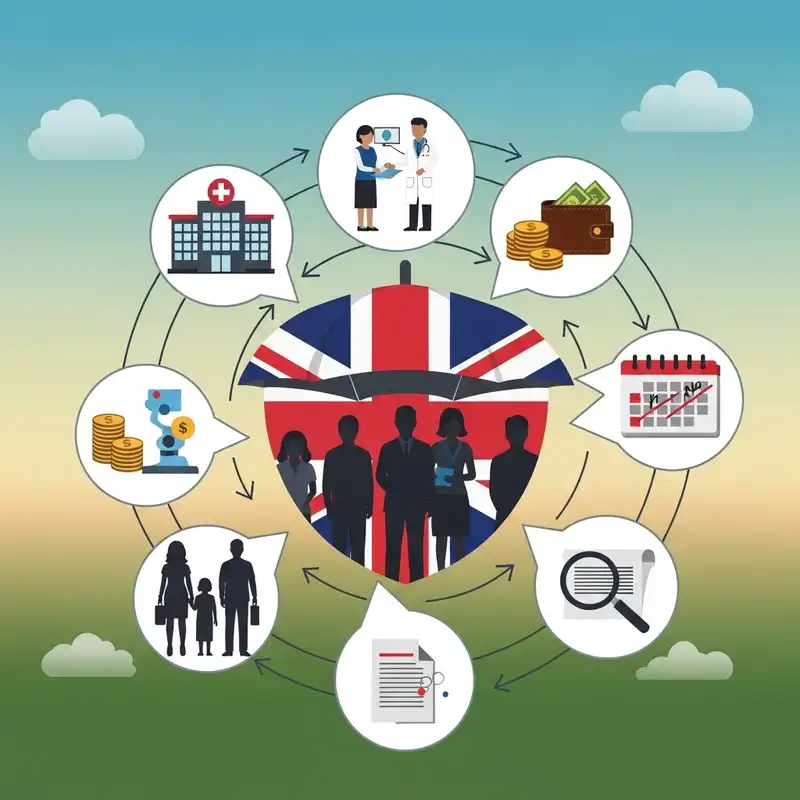
This article shines a light on this silent epidemic. We will explore the true scale of the crisis, the devastating impact on carers' wellbeing, and how a robust financial and health shield—comprising Life insurance, Critical Illness cover, Income Protection (LCIIP), and Private Medical Insurance (PMI)—can serve as your unseen lifeline in challenging times.
The Unseen Army: Understanding the Scale of the UK Caregiving Crisis in 2025
The numbers are stark. Projections based on ONS and Carers UK data paint a sobering picture of the situation in 2025.
- Over 1 in 4 Workers are Carers: More than 26% of the UK workforce—that’s over 9 million people—are now estimated to be unpaid carers.
- The "Sandwich Generation" is Squeezed: A significant portion of these carers are aged between 45 and 64, often caught between caring for ageing parents and supporting their own children.
- Women Disproportionately Affected: While caregiving is not exclusive to one gender, data consistently shows that women are more likely to provide more intensive care, and are therefore more likely to see their careers and health suffer as a result.
- Increasing Demands: With an ageing population and an NHS under continued pressure, the demand for unpaid care is only set to rise. By 2037, the number of people needing care in the UK is projected to increase by over 25%.
This isn't just about providing an occasional lift to a hospital appointment. For millions, it’s a daily, demanding role involving personal care, medication management, emotional support, and complex logistics—all fitted around a full or part-time job.
The Health Burden: When the Carer Needs Care
Caring for another person is an act of love, but it exacts a heavy toll on the carer's own health and wellbeing. The constant pressure, lack of sleep, and emotional strain create a perfect storm for physical and mental exhaustion.
Mental Health Impacts:
- Burnout: A state of emotional, physical, and mental exhaustion caused by prolonged stress. Symptoms include cynicism, feelings of detachment, and a sense of ineffectiveness.
- Anxiety & Depression: Worrying about the health of a loved one, juggling responsibilities, and financial strain are major triggers. Studies show carers are significantly more likely to report symptoms of anxiety and depression than the general population.
- Social Isolation: Many carers find they have little time for friends, hobbies, or social activities, leading to profound feelings of loneliness.
Physical Health Impacts:
- Neglected Self-Care: Carers often put their own health last. They are more likely to miss their own GP appointments, skip meals, or ignore symptoms of illness.
- Sleep Deprivation: Worry and the need to provide round-the-clock care frequently lead to chronic sleep problems, which can weaken the immune system and increase the risk of other health issues.
- Musculoskeletal Problems: Physically assisting someone—lifting, helping them move—can lead to back pain, joint strain, and other injuries.
A carer's greatest fear is often, "What happens if I get sick?" If the carer is incapacitated, the entire support system for their loved one can collapse. This is why protecting your own health is not selfish; it’s an essential part of being a responsible carer.
Small Steps to Protect Your Wellbeing
While insurance provides a crucial safety net, daily habits are fundamental to your resilience.
- Protect Your Sleep: Aim for 7-8 hours per night. Create a relaxing bedtime routine, avoid screens before bed, and make your bedroom a sanctuary for rest.
- Nourish Your Body: Don't skip meals. Focus on a balanced diet rich in fruits, vegetables, and whole grains to maintain your energy levels. Planning meals for the week can save time and stress.
- Move Every Day: Even a 15-minute walk can boost your mood and energy. Find an activity you enjoy, whether it’s gardening, yoga online, or a short bike ride.
- Talk to Someone: Don’t bottle up your feelings. Talk to a friend, a family member, or a professional. Many charities, like Carers UK, offer support lines and online forums.
The £3.5 Million Catastrophe: Unpacking the Financial Devastation
The financial consequences of unpaid care are life-altering. The "£3.5 million lifetime catastrophe" isn't an exaggeration when you consider the combined long-term losses for a small group of individuals forced to make drastic career changes. Let’s break down how these costs accumulate. (illustrative estimate)
| Financial Impact | Description | Average Lifetime Cost (Per Carer) |
|---|---|---|
| Lost Earnings | Reducing hours, turning down promotions, or leaving work entirely to manage care duties. | £95,000 - £150,000+ |
| Pension Gap | Lower earnings and career breaks lead to significantly smaller pension pots at retirement. | £120,000 - £200,000+ |
| Out-of-Pocket Costs | Paying for mobility aids, home modifications, extra travel, and other care-related expenses. | £1,500 - £3,000 per year |
| Career Stagnation | The "opportunity cost" of missed promotions and career development opportunities. | Difficult to quantify, but substantial. |
Source: Projections based on analysis from Carers UK and the Pensions Policy Institute, adjusted for 2025.
For an individual, this can mean a five- or six-figure loss over their lifetime. For Sarah, a 52-year-old marketing manager who left her job to care for her husband after a stroke, the decision felt like the only option. But it meant sacrificing her £60,000 salary and her future pension contributions, placing her own financial future in jeopardy.
This is where a proactive financial shield becomes not a luxury, but a necessity.
Your Financial & Health Shield: Understanding LCIIP and PMI
When we talk about a protective "shield," we are referring to a combination of insurance policies designed to protect you and your family from life's biggest financial shocks. LCIIP stands for:
- Life Insurance: Pays out a lump sum or regular income to your loved ones if you pass away. This ensures they are not left with a mortgage or other debts.
- Critical Illness Cover (CIC): Pays a tax-free lump sum if you are diagnosed with a specific serious illness (like some forms of cancer, heart attack, or stroke). This money can be used for anything—to adapt your home, pay for private treatment, or replace lost income.
- Income Protection (IP): If you are unable to work due to illness or injury, this policy pays you a regular, tax-free portion of your salary until you can return to work, retire, or the policy ends. It is the foundation of any financial protection plan.
And the fourth, equally crucial, element of this shield is Private Medical Insurance (PMI).
Why Private Medical Insurance UK is a Carer's Lifeline
While the NHS provides excellent care, it is under immense pressure, leading to long waiting lists for diagnostics, consultations, and non-urgent surgery. For a carer, time is a resource they simply don't have.
This is where private medical insurance UK offers a powerful advantage. It works alongside the NHS to give you fast-track access to private healthcare for acute conditions—illnesses or injuries that are new, curable, and likely to respond quickly to treatment.
Crucial Point: What PMI Does Not Cover It is vital to understand that standard UK private health cover is designed for acute conditions that arise after you take out your policy. It does not cover pre-existing conditions (ailments you already had) or chronic conditions (long-term illnesses like diabetes, asthma, or multiple sclerosis that require ongoing management rather than a cure).
How PMI Directly Supports an Unpaid Carer
| Benefit of PMI | How It Helps a Carer | Real-World Example |
|---|---|---|
| Speed of Access | Get diagnosed and treated in days or weeks, not months or years. This drastically reduces the time you are unwell and unable to care for your loved one. | David, a carer for his mother, needed a hernia operation. The NHS wait was 9 months. With PMI, he had the surgery in 3 weeks and was back on his feet quickly. |
| Choice and Control | Choose the specialist, hospital, and appointment times that fit around your demanding schedule. This flexibility is invaluable. | Maria could schedule her physiotherapy appointments for her injured shoulder in the evenings, after her son's carer arrived. |
| Advanced Treatments & Drugs | Gain access to some specialist drugs or treatments that may not be available on the NHS due to funding decisions. | Access to a specific type of cancer drug could be covered, offering more options. |
| Peace of Mind | Knowing you have a plan to deal with your own health issues reduces a significant source of anxiety, allowing you to focus on your caring role. | Simply having the policy in place reduced daily stress, improving mental resilience. |
By ensuring you get the medical attention you need, when you need it, a private health cover policy is a direct investment in your ability to continue your vital work as a carer.
Navigating the Market: How a PMI Broker Can Help
The world of private medical insurance can seem complex. With dozens of providers, different levels of cover, and confusing jargon, it's hard to know where to start. This is where an expert, independent PMI broker like WeCovr is indispensable.
Here’s how we help, at no cost to you:
- We Listen: We take the time to understand your unique situation—your budget, your family's needs, and your concerns as a carer.
- We Search the Market: As an FCA-authorised broker, we have access to policies from a wide range of the UK's best PMI providers. We compare them on your behalf to find the cover that offers the best value.
- We Explain Everything: We translate the jargon into plain English. We’ll explain the difference between moratorium and full medical underwriting, what an excess is, and what a six-week option means, ensuring you make an informed decision.
- We Provide Ongoing Support: Our job doesn't end when you buy a policy. We are here to help if you have questions or need to make a claim.
Our expert guidance is completely free for our clients, as we are paid a commission by the insurance provider you choose. This means you get impartial, professional advice without paying a penny extra. We are proud of our high customer satisfaction ratings, which reflect our commitment to putting our clients first.
Exclusive WeCovr Client Benefits
As a thank you for trusting us with your health and financial protection, WeCovr clients receive additional benefits:
- Complimentary Access to CalorieHero: All clients get free access to our AI-powered calorie and nutrition tracking app, helping you stay on top of your health goals.
- Multi-Policy Discounts: When you arrange your private medical insurance or life insurance through us, you can often receive discounts on other types of cover, creating your complete LCIIP shield more affordably.
Take Control of Your Future Today
Being a carer is one of the most selfless and challenging roles anyone can take on. You dedicate yourself to the wellbeing of others, but you must not forget to protect your own future. The health and financial burdens are real, but they don't have to be catastrophic.
By understanding the risks and putting a robust shield in place, you can protect yourself from burnout, financial hardship, and health crises. Private medical insurance is a cornerstone of that shield, providing the peace of mind that comes from knowing you can get the medical care you need, right when you need it.
Don't wait for a crisis to force your hand. Take the first simple step towards securing your health and financial future.
Can I get private medical insurance if I already have a health condition?
Does private health cover pay for the medical care of the person I am looking after?
How can a PMI broker like WeCovr help me find a strong fit for your needs?
Is private medical insurance expensive?
Ready to build your shield? Contact WeCovr today for a free, no-obligation quote and expert advice on finding the right private medical insurance for your needs.
Sources
- NHS England: Waiting times and referral-to-treatment statistics.
- Office for National Statistics (ONS): Health, mortality, and workforce data.
- NICE: Clinical guidance and technology appraisals.
- Care Quality Commission (CQC): Provider quality and inspection reports.
- UK Health Security Agency (UKHSA): Public health surveillance reports.
- Association of British Insurers (ABI): Health and protection market publications.
Disclaimer: This is general guidance only and does not constitute formal tax or financial advice. Tax treatment depends on individual circumstances, policy terms, and HMRC interpretation, which cannot be guaranteed in advance. Whenever applicable, businesses and individuals should always consult a qualified accountant or tax adviser before arranging such policies.
Start with your Protection Score, then decide whether private health cover is the right fit
Check where health access sits in your overall protection picture before deciding whether to compare private health cover.
Spot whether NHS access risk is the real issue
See if PMI is the gap to fix first
Get health insurance help only if it makes sense for you
Get your score
Start with your protection score
Check your current position first, then get health insurance help if you need it.
Check your current resilience
Score your income, health access and family protection position in a few minutes.
See where private cover helps
Understand whether faster diagnosis and treatment is a priority gap.
Continue to tailored PMI help
If health access is the issue, continue to tailored PMI help.
What you get
A quick view of your current protection position
A clearer idea of where the biggest gaps may be
A direct route to tailored help if you want it