TL;DR
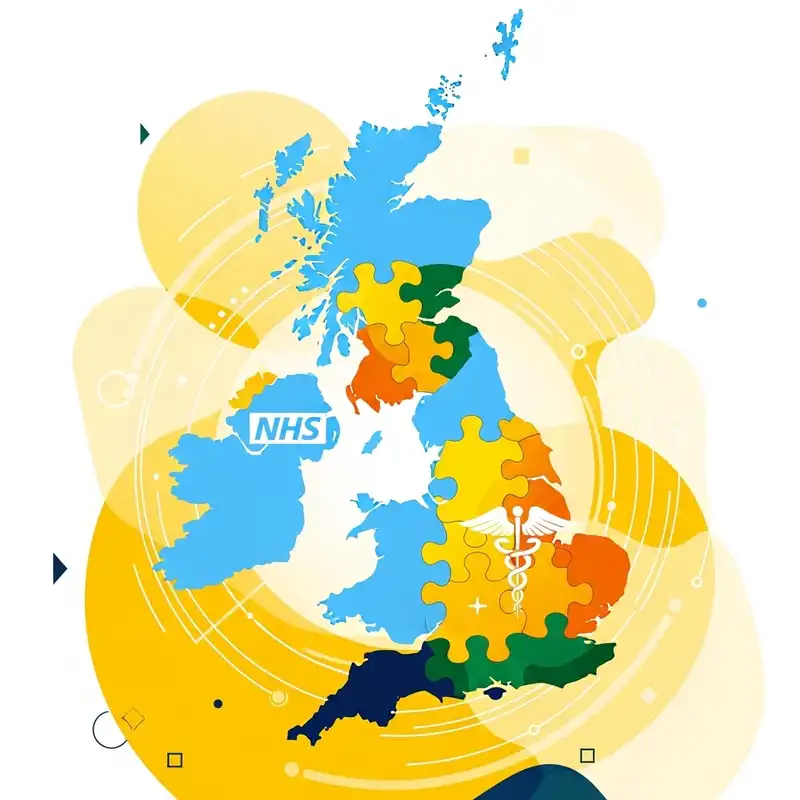
In the pursuit of financial security, many individuals proactively seek out critical illness and income protection insurance. These vital safeguards offer a financial lifeline when unexpected health crises strike, ensuring that you and your loved ones can maintain your lifestyle without the added burden of economic hardship. However, the UK's health landscape is far from uniform.
Uncover UK Micro-Regional Health Risks: Find Tailored Critical Illness & Income Protection Solutions for Your Postcode
UK Critical Illness & Income Protection Micro-Regional Health Risks & Insurer Solutions for Your Postcode
In the pursuit of financial security, many individuals proactively seek out critical illness and income protection insurance. These vital safeguards offer a financial lifeline when unexpected health crises strike, ensuring that you and your loved ones can maintain your lifestyle without the added burden of economic hardship. However, the UK's health landscape is far from uniform. Beneath national averages lie significant micro-regional health disparities, influenced by everything from air quality and lifestyle habits to socio-economic factors and access to healthcare.
What many don't realise is that the very postcode you call home can play a crucial, often subtle, role in how insurers assess your risk, and consequently, the cost and terms of your critical illness and income protection policies. This isn't about arbitrary discrimination; it's about sophisticated actuarial science that factors in granular data to provide accurate risk assessments.
This comprehensive guide delves deep into the fascinating, yet often overlooked, world of micro-regional health risks in the UK. We'll explore how these localised factors can influence your eligibility and premiums for critical illness and income protection insurance, and most importantly, how to navigate this complex landscape to secure the most appropriate and affordable cover for your unique circumstances.
Understanding Critical Illness Insurance (CI)
Critical Illness insurance is a long-term insurance policy designed to pay out a tax-free lump sum if you are diagnosed with a specific serious illness listed in your policy during its term. It's not a substitute for income protection, but rather a complementary cover designed for major life-altering diagnoses.
How Critical Illness Insurance Works
When you take out a critical illness policy, you pay regular premiums to the insurer. In return, if you are diagnosed with one of the defined critical illnesses covered by your policy, the insurer will pay out a pre-agreed lump sum. This money can be used for anything you need, such as:
- Paying off your mortgage or rent
- Covering medical treatment costs not available on the NHS (e.g., private physiotherapy, specialist consultations)
- Adapting your home to a new disability
- Maintaining your family's standard of living if you can no longer work
- Reducing financial stress during recovery
Common Conditions Covered
While policies vary, most critical illness plans cover a core set of serious conditions. However, the number of conditions covered, and the severity definitions, can differ significantly between insurers. It's crucial to examine the policy's terms and conditions closely.
Here's a table of commonly covered critical illnesses:
| Category | Common Conditions Covered (Examples) | Notes on Coverage |
|---|---|---|
| Cardiovascular | Heart Attack, Stroke, Coronary Artery Bypass Graft, Aorta Graft Surgery | Usually defined by specific severity criteria (e.g., permanent symptoms, extent of damage). |
| Cancer | Specified Cancers | Most forms of cancer are covered, but usually exclude very early-stage or non-invasive cancers. |
| Neurological | Multiple Sclerosis (MS), Parkinson's Disease, Alzheimer's Disease, Motor Neurone Disease | Definitions often require permanent symptoms or significant functional impairment. |
| Organ Failure | Kidney Failure, Liver Failure, Major Organ Transplant, Lung Disease | Typically refers to end-stage organ failure requiring dialysis, transplant, or severe impairment. |
| Other Serious | Blindness, Deafness, Loss of Limbs, Permanent Disability, Total and Permanent Disability | Requires irreversible loss or severe functional impairment. Definition of "Total and Permanent Disability" varies significantly. |
| Child Specific | Some policies include a range of child-specific conditions or a smaller payout for childhood illnesses. | Check if this feature is important to you. |
Why Critical Illness Insurance is Important
A critical illness diagnosis can be devastating, not only emotionally and physically but also financially. While the NHS provides excellent medical care, it doesn't cover all the peripheral costs associated with a long-term illness, such as loss of income, home modifications, or even just the ability to pay for everyday living expenses if one partner has to stop working to become a carer. CI provides a vital safety net, offering financial freedom during a challenging time.
Decoding Income Protection (IP)
Income Protection insurance, sometimes referred to as Permanent Health Insurance (PHI), is designed to pay you a regular, tax-free income if you're unable to work due to illness or injury. Unlike critical illness cover, which pays a lump sum for specific serious conditions, IP covers a broader range of health issues that prevent you from working, from a broken leg to long-term mental health problems.
How Income Protection Works
You choose a percentage of your gross income (typically 50-70%) to be covered. If you become ill or injured and cannot work, after a pre-agreed 'deferred period', the policy pays out a regular income. This income continues until you recover and return to work, reach your policy's retirement age, or the policy term ends, whichever comes first.
Key Features of Income Protection
- Deferred Period: This is the waiting period between when you become unable to work and when the payments begin. Common deferred periods are 4, 8, 13, 26, or 52 weeks. A longer deferred period generally means lower premiums.
- Benefit Period: This is how long the payments will continue for. Some policies pay until retirement age, while others might pay for a fixed period (e.g., 1, 2, or 5 years).
- Definition of Incapacity: Crucially, check how the policy defines "incapacity to work."
- Own Occupation: Pays if you can't do your specific job (the best but often more expensive).
- Suited Occupation: Pays if you can't do your specific job, but also if you can't do any job you are reasonably suited for by education, training, or experience.
- Any Occupation: Pays only if you can't do any job at all (the least comprehensive, often cheaper).
- Waiver of Premium: This ensures that your premiums are waived while you're receiving benefit payments.
- Inflation Linkage: Some policies offer the option to link your benefit to inflation (e.g., RPI or CPI) to ensure its purchasing power doesn't erode over time.
Why Income Protection is Essential
Most people insure their car, home, and even their pets, but often overlook their most valuable asset: their ability to earn an income. Statutory Sick Pay (SSP) in the UK is minimal (£116.75 per week from April 2024 for up to 28 weeks), and few employers offer long-term sick pay. Without IP, a prolonged period out of work due to illness or injury could rapidly deplete savings, lead to debt, and jeopardise your financial future. It's a foundational element of a robust financial plan. (illustrative estimate)
The UK's Health Landscape: Beyond National Averages
The notion of a "healthy UK" is a broad generalisation. In reality, health outcomes and disease prevalence vary significantly across different regions, and even within specific postcodes. This micro-regional variation is what insurers refer to as "geographical risk" and it's a legitimate factor in their underwriting process.
Why a Postcode Matters More Than You Think
Your postcode is more than just an address; it's a proxy for a myriad of underlying factors that can influence your health. Insurers use sophisticated data analytics, drawing from public health statistics, demographic data, and their own claims experience, to identify patterns.
Consider these factors, all of which can vary dramatically by postcode:
- Air Quality: Proximity to major roads, industrial areas, or urban centres can mean higher exposure to pollutants linked to respiratory and cardiovascular diseases.
- Socio-economic Deprivation: Areas with higher levels of deprivation often correlate with poorer health outcomes, including higher rates of chronic diseases, lower life expectancy, and poorer mental health. This is due to factors like diet, smoking, alcohol consumption, access to healthy food, and stressful living conditions.
- Lifestyle & Behaviour: Certain regions may exhibit higher rates of obesity, smoking, or lower levels of physical activity, contributing to conditions like type 2 diabetes and heart disease.
- Environmental Factors: Proximity to specific industrial sites, historical pollution, or even natural factors like radon gas (e.g., in Cornwall and parts of Scotland) can pose localised health risks.
- Access to Healthcare: While the NHS aims for universal access, practical availability of GP appointments, specialist services, and hospital waiting times can vary.
- Occupation Mix: Areas with a higher concentration of manual labour or specific industries (e.g., mining history in some northern towns) might see higher rates of work-related illnesses or injuries.
Factors Contributing to Regional Disparities
The roots of these disparities are complex and multifaceted:
- Historical Industrial Legacy: Many northern towns and cities, once industrial powerhouses, now face legacies of poor air quality, contaminated land, and populations with higher rates of respiratory diseases from past occupations.
- Urbanisation vs. Rural Living: While cities offer amenities, they also bring higher population density, pollution, and often more sedentary lifestyles. Rural areas might have better air quality but can suffer from issues like social isolation and limited access to services.
- Income Inequality & Deprivation: The Marmot Review (2010, updated 2020) highlighted how social and economic inequalities drive health inequalities. People in more deprived areas are less likely to be able to afford healthy food, live in suitable housing, or access green spaces for exercise.
- Cultural & Dietary Habits: Regional variations in traditional diets and social norms around activity levels or smoking/drinking can contribute to different health profiles.
These factors coalesce to create distinct health profiles for different parts of the UK, which insurers take into account.
Specific Micro-Regional Health Risks Across the UK
Let's delve into some specific examples of how health risks manifest differently across the UK. It's important to remember these are general trends, and individual circumstances within any region can vary greatly.
Air Quality & Respiratory Illnesses
Major urban centres, particularly London, Birmingham, Manchester, Leeds, and Glasgow, face significant challenges with air pollution from vehicle emissions, industrial activity, and domestic burning.
- Statistics: The British Lung Foundation reports that air pollution contributes to as many as 36,000 early deaths a year in the UK. Studies have linked long-term exposure to particulate matter (PM2.5) and nitrogen dioxide (NO2) to increased risks of asthma, chronic obstructive pulmonary disease (COPD), lung cancer, and cardiovascular disease.
- Regional Impact: Residents in areas like central London, along the M6 corridor, or near major industrial zones are statistically at higher risk of these conditions. Insurers might factor this into their assessment for respiratory critical illnesses or income protection for conditions like severe asthma.
Obesity & Lifestyle Diseases
The UK has one of the highest rates of obesity in Western Europe. This is a significant risk factor for a range of critical illnesses, including type 2 diabetes, heart disease, stroke, and certain cancers. 9% of adults in England were obese. Regional data shows higher rates in the North East (33.3%), followed by the West Midlands (29.2%), compared to London (22.2%) or the South East (24.1%).
- Regional Impact: Postcodes in areas with higher obesity prevalence may see slightly adjusted risk profiles for conditions linked to metabolic syndrome, such as diabetes and cardiovascular events.
Cancer Incidences
While cancer is multifactorial, some regional variations exist, often linked to environmental factors or historical occupational exposures.
- Statistics: Cancer Research UK provides detailed regional data. For example, lung cancer rates are generally higher in areas with a history of heavy industry and higher smoking rates, such as parts of the North East and North West. Skin cancer rates might be higher in sunnier coastal regions or among populations with significant outdoor exposure.
- Regional Impact: Insurers might consider the prevalence of certain cancer types in a postcode area when assessing risk, particularly for critical illness policies covering a wide range of cancers.
Mental Health
Mental health issues are increasingly recognised as a significant cause of long-term disability, leading to income protection claims.
- Statistics: The Mental Health Foundation (2022) highlights that mental health problems are more prevalent in urban areas and among those living in socio-economic deprivation. For instance, rates of common mental disorders are higher in London and the North West compared to some rural areas. Social isolation in rural settings can also present unique mental health challenges.
- Regional Impact: While harder to quantify purely by postcode, insurers are increasingly using data on local deprivation levels and health outcomes to assess the likelihood of mental health-related income protection claims.
Accident & Injury Rates
Certain regions, particularly those with a higher concentration of heavy industries, construction, or agriculture, might have a higher incidence of workplace accidents or specific industrial diseases.
- Statistics: The Health and Safety Executive (HSE) publishes statistics on workplace injuries and illnesses by region and industry. Areas with higher proportions of manual labour or manufacturing might report more musculoskeletal disorders or accidental injuries.
- Regional Impact: If you live in a postcode primarily associated with higher-risk occupations, even if your personal occupation is low-risk, an insurer might subtly factor in general regional trends for income protection or severe injury critical illness claims.
Here's a table summarising selected regional health disparities:
| Region/Area Type | Associated Health Risks | Contributing Factors | Potential Insurance Impact (General) |
|---|---|---|---|
| Major Urban Centres | Respiratory diseases (asthma, COPD), Cardiovascular issues, Stress-related mental health | Air pollution, high population density, noise, fast-paced lifestyle | Higher perceived risk for respiratory/cardiovascular CI, mental health IP. |
| North East/North West | Higher rates of obesity, type 2 diabetes, heart disease, certain cancers, some mental health issues | Historical industrial legacy, socio-economic deprivation, lifestyle factors | May see slight premium adjustments for linked conditions, potentially higher IP claims. |
| Coastal/Rural Deprived | Higher rates of long-term conditions, social isolation (mental health) | Limited access to services, remoteness, some environmental factors (e.g., radon) | Varies; could impact mental health IP or long-term care needs. |
| Specific Industrial Postcodes | Occupational diseases (e.g., lung conditions), higher injury rates | Legacy pollution, specific industry exposure | Could lead to higher IP premiums or specific exclusions for related conditions. |
| South East (excluding London) | Generally better health outcomes on average | Higher affluence, access to green spaces, generally healthier lifestyles | Potentially more favourable terms for general health conditions. |
How Insurers Assess Postcode-Specific Risk
It’s not as simple as drawing a line around a region and labelling it "high risk." Insurers use highly sophisticated underwriting processes that combine multiple data points, of which your postcode is just one.
The Underwriting Process
When you apply for critical illness or income protection insurance, the insurer's underwriting team assesses your individual risk profile. This involves:
- Medical History: Your past and present health conditions, family medical history, and any prescribed medications.
- Lifestyle: Smoking status, alcohol consumption, diet, exercise habits, hobbies (e.g., dangerous sports).
- Occupation: The inherent risks associated with your job (e.g., office worker vs. construction worker).
- Age & Gender: Actuarial data shows clear correlations between these factors and health risks.
- Postcode/Geographical Risk: This is where the micro-regional data comes in.
Data Sources Used by Insurers
Insurers don't guess. They rely on vast datasets and advanced actuarial models:
- Office for National Statistics (ONS): Provides granular data on life expectancy, causes of death, disease prevalence, deprivation indices, and demographic trends at various geographical levels.
- NHS Data: Aggregate data on hospital admissions, GP consultations, prevalence of chronic diseases (e.g., diabetes registers), and mental health service usage.
- Environmental Data: Information from agencies like the Environment Agency on air quality, water quality, and specific pollutant levels in different areas.
- Claims Experience Data: Insurers analyse their own historical claims data, identifying patterns and correlations between postcodes and specific types of claims (e.g., higher respiratory claims in certain urban areas, higher musculoskeletal claims in particular industrial zones).
- Academic Research & Public Health Reports: Keeping abreast of new findings on health determinants and regional disparities.
Beyond Postcode: A Holistic Assessment
It's crucial to understand that your postcode is one factor among many. An individual living in a 'higher risk' postcode due to environmental factors, but who has an impeccable personal medical history, healthy lifestyle, and low-risk occupation, may still secure excellent terms. Conversely, someone in a 'low risk' postcode with significant personal health issues or a high-risk occupation will likely face higher premiums or exclusions regardless of their address.
The "postcode lottery" perception is often an oversimplification. Insurers are trying to price risk accurately, not arbitrarily penalise individuals based solely on location. Their models aim to identify probabilities of claims occurring based on statistical correlations found in large populations within specific geographical areas.
The Impact of Regional Risks on Your Premiums and Policy Terms
The primary consequence of an insurer identifying a higher postcode-related risk is on the premium you pay and potentially the terms of your policy.
How Higher Regional Risk Can Lead to Increased Premiums
Premiums are calculated based on the likelihood of a claim being made and the potential cost of that claim. If data suggests that residents of a particular postcode have a statistically higher likelihood of developing certain conditions covered by critical illness or income protection (e.g., respiratory illnesses due to pollution, or heart disease due to lifestyle factors linked to deprivation), the insurer may adjust premiums upwards to reflect this increased risk.
- Example: If you live in an area consistently shown to have significantly higher rates of type 2 diabetes and heart attacks, your critical illness premium might be marginally higher than someone with an identical personal profile living in an area with very low rates. Similarly, for income protection, if your postcode has a demonstrably higher rate of mental health claims, this could be reflected in the premium.
Potential for Exclusions or Specific Policy Clauses
In very specific or extreme cases, an insurer might apply an exclusion related to a particular regional risk. For instance, if you live in an area known for extremely high radon levels and have certain pre-existing conditions, a lung-related exclusion might be considered, though this is rare for critical illness and more likely to be an increased premium.
More commonly, if your postcode, combined with other factors, signals an elevated risk for a specific condition, the insurer is more likely to increase the premium rather than exclude coverage, as their aim is to cover risk, not avoid it entirely.
The Balancing Act for Insurers
Insurers must strike a delicate balance:
- Fairness: They need to be fair to all policyholders, ensuring that those with lower risks aren't subsidising those with higher risks unnecessarily.
- Profitability: They are businesses and need to accurately price risk to remain solvent and pay claims.
- Accessibility: They also want to make insurance accessible to as many people as possible, avoiding blanket bans on entire postcodes or regions.
This means that while regional risks are considered, they are typically one part of a much larger, individualised assessment.
Here's an illustrative table on the potential impact of regional risk:
| Regional Risk Factor | Example Scenario (Postcode) | Potential Impact on CI/IP Premium | Potential Impact on Policy Terms/Exclusions (Less Common) |
|---|---|---|---|
| High Air Pollution | Central London, Industrial City outskirts | Slight increase for respiratory/cardiovascular related claims | Very rare, but theoretical exclusion for severe specific pollution-related conditions if other factors align. |
| High Deprivation Index | Certain inner-city or former industrial towns | Potential slight increase across various conditions (e.g., diabetes, heart disease, mental health) | Generally premium adjustment, not exclusion. |
| Elevated Radon Levels | Parts of Cornwall, Derbyshire, Northamptonshire | Generally no direct impact unless linked to pre-existing lung conditions | Potentially a very rare specific lung-related exclusion if there's a strong direct link and pre-existing issues. |
| Low General Health Outcomes | Statistically lower life expectancy regions | Broader premium adjustment across multiple CI/IP conditions | Unlikely for general health; more about pricing. |
| High Accident Rates (Industry) | Postcode in heavy industrial area (even if not your job) | Could marginally influence IP premiums if area's general accident rate is very high | Unlikely to result in exclusions unless your specific job is high risk. |
Navigating the Complexities: Finding the Right Solution
Understanding that your postcode can be a factor in your insurance application might feel daunting. However, it simply underscores the importance of a thorough and informed approach to securing critical illness and income protection.
The Challenge of Finding Tailored Cover
Most online comparison sites offer generic quotes based on age, smoking status, and basic health questions. They rarely delve into the nuances of postcode-specific health risks. This means:
- Inaccurate Initial Quotes: An online quote might seem cheap but could increase significantly after a full medical underwriting process that considers your postcode and other factors.
- Missing Best Deals: Some insurers might be more lenient or have different risk appetites for specific regional factors than others. A generic search won't highlight these differences.
- Overlooking Niche Policies: Certain insurers might have specific strengths or tailored policies that better suit individuals in particular circumstances or locations, which you wouldn't find without expert guidance.
The Importance of Full Disclosure
Always be completely honest and thorough in your application. Non-disclosure, even if accidental, can invalidate your policy when you need it most. Insurers have access to vast datasets and will verify information. It is always better to declare everything upfront, even if you think it might slightly increase your premium.
Why Generic Online Quotes Might Not Suffice
While a good starting point, generic online quotes for critical illness and income protection can't account for the complex interplay of your personal health, occupation, lifestyle, and geographical risks. They lack the ability to fully underwrite your specific situation, which is crucial for these types of protection policies. The final offer you receive after full underwriting can differ significantly from an initial online estimate.
WeCovr: Your Expert Guide to Micro-Regional Insurance Solutions
This is precisely where expert, independent advice becomes invaluable. At WeCovr, we specialise in navigating the intricate landscape of UK life insurance, critical illness, and income protection. We understand that your situation is unique, and that includes the micro-regional health risks associated with your postcode.
How WeCovr helps:
- Comprehensive Market Access: We work with all major UK insurers and many specialist providers. This means we don't just give you a few options; we scour the entire market to find policies that genuinely fit your needs, taking into account all underwriting factors, including your postcode.
- Expert Underwriting Knowledge: Our team comprises experienced insurance advisors who possess deep knowledge of each insurer's underwriting criteria. We know which insurers are typically more favourable for specific health conditions, occupations, or indeed, geographical risks. This enables us to direct your application to the providers most likely to offer you the best terms.
- Personalised Risk Assessment: We take the time to understand your full profile – your medical history, lifestyle, occupation, and yes, your postcode. We discuss how these elements might be viewed by different insurers, helping you understand the 'why' behind any potential premium adjustments.
- Saving You Time and Money: Instead of you spending hours researching and comparing, we do the heavy lifting. Our goal is to secure you the most comprehensive cover at the most competitive price, even when factoring in subtle regional health nuances.
- Simplifying Complexities: We translate insurance jargon into clear, understandable language, guiding you through the application process from start to finish, ensuring full disclosure and a smooth experience.
At WeCovr, we pride ourselves on providing tailored solutions, ensuring that your critical illness and income protection policies genuinely protect you, regardless of where you live in the UK. We empower you to make informed decisions about your financial security, giving you peace of mind that you're well-protected against life's uncertainties.
Real-Life Scenarios: How Postcode Affects You
Let's look at how micro-regional risks could theoretically play out in real-life insurance applications. (These are illustrative scenarios).
Scenario 1: Urban Professional in London with High Pollution Exposure
- Applicant: Sarah, 35, non-smoker, healthy weight, office-based professional. Lives in central London (e.g., Westminster postcode) known for high traffic and air pollution.
- Perceived Risk: While personally healthy, her postcode contributes to a statistically higher risk of respiratory conditions (asthma, COPD) and cardiovascular issues due to long-term exposure to particulate matter.
- Insurance Impact: When applying for Critical Illness and Income Protection, insurers might factor in general population data for her postcode. While Sarah's individual health is excellent, the background risk from her location might lead to a marginal increase in premiums for critical illnesses like stroke or heart attack, or for income protection claims related to severe respiratory conditions compared to an identical applicant in a very rural, low-pollution area. WeCovr would help Sarah compare different providers, as some may have more sophisticated models that weigh individual health more heavily than geographical averages for certain conditions.
Scenario 2: Rural Resident in a Region with Specific Lifestyle Disease Prevalence
- Applicant: David, 48, non-smoker, slightly overweight. Lives in a rural area in the North East, historically associated with higher rates of type 2 diabetes and heart disease.
- Perceived Risk: David's personal health (slightly overweight) combined with the higher statistical prevalence of lifestyle diseases in his postcode area creates a dual risk.
- Insurance Impact: David's Critical Illness premiums might see a slight uplift for conditions like heart attack, stroke, and diabetes, and his Income Protection could also be marginally affected by the higher incidence of long-term health issues in his area. A broker like WeCovr would be essential here to find an insurer who views David's specific slightly overweight status and the regional data in the most favourable light, potentially finding an insurer who focuses more on his current health markers and active lifestyle despite the regional statistics.
Scenario 3: Industrial Worker in a Specific Region
- Applicant: Mark, 40, smoker, works in heavy manufacturing in an area of the West Midlands with a legacy of industrial activity.
- Perceived Risk: Mark's smoking habit and occupation are already significant risk factors. His postcode, if it's in an area known for occupational lung diseases or higher general accident rates due to historical industrial density, adds another layer.
- Insurance Impact: Mark's Critical Illness premiums for lung conditions and cancer, and his Income Protection premiums for respiratory issues or injury, will likely be significantly higher due to smoking and occupation. The postcode's influence might be smaller in comparison but could still contribute to the overall premium. WeCovr would focus on finding insurers who are competitive for smokers and higher-risk occupations, while also understanding how different providers might price the additional, albeit minor, postcode factor.
These scenarios highlight that while your postcode isn't the sole determinant, it's part of the complex puzzle insurers piece together. Understanding its potential influence empowers you to seek out the right advice and find the best protection.
Future Trends in Regional Health Data and Insurance
The intersection of health data, technology, and insurance is constantly evolving.
- Wearable Technology and Big Data Analytics: As more people use smartwatches and fitness trackers, insurers are exploring how this personalised health data could lead to more dynamic and personalised premiums. While currently focused on wellness programmes, the future could see more granular risk assessments based on individual activity and health metrics, potentially mitigating the broader impact of postcode data.
- Personalised Health Interventions: Greater understanding of micro-regional health risks could lead to more targeted public health interventions, which in turn could improve population health and potentially reduce future insurance premiums for those areas.
- Evolving Underwriting Practices: Insurers are continually refining their models. As more data becomes available and analytical capabilities improve, underwriting will likely become even more precise, perhaps focusing less on broad postcode averages and more on highly specific localised risks and individual behaviours.
While a 'digital twin' of your health influencing your insurance is still some way off, the trend is towards increasingly personalised and data-driven risk assessment.
Key Takeaways for Securing Your Financial Future
Navigating the nuances of critical illness and income protection insurance in the UK's varied health landscape can seem complex, but it doesn't have to be. Here are your key takeaways:
- Don't Ignore Regional Risks: Understand that where you live can be one of many factors insurers consider. This isn't a punitive measure but part of an actuarial science aimed at accurate risk assessment.
- Proactive Health Management: While you can't change your postcode easily, you can control your lifestyle. Maintaining good health, staying active, and making healthy choices will always be the most significant factors in securing favourable insurance terms, regardless of your location.
- Seek Expert Advice: General online quotes are a starting point, but for critical illness and income protection, a personalised approach is crucial. An independent insurance broker, like WeCovr, has the market access and expertise to compare offers from all major UK insurers. We can help you understand how different providers might view your unique profile, including any postcode-specific factors, to find the most suitable and cost-effective policy.
- Review Policies Regularly: Your circumstances, health, and even regional health data can change over time. It's a good practice to review your critical illness and income protection policies periodically to ensure they still meet your needs and reflect any improvements in your health or changes in your postcode's risk profile.
- Full Disclosure is Paramount: Always be completely honest and thorough in your application. Non-disclosure can jeopardise your policy when you need it most.
Conclusion
The UK is a tapestry of diverse communities, each with its unique characteristics, including health profiles. For critical illness and income protection insurance, your postcode is a piece of this intricate mosaic, offering valuable data points to insurers aiming for fair and accurate risk assessment.
By understanding the concept of micro-regional health risks and how they might influence your policy, you empower yourself to make better decisions. Rather than being a barrier, this knowledge becomes a guide. With expert assistance from a specialist broker like WeCovr, you can confidently navigate this landscape, securing robust and appropriate financial protection for yourself and your family, ensuring peace of mind no matter where you call home in the UK. Don't leave your financial security to chance; explore your options with a trusted advisor today.
Sources
- Office for National Statistics (ONS): Mortality and population data.
- Association of British Insurers (ABI): Life and protection market publications.
- MoneyHelper (MaPS): Consumer guidance on life insurance.
- NHS: Health information and screening guidance.
Disclaimer: This is general guidance only and does not constitute formal tax or financial advice. Tax treatment depends on individual circumstances, policy terms, and HMRC interpretation, which cannot be guaranteed in advance. Whenever applicable, businesses and individuals should always consult a qualified accountant or tax adviser before arranging such policies.
Measure your family’s protection gap, then get the right life cover quote
Start with the score to see whether your family would face a real financial shortfall before moving on to life cover options.
Check what happens if someone dies too soon
See whether debt, dependants and mortgage risk are covered
Move into tailored life cover options after the score
Get your score
Your next best move
Get your score in minutes, then decide what kind of protection help would be most useful.
Score your household protection
See how well your current setup protects dependants, debt and major commitments.
Find the shortfall
Know whether life cover, critical illness or income protection is the actual missing piece.
Continue to tailored life cover
If life cover is the gap, continue to tailored life cover options.
What you get
A quick view of your current protection position
A clearer idea of where the biggest gaps may be
A direct route to tailored help if you want it