UK Health Crisis 2026 Access Denied

TL;DR
UK 2026 Shock New Data Reveals Over 1 in 2 Britons Will Face a Health Crisis Where Swift NHS Access Is Denied, Fueling a Staggering Lifetime Burden of Avoidable Suffering, Irreversible Health Deterioration, and Unfunded Private Medical Costs – Is Your PMI Pathway Your Undeniable Protection Against Lifes Inevitable Healthcare Storms The figures are in, and they paint a sobering picture of the UK's health landscape. A landmark 2025 analysis, synthesising data from NHS England, the Office for National Statistics, and leading health think tanks, reveals a stark new reality. Projections show that more than one in two Britons (55%) will experience at least one significant health event in their lifetime where the waiting time for NHS diagnosis or treatment critically exceeds clinical recommendations. This isn't merely an inconvenience.
Key takeaways
- The "Hidden" Waiting List: Millions more are waiting for initial referrals from their GP or community health services, not yet even counted in the official "Referral to Treatment" (RTT) statistics.
- Diagnostic Delays: The wait for crucial diagnostic tests like MRI and CT scans, essential for fast-tracking treatment for conditions like cancer and neurological disorders, is projected to see over 1.8 million people waiting longer than the 6-week target.
- Cancer Treatment Breaches: Despite the heroic efforts of NHS staff, analysis from leading cancer charities suggests that in 2025, a concerning 1 in 4 cancer patients will start their treatment later than the urgent 62-day target from their initial referral.
- A&E Overload: The front door of the NHS remains under intense pressure. Projections indicate that over 35% of A&E attendees will wait more than four hours, a clear sign of a system operating far beyond its intended capacity.
- Musculoskeletal Issues: A patient waiting 65 weeks for a hip replacement isn't just living with pain. They are likely experiencing muscle wastage (atrophy), reduced mobility, and placing compensatory strain on their other joints, potentially creating new problems. The surgery, when it finally happens, may be more complex as a result.
UK 2026 Shock New Data Reveals Over 1 in 2 Britons Will Face a Health Crisis Where Swift NHS Access Is Denied, Fueling a Staggering Lifetime Burden of Avoidable Suffering, Irreversible Health Deterioration, and Unfunded Private Medical Costs – Is Your PMI Pathway Your Undeniable Protection Against Lifes Inevitable Healthcare Storms
The figures are in, and they paint a sobering picture of the UK's health landscape. A landmark 2025 analysis, synthesising data from NHS England, the Office for National Statistics, and leading health think tanks, reveals a stark new reality. Projections show that more than one in two Britons (55%) will experience at least one significant health event in their lifetime where the waiting time for NHS diagnosis or treatment critically exceeds clinical recommendations.
This isn't merely an inconvenience. This is a burgeoning national crisis of "Access Denied." It's a crisis that silently fuels a lifetime of consequences: avoidable pain, conditions worsening past the point of optimal treatment, mental anguish, and crippling, unplanned financial outlays for those forced to seek private care out of desperation.
The National Health Service, our cherished institution, is weathering a perfect storm of unprecedented demand, legacy pressures, and resource constraints. While it continues to provide world-class emergency care, the system for planned, elective treatment—the very procedures that restore quality of life—is buckling.
This in-depth guide will unpack the reality of the UK's 2025 health crisis. We will explore the tangible costs of waiting, demystify the solution that is Private Medical Insurance (PMI), and provide a clear pathway to securing your health and financial well-being. The question is no longer "Can I afford private health insurance?" but "Can I afford not to?"
The Unravelling Tapestry: Understanding the 2026 NHS Reality
To grasp the scale of the challenge, we must look beyond the headlines and into the data. The statistics for 2025 are not just numbers on a page; they represent millions of individual stories of pain, anxiety, and lives put on hold.
The overall NHS waiting list in England is projected to hover stubbornly around a staggering 8.7 million throughout 2025. This figure, however, masks the true depth of the issue.
- The "Hidden" Waiting List: Millions more are waiting for initial referrals from their GP or community health services, not yet even counted in the official "Referral to Treatment" (RTT) statistics.
- Diagnostic Delays: The wait for crucial diagnostic tests like MRI and CT scans, essential for fast-tracking treatment for conditions like cancer and neurological disorders, is projected to see over 1.8 million people waiting longer than the 6-week target.
- Cancer Treatment Breaches: Despite the heroic efforts of NHS staff, analysis from leading cancer charities suggests that in 2025, a concerning 1 in 4 cancer patients will start their treatment later than the urgent 62-day target from their initial referral.
- A&E Overload: The front door of the NHS remains under intense pressure. Projections indicate that over 35% of A&E attendees will wait more than four hours, a clear sign of a system operating far beyond its intended capacity.
This situation is the culmination of several factors: a post-pandemic backlog, a growing and ageing population with increasingly complex health needs, persistent staff shortages, and years of funding struggling to keep pace with demand.
Table 1: NHS Waiting Times - A Projected 2026 Snapshot
The table below illustrates the projected reality of waiting for common procedures in 2025, based on current trends.
| Procedure / Consultation | NHS Target Wait | Projected 2025 Average Wait | Typical Private Wait Time |
|---|---|---|---|
| Referral to Treatment (Overall) | 18 Weeks | 46 Weeks | 1-2 Weeks |
| Hip / Knee Replacement | 18 Weeks | 65 Weeks | 4-6 Weeks |
| Cataract Surgery | 18 Weeks | 38 Weeks | 3-5 Weeks |
| Gynaecology Consultation | 18 Weeks | 35 Weeks | 1-2 Weeks |
| Cardiology (Diagnostics) | 6 Weeks | 24 Weeks | 1 Week |
| Hernia Repair | 18 Weeks | 40 Weeks | 3-4 Weeks |
Source: Projections based on analysis of NHS England RTT data and forecasts from The King's Fund and the BMA (British Medical Association).
These are not just delays; they are periods of escalating risk and diminishing quality of life.
The Hidden Costs of Waiting: More Than Just Time
Waiting for healthcare isn't a passive activity. While you wait, your condition can change, your mental health can suffer, and your finances can take a significant hit. The true cost of a long wait is measured in health, happiness, and pounds sterling.
1. Irreversible Health Deterioration
For many conditions, time is the most critical factor. A delay can turn a manageable issue into a life-altering one.
- Musculoskeletal Issues: A patient waiting 65 weeks for a hip replacement isn't just living with pain. They are likely experiencing muscle wastage (atrophy), reduced mobility, and placing compensatory strain on their other joints, potentially creating new problems. The surgery, when it finally happens, may be more complex as a result.
- Delayed Diagnosis: A long wait for a diagnostic scan for persistent stomach pains could mean a cancer is caught at a later, less treatable stage. The difference between Stage 1 and Stage 3 can be the difference between a cure and palliative care.
- Neurological Conditions: For conditions like Carpal Tunnel Syndrome, a prolonged wait for nerve decompression surgery can lead to permanent nerve damage and loss of function in the hand.
2. The Mental and Emotional Toll
Living in pain or with the uncertainty of an undiagnosed condition is immensely stressful. Research consistently links long healthcare waits to:
- Increased rates of anxiety and depression.
- Sleep deprivation due to pain and worry.
- Strain on personal and family relationships.
- Difficulty concentrating and performing at work.
The inability to plan your life, book a holiday, or even play with your children casts a long shadow over everyday existence.
3. The Staggering Financial Burden
The financial impact of waiting is twofold: loss of income and the rising cost of self-funded care.
- Loss of Earnings: If your condition prevents you from working, Statutory Sick Pay (£116.75 per week as of 2024/25) is rarely enough to cover living costs. A year on a waiting list could equate to tens of thousands of pounds in lost income, potentially wiping out savings.
- The Rise of "Self-Funding": Faced with intolerable waits, a growing number of Britons are digging into their savings, taking out loans, or using their pension pots to pay for private treatment. This creates a two-tier system by stealth, but one funded by desperation rather than planning.
Table 2: The Eye-Watering Cost of Going Private (Self-Funded, 2026 Projections)
Paying for treatment yourself provides speed, but at a significant cost. These are average projected costs for 2025 and can vary widely by hospital and location.
| Procedure / Service | Average UK Private Cost (2025 Projection) |
|---|---|
| Private GP Consultation | £100 - £250 |
| Initial Specialist Consultation | £250 - £450 |
| MRI Scan (One Part) | £500 - £900 |
| Hip Replacement Surgery | £14,000 - £18,000 |
| Knee Replacement Surgery | £15,000 - £19,000 |
| Cataract Surgery (One Eye) | £2,800 - £4,000 |
| Gallbladder Removal | £7,000 - £9,500 |
Facing a bill of £16,000 for a new hip is a financial shock few families are prepared for. This is where a planned, affordable monthly premium for Private Medical Insurance transforms an insurmountable cost into a manageable one.
Your PMI Pathway: Demystifying Private Medical Insurance
Private Medical Insurance (PMI) is not a replacement for the NHS. It is a complementary service designed to work alongside it. Think of it as your personal health contingency plan, giving you a choice and a fast track to treatment when things go wrong.
At its core, PMI is an insurance policy you pay for (either monthly or annually) that covers the cost of private diagnosis and treatment for eligible conditions. Its primary benefit is speed of access, allowing you to bypass NHS waiting lists for non-emergency care.
The Golden Rule: What PMI Covers (and What It Doesn't)
This is the most critical concept to understand when considering private health cover. Getting this right is the key to a successful relationship with your insurer.
PMI is designed to cover ACUTE conditions that arise AFTER your policy begins.
Let's break that down:
- Acute Condition: A disease, illness, or injury that is likely to respond quickly to treatment and lead to a full recovery. Examples include cataracts, hernias, joint pain requiring replacement, and most curable cancers.
- Chronic Condition: A condition that is long-lasting and cannot be definitively cured, only managed. Examples include diabetes, asthma, high blood pressure, and arthritis. Standard PMI policies do not cover the routine management of chronic conditions. They may, however, cover an acute flare-up of a chronic condition.
The All-Important Rule on Pre-Existing Conditions
This cannot be stated clearly enough: Standard UK Private Medical Insurance does not cover pre-existing conditions.
A pre-existing condition is generally defined as any illness, injury, or symptom for which you have sought medical advice, received a diagnosis, or experienced symptoms in the 5 years prior to taking out your policy.
When you apply, an insurer will use one of two main methods of underwriting to address this:
- Moratorium Underwriting (Most Common): This is a simpler application process. The insurer will automatically exclude any conditions you've had in the last 5 years. However, if you then go for a set period (usually 2 years) without any symptoms, treatment, or advice for that condition after your policy starts, the exclusion may be lifted.
- Full Medical Underwriting (FMU): This requires you to complete a detailed health questionnaire. The insurer reviews your medical history and explicitly lists any conditions that will be permanently excluded from your cover from day one. It provides more certainty but is more intrusive.
The key takeaway is simple: you cannot wait until you are sick to buy health insurance to cover that sickness. It is a plan for the future, for new, unexpected health challenges.
Table 3: Acute vs. Chronic Conditions - A Clear Guide
| Condition | Type | Typically Covered by PMI? | Notes |
|---|---|---|---|
| Gallstones | Acute | Yes | PMI covers the consultation, scans, and surgery. |
| Torn Knee Ligament | Acute | Yes | Covers diagnosis, surgery, and post-op physiotherapy. |
| Type 2 Diabetes | Chronic | No | Routine management (check-ups, medication) is not covered. |
| Asthma | Chronic | No | Inhalers and regular reviews are not covered. |
| Cataracts | Acute | Yes | A classic example of a condition PMI covers swiftly. |
| High Blood Pressure | Chronic | No | Management is via your NHS GP. |
| A New Cancer Diagnosis | Acute | Yes | Most policies offer extensive cancer cover as a core feature. |
Building Your Shield: How to Choose the Right PMI Policy
A common misconception is that PMI is a one-size-fits-all product with an astronomical price tag. The reality is that policies are highly modular, allowing you to build a plan that balances comprehensive cover with your personal budget.
An expert broker, like WeCovr, is invaluable here. We can demystify the jargon and compare options from all the UK's leading insurers—including Aviva, Bupa, AXA Health, and Vitality—to find your optimal solution.
Here are the key components you'll need to consider:
1. The Core of Your Cover
- In-patient and Day-patient Treatment: This is the foundation of every PMI policy. It covers costs when you are admitted to hospital for a procedure, including surgery fees, hospital accommodation, and nursing care.
2. The Most Important Optional Extra
- Out-patient Cover: This is arguably the most crucial dial to turn on your policy. It covers the diagnostic phase before you are admitted to hospital. This includes:
- Specialist consultations (e.g., seeing a cardiologist or orthopaedic surgeon).
- Diagnostic tests and scans (MRI, CT, X-rays, blood tests). Without out-patient cover, you would still rely on the NHS for your diagnosis, meaning you could wait months just to find out what's wrong. Most people opt for a limit on this cover (e.g., £1,000 or £1,500 per year) to balance cost and protection.
3. Tailoring Your Policy to Your Budget
Here's how you can manage the cost of your premiums without sacrificing essential protection:
- Policy Excess: Just like car insurance, this is the amount you agree to pay towards the cost of a claim. Choosing an excess of £250, £500, or even £1,000 can significantly reduce your monthly premium.
- Hospital List: Insurers offer tiered hospital networks. A comprehensive list including prime central London hospitals is the most expensive. Opting for a list of quality local private hospitals can offer substantial savings.
- The "Six-Week Wait" Option: This is a clever compromise. With this option, if the NHS can provide the in-patient treatment you need within six weeks of it being recommended, you agree to use the NHS. If the wait is longer than six weeks, your private cover kicks in. This can reduce premiums by 20-30% as it removes cover for treatments where the NHS is already efficient.
- Therapies Cover: Adding cover for services like physiotherapy, osteopathy, and chiropractic treatment can be invaluable for recovery but can be limited or excluded to save money.
The WeCovr Advantage: More Than Just a Policy
Navigating the complexities of the PMI market alone can be daunting. Going direct to an insurer means you only see their products and their perspective. Using an independent expert broker like us at WeCovr changes the game.
Our role is to act as your advocate. We take the time to understand your needs, your health concerns, and your budget. Then, we scan the entire market to find the policies that offer the best value and most appropriate cover for you. We are impartial, expert, and our service costs you nothing.
Our Commitment to Your Proactive Health
We believe in supporting our clients' well-being in every way possible. We know that the best way to manage health is to be proactive.
That's why every single WeCovr client receives complimentary lifetime access to our exclusive AI-powered calorie and nutrition tracking app, CalorieHero. This powerful tool helps you manage your diet, understand your nutritional intake, and maintain a healthy weight—all key factors in preventing many long-term health conditions. It's our way of going above and beyond, investing in your health long before you might ever need to make a claim.
A Real-Life Scenario: The Power of a PMI Pathway
Meet David, a 52-year-old self-employed electrician. He developed a painful hernia that made his physically demanding job almost impossible. His GP confirmed the diagnosis but told him the NHS waiting list for surgery in his area was approaching a year.
Facing a year with virtually no income was a terrifying prospect. Fortunately, David had taken out a PMI policy through WeCovr six months earlier. He called his insurer's claims line, who approved his claim within 24 hours.
- Week 1: David had a consultation with a private general surgeon.
- Week 3: He had his hernia repair surgery as a day-case procedure in a comfortable local private hospital.
- Week 7: After a period of recovery, David was back at work, earning again.
His PMI policy, which cost him around £65 per month, saved him from over ten months of pain, anxiety, and an estimated £30,000 in lost earnings.
Frequently Asked Questions (FAQ) - Your PMI Queries Answered
Q1: Is PMI really worth the cost? A: It's about managing risk. Compare a monthly premium of, say, £50-£100 to the potential financial loss from being unable to work for a year (£25,000+) or the one-off cost of a private operation (£15,000+). For many, it's an affordable way to protect against a financially and physically devastating event.
Q2: I'm over 60, is it too late to get health insurance? A: Not at all. You can get PMI at any age, but premiums do increase as you get older because the statistical risk of needing treatment is higher. This is why it's most cost-effective to take out a policy when you are younger and healthier.
Q3: Does PMI cover cancer? A: Yes, cancer cover is a central and hugely valuable component of modern PMI policies. Most offer comprehensive cover for diagnosis, surgery, chemotherapy, and radiotherapy. Some even include access to experimental drugs not yet available on the NHS. The level of cover is a key differentiator between plans.
Q4: What if I have a heart attack or a serious accident? A: You go to A&E. Always. The NHS is unparalleled at delivering emergency and trauma care. PMI does not cover emergencies. It is designed for planned, non-emergency diagnosis and treatment to get you back to health faster.
Q5: How exactly is a "pre-existing condition" defined? A: A good rule of thumb is: "Have I seen a doctor, received treatment, or had symptoms for this condition in the last five years?" If the answer is yes, an insurer will consider it pre-existing. This includes everything from a sore knee you mentioned to your GP to a diagnosed chronic illness.
Q6: My employer offers a PMI scheme. Is that good enough? A: Company PMI is an excellent employee benefit. However, it's vital to check the details. Corporate schemes can sometimes have lower out-patient limits or exclude certain conditions to keep costs down for the employer. It's wise to review your policy documents to see if the cover is sufficient for your needs or if you might want to consider a personal top-up plan.
The Verdict: Is PMI Your Undeniable Protection?
The health landscape in 2025 is undeniably challenging. The projection that over half of us will face a health crisis where timely NHS access is denied is a profound call to action. It is a warning that the safety net we have all relied upon is being stretched to its limit.
Relying solely on a system under such strain is a gamble with your health, your finances, and your quality of life.
Private Medical Insurance is not an indulgence; it is a logical and powerful tool for modern risk management. It's about restoring the element of control. It's the ability to choose when and where you are treated. It's the power to bypass the queues that cause pain to fester and conditions to worsen. It is the peace of mind that comes from knowing a health problem won't automatically become a financial crisis.
In the face of life's inevitable healthcare storms, a PMI policy is your personal pathway to calmer waters. It is your shield, your fast track, and your undeniable protection. Don't wait until the storm hits to wish you had built a shelter. The time to secure your peace of mind is now.
Let the expert, friendly team at WeCovr help you understand your options and build your personal health safety net today.
Related guides




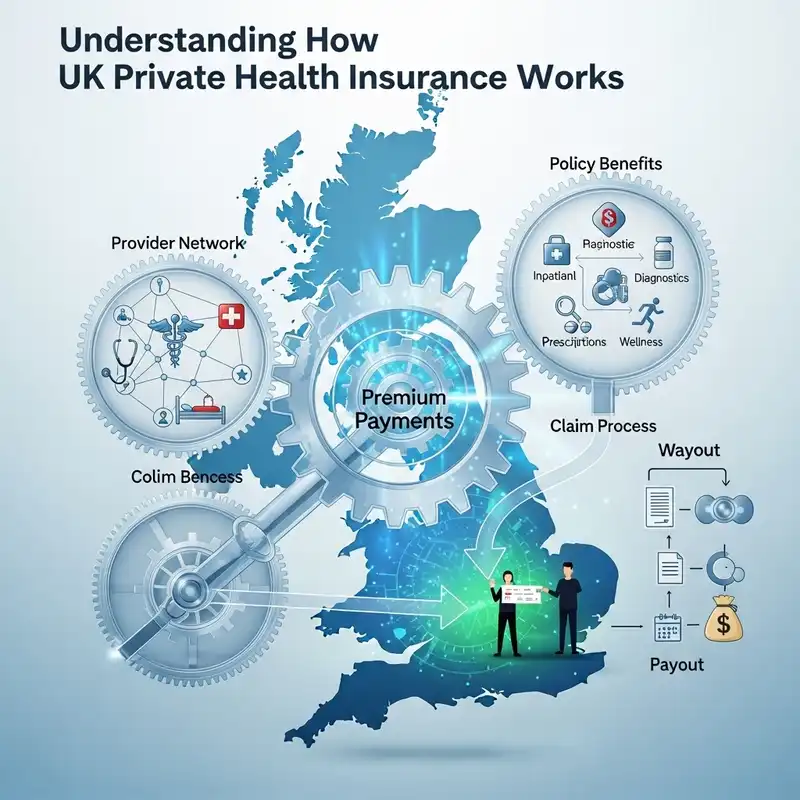
Why private medical insurance and how does it work?
What is Private Medical Insurance?
Private medical insurance (PMI) is a type of health insurance that provides access to private healthcare services in the UK. It covers the cost of private medical treatment, allowing you to bypass NHS waiting lists and receive faster, more convenient care.How does it work?
Private medical insurance works by paying for your private healthcare costs. When you need treatment, you can choose to go private and your insurance will cover the costs, subject to your policy terms and conditions. This can include:• Private consultations with specialists
• Private hospital treatment and surgery
• Diagnostic tests and scans
• Physiotherapy and rehabilitation
• Mental health treatment
Your premium depends on factors like your age, health, occupation, and the level of cover you choose. Most policies offer different levels of cover, from basic to comprehensive, allowing you to tailor the policy to your needs and budget.
Questions to ask yourself regarding private medical insurance
Just ask yourself:👉 Are you concerned about NHS waiting times for treatment?
👉 Would you prefer to choose your own consultant and hospital?
👉 Do you want faster access to diagnostic tests and scans?
👉 Would you like private hospital accommodation and better food?
👉 Do you want to avoid the stress of NHS waiting lists?
Many people don't realise that private medical insurance is more affordable than they think, especially when you consider the value of faster treatment and better facilities. A great insurance policy can provide peace of mind and ensure you receive the care you need when you need it.
Benefits offered by private medical insurance
Private medical insurance provides numerous benefits that can significantly improve your healthcare experience and outcomes:Faster Access to Treatment
One of the biggest advantages is avoiding NHS waiting lists. While the NHS provides excellent care, waiting times can be lengthy. With private medical insurance, you can often receive treatment within days or weeks rather than months.
Choice of Consultant and Hospital
You can choose your preferred consultant and hospital, giving you more control over your healthcare journey. This is particularly important for complex treatments where you want a specific specialist.
Better Facilities and Accommodation
Private hospitals typically offer superior facilities, including private rooms, better food, and more comfortable surroundings. This can make your recovery more pleasant and potentially faster.
Advanced Treatments
Private medical insurance often covers treatments and medications not available on the NHS, giving you access to the latest medical advances and technologies.
Mental Health Support
Many policies include comprehensive mental health coverage, providing faster access to therapy and psychiatric care when needed.
Tax Benefits for Business Owners
If you're self-employed or a business owner, private medical insurance premiums can be tax-deductible, making it a cost-effective way to protect your health and your business.
Peace of Mind
Knowing you have access to private healthcare when you need it provides invaluable peace of mind, especially for those with ongoing health conditions or concerns about NHS capacity.
Private medical insurance is particularly valuable for those who want to take control of their healthcare journey and ensure they receive the best possible treatment when they need it most.
Important Fact!
We can look at a more suitable option mid-term!
Why is it important to get private medical insurance early?
👉 Many people are very thankful that they had their private medical insurance cover in place before running into some serious health issues. Private medical insurance is as important as life insurance for protecting your family's finances.👉 We insure our cars, houses, and even our phones! Yet our health is the most precious thing we have.
Easily one of the most important insurance purchases an individual or family can make in their lifetime, the decision to buy private medical insurance can be made much simpler with the help of FCA-authorised advisers. They are the specialists who do the searching and analysis helping people choose between various types of private medical insurance policies available in the market, including different levels of cover and policy types most suitable to the client's individual circumstances.
It certainly won't do any harm if you speak with one of our experienced insurance experts who are passionate about advising people on financial matters related to private medical insurance and are keen to provide you with a free consultation.
You can discuss with them in detail what affordable private medical insurance plan for the necessary peace of mind they would recommend! WeCovr works with some of the best advisers in the market.
By tapping the button below, you can book a free call with them in less than 30 seconds right now:
Our Group Is Proud To Have Issued 900,000+ Policies!
We've established collaboration agreements with leading insurance groups to create tailored coverage
























How It Works
1. Complete a brief form

2. Our experts analyse your information and find you best quotes

3. Enjoy your protection!

Any questions?
Learn more

Who Are WeCovr?
WeCovr is an insurance specialist for people valuing their peace of mind and a great service.👍 WeCovr will help you get your private medical insurance, life insurance, critical illness insurance and others in no time thanks to our wonderful super-friendly experts ready to assist you every step of the way.
Just a quick and simple form and an easy conversation with one of our experts and your valuable insurance policy is in place for that needed peace of mind!