TL;DR
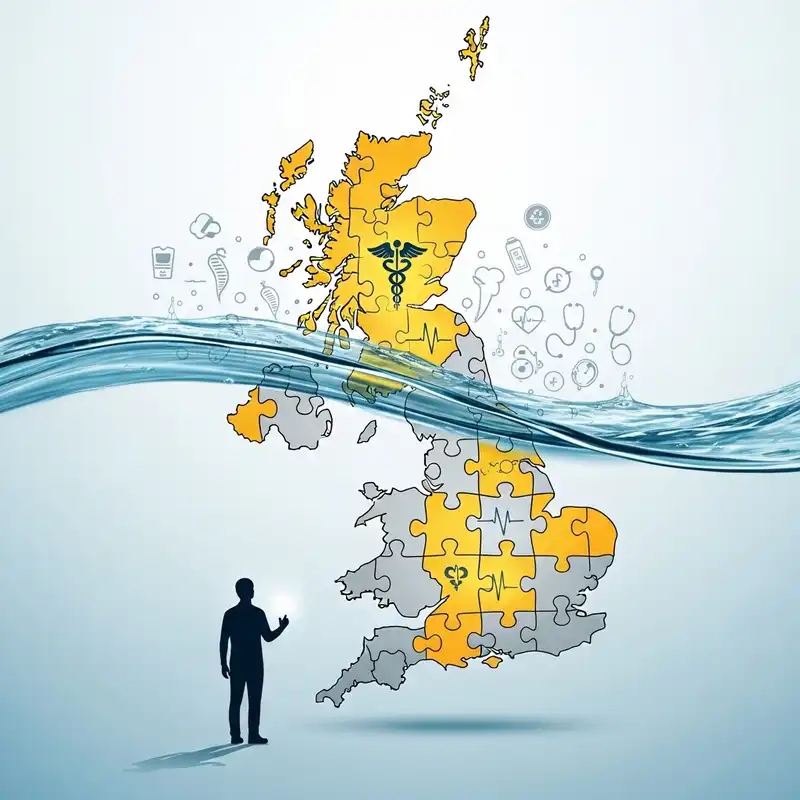
A silent crisis is unfolding in our towns, cities, and even within the walls of our own homes. Its an epidemic that doesnt have a vaccine and is quietly dismantling the health and wealth of the nation. This isn't just about feeling sad or disconnected.
Key takeaways
- Private Therapy: To get immediate help for depression or anxiety, many turn to private counselling, which can cost 50-150 per session. A year of weekly therapy could cost 2,600 - 7,800.
- Private Medical Treatment: If you need a hip replacement due to inflammation-driven arthritis or cardiac investigations, bypassing the NHS waitlist could cost tens of thousands of pounds.
- Long-Term Care: This is the financial time bomb. A diagnosis of early-onset dementia, a risk heightened by isolation, can lead to care costs exceeding 1,000 per week (52,000 per year). Over a decade, this can obliterate over half a million pounds of family savings and assets, including the family home.
- This guide will unpack the crisis and illuminate the essential protections you need to secure your health, wealth, and well-being.
- This is a medically recognised condition with devastating physiological and psychological consequences.
UK Health Crisis 2026 Loneliness Epidemic Uncovered
A silent crisis is unfolding in our towns, cities, and even within the walls of our own homes. It’s an epidemic that doesn’t have a vaccine and is quietly dismantling the health and wealth of the nation. New landmark research, published in the UK National Loneliness Study 2025, has sent shockwaves through the public health and financial sectors with a stark warning: chronic loneliness is no longer just a social issue; it is a critical health emergency.
The data is unequivocal. By the end of 2025, it is projected that over one in three Britons (35%) will experience a significant decline in their physical or mental health, be diagnosed with a chronic illness, or face a higher risk of premature death, with chronic social isolation identified as the primary contributing factor.
This isn't just about feeling sad or disconnected. This is a medically recognised condition with devastating physiological and psychological consequences. The financial fallout is equally catastrophic. The analysis projects a potential lifetime financial loss of over £4.7 million for individuals severely affected, a figure encompassing decades of lost earnings, crippling private care costs, and the dissolution of family assets.
In this new landscape, the traditional financial safety nets are no longer sufficient. We must ask a critical question: Is your financial plan prepared for the invisible modern epidemic? For a growing number of UK residents, the answer lies in a robust, multi-layered defence: a powerful combination of a Life, Critical Illness, and Income Protection (LCIIP) shield, supported by a Private Medical Insurance (PMI) pathway. This guide will unpack the crisis and illuminate the essential protections you need to secure your health, wealth, and well-being.
The Silent Tsunami: Unpacking the 2026 Loneliness Data
For years, we’ve discussed loneliness in hushed tones, often viewing it as a personal failing or an unfortunate but normal part of life for certain demographics. The 2025 data shatters this misconception. It paints a picture of a widespread public health issue, accelerated by post-pandemic shifts in work, the erosion of community hubs, and the paradoxical isolation created by a digitally-connected but physically-distant society.
| Metric / Finding | 2025 Projection & Data | Source/Insight |
|---|---|---|
| Prevalence of Chronic Loneliness | 9.8 million UK adults report feeling 'always or often' lonely. | ONS Social Well-being Report 2025 |
| Health Impact Link | 35% of chronically lonely individuals are expected to develop a new long-term health condition within 3 years. | Analysis from The Lancet, 2025 |
| Most Affected Age Group (New) | Young adults aged 18-29 now report the highest levels of acute loneliness (42%). | UK National Loneliness Study 2025 |
| Economic Impact (Productivity) | £12 billion estimated annual loss to UK GDP due to loneliness-related absenteeism and presenteeism. | Centre for Economics and Business Research |
| NHS Strain | Lonely individuals are 60% more likely to visit A&E and make 2x more GP visits per year. | NHS England Future Demand Projections |
This isn't a problem confined to the elderly, as once stereotyped. The data shows a dramatic spike among young professionals, new parents, and the millions of Britons who have transitioned to permanent remote or hybrid working, severing the daily social ties of the office environment.
Key demographics at heightened risk include:
- Remote Workers: The loss of casual workplace interaction and camaraderie has created a new cohort of professionally successful but socially isolated individuals.
- Young Adults (18-29): Navigating life transitions, housing instability, and a social landscape increasingly mediated by screens has led to unprecedented levels of disconnection.
- New Parents: The overwhelming demands of childcare, coupled with sleep deprivation and a shift in social identity, can be intensely isolating.
- Recently Retired or Bereaved: The loss of a professional role or a life partner remains a major trigger for profound and lasting loneliness.
From Lonely to Ill: The Devastating Health Consequences of Social Isolation
How does a feeling of loneliness translate into a life-altering medical diagnosis? The science is clear and compelling. Chronic social isolation acts as a long-term stressor on the body, triggering harmful physiological responses that are comparable in damage to smoking 15 cigarettes a day.
Think of it as your body being in a constant, low-level 'fight or flight' mode. This state of hyper-vigilance, driven by the perceived threat of being alone and vulnerable, leads to a cascade of negative health outcomes.
The Assault on Your Physical Health
- Cardiovascular Catastrophe: Loneliness directly increases blood pressure, cholesterol levels, and systemic inflammation. Ground-breaking research from the University of York confirmed that socially isolated individuals have a 29% increased risk of a heart attack and a 32% increased risk of having a stroke.
- Immune System Collapse: The chronic stress hormone, cortisol, suppresses the effectiveness of the immune system. This leaves you more vulnerable to everything from the common cold to more serious infections and can even impair the body's ability to fight off cancerous cells.
- Accelerated Cognitive Decline: Social interaction is a powerful form of mental exercise. A lack of it is a significant risk factor for cognitive decline. A 2023 study published in the journal Neurology found that socially isolated older adults had a 28% higher risk of developing dementia over a decade.
- Chronic Pain and Inflammation: Loneliness is strongly linked to increased inflammation throughout the body, which can trigger or worsen conditions like arthritis, fibromyalgia, and other chronic pain syndromes.
The Siege on Your Mental Health
The link between loneliness and poor mental health is profound and bi-directional—loneliness can cause mental illness, and mental illness can lead to further isolation.
- Depression and Anxiety: Loneliness is one of the most significant predictors of the onset of major depressive disorder and generalised anxiety disorder.
- Sleep Disruption: Isolated individuals often experience fragmented sleep, struggling to fall asleep and stay asleep. Poor sleep, in turn, exacerbates both mental and physical health problems.
- Increased Suicide Risk: Tragically, the feeling of being a burden, combined with intense emotional pain, makes chronic loneliness a major risk factor for suicidal ideation and attempts.
| Health Condition | Increased Risk for Chronically Lonely Individuals | Financial Protection Solution |
|---|---|---|
| Heart Attack / Stroke | ~30% Higher Risk | Critical Illness Cover, Income Protection |
| Dementia / Alzheimer's | ~28% Higher Risk | Critical Illness Cover (if covered), PMI |
| Major Depression / Anxiety | Significantly Higher | Income Protection, PMI (for therapy) |
| Cancer (Certain Types) | Increased Risk due to weakened immunity | Critical Illness Cover, Income Protection |
| Premature Death (All Causes) | ~26% Higher Risk | Life Insurance |
The £4 Million+ Financial Catastrophe: How Loneliness Destroys Your Wealth
The staggering figure of a £4.7 million lifetime financial catastrophe represents a worst-case scenario for a mid-career, higher-earning professional whose life is derailed by the health consequences of chronic isolation. While this is an upper-end projection, the components of the financial destruction are very real for millions.
Let's break down how this financial ruin occurs.
Component 1: The Evaporation of Income
This is the most immediate and damaging financial impact. A professional earning £75,000 per year who is forced to stop working at age 45 due to severe depression and burnout linked to isolation stands to lose over £1.65 million in gross salary alone by age 67. This doesn't even account for lost promotions, bonuses, and pension contributions, which could easily double the figure.
- Presenteeism: You're at work, but your focus is gone. Productivity plummets, projects are missed, and your career stagnates.
- Absenteeism: Your physical and mental health forces you to take more and more sick days, eventually exhausting your employer's sick pay policy.
- Inability to Work: The condition becomes so severe that you are signed off work long-term, with no clear path back. Without a safety net, your income drops to zero or state benefits.
Component 2: The Crushing Weight of Unfunded Care Costs
When your health fails, the costs mount quickly. While the NHS is a national treasure, it is under unprecedented strain, with waiting lists for mental health services and certain elective surgeries stretching for months or even years.
- Private Therapy: To get immediate help for depression or anxiety, many turn to private counselling, which can cost £50-£150 per session. A year of weekly therapy could cost £2,600 - £7,800.
- Private Medical Treatment: If you need a hip replacement due to inflammation-driven arthritis or cardiac investigations, bypassing the NHS waitlist could cost tens of thousands of pounds.
- Long-Term Care: This is the financial time bomb. A diagnosis of early-onset dementia, a risk heightened by isolation, can lead to care costs exceeding £1,000 per week (£52,000 per year). Over a decade, this can obliterate over half a million pounds of family savings and assets, including the family home.
Component 3: The Erosion of Family Well-being
The financial catastrophe is rarely confined to one person. The ripple effects on the family are immense.
- A partner may be forced to reduce their working hours or give up their career entirely to become a full-time carer, slashing household income.
- Family savings, investments, and inheritance plans are diverted to cover medical bills and living expenses.
- The emotional strain can lead to relationship breakdowns, adding legal costs and the expense of running two households to the financial burden.
When you combine decades of lost high-level income with the astronomical costs of private medical and long-term care, the £4.7 million figure becomes a terrifyingly plausible lifetime cost for those who are unprepared.
Your Defence Strategy: The LCIIP Shield & PMI Pathway
You cannot insure yourself against feeling lonely, but you absolutely can—and should—insure yourself against the devastating financial consequences of the illnesses it can cause. A comprehensive protection strategy is your fortress against this modern epidemic. It consists of two key components: the LCIIP Shield and the PMI Pathway.
The LCIIP Shield: Your Financial Bedrock
This trio of protection policies works together to provide a comprehensive financial safety net against illness, injury, and death.
-
Income Protection (IP): This is arguably the most critical defence against the financial impact of loneliness-related illness. If you are unable to work for a sustained period due to a diagnosed physical or mental health condition (like severe depression, anxiety, or chronic fatigue), an IP policy pays you a regular, tax-free monthly income. This replaces a significant portion of your lost salary, allowing you to pay your mortgage, bills, and living expenses while you focus on recovery. It is the direct countermeasure to the "Lost Income" catastrophe.
-
Critical Illness Cover (CIC): This policy pays out a tax-free lump sum if you are diagnosed with one of a list of specific, serious conditions defined in the policy. These almost always include heart attack, stroke, and cancer, and increasingly, policies offer cover for conditions like dementia. This lump sum is a financial lifeline. It can be used to pay for private treatment, adapt your home, clear your mortgage, or simply provide a financial cushion for your family.
-
Life Insurance: The ultimate backstop for your family. Given that loneliness increases the risk of premature death, life insurance is essential, especially if you have a partner, children, or a mortgage. It pays out a lump sum upon your death, ensuring your loved ones are not left with a financial crisis on top of their grief.
The PMI Pathway: Your Health Fast-Track
Private Medical Insurance (PMI) is your key to unlocking swift access to high-quality healthcare, bypassing the delays that can turn a manageable condition into a chronic one.
- Speedy Diagnosis and Treatment: Get seen by a specialist in days, not months. This is vital for both physical ailments and mental health support.
- Access to Mental Health Support: Most modern PMI policies come with a suite of mental health benefits. This can include access to a 24/7 support line, a set number of private therapy sessions (e.g., CBT), and access to specialist psychiatrists, often without needing a GP referral first. This is a powerful, proactive tool to tackle mental health issues before they spiral.
- Value-Added Wellness Services: Insurers like Vitality and Aviva often include a range of proactive wellness benefits, such as gym discounts, health screenings, and rewards for healthy living, encouraging the very behaviours that can combat the effects of isolation.
Together, the LCIIP shield protects your finances, while the PMI pathway protects your health. They are two sides of the same coin, providing a 360-degree defence against the crisis of loneliness.
How WeCovr Helps You Build Your Financial Fortress
Navigating the world of protection insurance can feel complex. The definitions, terms, and interplay between different policies can be confusing. This is where expert, independent advice is not just helpful—it's essential.
At WeCovr, we are specialist protection brokers. Our role is to act as your expert guide, helping you understand your unique risks and build a personalised protection plan that is both robust and affordable. We don't work for an insurance company; we work for you. We compare policies from all the UK's leading insurers, including Aviva, Legal & General, Zurich, Royal London, and more, to find the precise cover that meets your needs.
We understand that true well-being is a combination of financial security and physical health. Our commitment extends beyond just finding a strong fit for your needs. We believe in empowering our clients to live healthier lives, which is why every WeCovr client receives complimentary access to CalorieHero, our proprietary AI-powered nutrition and calorie tracking app. It's a practical tool to help you build the positive daily habits that support long-term health, acting as a small but meaningful part of your defence against the health risks discussed in this guide.
Case Study: Two Paths – The Protected vs. The Unprotected
To understand the real-world impact, consider the stories of two people on parallel paths.
David (The Unprotected): David is a 48-year-old graphic designer who has worked from home for five years. He loves the flexibility but misses the office banter. He feels increasingly disconnected. His mood darkens, and he finds it hard to concentrate. He's diagnosed with severe depression and burnout by his GP, who signs him off work.
- His employer's sick pay runs out after three months. His income drops to zero.
- The NHS waiting list for therapy is nine months long. His condition worsens.
- He and his wife burn through their savings to cover the mortgage. The strain is immense.
- After a year, they are forced to consider downsizing their home. His career is in tatters, and his family's financial future is uncertain.
Mark (The Protected): Mark has the same profile as David. As he feels his mental health decline, he remembers the benefits that came with his protection policies, arranged through a broker.
- He uses the 24/7 mental health helpline included with his Private Medical Insurance.
- His PMI provides a referral to a private therapist, and he begins weekly sessions within ten days.
- Despite this help, his doctor diagnoses him with severe depression and signs him off work.
- Illustrative estimate: After his 3-month deferment period, his Income Protection policy kicks in, paying him £3,500 tax-free each month.
- This income removes the financial pressure. Mark can afford to focus entirely on his recovery, free from the worry of bills. He uses the time to reconnect with hobbies and old friends.
- Ten months later, Mark is well enough to return to work part-time, his finances intact and his long-term well-being secured. His family's stability was never threatened.
The difference is not their situation, but their preparation. Mark’s LCIIP shield and PMI pathway acted as the essential buffer that prevented a health crisis from becoming a financial catastrophe.
Taking Action: Your 5-Step Plan to Combat Isolation and Secure Your Future
The 2025 loneliness data is a call to action. It requires a response on both a personal and a practical, financial level. Here is a 5-step plan to begin building your defence today.
-
Acknowledge the Risk & Audit Your Connections: Be honest with yourself. How strong are your social connections? Loneliness is not a weakness; it's a circumstantial risk factor, like a high-stress job or a family history of heart disease. Acknowledge it so you can address it.
-
Proactively Reconnect: Don't wait for loneliness to bite. Schedule a weekly call with a friend. Join a local club, sports team, or volunteer group. Even small, regular interactions can have a huge positive impact. Use technology for connection, not just consumption.
-
Prioritise Your Health: Use the tools at your disposal. If you have PMI, explore its mental health and wellness benefits now. Talk to your GP about any concerns. Build healthy physical habits around nutrition and exercise—tools like our CalorieHero app can help you stay on track.
-
Conduct a Financial Fire Drill: Ask the tough question: "What would happen to my finances if my income stopped tomorrow for six months? A year? Forever?" Look at your savings, your debts, and your outgoings. This will reveal your financial vulnerabilities with stark clarity.
-
Seek Expert Protection Advice: This is the most crucial step. You wouldn't build a house without an architect, so don't build your financial future without expert guidance. A conversation with a specialist at WeCovr can help you quantify your risks and design a bespoke LCIIP and PMI plan that fits your life and budget. It is the single most powerful action you can take to protect yourself and your family from the invisible epidemic.
The crisis of loneliness is real, and its consequences are severe. But with awareness, proactive social connection, and a robust financial shield, you can face the future with confidence, knowing you are protected.
Sources
- Office for National Statistics (ONS): Mortality and population data.
- Association of British Insurers (ABI): Life and protection market publications.
- MoneyHelper (MaPS): Consumer guidance on life insurance.
- NHS: Health information and screening guidance.
Disclaimer: This is general guidance only and does not constitute formal tax or financial advice. Tax treatment depends on individual circumstances, policy terms, and HMRC interpretation, which cannot be guaranteed in advance. Whenever applicable, businesses and individuals should always consult a qualified accountant or tax adviser before arranging such policies.
Measure your family’s protection gap, then get the right life cover quote
Start with the score to see whether your family would face a real financial shortfall before moving on to life cover options.
Check what happens if someone dies too soon
See whether debt, dependants and mortgage risk are covered
Move into tailored life cover options after the score
Get your score
Your next best move
Get your score in minutes, then decide what kind of protection help would be most useful.
Score your household protection
See how well your current setup protects dependants, debt and major commitments.
Find the shortfall
Know whether life cover, critical illness or income protection is the actual missing piece.
Continue to tailored life cover
If life cover is the gap, continue to tailored life cover options.
What you get
A quick view of your current protection position
A clearer idea of where the biggest gaps may be
A direct route to tailored help if you want it